
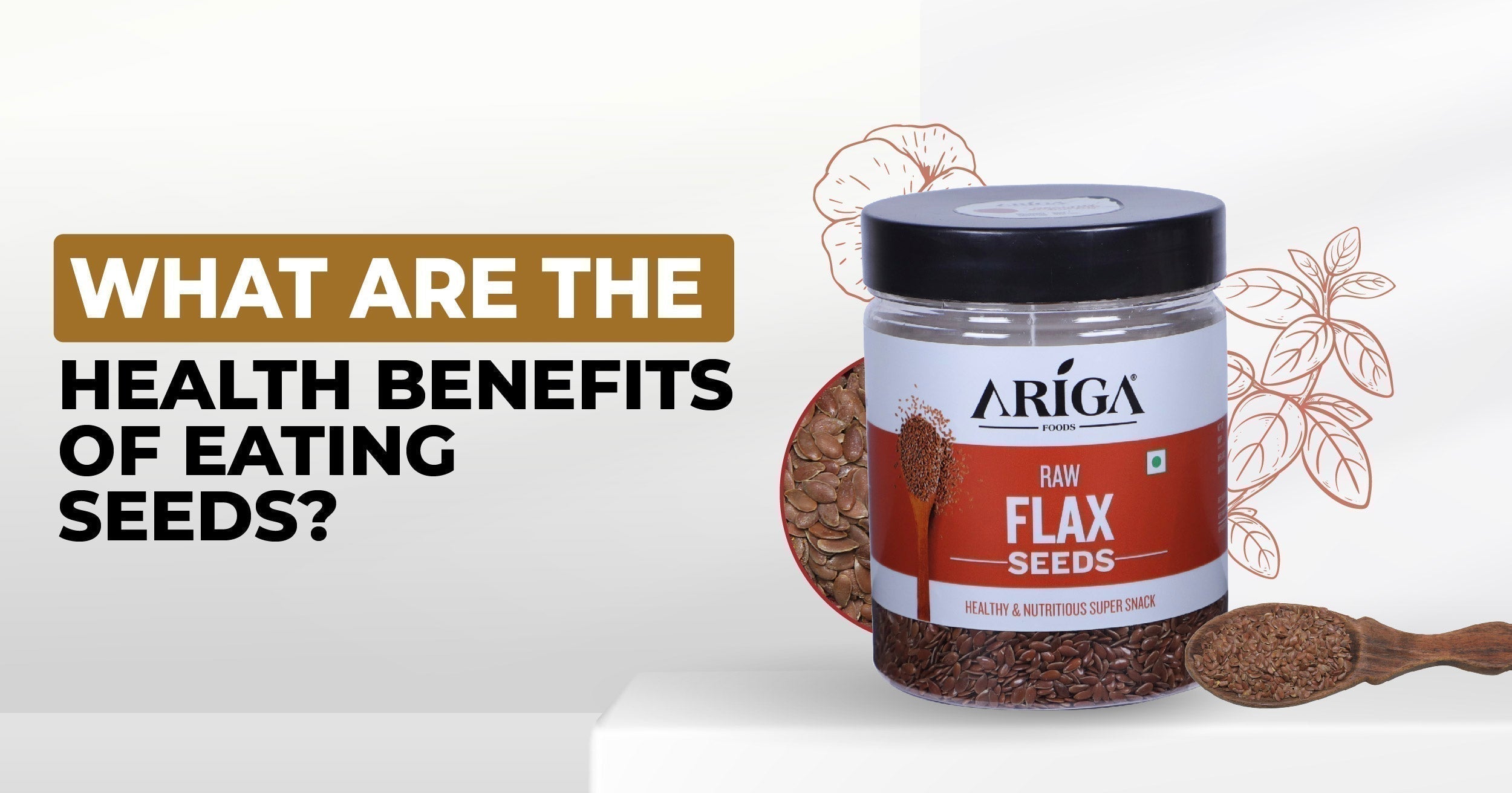
What Are the Health Benefits of Eating Seeds?
I spent years treating seeds as an afterthought, something you scrape out of a pumpkin and throw away, or a garnish on someone else's granola.
That changed when a friend who takes her nutrition genuinely seriously pointed out that, gram for gram, seeds often punch above nuts in certain nutrients, and once I started paying attention, pumpkin, flax, chia, sunflower, and watermelon seeds all earned a proper place in my kitchen.
Pumpkin Seeds: A Protein and Magnesium Boost
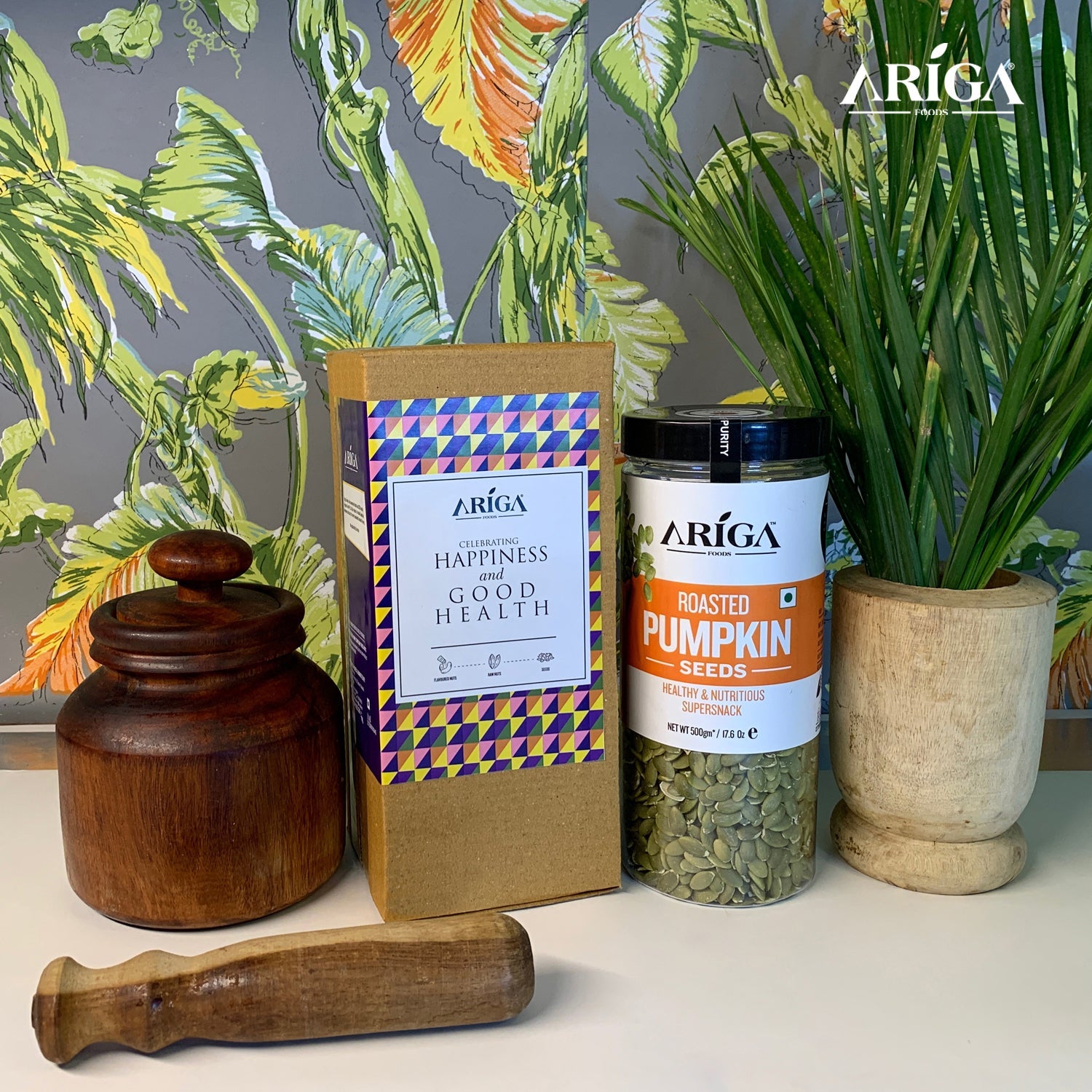
Pumpkin seeds are a genuine plant-based protein source, more substantial than most people expect from something so small.
They also carry a solid dose of magnesium, relevant to heart health, muscle function, and general wellbeing.
I keep both the plain roasted version for everyday snacking and the Indian Masala flavour for when I want something with a bit more kick, the aromatic spice blend genuinely making a handful feel like more of a treat than a health snack.
Flax Seeds : Omega-3 Fatty Acids for Heart Health
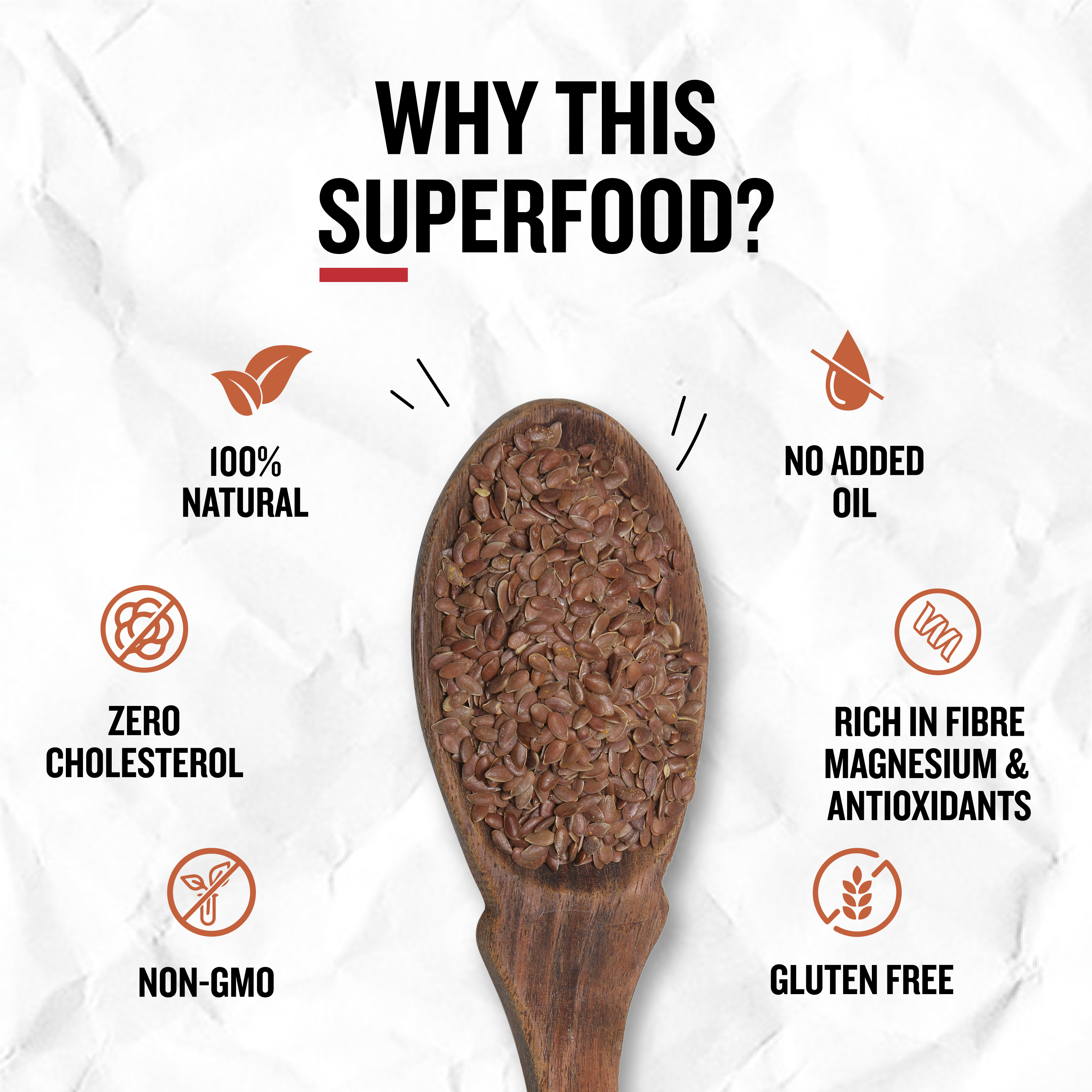
Flax seeds are genuinely remarkable for their omega-3 content, among plant sources, flax is one of the richest available, contributing meaningfully to heart health by supporting healthy inflammation levels and cardiovascular function.
I lean on the raw version specifically for smoothies and overnight oats, and the dry-roasted version, blended with turmeric in Ariga's version, for straightforward snacking when I want that nutty flavour without any extra prep.
One habit worth mentioning, flax seeds should be ground rather than eaten whole if you actually want your body to absorb their nutrients properly, whole seeds tend to pass through mostly undigested.
Chia Seeds : Fiber and Antioxidants Galore
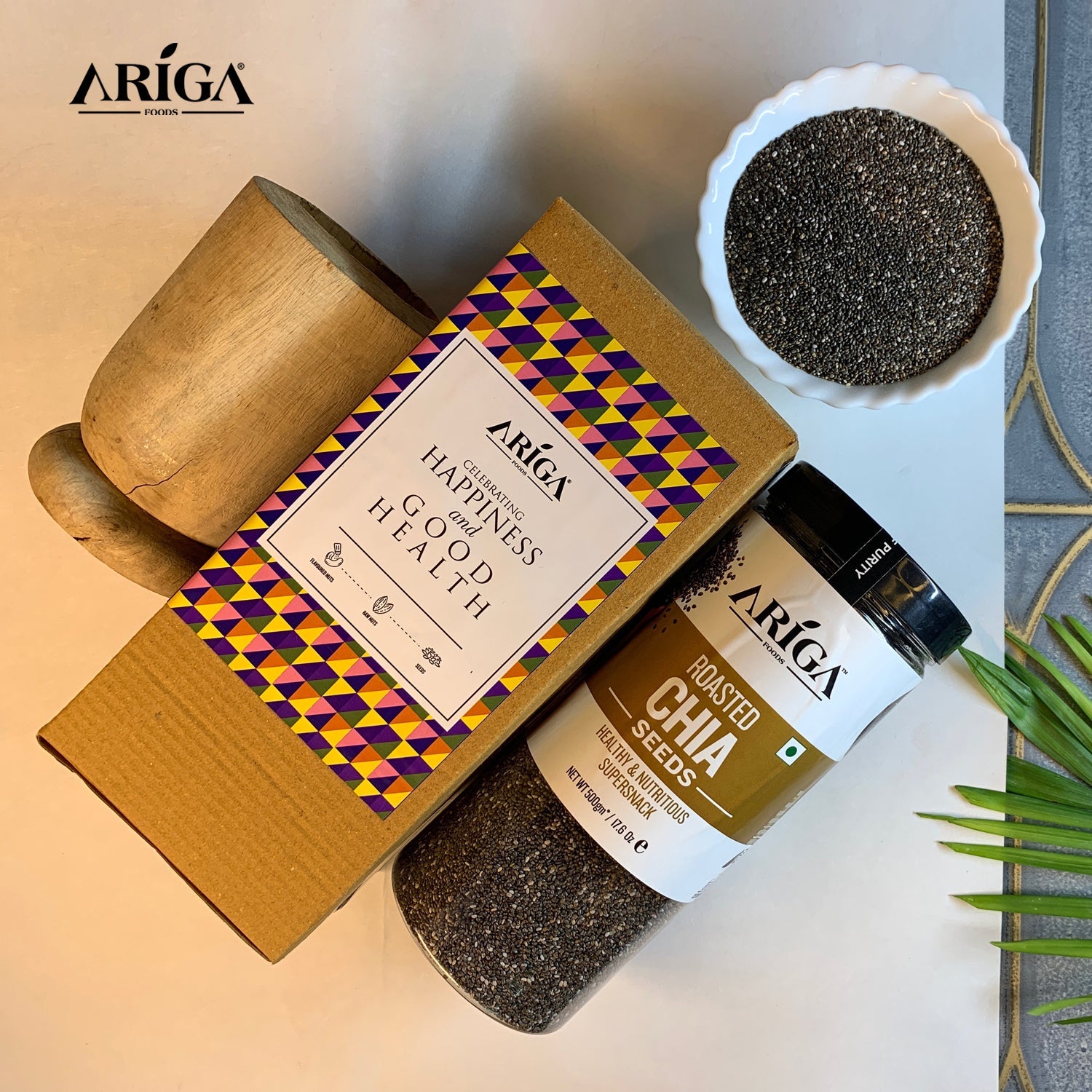
Chia seeds are genuinely dense in fibre, which supports digestion, promotes a feeling of fullness, and helps with more stable blood sugar levels after eating. They also carry a meaningful antioxidant content, protecting cells against oxidative stress.
I use the raw version soaked in water or milk for that classic gel-like chia pudding texture, and the roasted version for a crunchier bite straight from the jar or sprinkled over yogurt.
Sunflower Seeds : Vitamin E and Healthy Fats
Sunflower seeds are one of the better dietary sources of vitamin E, an antioxidant relevant to skin health, immune function, and protecting cells from damage.
They also carry healthy fats that support brain function more broadly. I keep raw sunflower seeds on hand specifically for baking and toasting into tea, a habit I picked up somewhat by accident and now genuinely enjoy.
Watermelon Seeds : Protein-Packed Snacking
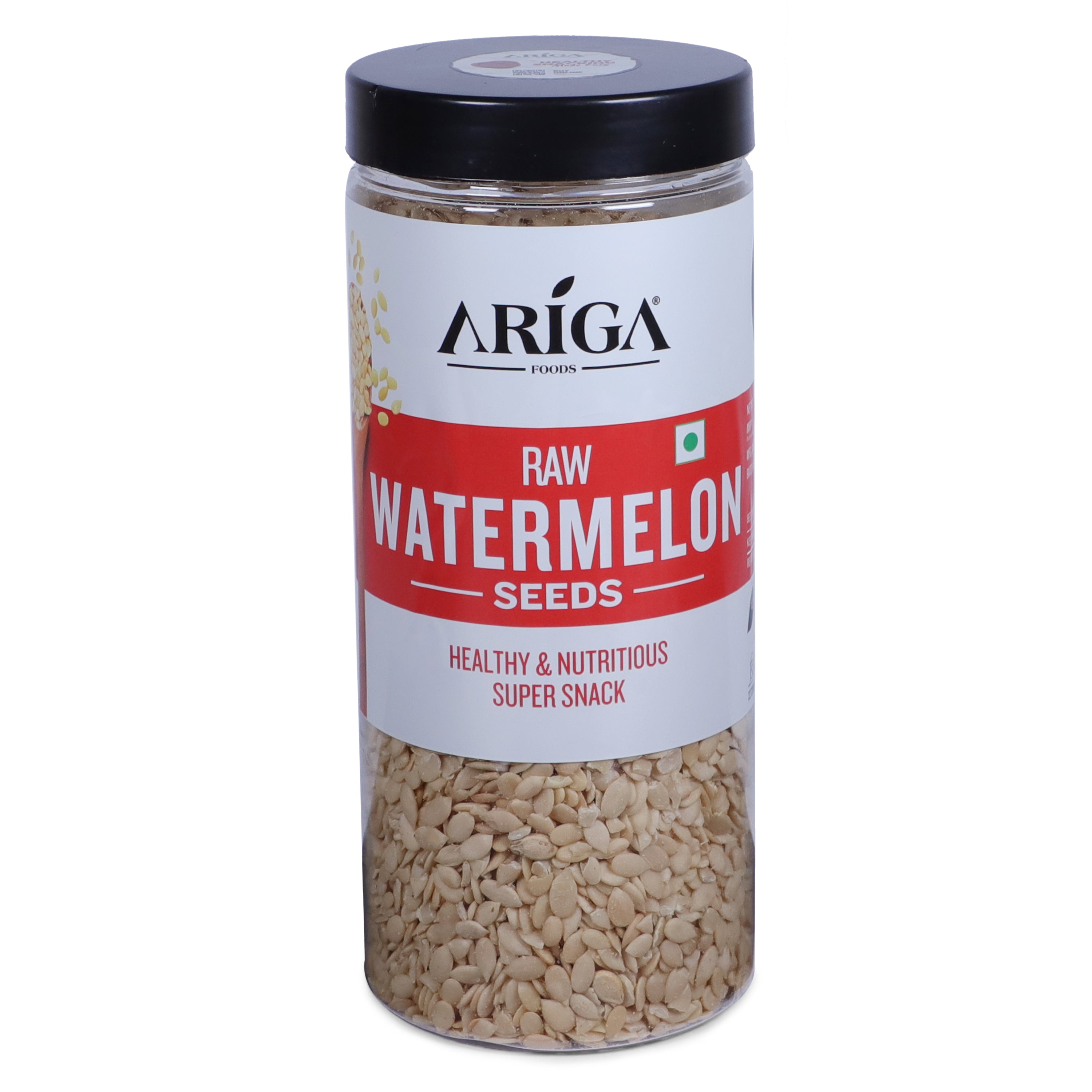
This is the seed I overlooked longest, and the one that surprised me most once I actually tried it properly. Watermelon seeds carry a genuinely notable protein content for their size, making them a solid option for anyone looking to add more plant-based protein into their diet.
I use raw watermelon seeds in cold drinks and punches through summer, a habit that has become a genuine seasonal ritual rather than a novelty.
Mixed Seeds Blend : A Nutrient-Rich Symphony
On days I do not want to think about which seed to reach for, a good roasted mixed seeds blend, pumpkin, flax, chia, sunflower, and watermelon combined, covers a genuinely broad range of nutrients in one convenient jar, protein, healthy fats, fibre, vitamins, and minerals all in a single handful.
Why Storage Actually Matters Here
Seeds, like nuts, carry a meaningful oil content, which makes them prone to going stale or rancid if not stored properly.
I keep mine in airtight containers, ideally the reusable PET jars most premium seed brands now use, since these genuinely help prevent moisture exposure and extend shelf life compared to a loosely sealed bag.
What I Would Tell Anyone Starting This Habit
Seeds are genuinely worth treating as more than a garnish.
A rotating handful, pumpkin one day, chia stirred into yogurt the next, flax ground into a smoothie, sunflower toasted into a salad, covers a genuinely wide range of nutrients without much effort or planning.
It took me embarrassingly long to stop discarding these as an afterthought, and I genuinely wish I had started paying attention sooner.
People Also Ask
Which seed is best for heart health?
Flax seeds are particularly notable for their high omega-3 fatty acid content, which supports cardiovascular health by helping manage inflammation, making them one of the better plant-based options for heart health specifically.
Do chia seeds need to be soaked before eating?
Soaking is not strictly necessary, but it does change the texture significantly, creating the characteristic gel-like consistency chia seeds are known for. Roasted chia seeds offer a crunchier alternative that does not require soaking.
Are watermelon seeds actually good for you?
Yes, watermelon seeds are often overlooked but offer a genuinely solid amount of plant-based protein for their size, making them a worthwhile addition for anyone looking to diversify their protein sources.
Should flax seeds be eaten whole or ground?
Ground flax seeds are generally better absorbed by the body, since whole flax seeds often pass through the digestive system largely undigested, meaning you miss out on much of their nutritional benefit.
What is the best way to store seeds to keep them fresh?
Seeds should be stored in an airtight container, ideally in a cool, dry place, since their natural oil content makes them prone to going rancid if exposed to air, moisture, or heat for extended periods.
Is a mixed seed blend better than eating one type of seed?
A mixed blend offers a broader range of nutrients in a single serving, combining the individual strengths of different seeds, which can be a convenient way to diversify your intake without needing to buy and rotate several separate products.
Related Products
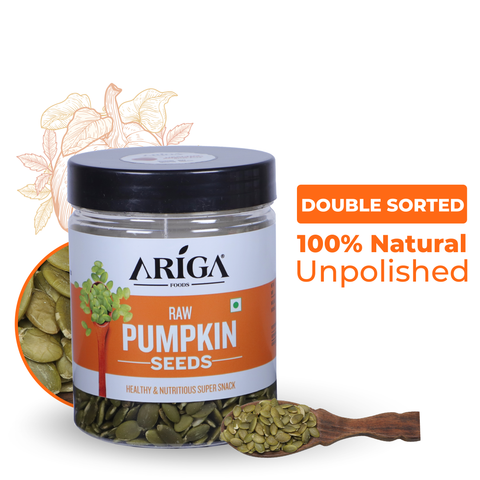

Ariga Foods Raw Pumpkin Seeds 200g | Premium Quality
Ariga Foods premium quality raw pumpkin seeds helps weight management. Buy pumpkin seeds online at Ariga Foods. An ideal snack and ingredient for...


Ariga Foods Raw Pumpkin Seeds 500g | Premium Quality
Ariga Foods premium quality raw pumpkin seeds helps weight management. Buy pumpkin seeds online at Ariga Foods. An ideal snack and ingredient for...
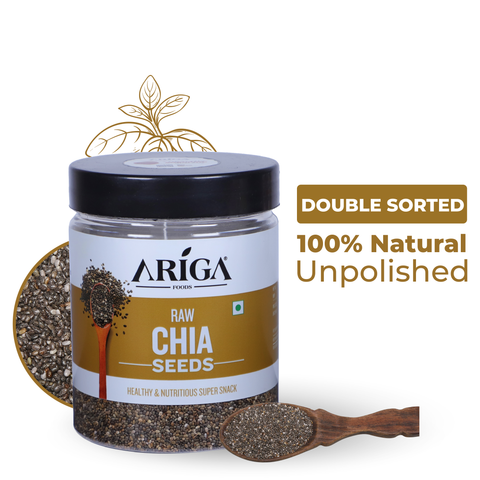

Raw Chia Seeds 250g | 100% Premium Quality
Ariga Foods premium quality chia seeds are double sortex and sorted with perfection. Benefits of Chia seeds for eating are they are good for dige...
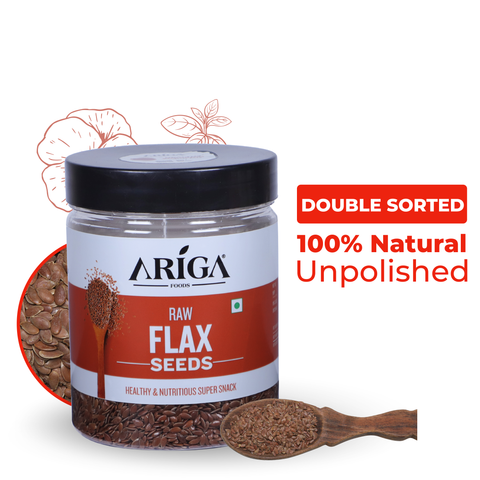

Raw Flax Seeds 200g | 100% Premium Quality Alsi
100% premium quality raw flax seeds alsi from Ariga Foods for weight loss. Buy flax seeds online at Ariga Foods. Crunchy and delicious alsi. Flax...
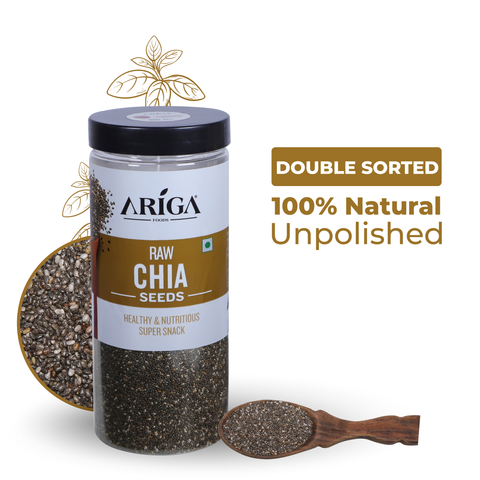

Raw Chia Seeds 500g | 100% Premium Quality
Ariga Foods premium quality chia seeds are double sortex and sorted with perfection. Benefits of Chia seeds for eating are they are good for dige...
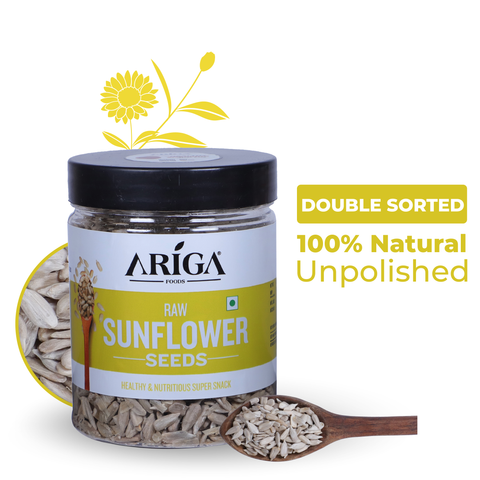

Raw Sunflower Seeds 200g | 100% Premium Quality
100% premium quality raw sunflower seeds from Ariga Foods, sourced from the farmers and carefully selected to the highest quality. Benefits of su...
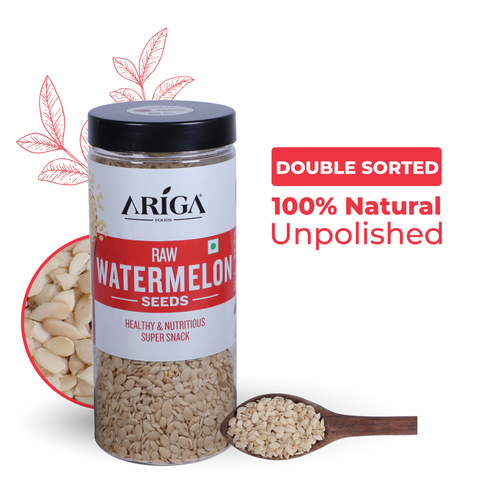

Raw Watermelon Seeds 500g | 100% Premium Quality
Ariga Foods premium quality raw watermelon seeds are great for hair and skin. Buy watermelon seeds online at Ariga Foods. Eating watermelon seeds...
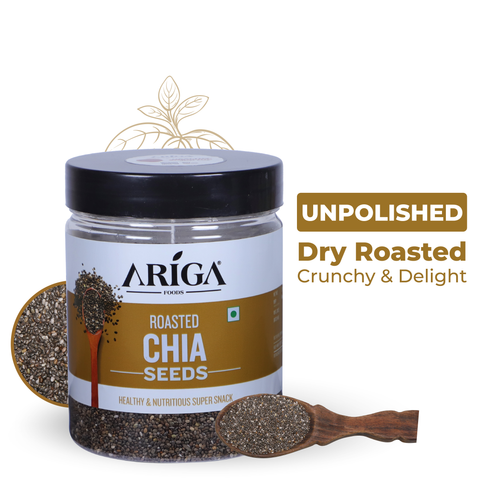

Roasted Chia Seeds 250g | 100% Premium Quality
Ariga Foods premium quality roasted chia seeds are roasted with perfection without oil. Benefits of chia seeds is they help you in weight managem...
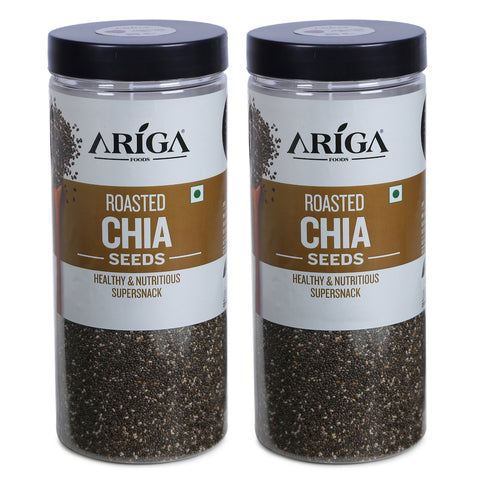

Roasted Chia Seeds 1kg | 100% Premium Quality
Ariga Foods premium quality roasted chia seeds are roasted with perfection without oil. Benefits of chia seeds is they help you in weight managem...
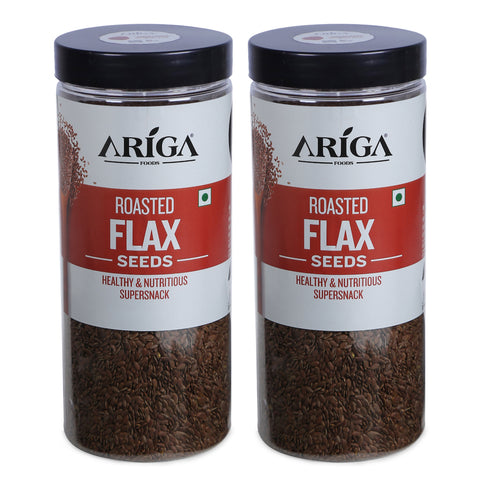

Roasted Flax Seeds 1kg | 100% Premium Quality Alsi
100% premium quality roasted flax seeds alsi from Ariga Foods. Roasted and blended with turmeric without the use of oil. Buy roasted flax seeds o...
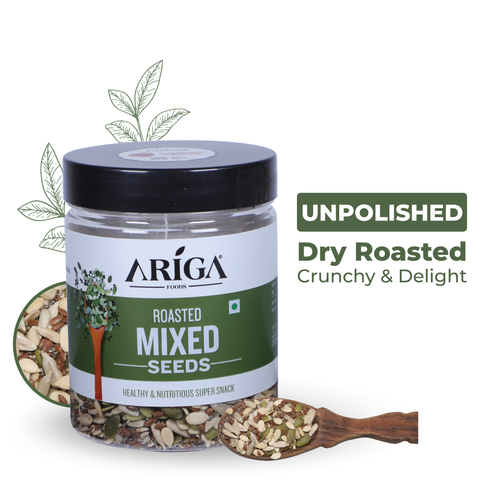

Roasted Mixed Seeds 200g | 5 in 1 Trail Mix
100% premium quality roasted seeds mix 5 in 1 made of pumpkin, flax, chia, sunflower and watermelon seeds. Roasted with perfection without oil. B...
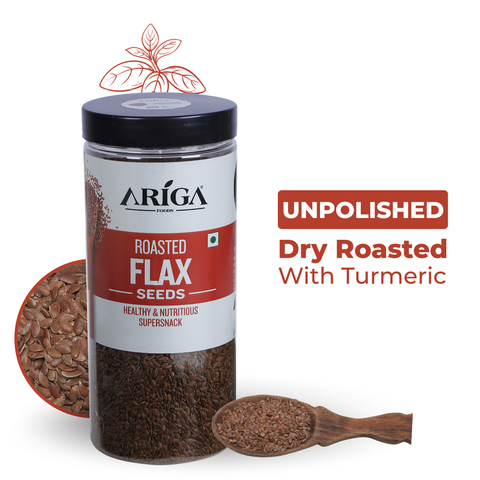

Roasted Flax Seeds 500g | 100% Premium Quality Alsi
100% premium quality roasted flax seeds alsi from Ariga Foods. Roasted and blended with turmeric without the use of oil. Buy roasted flax seeds o...
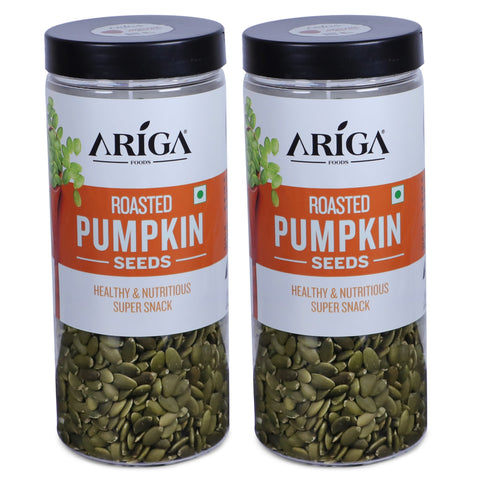

Roasted Pumpkin Seeds 1kg | Premium Quality
Ariga Foods premium quality dry roasted pumpkin seeds are dry roasted with no oil. Buy pumpkin seeds online at Ariga Foods. Pumpkin seeds are als...


Roasted Pumpkin Seeds 1kg- Natkhat Nimbu Flavour | Premium Quality
Ariga Foods premium quality roasted pumpkin seeds Natkhat Nimbu are blended with lemon powder without the use of oil. Buy roasted pumpkin seeds o...
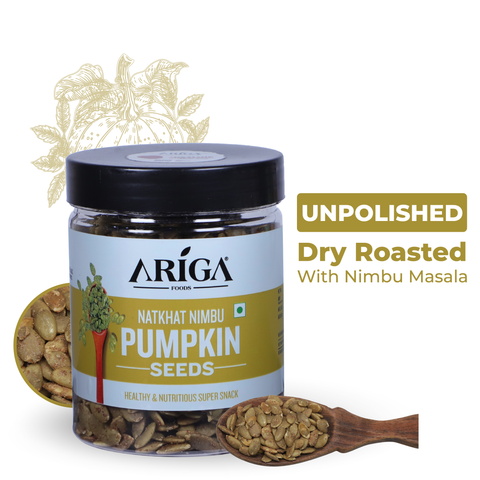

Roasted Pumpkin Seeds 200g- Natkhat Nimbu Flavour | Premium Quality
Ariga Foods premium quality roasted pumpkin seeds Natkhat Nimbu are blended with lemon powder without the use of oil. Buy roasted pumpkin seeds o...
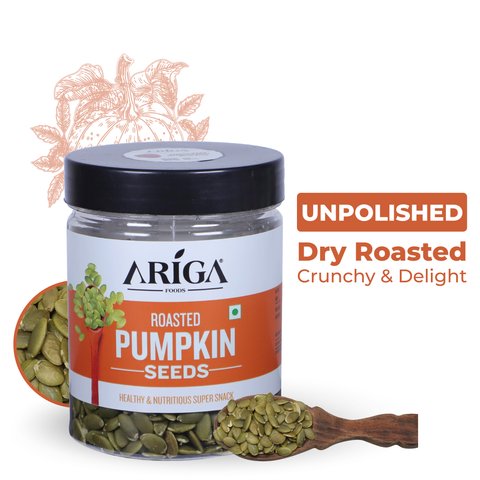

Roasted Pumpkin Seeds 200g | Premium Quality
Ariga Foods premium quality dry roasted pumpkin seeds are dry roasted with no oil. Buy pumpkin seeds online at Ariga Foods. Pumpkin seeds are als...
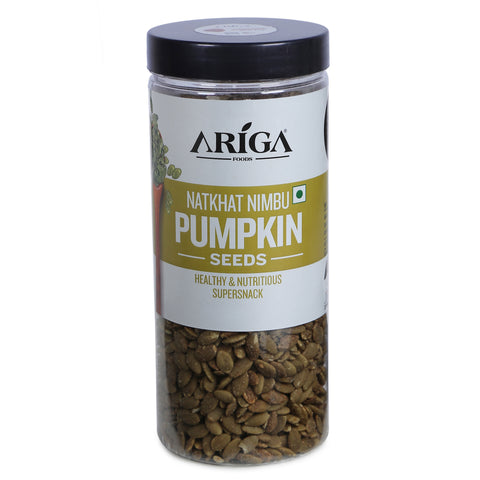

Roasted Pumpkin Seeds 500g- Natkhat Nimbu Flavour | Premium Quality
Ariga Foods premium quality roasted pumpkin seeds Natkhat Nimbu are blended with lemon powder without the use of oil.Buy roasted pumpkin seeds onli...
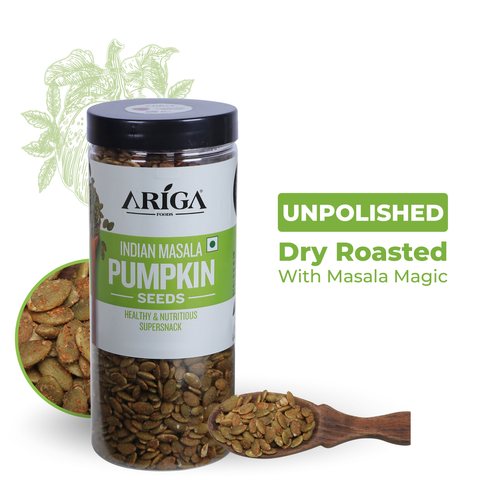

Roasted Pumpkin Seeds 500g- Indian Masala Flavour | Premium Quality
Ariga Foods premium quality roasted pumpkin seeds are blended with Indian masala and herbs without the use of oil. Buy roasted pumpkin seeds onli...
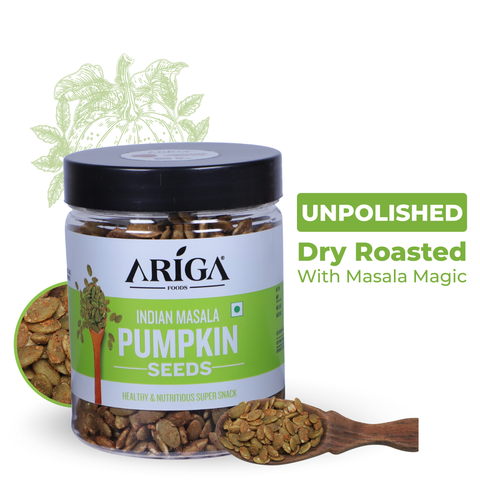

Roasted Pumpkin Seeds 200g- Indian Masala Flavour | Premium Quality
Ariga Foods premium quality roasted pumpkin seeds are blended with Indian masala and herbs without the use of oil. Buy roasted pumpkin seeds onli...
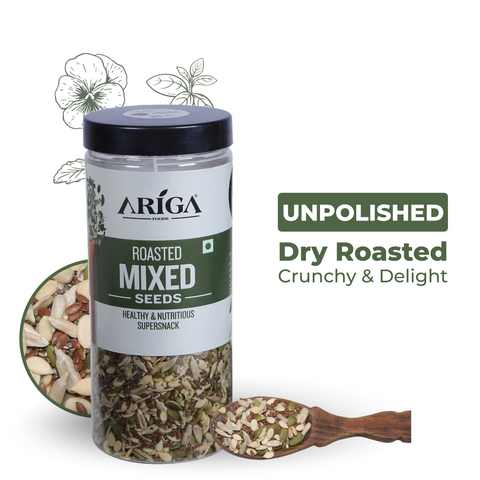

Roasted Mixed Seeds 500g | 5 in 1 Trail Mix
100% premium quality roasted seeds mix 5 in 1 made of pumpkin, flax, chia, sunflower and watermelon seeds. Roasted with perfection without oil.Buy ...
About Us
Ariga Foods is the innovative Retail and B2B brand by Ariganic Food Pvt. Ltd. Our vision is to make Superfood convenient and tasty for every household around the world.
Read moreSUBSCRIBE & FOLLOW
TAG CLOUD