
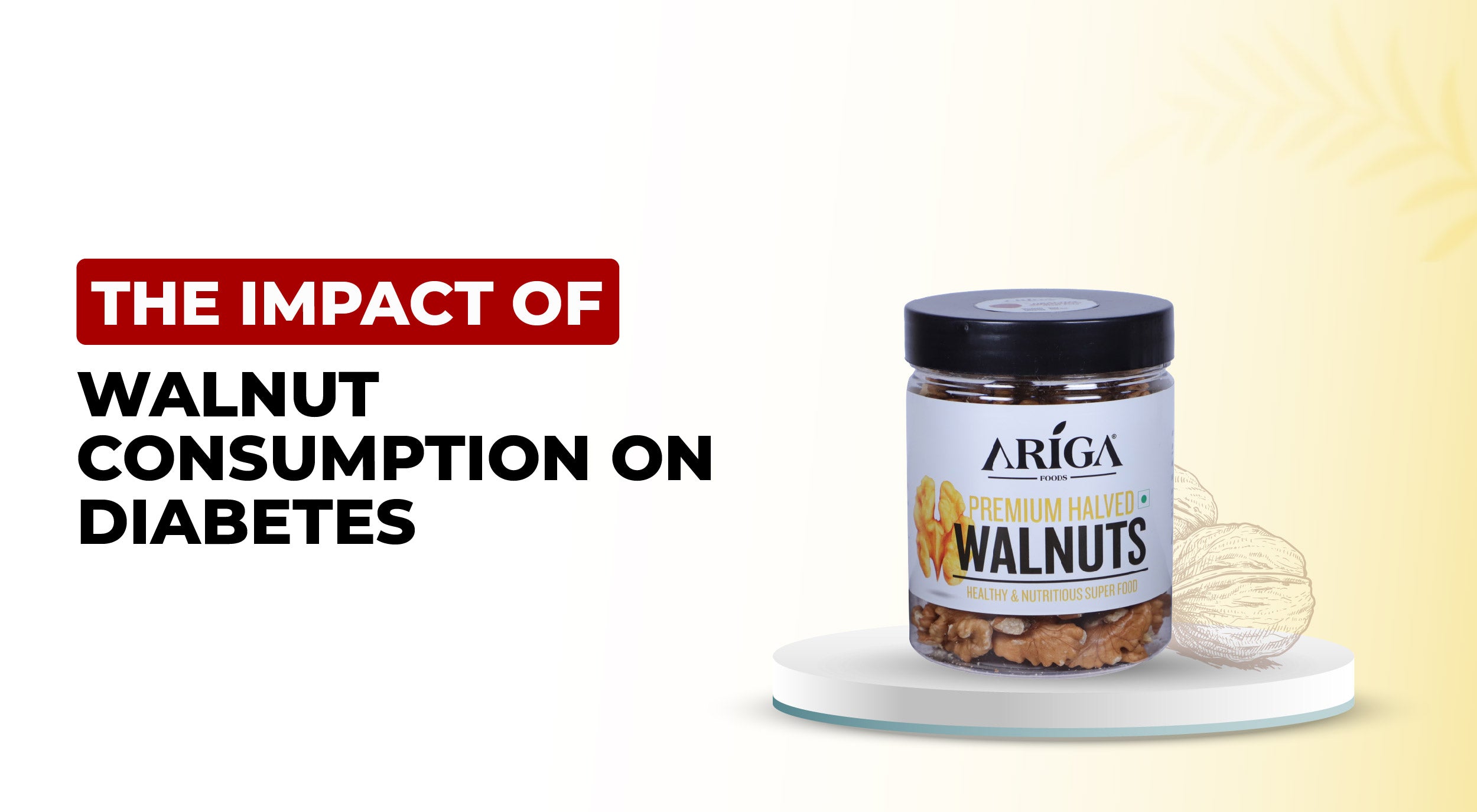
The Impact of Walnut Consumption on Diabetes
My uncle has managed type 2 diabetes for close to a decade now, and he is one of those people who genuinely reads the research himself rather than just following whatever the latest headline claims.
When walnuts came up as a topic between us recently, he was quick to correct a few things I had assumed were settled science, and it turned out to be a genuinely useful lesson in reading nutrition research more carefully rather than taking a confident headline at face value.
I am not a doctor, and if you are managing diabetes, please treat this as general information to discuss with your own healthcare provider rather than a substitute for their guidance.
What I want to share here is what the actual research says about walnuts and diabetes, including the parts that are more uncertain than a lot of articles let on.
What the Research Actually Shows
Walnuts are a genuine nutritional powerhouse, rich in omega-3 fatty acids, particularly alpha-linolenic acid, along with fibre, protein, iron, and potassium. Their favourable fat profile, high in unsaturated fats and low in saturated fat, has consistently been linked to better cardiovascular outcomes, and this heart-health connection is genuinely well established in the research.
Where things get more nuanced is the specific question of blood sugar control. Some observational studies and mechanistic research have suggested walnuts could support insulin sensitivity, partly through compounds like phenolic acids that walnuts contain.
However, when researchers have actually tested this directly in randomised controlled trials, the results have been genuinely inconsistent.
A systematic review and meta-analysis published in the British Journal of Nutrition, pulling together multiple controlled trials, found no significant, consistent effect of walnut consumption on fasting blood glucose, HbA1c, or insulin resistance markers.
Several individual trials specifically in people with type 2 diabetes found walnuts did not meaningfully change blood glucose control, even though the same walnut-rich diets sometimes still produced benefits like modest weight loss or lower blood pressure.
I want to be clear about why this matters. It does not mean walnuts are bad for diabetes, quite the opposite, their cardiovascular benefits alone make them a genuinely sensible food for anyone managing diabetes, given how closely heart disease and diabetes are linked.
What it does mean is that specific claims like "walnuts lower your blood sugar" are overstating what the current evidence actually supports.
My uncle's own doctor put it simply, walnuts are a smart addition to a diabetes-friendly diet because of their overall nutritional profile and heart benefits, not because they function like a blood-sugar-lowering medication.
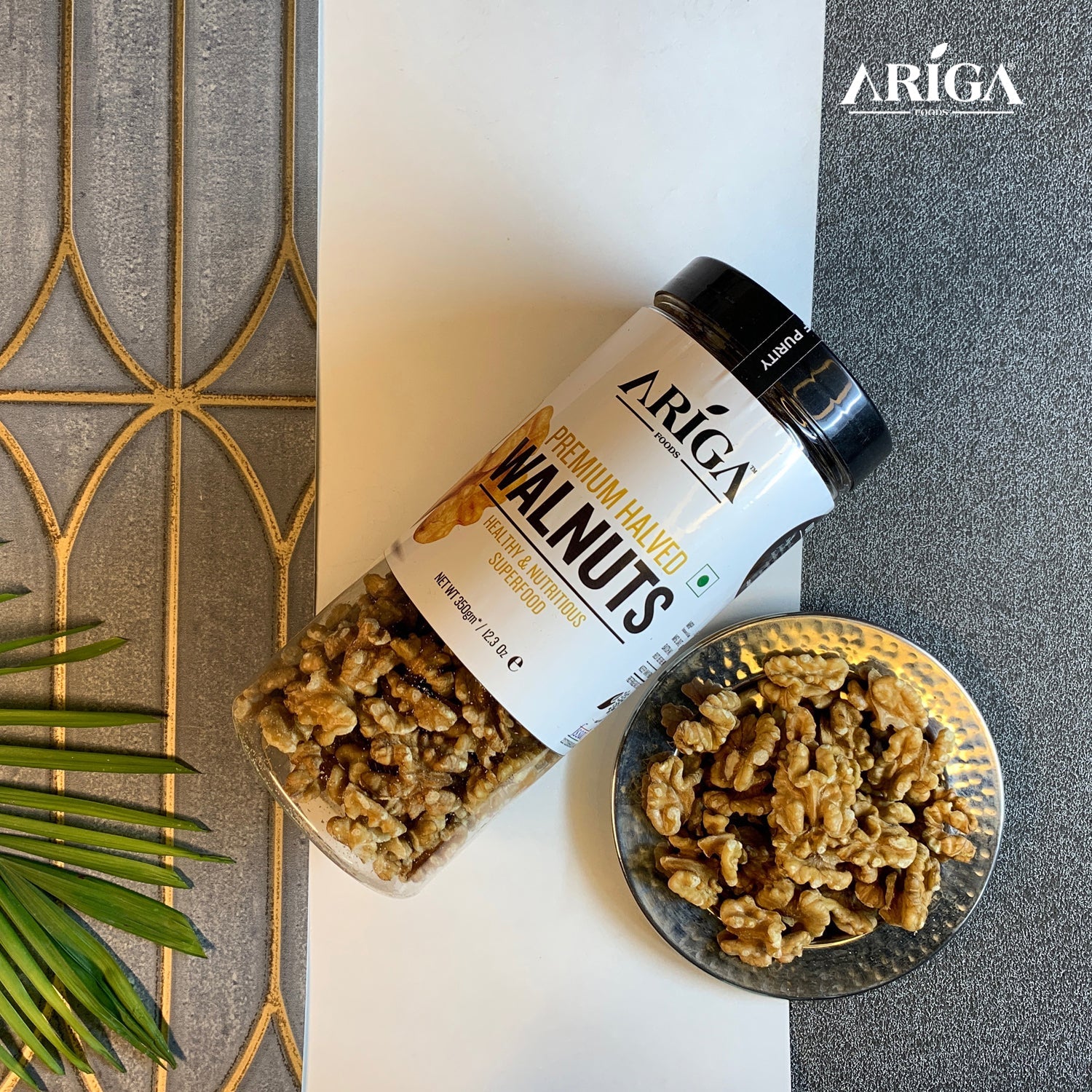
Ariga Foods Premium Halved Walnuts
For anyone incorporating walnuts into a diabetes-conscious diet, quality and preparation genuinely matter.
Ariga Foods Premium Halved Walnuts are 100% natural, with no artificial additives or preservatives, and they carry zero cholesterol, which matters for anyone managing the cardiovascular risk that often accompanies diabetes.
They are also naturally gluten-free, relevant for anyone managing both diabetes and a gluten sensitivity.
The walnuts retain their maximum natural oil content with nothing added in processing, and they come packaged in PET jars specifically to preserve freshness without needing preservatives, keeping the nutritional integrity of the walnut intact from the point of packaging to when it actually reaches your kitchen.
Recipes My Uncle Actually Uses
Walnut-Encrusted Baked Salmon
Salmon fillets brushed with olive oil, lemon juice, salt, and pepper, then coated with crushed Premium Halved Walnuts before baking until golden.
This has become one of his regular dinners, combining the cardiovascular benefits of both the salmon and the walnuts in one dish.
Maple Walnut Oatmeal
Rolled oats cooked in milk or water, sweetened modestly with maple syrup, topped with chopped Premium Halved Walnuts for crunch.
He is careful about portion size here specifically, since oats and maple syrup both affect blood sugar more directly than the walnuts do, keeping his overall carbohydrate content in mind rather than assuming the walnuts offset the rest of the bowl.
Walnut and Spinach Salad with Balsamic Vinaigrette
Fresh spinach, cherry tomatoes, sliced red onion, and crumbled feta, tossed with a simple balsamic and olive oil dressing, finished with a generous scattering of walnuts.
This has become his regular lunch, genuinely satisfying and easy to make part of a consistent routine.
What I Would Tell Anyone Reading This
Walnuts are a genuinely good addition to a diabetes-conscious diet, supported by strong evidence around heart health and a reasonable nutritional profile overall.
What they are not, based on the actual body of research, is a direct blood-sugar-lowering food in the way some marketing content implies.
If you are managing diabetes, walnuts can be part of a broader, medically guided approach, but they work alongside your treatment plan rather than as a replacement for it, and any specific dietary changes are worth discussing with your doctor or dietitian directly.
My uncle's approach has always been to treat nutrition claims with a healthy amount of scepticism until he has actually checked the research himself. Walnuts earned their place in his diet for real, well-supported reasons, just not the specific blood-sugar claim that first drew his attention to them.
People Also Ask
Do walnuts actually lower blood sugar levels?
The evidence here is genuinely mixed. While some observational studies and mechanistic research suggest a possible benefit, multiple randomised controlled trials, including a systematic review in the British Journal of Nutrition, found no consistent, significant effect of walnut consumption on fasting blood glucose or HbA1c levels.
Are walnuts good for people with diabetes despite the uncertain blood sugar research?
Yes, walnuts remain a sensible choice for people with diabetes due to their strong, well-established cardiovascular benefits, favourable fat profile, and overall nutrient density, even though direct blood-sugar-lowering effects are not strongly supported by controlled trials.
How many walnuts should someone with diabetes eat daily?
Around 28 to 30 grams, roughly 14 walnut halves, is commonly referenced as a reasonable daily serving in research studies. It is worth discussing the right amount for your individual situation with a doctor or dietitian.
Can walnuts replace diabetes medication?
No, walnuts and dietary changes in general should never replace prescribed diabetes medication or medical treatment. They can be a supportive part of an overall diabetes management plan alongside medical care, not a substitute for it.
Why do walnuts help heart health even if they don't clearly affect blood sugar?
Walnuts are rich in omega-3 fatty acids and have a favourable ratio of unsaturated to saturated fat, both of which are well supported by research for improving cardiovascular risk factors, independent of their effect, or lack of a clear effect, on blood glucose specifically.
Should I trust health claims that say a specific food controls diabetes?
It is worth being cautious of any single food marketed as directly controlling or curing a condition like diabetes. Diabetes management typically requires a comprehensive approach involving medical care, medication where prescribed, diet, and activity, rather than relying on any one food.
Related Products

Ariga Foods Premium Halved Walnuts 150g
100% premium quality walnuts akhrot giri, without shell halved walnuts consumed as supersnack. Premium quality walnut kernels- Crunchy & Deli...

Ariga Foods Premium Halved Walnuts 350g
100% premium quality walnuts akhrot giri, without shell halved walnuts consumed as supersnack. Premium quality walnut kernels- Crunchy & Deli...
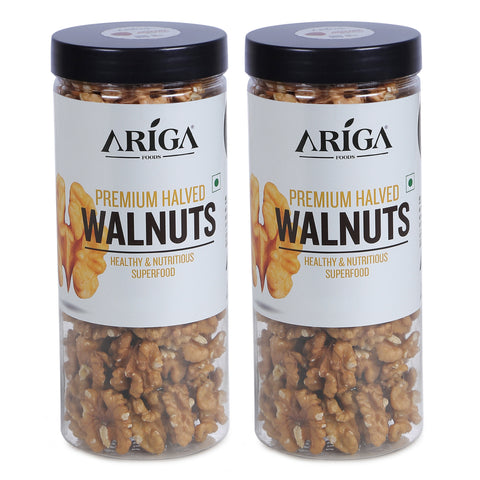

Ariga Foods Premium Halved Walnuts 700g
100% premium quality walnuts akhrot giri, without shell halved walnuts consumed as supersnack. Premium quality walnut kernels- Crunchy & Deli...
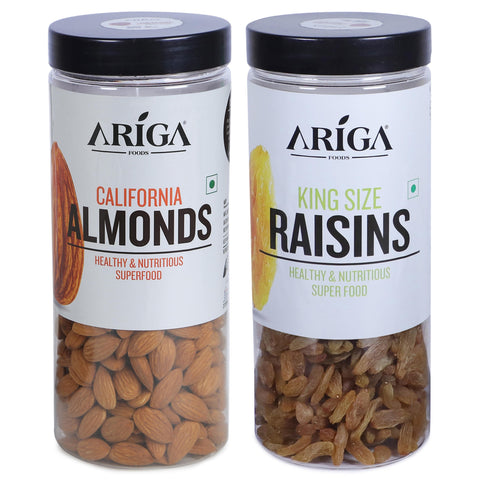

Ariga Foods Natural California Almonds (Badam) and Raisins (Kishmish) 1kg (500g x 2) | Dry Fruits Combo Pack | Mixed Nuts
100% premium quality product from Ariga Foods. Ariga Almonds & Long Green Raisins are consumed as superfood as they are the best replacement fo...
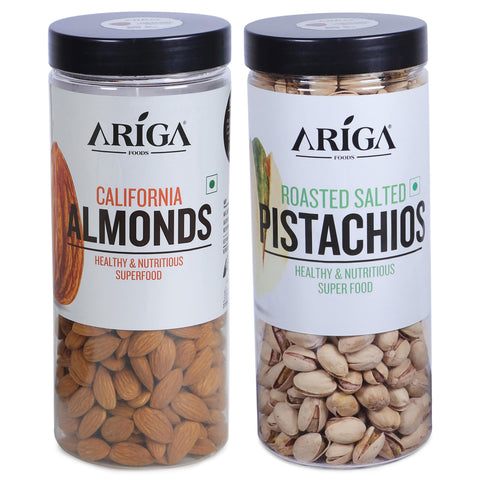

Ariga Foods Natural California Almonds (Badam) and Pistachios (Pista) 1kg (500g x 2) | Dry Fruits Combo Pack | Mixed Nuts
100% premium quality product from Ariga Foods. Ariga Almonds & Pistachios are consumed as superfood as they are the best replacement for junk f...


Ariga Foods Fruits Mix, Granola Chocolate, Nuts Mix, Raisins & Roasted Flax Seeds | Combo Pack of 5
100% premium quality combo pack of 5- Fruits Mix 200g, Crunchy Granola Chocolate & Almonds, Healthy Nut Mix, King Size Raisins and Roasted Flax...


Ariga Foods Almonds, Cashews, Raisins, Walnuts & Roasted Flax Seeds | Combo Pack Of 5
100% premium quality combo pack of 5- California Almonds, King Size Cashews, King Size Raisins, Premium Halved Walnuts and Roasted Flax Seeds from ...


Gourmet Diwali Gift Box Box Pack Of 8 | Roasted- Tandoori Almonds, Cheese & Herbs Cashews, Pumpkin Seeds, Mixed Seeds, Paan Raisins, Premium Walnuts and Long Raisins | Premium Gift Pack Of 1090g | For Family, Friends, Corporates | Ariga Foods
Gourmet Gift Box for Diwali- Premium Roasted/Plain Nuts & Assorted Seeds. This gift hamper contains- Roasted- Tandoori Almonds 150g + Cheese &a...
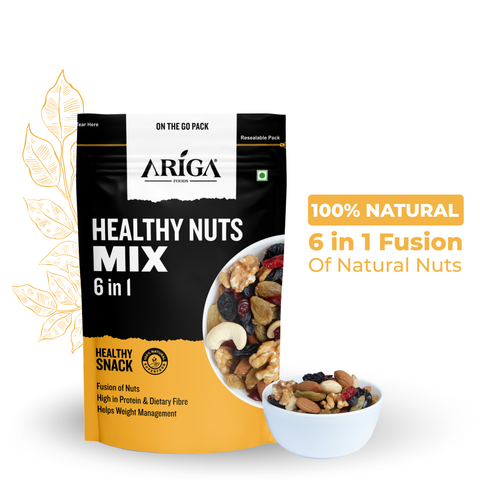

Premium Healthy Nutmix 200g | Trail Mix 6 in 1 | Ariga Foods
100% premium quality Healthy Nut Mix from Ariga Foods. Healthy alternative to processed food and snacks. Buy trail mix online at Ariga Foods. Ari...


Premium Nuts & Berries Mix 200g | Trail Mix 8 in 1 | Ariga Foods
100% premium quality trail mix nuts and berries from Ariga Foods. Healthy alternative to processed food and snacks. Buy trail mix online, Nuts &a...
About Us
Ariga Foods is the innovative Retail and B2B brand by Ariganic Food Pvt. Ltd. Our vision is to make Superfood convenient and tasty for every household around the world.
Read moreSUBSCRIBE & FOLLOW
TAG CLOUD