
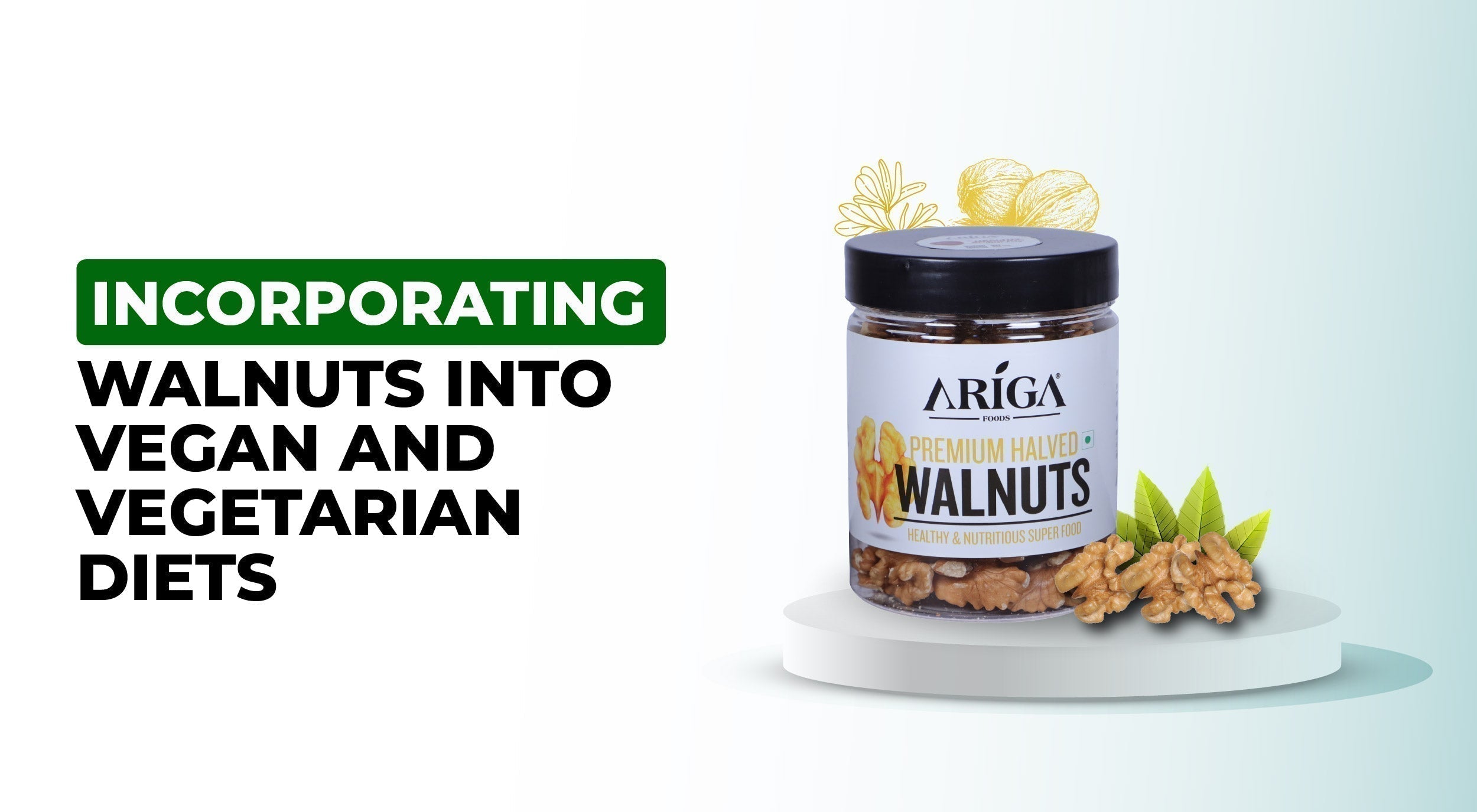
How to Incorporate Walnuts into Vegan and Vegetarian Diets
A close friend of mine went fully vegan about two years ago, and one of the first things she asked me, half-joking but genuinely a little anxious, was how she was supposed to get enough of the "hard-to-get" nutrients now that meat and dairy were off the table.
Iron and omega-3s came up almost immediately in that conversation, since those are two of the nutrients people worry about most when going plant-based.
Walnuts came up in my answer almost by instinct, and watching her build them into her routine has genuinely changed how I think about what a well-planned vegan diet can look like.
I want to walk through why walnuts specifically earned such a consistent place in her kitchen, and a few meals that have become regulars for her since.
Why Walnuts Matter So Much on a Plant-Based Diet
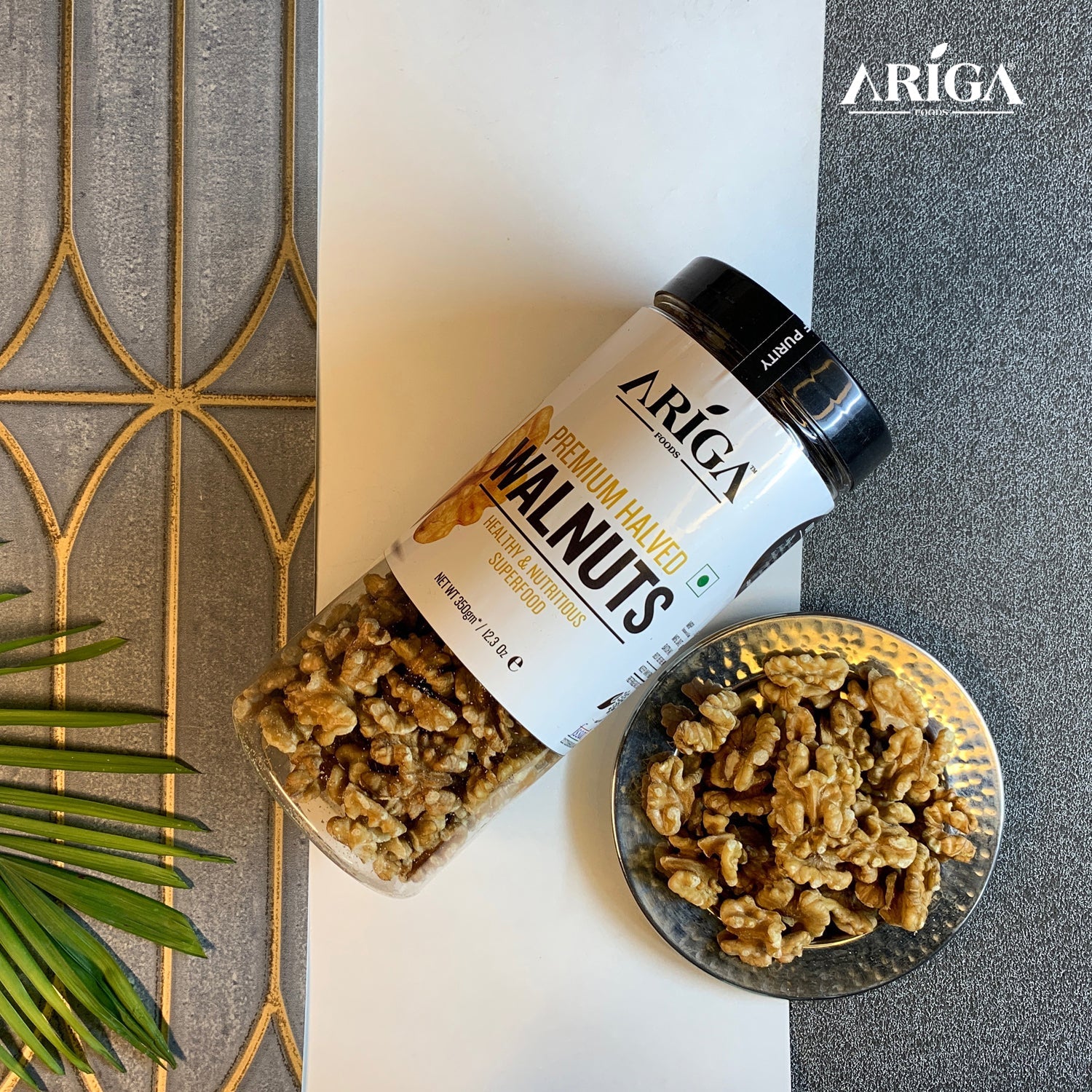
Premium Halved Walnuts are 100% natural, free from artificial additives or processing, which matters a lot to my friend given how deliberate she has become about reading labels since going vegan.
Beyond that baseline purity, walnuts bring a specific nutritional profile that genuinely addresses some of the harder gaps in a plant-based diet.
They are one of the rare plant sources genuinely rich in alpha-linolenic acid, a vital omega-3 fatty acid essential for heart health and brain function.
For someone no longer getting omega-3s from fish, this matters enormously, and walnuts have become her primary dietary source for it.
Walnuts also bring a meaningful amount of iron and potassium, two minerals that can be genuinely tricky to source adequately on a vegan diet, supporting everything from oxygen transport in the blood to proper muscle and nerve function.
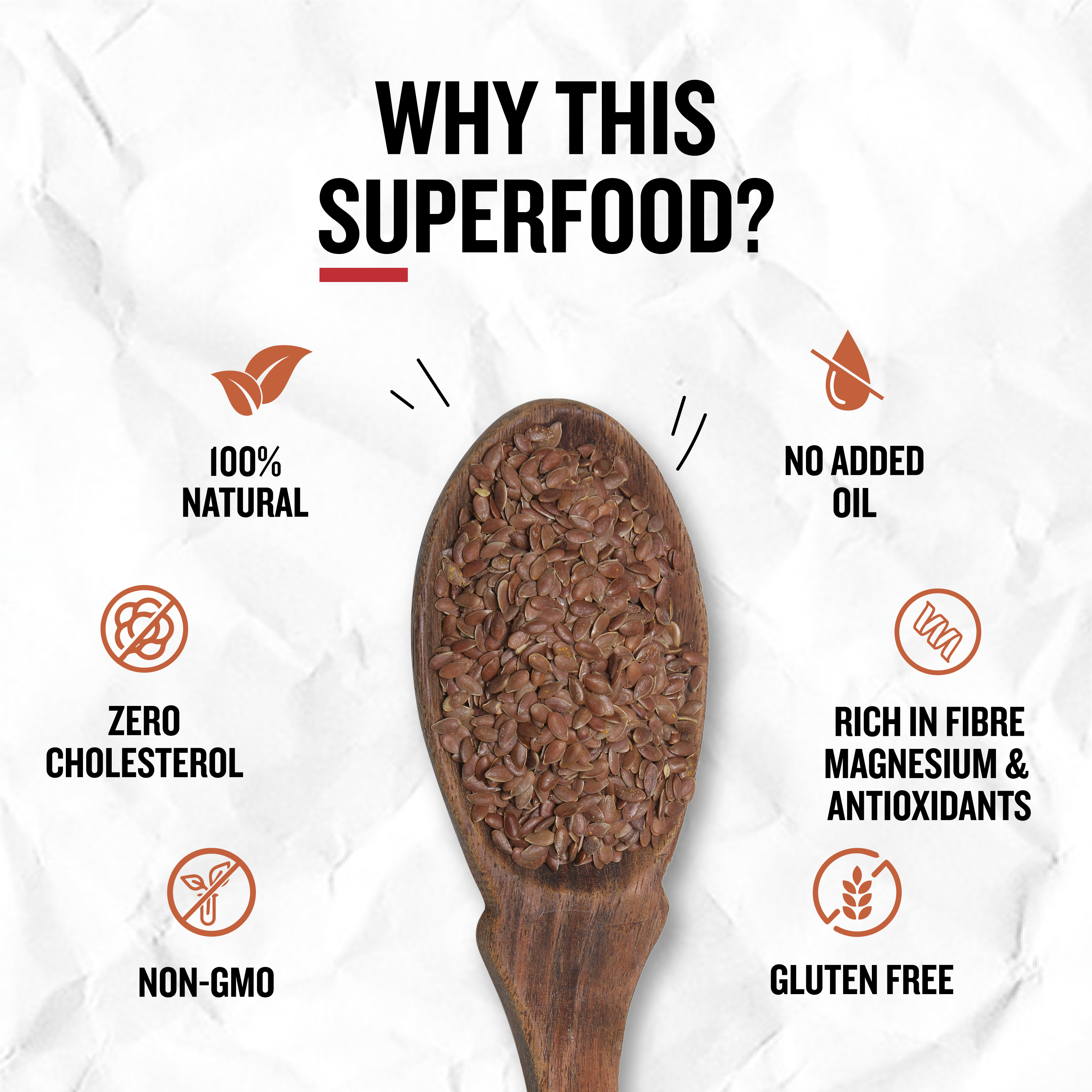
And for anyone specifically avoiding cholesterol or gluten, walnuts check both boxes naturally, zero cholesterol and inherently gluten-free, along with being verified non-GMO, which covers a lot of the dietary priorities my friend juggles simultaneously now.
One detail she genuinely appreciates is that walnuts carry their own natural oil content, rich enough that no additional oil is needed in most preparations, making them a genuinely useful ingredient for anyone leaning toward oil-free cooking as part of their plant-based approach.
They also come packed in PET jars without preservatives, which keeps them fresh without introducing anything she is trying to avoid.
How She Actually Builds Walnuts Into Her Day
Breakfast : Walnut Banana Pancakes
Chopped walnuts folded into her usual vegan pancake batter, topped with sliced banana for natural sweetness and a drizzle of maple syrup. This has become her weekend breakfast ritual, the crunch from the walnuts against the soft pancake genuinely making it feel like more than just a standard vegan swap.
Lunch : Quinoa Walnut Salad
Diced cucumber, cherry tomatoes, and bell peppers tossed with cooked quinoa and a generous handful of shelled walnuts for extra protein and texture, finished with a zesty lemon vinaigrette. This has become her go-to weekday lunch, satisfying enough that she does not find herself hungry an hour later the way lighter salads used to leave her.
Snack : Walnut Energy Bites
Blended dates, rolled oats, and a generous amount of chopped walnuts, rolled into small balls and refrigerated. She keeps a batch of these in the fridge at all times now, her answer to the mid-afternoon energy dip that used to send her looking for something less nutritious.
Dinner : Walnut Pesto Pasta
Fresh basil, garlic, olive oil, and toasted walnuts blended into a vibrant pesto, tossed with pasta and topped with a few extra halved walnuts for crunch. This has become one of her most-repeated dinners, since it delivers that rich, satisfying quality a traditional parmesan-based pesto has, without needing any dairy at all.
What I Have Learned Watching Her Do This
The biggest shift for her was realising that going vegan did not mean constantly worrying about nutritional gaps, it meant being a bit more deliberate about which whole foods actually filled those gaps well.
Walnuts became one of her most reliable answers to that, not because they are a miracle food, but because they consistently show up with exactly the nutrients that can otherwise be genuinely tricky to source on a plant-based diet.
She also mentioned that keeping walnuts in a few different forms, chopped for baking, halved for salads and toppings, blended for pesto, made them feel far more versatile than if she only ever ate them plain as a snack.
That variety kept the whole habit from ever feeling repetitive, which is a big part of why it has stuck for her this long.
If you are navigating a vegan or vegetarian diet and looking for a genuinely reliable way to cover some of the trickier nutritional bases, walnuts are a solid, versatile place to start, easy to fold into breakfast, lunch, dinner, or a quick snack without much extra effort.
People Also Ask
Are walnuts a good source of omega-3 for vegans?
Yes, walnuts are one of the few plant-based sources rich in alpha-linolenic acid, a type of omega-3 fatty acid important for heart and brain health, making them a valuable addition for vegans who do not consume fish.
Do walnuts help vegans and vegetarians get enough iron?
Walnuts contain a meaningful amount of iron, which can help vegans and vegetarians meet their iron needs, though pairing iron-rich plant foods with vitamin C sources can help improve absorption, since plant-based iron is generally absorbed less efficiently than iron from animal sources.
Are walnuts gluten-free and suitable for a vegan diet?
Yes, walnuts are naturally gluten-free and entirely plant-based, making them suitable for vegan, vegetarian, and gluten-free diets without any modification needed.
What is a simple way to add walnuts to a vegan breakfast?
Chopped walnuts can be folded directly into vegan pancake or waffle batter, or sprinkled over oatmeal or a smoothie bowl, adding protein, healthy fats, and texture to a plant-based breakfast.
Can walnuts replace parmesan cheese in a vegan pesto?
Yes, toasted walnuts blended with basil, garlic, and olive oil create a rich, flavourful pesto without needing parmesan, making it a popular dairy-free alternative that still delivers a satisfying depth of flavour.
How many walnuts should a vegan or vegetarian eat daily?
A small handful, roughly a quarter cup, is a reasonable daily amount for most people. Since walnuts are calorie-dense, this portion is generally enough to provide meaningful nutritional benefit without excessive calorie intake.
Related Products
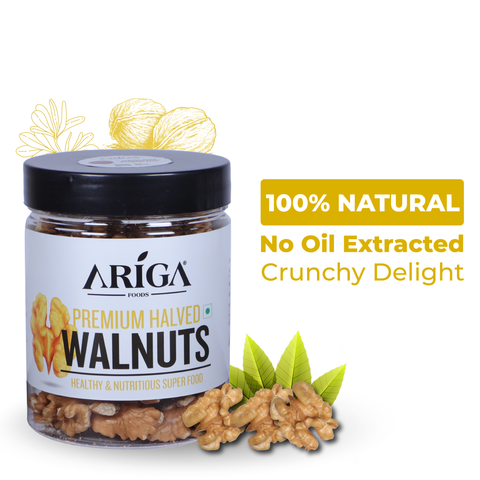

Ariga Foods Premium Halved Walnuts 150g
100% premium quality walnuts akhrot giri, without shell halved walnuts consumed as supersnack. Premium quality walnut kernels- Crunchy & Deli...
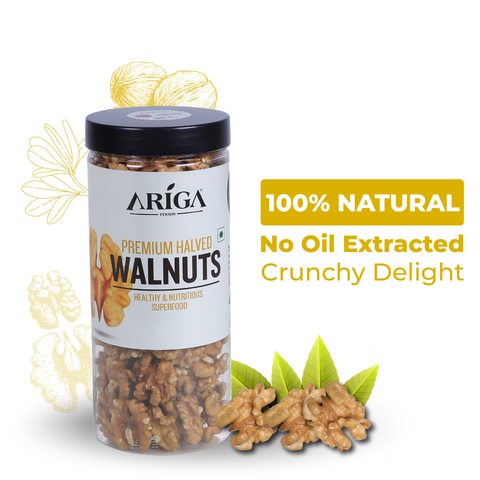

Ariga Foods Premium Halved Walnuts 350g
100% premium quality walnuts akhrot giri, without shell halved walnuts consumed as supersnack. Premium quality walnut kernels- Crunchy & Deli...
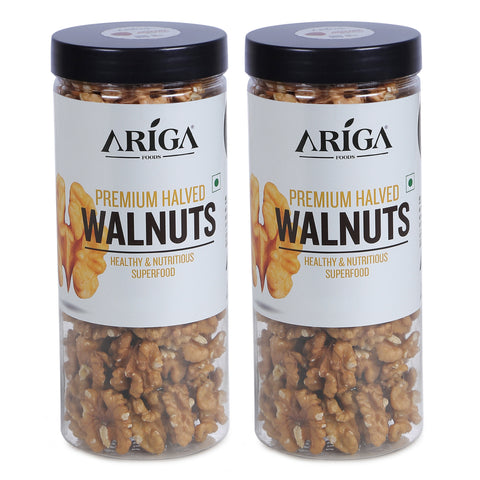

Ariga Foods Premium Halved Walnuts 700g
100% premium quality walnuts akhrot giri, without shell halved walnuts consumed as supersnack. Premium quality walnut kernels- Crunchy & Deli...


Ariga Foods King Size Premium Cashew Nuts 1kg | Dry Fruit Kaju 240 Grade
100% premium quality dry fruits Cashews 240 big size kaju nutritious food for healthy eating. Buy Cashew nuts (Kaju) online in India at Ariga Foo...
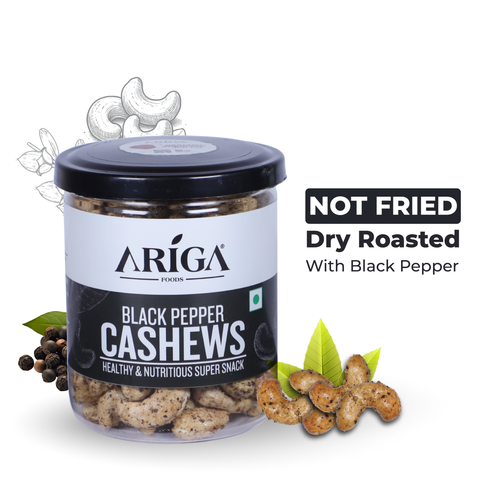

Black Pepper Cashews 200g | Roasted 100% Premium Kaju
'100% premium quality dry fruits roasted cashews sprinkled with black pepper kaalimirch from Ariga Foods. Dry roasted with no oil, these roasted ...
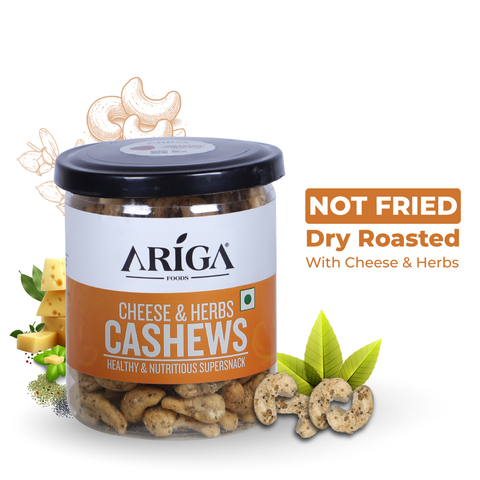

Cheese & Herbs Cashews 200g | Roasted 100% Premium Kaju
Ariga Foods premium quality roasted cashews with cheese & herbs are dry roasted with no oil. Crunchy and delicious dry fruit. Buy roasted and...
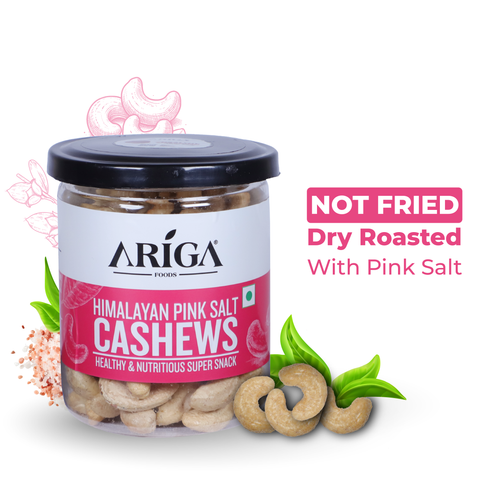

Himalayan Pink Salt Cashews 200g | Roasted 100% Premium Kaju
Ariga Foods 100% premium quality dry fruits roasted cashews with pink salt for healthy eating. Big size kaju crunchy and nutritious. Buy roasted ...
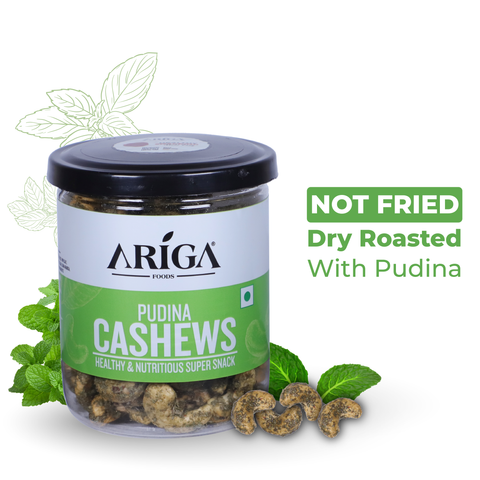

Pudina Cashews 200g | Roasted 100% Premium Kaju
Ariga Foods roasted salted cashews are toasted with dry pudina particals. This makes the roasted cashews tasy and crunchy. These cashew nuts are ...
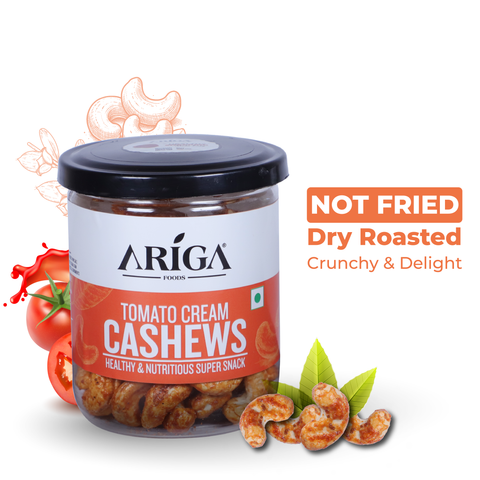

Tomato Cream Cashews 200g | Roasted 100% Premium Kaju
100% premium quality roasted and slated cashews toasted with real tomato and cream from Ariga Foods. Dry roasted cashews with no oil. Crunchy and...
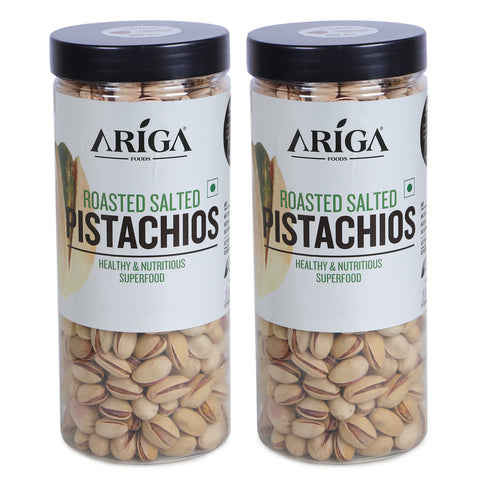

Premium Roasted & Salted Pistachios 1kg
100% premium quality pista dry fruits. Roasted & salted pistachios, consumed as supersnack. Buy Pistachio nuts (Pista) online in India at Arig...
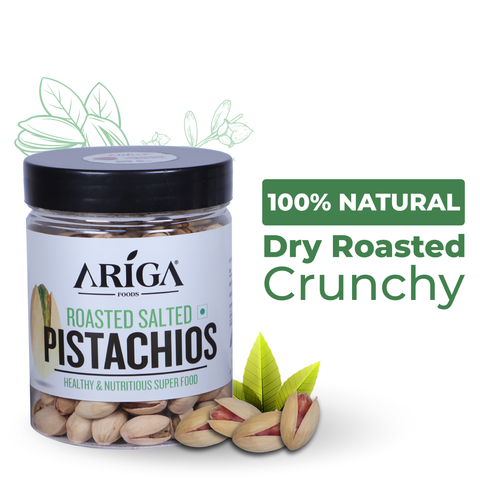

Premium Roasted & Salted Pistachios 200g
100% premium quality pista dry fruits. Roasted & salted pistachios, consumed as supersnack.Buy Pistachio nuts (Psita) online in India at Ariga ...
About Us
Ariga Foods is the innovative Retail and B2B brand by Ariganic Food Pvt. Ltd. Our vision is to make Superfood convenient and tasty for every household around the world.
Read moreSUBSCRIBE & FOLLOW
TAG CLOUD