
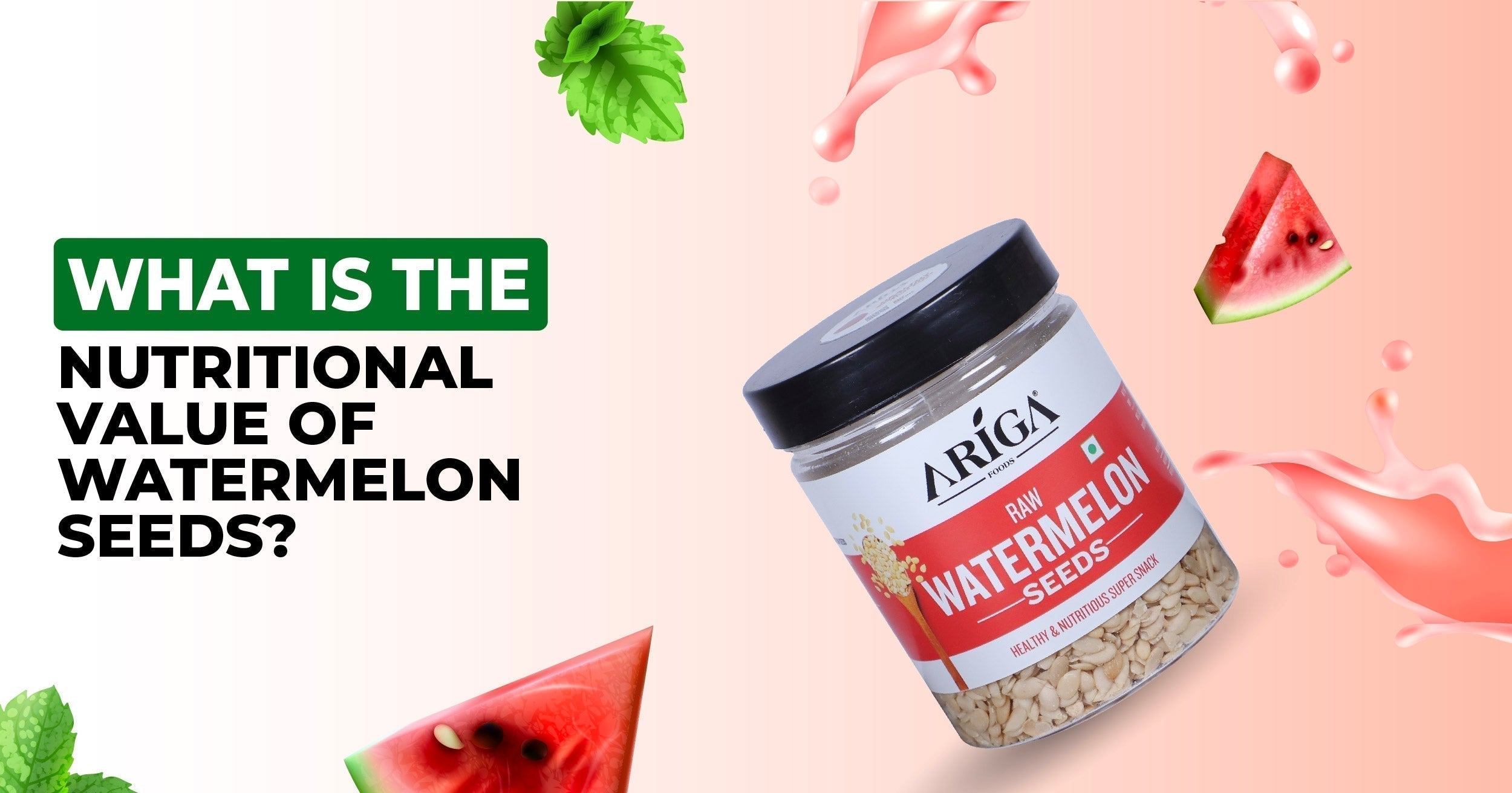
What Is the Nutritional Value of Watermelon Seeds?
I spent most of my life spitting watermelon seeds out without a second thought, the way most of us are taught to as kids.
It was only a few summers ago, watching a friend deliberately save and dry a bowl of them after we finished a watermelon together, that I realised these seeds were not just an inconvenience to work around, they were genuinely worth eating.
I have kept a jar of them in my kitchen ever since.
Protein Powerhouse
Watermelon seeds are genuinely surprising in their protein content, a solid plant-based source for anyone looking to diversify where their protein comes from.
Protein matters for muscle development, repair, and cellular function generally, and getting a meaningful amount from something as unassuming as a watermelon seed genuinely changed how I think about this particular fruit.
Healthy Fats
Beyond protein, watermelon seeds carry a good amount of healthy fats, including monounsaturated and polyunsaturated types, the kind generally associated with supporting heart health and helping manage cholesterol levels.
These fats also assist in absorbing fat-soluble vitamins from other foods you eat alongside them, a small but genuinely useful bonus.
Rich in Micronutrients
Watermelon seeds pack a genuinely impressive spread of vitamins and minerals for something so small.
They are particularly high in magnesium, vital for bone health, muscle function, and energy production, alongside iron, zinc, potassium, and B vitamins.
This combination makes them a surprisingly well-rounded addition to a diet, not just a novelty snack.
Antioxidant Boost
These seeds contain antioxidants like vitamin E, which help combat oxidative stress and inflammation in the body.
A diet that includes antioxidant-rich foods is generally considered supportive of long-term health, reducing the cumulative cellular damage linked to various chronic conditions over time.
Digestive Benefits
The fibre content in watermelon seeds supports digestive health, promoting regular bowel movements and helping prevent constipation.
Fibre also plays a role in maintaining a healthy weight and supporting more stable blood sugar levels, making these seeds a genuinely useful, if small, contributor to overall digestive wellness.
How I Actually Incorporate Them
Breakfast Bliss
A sprinkle of watermelon seeds over yogurt, blended into a smoothie, or mixed into morning oatmeal has become my regular way to start the day with a bit of extra protein and crunch without much effort.
Salad Sensation
Tossed into a salad, watermelon seeds bring a nutty flavour and satisfying crunch that contrasts nicely against fresh greens, turning an ordinary salad into something genuinely more interesting to eat.
Cornflakes Crunch
On lazier mornings, a handful stirred into a bowl of cornflakes transforms a fairly plain breakfast into something with real texture and staying power, enough to carry me through to lunch without a mid-morning slump.
Why Freshness Actually Matters Here
Watermelon seeds, like most seeds, carry a meaningful oil content, which makes them prone to going stale if not stored properly.
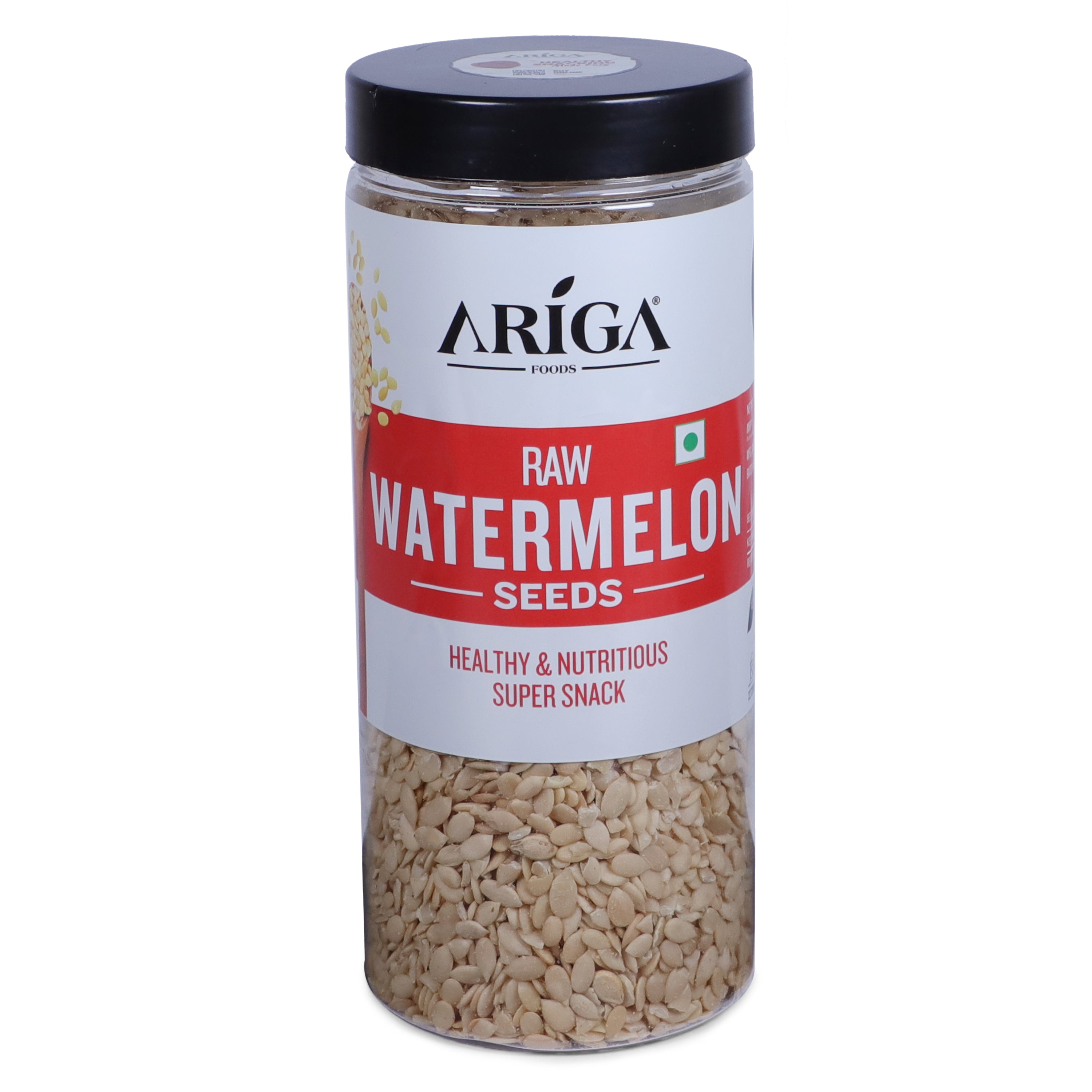
I keep mine in an airtight PET jar specifically, which genuinely helps maintain that crunch and freshness far longer than a loosely sealed bag ever did. It has also become the container I actually toss in my bag on busier days, small enough for an office bag or handbag, and ready to eat without any prep required once you are out the door.
What I Would Tell Anyone Reading This
Watermelon seeds genuinely deserve a place in your regular rotation, protein, healthy fats, a strong spread of micronutrients, and a fibre boost, all from something most of us have spent our whole lives discarding without thought.
A small handful sprinkled over breakfast or tossed into a salad is a genuinely easy way to start, and once you get used to that nutty crunch, plain watermelon eating almost feels incomplete without saving a few seeds for later.
People Also Ask
Are watermelon seeds actually good for you?
Yes, watermelon seeds are a genuine source of plant-based protein, healthy fats, magnesium, iron, zinc, and antioxidants, making them a nutritious addition to a balanced diet rather than something to simply discard.
How much protein do watermelon seeds contain?
Watermelon seeds contain a notable amount of protein relative to their size, making them a reasonable plant-based protein source, though exact amounts can vary slightly depending on preparation and roasting.
Can watermelon seeds help with digestion?
Yes, the fiber content in watermelon seeds supports regular bowel movements and can help prevent constipation, contributing to overall digestive health as part of a fiber-rich diet.
What is the best way to eat watermelon seeds?
Watermelon seeds can be sprinkled over yogurt or oatmeal, blended into smoothies, tossed into salads, or eaten on their own as a snack, offering flexibility depending on your preference.
How should watermelon seeds be stored to stay fresh?
Watermelon seeds should be stored in an airtight container, ideally a sealed jar, to protect them from air and moisture, which helps maintain their crunch and prevents them from going stale or rancid.
Are watermelon seeds a good snack for on-the-go?
Yes, watermelon seeds are lightweight, do not require refrigeration, and are ready to eat straight from a sealed container, making them a convenient snack for a bag, office desk, or travel.
Related Products
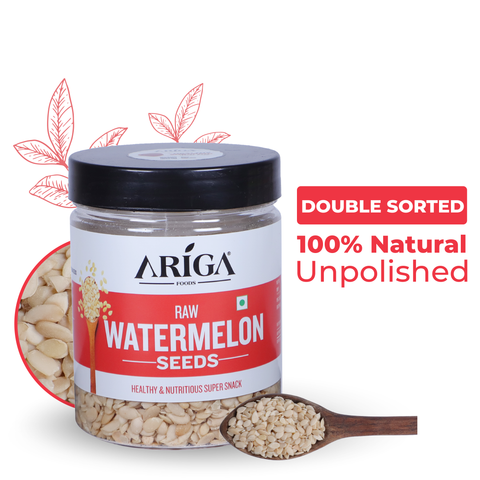

Raw Watermelon Seeds 200g | 100% Premium Quality
Ariga Foods premium quality raw watermelon seeds are great for hair and skin. Buy watermelon seeds online at Ariga Foods. Eating watermelon seeds...
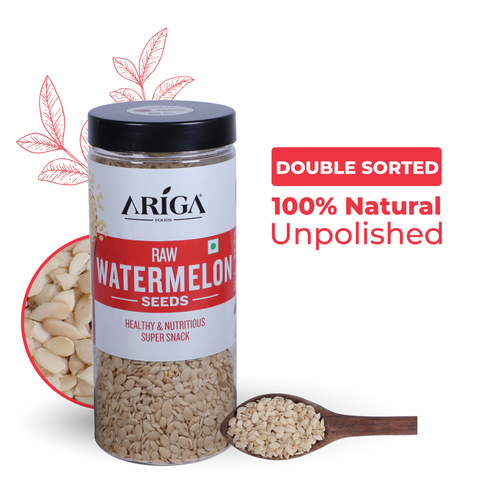

Raw Watermelon Seeds 500g | 100% Premium Quality
Ariga Foods premium quality raw watermelon seeds are great for hair and skin. Buy watermelon seeds online at Ariga Foods. Eating watermelon seeds...
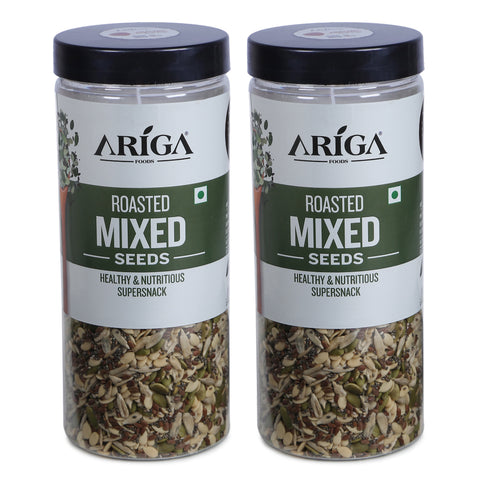

Roasted Mixed Seeds 1kg | 5 in 1 Trail Mix
100% premium quality roasted seeds mix 5 in 1 made of pumpkin, flax, chia, sunflower and watermelon seeds. Roasted with perfection without oil. B...
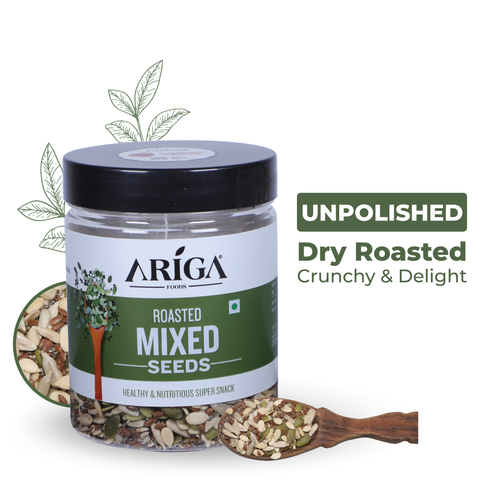

Roasted Mixed Seeds 200g | 5 in 1 Trail Mix
100% premium quality roasted seeds mix 5 in 1 made of pumpkin, flax, chia, sunflower and watermelon seeds. Roasted with perfection without oil. B...
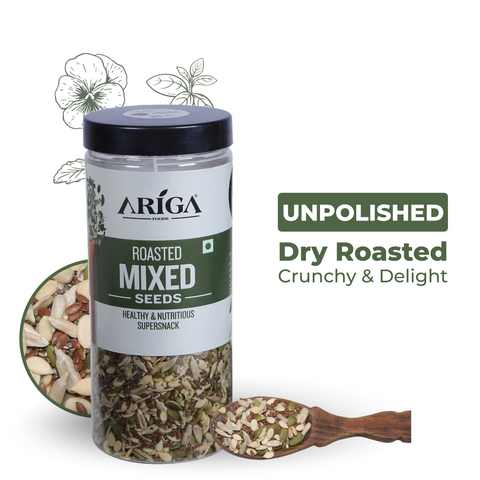

Roasted Mixed Seeds 500g | 5 in 1 Trail Mix
100% premium quality roasted seeds mix 5 in 1 made of pumpkin, flax, chia, sunflower and watermelon seeds. Roasted with perfection without oil.Buy ...
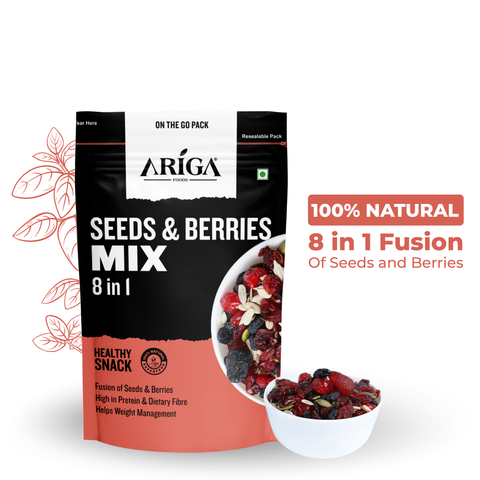

Premium Roasted Seeds & Berries Mix 200g | Trail Mix 8 in 1 | Ariga Foods
Ariga Foods premium quality Seeds & Berries Mix is a perfect choice. Healthy alternative to processed food and snacks. Buy trail mix online a...


Premium Nuts & Roasted Seeds Mix 200g | Trail Mix 8 in 1 | Ariga Foods
100% premium quality Nuts & Seeds mix from Ariga Foods. Healthier than processed food and snacks. Buy nuts trail mix online at Ariga Foods. 8...


Ariga Foods Raw Pumpkin Seeds 500g | Premium Quality
Ariga Foods premium quality raw pumpkin seeds helps weight management. Buy pumpkin seeds online at Ariga Foods. An ideal snack and ingredient for...
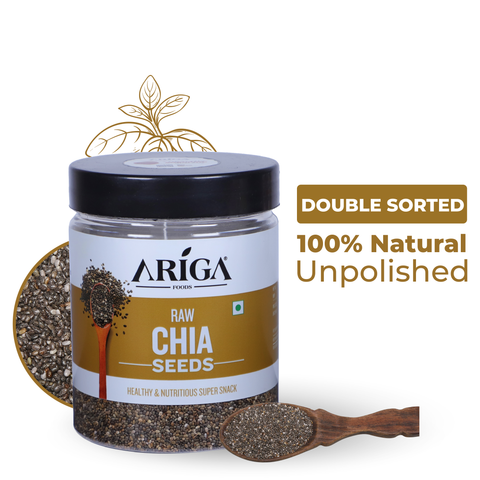

Raw Chia Seeds 250g | 100% Premium Quality
Ariga Foods premium quality chia seeds are double sortex and sorted with perfection. Benefits of Chia seeds for eating are they are good for dige...
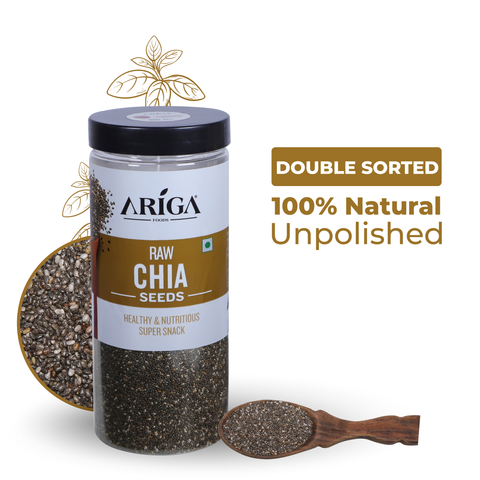

Raw Chia Seeds 500g | 100% Premium Quality
Ariga Foods premium quality chia seeds are double sortex and sorted with perfection. Benefits of Chia seeds for eating are they are good for dige...
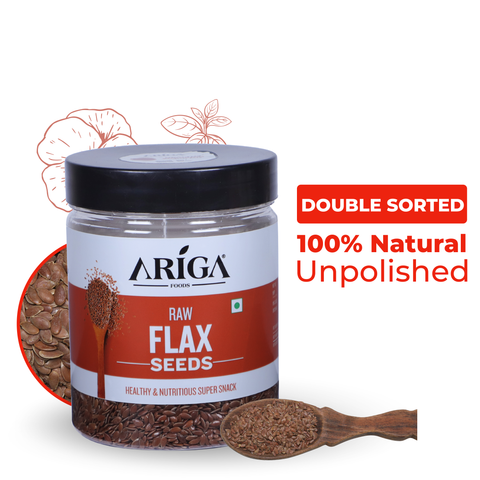

Raw Flax Seeds 200g | 100% Premium Quality Alsi
100% premium quality raw flax seeds alsi from Ariga Foods for weight loss. Buy flax seeds online at Ariga Foods. Crunchy and delicious alsi. Flax...
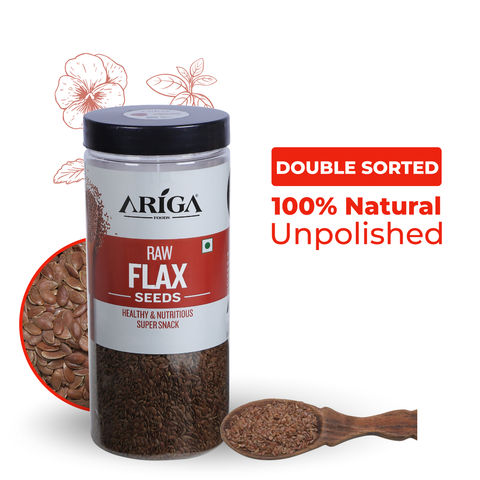

Raw Flax Seeds 500g | 100% Premium Quality Alsi
100% premium quality raw flax seeds alsi from Ariga Foods for weight loss. Buy flax seeds online at Ariga Foods. Crunchy and delicious alsi. Flax...
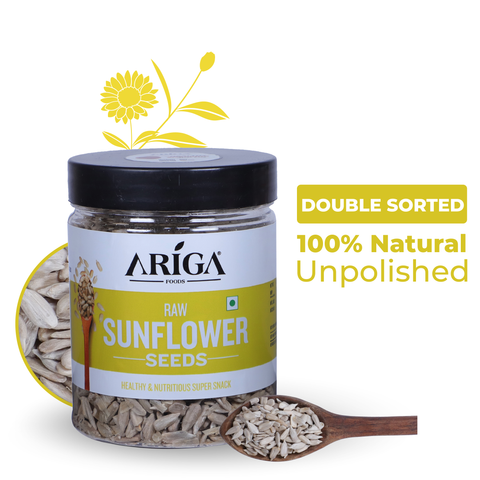

Raw Sunflower Seeds 200g | 100% Premium Quality
100% premium quality raw sunflower seeds from Ariga Foods, sourced from the farmers and carefully selected to the highest quality. Benefits of su...
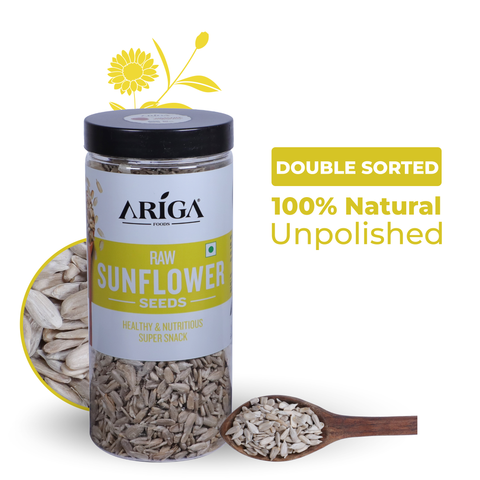

Raw Sunflower Seeds 500g | 100% Premium Quality
100% premium quality raw sunflower seeds from Ariga Foods, sourced from the farmers and carefully selected to the highest quality. Benefits of su...
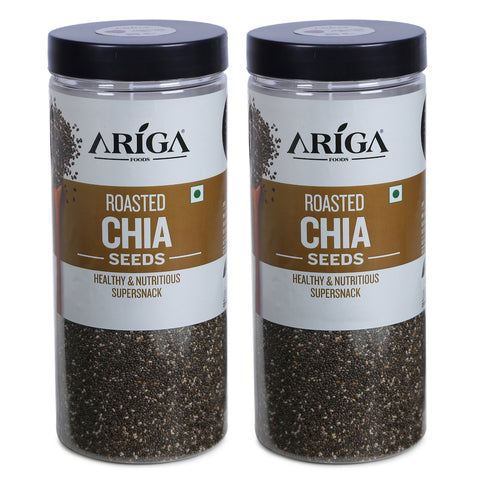

Roasted Chia Seeds 1kg | 100% Premium Quality
Ariga Foods premium quality roasted chia seeds are roasted with perfection without oil. Benefits of chia seeds is they help you in weight managem...
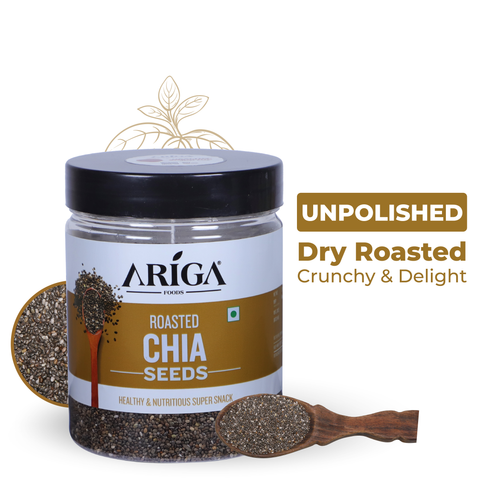

Roasted Chia Seeds 250g | 100% Premium Quality
Ariga Foods premium quality roasted chia seeds are roasted with perfection without oil. Benefits of chia seeds is they help you in weight managem...


Roasted Chia Seeds 500g | 100% Premium Quality
Ariga Foods premium quality roasted chia seeds are roasted with perfection without oil. Benefits of chia seeds is they help you in weight managem...
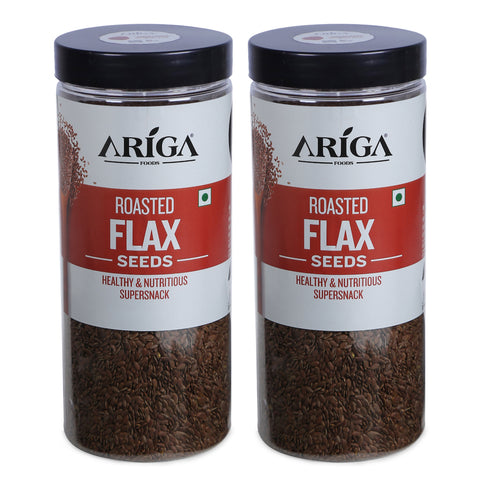

Roasted Flax Seeds 1kg | 100% Premium Quality Alsi
100% premium quality roasted flax seeds alsi from Ariga Foods. Roasted and blended with turmeric without the use of oil. Buy roasted flax seeds o...
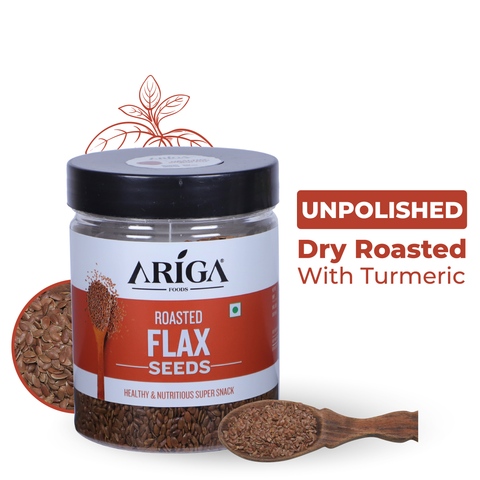

Roasted Flax Seeds 200g | 100% Premium Quality Alsi
100% premium quality roasted flax seeds alsi from Ariga Foods. Roasted and blended with turmeric without the use of oil. Buy roasted flax seeds o...
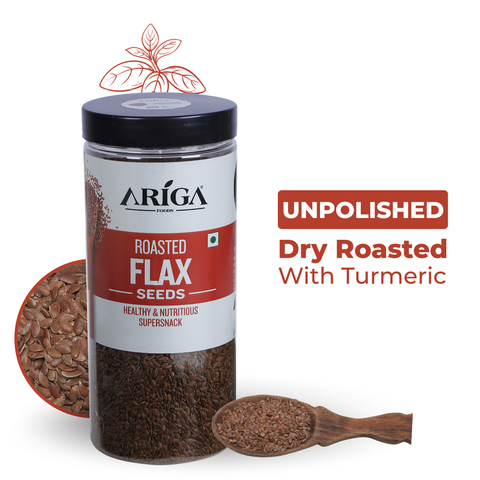

Roasted Flax Seeds 500g | 100% Premium Quality Alsi
100% premium quality roasted flax seeds alsi from Ariga Foods. Roasted and blended with turmeric without the use of oil. Buy roasted flax seeds o...


Roasted Pumpkin Seeds 1kg- Indian Masala Flavour | Premium Quality
Ariga Foods premium quality roasted pumpkin seeds are blended with Indian masala and herbs without the use of oil. Buy roasted pumpkin seeds onli...
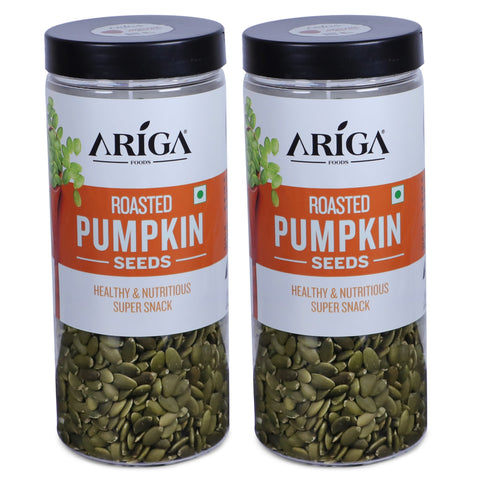

Roasted Pumpkin Seeds 1kg | Premium Quality
Ariga Foods premium quality dry roasted pumpkin seeds are dry roasted with no oil. Buy pumpkin seeds online at Ariga Foods. Pumpkin seeds are als...


Roasted Pumpkin Seeds 1kg- Natkhat Nimbu Flavour | Premium Quality
Ariga Foods premium quality roasted pumpkin seeds Natkhat Nimbu are blended with lemon powder without the use of oil. Buy roasted pumpkin seeds o...
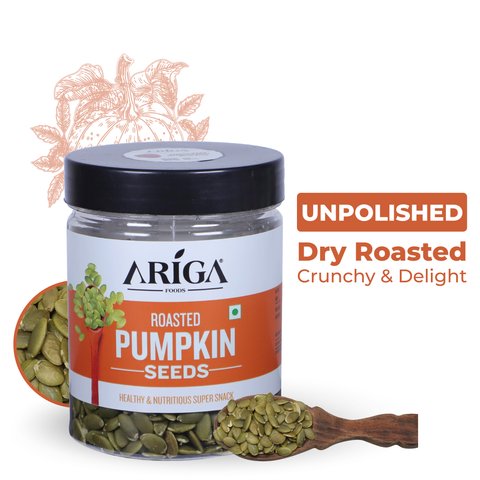

Roasted Pumpkin Seeds 200g | Premium Quality
Ariga Foods premium quality dry roasted pumpkin seeds are dry roasted with no oil. Buy pumpkin seeds online at Ariga Foods. Pumpkin seeds are als...
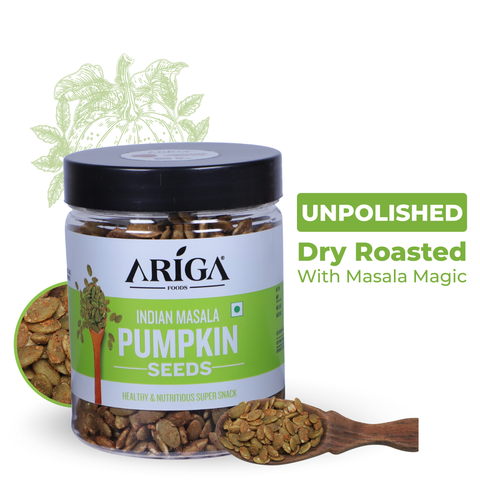

Roasted Pumpkin Seeds 200g- Indian Masala Flavour | Premium Quality
Ariga Foods premium quality roasted pumpkin seeds are blended with Indian masala and herbs without the use of oil. Buy roasted pumpkin seeds onli...
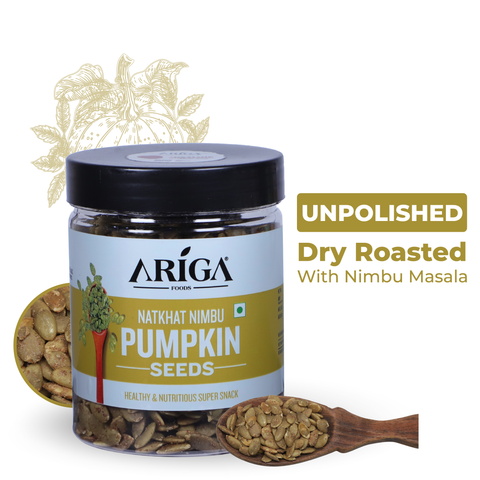

Roasted Pumpkin Seeds 200g- Natkhat Nimbu Flavour | Premium Quality
Ariga Foods premium quality roasted pumpkin seeds Natkhat Nimbu are blended with lemon powder without the use of oil. Buy roasted pumpkin seeds o...
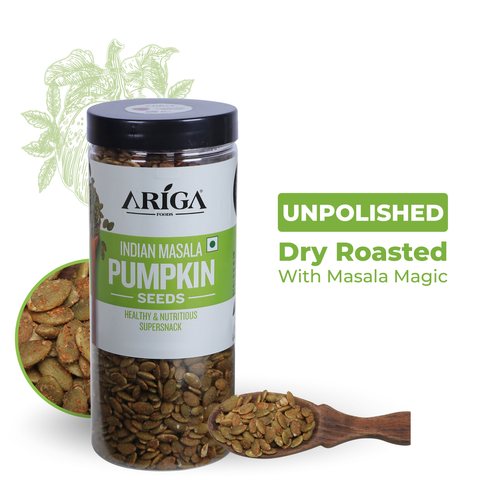

Roasted Pumpkin Seeds 500g- Indian Masala Flavour | Premium Quality
Ariga Foods premium quality roasted pumpkin seeds are blended with Indian masala and herbs without the use of oil. Buy roasted pumpkin seeds onli...


Roasted Pumpkin Seeds 500g | Premium Quality
Ariga Foods premium quality dry roasted pumpkin seeds are dry roasted with no oil. Buy pumpkin seeds online at Ariga Foods. Pumpkin seeds are als...
About Us
Ariga Foods is the innovative Retail and B2B brand by Ariganic Food Pvt. Ltd. Our vision is to make Superfood convenient and tasty for every household around the world.
Read moreSUBSCRIBE & FOLLOW
TAG CLOUD