
What Is the Nutritional Value of Cashews?
I have been buying cashews regularly for years, mostly because I genuinely like the taste, and it was only recently that a friend who works in nutrition asked me what I actually knew about their nutritional profile beyond "they're a healthy snack."
I realised I could not answer with much specificity, which sent me digging into exactly what is in a handful of cashews, and what that actually means day to day.
Abundant in Healthy Fats
Cashews are genuinely rich in heart-healthy fats, primarily monounsaturated and polyunsaturated, the same category of fat found in olive oil.
These fats have been linked to supporting healthier cholesterol levels, generally helping reduce LDL, the "bad" cholesterol, when they replace less healthy fats in your diet.
Protein-Packed Goodness
Cashews carry a genuinely notable protein content for a plant-based food, including essential amino acids that contribute to muscle development, repair, and overall cellular health.
It is not a complete protein substitute the way meat or dairy might be, but as part of a varied diet, it is a meaningful contribution.
Essential Vitamins and Minerals
Cashews bring a genuinely solid spread of vitamins, including E, K, and B6, alongside minerals like copper, phosphorus, zinc, and magnesium. Each of these plays a distinct role, copper supports iron metabolism and connective tissue, phosphorus is essential for bone health, zinc supports immune function, and magnesium is involved in hundreds of processes throughout the body.
Magnesium for Heart Health
Cashews are particularly high in magnesium specifically, a mineral essential for regulating blood pressure and supporting overall heart function. Including magnesium-rich foods like cashews in your diet is a genuinely reasonable, low-effort way to support cardiovascular wellbeing over time.
Antioxidant Protection
Cashews carry antioxidants like selenium and copper, which help combat oxidative stress in the body by neutralising free radicals. Antioxidant-rich foods are generally considered supportive of long-term health, reducing the cumulative cellular damage linked to various chronic conditions over time.
Exploring Ariga Foods' Flavored Cashews
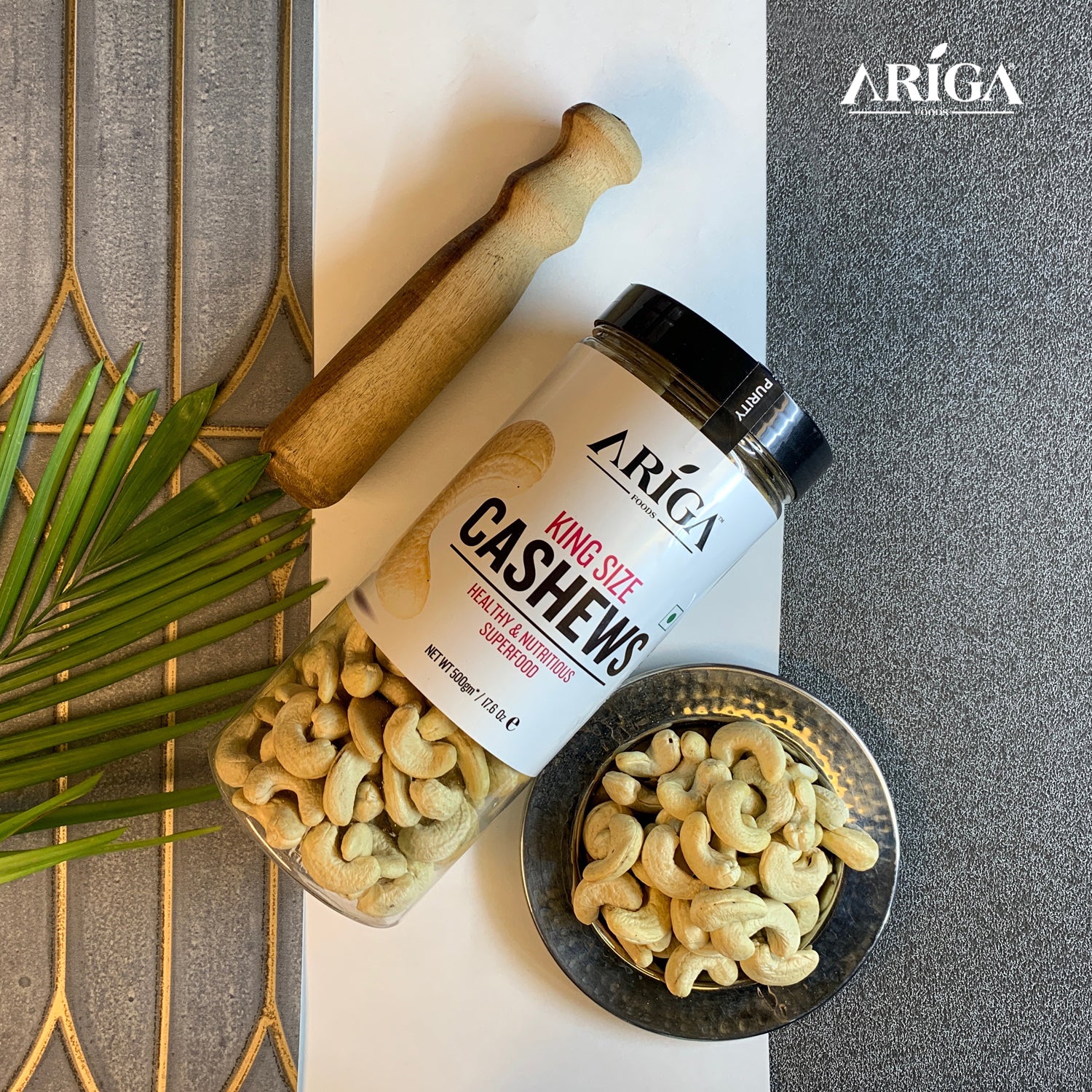
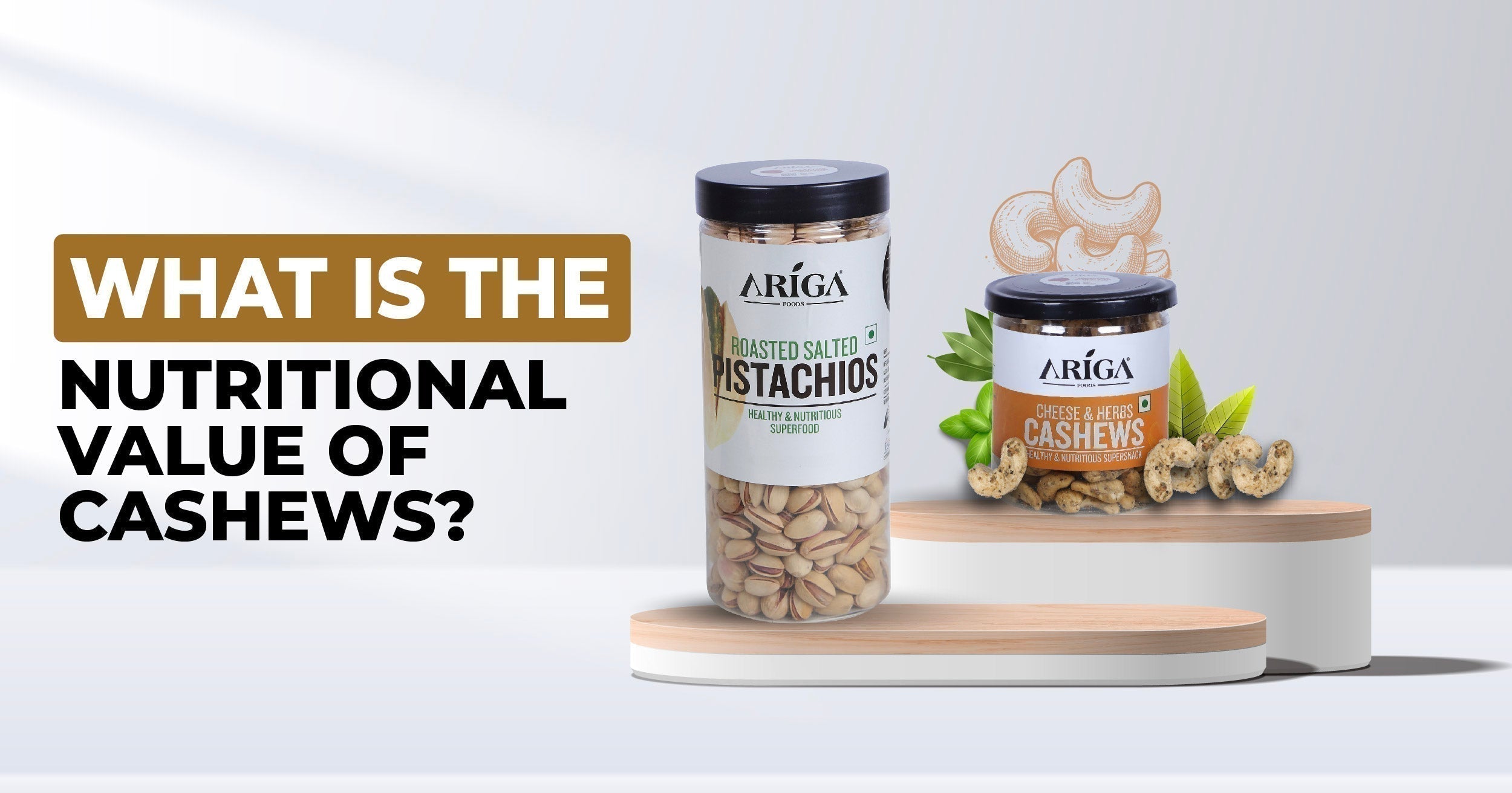
Beyond the plain King Size variety, Ariga Foods offers a genuinely interesting range of flavoured cashews, each retaining the same core nutritional profile while bringing something different to the table.
Black Pepper Cashews bring a zesty fusion of black pepper's heat against the cashew's natural creaminess, a genuinely satisfying combination if you like a bit of spice with your snacking.
Pudina Cashews infuse a cool, refreshing mint into every bite, a flavour I particularly reach for during hotter months when something cooling genuinely hits differently.
Himalayan Pink Salt Cashews strike a simple, well-balanced harmony between saltiness and the cashew's natural nutty richness, my go-to when I want flavour without much complexity.
Tomato Cream Cashews combine that creamy cashew base with the tangy richness of tomato, genuinely more indulgent than the other flavours, closer to a proper treat.
Cheese & Herbs Cashews bring a savoury blend of cheese and aromatic herbs, probably the most addictive of the range, in my genuinely biased opinion.
Why the Packaging Actually Matters
Ariga Foods packs its flavoured cashews in PET jars and cans specifically, shielding them from external factors like air and moisture that otherwise shorten shelf life and dull flavour over time. This packaging is recyclable too, which matters if sustainability factors into your buying decisions the way it increasingly does for mine.
Beyond packaging, the process itself matters. These cashews are dry-roasted, with no added oils or preservatives, which means what you are tasting is genuinely the cashew and its flavour coating, not a fried or artificially preserved version of it.
What I Would Tell Anyone Reading This
Cashews genuinely earn their reputation, healthy fats, real protein, a broad spread of vitamins and minerals, and antioxidant protection, all in a small, convenient handful.
If you have been comparing cashew nut price per kg across brands the way I have, it is worth factoring in not just the price but the processing, dry-roasted, preservative-free options generally deliver more of that actual nutritional value intact than heavily processed, oil-fried alternatives.
A small daily handful, whichever flavour you gravitate toward, is a genuinely reasonable way to build cashews into your routine without much effort or overthinking.
People Also Ask
What nutrients are cashews highest in?
Cashews are particularly high in monounsaturated fat, magnesium, copper, and phosphorus, along with a meaningful amount of plant-based protein and antioxidants like selenium.
Are flavored cashews as nutritious as plain cashews?
Yes, as long as they're dry-roasted without added oil, flavored cashews retain the same core nutritional profile as plain cashews, with the coating adding flavor rather than diminishing nutritional value.
How many cashews should I eat daily?
A small handful, roughly a quarter cup or about 30 grams, is a commonly recommended daily portion, balancing genuine nutritional benefit with cashews' calorie density.
Do cashews contain more fat than protein?
Cashews are higher in fat than protein by weight, but the fat is predominantly the heart-healthy monounsaturated and polyunsaturated type, making it a beneficial rather than concerning part of their nutritional profile.
Why does packaging matter for cashew freshness?
Airtight packaging, like PET jars, protects cashews from air and moisture, both of which accelerate rancidity and flavor loss, helping maintain their nutritional quality and taste for longer.
Are dry-roasted cashews healthier than oil-roasted ones?
Generally yes, dry-roasted cashews avoid the added fat and calories that come from oil-roasting, while still delivering the same core nutrients the cashew naturally provides.
Related Products
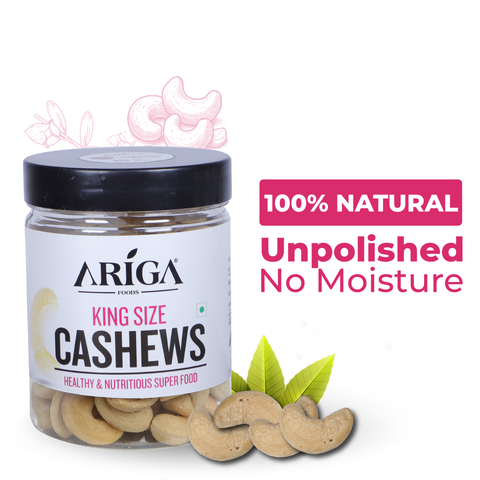

Ariga Foods King Size Premium Cashew Nuts 200g | Dry Fruit Kaju 240 Grade
100% premium quality dry fruits Cashews 240 big size kaju nutritious food for healthy eating. Buy Cashew nuts (Kaju) online in India at Ariga Foo...


Ariga Foods King Size Premium Cashew Nuts 1kg | Dry Fruit Kaju 240 Grade
100% premium quality dry fruits Cashews 240 big size kaju nutritious food for healthy eating. Buy Cashew nuts (Kaju) online in India at Ariga Foo...
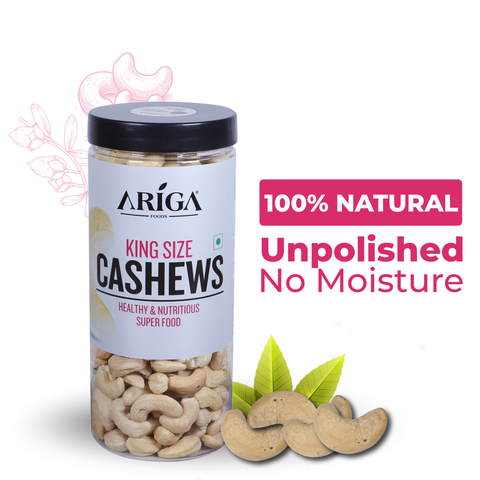

Ariga Foods King Size Premium Cashew Nuts 500g | Dry Fruit Kaju 240 Grade
100% premium quality dry fruits Cashews 240 big size kaju nutritious food for healthy eating. Buy Cashew nuts (Kaju) online in India at Ariga Foo...
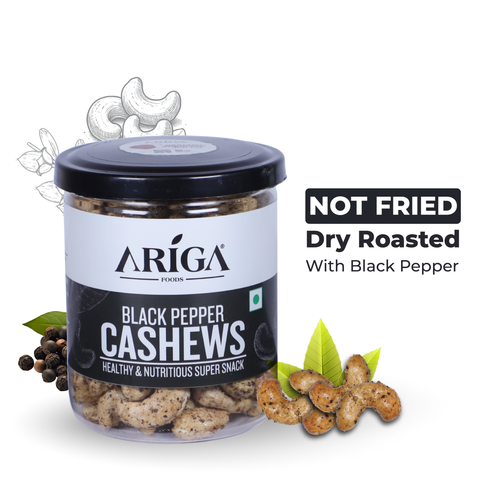

Black Pepper Cashews 200g | Roasted 100% Premium Kaju
'100% premium quality dry fruits roasted cashews sprinkled with black pepper kaalimirch from Ariga Foods. Dry roasted with no oil, these roasted ...
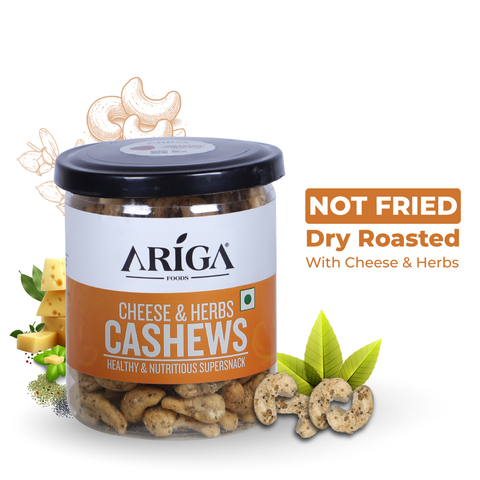

Cheese & Herbs Cashews 200g | Roasted 100% Premium Kaju
Ariga Foods premium quality roasted cashews with cheese & herbs are dry roasted with no oil. Crunchy and delicious dry fruit. Buy roasted and...
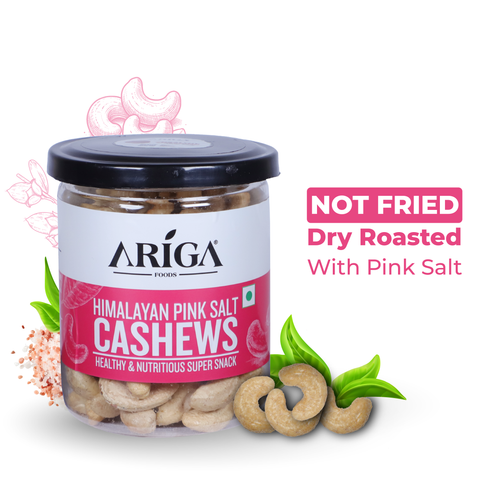

Himalayan Pink Salt Cashews 200g | Roasted 100% Premium Kaju
Ariga Foods 100% premium quality dry fruits roasted cashews with pink salt for healthy eating. Big size kaju crunchy and nutritious. Buy roasted ...
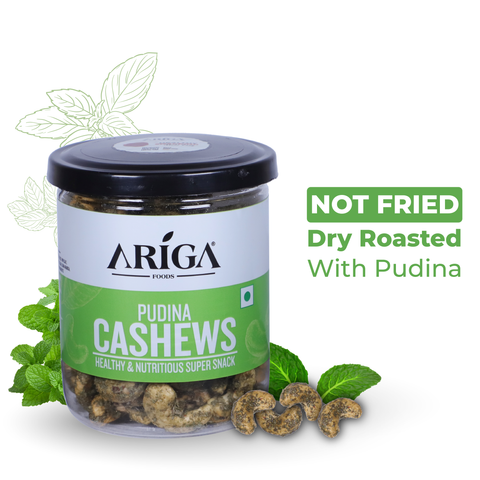

Pudina Cashews 200g | Roasted 100% Premium Kaju
Ariga Foods roasted salted cashews are toasted with dry pudina particals. This makes the roasted cashews tasy and crunchy. These cashew nuts are ...
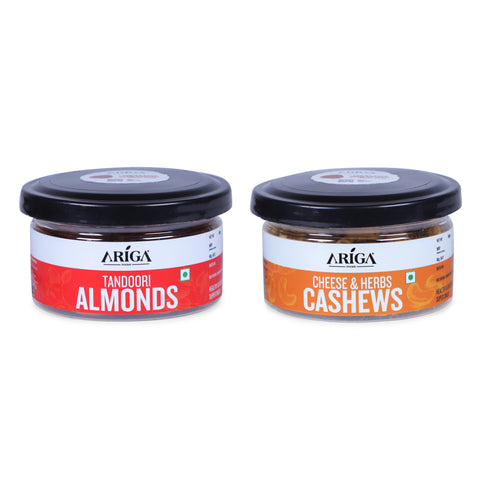

Tandoori Almonds 80g + Cheese & Herbs Cashews 80g (Dry Fruits Pack of 2 160g)
100% premium quality product from Ariga Foods. Ariga Tandoori Almonds and Cheese & Herbs Cashews are flavoured with Tandoori Masala and Cheese ...
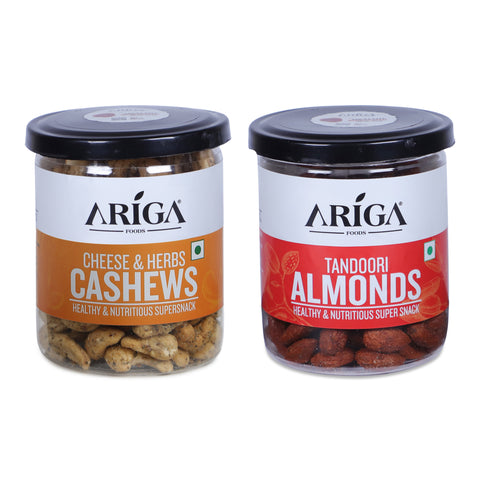

Tandoori Almonds 200g + Cheese & Herbs Cashews 200g (Dry Fruits Combo Pack 400g)
100% premium quality product from Ariga Foods. Ariga Tandoori Almonds and Cheese & Herbs Cashews are flavoured with Tandoori Masala and Cheese ...
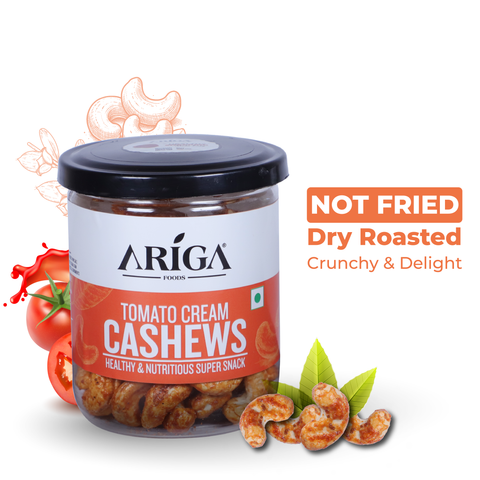

Tomato Cream Cashews 200g | Roasted 100% Premium Kaju
100% premium quality roasted and slated cashews toasted with real tomato and cream from Ariga Foods. Dry roasted cashews with no oil. Crunchy and...
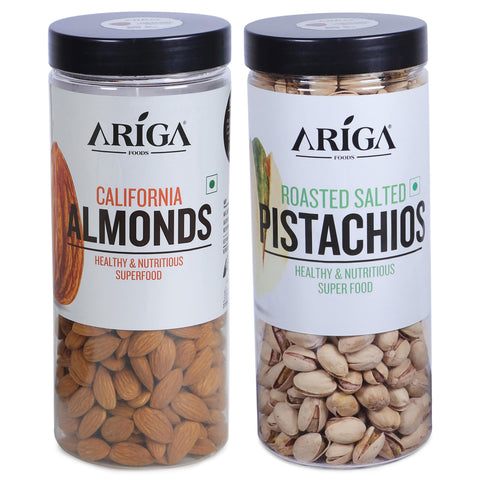

Ariga Foods Natural California Almonds (Badam) and Pistachios (Pista) 1kg (500g x 2) | Dry Fruits Combo Pack | Mixed Nuts
100% premium quality product from Ariga Foods. Ariga Almonds & Pistachios are consumed as superfood as they are the best replacement for junk f...


Ariga Foods Natural California Almonds (Badam) and Cashews (Kaju) 400g (200g x 2) | Dry Fruits Combo Pack | Mixed Nuts
100% natural premium quality Dry Fruits consumed as Super Snack. A combo pack of Claifornia Almonds- 200g and Jumbo Cashews (Kaju)- 200g California...
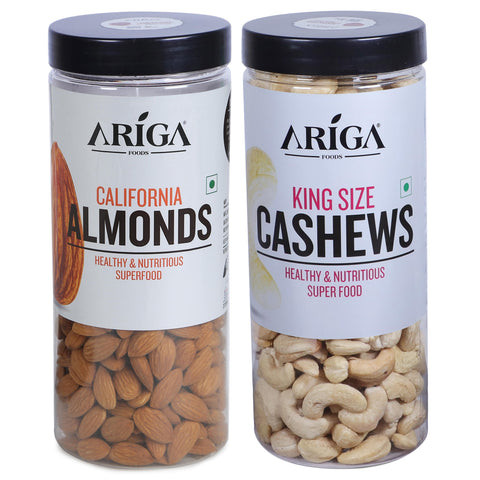

Ariga Foods Natural California Almonds (Badam) and Cashews (Kaju) 1kg (500g x 2) | Dry Fruits Combo Pack | Mixed Nuts
100% premium quality dry fruits Cashews 240 big size kaju nutritious food for healthy eating. Buy Cashew nuts (Kaju) online in India at Ariga Foo...
About Us
Ariga Foods is the innovative Retail and B2B brand by Ariganic Food Pvt. Ltd. Our vision is to make Superfood convenient and tasty for every household around the world.
Read moreSUBSCRIBE & FOLLOW
TAG CLOUD