
What Is the Nutritional Profile of Sunflower Seeds?
I switched to a mostly plant-based diet for a few months last year, mostly as an experiment, and spent a lot of that time reading nutrition labels more closely than I ever had before, chasing down protein sources that would actually cover my needs.
Sunflower seeds came up constantly in that research, and while a lot of what I read was genuinely useful, I also ran into a claim that, once I checked it properly, turned out to be a bit more optimistic than the actual science supports.
The Real Nutritional Profile
Sunflower seeds are genuinely nutrient-dense. A single ounce, about 28 grams, typically contains around 5.5 grams of protein, making them a solid plant-based protein contributor for anyone, vegetarian, vegan, or otherwise.
They also bring a good amount of healthy fats, primarily polyunsaturated and monounsaturated, both generally supportive of heart health when they replace less healthy fats in the diet.
The Protein Claim I Want to Correct
You may have read that sunflower seed protein is a "complete protein," meaning it supposedly contains all nine essential amino acids in sufficient amounts. The first part of that is true, sunflower seeds do contain all nine essential amino acids.
But "complete protein" in nutrition science specifically means those amino acids are present in adequate, balanced amounts relative to what the body needs, and sunflower seeds fall short here on one specific amino acid, lysine.
Multiple amino acid analyses consistently show sunflower seed protein as lysine-limited, meaning you would need to eat a genuinely large quantity, far more than a typical serving, to meet your lysine needs from sunflower seeds alone.
This does not make sunflower seeds a poor protein source, they are actually rich in sulphur-containing amino acids like methionine and cysteine, which many other plant proteins lack.
It just means calling them a complete protein overstates their profile. The practical takeaway is genuinely simple, pair sunflower seeds with a lysine-rich food, legumes, quinoa, or a variety of other plant proteins across your day, and you get a genuinely complete amino acid profile without needing sunflower seeds to do that job alone.
Culinary Applications
Sunflower seeds are genuinely versatile in the kitchen. Sprinkled over salads or grain bowls, their crunchy texture and nutty flavour add both taste and nutrition to leafy greens and vegetables.
Ground into a creamy butter, they offer a genuinely good alternative to traditional nut butters, particularly useful for anyone managing a tree nut allergy, since sunflower seeds are botanically unrelated to tree nuts.
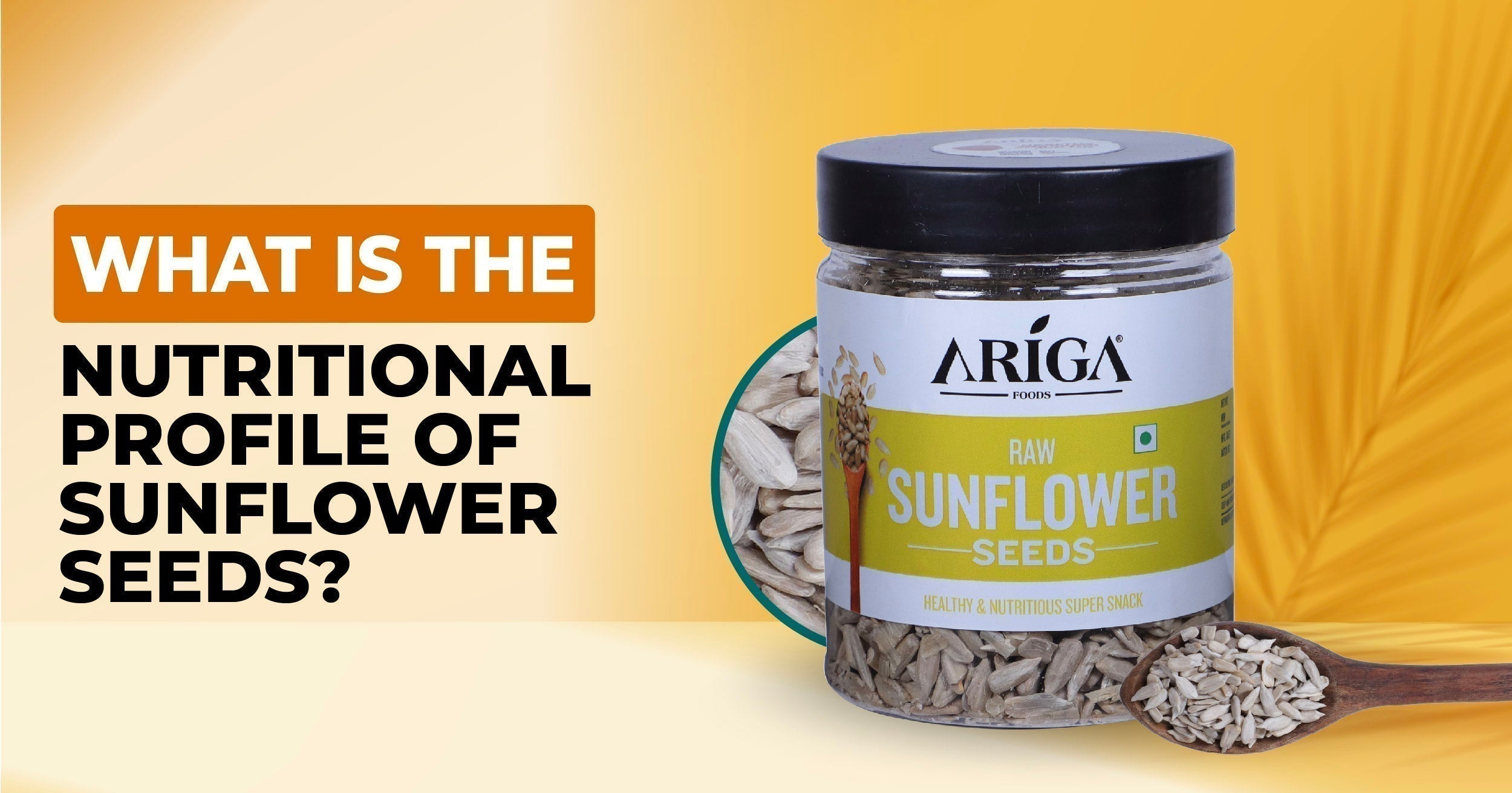
Ariga Foods' Raw Sunflower Seeds
Ariga Foods sources sunflower seeds with genuine care, free from added oils and preservatives, packed in food-grade, reusable PET jars that help maintain freshness over time.
Handpicked and minimally processed, they retain their natural nutrient profile without anything extra added along the way.
What I Would Tell Anyone Reading This
Sunflower seeds are a genuinely nutritious, versatile addition to a plant-based or omnivorous diet alike, rich in protein, healthy fats, and a range of vitamins and minerals.
Just do not rely on them alone to cover your complete amino acid needs, pair them with a variety of other plant proteins across your week, and you get the real benefit of what sunflower seeds genuinely offer without an overstated claim attached to it.
People Also Ask
Is sunflower seed protein actually a complete protein?
Not quite. Sunflower seeds contain all nine essential amino acids, but they are limited in lysine, meaning the amounts aren't balanced enough to qualify as a complete protein on their own. Pairing them with lysine-rich foods like legumes or quinoa creates a genuinely complete amino acid profile.
How much protein is in a serving of sunflower seeds?
A one-ounce serving, about 28 grams, typically contains around 5.5 grams of protein, making sunflower seeds a solid plant-based protein contributor as part of a varied diet.
Are sunflower seeds a good substitute for nut butter?
Yes, ground sunflower seeds make a creamy, flavorful butter alternative, and since sunflower seeds are not tree nuts, this option works well for anyone managing a tree nut allergy.
What amino acid are sunflower seeds low in?
Sunflower seeds are specifically limited in lysine, an essential amino acid important for muscle repair and immune function, though they are rich in sulfur-containing amino acids like methionine and cysteine.
Can vegetarians and vegans rely on sunflower seeds for protein?
Sunflower seeds can be a valuable part of a vegetarian or vegan protein strategy, but pairing them with a variety of other plant proteins, like legumes or grains, helps ensure a fuller, more balanced amino acid intake.
How should sunflower seeds be stored to maintain freshness?
Sunflower seeds should be stored in an airtight container, ideally in a cool, dry place, since their oil content makes them prone to going rancid if exposed to air, heat, or moisture for extended periods.
Related Products

Raw Sunflower Seeds 500g | 100% Premium Quality
100% premium quality raw sunflower seeds from Ariga Foods, sourced from the farmers and carefully selected to the highest quality. Benefits of su...

Roasted Mixed Seeds 200g | 5 in 1 Trail Mix
100% premium quality roasted seeds mix 5 in 1 made of pumpkin, flax, chia, sunflower and watermelon seeds. Roasted with perfection without oil. B...
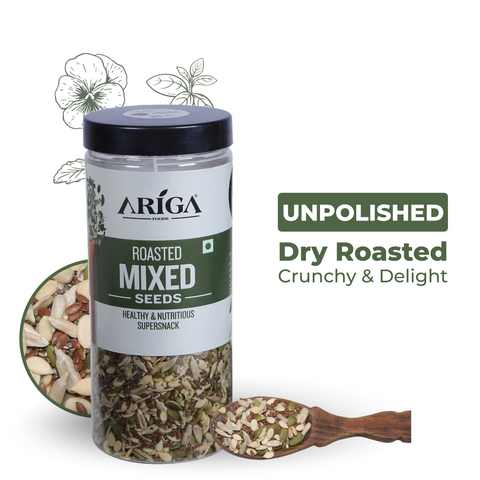

Roasted Mixed Seeds 500g | 5 in 1 Trail Mix
100% premium quality roasted seeds mix 5 in 1 made of pumpkin, flax, chia, sunflower and watermelon seeds. Roasted with perfection without oil.Buy ...
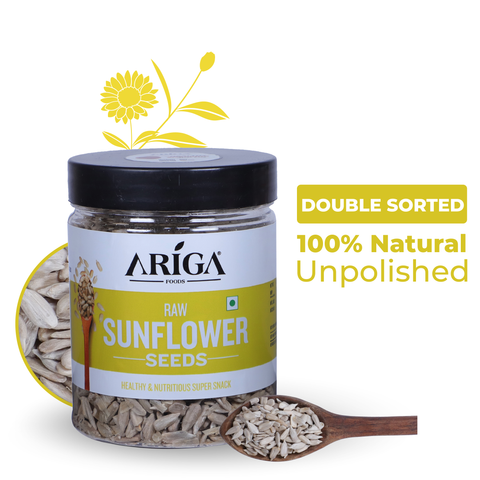

Raw Sunflower Seeds 200g | 100% Premium Quality
100% premium quality raw sunflower seeds from Ariga Foods, sourced from the farmers and carefully selected to the highest quality. Benefits of su...
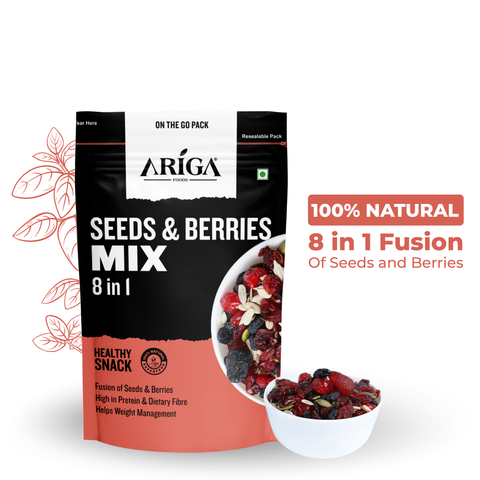

Premium Roasted Seeds & Berries Mix 200g | Trail Mix 8 in 1 | Ariga Foods
Ariga Foods premium quality Seeds & Berries Mix is a perfect choice. Healthy alternative to processed food and snacks. Buy trail mix online a...


Premium Nuts & Roasted Seeds Mix 200g | Trail Mix 8 in 1 | Ariga Foods
100% premium quality Nuts & Seeds mix from Ariga Foods. Healthier than processed food and snacks. Buy nuts trail mix online at Ariga Foods. 8...


Ariga Foods Raw Pumpkin Seeds 500g | Premium Quality
Ariga Foods premium quality raw pumpkin seeds helps weight management. Buy pumpkin seeds online at Ariga Foods. An ideal snack and ingredient for...
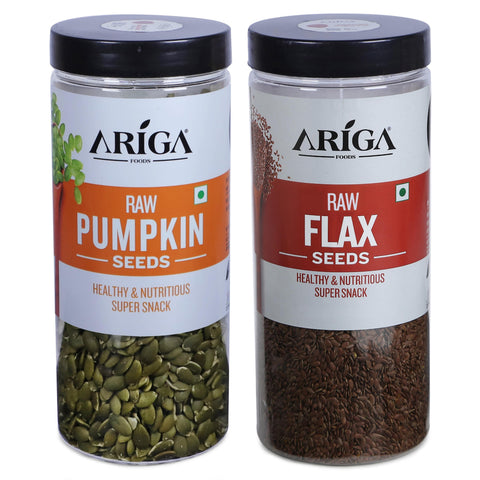

Ariga Foods Raw Seeds Combo For Eating | 100% Premium Quality Pumpkin Seeds and Flax Seeds 1kg | Mixed Seeds | Diet Snack
100% natural premium quality Seeds for eating consumed as Super Snack. A combo pack of Plain Pumpkin Seeds- 500g and Flax Seeds- 500g. Pumpkin Seed...
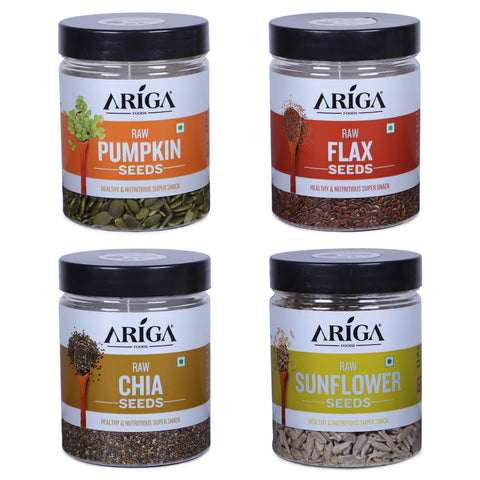

Ariga Foods Raw Seeds Combo For Eating | 100% Premium Quality Pumpkin, Flax, Chia and Sunflower Seeds 850g | Mixed Seeds | Diet Snack
100% natural premium quality Seeds for eating consumed as Super Snack. A combo pack of Plain Pumpkin- 200g, Flax- 200g, Chia-250g and Sunflower See...
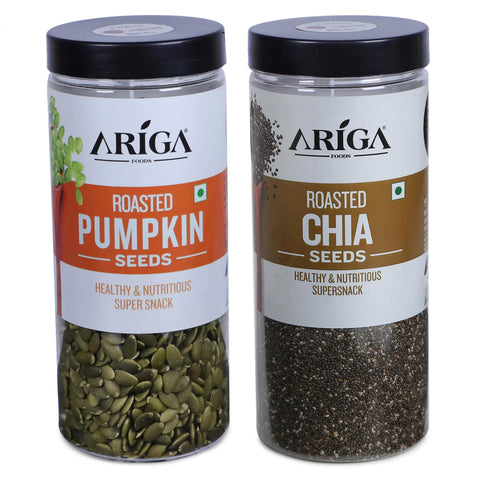

Ariga Foods Roasted Seeds Combo For Eating | 100% Premium Quality Pumpkin Seeds and Chia Seeds 1kg | Mixed Seeds | Diet Snack
100% premium quality product from Ariga Foods. Ariga seeds are consumed as superfood as they are the best replacement for junk food. No preserva...
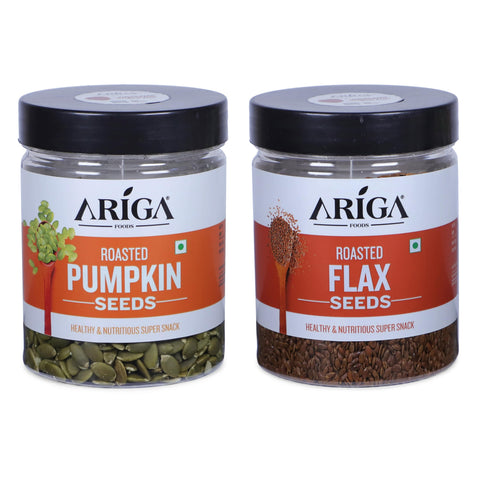

Ariga Foods Roasted Seeds Combo For Eating | 100% Premium Quality Pumpkin Seeds and Flax Seeds 400g | Mixed Seeds | Diet Snack
100% natural premium quality Seeds for eating consumed as Super Snack. A combo pack of Roasted Pumpkin Seeds- 200g and Roasted Flax Seeds-200g. Pum...
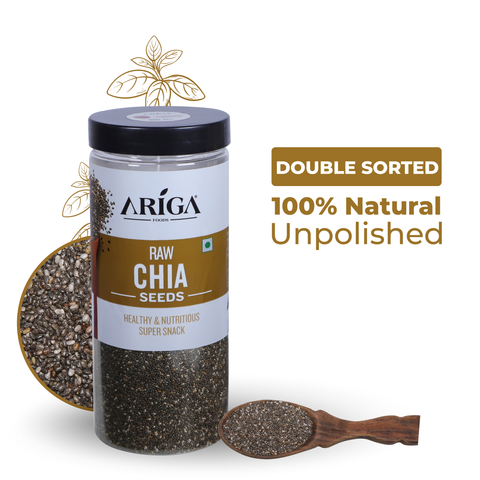

Raw Chia Seeds 500g | 100% Premium Quality
Ariga Foods premium quality chia seeds are double sortex and sorted with perfection. Benefits of Chia seeds for eating are they are good for dige...
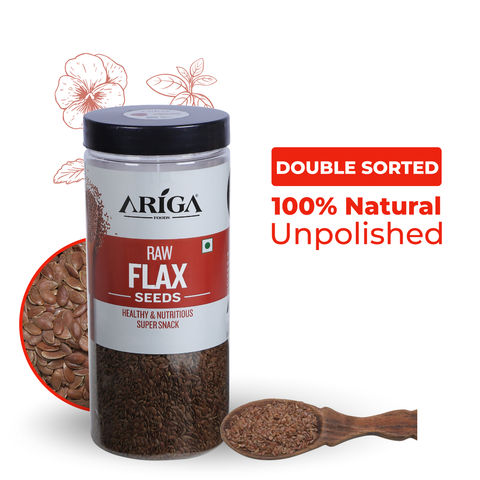

Raw Flax Seeds 500g | 100% Premium Quality Alsi
100% premium quality raw flax seeds alsi from Ariga Foods for weight loss. Buy flax seeds online at Ariga Foods. Crunchy and delicious alsi. Flax...
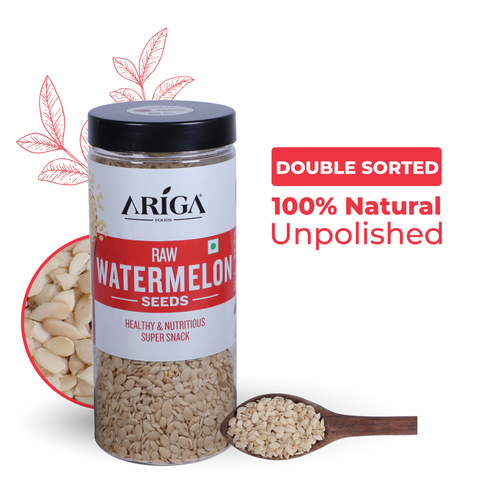

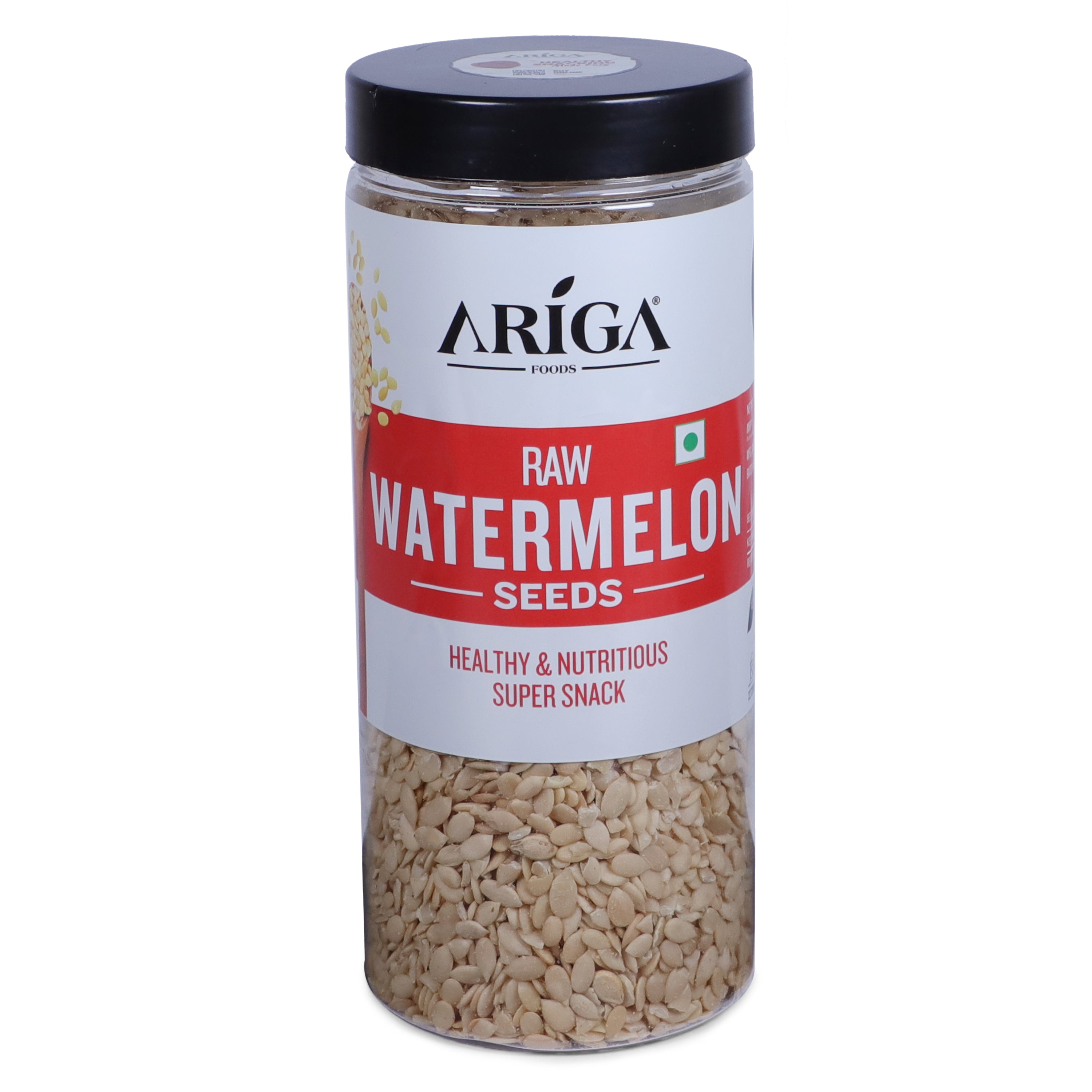
Raw Watermelon Seeds 500g | 100% Premium Quality
Ariga Foods premium quality raw watermelon seeds are great for hair and skin. Buy watermelon seeds online at Ariga Foods. Eating watermelon seeds...
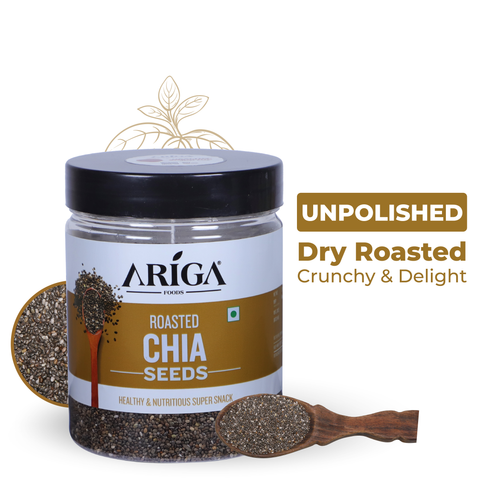

Roasted Chia Seeds 250g | 100% Premium Quality
Ariga Foods premium quality roasted chia seeds are roasted with perfection without oil. Benefits of chia seeds is they help you in weight managem...
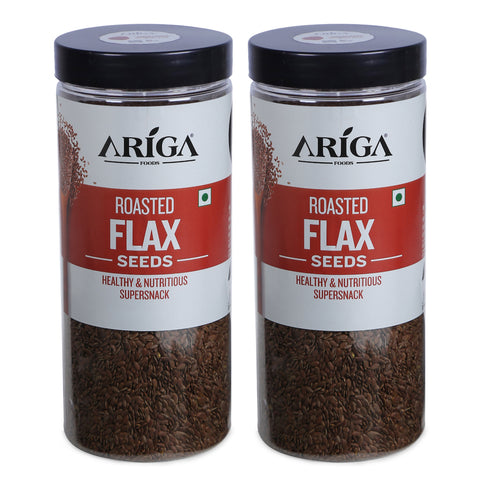

Roasted Flax Seeds 1kg | 100% Premium Quality Alsi
100% premium quality roasted flax seeds alsi from Ariga Foods. Roasted and blended with turmeric without the use of oil. Buy roasted flax seeds o...
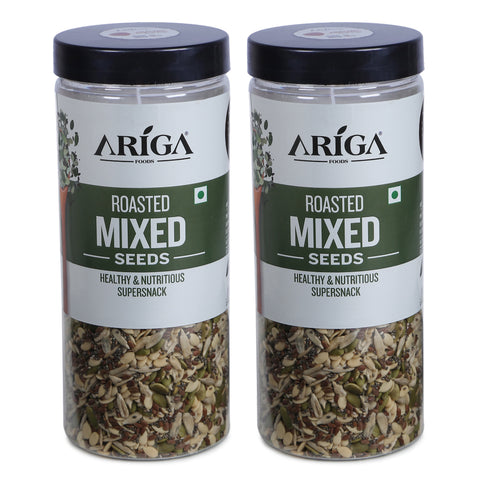

Roasted Mixed Seeds 1kg | 5 in 1 Trail Mix
100% premium quality roasted seeds mix 5 in 1 made of pumpkin, flax, chia, sunflower and watermelon seeds. Roasted with perfection without oil. B...
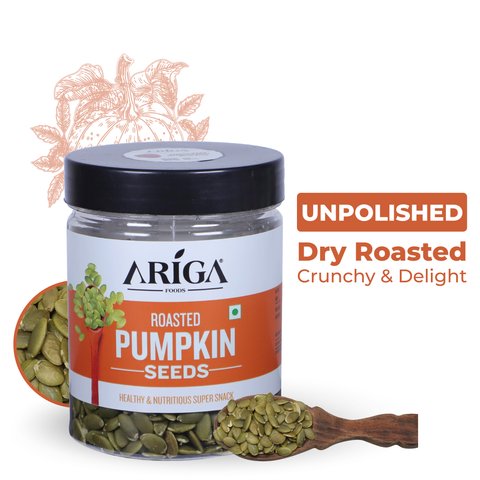

Roasted Pumpkin Seeds 200g | Premium Quality
Ariga Foods premium quality dry roasted pumpkin seeds are dry roasted with no oil. Buy pumpkin seeds online at Ariga Foods. Pumpkin seeds are als...


Roasted Pumpkin Seeds 1kg- Indian Masala Flavour | Premium Quality
Ariga Foods premium quality roasted pumpkin seeds are blended with Indian masala and herbs without the use of oil. Buy roasted pumpkin seeds onli...
About Us
Ariga Foods is the innovative Retail and B2B brand by Ariganic Food Pvt. Ltd. Our vision is to make Superfood convenient and tasty for every household around the world.
Read moreSUBSCRIBE & FOLLOW
TAG CLOUD