
What Are the Top Nuts For an Asian Diet?
Growing up, nuts in our house were never really a "snack" in the Western sense.
My mother used them the way most Indian and broader Asian kitchens do, tossed into a pulao, stirred into kheer, scattered over a stir-fry right at the end of cooking.
It was only once I moved out and started cooking for myself that I realised how much I had taken that habit for granted, and how naturally nuts fit into an Asian diet compared to how they get marketed elsewhere as just a gym snack or a diet food.
Somewhere along the way, I started keeping a proper stock of nuts at home again, mostly cashews, walnuts, almonds, pistachios, and raisins, and slowly rebuilt some of those old family recipes alongside a few new ones I picked up from friends across different Asian cuisines.
I want to share what I have learned about why these particular nuts work so well in Asian cooking, and a few dishes I now make regularly.
Why Nuts Fit So Naturally Into Asian Cooking
Asian food, broadly speaking, leans on balance, a bit of crunch against something soft, a bit of richness against something tangy, a bit of sweetness cutting through spice.
Nuts do exactly that work in a dish without needing much effort. A handful of cashews at the end of a stir-fry, a spoon of raisins in a rice pudding, chopped walnuts through a vegetable dish, these small additions do a lot of heavy lifting for both texture and nutrition.
I also think there is something to be said for how well nuts hold up in high-heat cooking, unlike a lot of delicate ingredients.
Toast them properly and they become even better, not worse, which is part of why they have stayed a staple in Asian kitchens for generations.
Cashews - The Creamy Workhorse
Cashew nut fruit, or the actual cashew apple that the nut grows from, is not something most of us ever see, but the nut itself has become one of the most versatile ingredients in my kitchen.
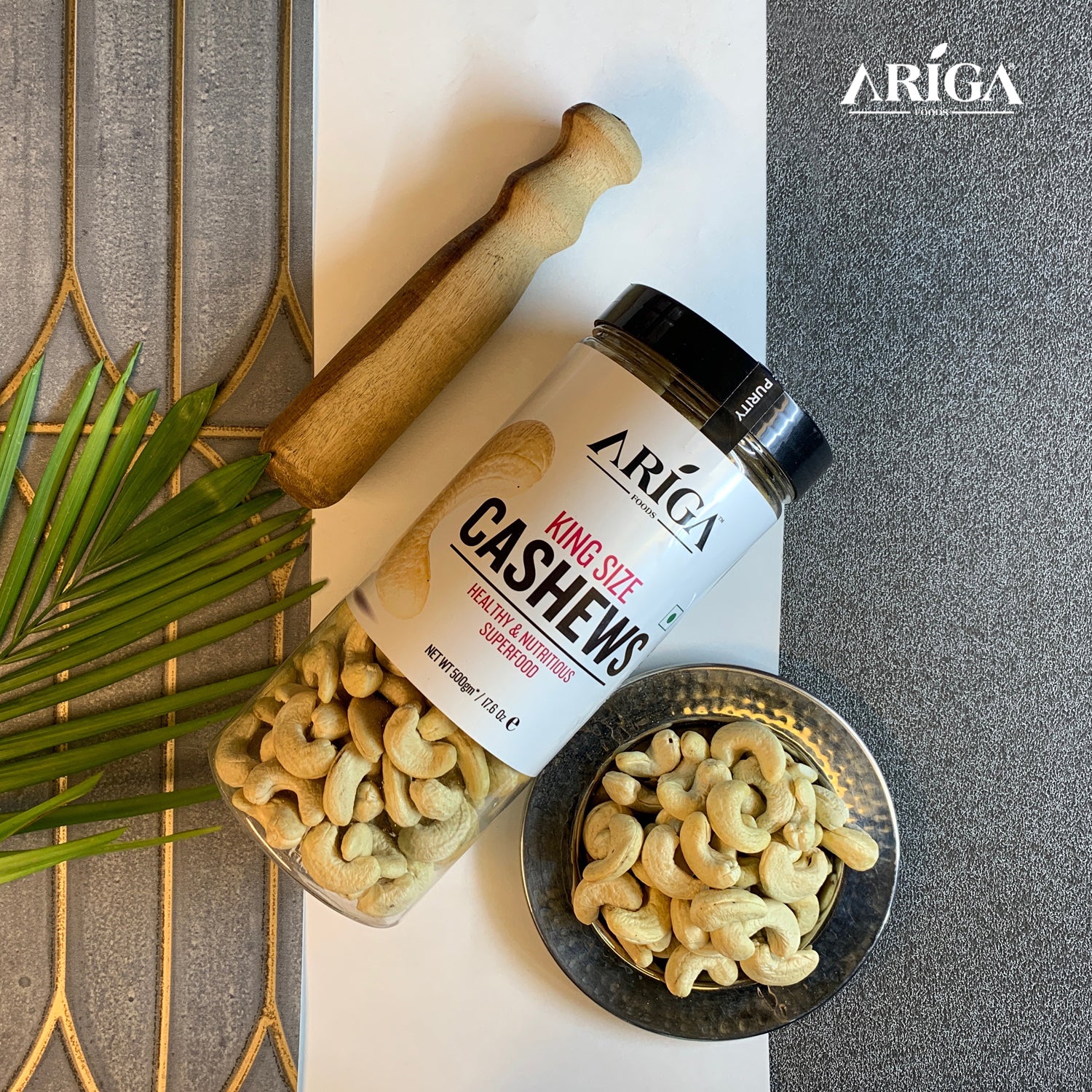
King Size Cashews work beautifully because their size holds up in cooking without turning mushy or disappearing into a dish.
They are rich in healthy fats, protein, and minerals like magnesium and zinc, and honestly, their creamy texture is what makes them work in both sweet and savoury cooking without needing much dressing up.
My go-to weeknight dish is a simple cashew chicken stir-fry, diced chicken and mixed vegetables tossed in a wok with soy sauce and a bit of garlic, finished with a generous handful of King Size Cashews added right at the end so they stay crunchy instead of going soft in the sauce.
Raisins - The Underrated Sweetness
Kaju benefits get talked about a lot, but raisins deserve more credit than they usually get in this conversation.
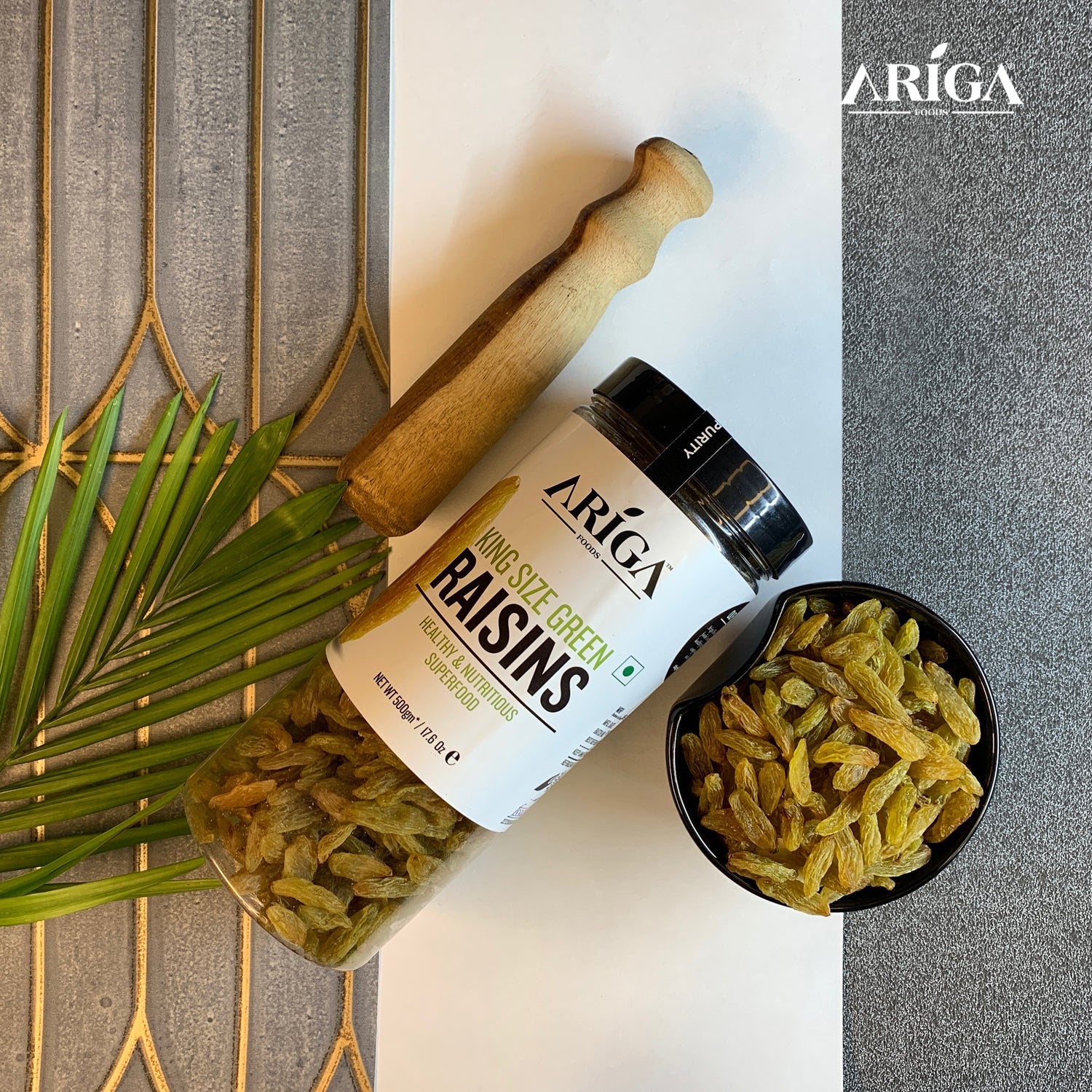
King Size Raisins bring natural sweetness, fibre, iron, and a good dose of antioxidants, and they have become my shortcut for adding sweetness to a dish without reaching for refined sugar.
One dish that has become a bit of a signature in my house is a raisin and almond rice pudding, basmati rice slow cooked in milk with sugar and cardamom, finished with King Size Raisins and chopped almonds stirred through, then topped with a scattering of pistachios.
It takes some patience at the stove, but it is the kind of dessert that makes people ask for the recipe.
Walnuts - Earthy and Brain Boosting
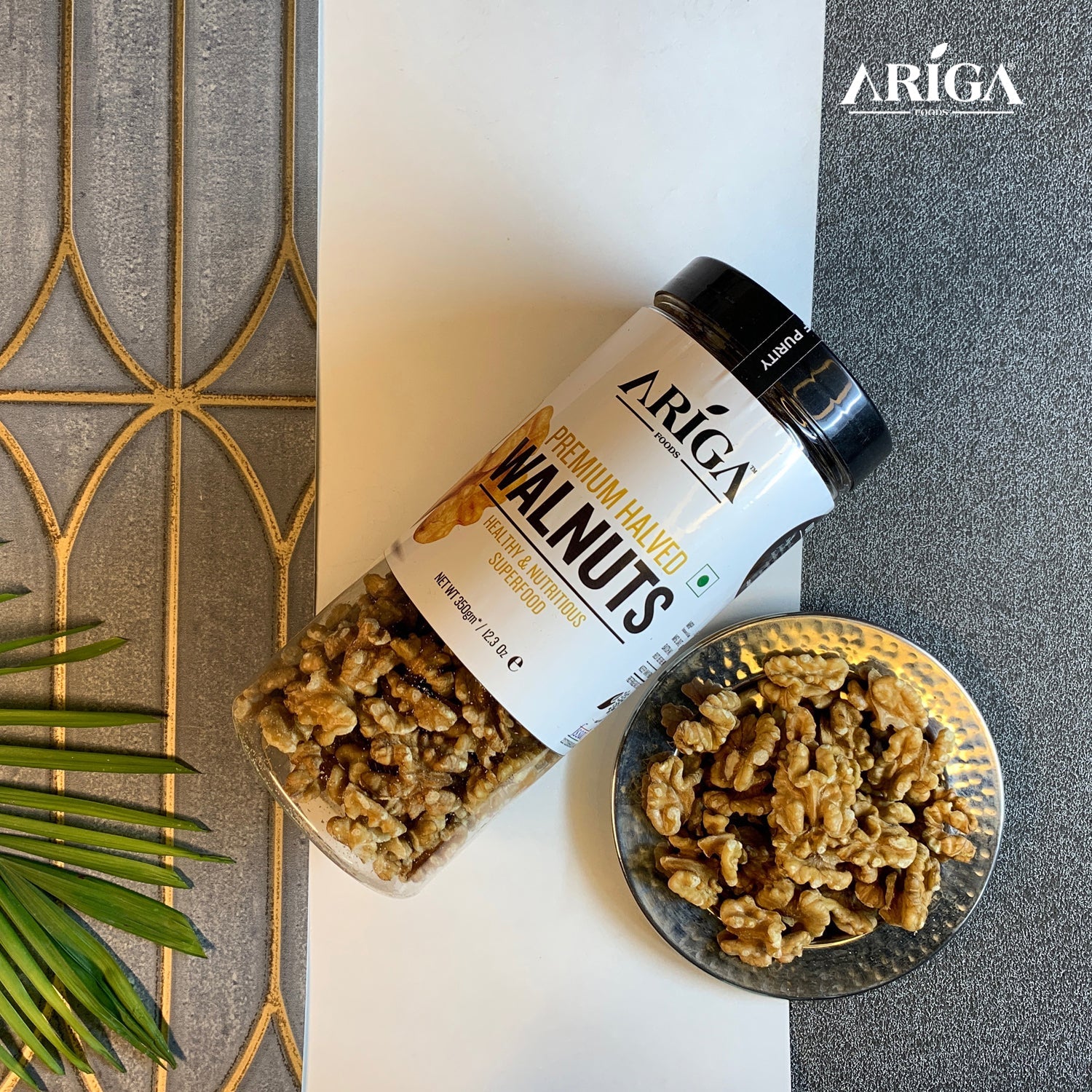
Walnut seed benefits come up often when people talk about brain health, and Premium Halved Walnuts have genuinely become my favourite nut for savoury Asian-style cooking, mostly because their slightly bitter, earthy flavour holds its own against strong sauces instead of getting lost.
I make a walnut and vegetable stir-fry fairly often, toasting the walnuts dry in a pan first to bring out their flavour, then tossing snap peas, mushrooms, and bell peppers in sesame oil with soy sauce and a touch of honey, finishing with the toasted walnuts right before serving.
Served over noodles, it has become one of those meals I do not get tired of.
Almonds - The Everyday Flexible One
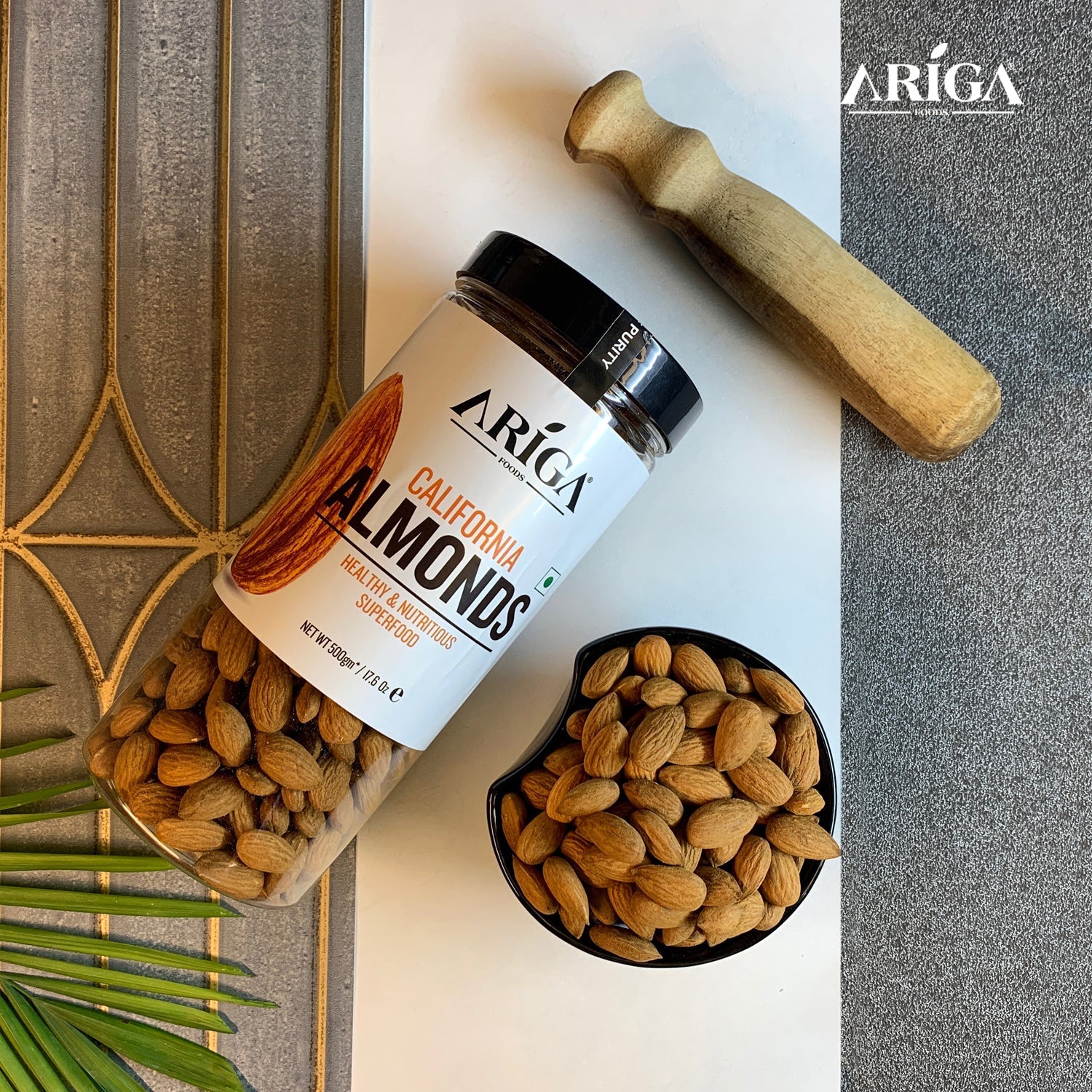
Almonds might be the most flexible nut in my kitchen, honestly. Whether raw, roasted, sliced, or slivered, they slide into almost anything.
Beyond the usual snacking, I regularly use sliced almonds in a chicken salad, tossed with shredded chicken, celery, grapes, and a simple lemon-mayonnaise dressing. It is light, a little unexpected with the fruit in there, and always disappears fast whenever I make it for guests.
Pistachios - Flavourful and a Little Bit Fancy
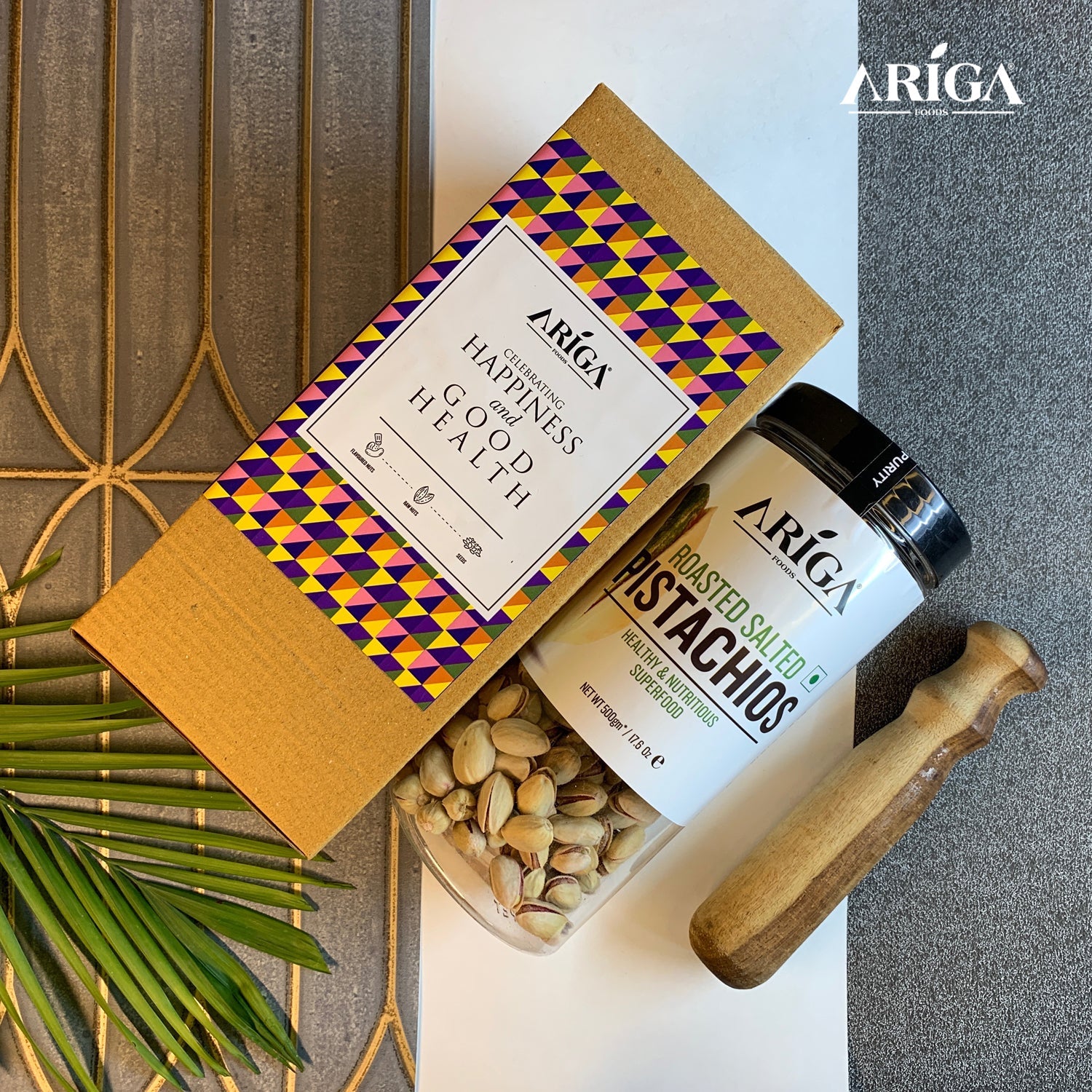
Roasted Salted Pistachios are what I reach for when I want a dish to feel a bit more special without actually complicating the cooking.
Pista badam as a combination shows up constantly in festive Indian cooking, and pistachios bring a similar festive quality on their own too, rich in antioxidants, healthy fats, and protein.
My favourite way to use them is in a pistachio and saffron pilaf, basmati rice cooked in chicken broth with sautéed onions and a good pinch of saffron, finished with a stir of Roasted Salted Pistachios right before serving.
It is simple enough for a weeknight but feels like it belongs at a celebration.
A Few Things I Have Picked Up Along the Way
Toast nuts separately before adding them to a dish whenever you can. It sounds like an extra step, but the flavour difference between a raw nut tossed straight into a stir-fry versus one that has been dry toasted first is genuinely noticeable.
Add nuts at the end of cooking, not the beginning, especially in stir-fries. Cooking them too long alongside everything else softens that crunch, which is honestly half the reason we add them in the first place.
Do not underestimate raisins as a savoury ingredient. I used to think of them purely as a dessert item until I started using them in rice dishes and even some stir-fries, where that little burst of sweetness against savoury spices genuinely works.
And finally, keep a mixed stash on hand rather than buying nuts only when a specific recipe calls for them.
Once I started keeping a rotating stock of cashews, walnuts, almonds, pistachios, and raisins at home, I found myself reaching for them far more often, not just in planned recipes but as quick additions to whatever I happened to be cooking that day.
Nuts have quietly been part of Asian cooking for longer than most modern food trends have existed. Bringing them back into my regular cooking rotation was less about following a diet and more about remembering how naturally they belonged there all along.
People Also Ask
Which nuts are commonly used in Asian cooking?
Cashews, almonds, walnuts, pistachios, and raisins are among the most commonly used nuts and dried fruits across Asian cuisines, appearing in everything from stir-fries and pilafs to desserts like rice pudding and kheer.
Why are cashews used so often in Asian stir-fries?
Cashews hold their shape and texture well under high heat, adding a creamy crunch without turning mushy, which makes them a popular addition to stir-fried dishes across many Asian cuisines.
Are raisins used in savoury Asian dishes or only desserts?
While raisins are commonly associated with desserts like rice pudding, they are also used in savoury rice dishes and some stir-fries, where their natural sweetness helps balance out spice and salt.
What is the best way to add nuts to a stir-fry without losing their crunch?
Adding nuts toward the very end of cooking, after the rest of the dish is nearly done, helps preserve their crunch. Toasting them separately beforehand also enhances their flavour before they go into the final dish.
Do walnuts and almonds offer different nutritional benefits?
Yes, walnuts are particularly known for their omega-3 fatty acid content, which supports brain and heart health, while almonds are richer in vitamin E and fibre, supporting skin health and general wellness. Both work well together in a balanced diet.
Can nuts be part of a healthy Asian-style diet on a daily basis?
Yes, a small daily portion of mixed nuts fits well into a balanced Asian diet, offering healthy fats, protein, and micronutrients. As with any calorie-dense food, portion control matters, so a small handful rather than an unlimited amount works best.
Related Products

Ariga Foods Premium Halved Walnuts 150g
100% premium quality walnuts akhrot giri, without shell halved walnuts consumed as supersnack. Premium quality walnut kernels- Crunchy & Deli...

Ariga Foods Premium Halved Walnuts 350g
100% premium quality walnuts akhrot giri, without shell halved walnuts consumed as supersnack. Premium quality walnut kernels- Crunchy & Deli...

Ariga Foods Premium Halved Walnuts 700g
100% premium quality walnuts akhrot giri, without shell halved walnuts consumed as supersnack. Premium quality walnut kernels- Crunchy & Deli...
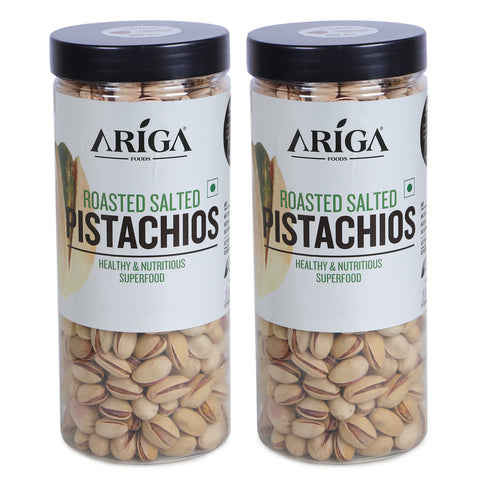

Premium Roasted & Salted Pistachios 1kg
100% premium quality pista dry fruits. Roasted & salted pistachios, consumed as supersnack. Buy Pistachio nuts (Pista) online in India at Arig...
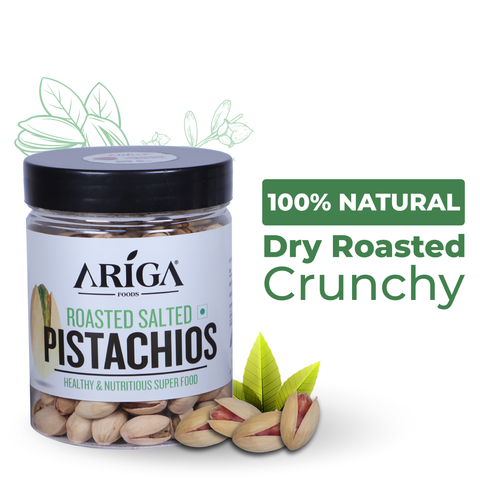

Premium Roasted & Salted Pistachios 200g
100% premium quality pista dry fruits. Roasted & salted pistachios, consumed as supersnack.Buy Pistachio nuts (Psita) online in India at Ariga ...


Premium Roasted & Salted Pistachios 500g
100% premium quality pista dry fruits. Roasted & salted pistachios, consumed as supersnack.Buy Pistachio nuts (Psita) online in India at Ariga ...
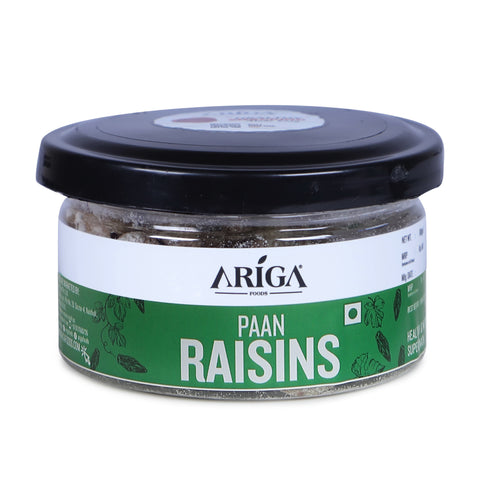

Paan Raisins 100g | Premium Long Green Kishmish
100% premium quality product from Ariga Foods. Ariga Paan Raisins are consumed as supersnack as they are the best replacement for junk food. Pac...
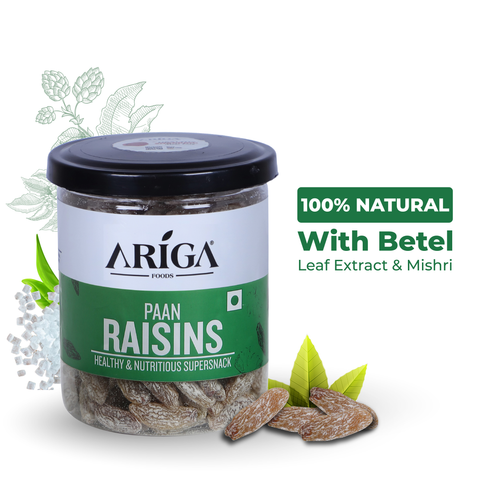

Paan Raisins 250g | Premium Long Green Kishmish
100% premium quality raisins kismis made with real pan extract to bring the taste of mukhwas. These are long size green raisins dry fruit. Buy gr...
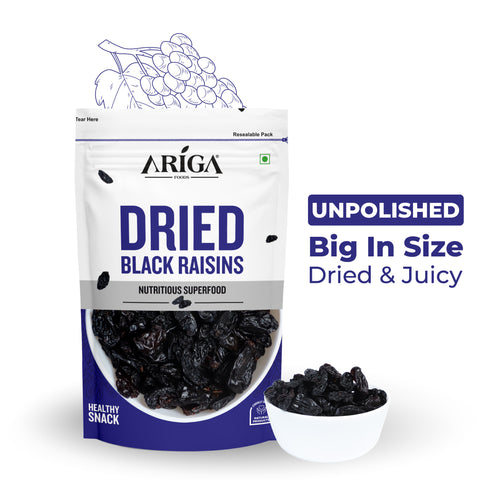

Premium Afghani Black Raisins 200g | Ariga Foods
100% premium quality black raisins. Healthy alternative to processed food and snacks. Buy black raisins online at Ariga Foods. They are also know...
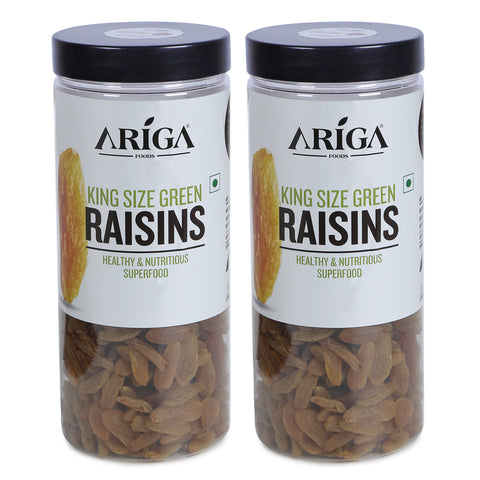

Premium Green Raisins 1kg
100% premium quality raisins kismis. Long size green raisins dry fruit, best replacement for junk food. Buy Indian raisins online at Ariga Foods....
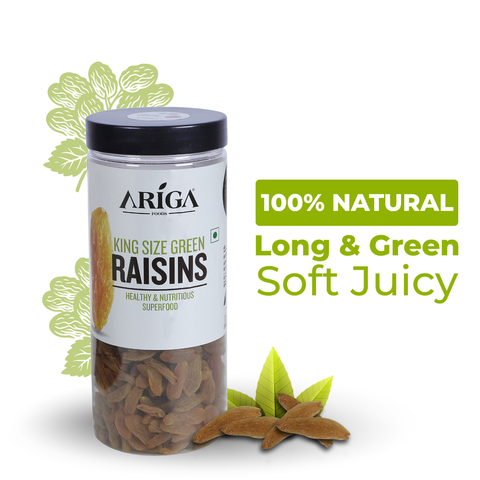

Premium Green Raisins 500g
100% premium quality raisins kismis. Long size green raisins dry fruit, best replacement for junk food. Buy Indian raisins online at Ariga Foods....
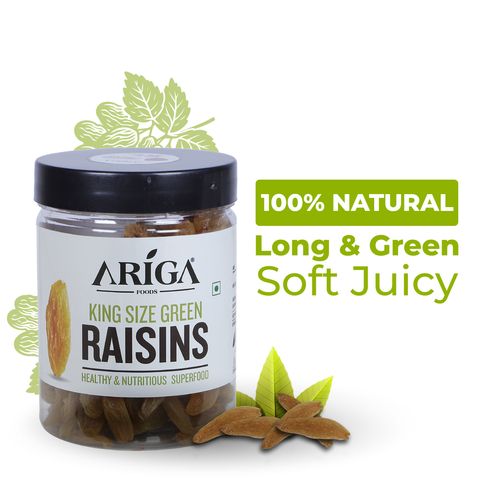

Premium Green Raisins 250g
100% premium quality raisins kismis. Long size green raisins dry fruit, best replacement for junk food. Buy Indian raisins online at Ariga Foods....


Ariga Foods King Size Premium Cashew Nuts 1kg | Dry Fruit Kaju 240 Grade
100% premium quality dry fruits Cashews 240 big size kaju nutritious food for healthy eating. Buy Cashew nuts (Kaju) online in India at Ariga Foo...
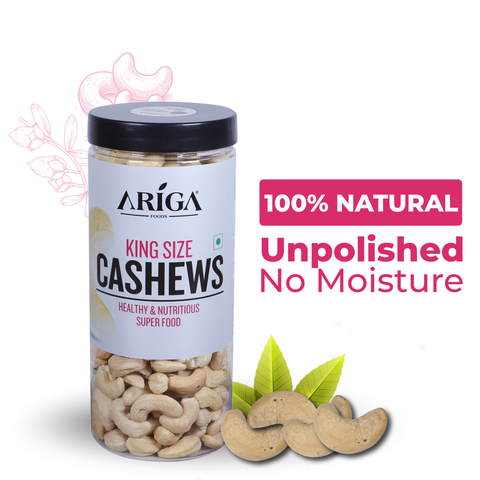

Ariga Foods King Size Premium Cashew Nuts 500g | Dry Fruit Kaju 240 Grade
100% premium quality dry fruits Cashews 240 big size kaju nutritious food for healthy eating. Buy Cashew nuts (Kaju) online in India at Ariga Foo...
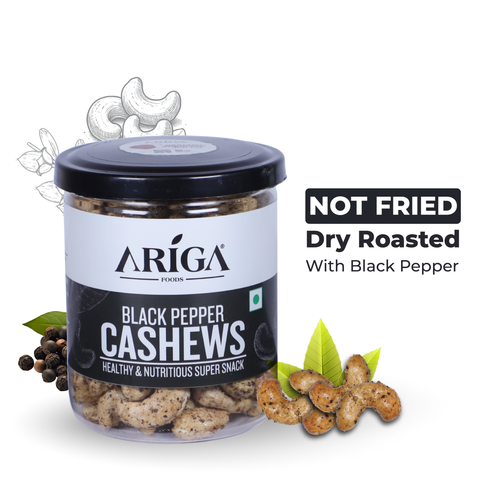

Black Pepper Cashews 200g | Roasted 100% Premium Kaju
'100% premium quality dry fruits roasted cashews sprinkled with black pepper kaalimirch from Ariga Foods. Dry roasted with no oil, these roasted ...
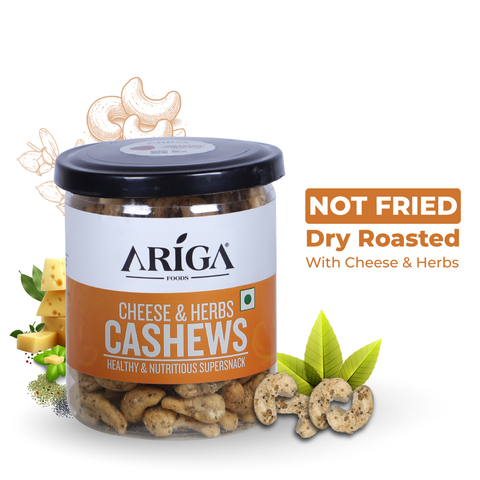

Cheese & Herbs Cashews 200g | Roasted 100% Premium Kaju
Ariga Foods premium quality roasted cashews with cheese & herbs are dry roasted with no oil. Crunchy and delicious dry fruit. Buy roasted and...
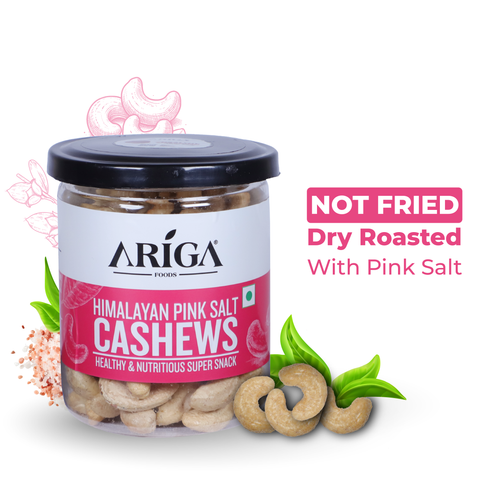

Himalayan Pink Salt Cashews 200g | Roasted 100% Premium Kaju
Ariga Foods 100% premium quality dry fruits roasted cashews with pink salt for healthy eating. Big size kaju crunchy and nutritious. Buy roasted ...
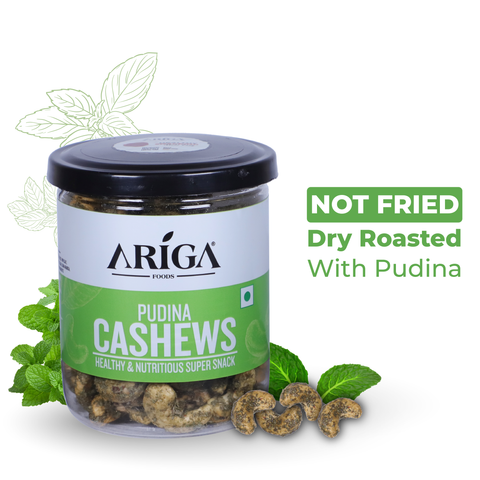

Pudina Cashews 200g | Roasted 100% Premium Kaju
Ariga Foods roasted salted cashews are toasted with dry pudina particals. This makes the roasted cashews tasy and crunchy. These cashew nuts are ...
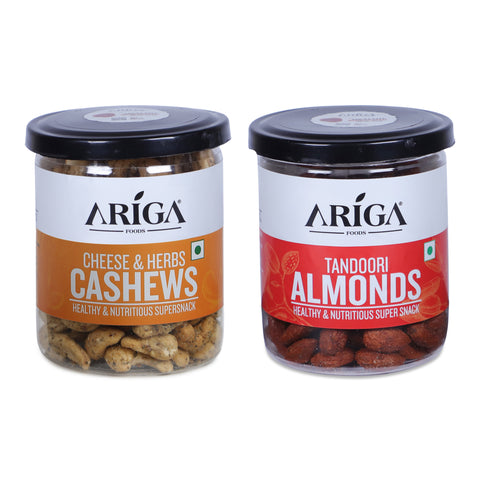

Tandoori Almonds 200g + Cheese & Herbs Cashews 200g (Dry Fruits Combo Pack 400g)
100% premium quality product from Ariga Foods. Ariga Tandoori Almonds and Cheese & Herbs Cashews are flavoured with Tandoori Masala and Cheese ...
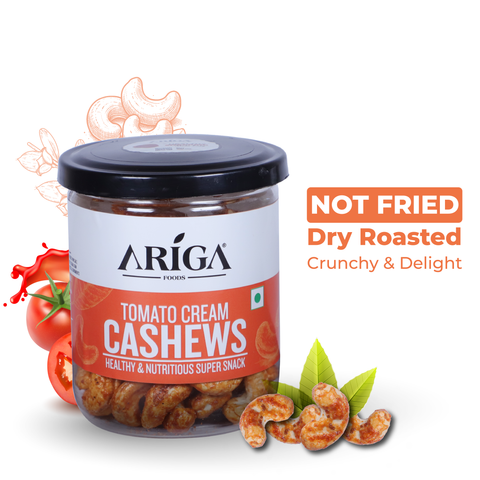

Tomato Cream Cashews 200g | Roasted 100% Premium Kaju
100% premium quality roasted and slated cashews toasted with real tomato and cream from Ariga Foods. Dry roasted cashews with no oil. Crunchy and...


Ariga Foods Premium California Almonds 1kg
100% premium quality dry fruits badam giri from Ariga Foods, sourced from California, USA. Buy California Almonds (Badaam) online in India at Ari...


Ariga Foods Premium California Almonds 500g
100% premium quality dry fruits badam giri from Ariga Foods, sourced from California, USA. Buy California Almonds (Badaam) online in India at Ari...
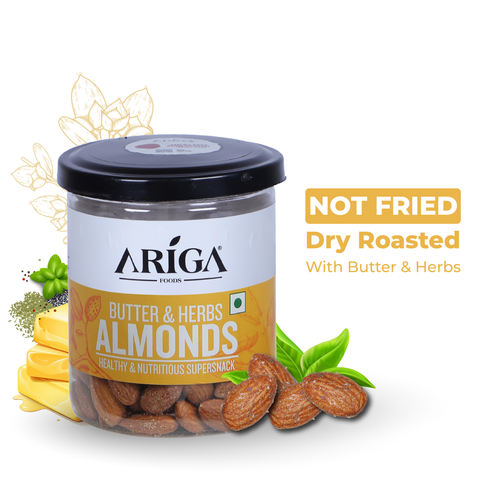

Butter & Herbs Almonds 200g | Roasted 100% Premium Badam
100% premium quality dry fruits roasted almonds toasted with butter & herbs from Ariga Foods. Dry roasted with no oil, these nutrition roast...
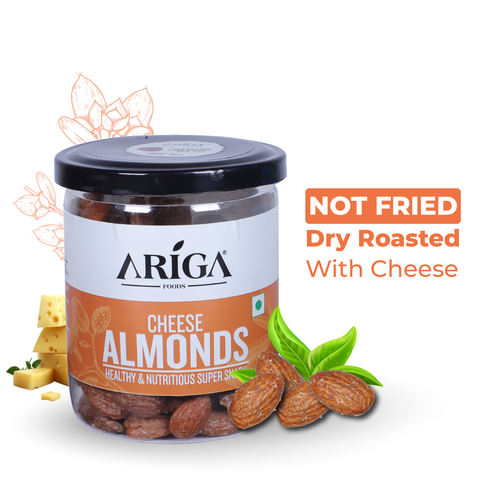

Cheese Almonds 200g | Roasted 100% Premium Badam
Ariga Foods dry fruits roasted almonds are wrapped with cheese. 100% premium quality badam. These nutrition roasted almonds are crunchy and delic...
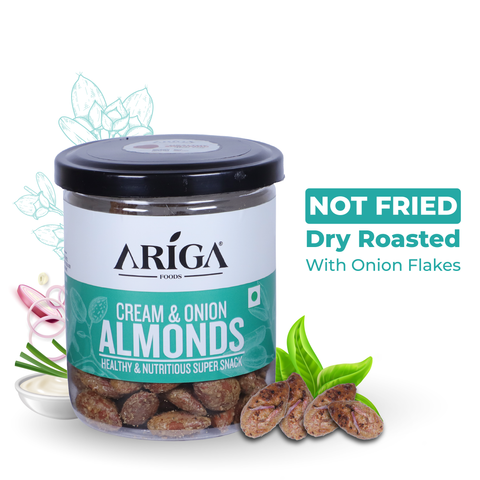

Cream & Onion Almonds 200g | Roasted 100% Premium Badam
100% premium quality dry fruits roasted almonds with cream & onion from Ariga Foods. Dry roasted almonds with no oil. Crunchy and delicious. N...
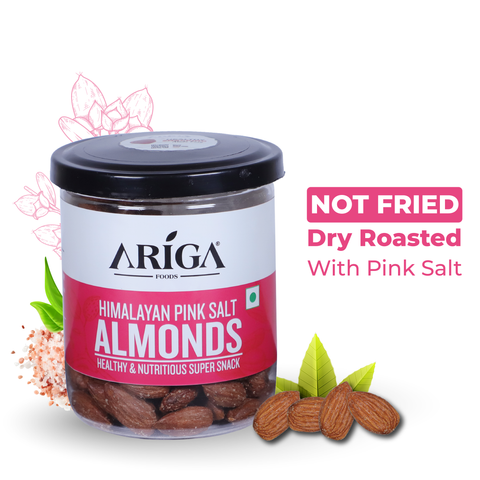

Himalayan Pink Salt Almonds 200g | Roasted 100% Premium Badam
100% premium quality dry fruits roasted almonds with pink salt from Ariga Foods, dry roasted with no oil. Crunchy and delicious. Buy roasted almo...
About Us
Ariga Foods is the innovative Retail and B2B brand by Ariganic Food Pvt. Ltd. Our vision is to make Superfood convenient and tasty for every household around the world.
Read moreSUBSCRIBE & FOLLOW
TAG CLOUD