
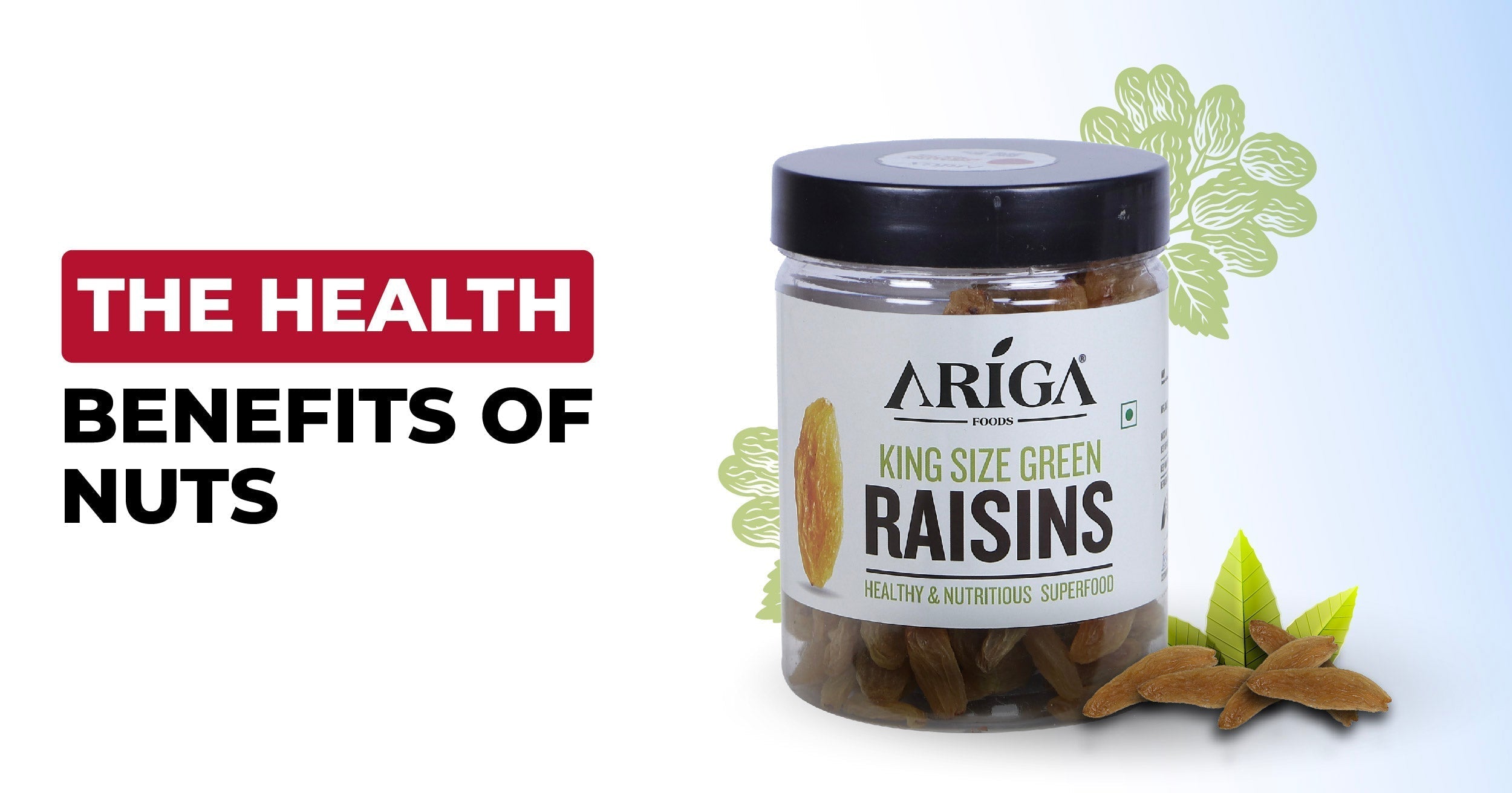
What are the Health Benefits of Nuts?
I have been eating a small handful of mixed nuts most days for a couple of years now, mostly out of habit, and it was only recently that I actually sat down and mapped out which nut is genuinely doing what.
It turns out the common shorthand, "nuts are good for your heart and brain," is true, but it glosses over some real differences between individual nuts that are worth knowing if you actually want to get the most out of what you are eating.
Heart Health : Nourishing the Cardiovascular System
Nuts, broadly, are rich in unsaturated fats, though the specific type varies meaningfully by nut.
These fats have been linked to improving cholesterol profiles, generally lowering LDL, the "bad" cholesterol, while supporting healthier HDL, the "good" cholesterol.
Nuts also carry antioxidants like flavonoids and tocopherols, which help reduce inflammation and oxidative stress in the arteries, supporting better cardiovascular function overall.
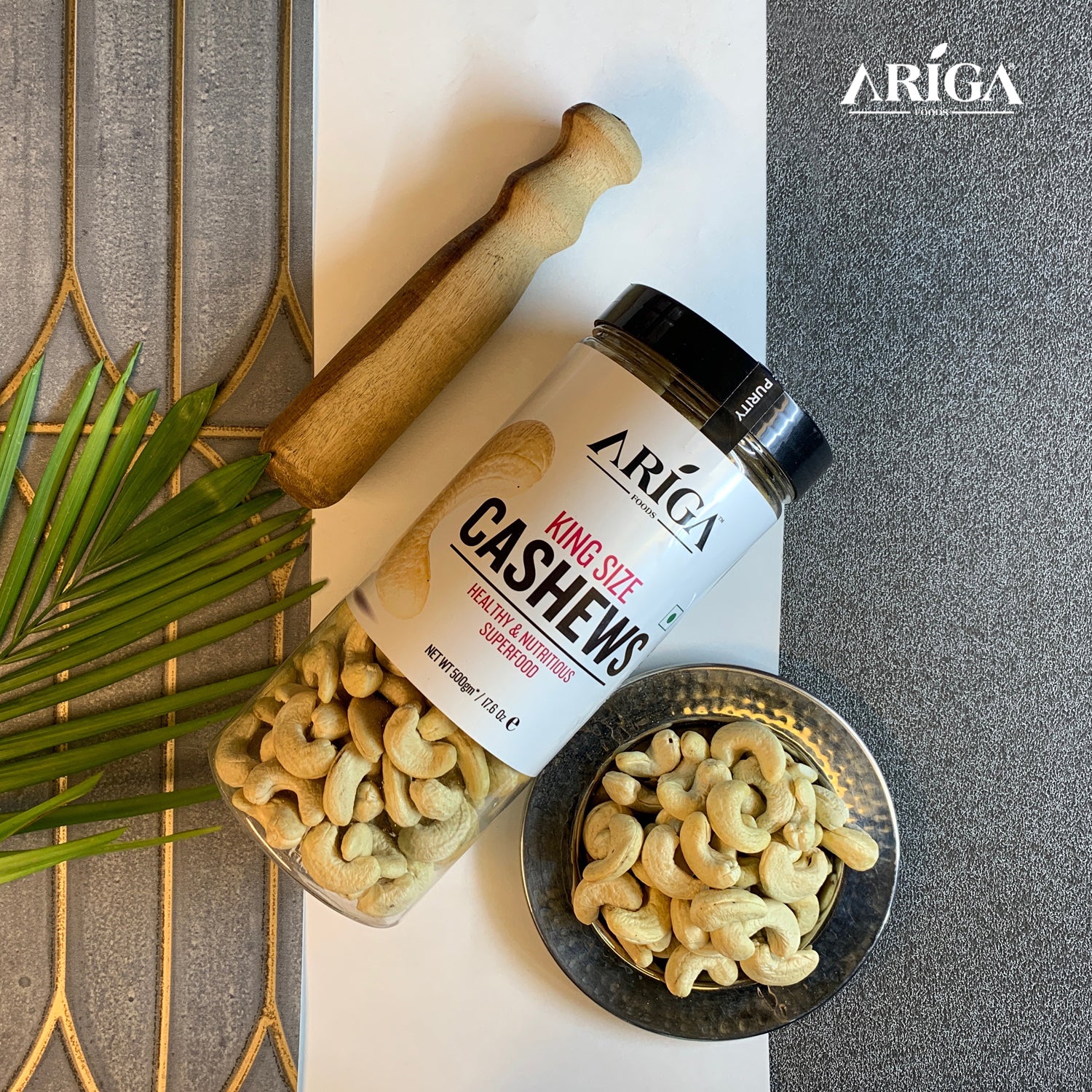
King Size Cashews
Cashews are particularly rich in monounsaturated fat, primarily oleic acid, the same heart-healthy fat found in olive oil, which supports cholesterol management and overall cardiovascular wellbeing.
I want to be precise here, cashews are not a notable source of omega-3s specifically, their heart-health contribution comes mainly through this monounsaturated fat content rather than omega-3s.
Brain Boost : Enhancing Cognitive Function
This is the section where I want to correct something that gets repeated often, including in a lot of nut-benefit content online.
Not all nuts are equally rich in omega-3 fatty acids, and the nut most closely tied to omega-3-related brain benefits is walnuts specifically, not pistachios.
Walnuts contain roughly 2.5 grams of ALA omega-3 per ounce, making them genuinely unique among nuts, while pistachios and cashews contain only a fraction of that amount.
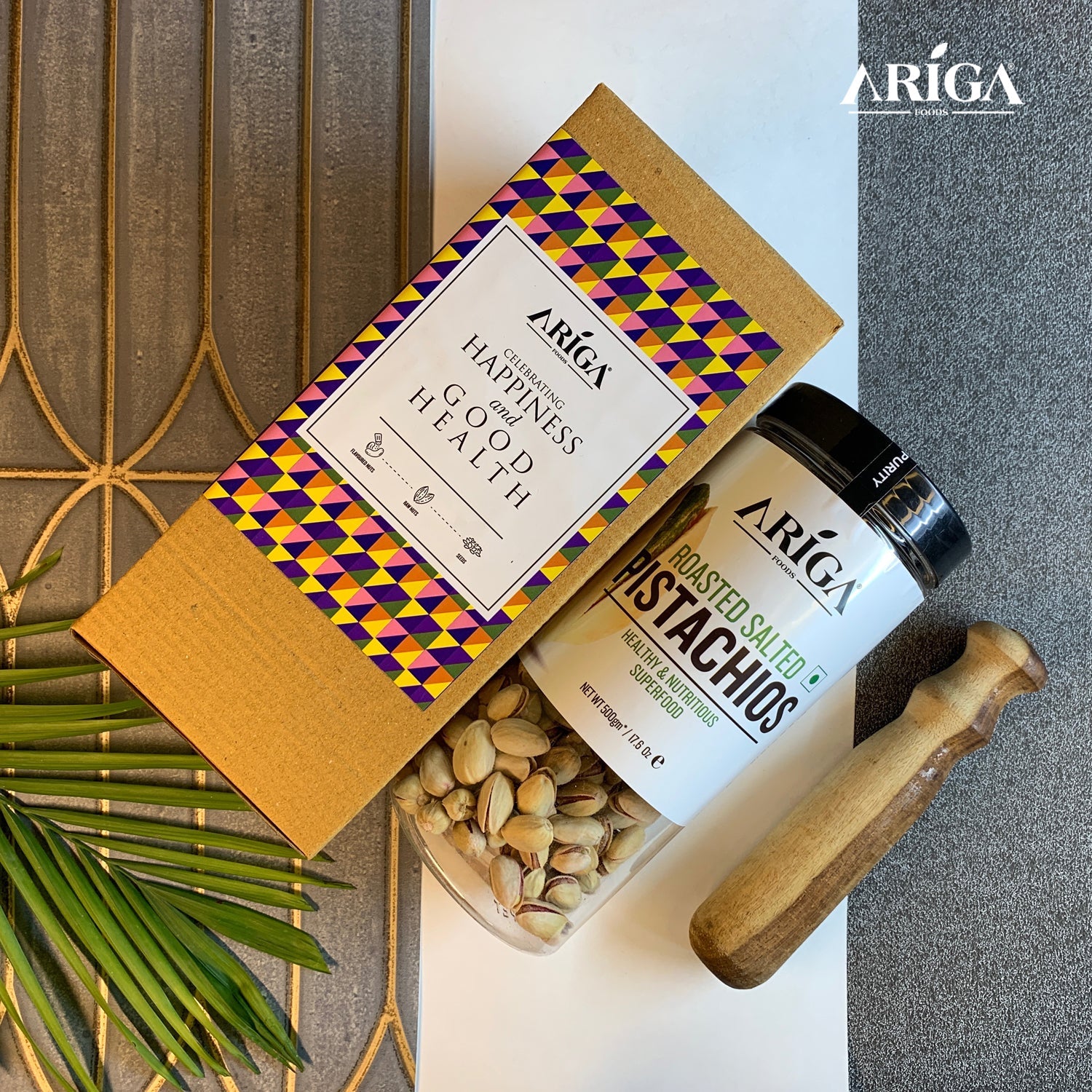
Roasted Salted Pistachios
Pistachios still offer genuine brain-relevant nutrition, just through a different route.
They are rich in vitamin E, an antioxidant that helps protect brain cells from oxidative damage, along with protein, fibre, and antioxidants like lutein and zeaxanthin, compounds also associated with eye and cognitive health.
Pistachios are a genuinely good source of these nutrients, just not the omega-3 powerhouse some content suggests.
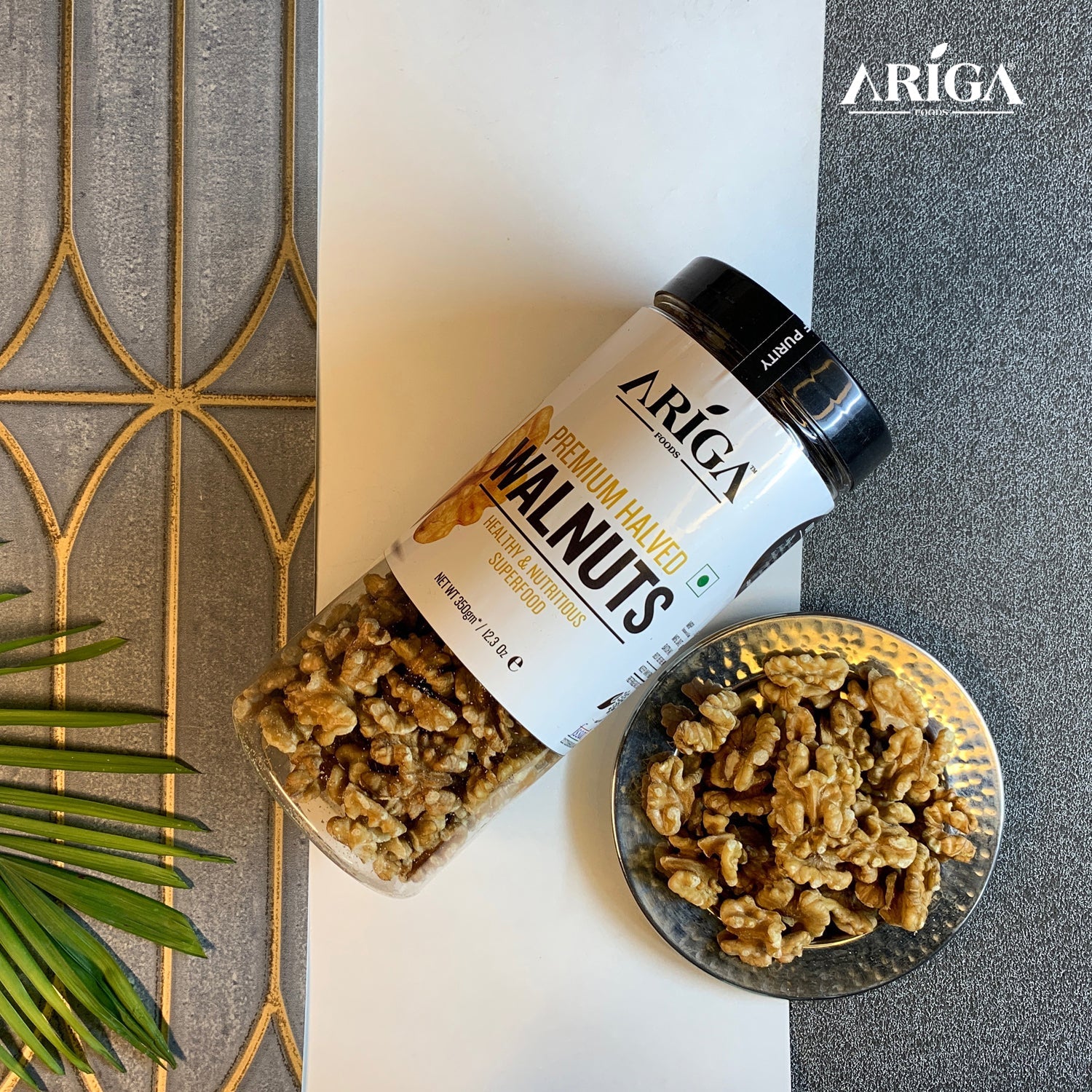
Premium Halved Walnuts
Walnuts are the nut actually worth crediting for that omega-3 and brain health connection.
Their high ALA content, alongside antioxidants, has been associated in research with supporting cognitive function and potentially reducing age-related cognitive decline, making them the standout choice specifically for this benefit.
Weight Management : Aiding in Satiety
Contrary to the assumption that a calorie-dense food works against weight goals, nuts can genuinely support weight management when eaten in moderation.
Their combination of protein, fibre, and healthy fat contributes to satiety, helping control appetite and prevent overeating later in the day.
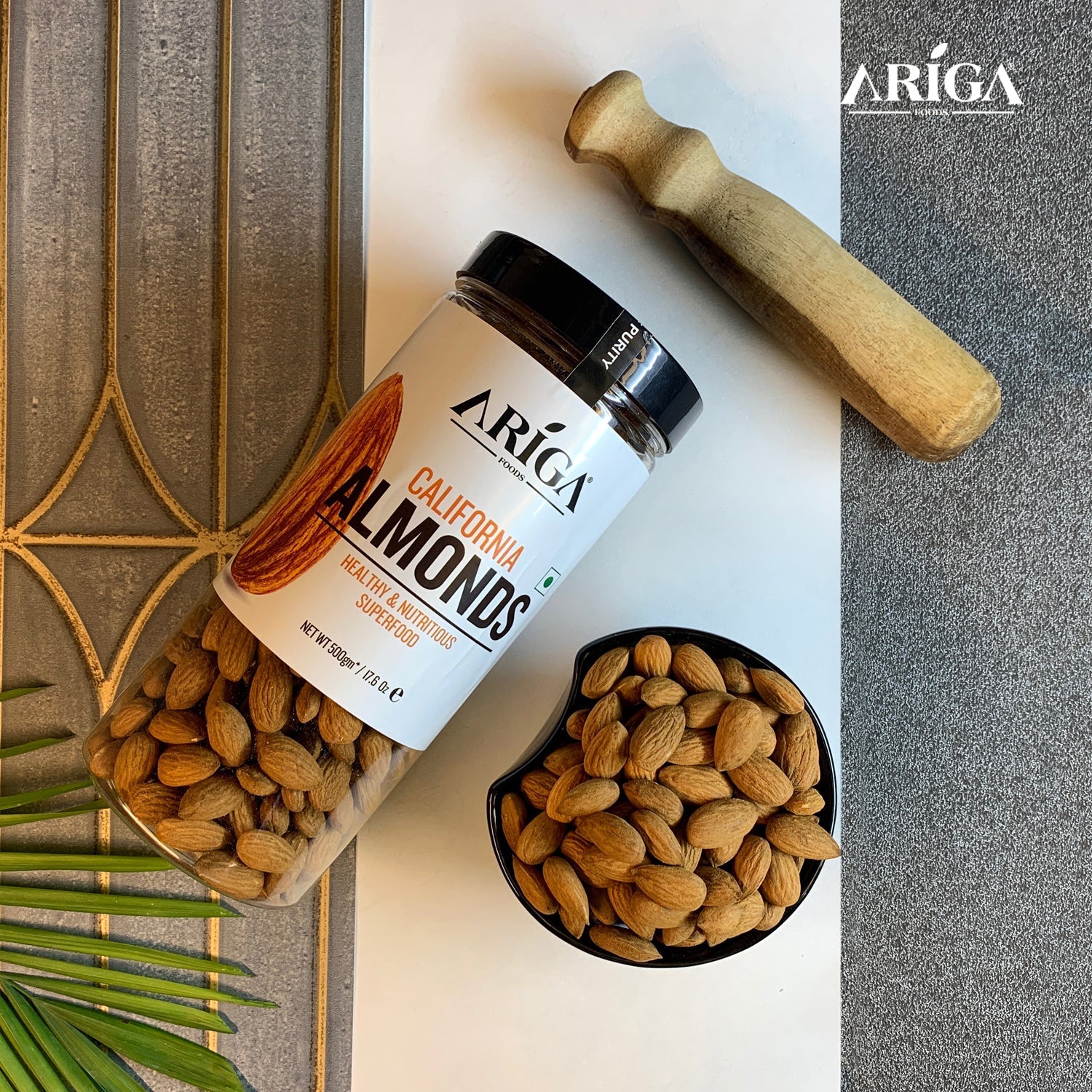
Almonds
Almonds are a particularly satisfying choice here, their crunchy texture and rich flavour, combined with a solid protein and fibre content, make them genuinely effective at curbing cravings and supporting a feeling of fullness between meals.
Nutrient Powerhouse: Fueling the Body
Beyond the headline benefits, nuts are nutrient-dense overall, providing protein, fibre, vitamins, and minerals relative to their calorie content.
Magnesium, potassium, and calcium show up across various nuts, relevant to bone health, muscle function, and general wellbeing.
Premium Halved Walnuts, Again
Beyond their standout omega-3 content, walnuts contribute meaningfully to this broader nutrient picture too, protein, fibre, and antioxidants all packed into a genuinely small, convenient serving.
What I Would Tell Anyone Reading This
The honest takeaway is that "nuts are healthy" is true, but which specific benefit you are chasing should shape which nut you reach for. Walnuts for omega-3s and brain-specific benefits, cashews for heart-healthy monounsaturated fat, almonds for satiety and weight management, pistachios for a genuinely good all-round nutrient profile with fewer calories per handful than most other nuts. Rotating between them, rather than relying on just one, is probably the most sensible way to get the full range of what nuts genuinely have to offer.
People Also Ask
Which nut is best for heart health?
Cashews are particularly rich in heart-healthy monounsaturated fat, while walnuts contribute through their high omega-3 content. Both support cardiovascular health through different mechanisms, so including a variety is a reasonable approach.
Which nut has the most omega-3?
Walnuts contain significantly more omega-3 fatty acids than any other common nut, roughly 2.5 grams of ALA per ounce, compared to a fraction of that amount in nuts like pistachios or cashews.
Are pistachios good for brain health if they're not high in omega-3?
Yes, pistachios support brain health through a different nutritional route, offering vitamin E, protein, and antioxidants like lutein and zeaxanthin, rather than through significant omega-3 content.
Can nuts really help with weight management?
Yes, despite being calorie-dense, nuts support satiety through their protein, fibre, and healthy fat content, which can help control appetite and reduce overeating when eaten in moderate, mindful portions.
How many nuts should I eat daily for general health benefits?
A small handful, roughly a quarter cup or about 30 grams, is a commonly recommended daily portion across most nutrition guidance, balancing genuine health benefits with their calorie density.
Should I eat just one type of nut or a variety?
A variety is generally the better approach, since different nuts offer different nutritional strengths, walnuts for omega-3s, cashews for monounsaturated fat, almonds for satiety, and pistachios for a lower-calorie, nutrient-dense option.
Related Products
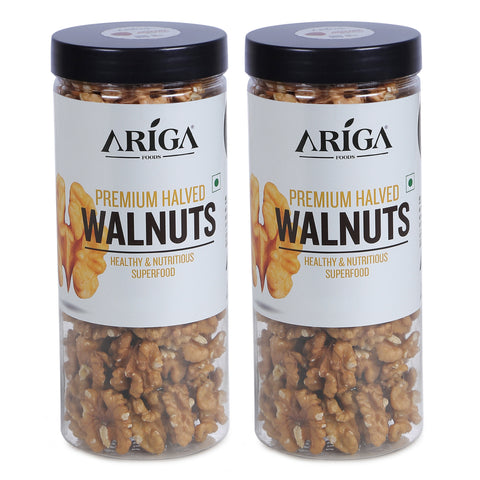

Ariga Foods Premium Halved Walnuts 700g
100% premium quality walnuts akhrot giri, without shell halved walnuts consumed as supersnack. Premium quality walnut kernels- Crunchy & Deli...
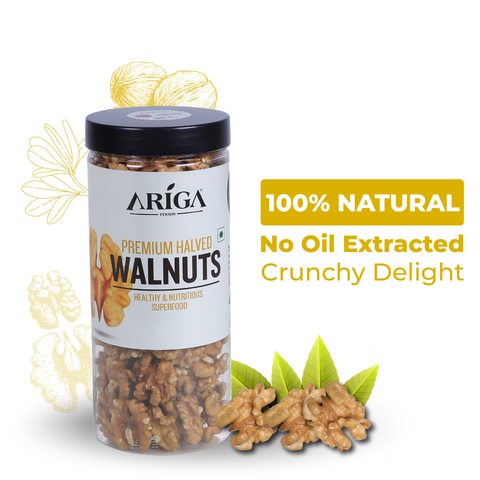

Ariga Foods Premium Halved Walnuts 350g
100% premium quality walnuts akhrot giri, without shell halved walnuts consumed as supersnack. Premium quality walnut kernels- Crunchy & Deli...
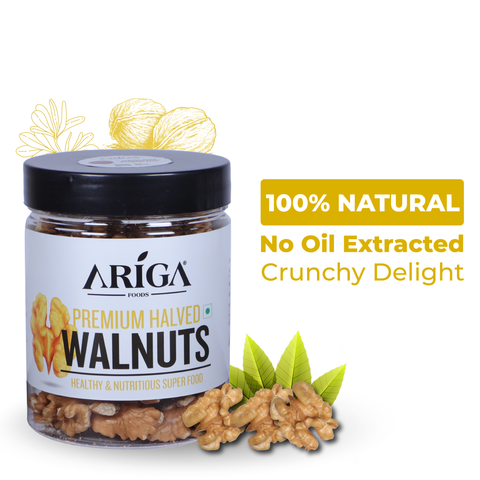

Ariga Foods Premium Halved Walnuts 150g
100% premium quality walnuts akhrot giri, without shell halved walnuts consumed as supersnack. Premium quality walnut kernels- Crunchy & Deli...
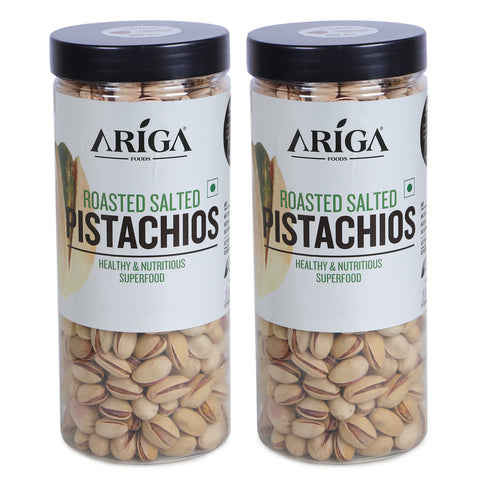

Premium Roasted & Salted Pistachios 1kg
100% premium quality pista dry fruits. Roasted & salted pistachios, consumed as supersnack. Buy Pistachio nuts (Pista) online in India at Arig...
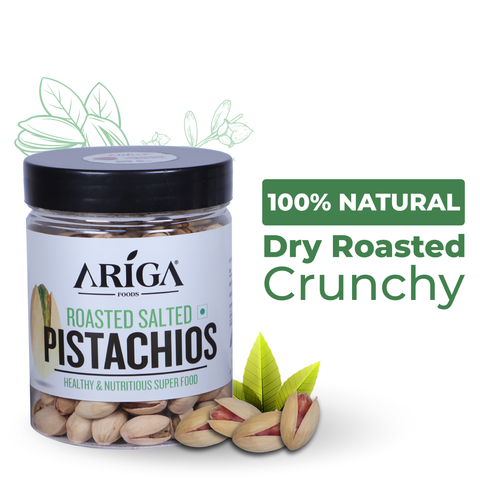

Premium Roasted & Salted Pistachios 200g
100% premium quality pista dry fruits. Roasted & salted pistachios, consumed as supersnack.Buy Pistachio nuts (Psita) online in India at Ariga ...


Premium Roasted & Salted Pistachios 500g
100% premium quality pista dry fruits. Roasted & salted pistachios, consumed as supersnack.Buy Pistachio nuts (Psita) online in India at Ariga ...
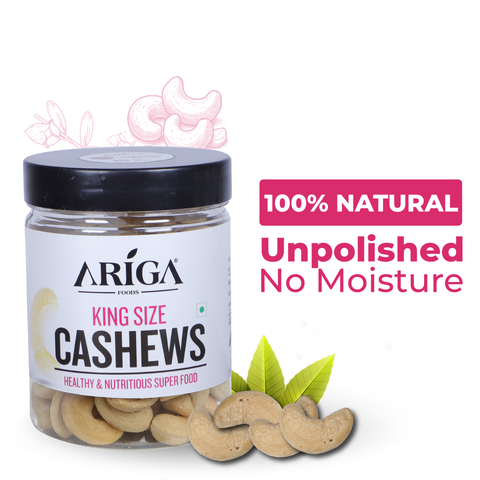

Ariga Foods King Size Premium Cashew Nuts 200g | Dry Fruit Kaju 240 Grade
100% premium quality dry fruits Cashews 240 big size kaju nutritious food for healthy eating. Buy Cashew nuts (Kaju) online in India at Ariga Foo...
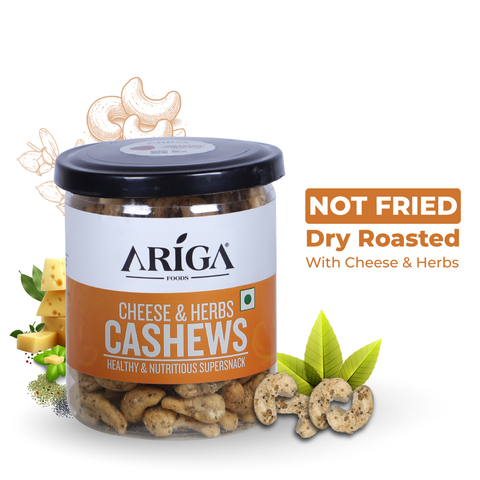

Cheese & Herbs Cashews 200g | Roasted 100% Premium Kaju
Ariga Foods premium quality roasted cashews with cheese & herbs are dry roasted with no oil. Crunchy and delicious dry fruit. Buy roasted and...
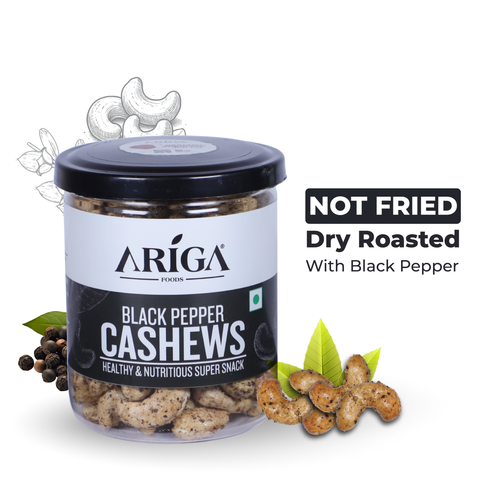

Black Pepper Cashews 200g | Roasted 100% Premium Kaju
'100% premium quality dry fruits roasted cashews sprinkled with black pepper kaalimirch from Ariga Foods. Dry roasted with no oil, these roasted ...
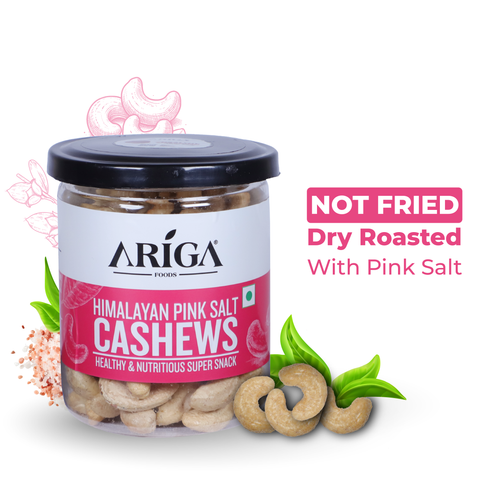

Himalayan Pink Salt Cashews 200g | Roasted 100% Premium Kaju
Ariga Foods 100% premium quality dry fruits roasted cashews with pink salt for healthy eating. Big size kaju crunchy and nutritious. Buy roasted ...
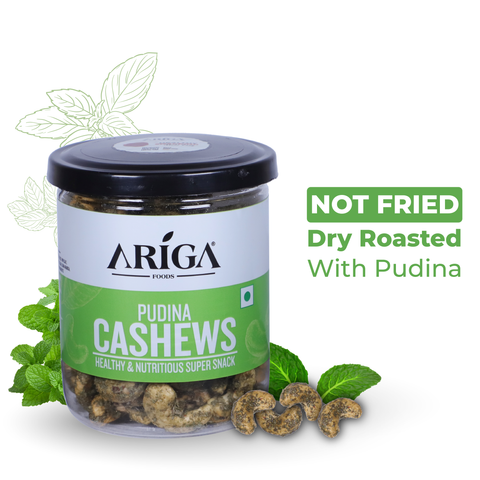

Pudina Cashews 200g | Roasted 100% Premium Kaju
Ariga Foods roasted salted cashews are toasted with dry pudina particals. This makes the roasted cashews tasy and crunchy. These cashew nuts are ...
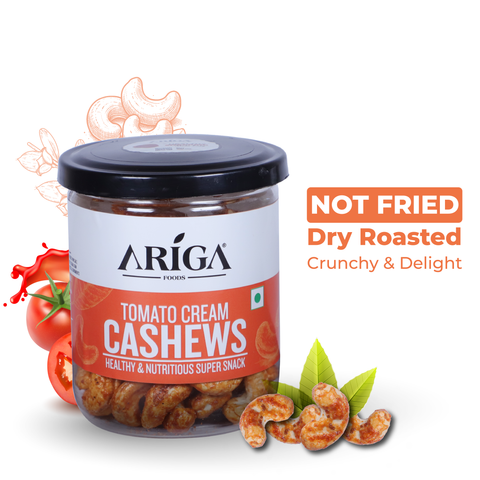

Tomato Cream Cashews 200g | Roasted 100% Premium Kaju
100% premium quality roasted and slated cashews toasted with real tomato and cream from Ariga Foods. Dry roasted cashews with no oil. Crunchy and...


Ariga Foods Premium California Almonds 1kg
100% premium quality dry fruits badam giri from Ariga Foods, sourced from California, USA. Buy California Almonds (Badaam) online in India at Ari...


Ariga Foods Premium California Almonds 500g
100% premium quality dry fruits badam giri from Ariga Foods, sourced from California, USA. Buy California Almonds (Badaam) online in India at Ari...
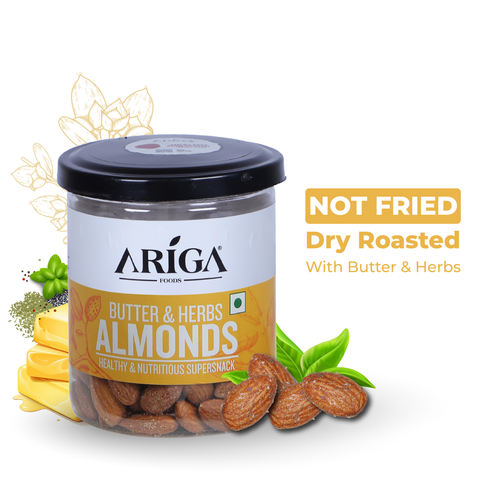

Butter & Herbs Almonds 200g | Roasted 100% Premium Badam
100% premium quality dry fruits roasted almonds toasted with butter & herbs from Ariga Foods. Dry roasted with no oil, these nutrition roast...
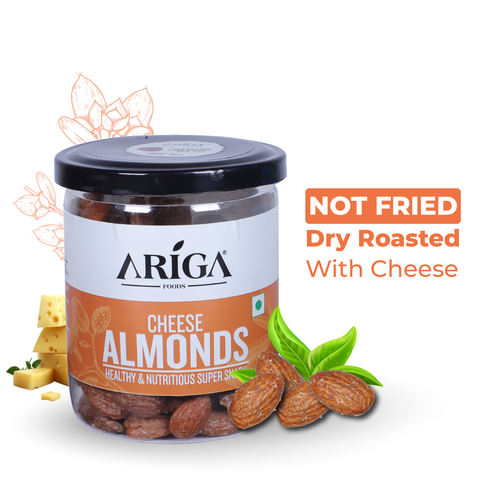

Cheese Almonds 200g | Roasted 100% Premium Badam
Ariga Foods dry fruits roasted almonds are wrapped with cheese. 100% premium quality badam. These nutrition roasted almonds are crunchy and delic...
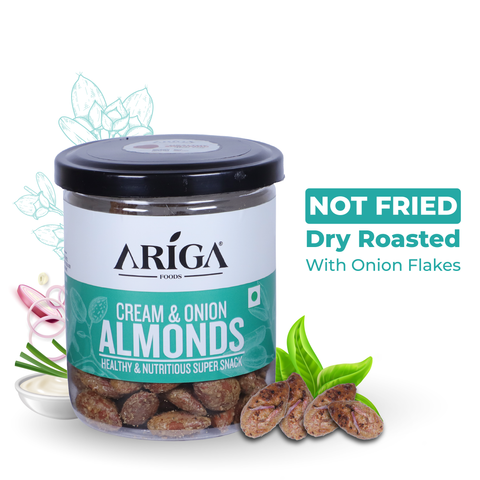

Cream & Onion Almonds 200g | Roasted 100% Premium Badam
100% premium quality dry fruits roasted almonds with cream & onion from Ariga Foods. Dry roasted almonds with no oil. Crunchy and delicious. N...
About Us
Ariga Foods is the innovative Retail and B2B brand by Ariganic Food Pvt. Ltd. Our vision is to make Superfood convenient and tasty for every household around the world.
Read moreSUBSCRIBE & FOLLOW
TAG CLOUD