

What Are the Health Benefits of Eating Cashews?
I did not grow up thinking of cashews as a "healthy" food. In my house they were the fancy nut, the one that showed up in a bowl during Diwali or got tossed into a biryani for special occasions, not something you ate on a random Tuesday for your heart or your immune system.
It was only a few years into adulthood, when a doctor asked me what I was snacking on during a routine checkup and I mentioned my daily mix of nuts, that I actually started reading up on what cashews were doing for me beyond just tasting good.
What I found genuinely surprised me, mostly because I had filed cashews away as "the rich, indulgent nut" in my head, when in reality they are carrying a fair amount of nutritional weight for something so small.
They Are Built Around a Heart-Friendly Fat Profile
The biggest thing that stood out to me is that cashews lean heavily on monounsaturated fat, the same category of fat found in olive oil, the kind that is generally associated with supporting healthy cholesterol levels rather than working against them. Research on nut consumption, cashews included, has linked regular intake with modest improvements in blood lipid markers, generally a bit of a dip in LDL, the cholesterol you want less of, without the same effect on HDL, the kind you want more of.
I want to be careful not to oversell this. It is not a dramatic, medication-level effect, and cashews do carry more saturated fat than some other nuts like almonds or walnuts, so portion still matters. But as part of a reasonably balanced diet, swapping a handful of cashews in for something like fried snacks or packaged biscuits is a genuinely sensible trade.
A Quietly Impressive Mineral Profile
This is the part that actually changed how I think about cashews. They are one of the better plant sources of copper, which your body uses for things like energy production and keeping your nervous system functioning properly, something that rarely comes up in everyday conversations about nutrition but matters more than people realise.
They also carry a decent amount of magnesium and zinc. Magnesium works alongside calcium to support bone health, and zinc plays a real role in how your immune system responds to things like colds and minor infections. I am not going to pretend a handful of cashews is going to stop you from catching a cold during flu season, but having a diet that consistently includes zinc-rich foods does genuinely support your body's baseline immune function over time.
Blood Sugar and Cashews
Cashews sit on the lower end of the glycemic index compared to a lot of other snack foods, which means they do not spike blood sugar the way something like a packet of chips or a sugary snack would. For anyone keeping half an eye on blood sugar, that makes cashews a reasonably sensible swap, though I would stop short of calling them a blood sugar "fix." If you are managing diabetes or prediabetes specifically, that is a conversation worth having with your doctor rather than something to self-manage purely through nut choices.
Fiber and Digestion
Cashews are not the fiber powerhouse that something like almonds or flaxseeds are, but they do contribute a reasonable amount, enough to support regular digestion and help you feel satisfied after a handful rather than reaching for something else twenty minutes later. I have noticed this myself, a small handful of cashews mid-afternoon genuinely keeps me full in a way that something like crackers never quite manages.
Antioxidant Support
Cashews contain some vitamin E and selenium, both of which function as antioxidants, helping protect your cells from everyday oxidative stress. Cashews are not the richest source of either compared to nuts like almonds for vitamin E or Brazil nuts for selenium, but they still contribute a reasonable amount as part of a varied diet that includes a mix of nuts rather than relying on just one type.
How I Actually Eat Them
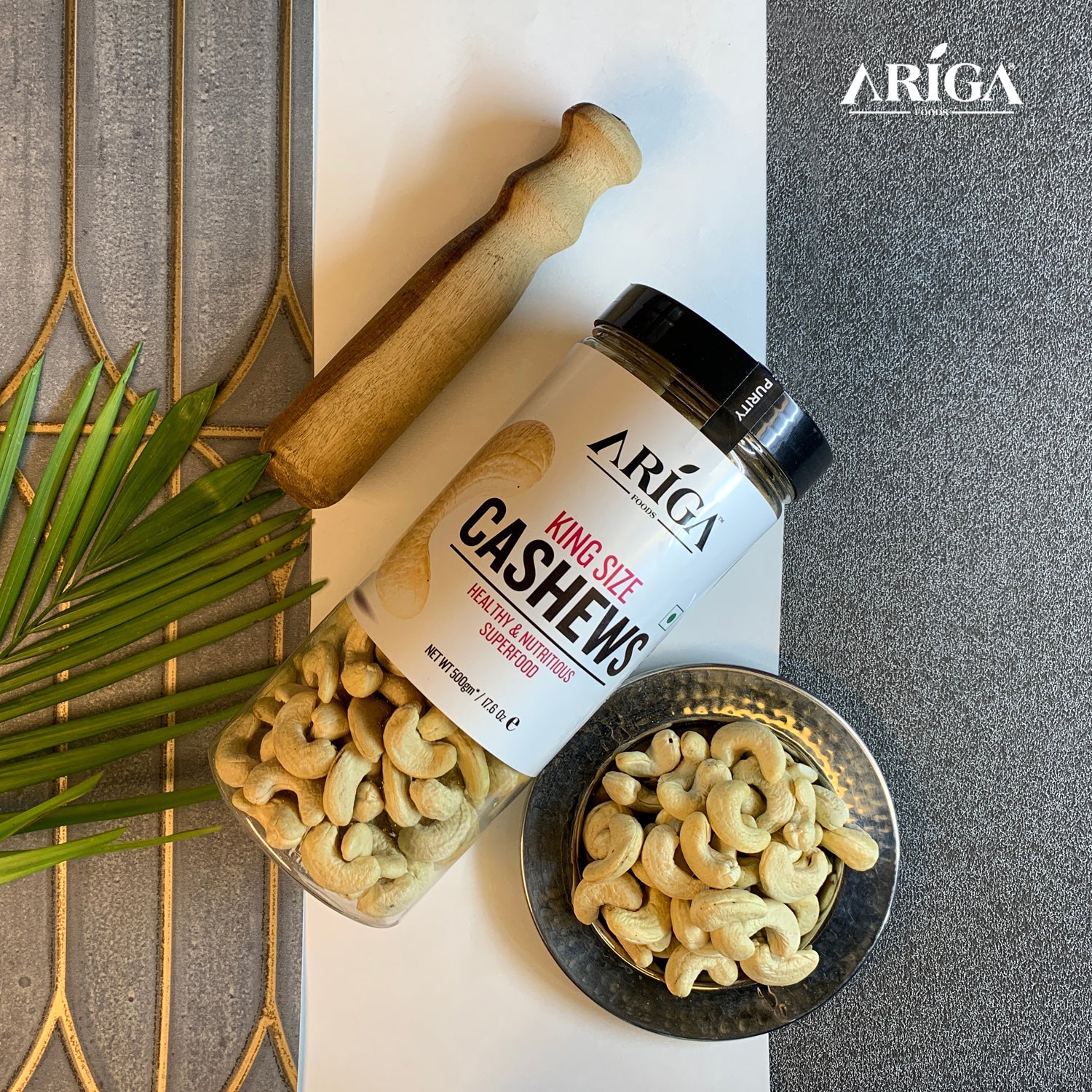
My day to day cashew habit is pretty simple. I keep a jar of King Size Cashews from Ariga Foods, the W240 grade ones, which are large, plain, and completely unflavoured, as my everyday base snack. A small handful of these gets me through an afternoon slump far better than coffee alone ever did.
For days I want something with a bit more character, I rotate through their flavoured range. The Cheese & Herbs ones are what I reach for most often, roasted and coated rather than fried, and honestly one of the more addictive snacks in my kitchen right now. The Pudina ones have a fresh, tangy mint edge that works well after a heavy meal, and the Black Pepper version gives a sharp, spicy kick that I genuinely crave some evenings. On days I want something a bit gentler, the Himalayan Pink Salt cashews do the job without feeling like a diet compromise, and the Tomato Cream ones are an easy favourite whenever I have guests over, since they taste a bit indulgent despite being dry roasted with no oil.
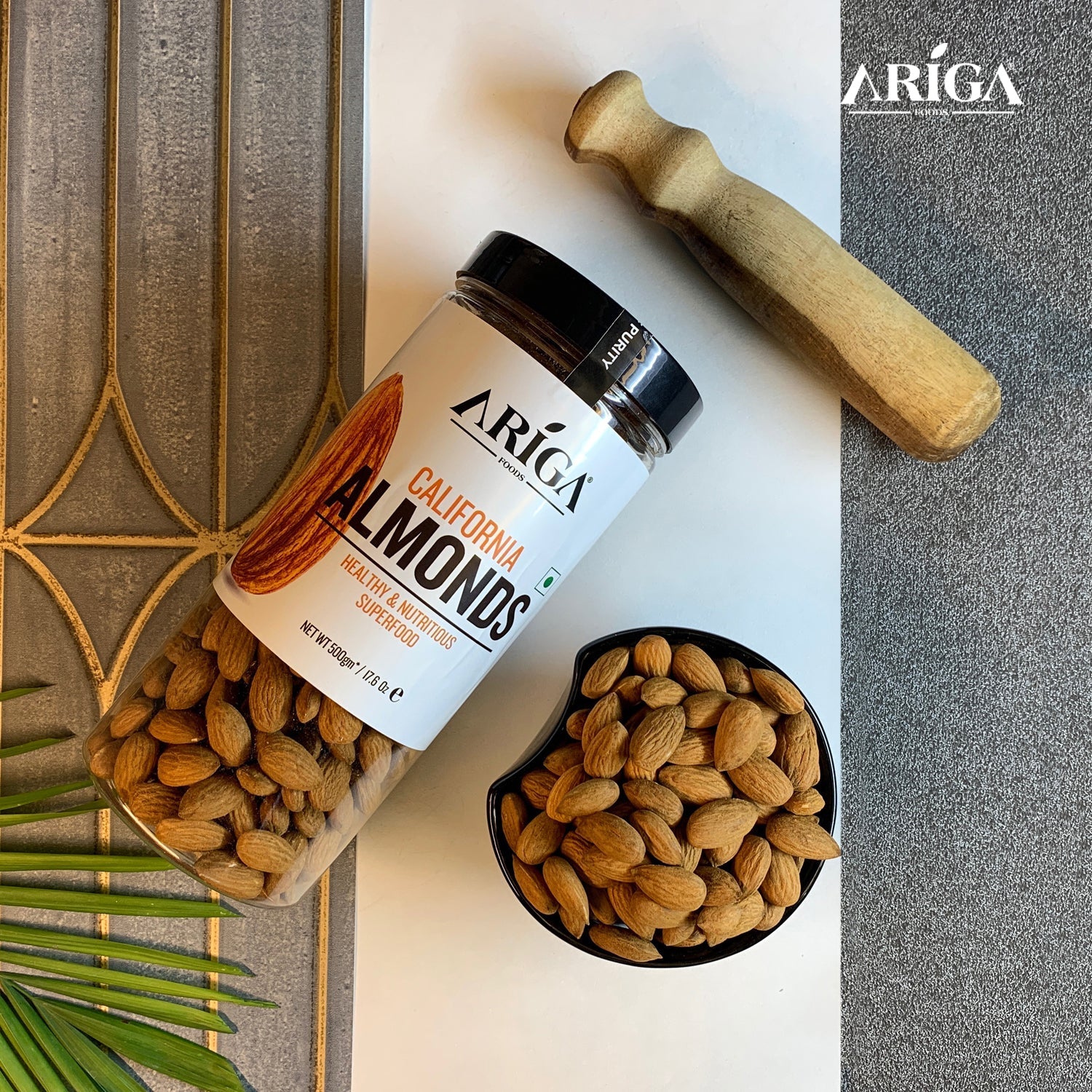
I do appreciate that these come packed in sealed PET jars too. It sounds like a small detail, but it genuinely keeps them from going soft or stale the way loosely packed cashews sometimes do, and it means I am not transferring them into another container the moment I bring a pack home.
A Few Honest Caveats
Cashews are calorie-dense, so a handful, not a bowlful, is the right portion for most people snacking daily. I learned this the slow way, by treating a bag of cashews the way I used to treat chips, and noticing the difference on the scale a few months later.
If you have a tree nut allergy, cashews are obviously off the table, and this entire conversation about their benefits does not apply to you the same way. And as with most nutrition topics, cashews work best as part of an overall balanced diet rather than as a single food doing all the heavy lifting for your heart, your bones, or your immune system.
What changed for me, honestly, was realising cashews were not just the "special occasion" nut I grew up thinking they were. They have quietly earned a permanent, everyday spot in my kitchen, not because of any single dramatic health claim, but because of how consistently they show up across so many small areas of nutrition that actually matter.
People Also Ask
What are the main health benefits of eating cashews?
Cashews provide heart-healthy monounsaturated fats, minerals like copper, magnesium, and zinc, a moderate amount of fiber, and antioxidants such as vitamin E and selenium. Eaten in moderation, they can support cardiovascular health, bone health, and general immune function.
Do cashews help lower cholesterol?
Research suggests that regular cashew consumption, as part of a balanced diet, may modestly improve cholesterol markers by helping lower LDL cholesterol without significantly affecting HDL. The effect is moderate, not dramatic, and works best alongside an otherwise healthy diet.
Are cashews good for people watching their blood sugar?
Cashews have a relatively low glycemic index compared to many processed snacks, meaning they do not cause sharp blood sugar spikes. They can be a sensible snack choice for blood sugar awareness, though anyone managing diabetes should consult a doctor for personalised advice.
How many cashews should I eat in a day?
A small handful, roughly 15 to 20 cashews or about 30 grams, is a reasonable daily portion for most people. Cashews are calorie-dense, so moderation matters even though they offer genuine nutritional benefits.
Are raw or roasted cashews healthier?
Both raw and dry-roasted cashews offer similar core nutrition. Dry roasting without oil, as opposed to deep frying, keeps the nutritional profile close to the raw version while adding flavour and crunch, making it a reasonably healthy way to enjoy them.
Can cashews support immune health?
Cashews contain zinc, a mineral known to support immune system function. While no single food can prevent illness on its own, including zinc-rich foods like cashews as part of a balanced diet can support your body's overall immune response over time.
Related Products
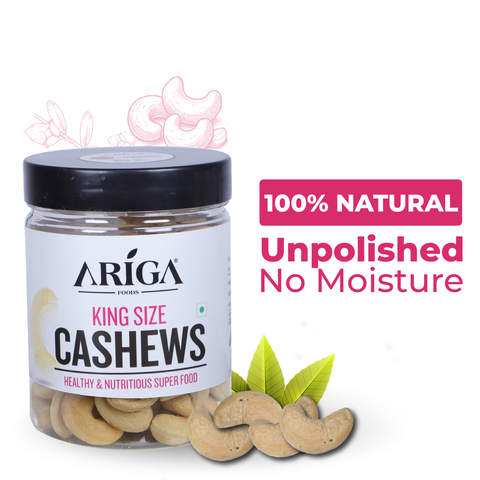

Ariga Foods King Size Premium Cashew Nuts 200g | Dry Fruit Kaju 240 Grade
100% premium quality dry fruits Cashews 240 big size kaju nutritious food for healthy eating. Buy Cashew nuts (Kaju) online in India at Ariga Foo...
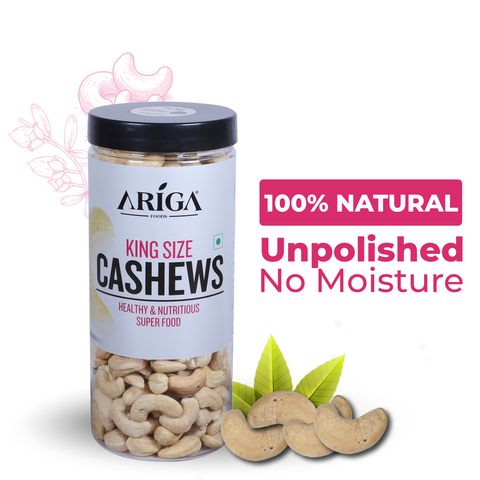

Ariga Foods King Size Premium Cashew Nuts 500g | Dry Fruit Kaju 240 Grade
100% premium quality dry fruits Cashews 240 big size kaju nutritious food for healthy eating. Buy Cashew nuts (Kaju) online in India at Ariga Foo...
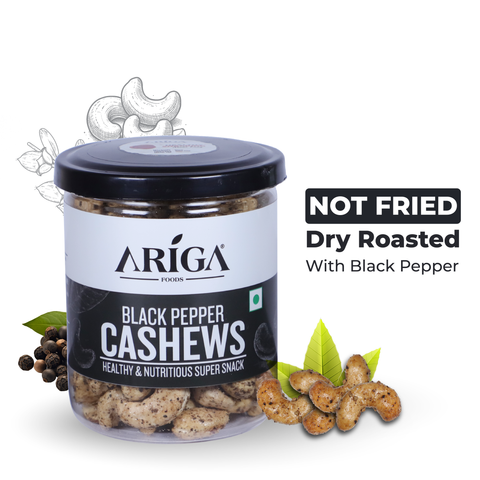

Black Pepper Cashews 200g | Roasted 100% Premium Kaju
'100% premium quality dry fruits roasted cashews sprinkled with black pepper kaalimirch from Ariga Foods. Dry roasted with no oil, these roasted ...


Black Pepper Cashews 80g | Roasted 100% Premium Kaju
100% premium quality product from Ariga Foods. Ariga Black Pepper are consumed as supersnack as they are the best replacement for junk food. Pac...
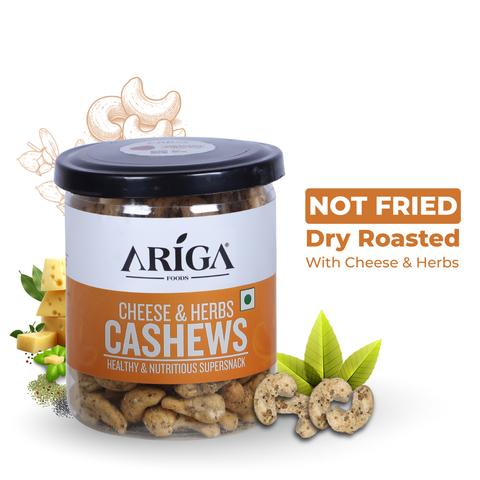

Cheese & Herbs Cashews 200g | Roasted 100% Premium Kaju
Ariga Foods premium quality roasted cashews with cheese & herbs are dry roasted with no oil. Crunchy and delicious dry fruit. Buy roasted and...
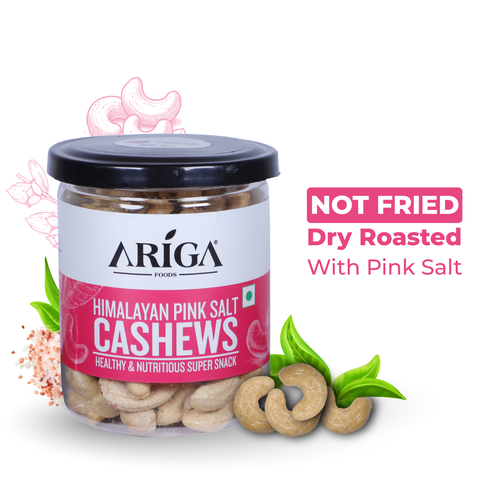

Himalayan Pink Salt Cashews 200g | Roasted 100% Premium Kaju
Ariga Foods 100% premium quality dry fruits roasted cashews with pink salt for healthy eating. Big size kaju crunchy and nutritious. Buy roasted ...
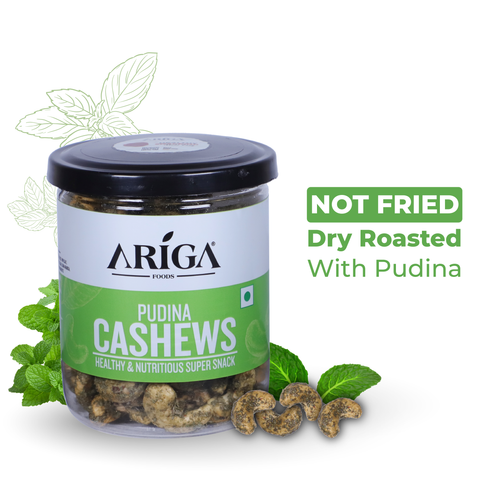

Pudina Cashews 200g | Roasted 100% Premium Kaju
Ariga Foods roasted salted cashews are toasted with dry pudina particals. This makes the roasted cashews tasy and crunchy. These cashew nuts are ...
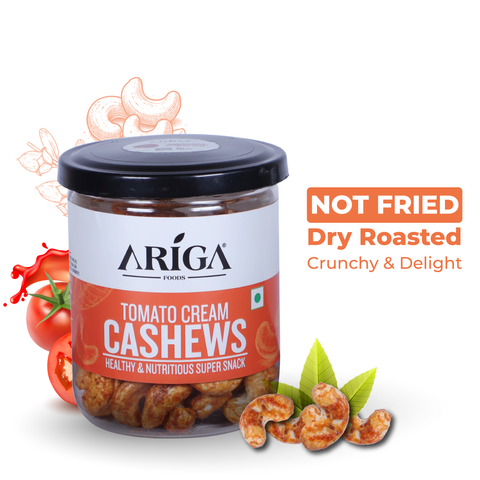

Tomato Cream Cashews 200g | Roasted 100% Premium Kaju
100% premium quality roasted and slated cashews toasted with real tomato and cream from Ariga Foods. Dry roasted cashews with no oil. Crunchy and...
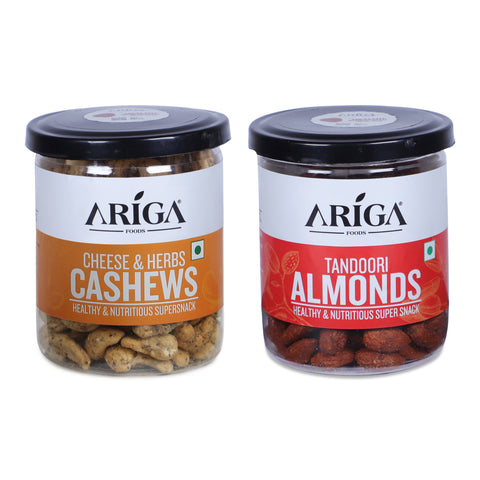

Tandoori Almonds 200g + Cheese & Herbs Cashews 200g (Dry Fruits Combo Pack 400g)
100% premium quality product from Ariga Foods. Ariga Tandoori Almonds and Cheese & Herbs Cashews are flavoured with Tandoori Masala and Cheese ...
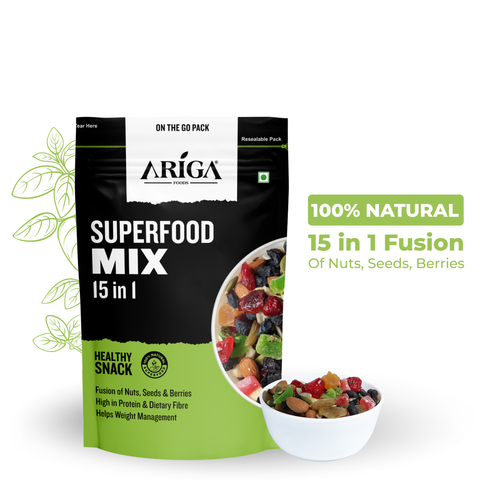

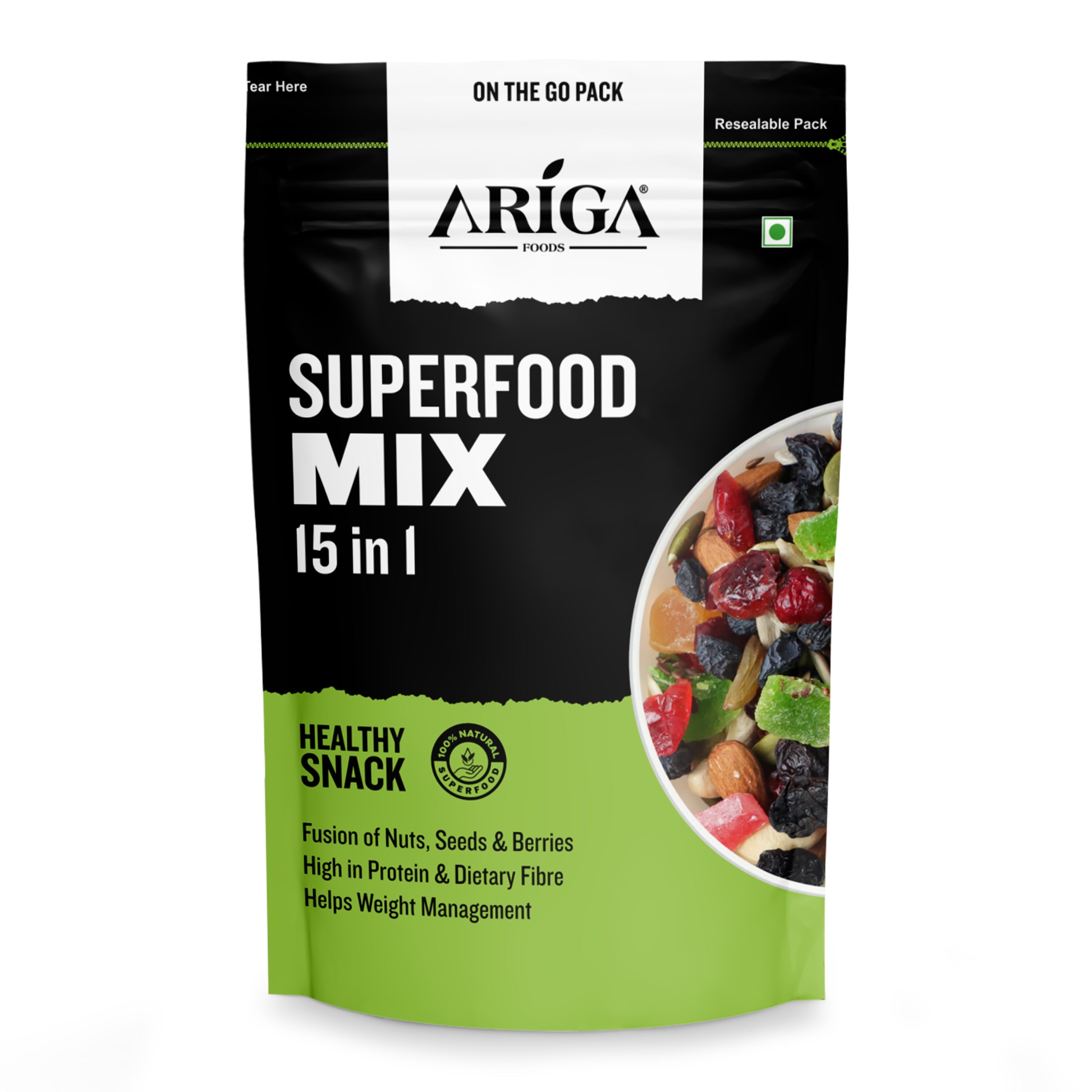
High protein snack on the go- Ariga Premium superfood 15-in-1 Trail Mix 200 gm
Ariga Foods premium quality Nuts & Berries Mix. Healthy alternative to processed food and snacks. Buy trail mix online at Ariga Foods. 15 in ...


Gourmet Diwali Gift Box Box Pack Of 8 | Roasted- Tandoori Almonds, Cheese & Herbs Cashews, Pumpkin Seeds, Mixed Seeds, Paan Raisins, Premium Walnuts and Long Raisins | Premium Gift Pack Of 1090g | For Family, Friends, Corporates | Ariga Foods
Gourmet Gift Box for Diwali- Premium Roasted/Plain Nuts & Assorted Seeds. This gift hamper contains- Roasted- Tandoori Almonds 150g + Cheese &a...
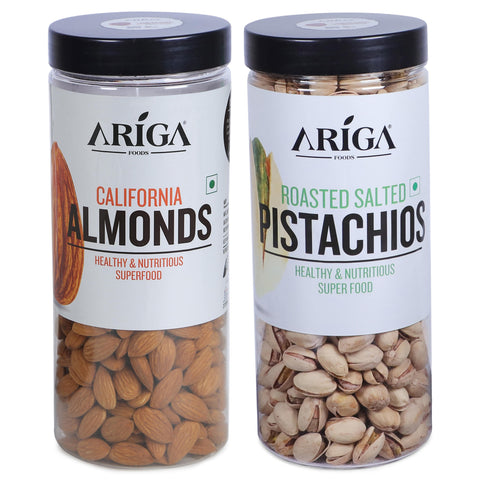

Ariga Foods Natural California Almonds (Badam) and Pistachios (Pista) 1kg (500g x 2) | Dry Fruits Combo Pack | Mixed Nuts
100% premium quality product from Ariga Foods. Ariga Almonds & Pistachios are consumed as superfood as they are the best replacement for junk f...
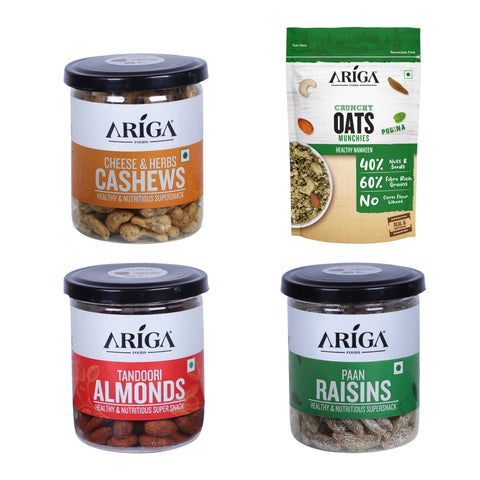

Ariga Foods Cheese & Herbs Cashews, Oats Pudina, Tandoori Almonds & Paan Raisins | Combo Pack of 4
100% premium quality combo pack of 4- Cheese & Herbs Cashews, Crunchy Oats Pudina, Tandoori Almonds and Paan Raisins from Ariga Foods. Healhty,...


Ariga Foods Almonds, Cashews, Raisins, Walnuts & Roasted Flax Seeds | Combo Pack Of 5
100% premium quality combo pack of 5- California Almonds, King Size Cashews, King Size Raisins, Premium Halved Walnuts and Roasted Flax Seeds from ...
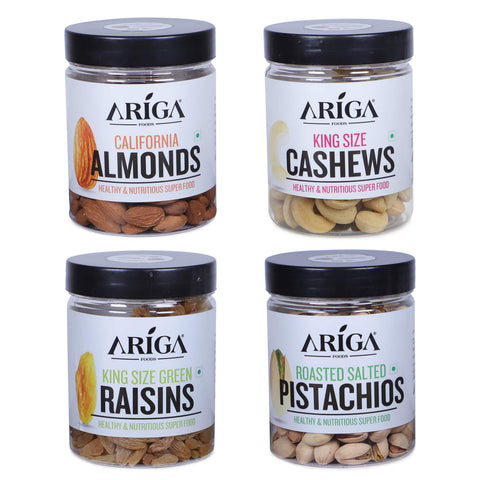

Ariga Foods Dry Fruits Combo | 100% Premium California Almonds, Cashews (W240), Raisins (Long), Pistachios 850g | For Family, Friend, Coporates | Ariga Foods | Mixed Nuts
100% natural premium quality Dry Fruits consumed as Super Snack. A combo pack of California Almonds- 200g, Cashews- 200g, Raisins-250g, Pistachios-...


Ariga Foods Fruits Mix, Granola Chocolate, Nuts Mix, Raisins & Roasted Flax Seeds | Combo Pack of 5
100% premium quality combo pack of 5- Fruits Mix 200g, Crunchy Granola Chocolate & Almonds, Healthy Nut Mix, King Size Raisins and Roasted Flax...
About Us
Ariga Foods is the innovative Retail and B2B brand by Ariganic Food Pvt. Ltd. Our vision is to make Superfood convenient and tasty for every household around the world.
Read moreSUBSCRIBE & FOLLOW
TAG CLOUD