
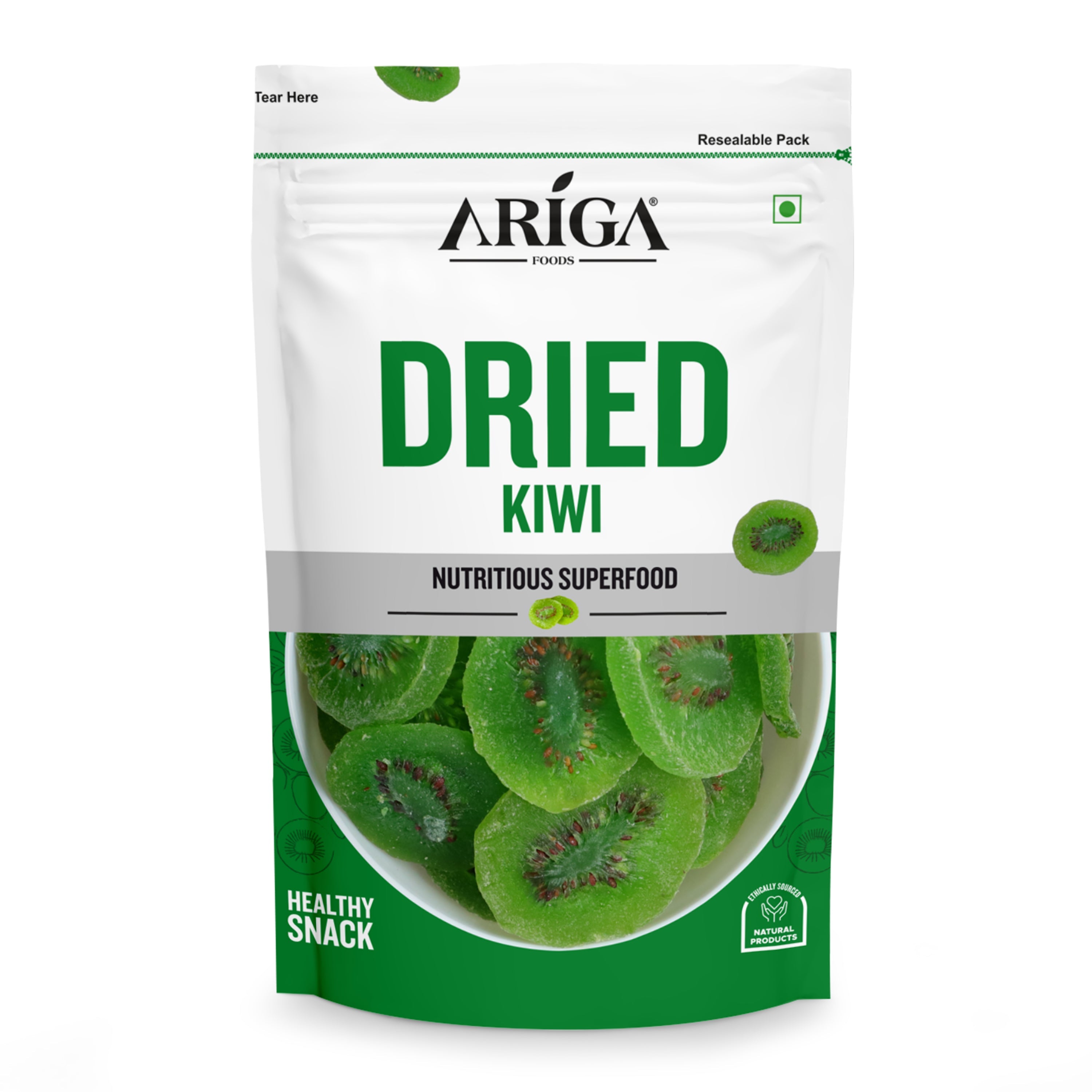

What Are the Best Ways to Store Watermelon Seeds?
I will admit watermelon seeds were not on my radar as a snack until a friend put a small bowl of them out next to some cashews at her place last summer. I was skeptical, mostly because the only watermelon seeds I had any memory of were the black ones I used to spit out as a kid. But these were different, roasted, nutty, almost addictive in that way sunflower seeds are, and I ended up buying a pack of my own within the week.
What I did not expect was how quickly that first pack went soft and a bit stale on me. I had tipped them into a regular kitchen container and left it near the stove, and within a couple of weeks they had lost that snap they had on day one. That annoyed me enough to actually go looking into how these should be stored properly, since clearly just dumping them in any old jar was not the move.
Why Watermelon Seeds Lose Their Crunch So Easily
Watermelon seeds carry a fair amount of natural oil in them, which is honestly part of why they taste good and feel satisfying to snack on. That same oil content is also what makes them a bit more sensitive to air, light, and heat than people expect. Exposed to all three for too long, the oils in the seeds can start to turn, and that is what gives you that flat, slightly stale taste instead of the fresh, nutty one you want.
This is not unique to watermelon seeds, to be fair, most nuts and seeds behave this way to some degree. But because watermelon seeds are a smaller, less commonly snacked-on item compared to something like almonds or cashews, I think a lot of people, myself included, just do not think to treat their storage with the same care.
What Actually Works
Keep Them in an Airtight Container
This is the single biggest thing I changed after my first pack went stale. Air is the main enemy here, and an airtight seal slows down that oxidation process considerably. I switched to storing mine in an airtight jar instead of a loosely closed bag, and the difference in how long they stayed fresh was noticeable within the same batch.
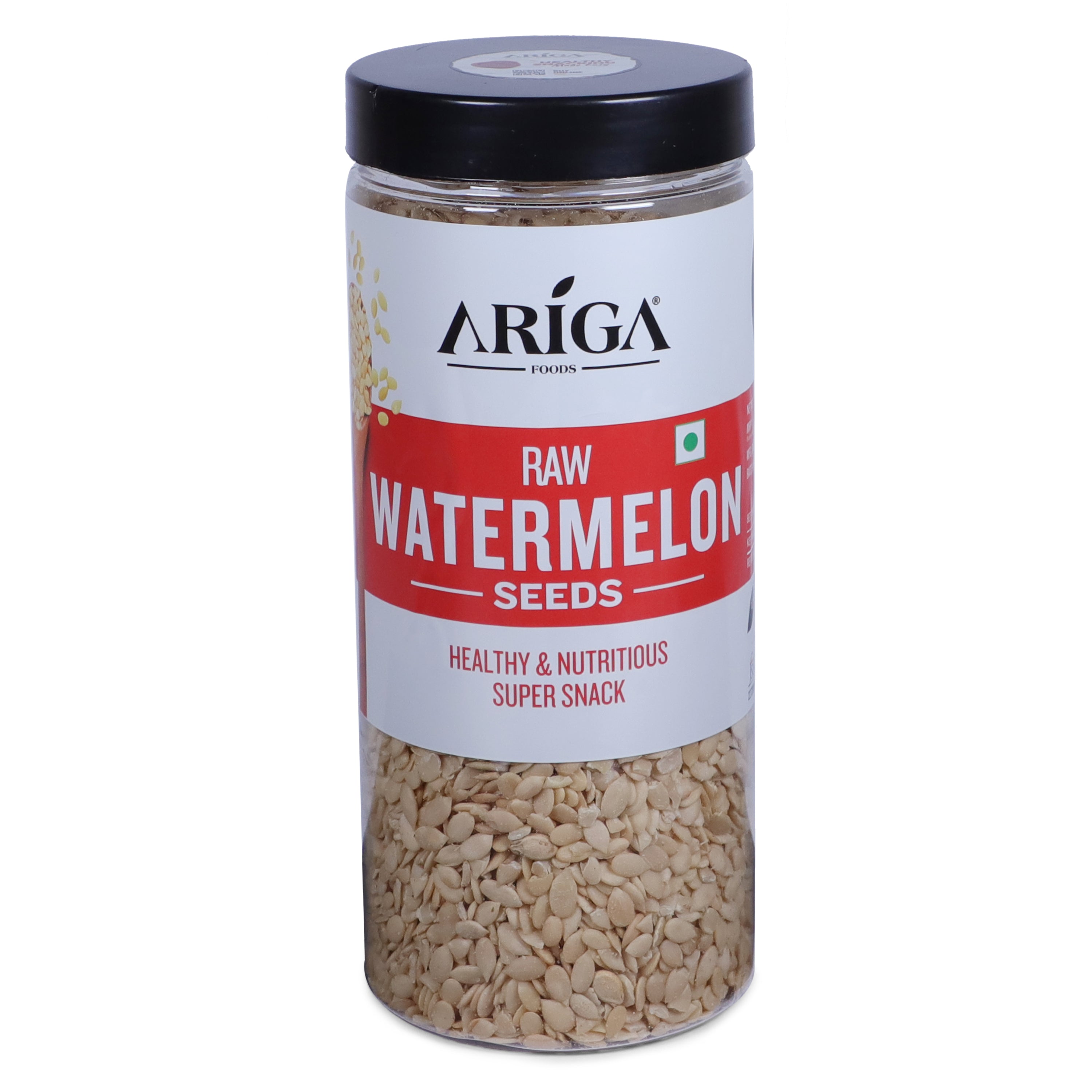
I have ended up sticking with Ariga Foods largely for this reason, their raw watermelon seeds come packed in an airtight PET jar to begin with, so I am not even having to transfer them into something else the moment I bring a pack home. The seal itself is what is doing most of the work, and having that built into the packaging rather than left up to me afterward has made this a lot less of a chore.
Store Them Somewhere Cool and Dark
Heat speeds up that same oil breakdown I mentioned earlier, so keeping the jar away from the stove, a sunny windowsill, or anywhere that gets warm during the day genuinely matters. I learned this one the hard way too, my first jar sat on a shelf that got a decent amount of afternoon sun, and I am fairly sure that sped things along.
A kitchen cabinet or a pantry shelf, somewhere with a fairly stable, cooler temperature, works well for day to day use. If you live somewhere that gets particularly hot for long stretches of the year, the fridge is also a reasonable option, though I personally find a cool, dark cabinet is enough most of the time.
Keep an Eye on Moisture
Moisture is the other thing that catches people off guard. Scooping seeds out with a wet spoon, or storing the jar somewhere humid, introduces exactly the kind of moisture that can affect both texture and shelf life, sometimes leading to that softer, less crisp bite nobody wants. I keep a dry spoon specifically for my seed and nut jars now, which sounds like a small thing, but it has genuinely made a difference.
A Transparent Jar Is More Useful Than You Would Think
This was not something I thought about until I actually had one. Being able to see how much is left, and honestly, being able to glance at the seeds themselves to check they still look and smell fine, is more useful day to day than I expected. It means I am not opening and closing an opaque container repeatedly just to check on things, which, going back to the air exposure point, is actually a small win in itself.
Think About Portion Size Before You Buy
One thing I have picked up along the way is buying a pack size that roughly matches how quickly you will actually get through it. If a jar is going to sit around for a couple of months before you finish it, even with good storage, the quality at the end is not going to be quite what it was on day one. I now buy a smaller pack for my regular snacking rotation and keep a slightly larger one only when I know I am using them for something specific, like baking them into a batch of granola.
A Few Other Habits Worth Mentioning
Keeping watermelon seeds in their original, properly sealed jar rather than a loose bag whenever possible is the easiest habit to build. If you do need to transfer them, a clean, dry, airtight container does the job just as well, the key word being airtight, not just closed.
I also keep mine away from strong-smelling foods in the pantry. Seeds and nuts can pick up smells from nearby ingredients over time, something I only noticed after a jar of mine ended up smelling faintly of the spices sitting next to it on the shelf.
And honestly, buying raw, unroasted seeds with nothing added to them, the way Ariga's are, rather than something pre-flavoured with a shorter shelf life, has made the whole storage question simpler for me. Plain, raw seeds in a proper airtight jar, kept cool and dry, last noticeably longer than a flavoured variety that is already working against a shorter clock the moment it is opened.
Why I Bother With Any of This
I will be honest, none of this is complicated, and a year ago I would not have thought twice about how I stored a bag of seeds. But once you notice the difference between a fresh, crunchy watermelon seed and a stale one, it is hard to go back to not caring. These are not an expensive splurge item, but they are a snack I genuinely enjoy, and a little bit of care in how I store them means I am actually getting the version of them worth eating every time I reach for the jar, not just on day one.
If you are new to watermelon seeds the way I was, do not overthink it. A good airtight jar, a cool spot away from heat and sunlight, a dry spoon, and buying a size you will actually finish in a reasonable time, that covers nearly everything that matters.
People Also Ask
How should watermelon seeds be stored to keep them fresh?
Watermelon seeds last longest in an airtight container kept in a cool, dark place away from heat and direct sunlight. Moisture and air exposure are the main things that cause them to lose their crunch and go stale faster.
Do watermelon seeds need to be refrigerated?
Not necessarily. A cool, dry pantry or cabinet works well for most households, though refrigeration can help extend freshness further if you live somewhere particularly hot or plan to keep a pack for a longer stretch of time.
How long do watermelon seeds stay fresh once opened?
This depends a lot on storage conditions, but seeds kept airtight, away from heat, light, and moisture generally stay fresh for several weeks to a couple of months. Buying a pack size you will finish within a reasonable time helps avoid any decline in quality.
Why do watermelon seeds go stale so quickly?
Watermelon seeds contain natural oils that can oxidise when exposed to air, heat, or light for too long, which is what causes that flat, stale taste. Proper airtight storage slows this process down considerably.
Can I store watermelon seeds in the same container as other nuts or seeds?
It is generally fine as long as the container is airtight and clean, though keeping different items separate can help you track freshness more easily and avoid any seeds picking up flavours from strongly scented ingredients nearby.
What is the best type of container for storing watermelon seeds?
An airtight glass or PET jar works well, ideally one that is transparent so you can keep an eye on quantity and quality at a glance, and kept away from direct sunlight or heat sources like a stove.
Related Products
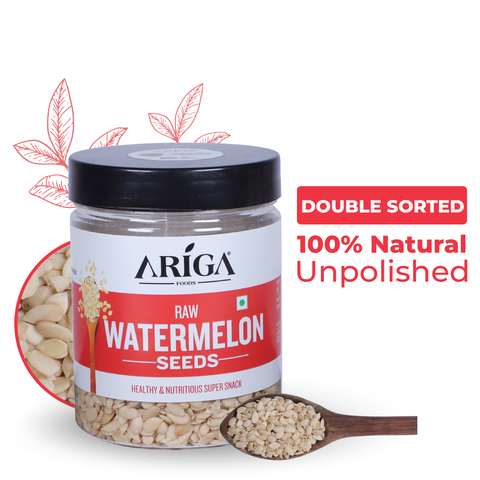

Raw Watermelon Seeds 200g | 100% Premium Quality
Ariga Foods premium quality raw watermelon seeds are great for hair and skin. Buy watermelon seeds online at Ariga Foods. Eating watermelon seeds...
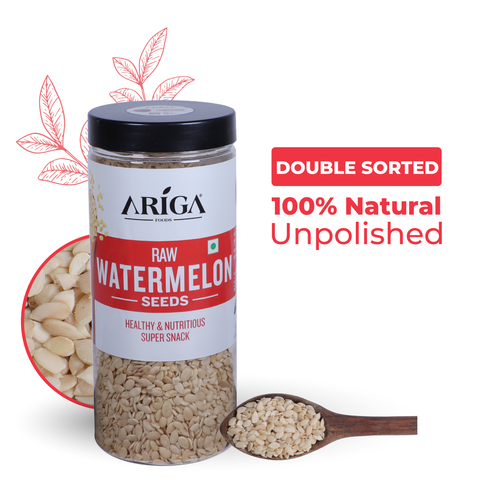

Raw Watermelon Seeds 500g | 100% Premium Quality
Ariga Foods premium quality raw watermelon seeds are great for hair and skin. Buy watermelon seeds online at Ariga Foods. Eating watermelon seeds...
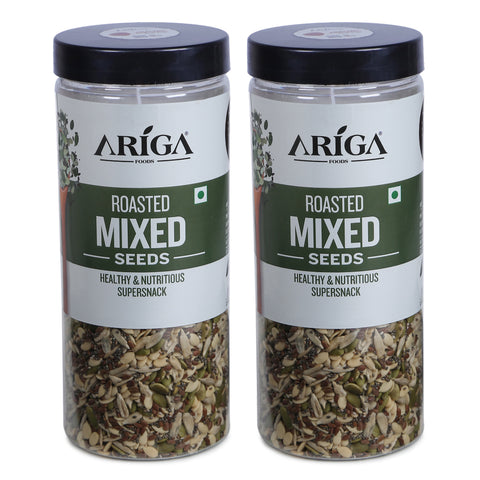

Roasted Mixed Seeds 1kg | 5 in 1 Trail Mix
100% premium quality roasted seeds mix 5 in 1 made of pumpkin, flax, chia, sunflower and watermelon seeds. Roasted with perfection without oil. B...
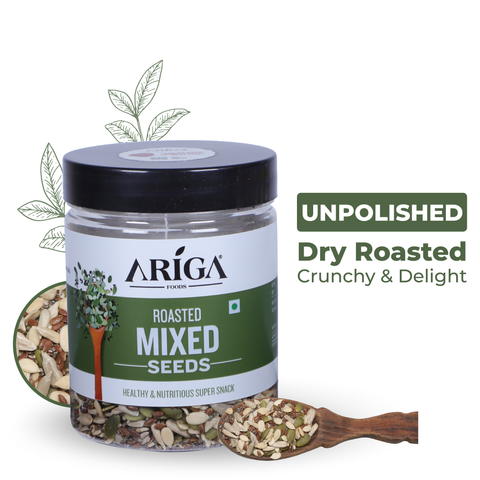

Roasted Mixed Seeds 200g | 5 in 1 Trail Mix
100% premium quality roasted seeds mix 5 in 1 made of pumpkin, flax, chia, sunflower and watermelon seeds. Roasted with perfection without oil. B...
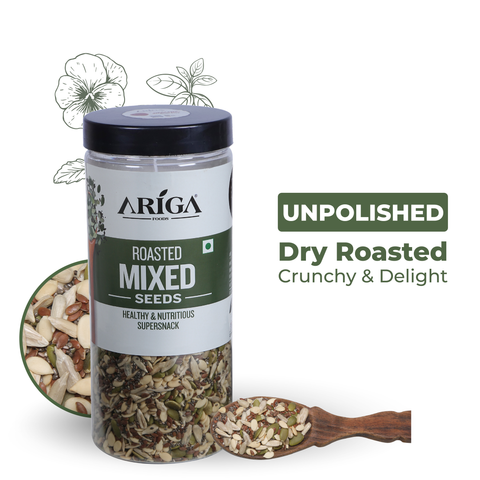

Roasted Mixed Seeds 500g | 5 in 1 Trail Mix
100% premium quality roasted seeds mix 5 in 1 made of pumpkin, flax, chia, sunflower and watermelon seeds. Roasted with perfection without oil.Buy ...


Ariga Foods Raw Pumpkin Seeds 500g | Premium Quality
Ariga Foods premium quality raw pumpkin seeds helps weight management. Buy pumpkin seeds online at Ariga Foods. An ideal snack and ingredient for...
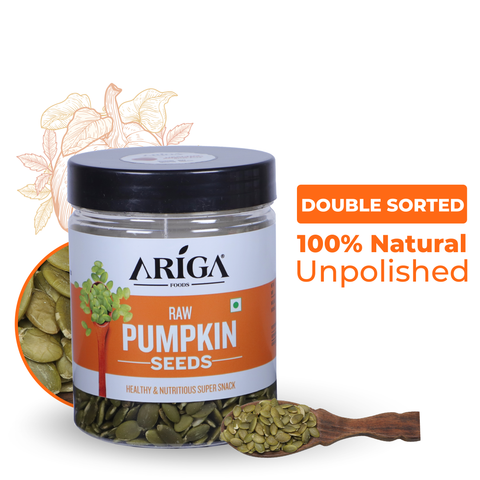

Ariga Foods Raw Pumpkin Seeds 200g | Premium Quality
Ariga Foods premium quality raw pumpkin seeds helps weight management. Buy pumpkin seeds online at Ariga Foods. An ideal snack and ingredient for...
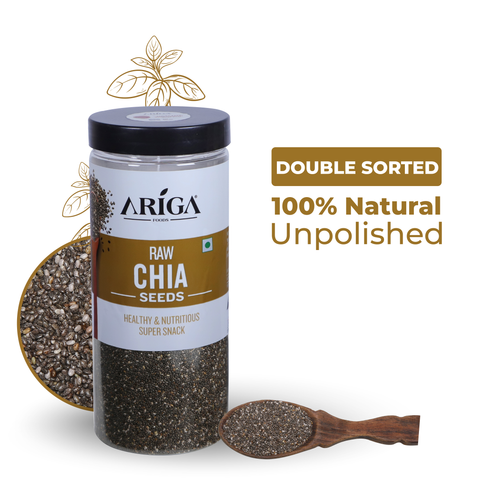

Raw Chia Seeds 500g | 100% Premium Quality
Ariga Foods premium quality chia seeds are double sortex and sorted with perfection. Benefits of Chia seeds for eating are they are good for dige...
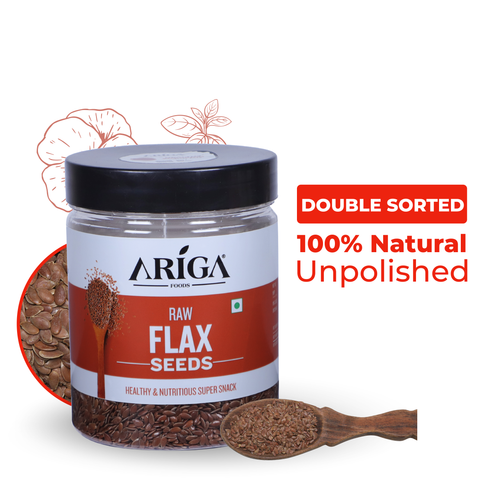

Raw Flax Seeds 200g | 100% Premium Quality Alsi
100% premium quality raw flax seeds alsi from Ariga Foods for weight loss. Buy flax seeds online at Ariga Foods. Crunchy and delicious alsi. Flax...
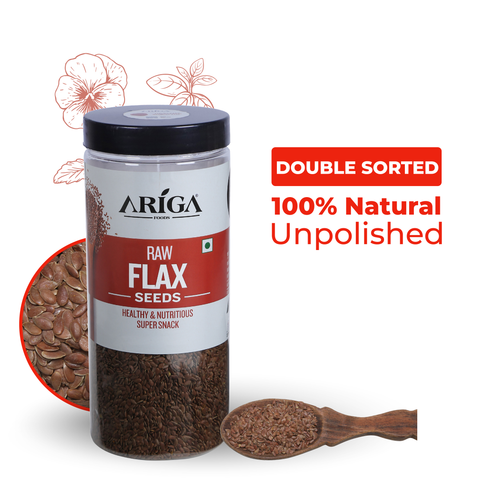

Raw Flax Seeds 500g | 100% Premium Quality Alsi
100% premium quality raw flax seeds alsi from Ariga Foods for weight loss. Buy flax seeds online at Ariga Foods. Crunchy and delicious alsi. Flax...
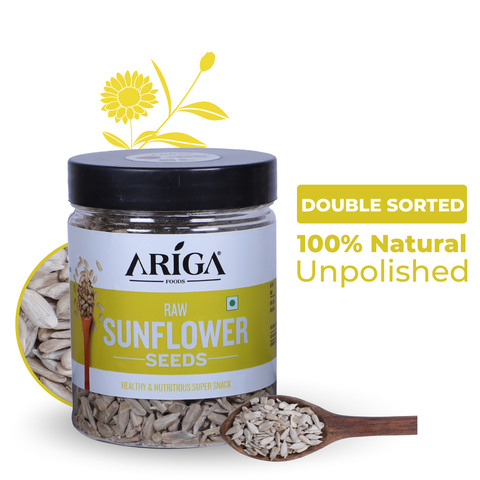

Raw Sunflower Seeds 200g | 100% Premium Quality
100% premium quality raw sunflower seeds from Ariga Foods, sourced from the farmers and carefully selected to the highest quality. Benefits of su...
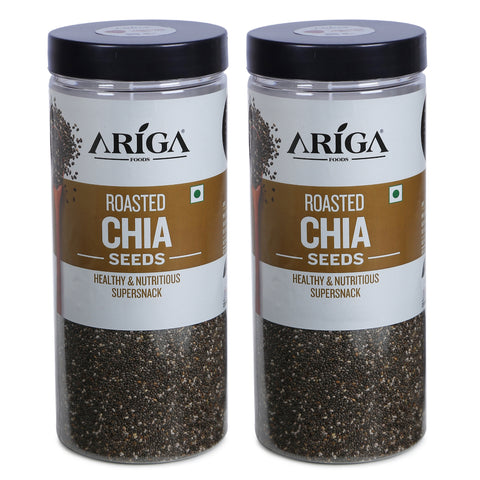

Roasted Chia Seeds 1kg | 100% Premium Quality
Ariga Foods premium quality roasted chia seeds are roasted with perfection without oil. Benefits of chia seeds is they help you in weight managem...
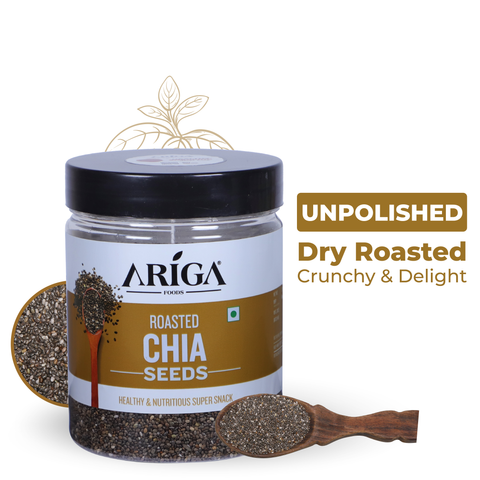

Roasted Chia Seeds 250g | 100% Premium Quality
Ariga Foods premium quality roasted chia seeds are roasted with perfection without oil. Benefits of chia seeds is they help you in weight managem...
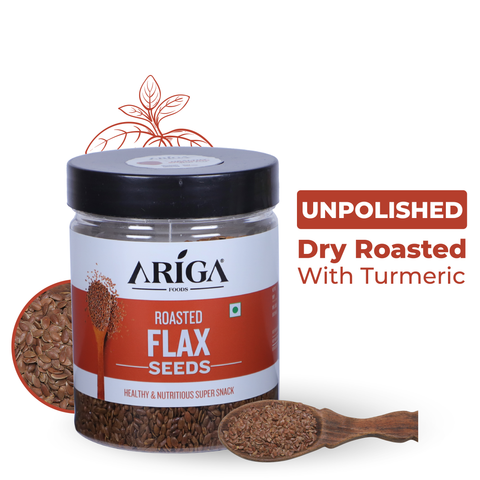

Roasted Flax Seeds 200g | 100% Premium Quality Alsi
100% premium quality roasted flax seeds alsi from Ariga Foods. Roasted and blended with turmeric without the use of oil. Buy roasted flax seeds o...
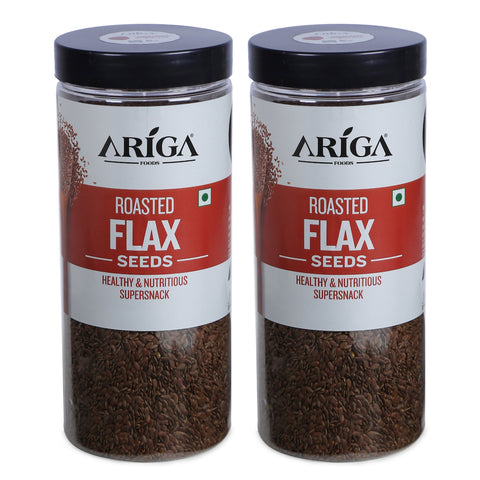

Roasted Flax Seeds 1kg | 100% Premium Quality Alsi
100% premium quality roasted flax seeds alsi from Ariga Foods. Roasted and blended with turmeric without the use of oil. Buy roasted flax seeds o...


Roasted Chia Seeds 500g | 100% Premium Quality
Ariga Foods premium quality roasted chia seeds are roasted with perfection without oil. Benefits of chia seeds is they help you in weight managem...
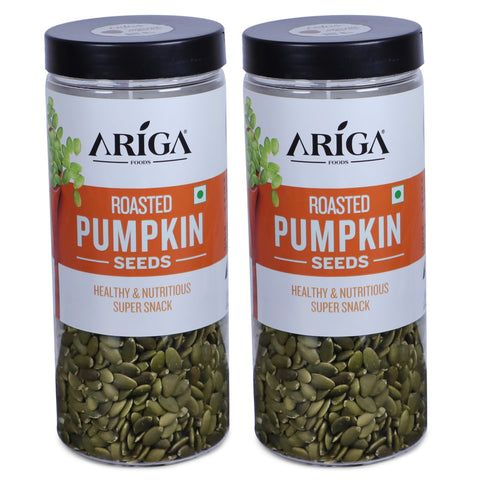

Roasted Pumpkin Seeds 1kg | Premium Quality
Ariga Foods premium quality dry roasted pumpkin seeds are dry roasted with no oil. Buy pumpkin seeds online at Ariga Foods. Pumpkin seeds are als...
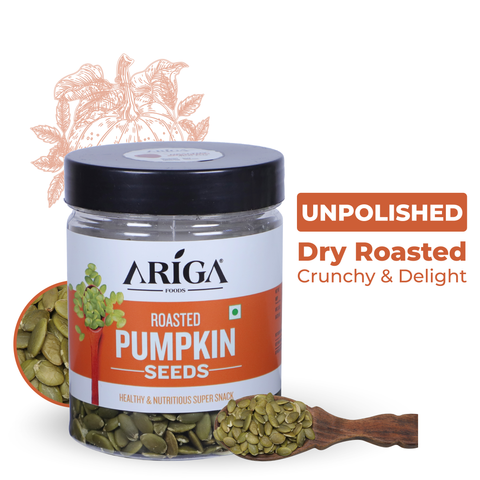

Roasted Pumpkin Seeds 200g | Premium Quality
Ariga Foods premium quality dry roasted pumpkin seeds are dry roasted with no oil. Buy pumpkin seeds online at Ariga Foods. Pumpkin seeds are als...
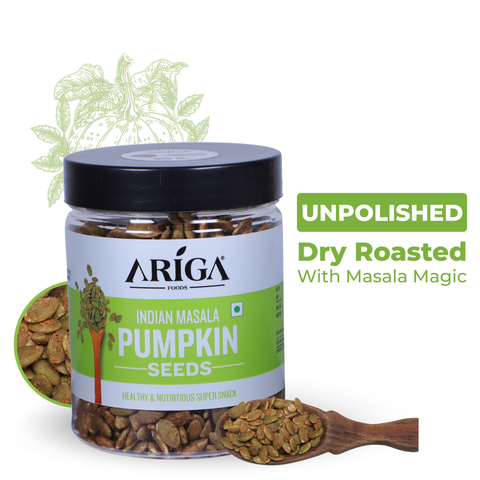

Roasted Pumpkin Seeds 200g- Indian Masala Flavour | Premium Quality
Ariga Foods premium quality roasted pumpkin seeds are blended with Indian masala and herbs without the use of oil. Buy roasted pumpkin seeds onli...
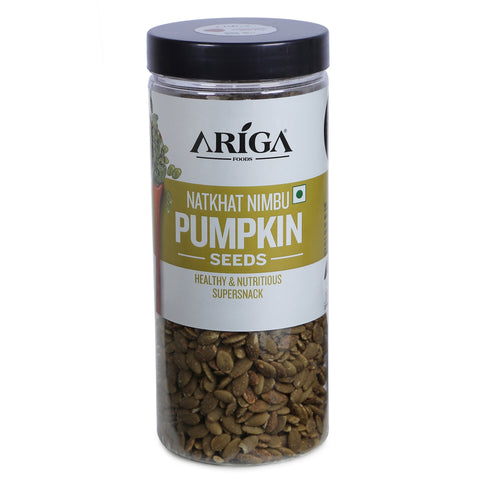

Roasted Pumpkin Seeds 500g- Natkhat Nimbu Flavour | Premium Quality
Ariga Foods premium quality roasted pumpkin seeds Natkhat Nimbu are blended with lemon powder without the use of oil.Buy roasted pumpkin seeds onli...
About Us
Ariga Foods is the innovative Retail and B2B brand by Ariganic Food Pvt. Ltd. Our vision is to make Superfood convenient and tasty for every household around the world.
Read moreSUBSCRIBE & FOLLOW
TAG CLOUD