
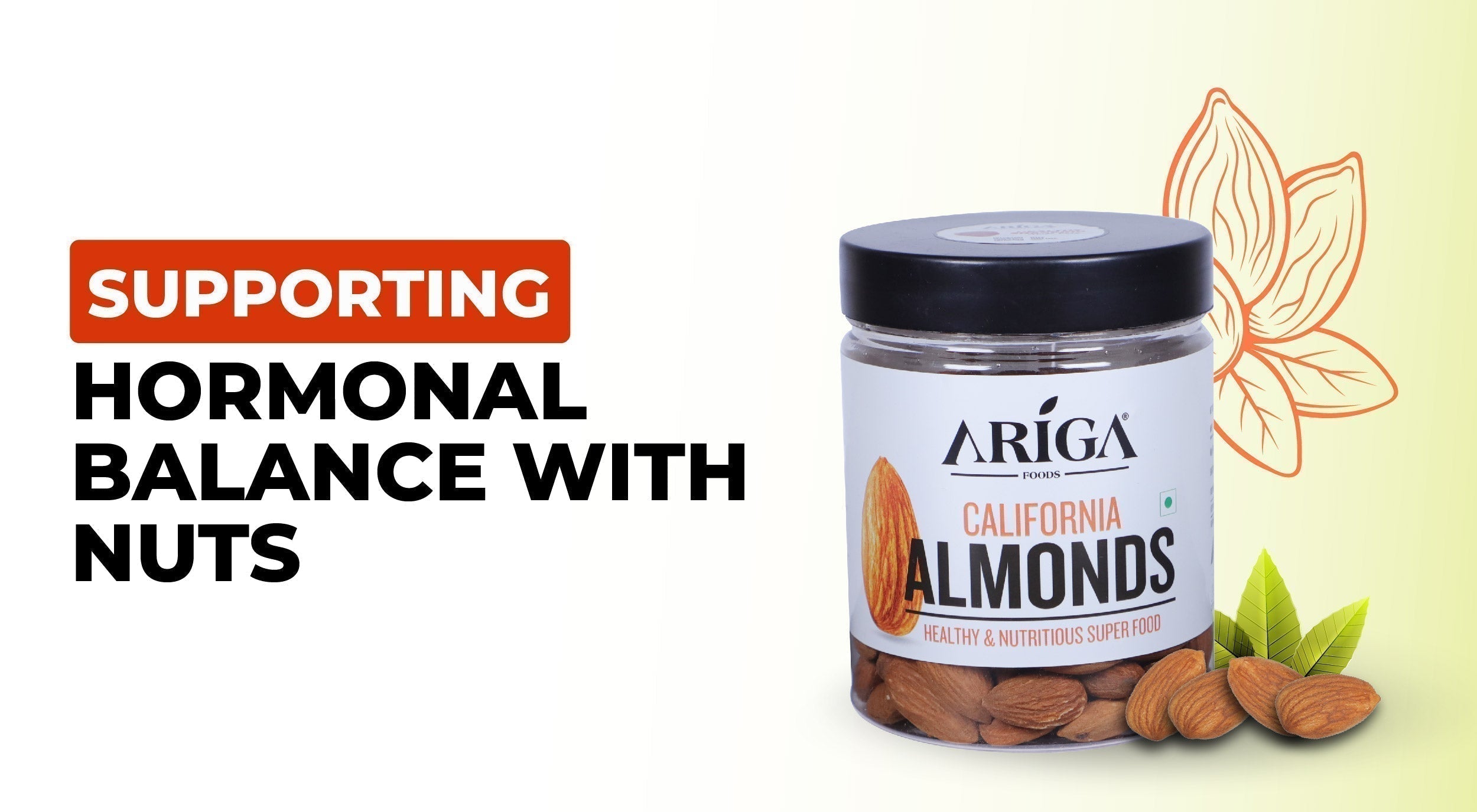
What Are the Benefits of Nuts for Hormonal Balance?
My sister has been navigating perimenopause for the past couple of years, and hormonal health has become a genuinely regular topic of conversation between us, more than I ever expected it to be.
Nuts came up when she mentioned some dietary changes her doctor suggested alongside everything else she was managing, and it sent me looking into which specific nutrients in nuts actually have real research behind them when it comes to hormones, versus which claims are a bit more oversold than they first appear.
I am not a doctor, and hormonal health is genuinely individual, shaped by age, sex, underlying conditions, and much more than diet alone.
What I want to share is an honest look at the actual research behind each of these nutrients, including where the evidence is solid and where it is thinner than it sounds.
Zinc in Cashews and Testosterone Support
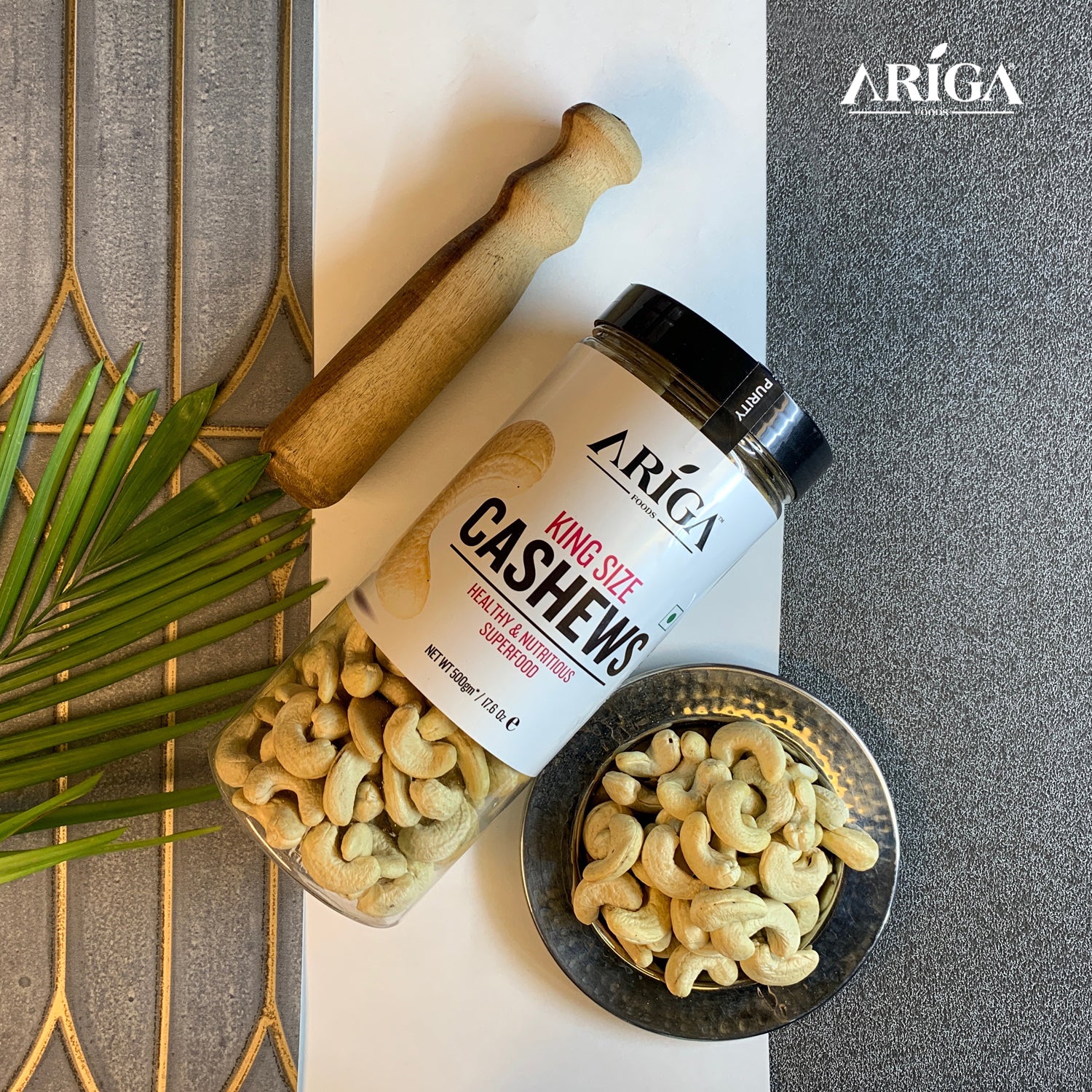
King Size Cashews are a genuinely good source of zinc, a mineral with a well-established role in testosterone synthesis and thyroid function, which regulates metabolism.
Zinc deficiency specifically has been linked to lower testosterone levels, and correcting that deficiency through diet is a reasonably solid, evidence-backed connection.
Cashews also carry magnesium, which plays a role in regulating cortisol, the body's primary stress hormone, though I want to note the evidence here is more modest and mostly relevant for people who are actually magnesium deficient rather than a guaranteed effect for everyone.
A cashew energy ball, blended King Size Cashews, dates, cocoa powder, and a touch of coconut oil, rolled into small balls and refrigerated, has become an easy way to build a regular cashew habit without much effort.
Boron in Raisins, and an Important Caveat
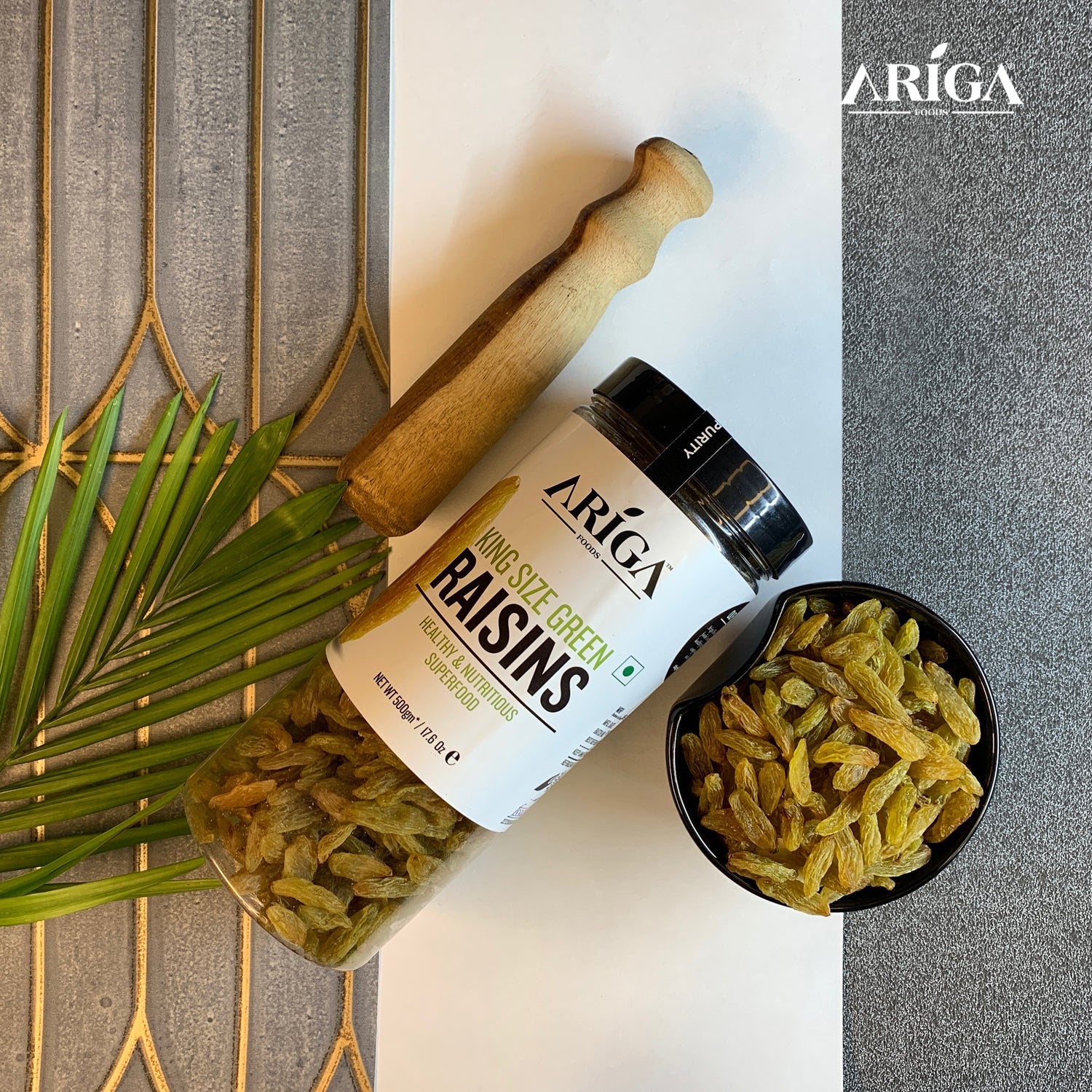
King-Size Raisins are a genuine source of boron, a trace mineral that has shown some interesting effects on hormone metabolism in research, including small clinical studies where boron supplementation modestly increased testosterone and decreased estradiol in both men and postmenopausal women.
This is genuinely interesting science, but I want to be honest about an important detail that often gets glossed over. These studies typically used concentrated boron supplements, in the range of 3 to 10 milligrams daily, which is considerably more boron than you would get from a normal serving of raisins as part of your diet.
The research is also based on small sample sizes, sometimes as few as eight to ten participants, and multiple reviewers have noted that larger, longer-term studies are needed before drawing firm conclusions.
Raisins genuinely contribute boron to your diet, which is a reasonable, low-risk thing to do, but I would be cautious about expecting the same hormone-shifting effect from a handful of raisins that researchers observed using concentrated supplements.
A raisin and almond granola, rolled oats combined with King-Size Raisins and Almonds, coated in warmed honey and coconut oil, baked until golden, has become a regular breakfast in my house regardless of the hormone question, since it genuinely tastes good.
Omega-3s in Walnuts
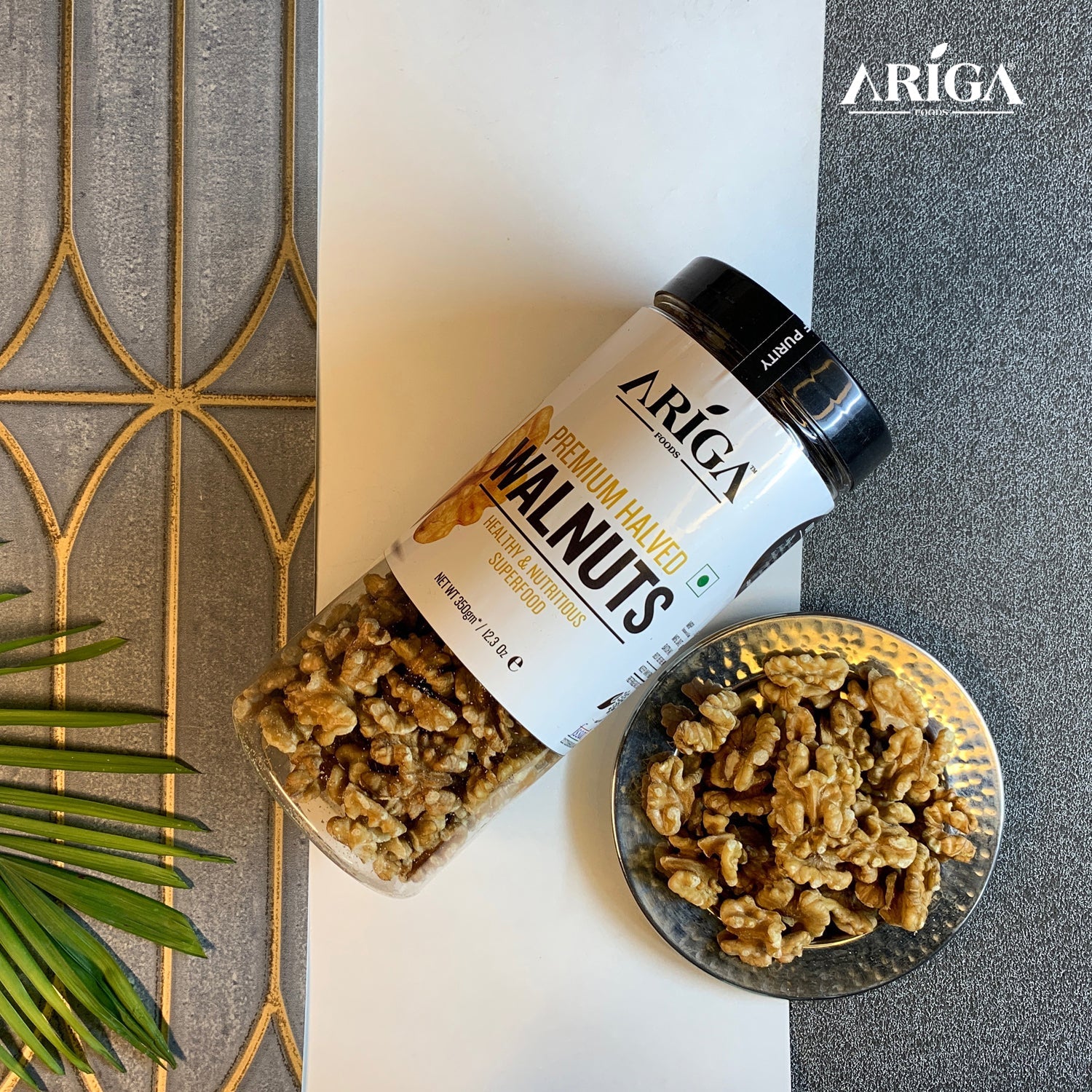
Premium Halved Walnuts are rich in alpha-linolenic acid, a plant-based omega-3 fatty acid, which the body uses to produce prostaglandins, hormone-like compounds involved in regulating inflammation and blood flow.
This is fairly solid, basic biochemistry. Where I want to add a caveat is around the specific claim that walnuts "balance estrogen levels" for menopausal women, this is a more specific claim than the general omega-3 and inflammation connection, and I could not find strong, walnut-specific clinical research directly supporting that exact outcome.
Omega-3s do support overall brain health and mood regulation more broadly, which is genuinely relevant during menopause, but I would frame that as general wellness support rather than a specific estrogen-balancing effect.
A walnut and blueberry smoothie, blended walnuts, blueberries, banana, spinach, and almond milk, has become my sister's regular breakfast, more for how it makes her feel through a busy morning than any specific hormonal claim.
Vitamin E in Almonds
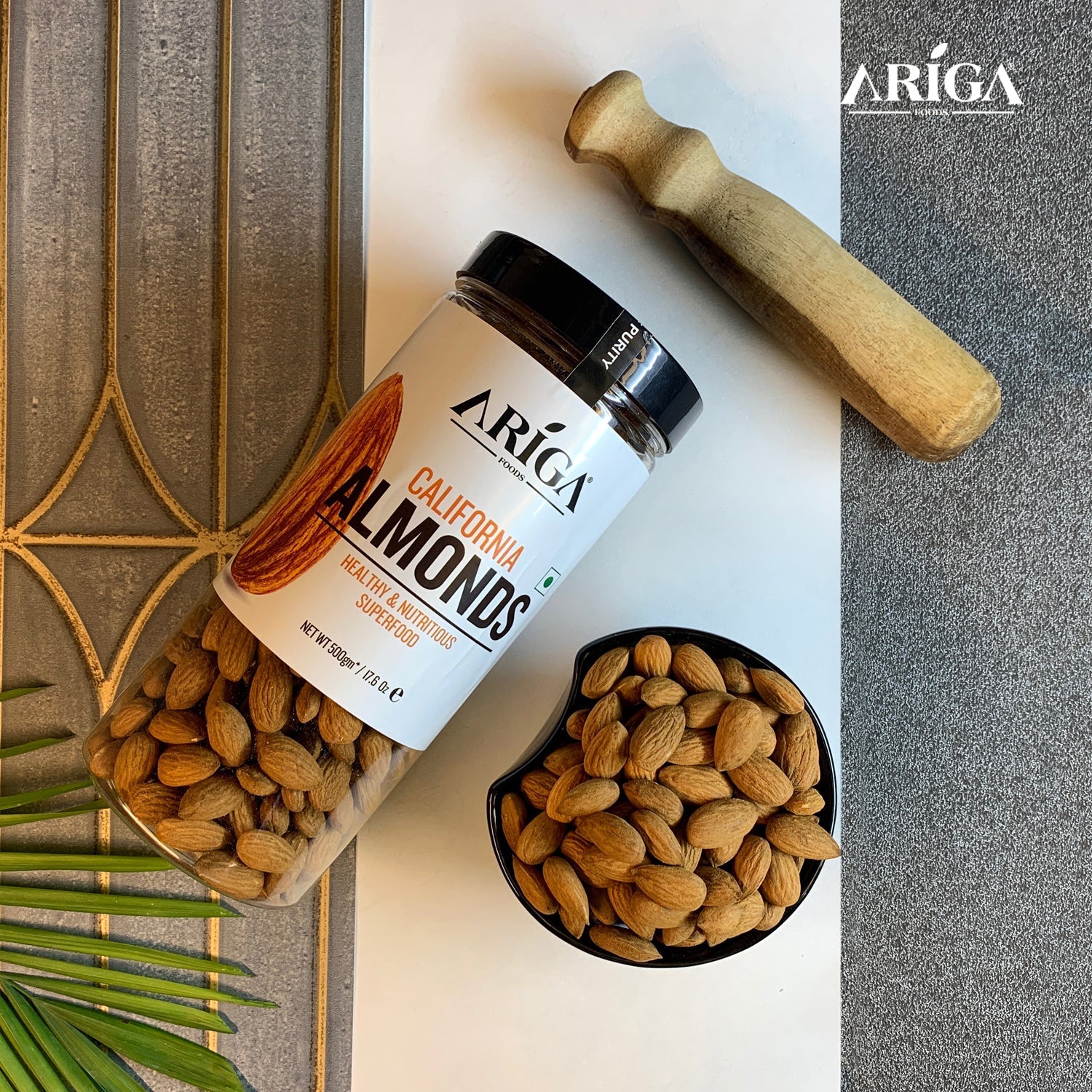
Almonds are rich in vitamin E, a genuine antioxidant that helps protect cells from oxidative stress.
Vitamin E's direct role in "balancing" sex hormones specifically is a less established claim than its broader antioxidant function, so I would describe almonds as generally supportive of cellular health rather than a targeted hormone regulator.
They also provide magnesium, relevant to the same cortisol-regulation point mentioned earlier with cashews.
An almond and berry parfait, layered Greek yogurt, Almonds, and mixed berries, finished with a drizzle of honey, has become a simple, regular treat in our house.
Vitamin B6 in Pistachios
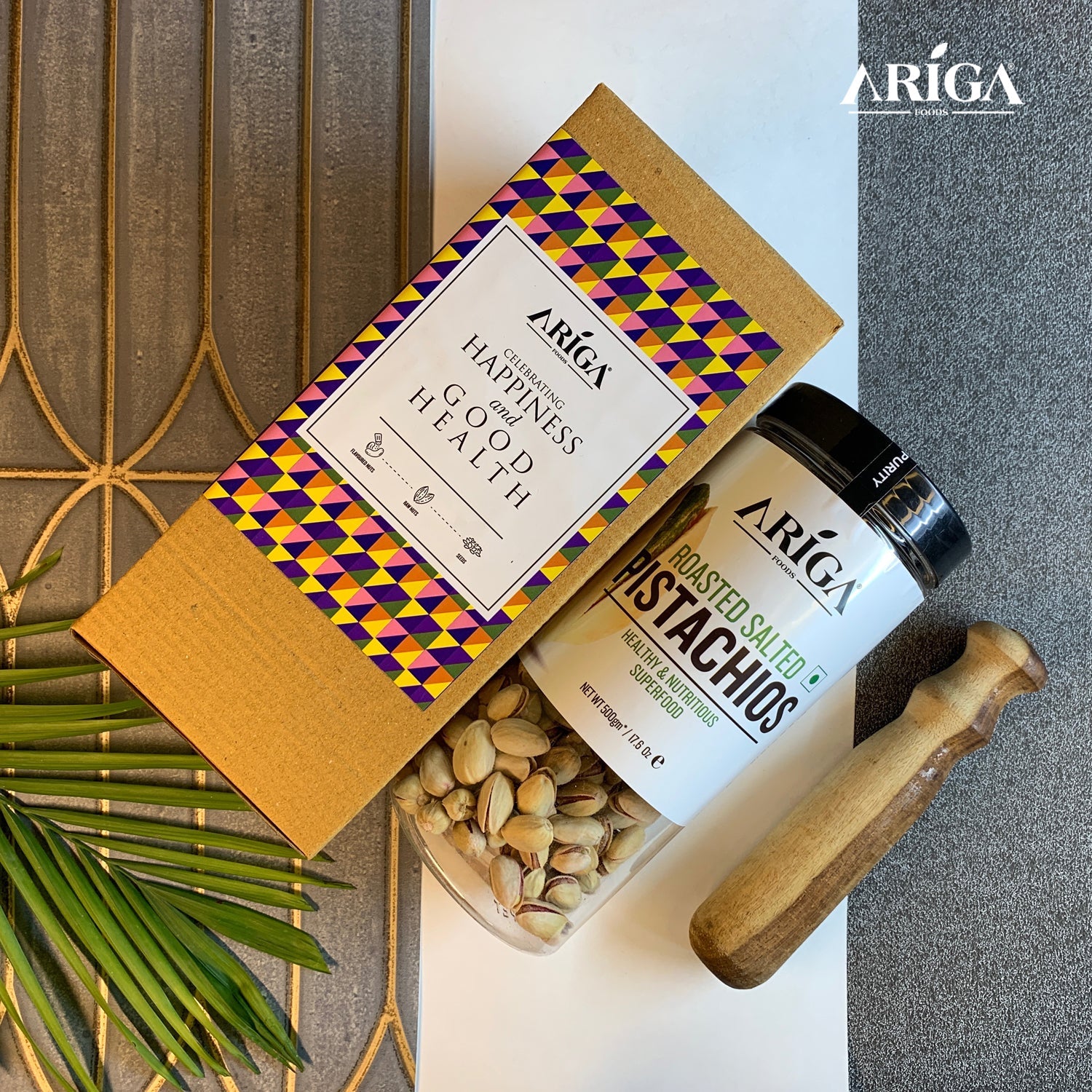
Roasted Salted Pistachios provide a genuinely good amount of vitamin B6, which is a well-established cofactor in the body's production of neurotransmitters, including serotonin and melatonin, both relevant to mood and sleep regulation.
This is one of the more solid, basic biochemistry connections on this list.
A pistachio-crusted salmon, crushed pistachios coating salmon fillets brushed with olive oil, baked with lemon slices, has become one of my sister's regular dinners, a genuinely satisfying way to build pistachios into her week.
What I Would Tell Anyone Reading This
Nuts genuinely provide nutrients relevant to hormonal health, zinc, magnesium, boron, omega-3s, vitamin E, and B6 all play real, if varying, roles in the body's hormonal processes.
But I want to be honest that some of these connections are more firmly established than others, and none of them amount to a food-based treatment for a genuine hormonal imbalance or condition.
If you are navigating something like perimenopause, a thyroid condition, or another hormonal concern, that is a conversation worth having directly with your doctor, who can look at your actual levels and situation rather than relying on general dietary advice.
My sister's approach has been to treat nuts as one small, genuinely enjoyable piece of a much broader plan her doctor helped put together, not a replacement for that care.
People Also Ask
Can eating nuts really help balance hormones?
Nuts provide nutrients like zinc, magnesium, boron, omega-3s, and B vitamins that play genuine roles in hormone-related processes in the body. However, the strength of evidence varies by nutrient, and nuts should be seen as a supportive dietary habit rather than a treatment for a diagnosed hormonal condition.
Does boron in raisins really affect testosterone and estrogen levels?
Some small clinical studies have found boron supplementation affects testosterone and estrogen levels, but these studies typically used concentrated supplemental doses far higher than what you would get from eating raisins as a snack, so the effect from dietary raisins alone is likely much more modest.
Do walnuts help with menopause symptoms?
Walnuts provide omega-3 fatty acids that support general brain health and mood, which can be relevant during menopause, but there isn't strong, walnut-specific research directly proving they balance estrogen levels during this life stage.
Which nut has the strongest evidence for hormone-related benefits?
Zinc in cashews has some of the more established research connecting it to testosterone synthesis, particularly in cases of zinc deficiency, while vitamin B6 in pistachios has solid, well-understood biochemistry linking it to neurotransmitter and hormone production.
Should I take supplements instead of eating nuts for hormonal support?
Whole foods like nuts provide a lower-risk, more moderate way to support overall nutrition compared to concentrated supplements, which can have different effects at higher doses. Any decision to use supplements specifically for hormonal concerns should involve a conversation with your doctor.
When should I see a doctor about hormonal imbalance instead of relying on diet?
If you are experiencing symptoms like significant mood changes, irregular cycles, unexplained weight changes, or other concerning symptoms, it's worth consulting a doctor for proper evaluation rather than relying on dietary changes alone to address a potential hormonal imbalance.
Related Products


Ariga Foods King Size Premium Cashew Nuts 1kg | Dry Fruit Kaju 240 Grade
100% premium quality dry fruits Cashews 240 big size kaju nutritious food for healthy eating. Buy Cashew nuts (Kaju) online in India at Ariga Foo...
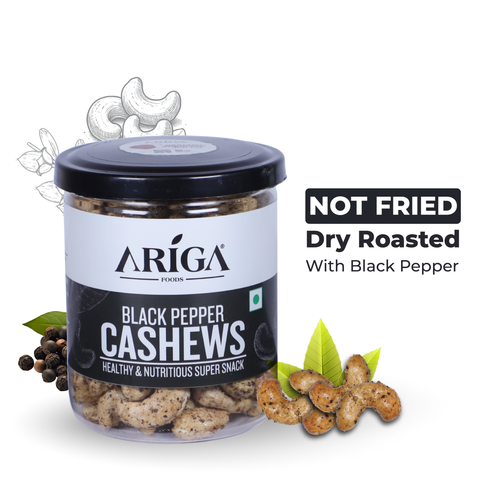

Black Pepper Cashews 200g | Roasted 100% Premium Kaju
'100% premium quality dry fruits roasted cashews sprinkled with black pepper kaalimirch from Ariga Foods. Dry roasted with no oil, these roasted ...
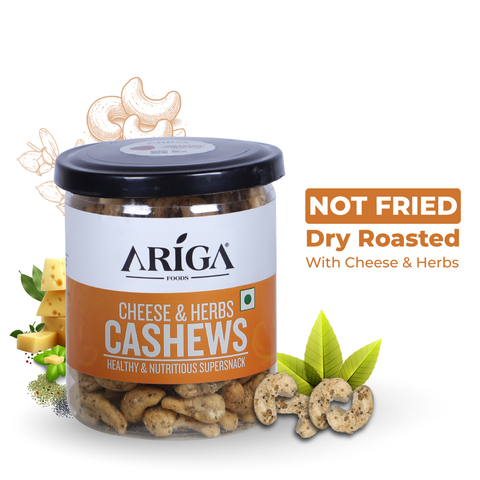

Cheese & Herbs Cashews 200g | Roasted 100% Premium Kaju
Ariga Foods premium quality roasted cashews with cheese & herbs are dry roasted with no oil. Crunchy and delicious dry fruit. Buy roasted and...
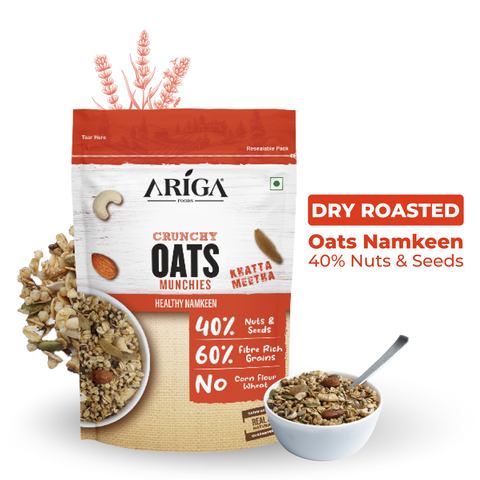

Crunchy Oats Namkeen 200g | Khatta Meetha Namkeen | Ariga Foods
100% premium quality Oats Namkeen. Healthy alternative to processed food and snacks. Oats Namkeen contains an abundance of nutrients particularl...
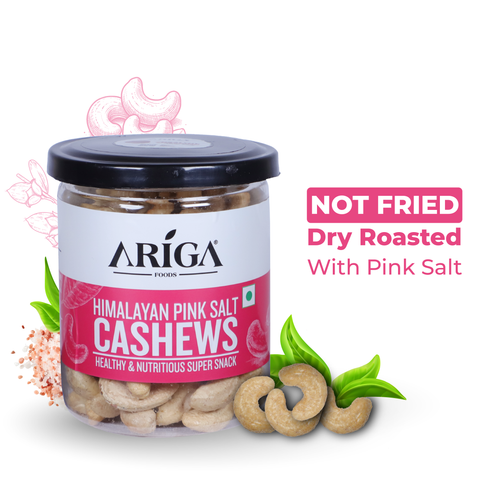

Himalayan Pink Salt Cashews 200g | Roasted 100% Premium Kaju
Ariga Foods 100% premium quality dry fruits roasted cashews with pink salt for healthy eating. Big size kaju crunchy and nutritious. Buy roasted ...
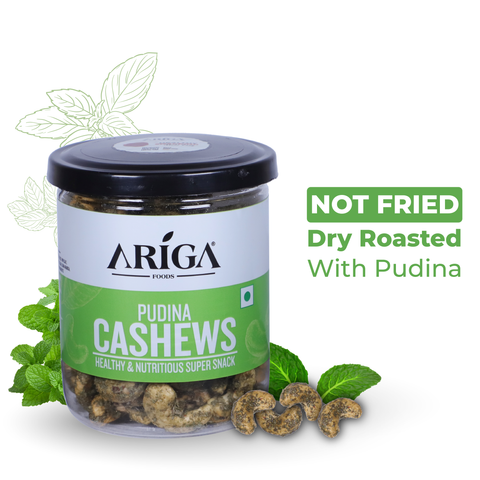

Pudina Cashews 200g | Roasted 100% Premium Kaju
Ariga Foods roasted salted cashews are toasted with dry pudina particals. This makes the roasted cashews tasy and crunchy. These cashew nuts are ...
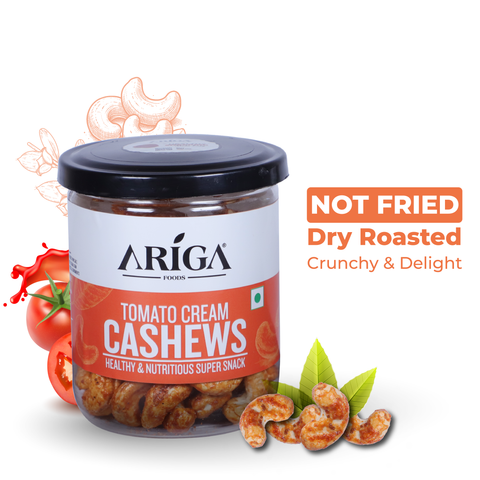

Tomato Cream Cashews 200g | Roasted 100% Premium Kaju
100% premium quality roasted and slated cashews toasted with real tomato and cream from Ariga Foods. Dry roasted cashews with no oil. Crunchy and...


Ariga Foods Premium California Almonds 1kg
100% premium quality dry fruits badam giri from Ariga Foods, sourced from California, USA. Buy California Almonds (Badaam) online in India at Ari...
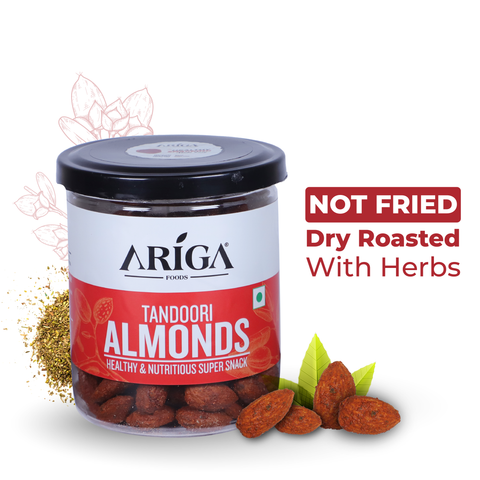

Ariga Foods Roasted Tandoori Almonds 200g
Ariga Foods premium quality dry fruits roasted almonds tandoori masala are dry roasted with no oil. Buy roasted almonds online at Ariga Foods. No...
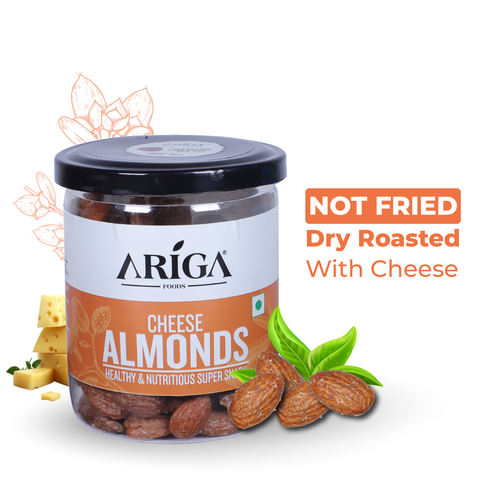

Cheese Almonds 200g | Roasted 100% Premium Badam
Ariga Foods dry fruits roasted almonds are wrapped with cheese. 100% premium quality badam. These nutrition roasted almonds are crunchy and delic...
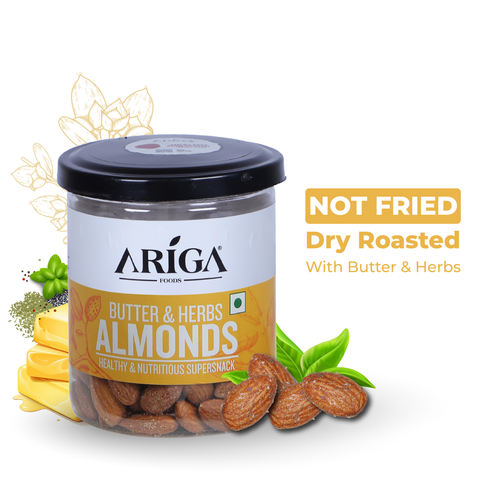

Butter & Herbs Almonds 200g | Roasted 100% Premium Badam
100% premium quality dry fruits roasted almonds toasted with butter & herbs from Ariga Foods. Dry roasted with no oil, these nutrition roast...
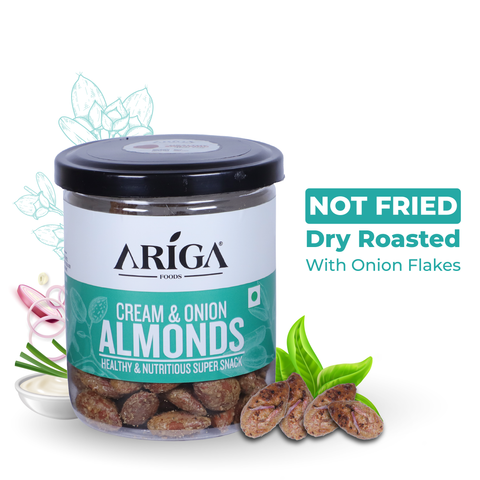

Cream & Onion Almonds 200g | Roasted 100% Premium Badam
100% premium quality dry fruits roasted almonds with cream & onion from Ariga Foods. Dry roasted almonds with no oil. Crunchy and delicious. N...
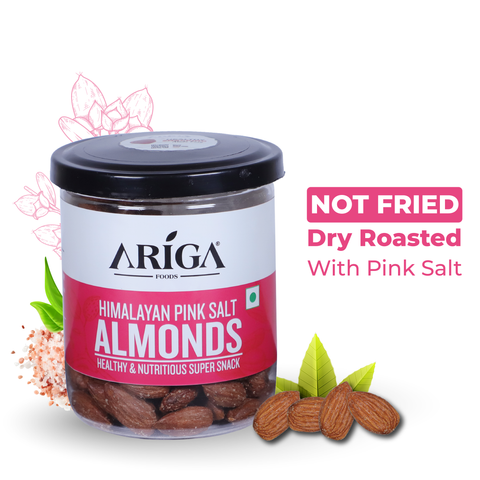

Himalayan Pink Salt Almonds 200g | Roasted 100% Premium Badam
100% premium quality dry fruits roasted almonds with pink salt from Ariga Foods, dry roasted with no oil. Crunchy and delicious. Buy roasted almo...
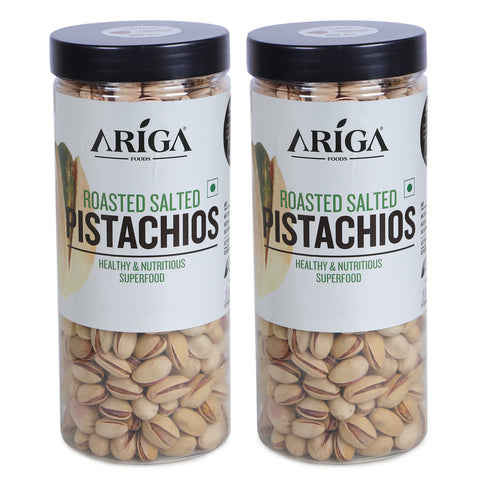

Premium Roasted & Salted Pistachios 1kg
100% premium quality pista dry fruits. Roasted & salted pistachios, consumed as supersnack. Buy Pistachio nuts (Pista) online in India at Arig...
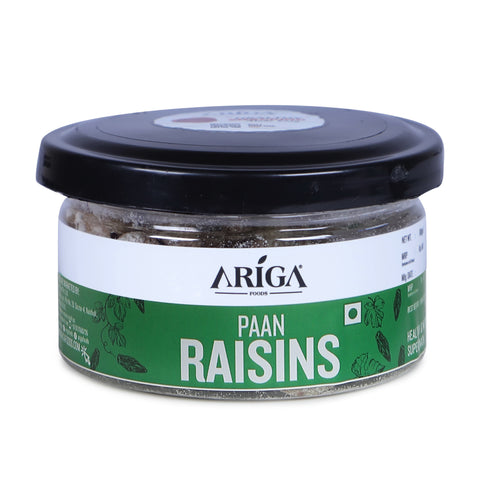

Paan Raisins 100g | Premium Long Green Kishmish
100% premium quality product from Ariga Foods. Ariga Paan Raisins are consumed as supersnack as they are the best replacement for junk food. Pac...
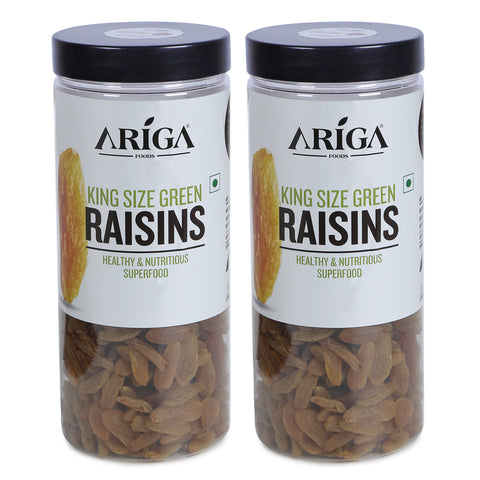

Premium Green Raisins 1kg
100% premium quality raisins kismis. Long size green raisins dry fruit, best replacement for junk food. Buy Indian raisins online at Ariga Foods....
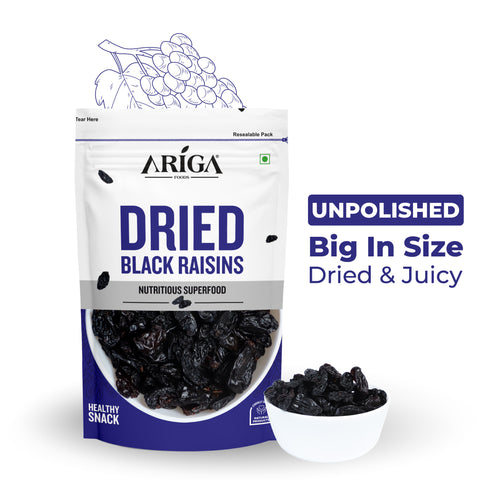

Premium Afghani Black Raisins 200g | Ariga Foods
100% premium quality black raisins. Healthy alternative to processed food and snacks. Buy black raisins online at Ariga Foods. They are also know...
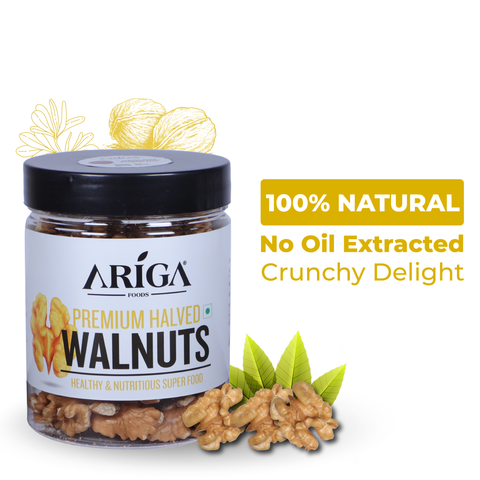

Ariga Foods Premium Halved Walnuts 150g
100% premium quality walnuts akhrot giri, without shell halved walnuts consumed as supersnack. Premium quality walnut kernels- Crunchy & Deli...
About Us
Ariga Foods is the innovative Retail and B2B brand by Ariganic Food Pvt. Ltd. Our vision is to make Superfood convenient and tasty for every household around the world.
Read moreSUBSCRIBE & FOLLOW
TAG CLOUD