
What Are the Benefits of Going Gluten-Free with Raisins?
My cousin was diagnosed with celiac disease about three years ago, and I watched her go through the genuinely overwhelming process of relearning how to eat, checking every label, asking restaurants uncomfortable questions, figuring out which snacks were actually safe.
Around the same time, I noticed a lot of people online, without any diagnosis at all, cutting out gluten because they had heard it would give them more energy or reduce inflammation.
Watching both experiences play out next to each other made me curious enough to actually look into what the science says, and I want to be honest about what I found, because it is a bit more nuanced than either side of that conversation usually lets on.
Who Actually Needs to Go Gluten-Free
For people with celiac disease, like my cousin, going gluten-free is not optional or trend-driven, it is medically necessary.
Celiac disease is an autoimmune condition where eating gluten, a protein found in wheat, barley, and rye, triggers the immune system to attack the lining of the small intestine, which over time can lead to serious complications if left unmanaged.
For people in this position, or those with a diagnosed non-celiac gluten sensitivity or wheat allergy, avoiding gluten genuinely does alleviate real, measurable symptoms, bloating, digestive discomfort, fatigue, and more.
Being Honest About Everyone Else
Here is the part I did not expect to find, and I think it is worth saying clearly.
For people without celiac disease, a diagnosed sensitivity, or a wheat allergy, the current body of research does not support the idea that going gluten-free offers a meaningful health benefit.
Major medical institutions, including Harvard Health and Mayo Clinic, have both stated plainly that there is no strong evidence a gluten-free diet improves health or prevents disease in people who can eat gluten without trouble.
A large long-term study following over a hundred thousand people actually found no difference in heart disease risk based on gluten intake in the general population, and interestingly, found that people who ate very little gluten also tended to eat fewer whole grains overall, which are genuinely protective for heart health.
There is also a real downside worth mentioning. Removing gluten without medical necessity often means removing whole wheat, barley, and rye from your diet too, and these foods are meaningful sources of fibre, B vitamins, iron, and magnesium.
Several nutrition researchers have specifically flagged that people who go gluten-free without a medical reason risk ending up with a less nutritious diet overall, not a more nutritious one, especially if they lean on processed gluten-free substitute products, which are often lower in fibre and higher in sugar than their regular counterparts.
I say all this not to discourage anyone from making informed choices about their own diet, but because I think it is worth going in with accurate information rather than assuming gluten avoidance is automatically healthier.
If you suspect you have a genuine sensitivity to gluten, that is absolutely worth discussing with a doctor, who can help you figure out what is actually going on rather than guessing.
Where Raisins Actually Fit Into This
This is where raisins genuinely earn a place in the conversation, regardless of which category you fall into. Raisins are naturally gluten-free, full stop, no substitution or reformulation required, since they are simply dried grapes.
For someone like my cousin managing celiac disease, that makes them a completely safe, reliable snack that requires no label-checking anxiety.
And for anyone else, gluten-free or not, raisins are just a genuinely good, naturally sweet, fibre and antioxidant-rich food worth having around.
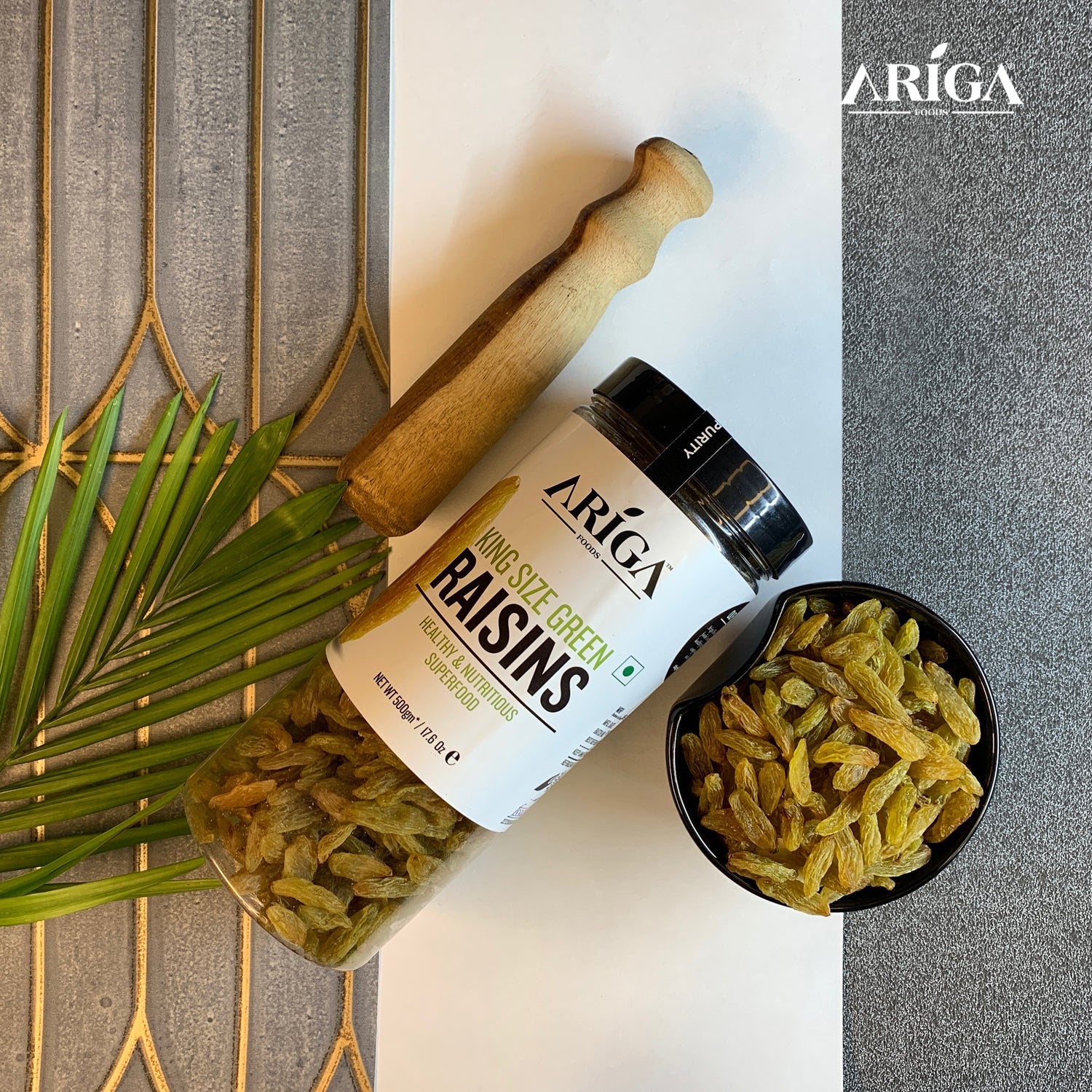
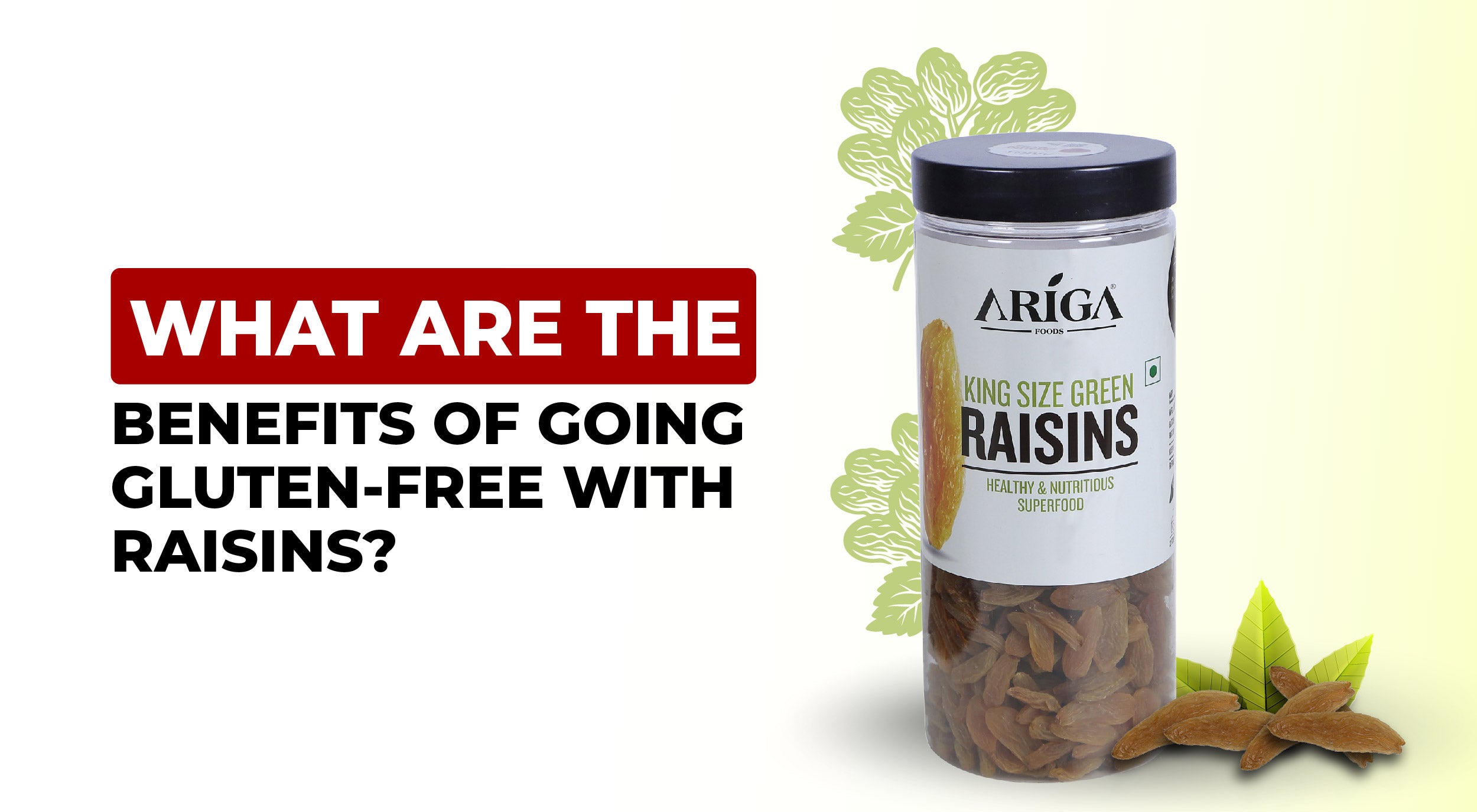
King-Size Raisins
Large, juicy, and naturally sweet, King-Size Raisins have become my cousin's go-to for exactly the reason I mentioned, zero label anxiety.
She keeps a container at her desk for the afternoon energy dip and has started baking with them again now that she has found gluten-free flour blends she actually likes.
Paan Raisins
These have become the more adventurous choice in her rotation, raisins infused with fennel, cardamom, and betel leaf flavours reminiscent of traditional Indian paan. She was pleasantly surprised the first time she tried them, since finding genuinely exciting gluten-free snacks that are not just "the safe version of something regular" was not something she expected this early into her diagnosis.
A Few Recipes We Have Made Together, All Naturally Gluten-Free
King-Size Raisin and Nut Energy Bars
Pulsed rolled oats, and a mix of almonds, cashews, and walnuts in a food processor, mixed with King-Size Raisins, warmed honey, and almond butter, pressed into a tray and refrigerated until firm. My cousin double-checks her oats are certified gluten-free specifically, since regular oats are often cross-contaminated with wheat during processing, even though oats themselves do not naturally contain gluten.
Paan Raisin and Coconut Rice Pudding
Jasmine rice cooked down with coconut milk, sugar, vanilla, and a pinch of cardamom, finished with a generous handful of Paan Raisins stirred in during the last few minutes of cooking. It has become her go-to dessert for guests who do not know she is gluten-free, since nobody has ever guessed.
Gluten-Free King-Size Raisin Bread
Using a good gluten-free flour blend, this loaf, studded with King-Size Raisins and a hint of cinnamon, took my cousin a couple of attempts to get the texture right, gluten-free baking behaves differently than regular baking, but once she nailed the ratio of buttermilk to flour, it became her regular weekend bake.
What I Would Actually Tell Anyone Reading This
If you have celiac disease, a diagnosed gluten sensitivity, or a wheat allergy, going gluten-free is genuinely essential, and raisins are one of the easiest, most reliable naturally gluten-free foods to build snacks and recipes around.
If you do not have any of these conditions, there is no strong evidence that cutting gluten will improve your health, and you might actually be better off keeping whole grains in your diet for their fibre and nutrient content.
Either way, raisins are a genuinely good food to have around, not because of what they exclude, but because of what they actually offer, natural sweetness, fibre, and a good dose of antioxidants.
People Also Ask
Do I need to go gluten-free if I don't have celiac disease?
Current research does not support meaningful health benefits from a gluten-free diet for people without celiac disease, a diagnosed gluten sensitivity, or a wheat allergy. If you suspect a sensitivity, it is worth discussing testing with a doctor rather than eliminating gluten without guidance.
Are raisins naturally gluten-free?
Yes, raisins are simply dried grapes and contain no gluten at all, making them a safe, reliable snack for anyone with celiac disease or a gluten sensitivity, with no risk of cross-contamination as long as they are not processed alongside gluten-containing products.
Can going gluten-free without a medical reason be harmful?
It can lead to a less nutritious diet in some cases, since whole wheat, barley, and rye are meaningful sources of fibre, B vitamins, and minerals. Relying on processed gluten-free substitute products, which are sometimes lower in fibre and higher in sugar, can compound this issue.
Why do gluten-free recipes sometimes specify certified gluten-free oats?
Oats do not naturally contain gluten, but they are frequently processed in facilities that also handle wheat, leading to cross-contamination. Certified gluten-free oats are processed separately to avoid this risk, which matters for people with celiac disease specifically.
What foods are naturally gluten-free besides raisins?
Fruits, vegetables, legumes, nuts, seeds, dairy, meat, fish, and poultry are all naturally gluten-free in their unprocessed forms. Gluten is specifically found in wheat, barley, rye, and their derivatives, so whole, unprocessed foods from other categories are generally safe.
How can I tell if I actually have a gluten sensitivity?
There is no single definitive test for non-celiac gluten sensitivity, though a doctor can test for celiac disease and wheat allergy first, then guide an elimination and reintroduction process if those come back negative but symptoms persist. Self-diagnosing without medical guidance can lead to unnecessary dietary restriction.
Related Products
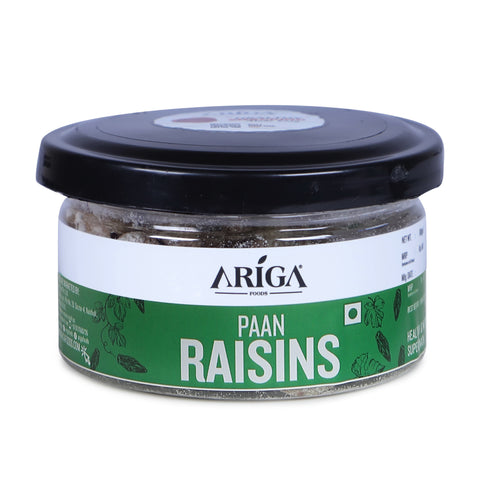

Paan Raisins 100g | Premium Long Green Kishmish
100% premium quality product from Ariga Foods. Ariga Paan Raisins are consumed as supersnack as they are the best replacement for junk food. Pac...
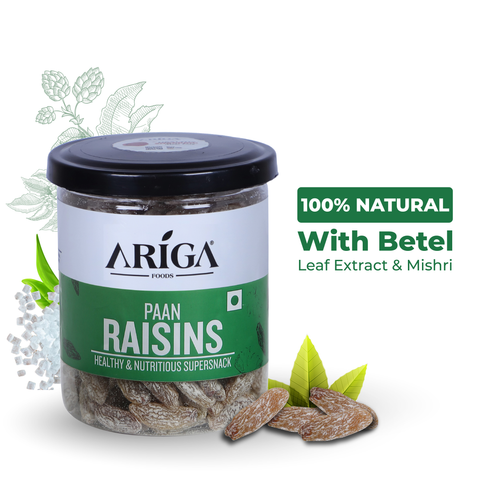

Paan Raisins 250g | Premium Long Green Kishmish
100% premium quality raisins kismis made with real pan extract to bring the taste of mukhwas. These are long size green raisins dry fruit. Buy gr...
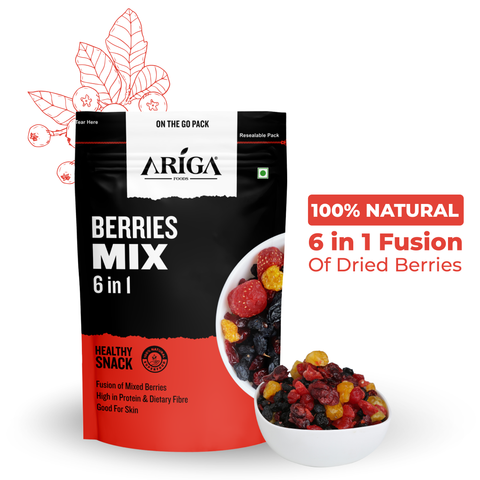

Premium Dried Berries Mix 200g | Trail Mix 6 in 1 | Ariga Foods
Ariga Foods premium quality Berries Mix. Healthy alternative to processed food and snacks. Buy Berries mix online at Ariga Foods. Ariga Foods mix...
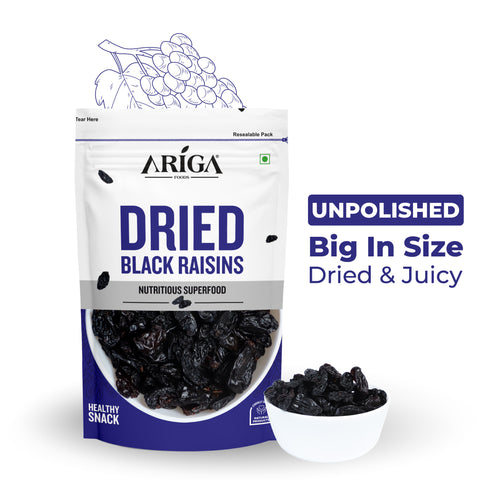

Premium Afghani Black Raisins 200g | Ariga Foods
100% premium quality black raisins. Healthy alternative to processed food and snacks. Buy black raisins online at Ariga Foods. They are also know...
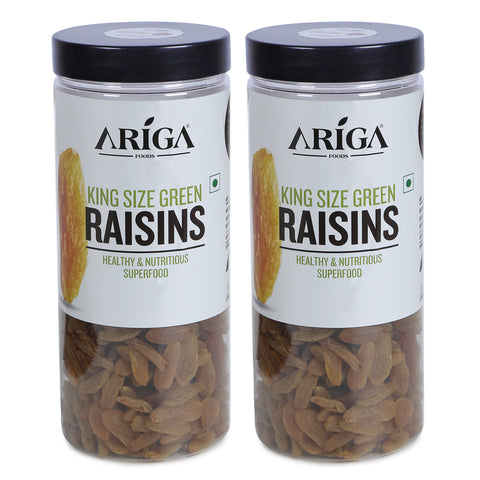

Premium Green Raisins 1kg
100% premium quality raisins kismis. Long size green raisins dry fruit, best replacement for junk food. Buy Indian raisins online at Ariga Foods....
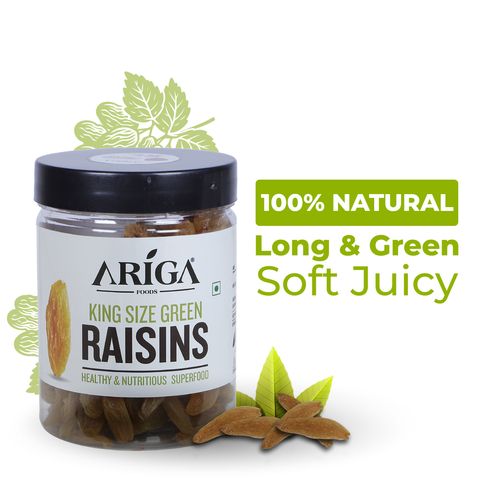

Premium Green Raisins 250g
100% premium quality raisins kismis. Long size green raisins dry fruit, best replacement for junk food. Buy Indian raisins online at Ariga Foods....
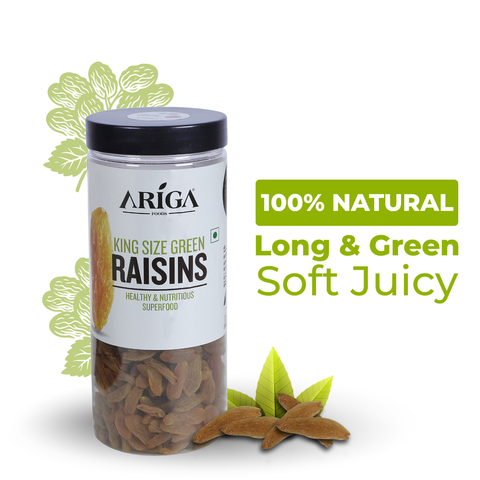

Premium Green Raisins 500g
100% premium quality raisins kismis. Long size green raisins dry fruit, best replacement for junk food. Buy Indian raisins online at Ariga Foods....
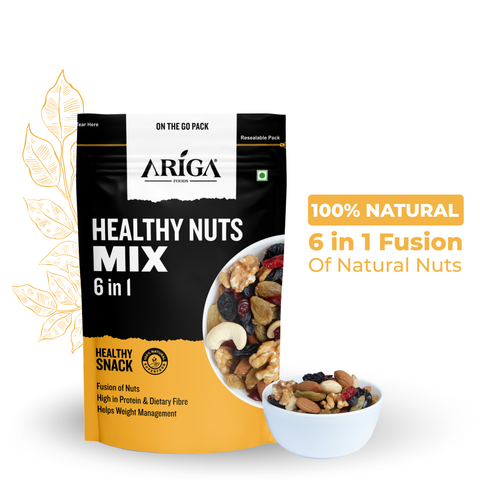

Premium Healthy Nutmix 200g | Trail Mix 6 in 1 | Ariga Foods
100% premium quality Healthy Nut Mix from Ariga Foods. Healthy alternative to processed food and snacks. Buy trail mix online at Ariga Foods. Ari...


Premium Nuts & Berries Mix 200g | Trail Mix 8 in 1 | Ariga Foods
100% premium quality trail mix nuts and berries from Ariga Foods. Healthy alternative to processed food and snacks. Buy trail mix online, Nuts &a...
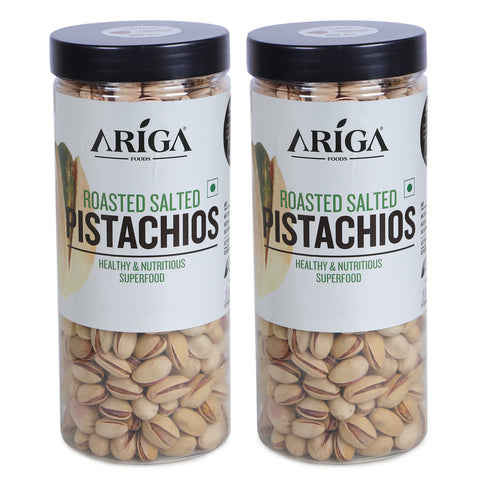

Premium Roasted & Salted Pistachios 1kg
100% premium quality pista dry fruits. Roasted & salted pistachios, consumed as supersnack. Buy Pistachio nuts (Pista) online in India at Arig...
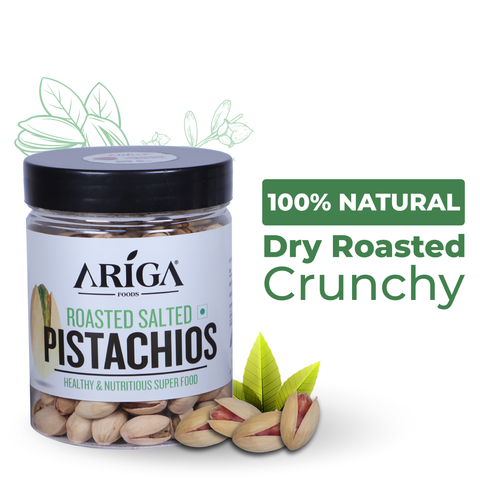

Premium Roasted & Salted Pistachios 200g
100% premium quality pista dry fruits. Roasted & salted pistachios, consumed as supersnack.Buy Pistachio nuts (Psita) online in India at Ariga ...
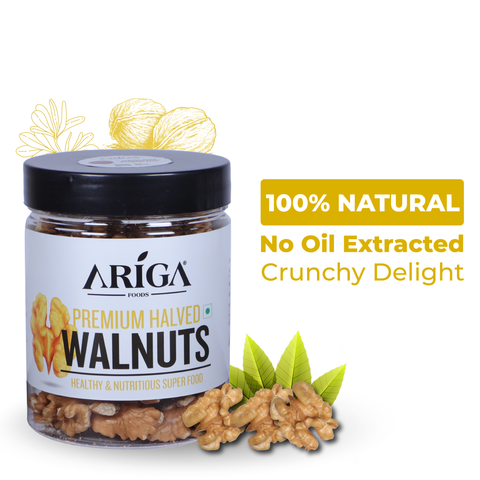

Ariga Foods Premium Halved Walnuts 150g
100% premium quality walnuts akhrot giri, without shell halved walnuts consumed as supersnack. Premium quality walnut kernels- Crunchy & Deli...
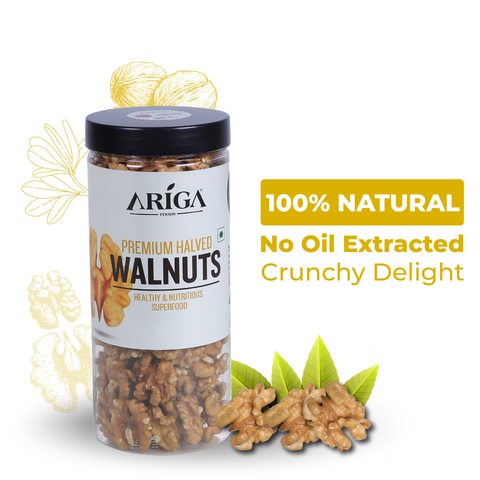

Ariga Foods Premium Halved Walnuts 350g
100% premium quality walnuts akhrot giri, without shell halved walnuts consumed as supersnack. Premium quality walnut kernels- Crunchy & Deli...


Ariga Foods King Size Premium Cashew Nuts 1kg | Dry Fruit Kaju 240 Grade
100% premium quality dry fruits Cashews 240 big size kaju nutritious food for healthy eating. Buy Cashew nuts (Kaju) online in India at Ariga Foo...
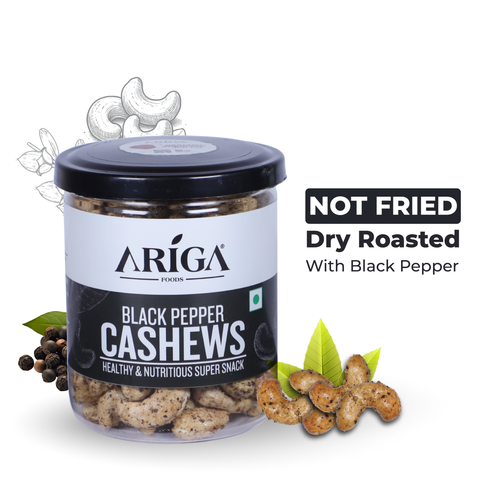

Black Pepper Cashews 200g | Roasted 100% Premium Kaju
'100% premium quality dry fruits roasted cashews sprinkled with black pepper kaalimirch from Ariga Foods. Dry roasted with no oil, these roasted ...
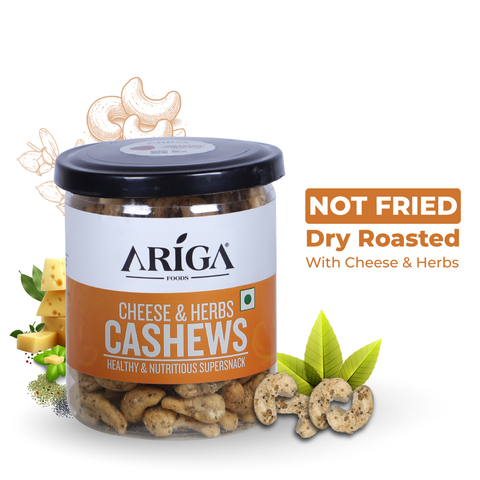

Cheese & Herbs Cashews 200g | Roasted 100% Premium Kaju
Ariga Foods premium quality roasted cashews with cheese & herbs are dry roasted with no oil. Crunchy and delicious dry fruit. Buy roasted and...
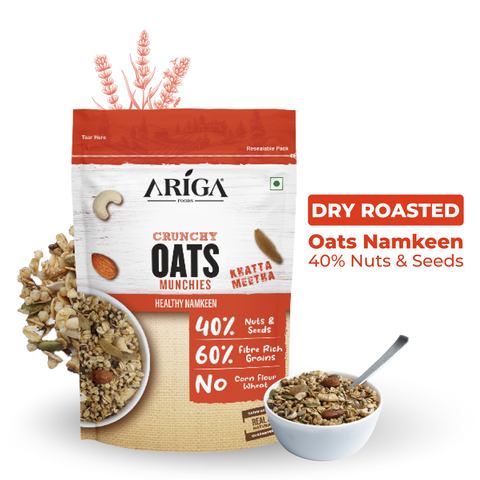

Crunchy Oats Namkeen 200g | Khatta Meetha Namkeen | Ariga Foods
100% premium quality Oats Namkeen. Healthy alternative to processed food and snacks. Oats Namkeen contains an abundance of nutrients particularl...
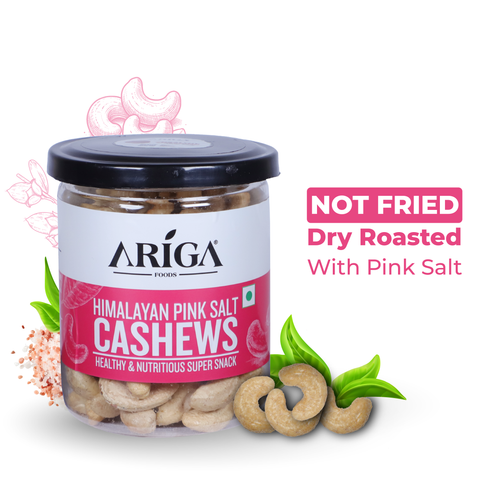

Himalayan Pink Salt Cashews 200g | Roasted 100% Premium Kaju
Ariga Foods 100% premium quality dry fruits roasted cashews with pink salt for healthy eating. Big size kaju crunchy and nutritious. Buy roasted ...
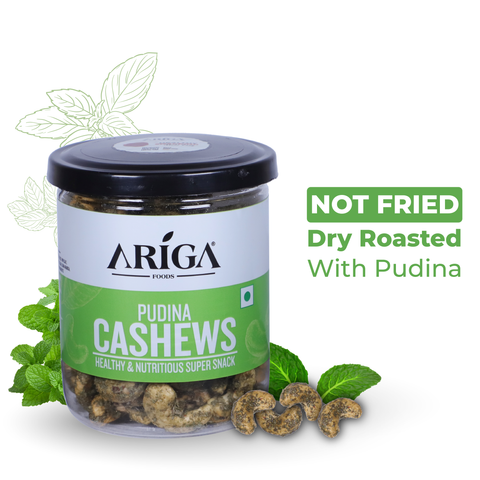

Pudina Cashews 200g | Roasted 100% Premium Kaju
Ariga Foods roasted salted cashews are toasted with dry pudina particals. This makes the roasted cashews tasy and crunchy. These cashew nuts are ...
About Us
Ariga Foods is the innovative Retail and B2B brand by Ariganic Food Pvt. Ltd. Our vision is to make Superfood convenient and tasty for every household around the world.
Read moreSUBSCRIBE & FOLLOW
TAG CLOUD