
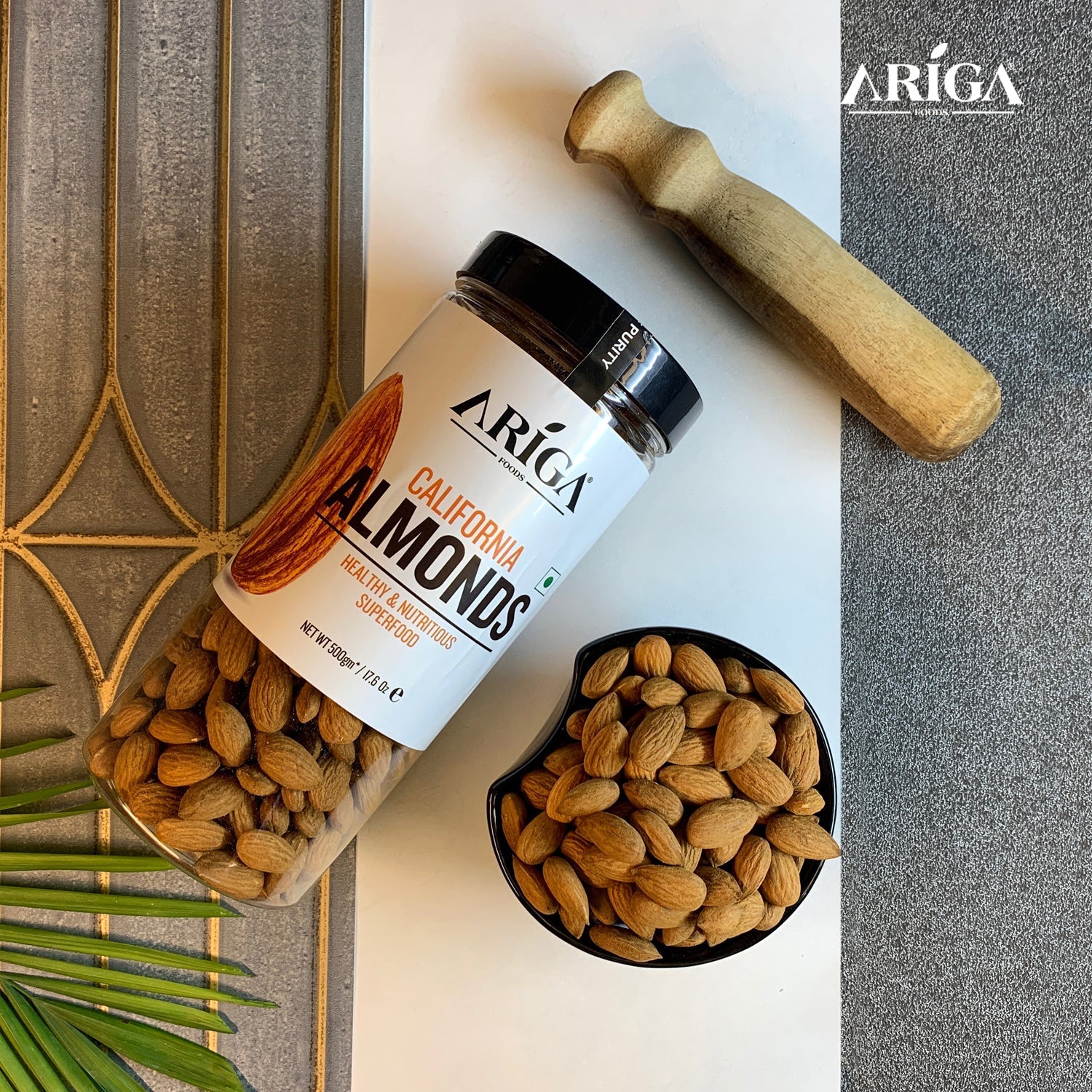
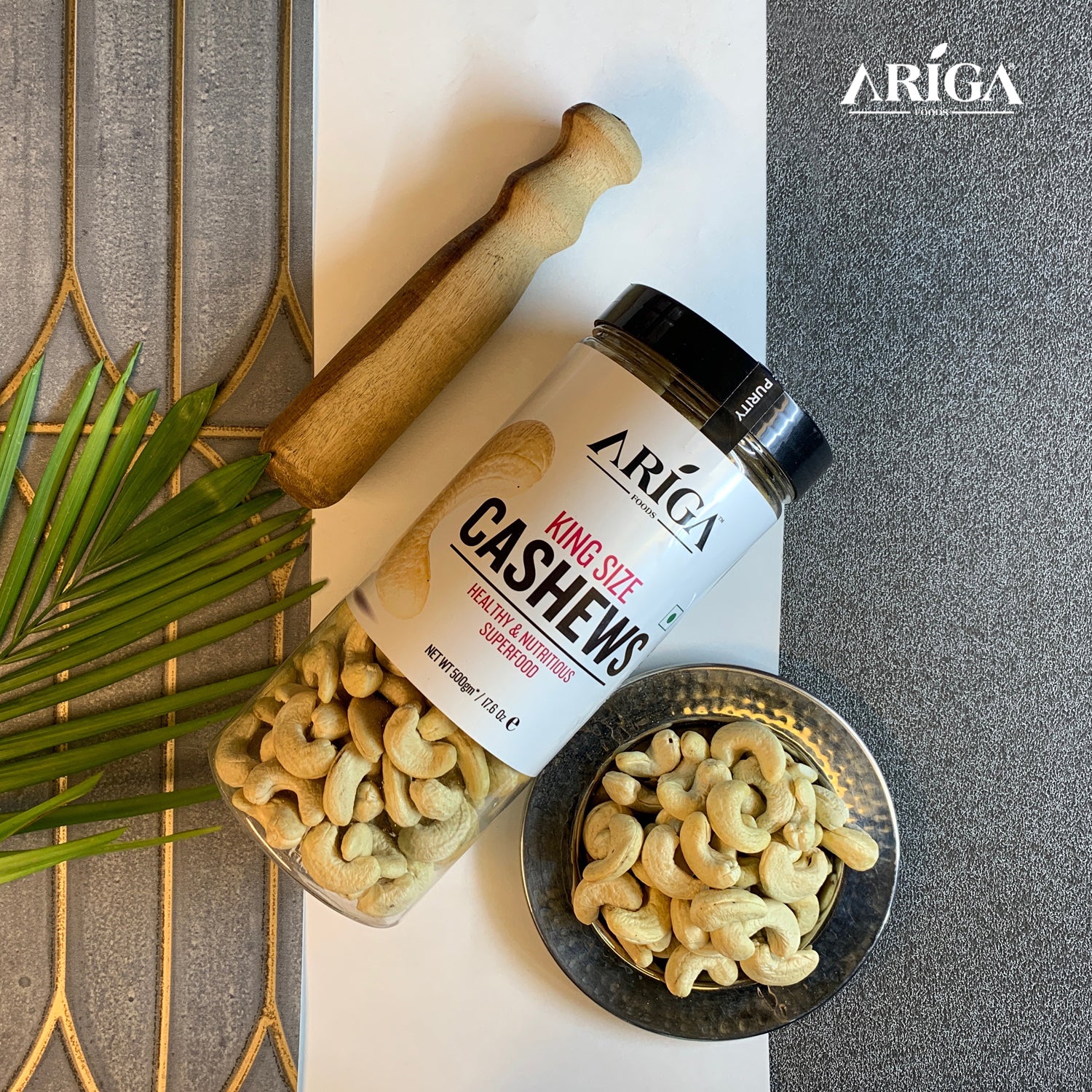
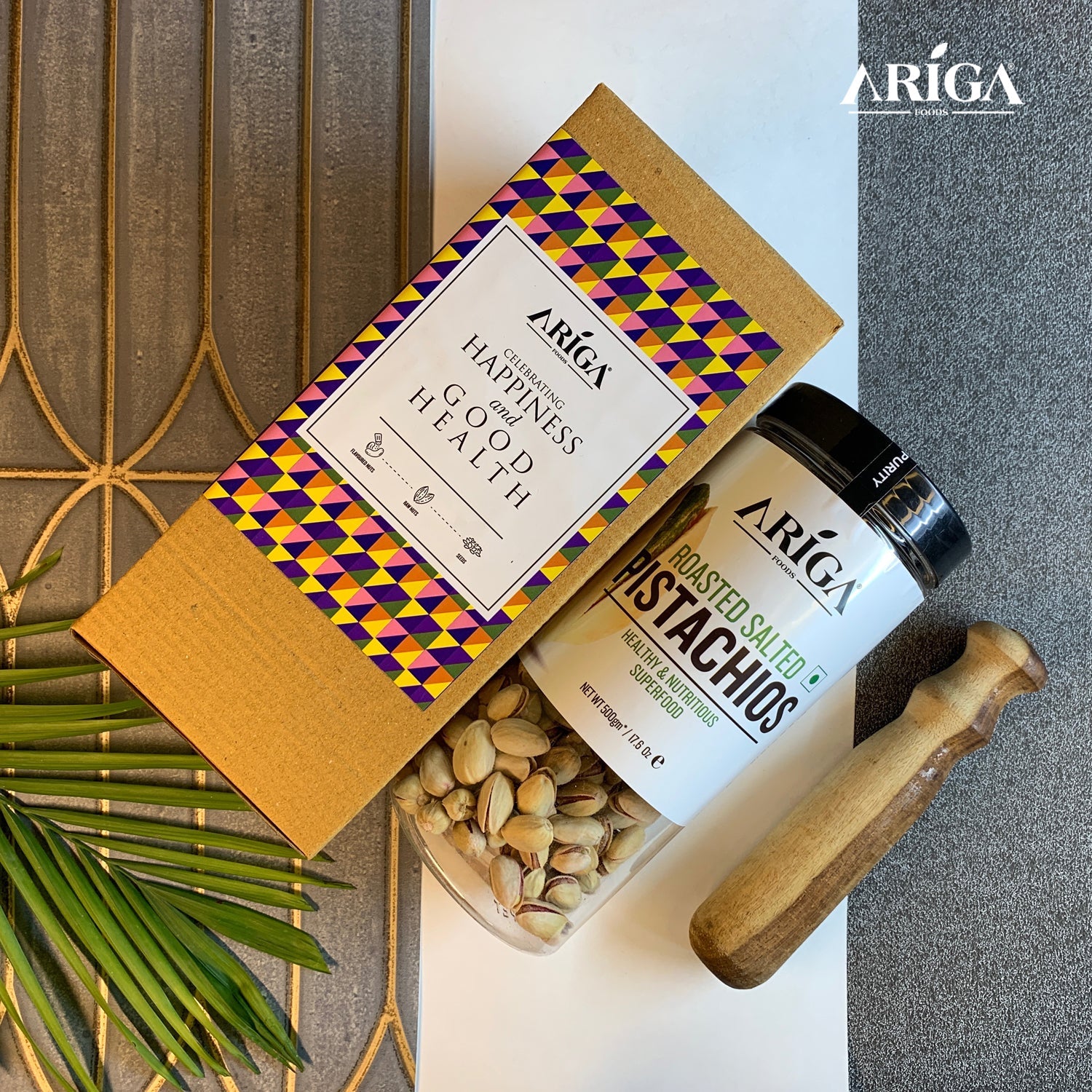
What Are Some of the Best and Safe Nuts for Those With Nut Allergies?
A close friend of mine found out she was allergic to cashews in her late twenties, which honestly surprised both of us because she had eaten them her whole childhood without a problem.
One evening after a bowl of mixed dry fruits, her lips started tingling and her throat felt tight, and that one incident changed how she eats snacks for good.
What struck me most, watching her navigate this afterwards, was how confusing the whole "safe nuts" conversation actually is.
Some people can eat almonds but not cashews. Some react to walnuts but are completely fine with pistachios.
And some cannot touch anything that grows on a tree but do perfectly fine with seeds.
I am not a doctor, and if you or someone in your family has a diagnosed nut allergy, please treat this as a starting point for a conversation with an allergist, not a replacement for one.
But I have spent a fair bit of time researching this alongside my friend, partly out of curiosity and partly because I wanted to still be able to share snacks with her without worrying, and I want to pass on what I have learned, especially around what actually tends to work as a safer alternative.
Why Nut Allergies Are So Individual
The first thing that surprised me is that a nut allergy is rarely a blanket allergy to "all nuts."
Tree nuts like almonds, cashews, walnuts, and pistachios each carry their own distinct proteins, and someone can be allergic to one and completely fine with another.
This is exactly why an allergist visit with proper testing matters so much before anyone assumes they need to avoid everything.
That said, cross reactivity is common enough that many doctors do recommend caution across the board once a tree nut allergy is confirmed, at least until testing clarifies things further.
This is where my friend ended up. Rather than cautiously testing her way through almonds and walnuts, she and her doctor decided it made more sense to explore genuinely nut-free alternatives that still gave her that same satisfying, crunchy snacking experience.
Seeds Became Her Actual Answer
This is the part I did not expect going into all this. Seeds are not tree nuts at all, botanically speaking, and for a lot of people with tree nut allergies, seeds turn out to be a genuinely safe and satisfying substitute, though of course, seed allergies do exist too and should never be assumed safe without checking first.
My friend started slow, trying one seed variety at a time under her doctor's guidance, and over a few months built up a small rotation that now sits permanently in her kitchen.
Pumpkin Seeds
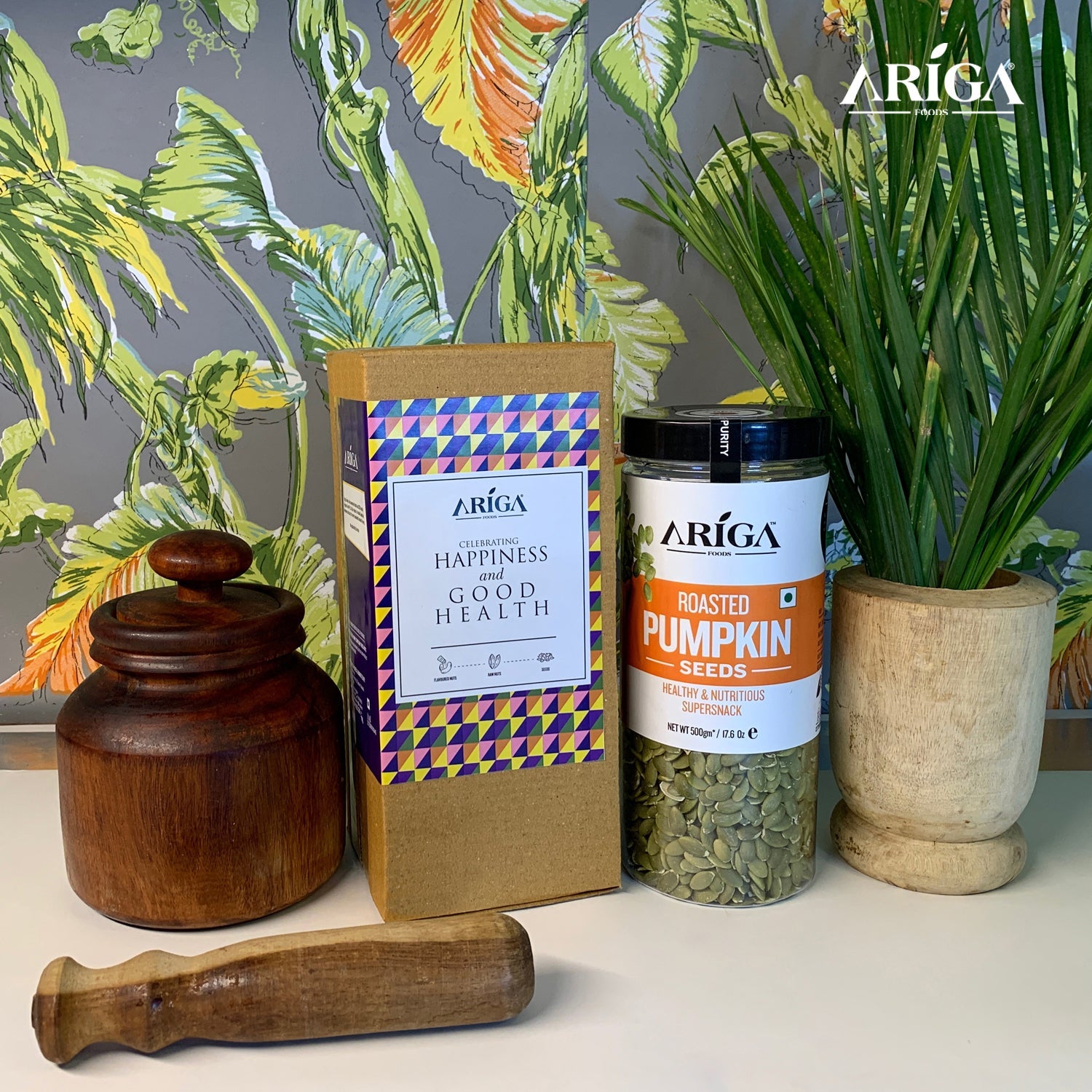
Pumpkin seeds ended up being her favourite by a wide margin. She started with the raw pumpkin seeds, plain and unroasted, mostly because she wanted the most basic version first to rule out any reaction.
Once that was clearly fine, she moved on to the roasted pumpkin seeds, which are dry roasted with no oil and have that same satisfying crunch she used to get from cashews.
She now regularly picks up the Indian Masala flavoured ones too, roasted with masala and herbs, and occasionally the Natkhat Nimbu version when she wants something tangy.
None of these use any oil in the roasting process, which she appreciates both for the lighter feel and for keeping things closer to their natural form.
Flax Seeds
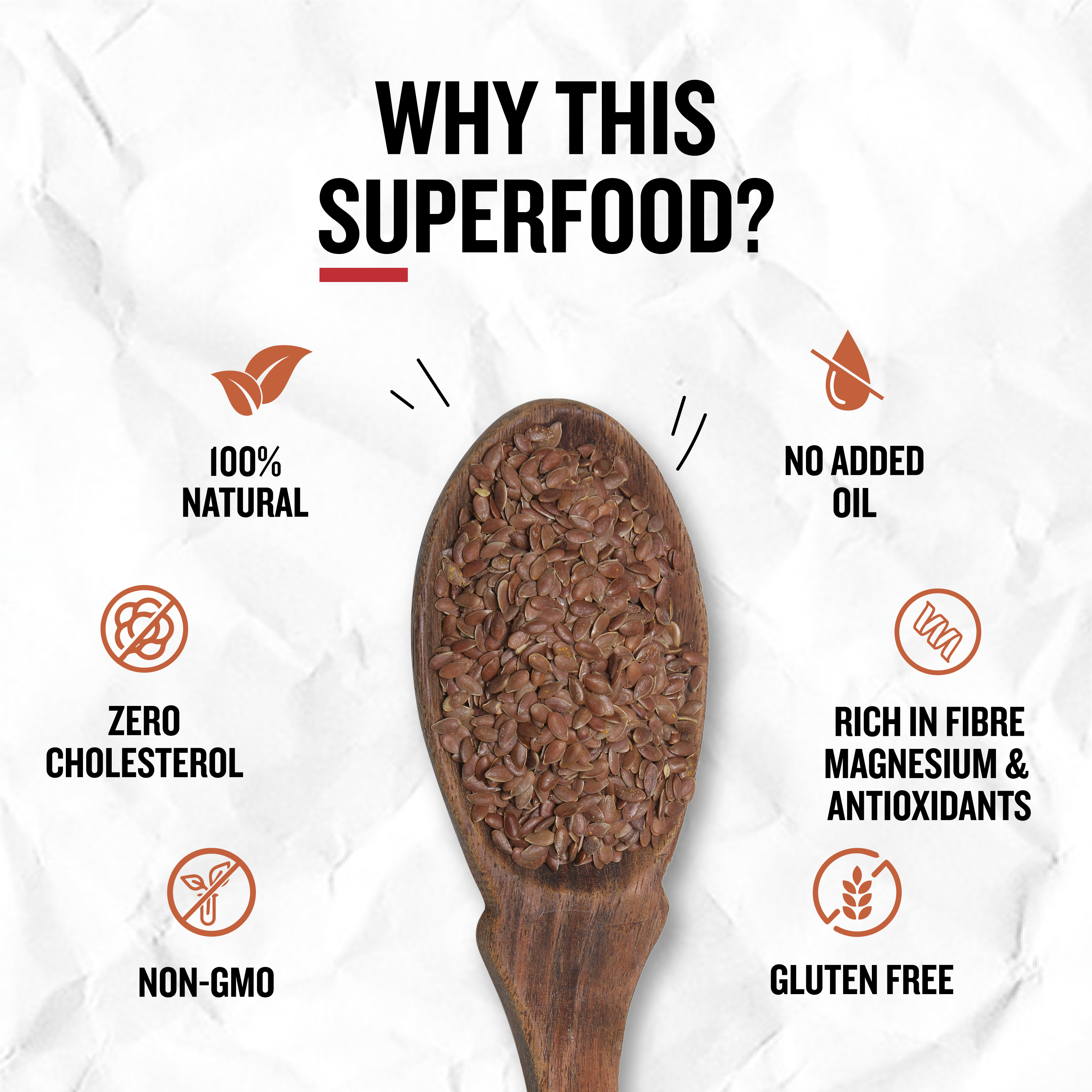
Flax seeds, or alsi as she still calls them from her mother's kitchen, became her quiet everyday addition rather than a standalone snack.
She sprinkles the raw flax seeds over her morning yogurt, and keeps a jar of the roasted, turmeric-blended version for when she wants a small handful on its own. It happens to be one of the more affordable options in her rotation too, so she never feels like she is rationing it.
Chia Seeds
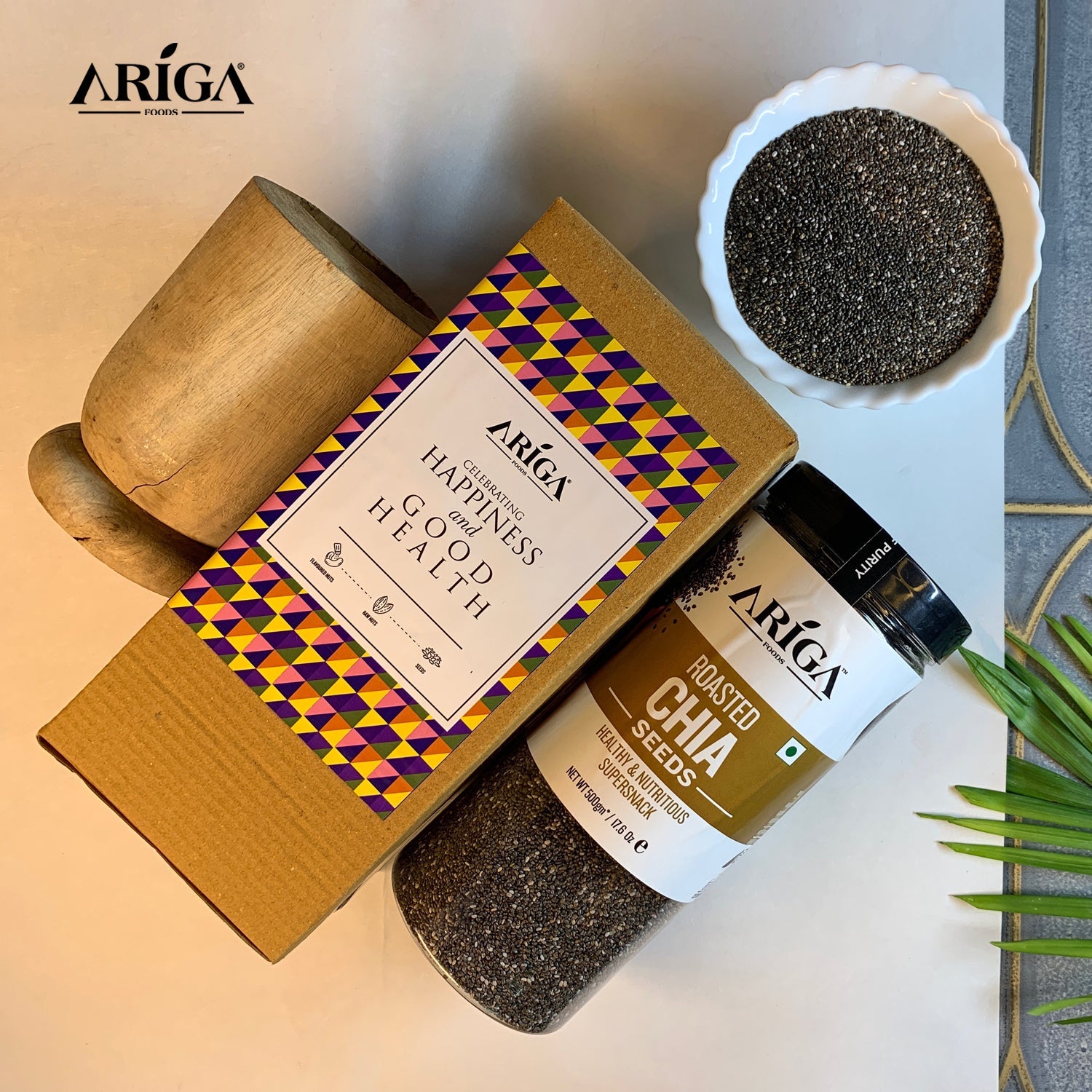
Chia took a bit of getting used to. The raw version, which goes through a double sortex cleaning process for purity, is what she mainly uses, soaked in water or milk, since that gel-like texture is genuinely an acquired taste. What she actually snacks on more often is the roasted chia, which has a crunchier bite and does not form that gel texture the way raw chia does when soaked.
It became part of her weight-conscious eating routine, something she mentioned her doctor was glad to hear given how fibre-dense chia is.
Sunflower Seeds
Plain raw sunflower seeds are what she keeps around for the days she just wants something simple and familiar, closer to what she remembers from before her allergy.
There is no flavouring on these, just the seed on its own, and she has told me more than once that the plainness is actually what she likes about them.
Watermelon Seeds
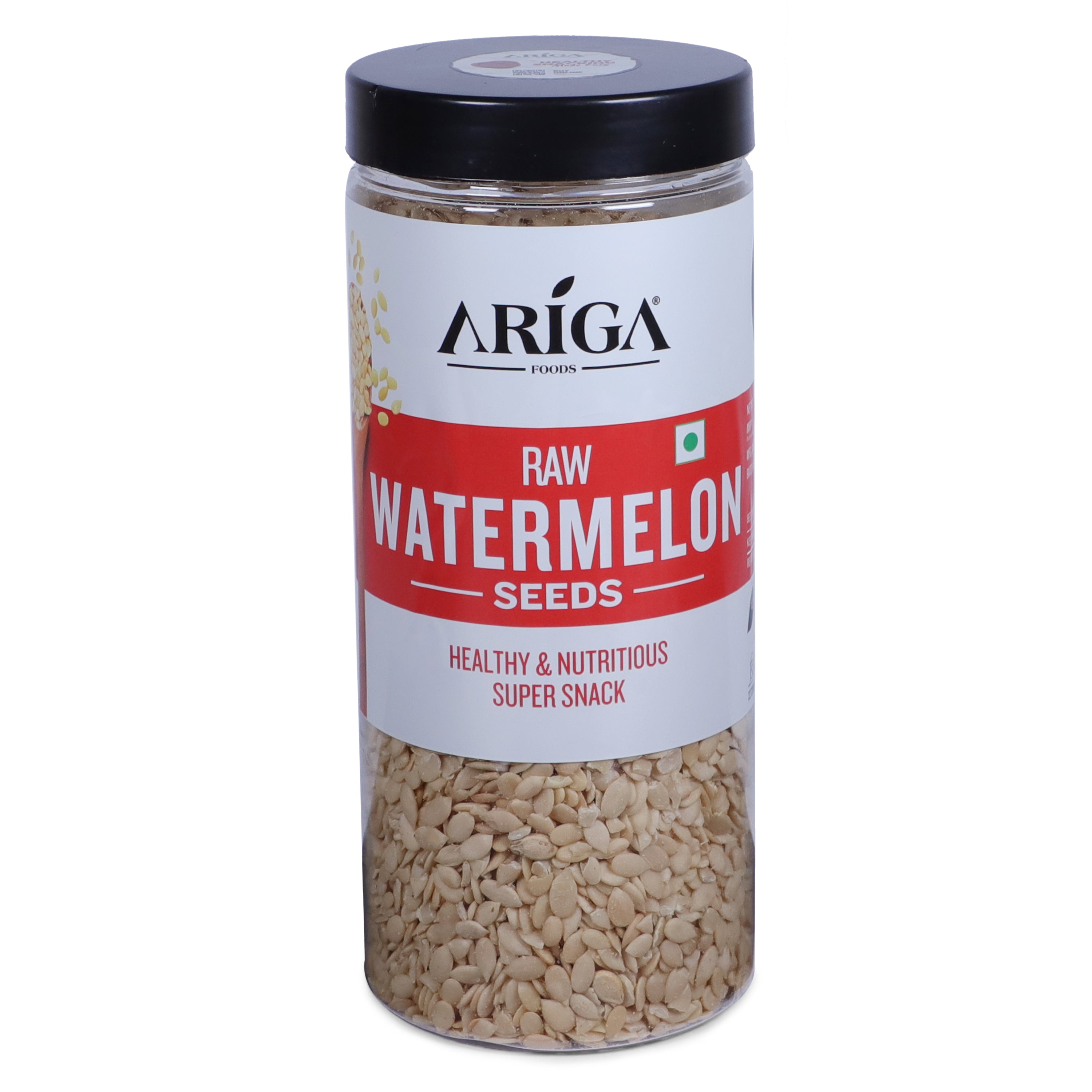
This one she almost skipped because it felt unusual, watermelon seeds are not exactly a common snack outside of certain regional cuisines, but she now includes raw watermelon seeds in her rotation specifically because they are protein rich and different enough from everything else that it keeps her snacking from feeling repetitive.
The Mixed Seeds Blend She Keeps for Busy Days
On days she does not want to think about which seed to reach for, she keeps a jar of a roasted 5-in-1 mixed seeds blend, combining pumpkin, flax, chia, sunflower, and watermelon seeds all roasted together with no oil.
It has become her go-to grab-and-go option, and honestly, I have started keeping a jar of this myself even though I do not have any allergies, simply because it is a convenient way to get a bit of everything in one handful.
A Few Practical Things We Learned Along the Way
Read every label, every single time. Even products that seem plain can sometimes be processed in facilities that also handle tree nuts, so cross-contamination risk is real and worth checking for, especially with smaller or less established brands.
My friend specifically looks for products that are made in a dedicated, in-house facility rather than outsourced across multiple third-party units, since that generally means tighter control over what else touches the production line.
Start with one new seed at a time, in a small amount, ideally with your doctor aware of what you are trying. This is not the moment to experiment with a big mixed bag on day one.
Texture matters more than people expect. A lot of the appeal of nuts, at least for my friend, was the crunch. Roasted seeds, done without oil, tend to replicate that far better than raw seeds do, so if crunch is what you are missing, that is worth exploring first.
And lastly, do not assume "seed" automatically means "safe." Seed allergies, while less common than tree nut allergies, absolutely exist.
This entire approach only works when it is done alongside proper medical guidance, not as a shortcut around it.
Watching my friend rebuild her relationship with snacking after that scare taught me that a nut allergy does not have to mean giving up on crunchy, satisfying, flavourful snacking altogether.
It just means finding what actually works for your body, carefully, and with the right guidance alongside you.
People Also Ask
What are good nut-free alternatives for people with tree nut allergies?
Seeds such as pumpkin, sunflower, flax, chia, and watermelon seeds are commonly used as nut-free alternatives since they are botanically unrelated to tree nuts. However, seed allergies do exist, so anyone with a diagnosed nut allergy should introduce new seeds gradually and under medical guidance.
Can someone be allergic to one nut but not another?
Yes, this is actually quite common. Tree nuts like almonds, cashews, walnuts, and pistachios each contain different proteins, so a person can react to one specific nut while tolerating others fine. An allergist can help identify exactly which nuts are safe through proper testing.
Are seeds a safe substitute for nuts in snacking?
For many people with tree nut allergies, seeds are a safe and satisfying substitute, offering similar crunch and nutrition without the tree nut proteins that trigger reactions. That said, they should always be introduced carefully and confirmed safe with a doctor first.
Is cross-contamination a real risk with nut-free snacks?
Yes, products that do not contain nuts as an ingredient can still carry trace amounts if they are processed in a facility that also handles tree nuts. Checking whether a brand manufactures in-house versus outsourcing production can help reduce this risk.
What is the difference between raw and roasted seeds for someone avoiding nuts?
Raw seeds are unroasted and often used in cooking or soaking, while roasted seeds, especially when done without oil, tend to offer a crunchier texture closer to what people miss from nuts. Both are nutritionally valuable, but roasted versions are generally more snackable on their own.
Should I see a doctor before trying nut-free alternatives if I have a nut allergy?
Yes, this is strongly recommended. Even foods considered generally safe, like seeds, can carry allergy risks for certain individuals, so any new addition to your diet after a nut allergy diagnosis should ideally be discussed with an allergist first.
Related Products


Ariga Foods King Size Premium Cashew Nuts 1kg | Dry Fruit Kaju 240 Grade
100% premium quality dry fruits Cashews 240 big size kaju nutritious food for healthy eating. Buy Cashew nuts (Kaju) online in India at Ariga Foo...
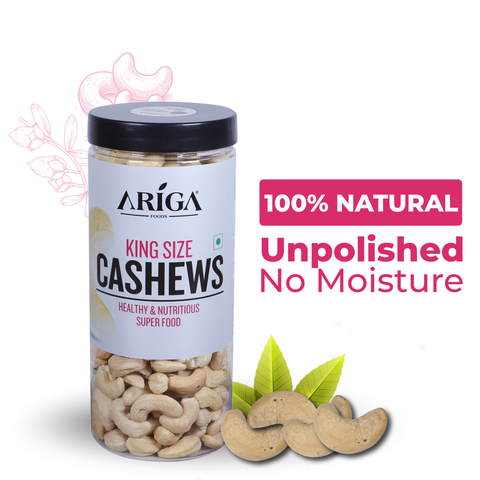

Ariga Foods King Size Premium Cashew Nuts 500g | Dry Fruit Kaju 240 Grade
100% premium quality dry fruits Cashews 240 big size kaju nutritious food for healthy eating. Buy Cashew nuts (Kaju) online in India at Ariga Foo...
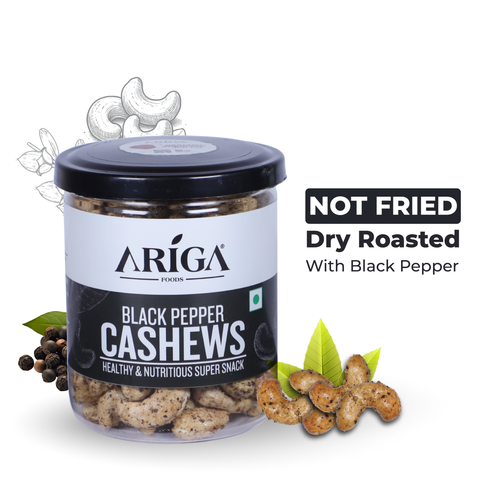

Black Pepper Cashews 200g | Roasted 100% Premium Kaju
'100% premium quality dry fruits roasted cashews sprinkled with black pepper kaalimirch from Ariga Foods. Dry roasted with no oil, these roasted ...
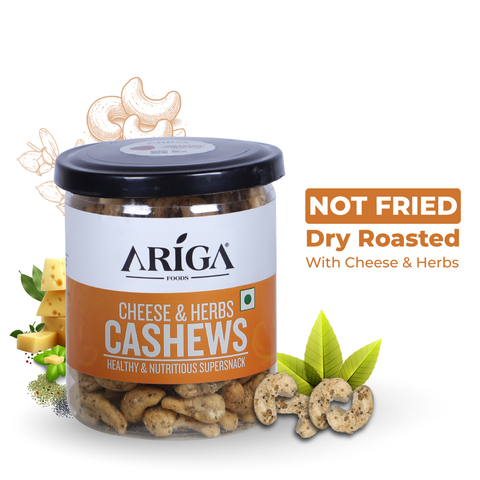

Cheese & Herbs Cashews 200g | Roasted 100% Premium Kaju
Ariga Foods premium quality roasted cashews with cheese & herbs are dry roasted with no oil. Crunchy and delicious dry fruit. Buy roasted and...
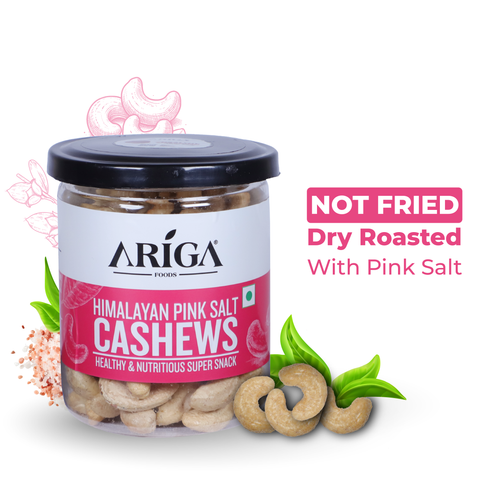

Himalayan Pink Salt Cashews 200g | Roasted 100% Premium Kaju
Ariga Foods 100% premium quality dry fruits roasted cashews with pink salt for healthy eating. Big size kaju crunchy and nutritious. Buy roasted ...
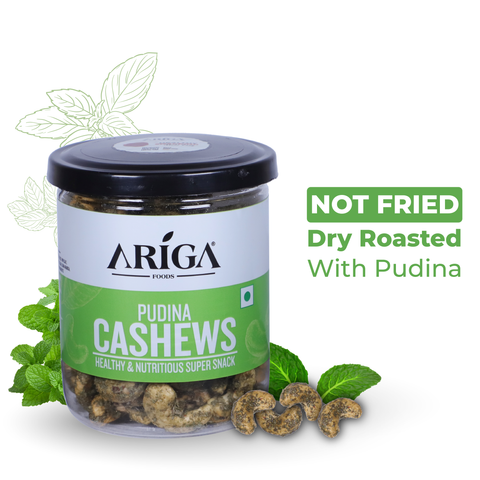

Pudina Cashews 200g | Roasted 100% Premium Kaju
Ariga Foods roasted salted cashews are toasted with dry pudina particals. This makes the roasted cashews tasy and crunchy. These cashew nuts are ...
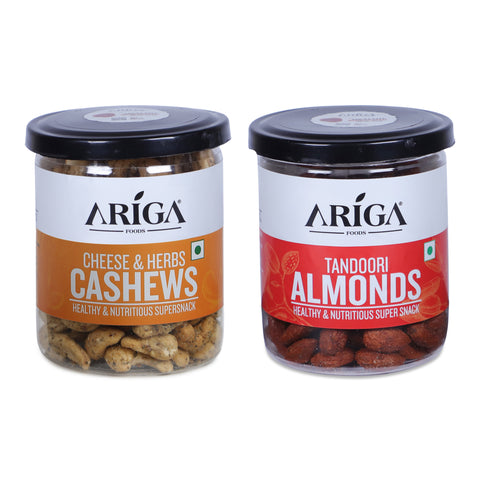

Tandoori Almonds 200g + Cheese & Herbs Cashews 200g (Dry Fruits Combo Pack 400g)
100% premium quality product from Ariga Foods. Ariga Tandoori Almonds and Cheese & Herbs Cashews are flavoured with Tandoori Masala and Cheese ...
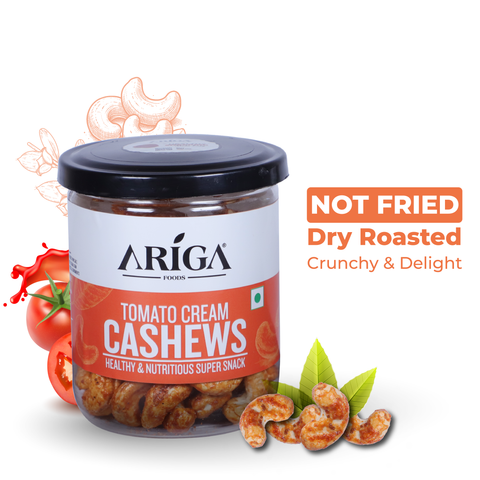

Tomato Cream Cashews 200g | Roasted 100% Premium Kaju
100% premium quality roasted and slated cashews toasted with real tomato and cream from Ariga Foods. Dry roasted cashews with no oil. Crunchy and...


Ariga Foods Premium California Almonds 1kg
100% premium quality dry fruits badam giri from Ariga Foods, sourced from California, USA. Buy California Almonds (Badaam) online in India at Ari...
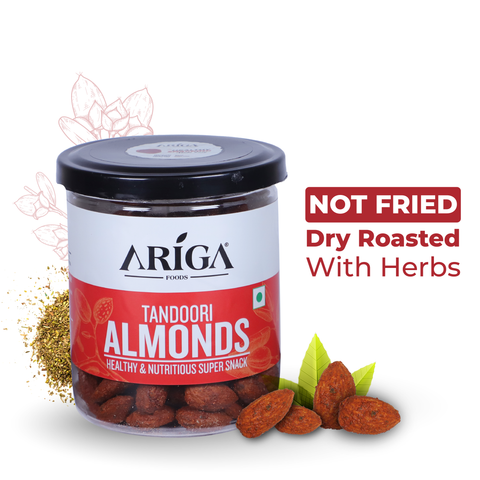

Ariga Foods Roasted Tandoori Almonds 200g
Ariga Foods premium quality dry fruits roasted almonds tandoori masala are dry roasted with no oil. Buy roasted almonds online at Ariga Foods. No...


Ariga Foods Premium California Almonds 500g
100% premium quality dry fruits badam giri from Ariga Foods, sourced from California, USA. Buy California Almonds (Badaam) online in India at Ari...


Ariga Foods Premium California Almonds 200g
100% premium quality dry fruits badam giri from Ariga Foods, sourced from California, USA. Buy California Almonds (Badaam) online in India at Ari...
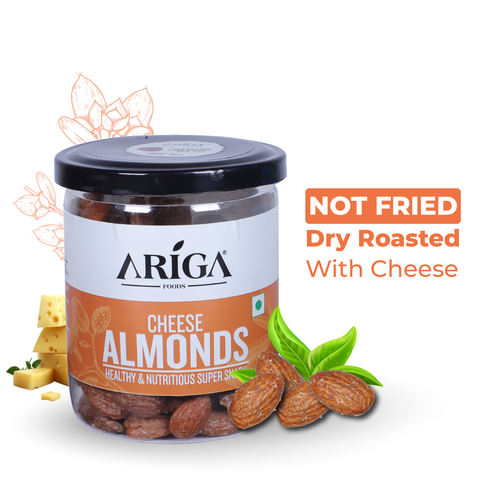

Cheese Almonds 200g | Roasted 100% Premium Badam
Ariga Foods dry fruits roasted almonds are wrapped with cheese. 100% premium quality badam. These nutrition roasted almonds are crunchy and delic...
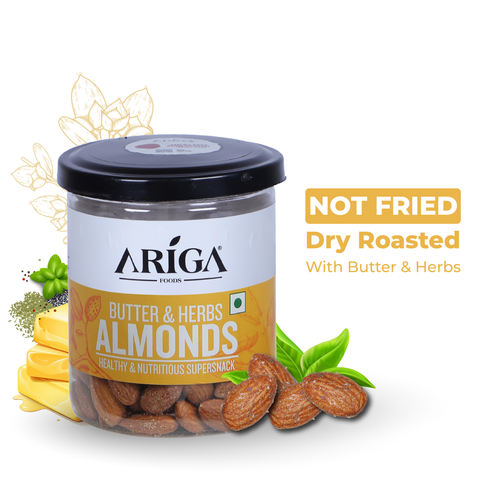

Butter & Herbs Almonds 200g | Roasted 100% Premium Badam
100% premium quality dry fruits roasted almonds toasted with butter & herbs from Ariga Foods. Dry roasted with no oil, these nutrition roast...
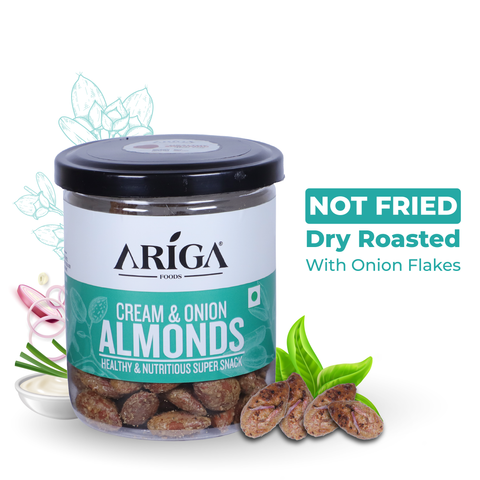

Cream & Onion Almonds 200g | Roasted 100% Premium Badam
100% premium quality dry fruits roasted almonds with cream & onion from Ariga Foods. Dry roasted almonds with no oil. Crunchy and delicious. N...
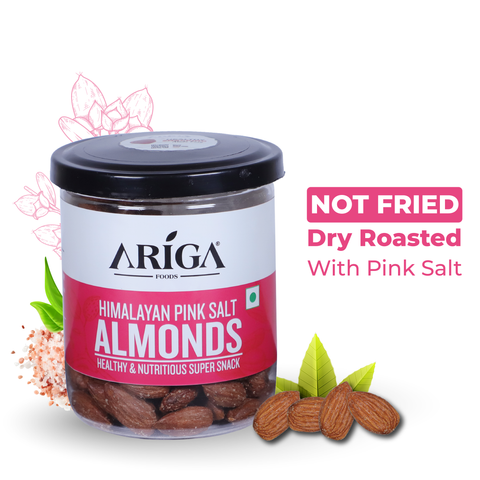

Himalayan Pink Salt Almonds 200g | Roasted 100% Premium Badam
100% premium quality dry fruits roasted almonds with pink salt from Ariga Foods, dry roasted with no oil. Crunchy and delicious. Buy roasted almo...
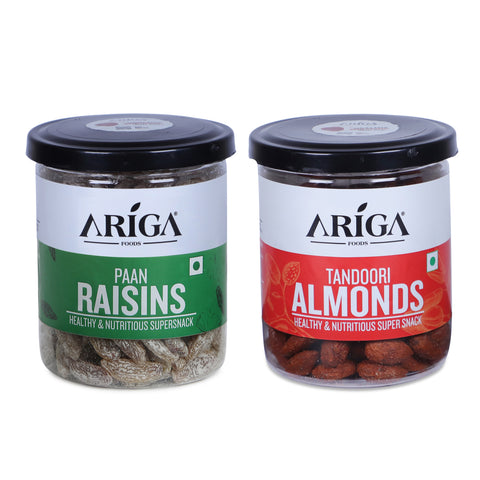

Tandoori Almonds 200g + Paan Raisins 250g (Dry Fruits Combo Pack 450g)
100% premium quality product from Ariga Foods. Ariga Tandoori Almonds and Paan Long Rasins are flavoured with Tandoori Masala and Paan flavour res...
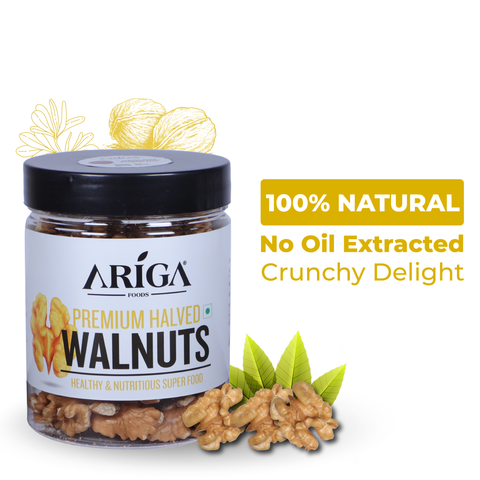

Ariga Foods Premium Halved Walnuts 150g
100% premium quality walnuts akhrot giri, without shell halved walnuts consumed as supersnack. Premium quality walnut kernels- Crunchy & Deli...
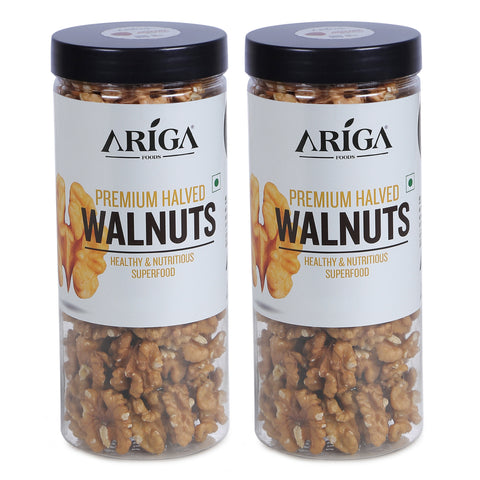

Ariga Foods Premium Halved Walnuts 700g
100% premium quality walnuts akhrot giri, without shell halved walnuts consumed as supersnack. Premium quality walnut kernels- Crunchy & Deli...
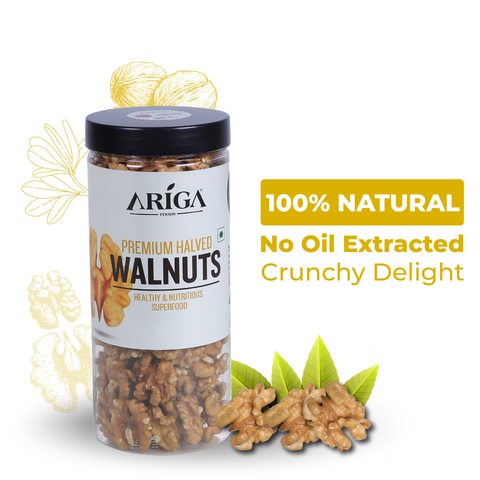

Ariga Foods Premium Halved Walnuts 350g
100% premium quality walnuts akhrot giri, without shell halved walnuts consumed as supersnack. Premium quality walnut kernels- Crunchy & Deli...
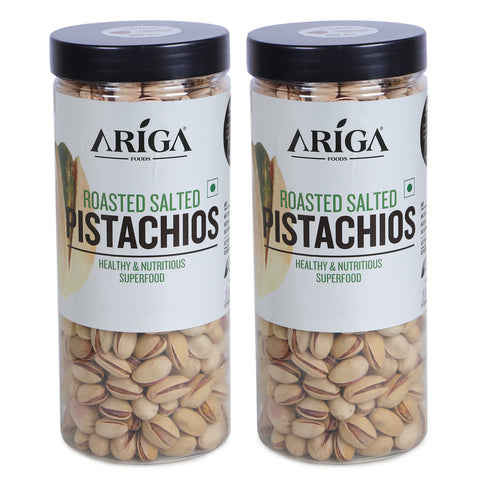

Premium Roasted & Salted Pistachios 1kg
100% premium quality pista dry fruits. Roasted & salted pistachios, consumed as supersnack. Buy Pistachio nuts (Pista) online in India at Arig...
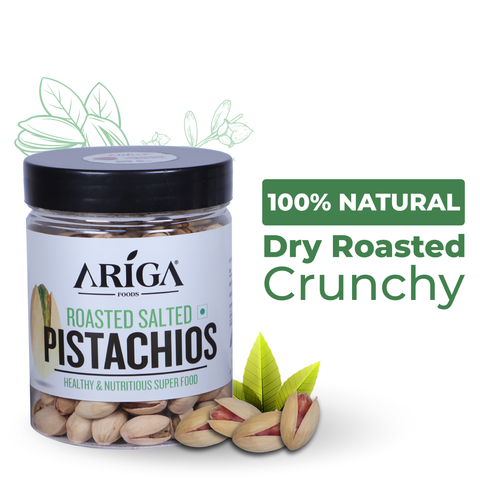

Premium Roasted & Salted Pistachios 200g
100% premium quality pista dry fruits. Roasted & salted pistachios, consumed as supersnack.Buy Pistachio nuts (Psita) online in India at Ariga ...


Premium Roasted & Salted Pistachios 500g
100% premium quality pista dry fruits. Roasted & salted pistachios, consumed as supersnack.Buy Pistachio nuts (Psita) online in India at Ariga ...
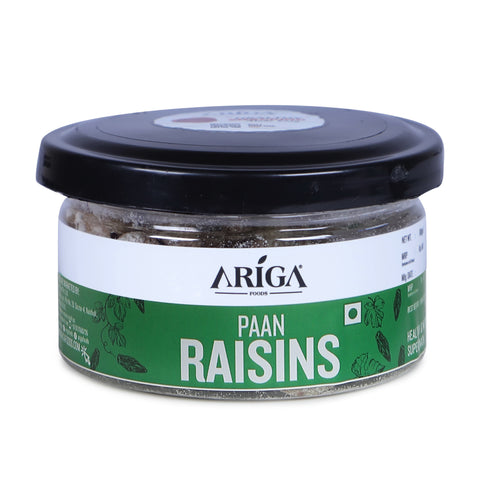

Paan Raisins 100g | Premium Long Green Kishmish
100% premium quality product from Ariga Foods. Ariga Paan Raisins are consumed as supersnack as they are the best replacement for junk food. Pac...
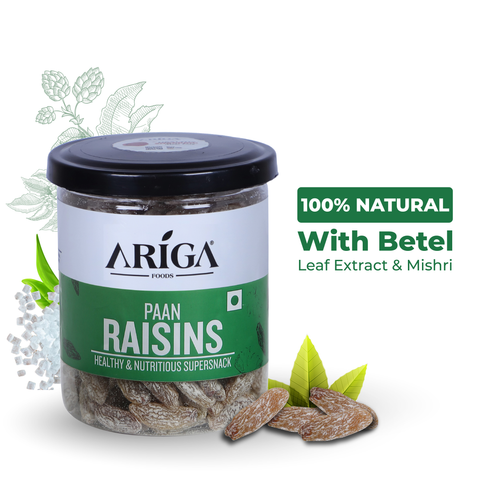

Paan Raisins 250g | Premium Long Green Kishmish
100% premium quality raisins kismis made with real pan extract to bring the taste of mukhwas. These are long size green raisins dry fruit. Buy gr...
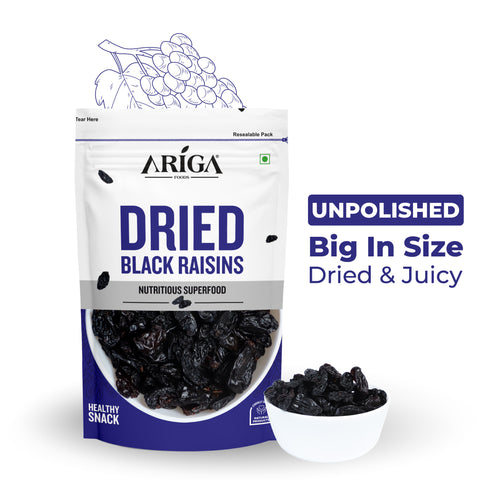

Premium Afghani Black Raisins 200g | Ariga Foods
100% premium quality black raisins. Healthy alternative to processed food and snacks. Buy black raisins online at Ariga Foods. They are also know...
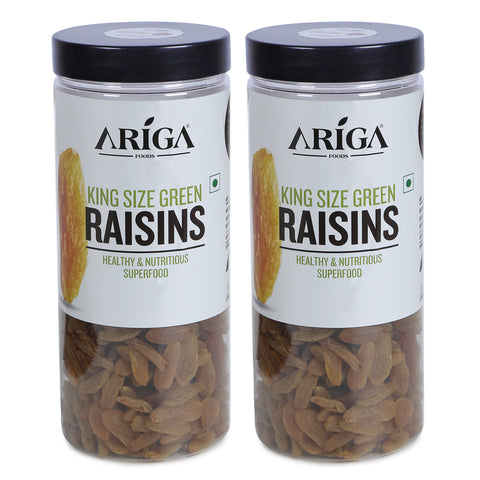

Premium Green Raisins 1kg
100% premium quality raisins kismis. Long size green raisins dry fruit, best replacement for junk food. Buy Indian raisins online at Ariga Foods....
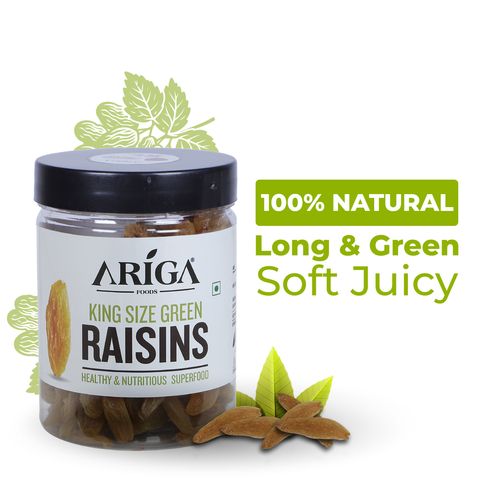

Premium Green Raisins 250g
100% premium quality raisins kismis. Long size green raisins dry fruit, best replacement for junk food. Buy Indian raisins online at Ariga Foods....
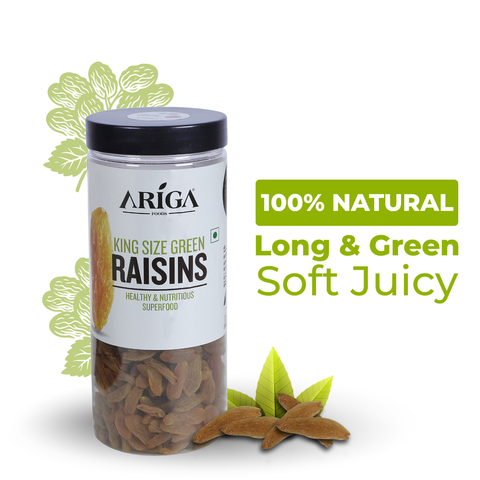

Premium Green Raisins 500g
100% premium quality raisins kismis. Long size green raisins dry fruit, best replacement for junk food. Buy Indian raisins online at Ariga Foods....
About Us
Ariga Foods is the innovative Retail and B2B brand by Ariganic Food Pvt. Ltd. Our vision is to make Superfood convenient and tasty for every household around the world.
Read moreSUBSCRIBE & FOLLOW
TAG CLOUD