
Trail Mixes for Insomnia: Ingredients That Promote Better Sleep
I went through a stretch a couple of years ago where I was waking up at three in the morning almost every night, wide awake for no obvious reason, then dragging through the next day running on fumes.
It was genuinely miserable, and I tried a handful of things before landing on something that actually seemed to help, alongside the more important changes like fixing my screen time before bed and keeping a more consistent schedule.
A small bedtime snack, specifically a trail mix built around a few sleep-relevant ingredients, became part of my evening routine, and while I want to be careful not to oversell what it did, it genuinely became one small, useful piece of getting my sleep back on track.
I am not a doctor, and if you are dealing with ongoing insomnia, especially anything lasting more than a few weeks or seriously affecting your daily life, that is genuinely worth discussing with a doctor rather than relying on diet alone.
What I want to share here is what the actual research says about food and sleep, and how I built a snack around it that became a small, sustainable part of my routine.
What Nutrition Actually Has to Do With Sleep
Certain nutrients play a genuine, if modest, role in how well your body regulates sleep.
Magnesium is one of the more researched ones, involved in relaxing muscles and supporting the nervous system's transition into rest, and some studies have linked low magnesium levels to more restless, disrupted sleep.
Tryptophan, an amino acid found in various foods, is a building block your body uses to produce serotonin and eventually melatonin, the hormone most directly responsible for regulating your sleep-wake cycle.
I want to be precise here, since a lot of casual sleep advice overstates this. Eating a tryptophan-rich food does not instantly make you sleepy the way a sleeping pill would.
These are gradual, cumulative nutritional factors that support the body's own sleep processes over time, not a fast-acting remedy.
Nuts and Seeds for Magnesium and Tryptophan
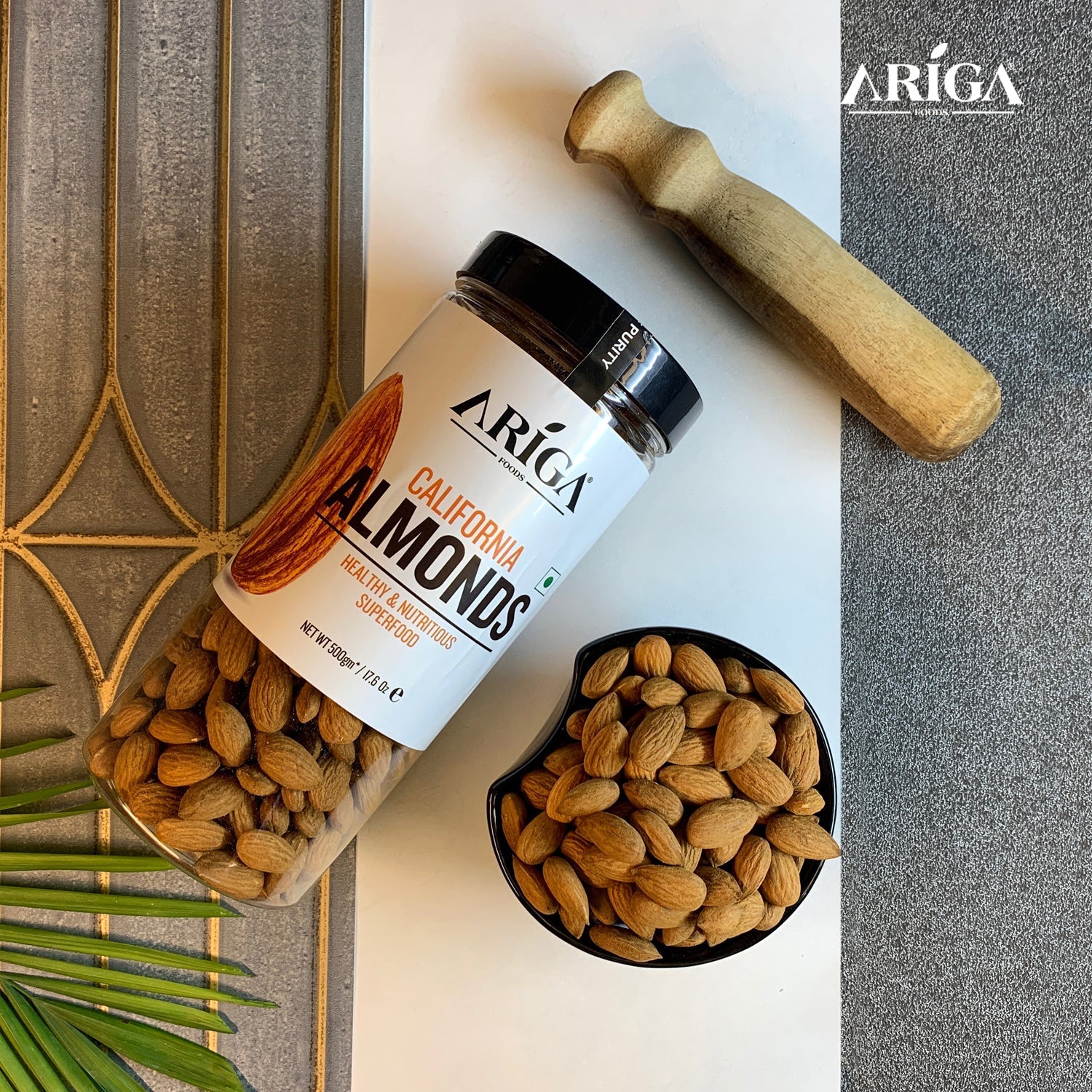
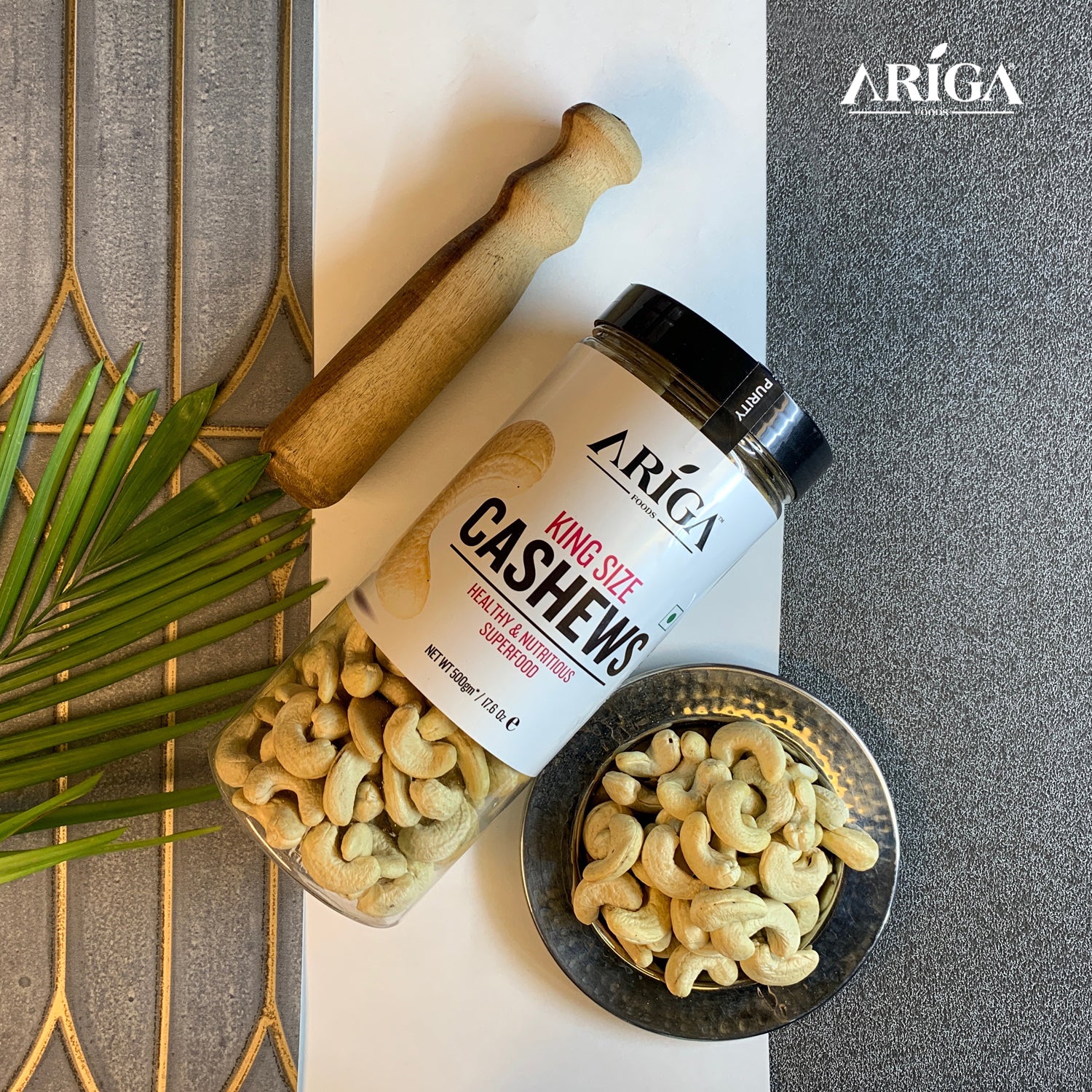
Almonds, cashews, and walnuts are all genuinely solid sources of magnesium, and research has consistently connected adequate magnesium intake to better sleep quality, particularly in older adults and people with diagnosed insomnia.
Beyond magnesium, these nuts contain some tryptophan and healthy fats, the fats specifically helping to keep blood sugar more stable overnight, which can reduce the kind of middle-of-the-night waking that a blood sugar dip sometimes triggers.
Ariga Foods' Healthy Nut Mix, a 6-in-1 blend combining almonds, cashews, walnuts, and raisins, became my actual go-to for this reason, an easy way to get a meaningful dose of magnesium and healthy fats in one handful before bed.
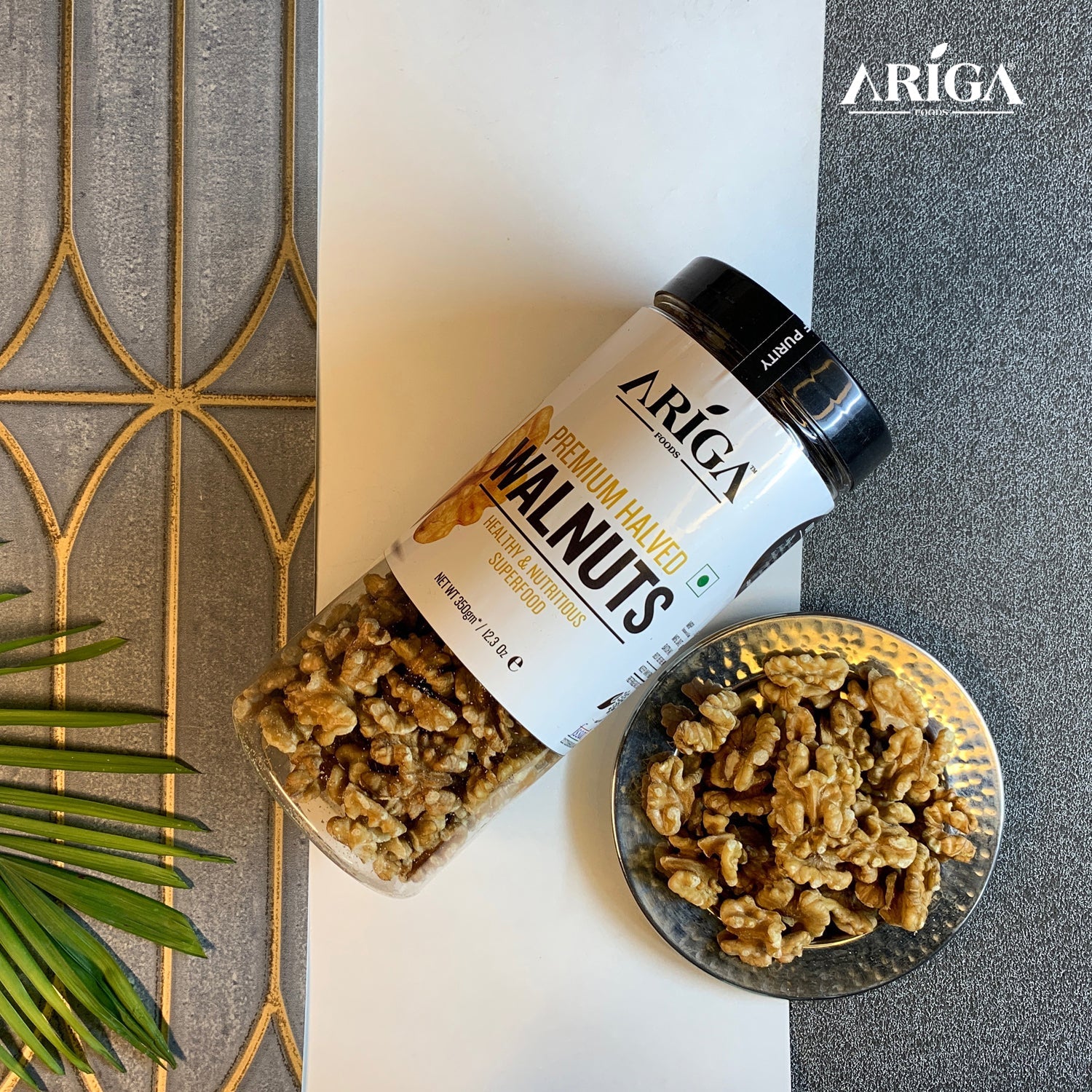
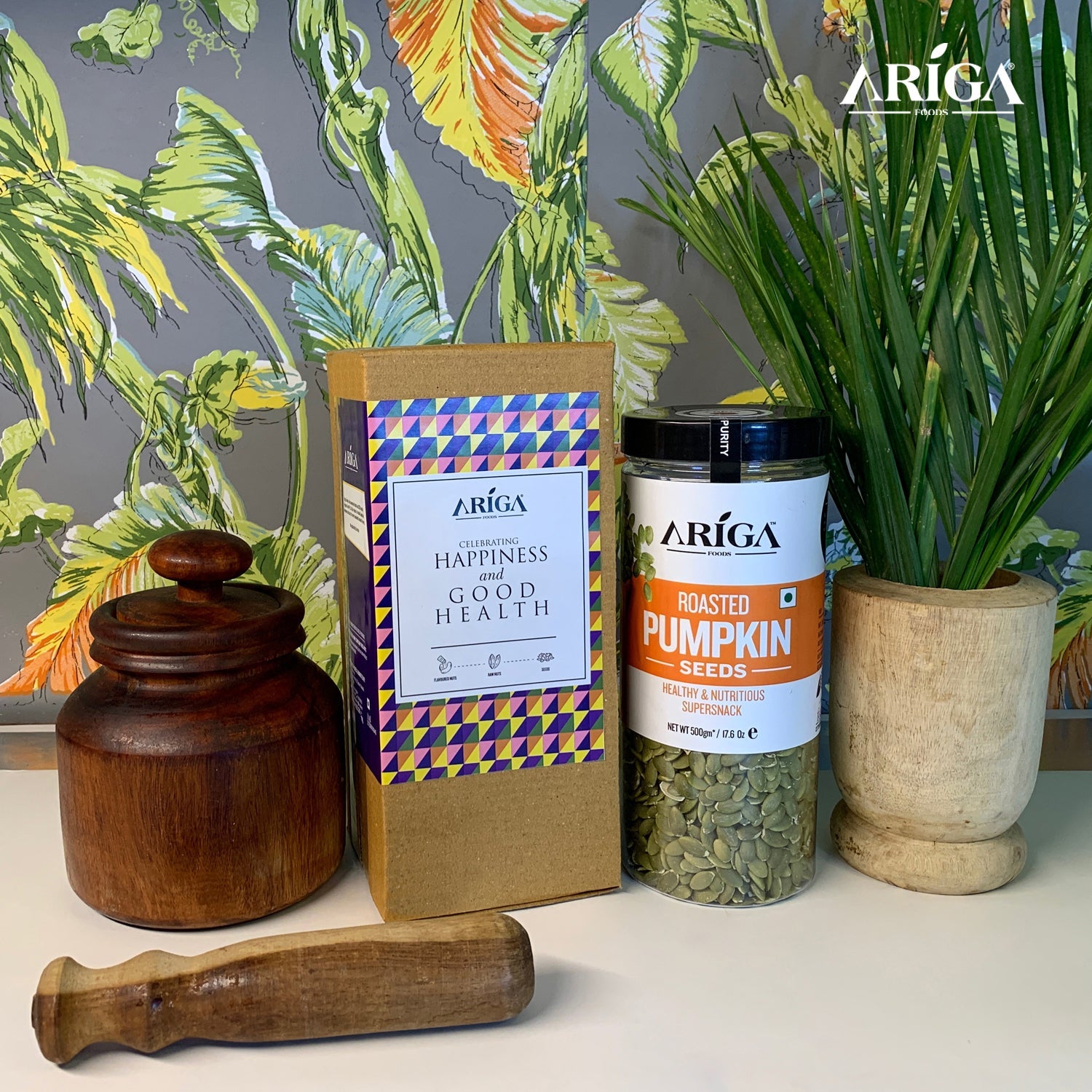
Pumpkin seeds deserve a specific mention here too, since they are genuinely well regarded for both their magnesium and tryptophan content.
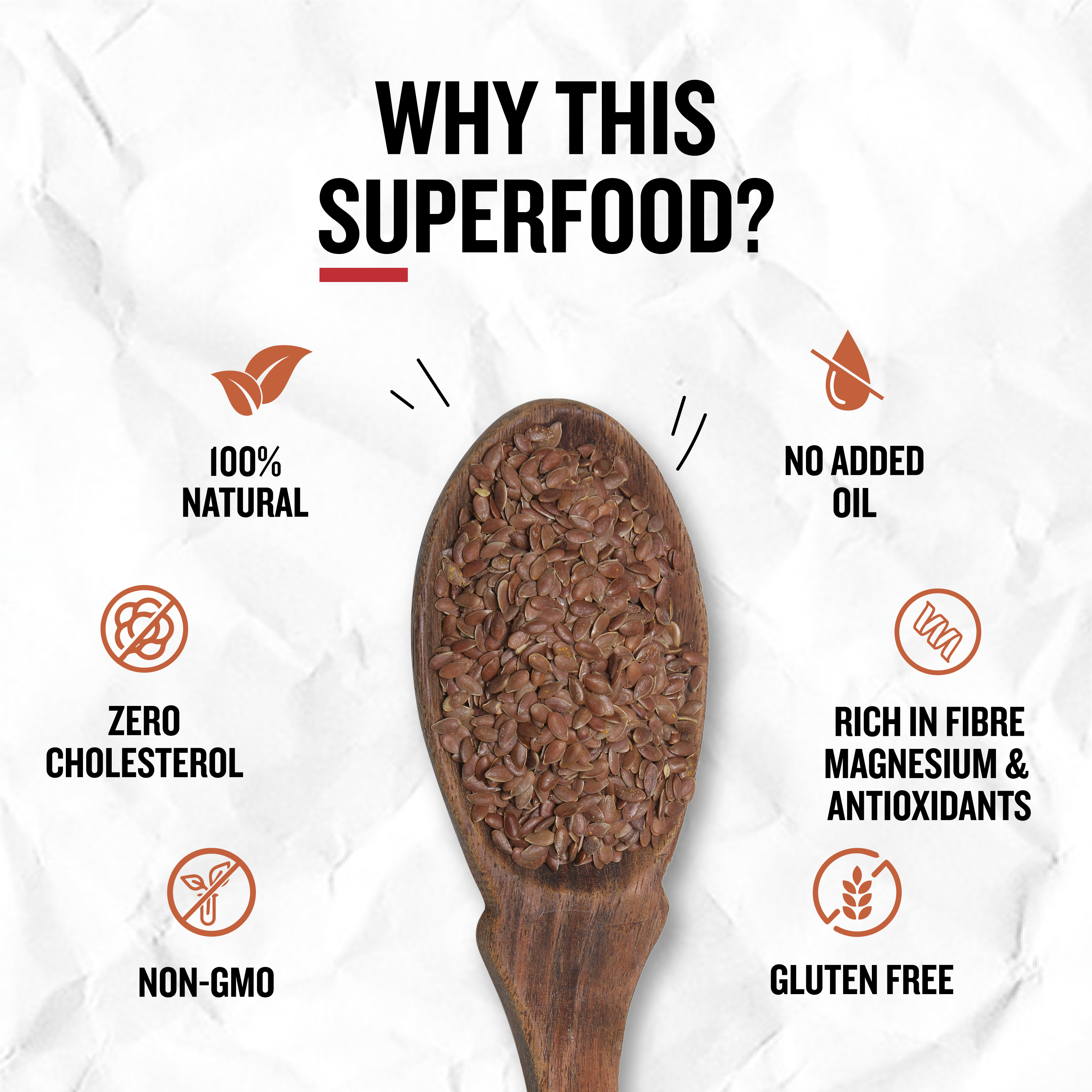
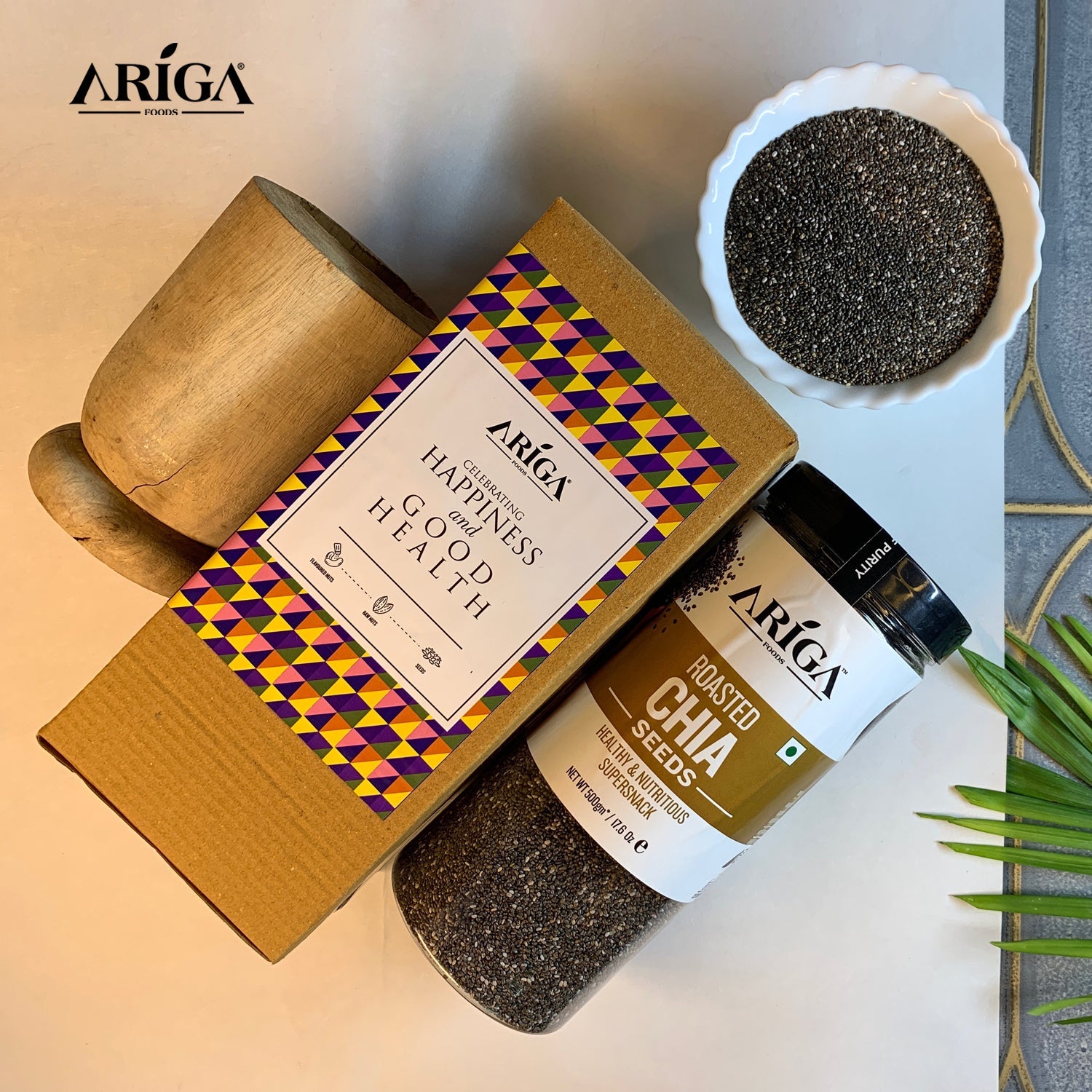
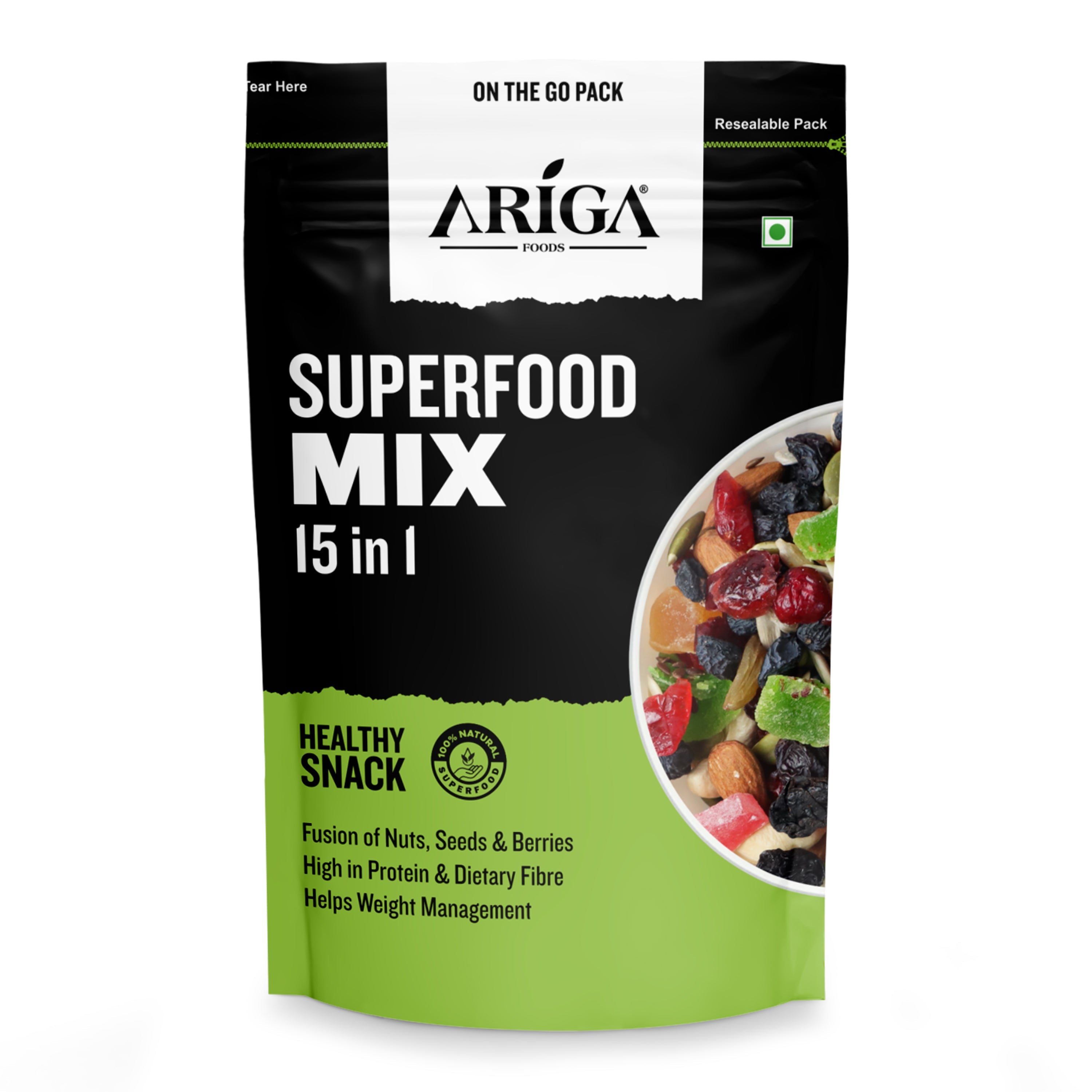
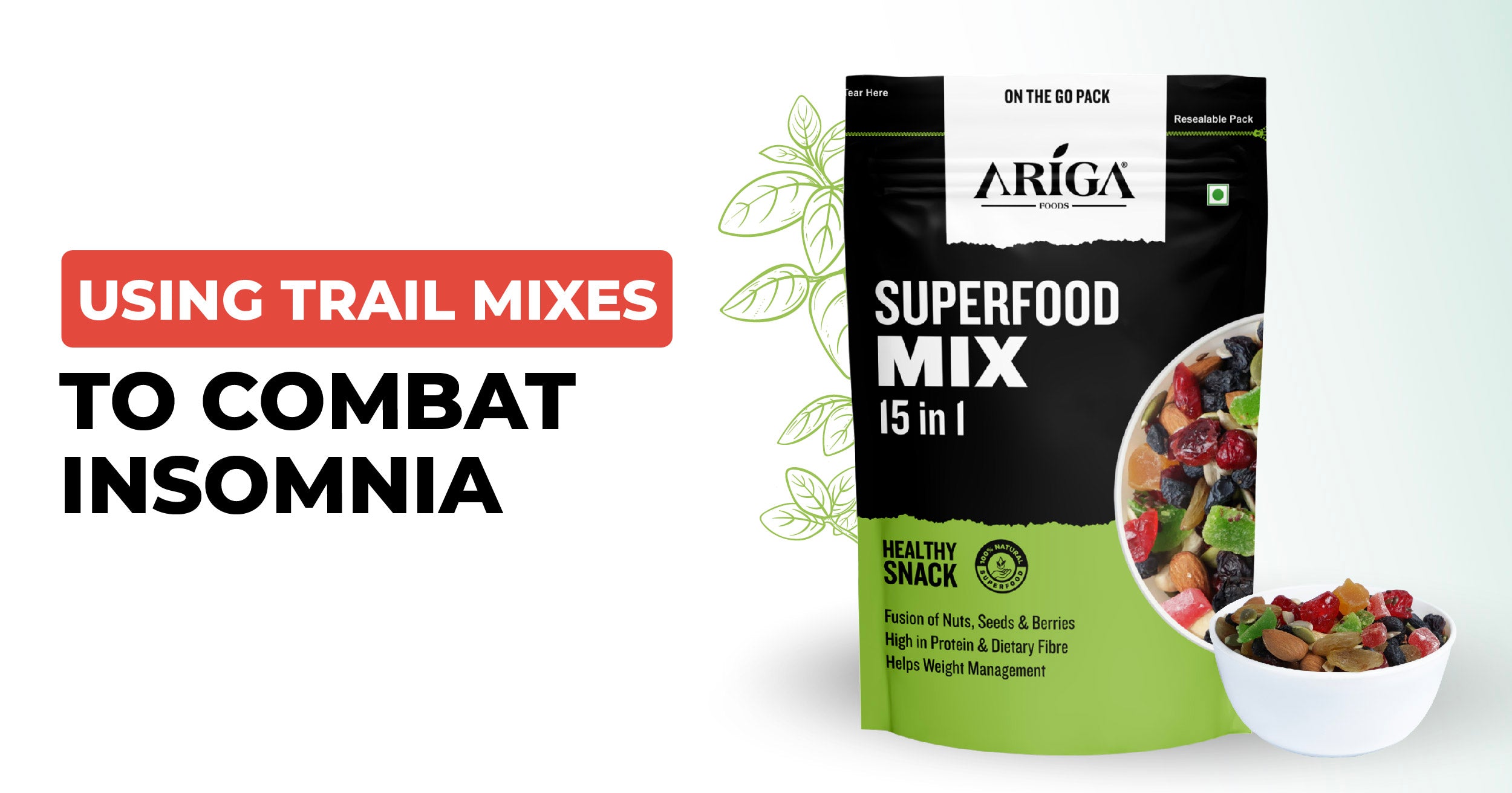
I started adding a spoon of roasted pumpkin seeds to my evening routine specifically for this reason, and Ariga's Superfood Mix, a 15-in-1 combination that includes roasted seeds like pumpkin and flax alongside a range of nuts and dried fruits, became a convenient way to get this variety without assembling it myself every night.
Being Honest About Berries and Melatonin
This is where I want to correct something that gets repeated a lot online, myself included at one point. Tart cherries specifically are one of the few well-documented natural food sources of melatonin, with several small clinical studies showing genuine, if modest, improvements in sleep duration and quality with regular tart cherry consumption.
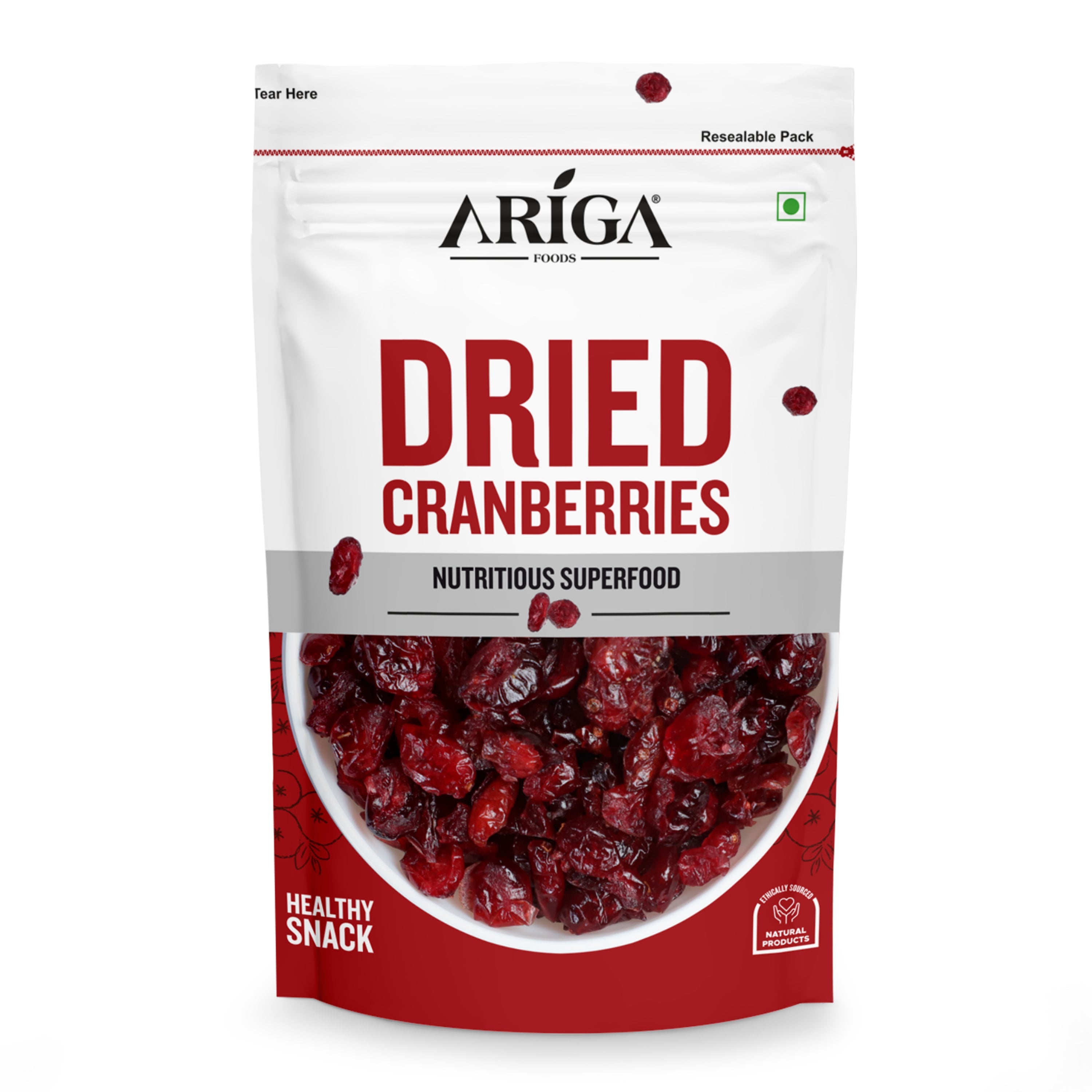
Other berries, cranberries, blueberries, strawberries, do not have the same level of research behind them for melatonin content specifically, though they remain genuinely good sources of antioxidants, which support overall health in ways that indirectly benefit sleep quality over time.
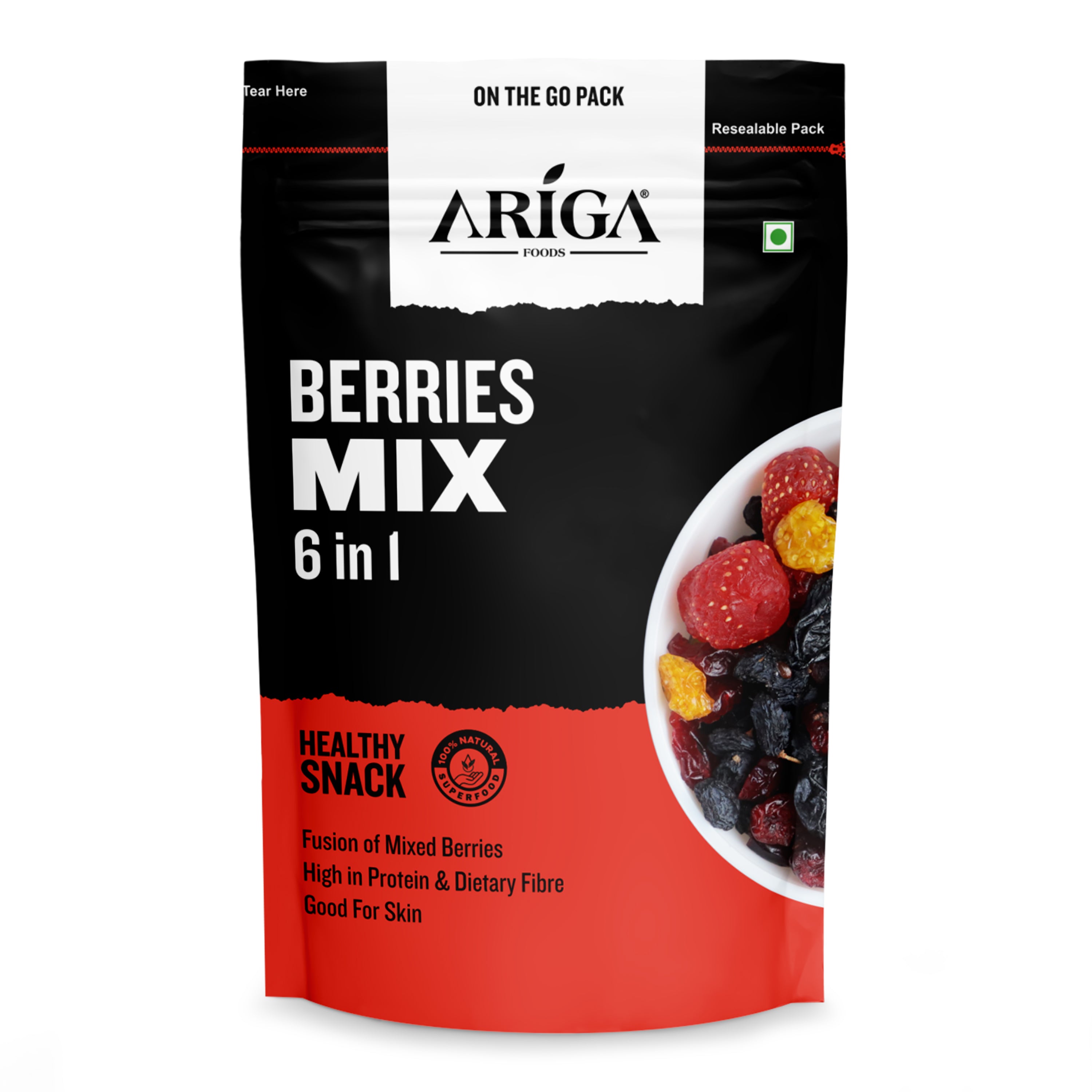
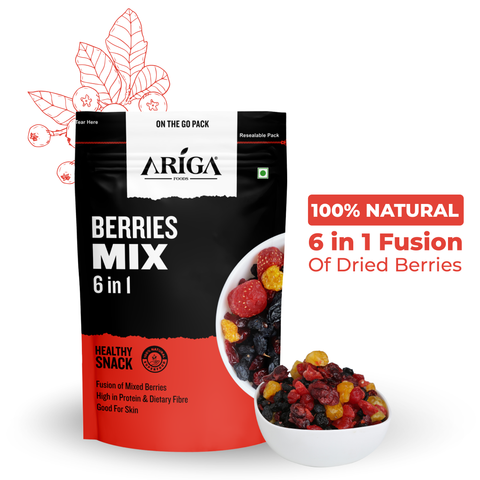
Ariga Foods' Berries Mix, a 6-in-1 blend including dried cranberries, blueberries, and strawberries among other dried berries, is a genuinely good low-calorie, antioxidant-rich addition to an evening snack, but I want to be accurate rather than overselling it as a melatonin powerhouse the way I have seen some articles do.
Fruits For a Touch of Natural Sweetness
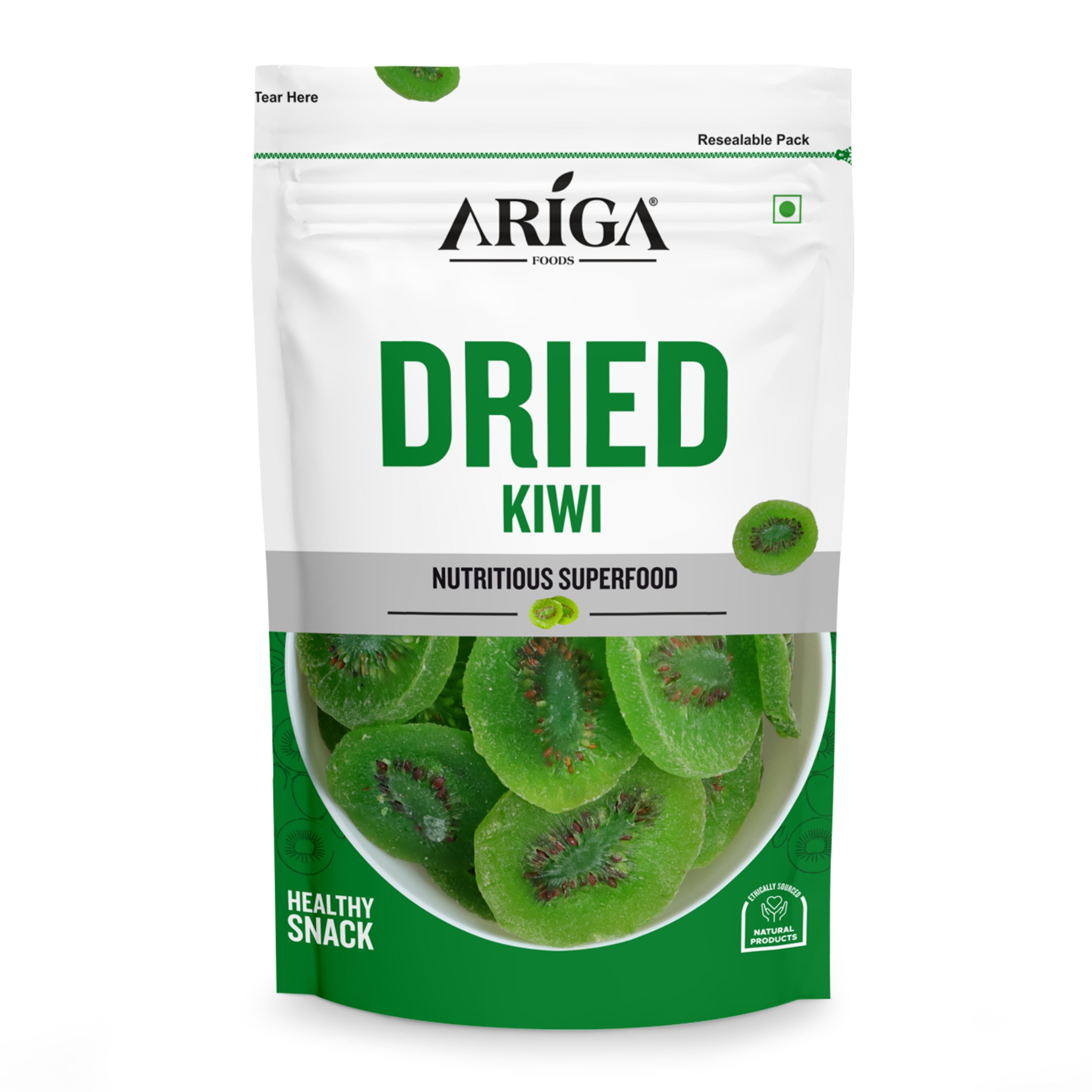
Dried fruits like kiwi, papaya, mango, and pineapple round out a good evening trail mix nicely.
Kiwi specifically has some interesting, if limited, research behind it, a small clinical study found modest sleep improvements in participants who ate kiwi before bed, thought to be linked to its serotonin content, though I would treat this as an interesting data point rather than a proven remedy given how small that particular study was.
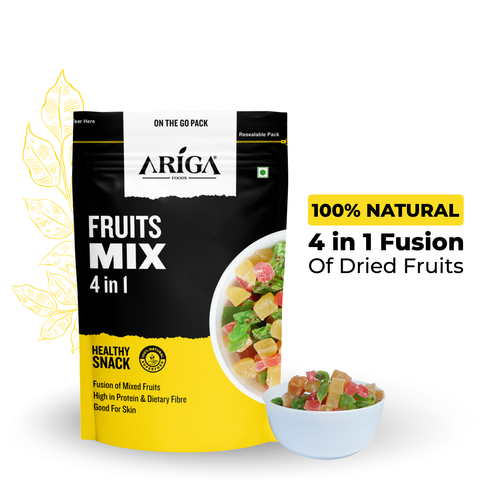
Ariga's Fruits Mix, a 4-in-1 blend including kiwi, papaya, mango, and pineapple, has become a nice way to satisfy a sweet craving in the evening without reaching for something processed.
How I Actually Built My Bedtime Snack Habit
I settled on a small, consistent portion, roughly a quarter cup, eaten about an hour before bed.
Enough to feel satisfying without being a full meal that could interfere with digestion right before sleep, which research generally suggests is worth avoiding, large or heavy snacks close to bedtime can disrupt sleep rather than help it.
Some nights I lean on the nut-heavy mixes for the magnesium, other nights I prefer the berries mix when I want something a bit lighter and more fruit-forward.
I have found that keeping a rotation rather than eating the exact same thing every night keeps the habit from feeling like a chore, which matters more than people expect for actually sticking with something long term.
What I Would Tell Anyone Struggling With Sleep
A bedtime trail mix is a genuinely reasonable, low-risk habit to try if you are looking to support better sleep through diet, but it works as one small supportive piece alongside the things that actually matter most, consistent sleep and wake times, limiting screens before bed, managing stress, and creating a genuinely restful sleep environment.
If your sleep struggles are persistent, severe, or affecting your daily functioning, please see a doctor rather than relying on dietary changes alone.
Insomnia can have many underlying causes, some of which need proper medical evaluation rather than a snack, however well-chosen.
What genuinely helped me was not any single ingredient, but building a small, consistent bedtime ritual that signalled to my body it was time to wind down.
The trail mix became part of that ritual, but the ritual itself, the consistency, mattered just as much as anything in the bowl.
People Also Ask
Can trail mix actually help with insomnia?
Trail mix containing magnesium-rich nuts, tryptophan sources like pumpkin seeds, and antioxidant-rich berries can be a supportive part of a sleep-friendly evening routine, but it is not a treatment for insomnia. Persistent sleep difficulties should be evaluated by a doctor.
Which foods actually contain melatonin?
Tart cherries are one of the most well-documented natural food sources of melatonin, with several studies showing modest sleep benefits from regular consumption. Other fruits like kiwi and grapes contain smaller, less-studied amounts.
Does magnesium really help with sleep?
Research has found a genuine, if modest, association between adequate magnesium intake and better sleep quality, particularly in older adults and people with diagnosed insomnia. Nuts and seeds like almonds, cashews, and pumpkin seeds are good dietary sources.
What is the best time to eat a sleep-supporting snack before bed?
Roughly an hour before bedtime is commonly recommended, with a small, light portion rather than a large meal, since heavy snacks close to bedtime can interfere with digestion and disrupt sleep.
Do all berries contain melatonin?
No, this is a common misconception. Tart cherries have the strongest evidence for melatonin content among fruits, while other berries like cranberries, blueberries, and strawberries are valuable for their antioxidants but are not well-documented melatonin sources.
When should I see a doctor about ongoing sleep problems instead of relying on diet?
If sleep difficulties last more than a few weeks, happen most nights, or are significantly affecting your daily life, energy, or mood, it is worth consulting a doctor. Chronic insomnia can have underlying causes that dietary changes alone cannot address.
Related Products

Premium Dried Berries Mix 200g | Trail Mix 6 in 1 | Ariga Foods
Ariga Foods premium quality Berries Mix. Healthy alternative to processed food and snacks. Buy Berries mix online at Ariga Foods. Ariga Foods mix...

Premium Dried Fruits Mix 200g |Trail Mix 4 in 1 | Ariga Foods
100% premium quality dried fruits mix from Ariga Foods. Enjoy healthy eating of mixed berries than processed food and snacks. Buy fruits mix trai...
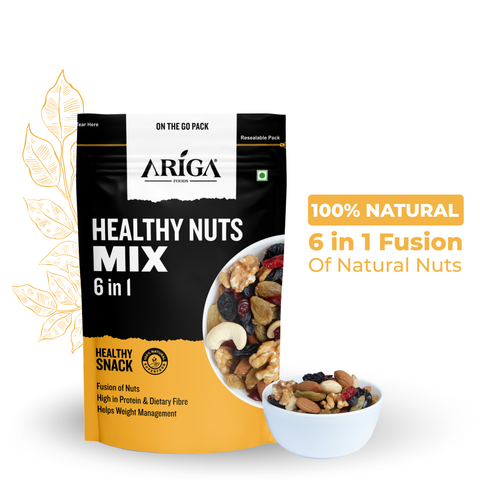

Premium Healthy Nutmix 200g | Trail Mix 6 in 1 | Ariga Foods
100% premium quality Healthy Nut Mix from Ariga Foods. Healthy alternative to processed food and snacks. Buy trail mix online at Ariga Foods. Ari...


Premium Nuts & Berries Mix 200g | Trail Mix 8 in 1 | Ariga Foods
100% premium quality trail mix nuts and berries from Ariga Foods. Healthy alternative to processed food and snacks. Buy trail mix online, Nuts &a...


Premium Nuts & Roasted Seeds Mix 200g | Trail Mix 8 in 1 | Ariga Foods
100% premium quality Nuts & Seeds mix from Ariga Foods. Healthier than processed food and snacks. Buy nuts trail mix online at Ariga Foods. 8...
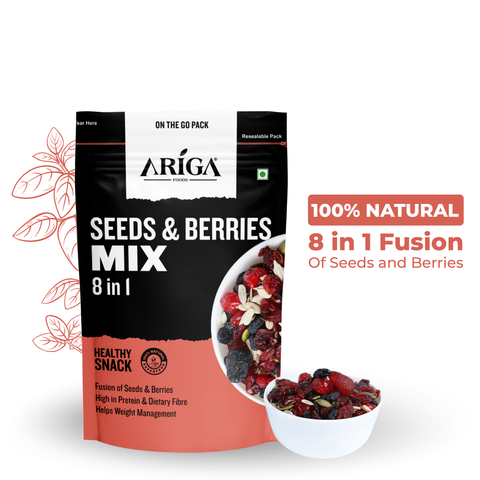

Premium Roasted Seeds & Berries Mix 200g | Trail Mix 8 in 1 | Ariga Foods
Ariga Foods premium quality Seeds & Berries Mix is a perfect choice. Healthy alternative to processed food and snacks. Buy trail mix online a...
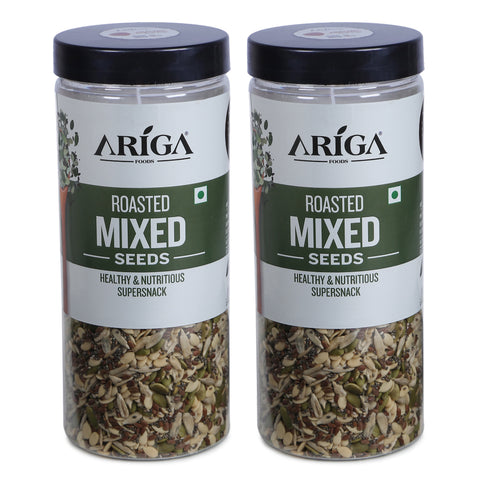

Roasted Mixed Seeds 1kg | 5 in 1 Trail Mix
100% premium quality roasted seeds mix 5 in 1 made of pumpkin, flax, chia, sunflower and watermelon seeds. Roasted with perfection without oil. B...
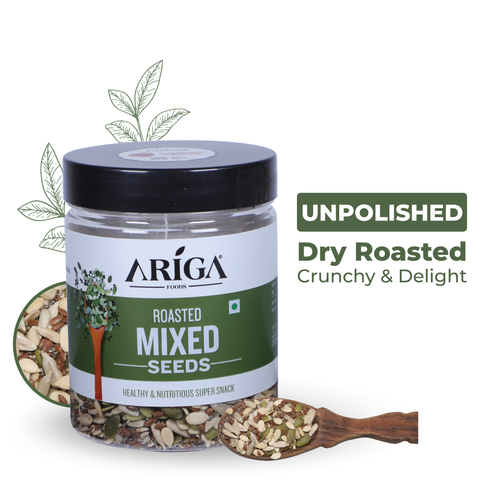

Roasted Mixed Seeds 200g | 5 in 1 Trail Mix
100% premium quality roasted seeds mix 5 in 1 made of pumpkin, flax, chia, sunflower and watermelon seeds. Roasted with perfection without oil. B...
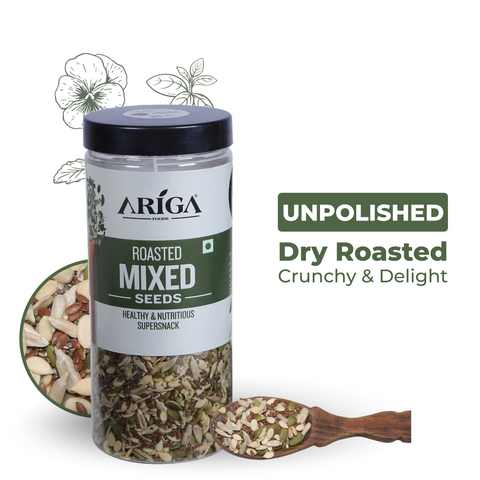

Roasted Mixed Seeds 500g | 5 in 1 Trail Mix
100% premium quality roasted seeds mix 5 in 1 made of pumpkin, flax, chia, sunflower and watermelon seeds. Roasted with perfection without oil.Buy ...


Trail Mix Diwali Gift Box Assorted Mix of Nuts, Seeds & Berries | 4 Packs 800g | Ariga Foods
Trail Mix Gift Box For Diwali- Assorted with Nuts, Seeds & Berries. This gift hamper contains- Trail Mix 15 in 1, Berries Mix 6 in 1, Healthy N...


Gratitude Diwali Gift Box Pack Of 4 | Roasted- Cheese Almonds, Pudina Cashews, Superfood Trail Mix- 15 in 1, Dried Berries Mix- 6 in 1 | Premium Gift Pack Of 680g | For Family, Friends, Corporates | Ariga Foods
Gratitude Gift Box for Diwali- Assorted Seed, Nuts & Berries. This gift hamper contains- Roasted- Cheese Almonds 150g + Pudina Cashews 130g + S...
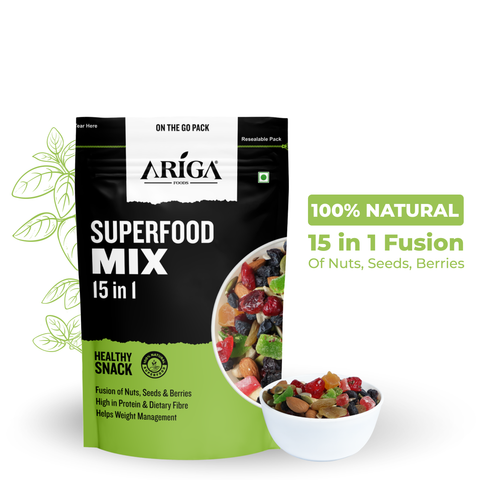

High protein snack on the go- Ariga Premium superfood 15-in-1 Trail Mix 200 gm
Ariga Foods premium quality Nuts & Berries Mix. Healthy alternative to processed food and snacks. Buy trail mix online at Ariga Foods. 15 in ...


Blooming Diwali Gift Box Assorted- Trail Mix, Berries Mix, Breakfast Granola and Oats Munchies | 4 Packs 800g | Ariga Foods
Blooming Gift Box For Diwali- Assorted with Nuts, Seeds & Berries- This gift hamper contains- Trail Mix 15 in 1 + Dried Berries Mix 6 in 1 + Br...


Assorted Diwali Gift Hamper Premium and Exotic Nuts, Berries and Seeds | 5 Packs 760g | Ariga Foods
Assorted Gift Box for Diwali- Premium Nuts & Assorted Trail Mix. This gift hamper contains- Roasted- Cheese Almonds 150g + Cream & Onion Al...
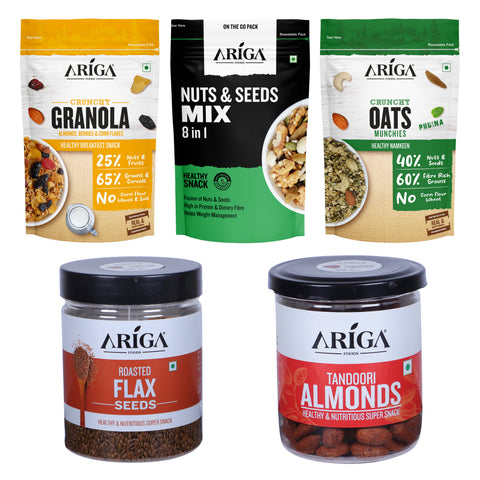

Ariga Foods Granola Corn Flakes, Nuts & Seeds Mix, Oats Pudina, Roasted Flax Seeds & Tandoori Almonds | Combo Pack of 5
100% premium quality combo pack of 5- Crunchy Granola Almonds, Berries & Corn Flakes, Nuts & Seeds Mix, Crunchy Oats Pudina, Roasted Flax S...
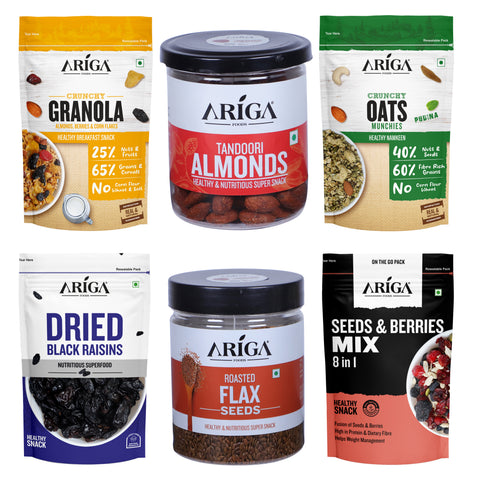

Ariga Foods Granola Corn Flakes, Tandoori Almonds, Oats Pudina, Black Raisins, Roasted Flax Seeds and Seeds & Berries Mix | Combo Pack of 6
100% premium quality combo pack of 6- Crunchy Granola Almonds, Berries & Corn Flakes, Tandoori Almonds, Crunchy Oats- Pudina, Black Raisins, Ro...
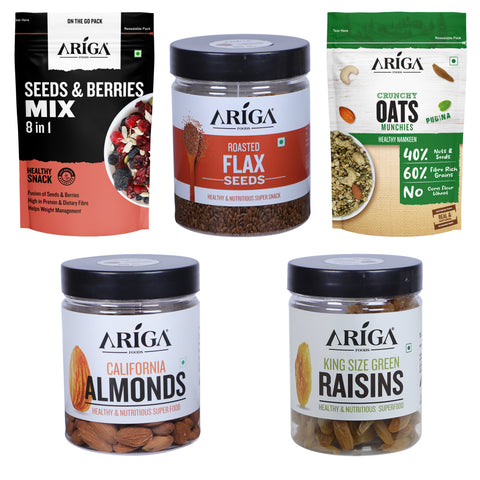

Ariga Foods Seeds & Berries Mix, Flax Seeds, Oats Namkeen, Almonds & Raisins | Combo Pack of 5
100% premium quality combo pack of 5- Seeds & Berries Mix, Roasted Flax Seeds, Crunchy Oats Pudina, California Almonds and King Size Raisins fr...


Ariga Foods Fruits Mix, Granola Chocolate, Nuts Mix, Raisins & Roasted Flax Seeds | Combo Pack of 5
100% premium quality combo pack of 5- Fruits Mix 200g, Crunchy Granola Chocolate & Almonds, Healthy Nut Mix, King Size Raisins and Roasted Flax...
About Us
Ariga Foods is the innovative Retail and B2B brand by Ariganic Food Pvt. Ltd. Our vision is to make Superfood convenient and tasty for every household around the world.
Read moreSUBSCRIBE & FOLLOW
TAG CLOUD