
Trail Mixes and Gut Health : How Fiber-Rich Ingredients Support Digestive Wellness
I went through a stretch a couple of years ago where my digestion was just off.
Nothing dramatic, no big health scare, just that constant bloated, sluggish feeling after most meals, and a general sense that something in my routine was not working the way it should.
I tried a bunch of things, cutting out this, adding in that, before a friend who works in nutrition pointed out something almost embarrassingly simple.
I was not eating nearly enough fibre, and my snacking, which was mostly biscuits and packaged chips, was actively working against me.
That conversation is basically what got me into trail mixes, not as a fitness thing, but as a genuine gut health fix.
It has taken some trial and error to figure out what actually works, so I wanted to share what I have learned, especially since this is not something that gets talked about as much as it should when people discuss snacking.
Why Fibre Matters More Than Most People Realise
Fibre does a lot of quiet work in the body that we do not really appreciate until something goes wrong.
It keeps things moving through your digestive tract properly, helps prevent that heavy, constipated feeling, and, this is the part that genuinely surprised me, feeds the good bacteria living in your gut.
That last bit is where the term prebiotic comes from, fibre acting as food for a healthy gut microbiome, rather than just bulk that passes through.
Most of us know fibre matters, in the vague way we know most nutrition advice matters, but very few people actually track whether they are getting enough of it day to day.
I certainly was not, and once I started paying attention, the gap in my diet became obvious pretty fast.
Why Trail Mixes Became My Actual Solution
The appeal of trail mixes, once I started taking my gut health seriously, was how effortlessly they let me stack fibre-rich ingredients into a single handful.
Nuts, seeds, and dried berries each bring their own fibre profile, and combined, they end up being a far more complete snack than any single ingredient on its own.
Nuts, Seeds and Berries Together
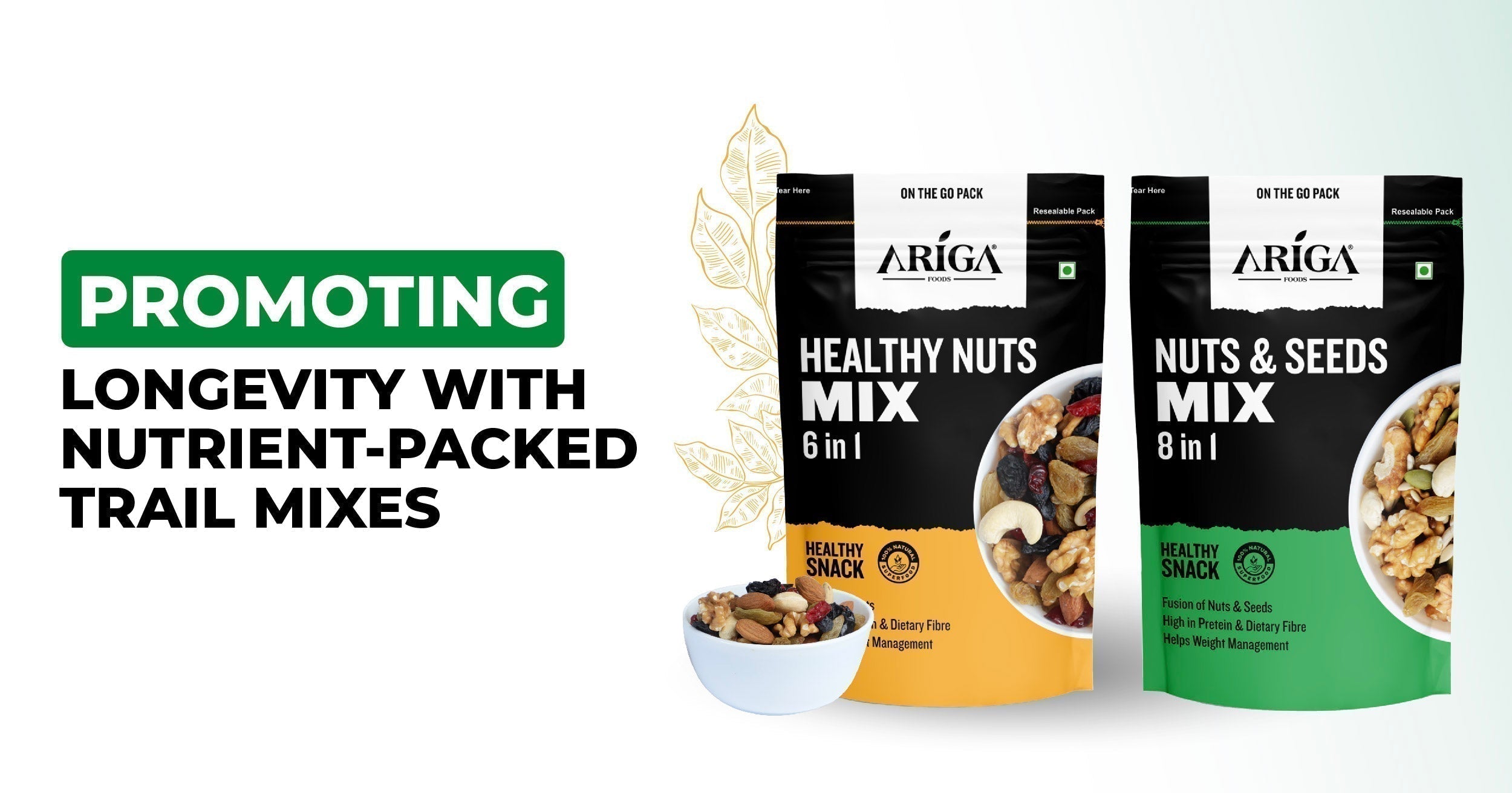
My first real switch was to what Ariga Foods calls their Healthy Nut Mix, a 6-in-1 blend of different nuts that quietly replaced the biscuit tin I used to keep on my desk.
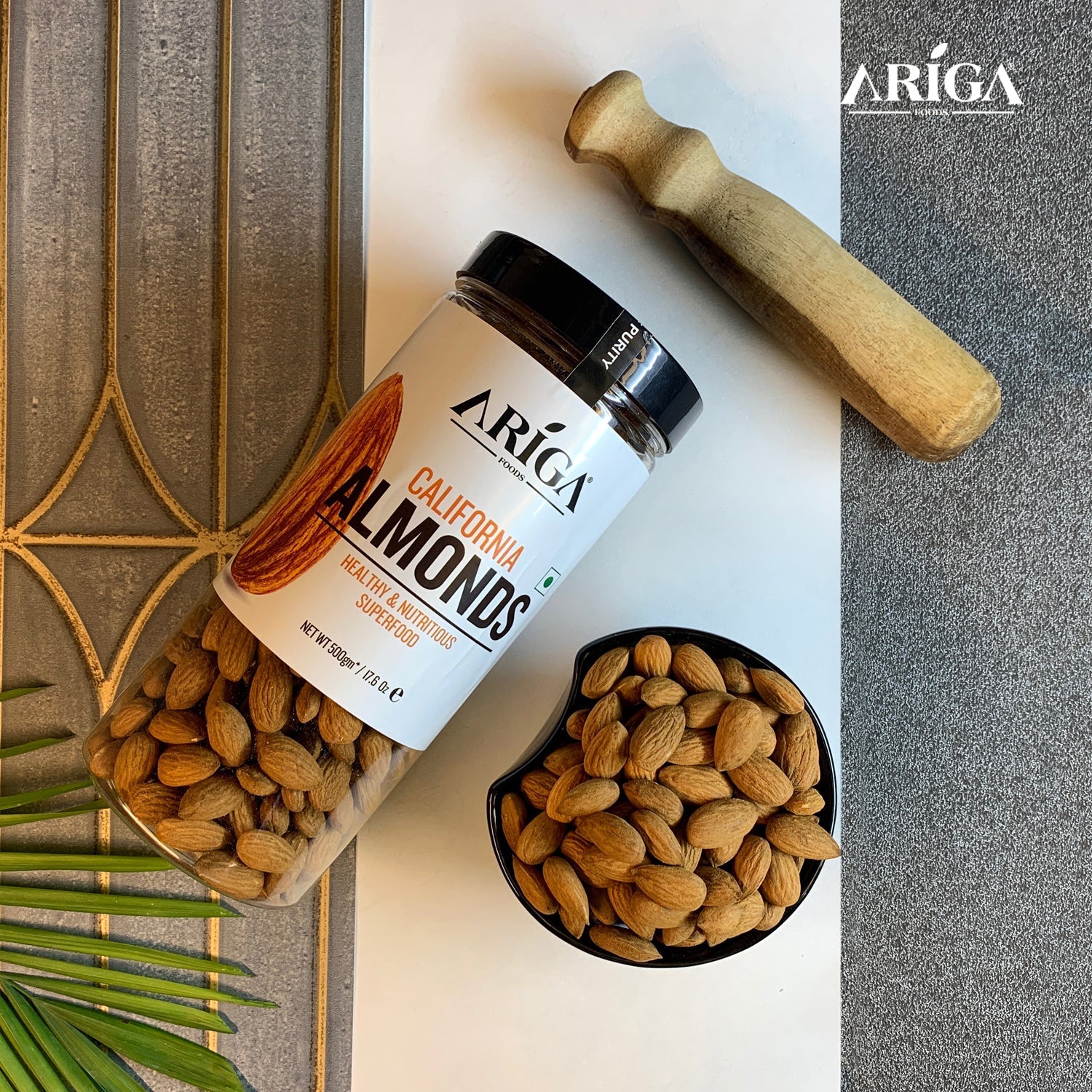
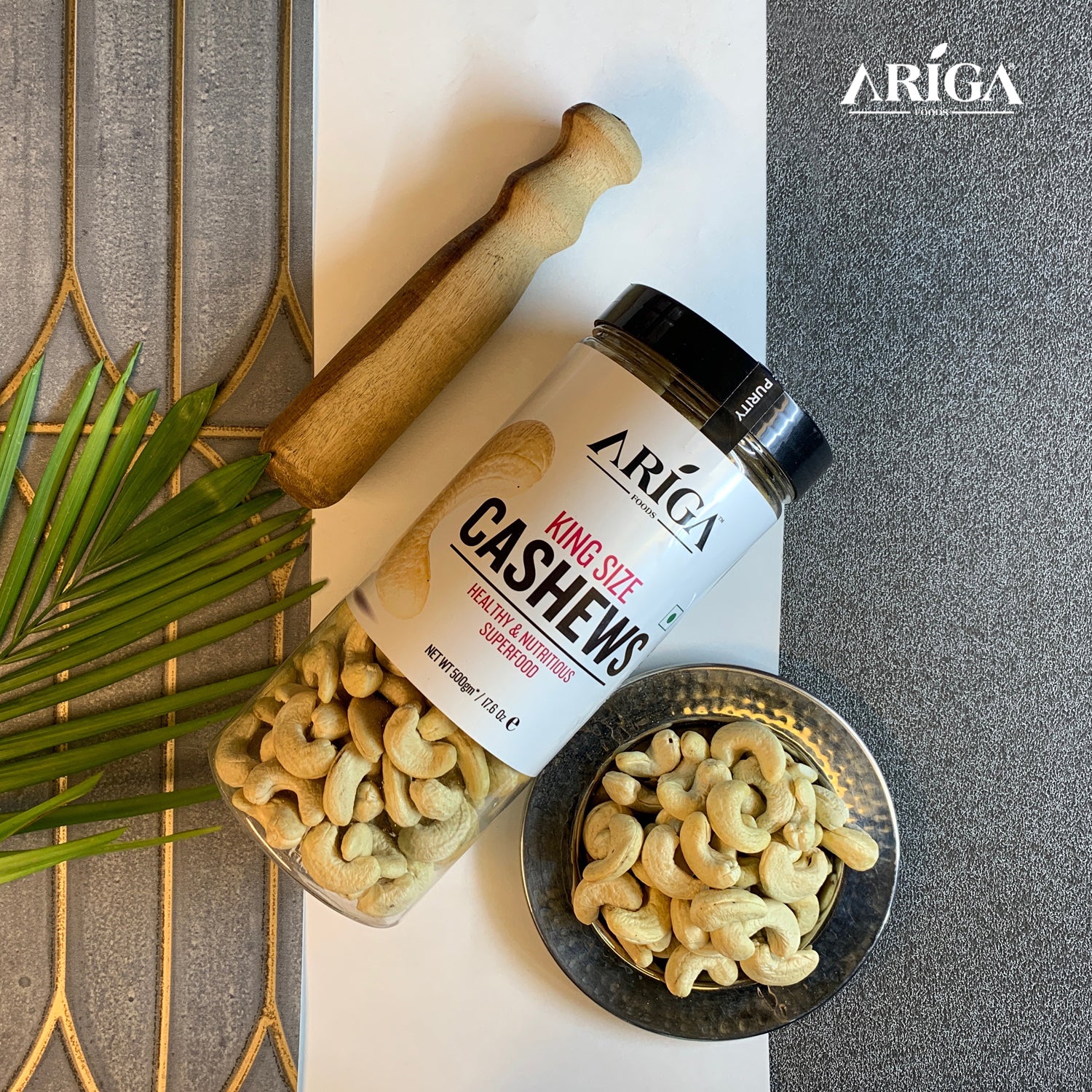
Almonds, cashews, and walnuts each carry a decent amount of fibre on their own, and having a mix rather than just one nut meant I was not relying on a single source.
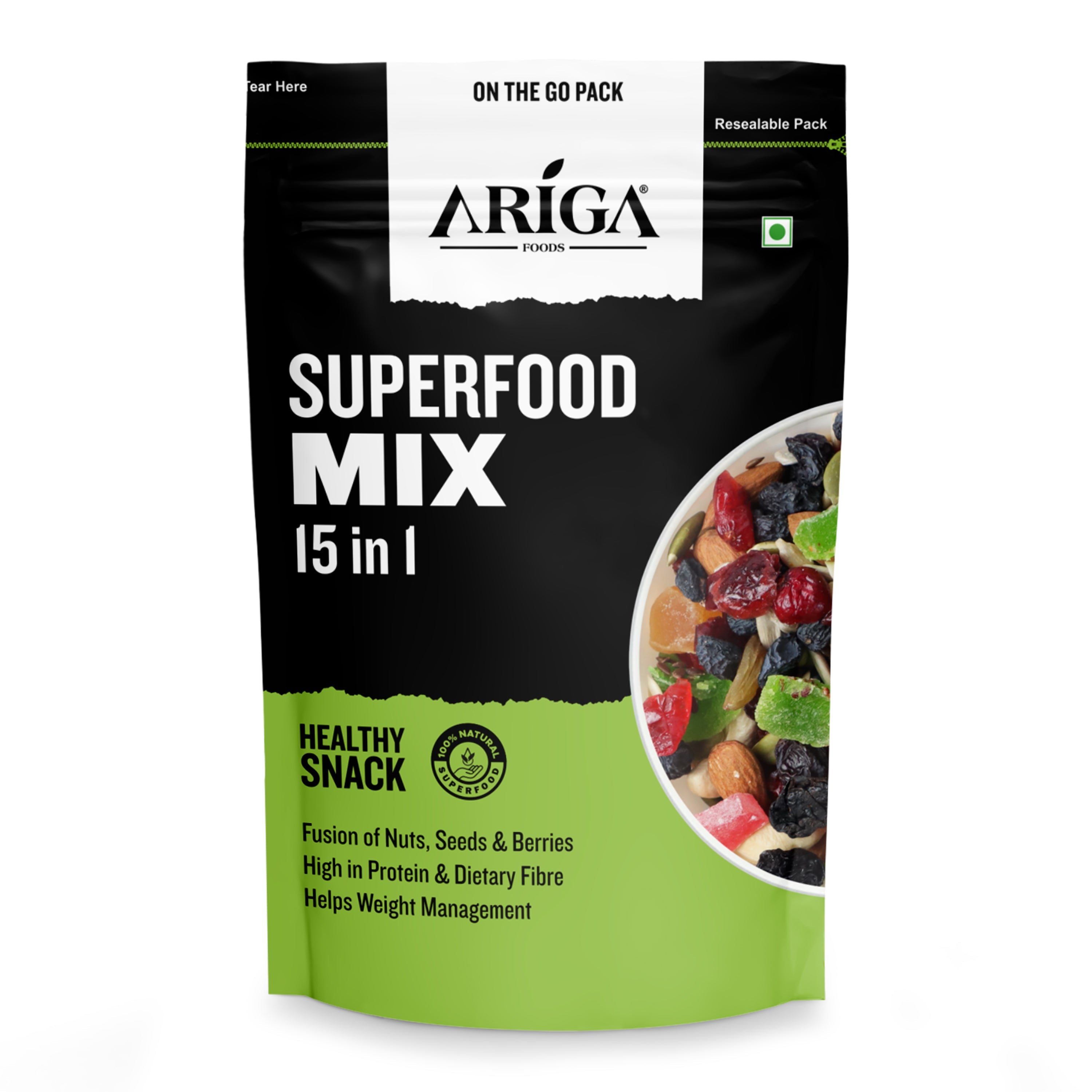
From there I moved on to their Superfood Mix, a 15-in-1 combination of nuts and berries that has honestly become my most repurchased snack.
It is marketed as a high protein option, which is true, but what actually kept me buying it was noticing that my digestion felt more regular within a couple of weeks of snacking on it daily instead of reaching for something processed.
Seeds Deserve More Credit Than They Get
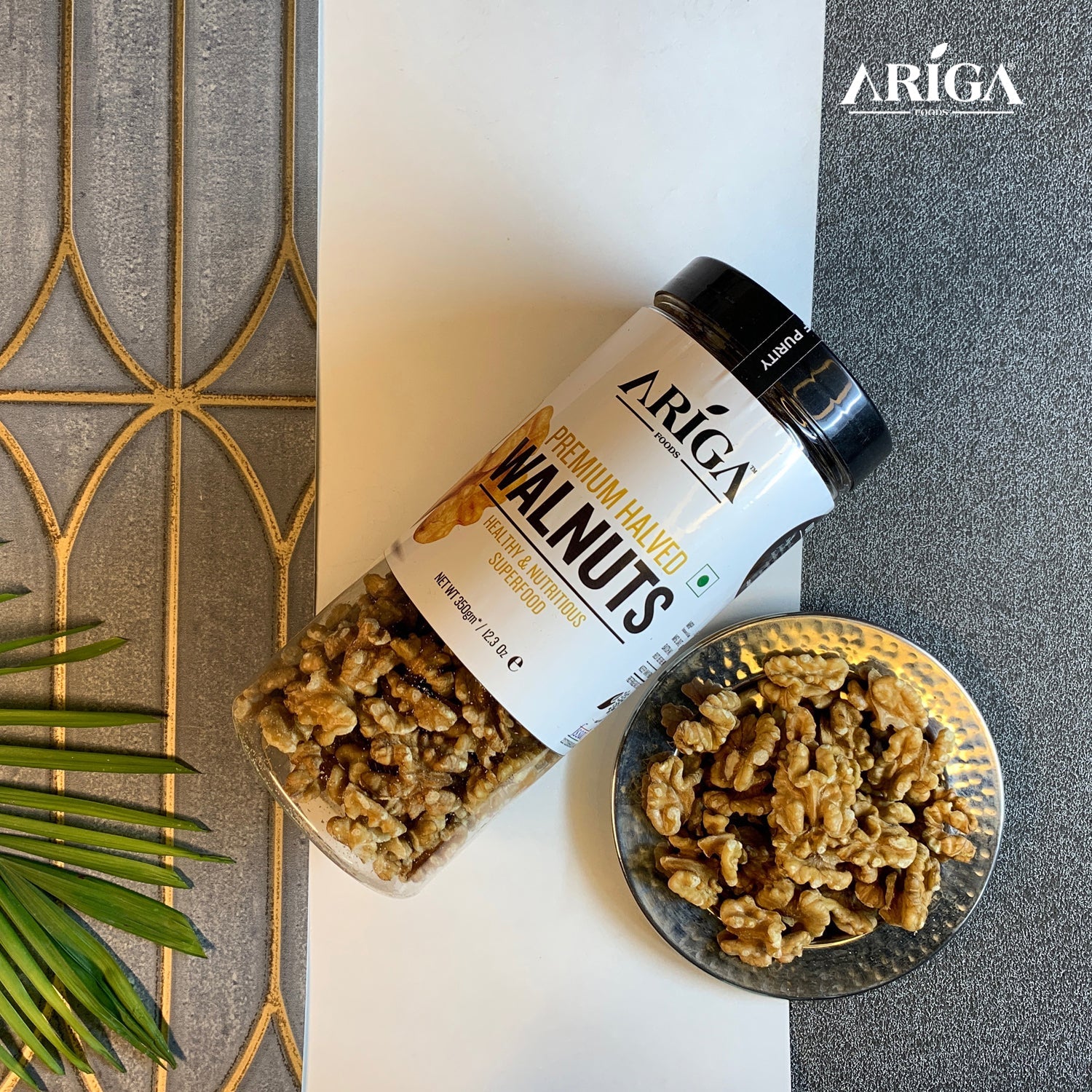
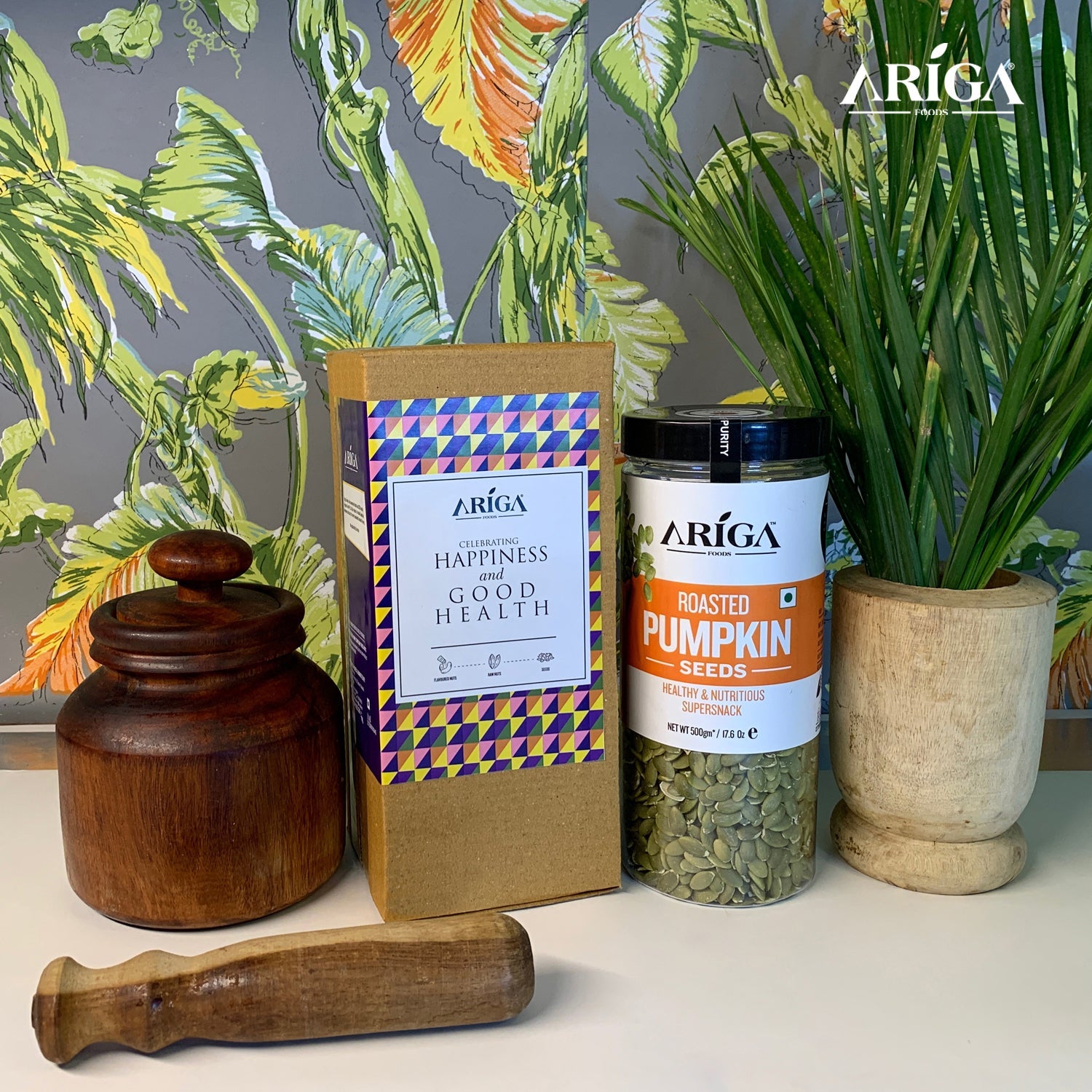
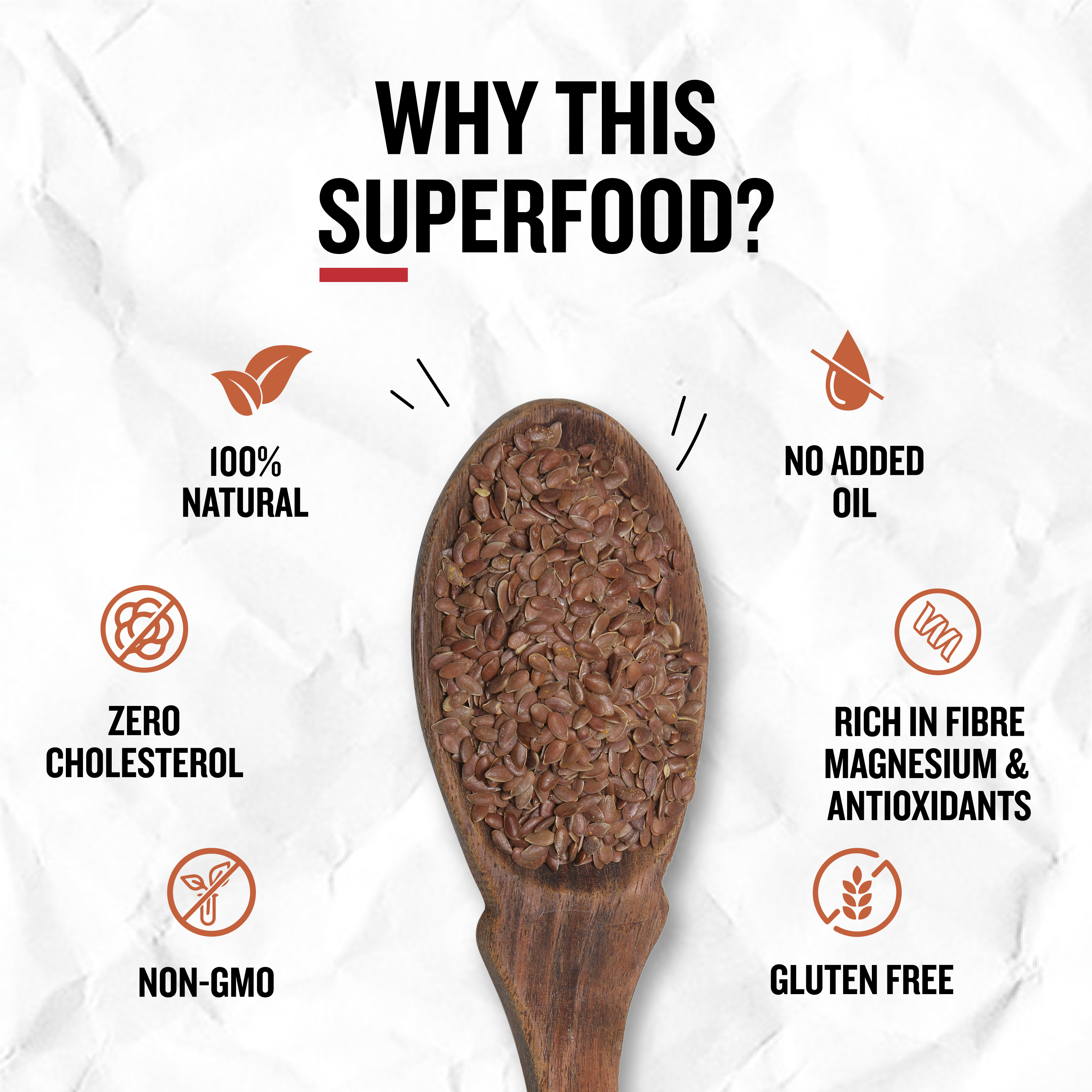
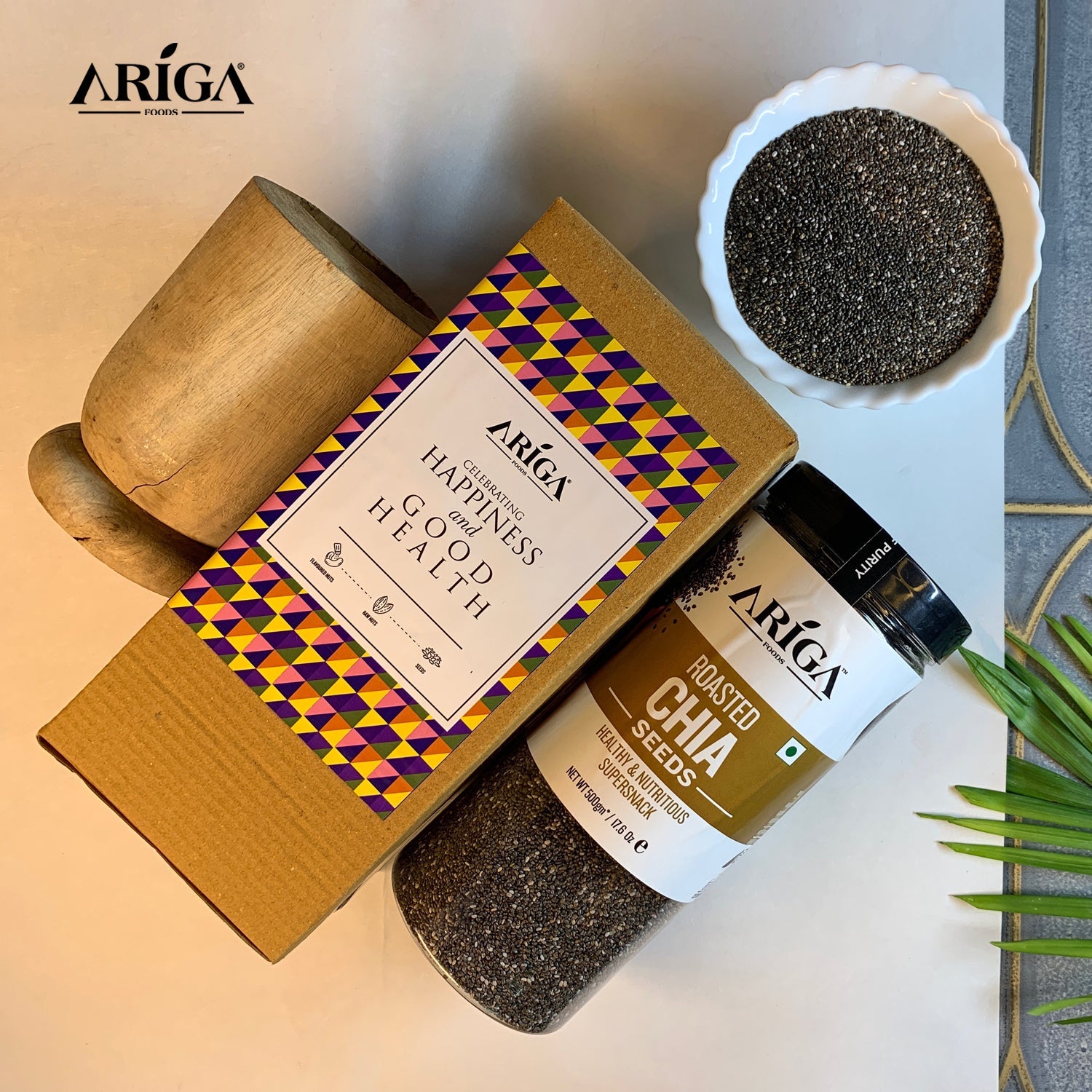
This is the part that changed things the most for me, honestly. Seeds like chia, flax, and pumpkin carry a surprising amount of fibre for something so small.
A single tablespoon of chia seeds packs in more dietary fibre than most people expect, and that soluble fibre specifically is what seems to help most with keeping digestion smooth and steady rather than sluggish.
I started rotating in the Seeds & Berries Mix, an 8-in-1 combination of roasted seeds and dried berries, on days I wanted something a bit lighter than a full nut-heavy mix.
The roasted seeds bring that satisfying crunch, and the berries add just enough natural sweetness that it never feels like a chore to eat.
Berries and Dried Fruits for a Different Kind of Fibre
Dried fruits bring their own fibre contribution too, and honestly, a different texture and flavour profile that keeps snacking from feeling repetitive.
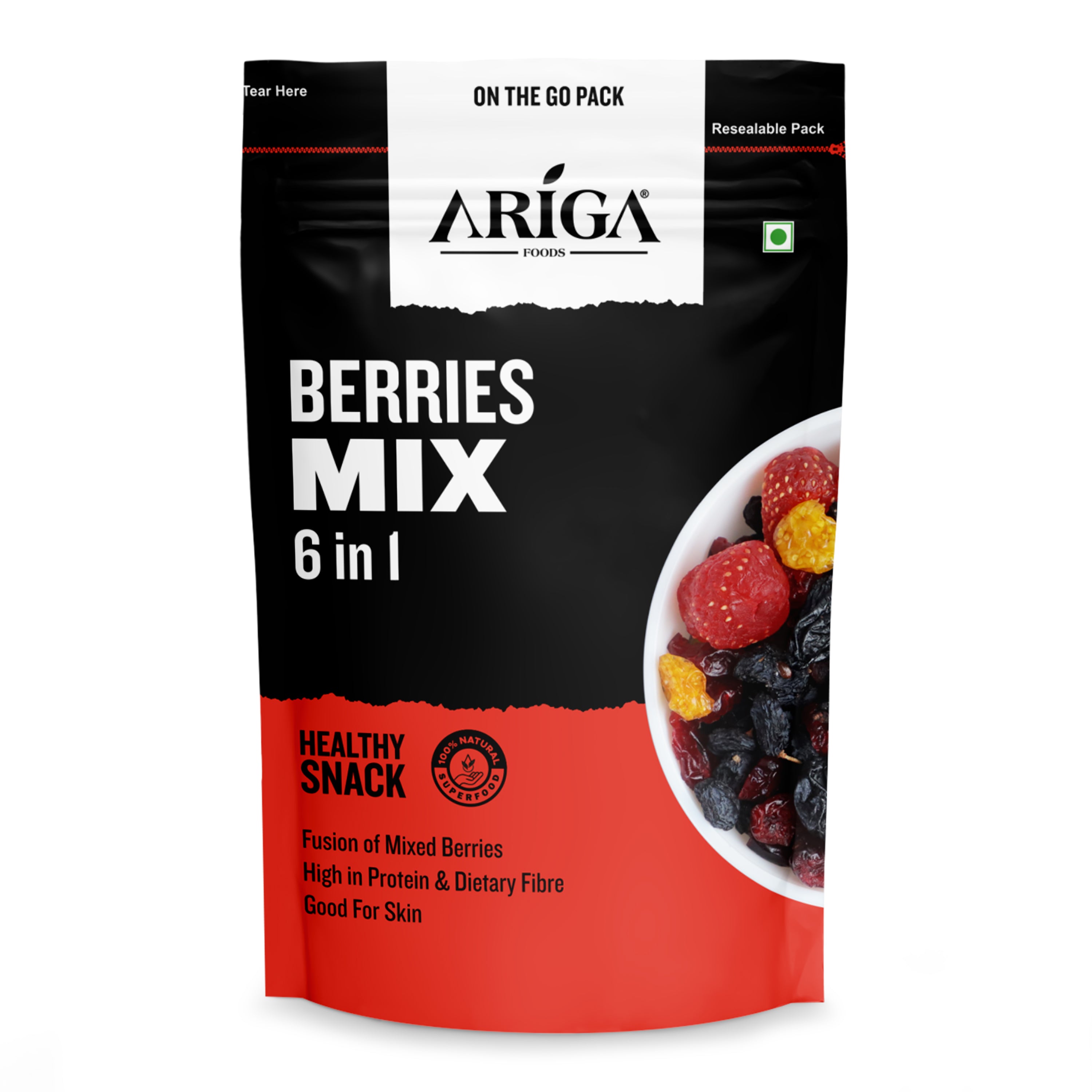
The Berries Mix, a 6-in-1 blend of dried berries, became my go-to in the afternoons when I wanted something closer to a sweet treat but did not want to reach for actual candy.
There is also a Fruits Mix, a 4-in-1 combination that includes things like dried mango and pineapple, which I lean on when I specifically want that tropical, slightly tangy flavour alongside the fibre benefit.
Nuts and Berries, or Nuts and Seeds, Depending on the Mood
On days I want more of a savoury-sweet balance without the full 15-ingredient complexity, I go for the Nuts & Berries Mix, an 8-in-1 combination that pairs the heartier fibre and healthy fats from nuts with the tang of dried berries.
And on days I want something entirely savoury, no fruit at all, the Nuts & Seeds Mix does that job well, combining nuts and roasted seeds without any berries mixed in.
What Actually Changed for Me
I want to be honest here, this was not an overnight fix. Nothing about switching my snacking habits solved my digestion issues in a week.
What did happen, gradually, over a few months of consistently reaching for a handful of trail mix instead of packaged snacks, was a slow return to feeling normal after meals again.
Less bloating, more regular digestion, and honestly just less thinking about my gut at all, which in hindsight is probably the real sign that something is working.
I also noticed that variety mattered more than I expected. Sticking to just one type of trail mix got repetitive fast, both in taste and probably in terms of the range of fibre types I was actually getting.
Rotating between the nut-heavy mixes, the seed-based ones, and the berry and fruit combinations kept things interesting and, I suspect, gave my gut a broader mix of fibre to work with.
How I Actually Use Trail Mixes Day to Day
A small handful on its own between meals is still my most common way of eating these, but I have found a few other habits worth mentioning.
Sprinkling a spoon of the Seeds & Berries Mix over morning yogurt has become a genuine favourite, giving that crunch and tang first thing in the day.
I have also started stirring a bit of the Nuts & Berries Mix into my oatmeal instead of adding separate toppings, which saves time and still gets me that fibre boost early on.
None of this requires much planning once you have a rotation you like. The mixes are already prepared, so the only real habit to build is remembering to reach for the jar instead of whatever processed snack is more conveniently placed.
A Few Honest Caveats
I am not a doctor, and if digestive issues are persistent, uncomfortable, or feel like more than just general sluggishness, that is genuinely worth discussing with a professional rather than assuming a change in snacking will fix everything.
Trail mixes helped me because my main issue was a simple lack of fibre in an otherwise reasonably normal diet, not an underlying condition.
Also, portion size still matters here. Fibre-rich as these mixes are, they are calorie-dense too, so a big handful several times a day is not the same as a mindful, small serving worked into an already balanced diet. I learned that the slow way, by overdoing it initially and just feeling heavy rather than better.
Gut health is one of those things that is easy to ignore until it starts affecting how you feel every single day. For me, something as simple as swapping out processed snacks for a well-made trail mix ended up being one of the more sustainable changes I have made, not because it was a dramatic fix, but because it was easy enough to actually stick with.
People Also Ask
Do trail mixes actually help with digestion and gut health?
Yes, trail mixes made from nuts, seeds, and dried berries are naturally rich in fibre, which supports regular digestion and feeds beneficial gut bacteria. The effect is usually gradual rather than immediate, building over consistent daily use rather than a single serving.
Which ingredients in trail mix are best for fibre?
Seeds like chia, flax, and pumpkin tend to be especially fibre-dense for their size, while nuts like almonds and walnuts also contribute a meaningful amount. Dried berries add additional fibre along with natural sweetness and antioxidants.
How much trail mix should I eat daily for gut health benefits?
A small handful, roughly a quarter cup, once or twice a day is generally a reasonable amount. Trail mixes are calorie-dense, so eating them in moderation as part of a balanced diet works better than relying on large portions.
Can eating trail mix replace fiber supplements?
For many people with a generally balanced diet who are just short on fibre, whole-food sources like trail mix can help close that gap naturally. However, anyone with a diagnosed digestive condition should speak with a doctor before relying on diet alone to manage it.
What is the difference between a nut-based and a seed-based trail mix for digestion?
Both contribute fibre, but seeds like chia and flax tend to offer more soluble fibre relative to their size, which can be gentler and more effective for regularity, while nuts add more healthy fats alongside their fibre content. Rotating between both types offers a broader nutritional benefit.
How long does it take to notice digestive benefits from eating more fiber-rich snacks?
This varies by person, but many people notice a difference within a few weeks of consistently adding fibre-rich snacks like trail mix to their diet. Sudden, large increases in fibre can sometimes cause temporary bloating, so easing in gradually tends to work better.
Related Products
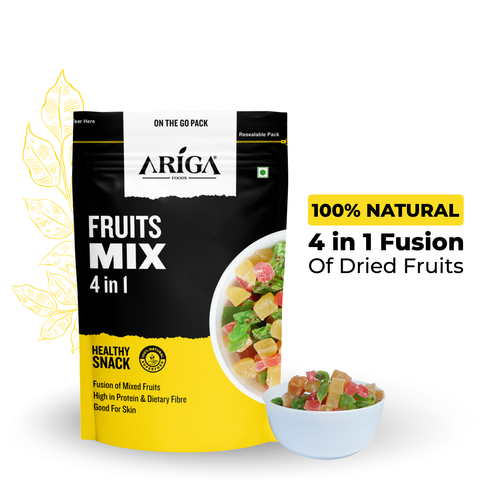

Premium Dried Fruits Mix 200g |Trail Mix 4 in 1 | Ariga Foods
100% premium quality dried fruits mix from Ariga Foods. Enjoy healthy eating of mixed berries than processed food and snacks. Buy fruits mix trai...
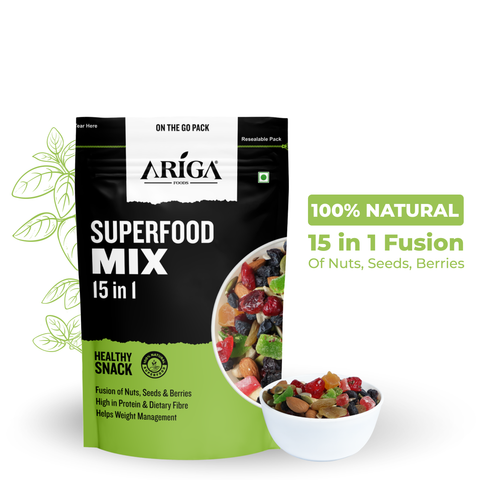

High protein snack on the go- Ariga Premium superfood 15-in-1 Trail Mix 200 gm
Ariga Foods premium quality Nuts & Berries Mix. Healthy alternative to processed food and snacks. Buy trail mix online at Ariga Foods. 15 in ...
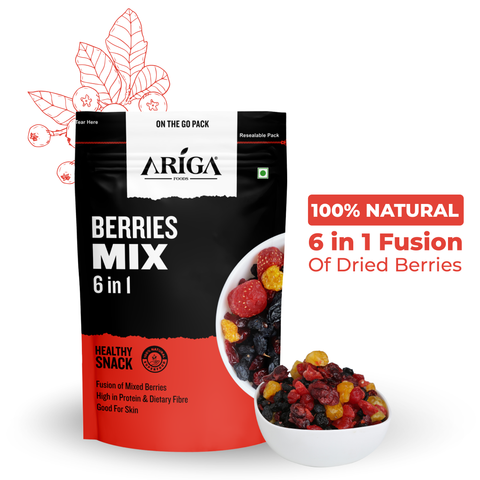

Premium Dried Berries Mix 200g | Trail Mix 6 in 1 | Ariga Foods
Ariga Foods premium quality Berries Mix. Healthy alternative to processed food and snacks. Buy Berries mix online at Ariga Foods. Ariga Foods mix...
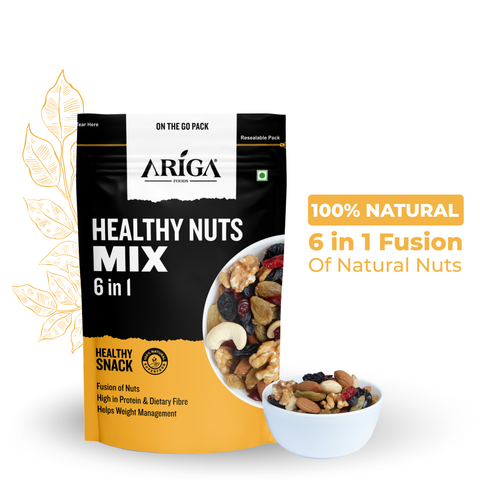

Premium Healthy Nutmix 200g | Trail Mix 6 in 1 | Ariga Foods
100% premium quality Healthy Nut Mix from Ariga Foods. Healthy alternative to processed food and snacks. Buy trail mix online at Ariga Foods. Ari...


Premium Nuts & Berries Mix 200g | Trail Mix 8 in 1 | Ariga Foods
100% premium quality trail mix nuts and berries from Ariga Foods. Healthy alternative to processed food and snacks. Buy trail mix online, Nuts &a...


Premium Nuts & Roasted Seeds Mix 200g | Trail Mix 8 in 1 | Ariga Foods
100% premium quality Nuts & Seeds mix from Ariga Foods. Healthier than processed food and snacks. Buy nuts trail mix online at Ariga Foods. 8...
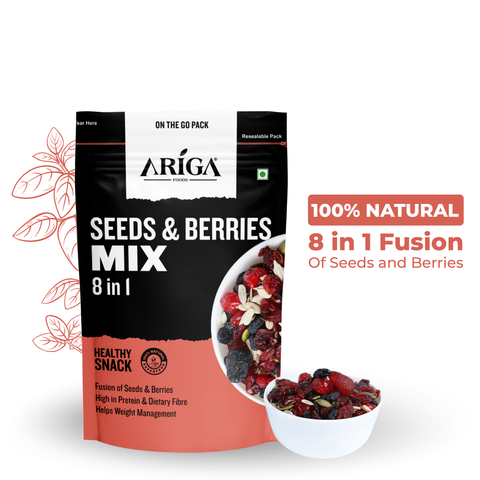

Premium Roasted Seeds & Berries Mix 200g | Trail Mix 8 in 1 | Ariga Foods
Ariga Foods premium quality Seeds & Berries Mix is a perfect choice. Healthy alternative to processed food and snacks. Buy trail mix online a...
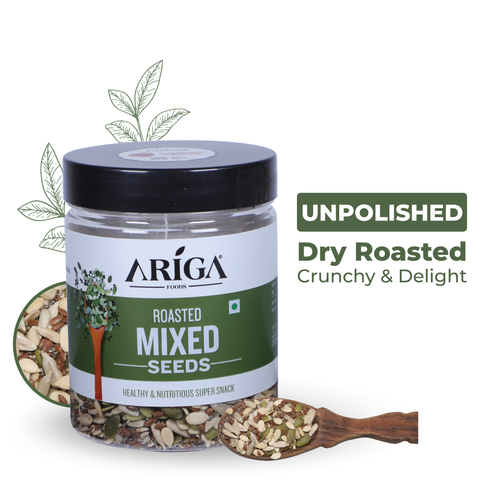

Roasted Mixed Seeds 200g | 5 in 1 Trail Mix
100% premium quality roasted seeds mix 5 in 1 made of pumpkin, flax, chia, sunflower and watermelon seeds. Roasted with perfection without oil. B...
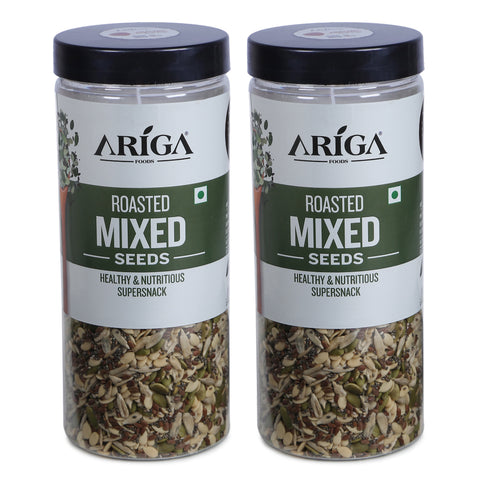

Roasted Mixed Seeds 1kg | 5 in 1 Trail Mix
100% premium quality roasted seeds mix 5 in 1 made of pumpkin, flax, chia, sunflower and watermelon seeds. Roasted with perfection without oil. B...
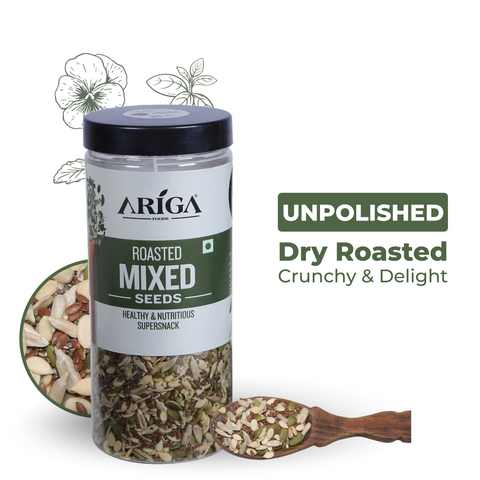

Roasted Mixed Seeds 500g | 5 in 1 Trail Mix
100% premium quality roasted seeds mix 5 in 1 made of pumpkin, flax, chia, sunflower and watermelon seeds. Roasted with perfection without oil.Buy ...


Trail Mix Diwali Gift Box Assorted Mix of Nuts, Seeds & Berries | 4 Packs 800g | Ariga Foods
Trail Mix Gift Box For Diwali- Assorted with Nuts, Seeds & Berries. This gift hamper contains- Trail Mix 15 in 1, Berries Mix 6 in 1, Healthy N...


Gratitude Diwali Gift Box Pack Of 4 | Roasted- Cheese Almonds, Pudina Cashews, Superfood Trail Mix- 15 in 1, Dried Berries Mix- 6 in 1 | Premium Gift Pack Of 680g | For Family, Friends, Corporates | Ariga Foods
Gratitude Gift Box for Diwali- Assorted Seed, Nuts & Berries. This gift hamper contains- Roasted- Cheese Almonds 150g + Pudina Cashews 130g + S...


Blooming Diwali Gift Box Assorted- Trail Mix, Berries Mix, Breakfast Granola and Oats Munchies | 4 Packs 800g | Ariga Foods
Blooming Gift Box For Diwali- Assorted with Nuts, Seeds & Berries- This gift hamper contains- Trail Mix 15 in 1 + Dried Berries Mix 6 in 1 + Br...


Assorted Diwali Gift Hamper Premium and Exotic Nuts, Berries and Seeds | 5 Packs 760g | Ariga Foods
Assorted Gift Box for Diwali- Premium Nuts & Assorted Trail Mix. This gift hamper contains- Roasted- Cheese Almonds 150g + Cream & Onion Al...
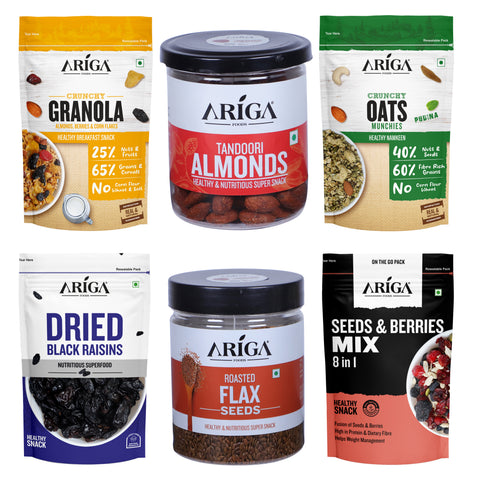

Ariga Foods Granola Corn Flakes, Tandoori Almonds, Oats Pudina, Black Raisins, Roasted Flax Seeds and Seeds & Berries Mix | Combo Pack of 6
100% premium quality combo pack of 6- Crunchy Granola Almonds, Berries & Corn Flakes, Tandoori Almonds, Crunchy Oats- Pudina, Black Raisins, Ro...
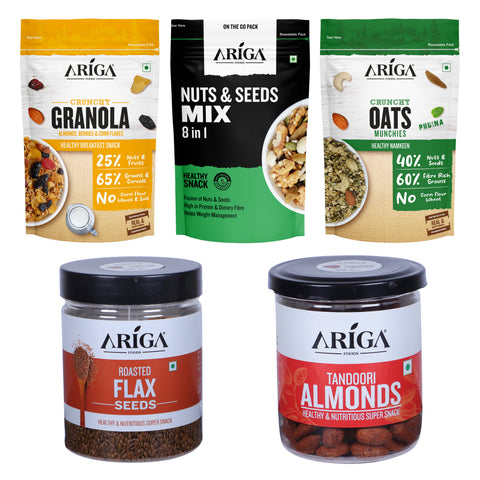

Ariga Foods Granola Corn Flakes, Nuts & Seeds Mix, Oats Pudina, Roasted Flax Seeds & Tandoori Almonds | Combo Pack of 5
100% premium quality combo pack of 5- Crunchy Granola Almonds, Berries & Corn Flakes, Nuts & Seeds Mix, Crunchy Oats Pudina, Roasted Flax S...


Ariga Foods Fruits Mix, Granola Chocolate, Nuts Mix, Raisins & Roasted Flax Seeds | Combo Pack of 5
100% premium quality combo pack of 5- Fruits Mix 200g, Crunchy Granola Chocolate & Almonds, Healthy Nut Mix, King Size Raisins and Roasted Flax...
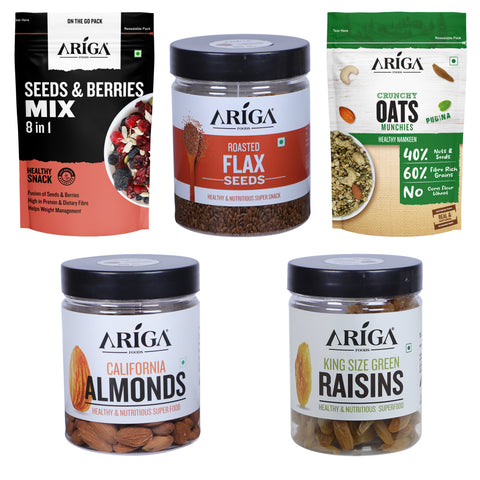

Ariga Foods Seeds & Berries Mix, Flax Seeds, Oats Namkeen, Almonds & Raisins | Combo Pack of 5
100% premium quality combo pack of 5- Seeds & Berries Mix, Roasted Flax Seeds, Crunchy Oats Pudina, California Almonds and King Size Raisins fr...
About Us
Ariga Foods is the innovative Retail and B2B brand by Ariganic Food Pvt. Ltd. Our vision is to make Superfood convenient and tasty for every household around the world.
Read moreSUBSCRIBE & FOLLOW
TAG CLOUD