

Top Nuts For Middle Eastern Cuisine
A few years back I spent almost two weeks in Istanbul, mostly eating my way through the city rather than sightseeing in any organised way, and what stuck with me long after I got home was not any single dish, but how often nuts and dried fruits showed up everywhere.
In the pilafs, tucked into pastries, scattered over yogurt, even sold loose by weight in little paper cones from street vendors.
I came back and tried, somewhat clumsily at first, to recreate some of that at home, and over time it turned into a proper habit, with cashews, walnuts, almonds, pistachios, raisins, and dried apricots becoming permanent fixtures in my kitchen.
I want to walk through what I have learned cooking this way, and a few dishes that have stuck around in my regular rotation since that trip.
Why Nuts Are So Central to Middle Eastern Cooking
Middle Eastern food has this way of layering texture and flavour that I did not fully appreciate until I started cooking it myself.
A pilaf is not just rice, it is rice with something crunchy folded through it.
A pastry is not just sweet, it needs that dense, nutty filling to balance the syrup. Even a simple bowl of yogurt gets elevated with a scattering of chopped nuts and a drizzle of honey.
Nuts and dried fruits carry a lot of that textural and flavour responsibility across the cuisine, which is probably why the region has such a long, deep relationship with them, going back centuries before "healthy snacking" was ever a phrase anyone used.
Cashews - Rich and Versatile
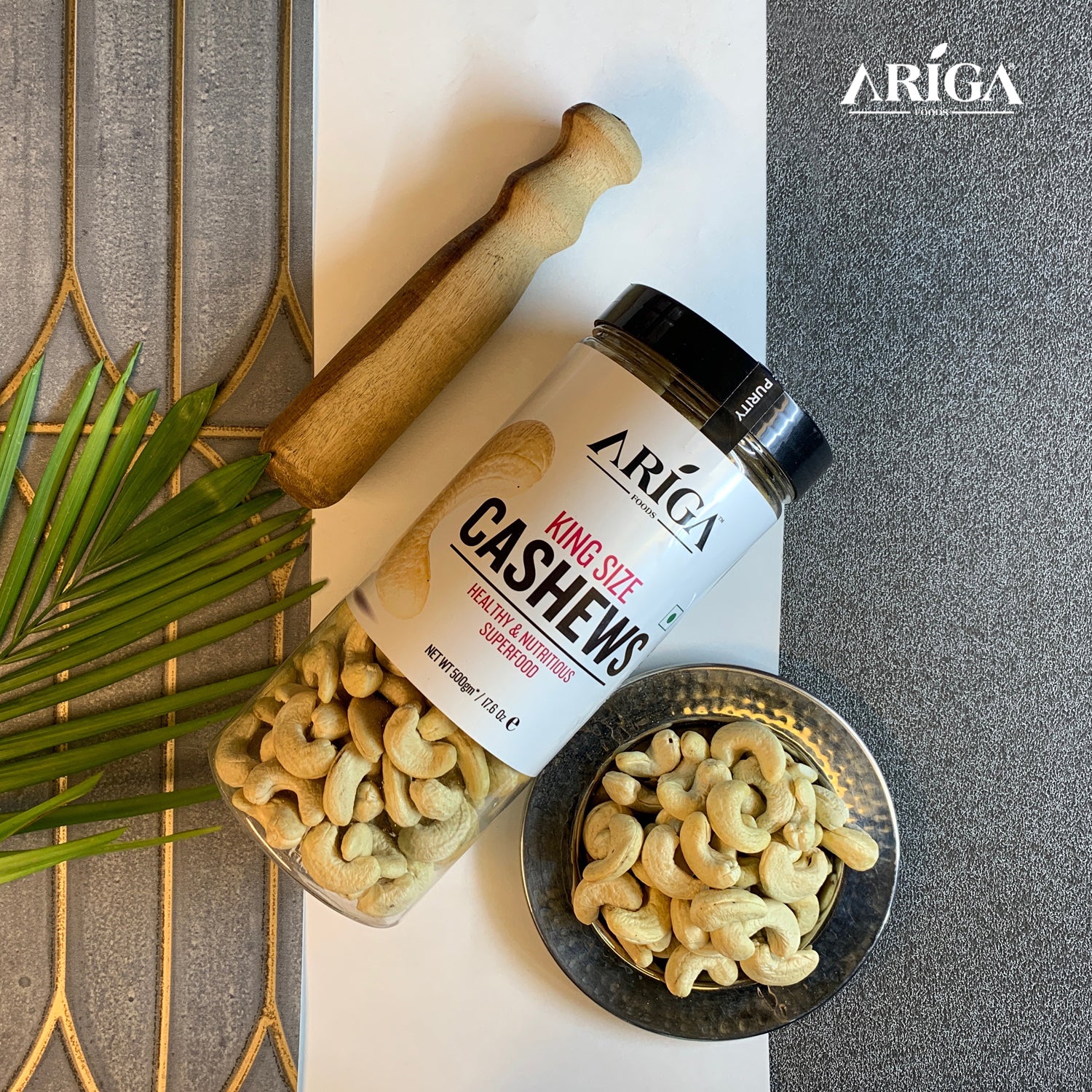
King Size Cashews became my go-to for pilaf almost immediately, mostly because their creamy richness works so well against warm spices like cinnamon.
My regular dish now is a cashew and raisin pilaf, basmati rice cooked with sautéed onion, a bit of cinnamon, then folded through with cashews and raisins that I toast separately in a dry skillet until the cashews turn golden and the raisins plump up slightly.
It sounds like a small step that separates toasting, but it makes a genuinely noticeable difference to the final dish.
Raisins - Nature's Own Sweetener
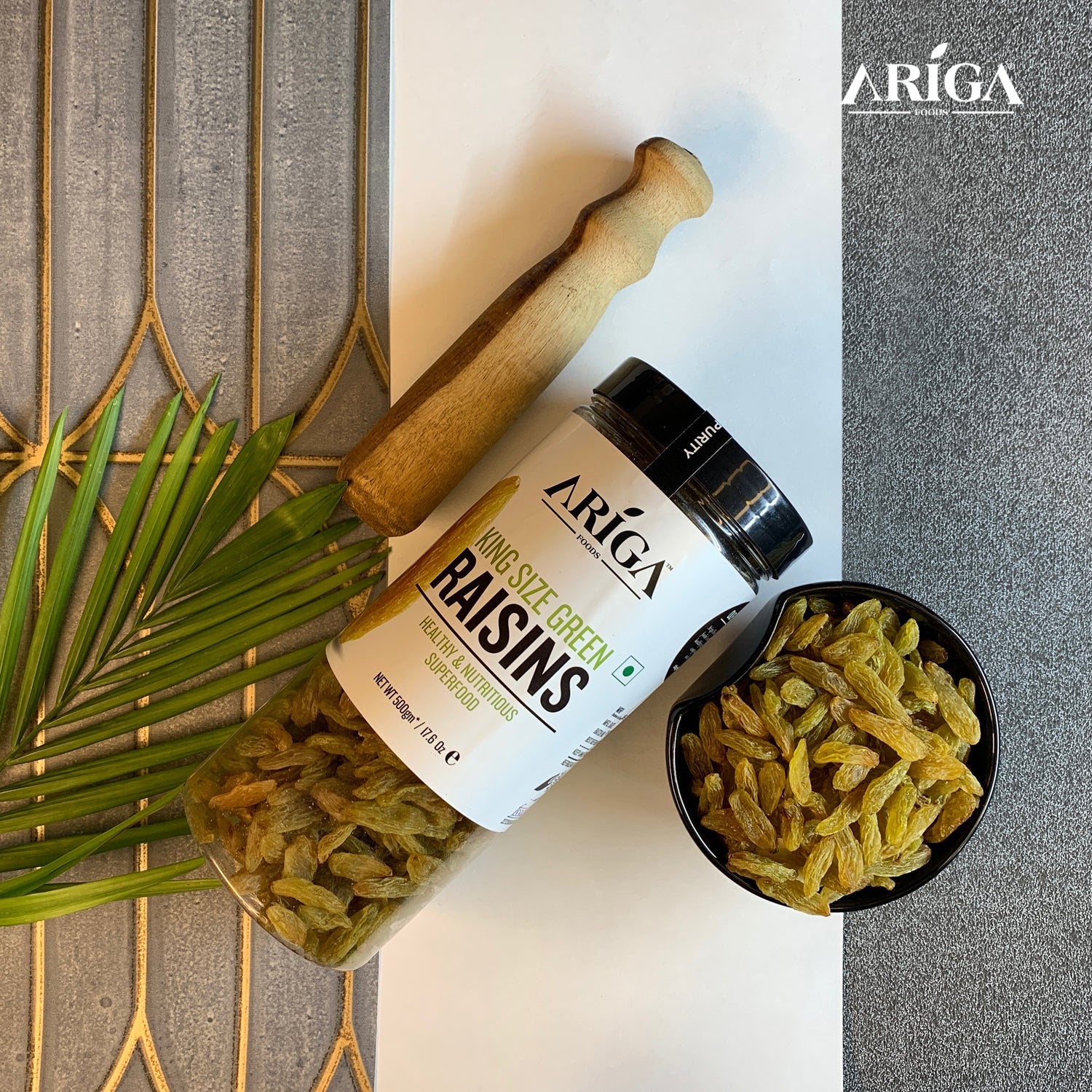
Raisins, or as some call them, nature's candy, are everywhere in Middle Eastern cooking, and King Size Raisins have become my preferred variety for exactly that reason, plump, juicy, and naturally sweet enough that I rarely need to add extra sugar to a savoury dish that includes them.
Beyond the pilaf, I add a small handful to a lot of grain-based salads, where their sweetness cuts through tangier dressings in a way that always seems to surprise people who have not had raisins in a savoury context before.
Walnuts - Deep and Nutty
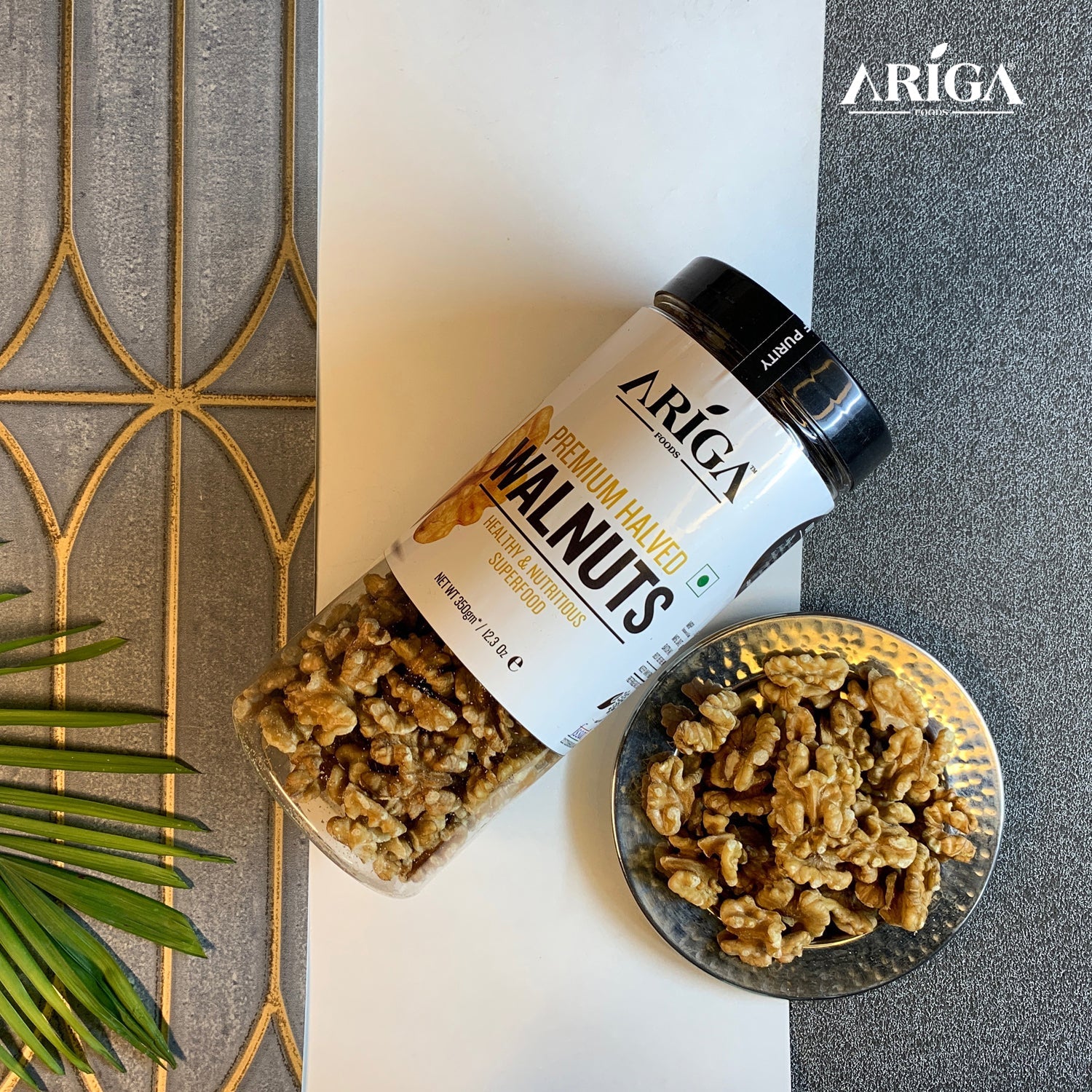
Premium Halved Walnuts bring that deep, almost bittersweet flavour that Middle Eastern desserts lean on so heavily.
My biggest project with walnuts has been learning to make baklava at home, which took a couple of frustrating attempts before I got the phyllo layering technique right, but is genuinely worth the effort once you do.
Finely chopped walnuts mixed with a bit of cinnamon, layered between buttered sheets of phyllo, baked until golden, then soaked in a honey syrup, it is one of those desserts that feels like a real accomplishment the first time it actually works.
Almonds - The Everyday Constant
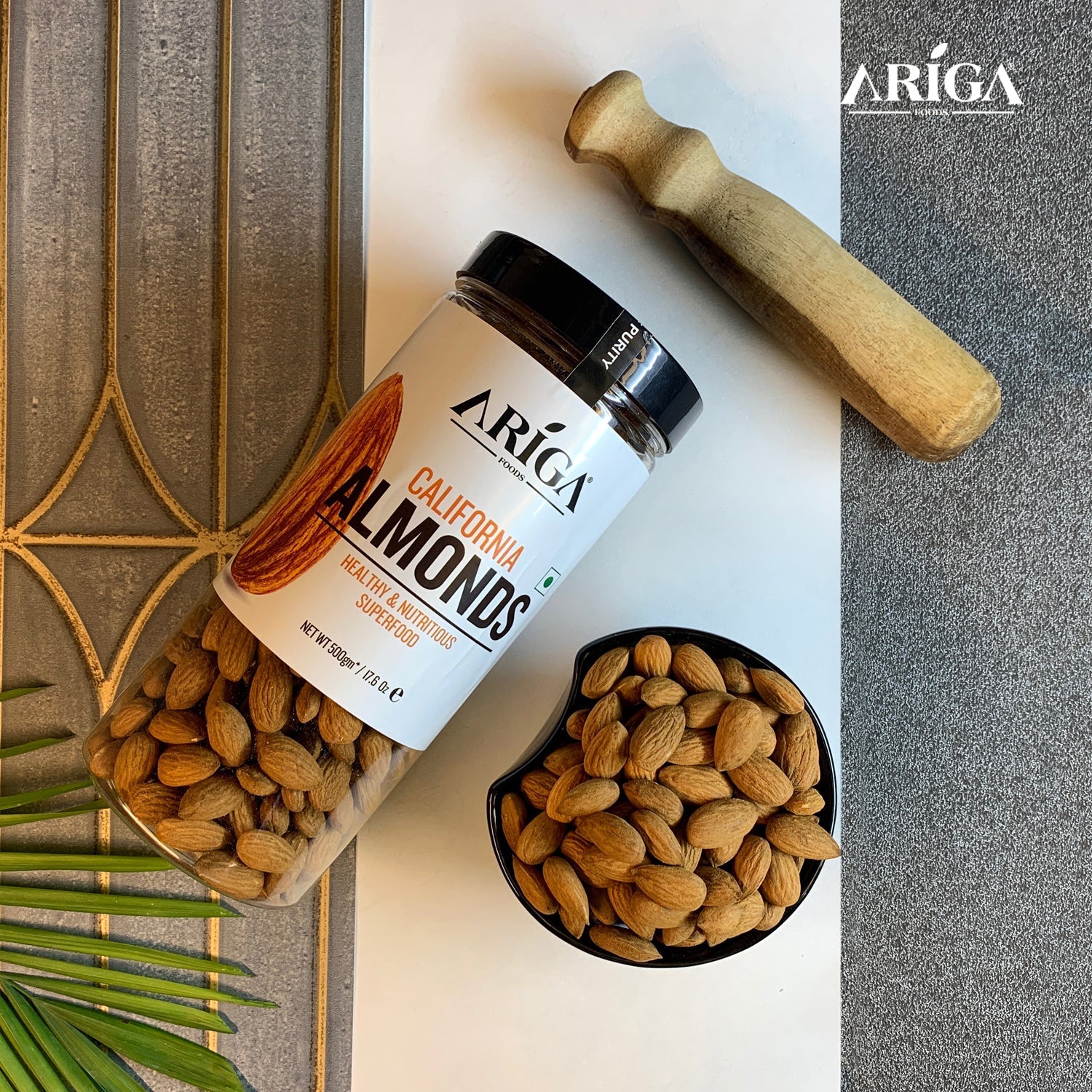
Almonds show up in more Middle Eastern dishes than I initially realised, both on their own and paired with other nuts.
I fold chopped almonds into the same baklava mixture alongside walnuts for a bit of variety in texture, and separately,
I have started making a pistachio and almond biscotti, which is not strictly Middle Eastern in origin but has become a natural extension of this whole cooking phase, that dense, twice-baked texture pairing beautifully with Turkish coffee.
Pistachios - The Signature Touch
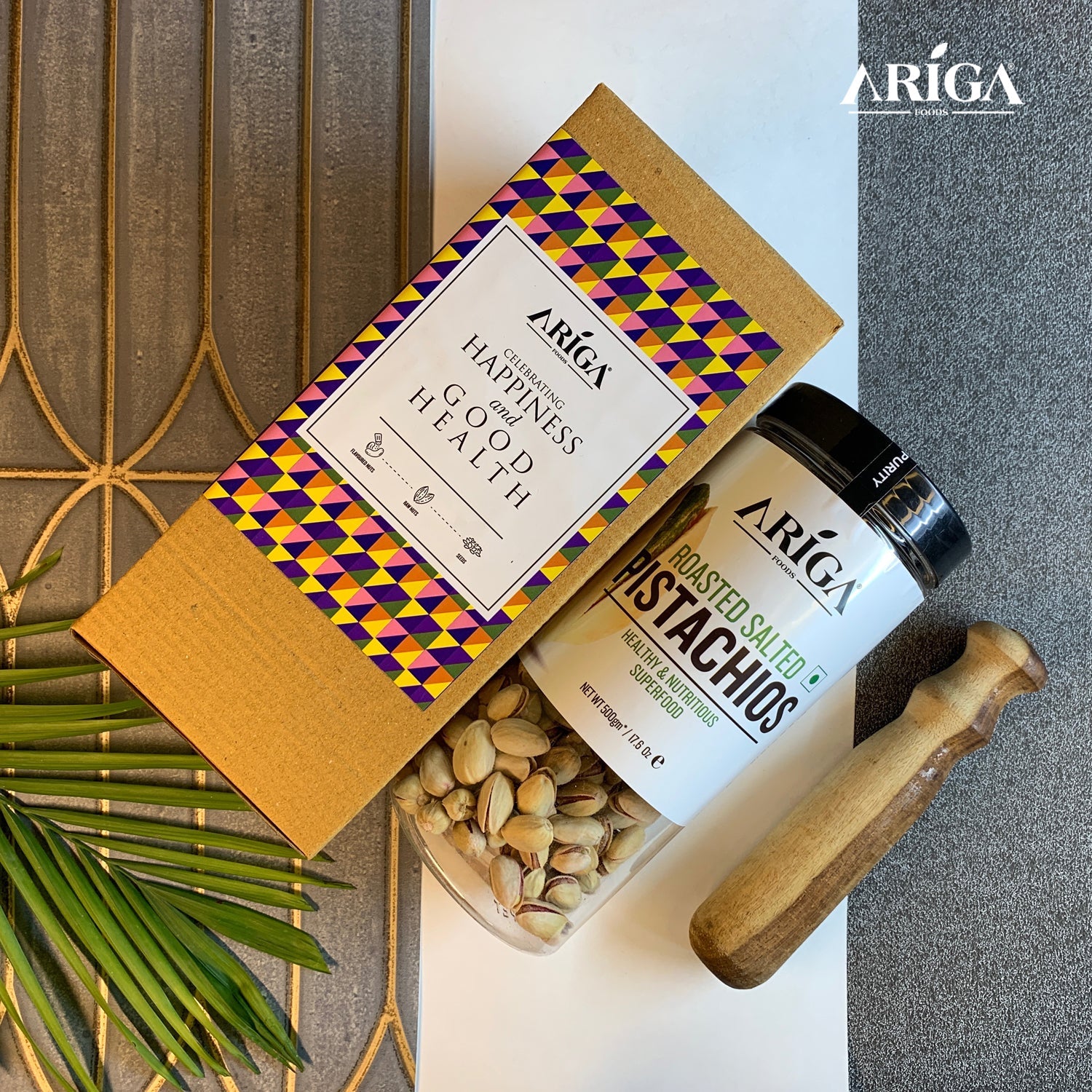
Roasted Salted Pistachios are, in my mind, the single most recognisable nut in Middle Eastern cooking, that vibrant green colour alone signals a dish is trying to be something special.
They go into the biscotti, get scattered over rice dishes for a final flourish, and honestly, I have started keeping a small bowl of them out whenever I have people over, since they disappear faster than almost anything else on the table.
Dried Apricots - The Ingredient I Almost Forgot
It took me embarrassingly long to start using dried apricots regularly, mostly because I had only ever thought of them as a plain snack rather than a cooking ingredient.
The Turkish-sourced dried apricots I now keep at home are naturally sweet and fibre rich, and I have started chopping them into pilafs alongside the raisins for a slightly different, tangier sweetness.
They also work beautifully just soaked briefly in warm water and served alongside a cheese board, which has become a lazy but reliably impressive way to end a dinner.
Building a Middle Eastern Style Nut and Dried Fruit Mix
On weeks I want something simple to snack on rather than cooking a full dish, I combine cashews, raisins, walnuts, almonds, pistachios, and chopped dried apricots in one jar.
Kaju kishmish, the classic cashew and raisin combination, is honestly a good starting point on its own if you want something simpler, but adding the walnuts, almonds, and apricots rounds it out into something that genuinely tastes like it belongs on a Middle Eastern table rather than a generic trail mix.
What I Have Learned Cooking This Way
Toasting nuts before using them, whether in a pilaf or scattered over a dessert, makes a bigger difference than almost any other step in this kind of cooking. It takes minutes and genuinely changes how much flavour comes through.
Balance sweetness carefully. A lot of Middle Eastern cooking sits right at the intersection of sweet and savoury, and it is easy to either overdo the sugar in something like baklava syrup or underdo the natural sweetness that raisins and apricots already bring to a savoury dish. I have learned to taste as I go rather than following quantities blindly.
Buy your dried fruits and nuts with sourcing in mind.
I noticed a real difference once I started using properly sourced Turkish apricots instead of whatever generic dried apricots I could find locally, both in flavour and in that natural fibre-rich sweetness that makes them work so well in cooking.
And finally, do not rush the layering steps in things like baklava.
It is tempting to go faster once you understand the technique, but the dishes that have turned out best for me have always been the ones where I took my time with each layer.
Cooking this way has become less about recreating a specific trip and more about how naturally nuts and dried fruits fit into everyday meals once you start paying attention to them.
What started as a slightly obsessive attempt to relive a holiday has quietly become one of my favourite ways to cook.
People Also Ask
Which nuts are most commonly used in Middle Eastern cooking?
Cashews, walnuts, almonds, and pistachios are all widely used across Middle Eastern cuisine, appearing in rice dishes, pastries like baklava, and as garnishes for both sweet and savoury dishes.
What is baklava traditionally made with?
Baklava is traditionally made with layers of phyllo dough, butter, and a filling of finely chopped nuts, most commonly walnuts, almonds, or pistachios, soaked in a honey or sugar syrup after baking.
Are dried apricots used in savoury Middle Eastern dishes?
Yes, dried apricots are often used in savoury dishes like pilafs and stews, where their natural sweetness balances warm spices. They are also enjoyed on their own or alongside cheese as a simple snack.
What is kaju kishmish and how is it used?
Kaju kishmish refers to a simple combination of cashews and raisins, popular both as a standalone snack and as a mix-in for rice dishes like pilaf, where the cashews add richness and the raisins add natural sweetness.
Why do Middle Eastern recipes toast nuts before using them?
Toasting nuts before adding them to a dish enhances their natural flavour and aroma significantly, which is why many Middle Eastern recipes call for a quick dry-pan toast before folding nuts into rice dishes or desserts.
Can pistachios be used in both sweet and savoury Middle Eastern dishes?
Yes, pistachios are one of the most versatile nuts in Middle Eastern cooking, used in sweet dishes like biscotti and baklava as well as scattered over savoury rice dishes and salads for colour, crunch, and flavour.
Related Products
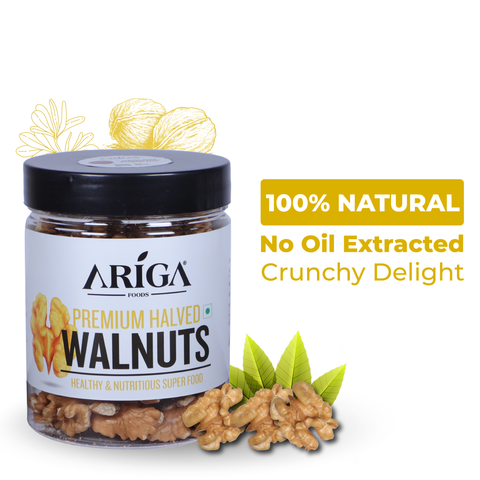

Ariga Foods Premium Halved Walnuts 150g
100% premium quality walnuts akhrot giri, without shell halved walnuts consumed as supersnack. Premium quality walnut kernels- Crunchy & Deli...
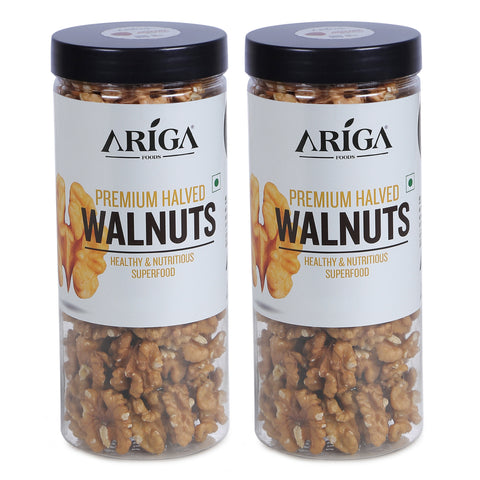

Ariga Foods Premium Halved Walnuts 700g
100% premium quality walnuts akhrot giri, without shell halved walnuts consumed as supersnack. Premium quality walnut kernels- Crunchy & Deli...
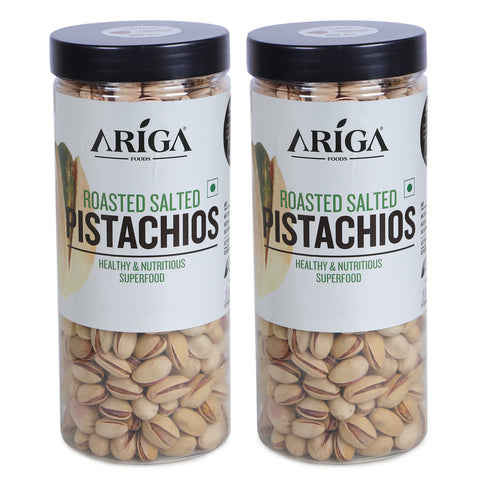

Premium Roasted & Salted Pistachios 1kg
100% premium quality pista dry fruits. Roasted & salted pistachios, consumed as supersnack. Buy Pistachio nuts (Pista) online in India at Arig...


Premium Roasted & Salted Pistachios 500g
100% premium quality pista dry fruits. Roasted & salted pistachios, consumed as supersnack.Buy Pistachio nuts (Psita) online in India at Ariga ...
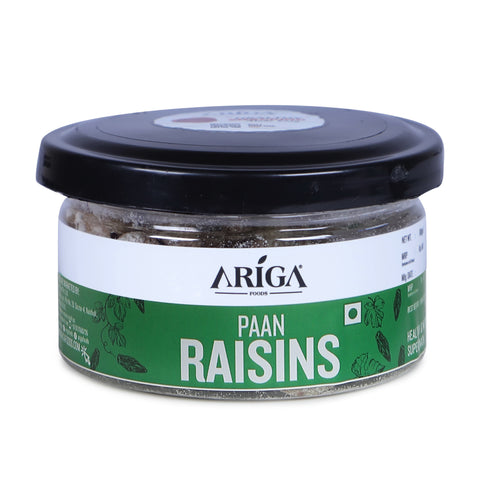

Paan Raisins 100g | Premium Long Green Kishmish
100% premium quality product from Ariga Foods. Ariga Paan Raisins are consumed as supersnack as they are the best replacement for junk food. Pac...
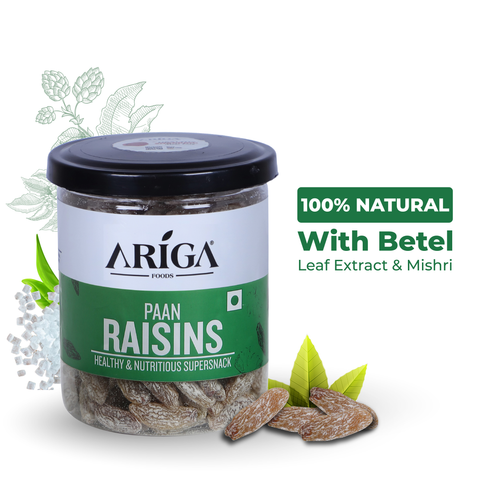

Paan Raisins 250g | Premium Long Green Kishmish
100% premium quality raisins kismis made with real pan extract to bring the taste of mukhwas. These are long size green raisins dry fruit. Buy gr...
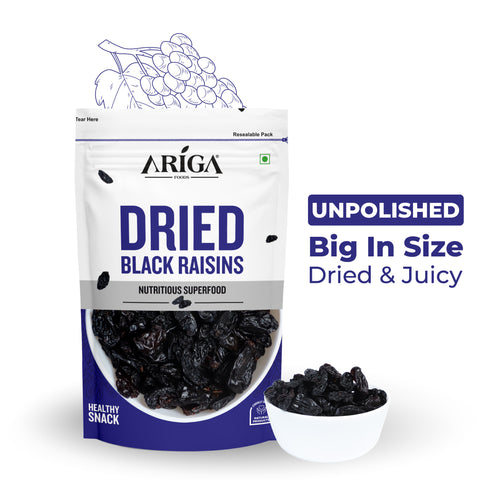

Premium Afghani Black Raisins 200g | Ariga Foods
100% premium quality black raisins. Healthy alternative to processed food and snacks. Buy black raisins online at Ariga Foods. They are also know...
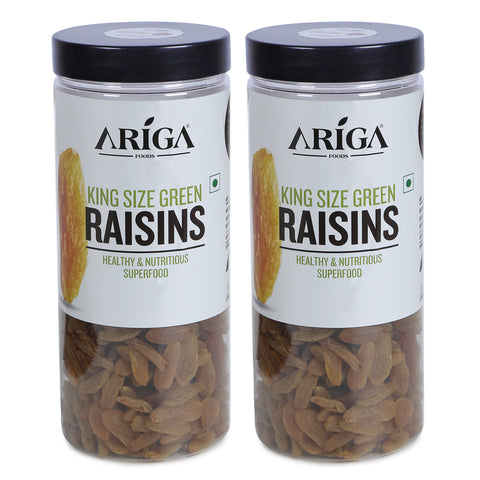

Premium Green Raisins 1kg
100% premium quality raisins kismis. Long size green raisins dry fruit, best replacement for junk food. Buy Indian raisins online at Ariga Foods....
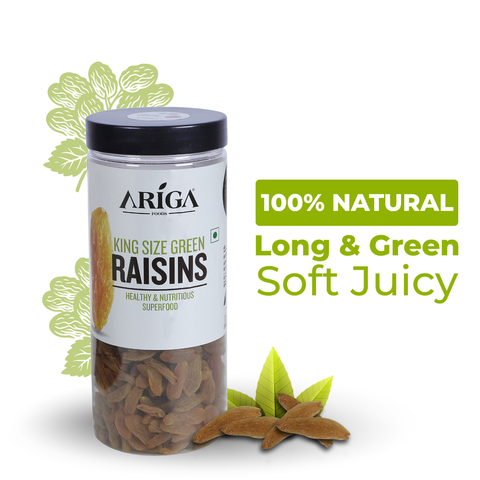

Premium Green Raisins 500g
100% premium quality raisins kismis. Long size green raisins dry fruit, best replacement for junk food. Buy Indian raisins online at Ariga Foods....


Ariga Foods King Size Premium Cashew Nuts 1kg | Dry Fruit Kaju 240 Grade
100% premium quality dry fruits Cashews 240 big size kaju nutritious food for healthy eating. Buy Cashew nuts (Kaju) online in India at Ariga Foo...
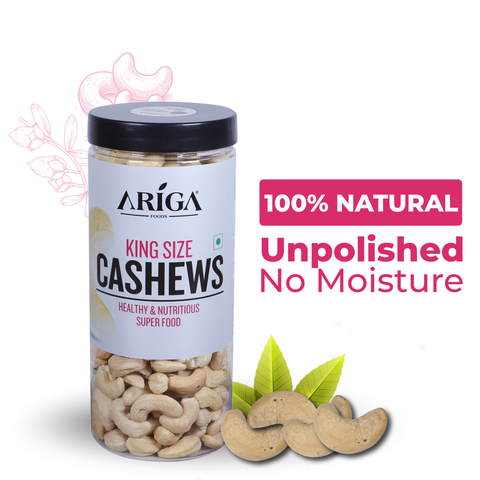

Ariga Foods King Size Premium Cashew Nuts 500g | Dry Fruit Kaju 240 Grade
100% premium quality dry fruits Cashews 240 big size kaju nutritious food for healthy eating. Buy Cashew nuts (Kaju) online in India at Ariga Foo...
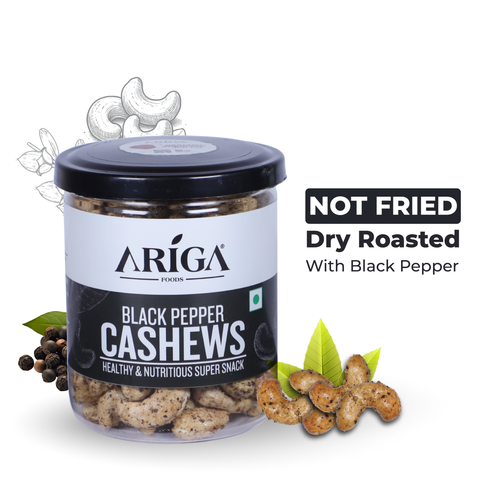

Black Pepper Cashews 200g | Roasted 100% Premium Kaju
'100% premium quality dry fruits roasted cashews sprinkled with black pepper kaalimirch from Ariga Foods. Dry roasted with no oil, these roasted ...
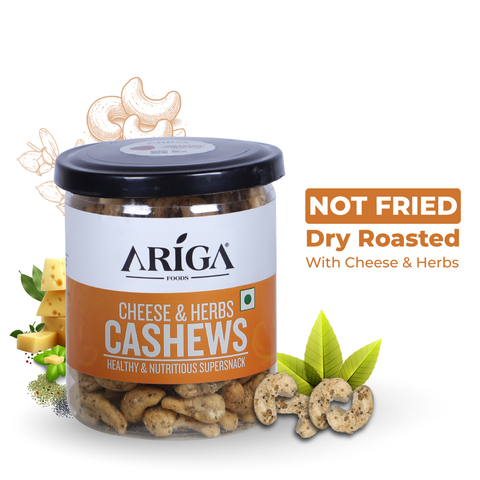

Cheese & Herbs Cashews 200g | Roasted 100% Premium Kaju
Ariga Foods premium quality roasted cashews with cheese & herbs are dry roasted with no oil. Crunchy and delicious dry fruit. Buy roasted and...
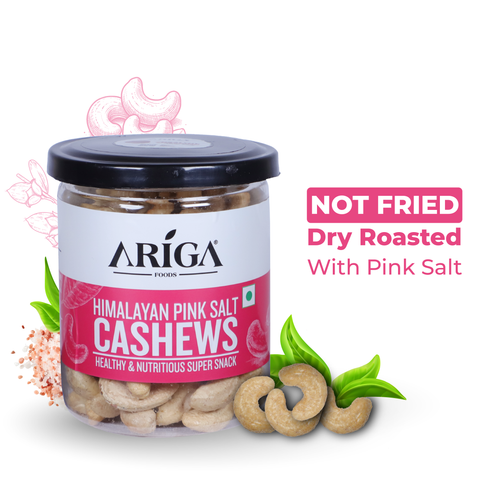

Himalayan Pink Salt Cashews 200g | Roasted 100% Premium Kaju
Ariga Foods 100% premium quality dry fruits roasted cashews with pink salt for healthy eating. Big size kaju crunchy and nutritious. Buy roasted ...
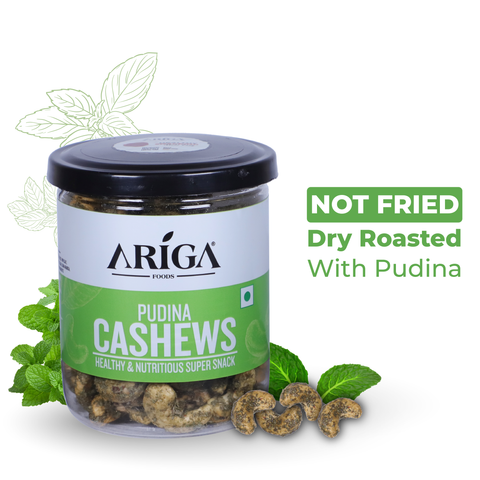

Pudina Cashews 200g | Roasted 100% Premium Kaju
Ariga Foods roasted salted cashews are toasted with dry pudina particals. This makes the roasted cashews tasy and crunchy. These cashew nuts are ...
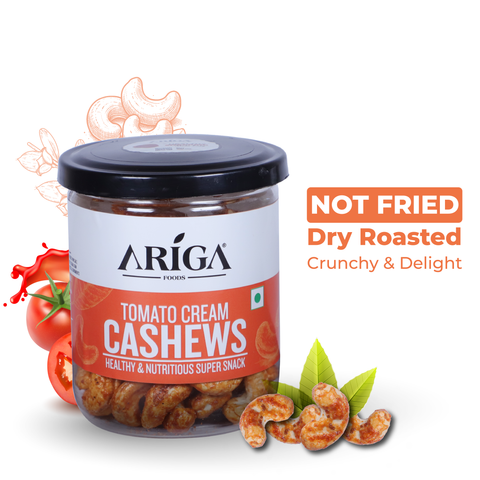

Tomato Cream Cashews 200g | Roasted 100% Premium Kaju
100% premium quality roasted and slated cashews toasted with real tomato and cream from Ariga Foods. Dry roasted cashews with no oil. Crunchy and...


Ariga Foods Premium California Almonds 1kg
100% premium quality dry fruits badam giri from Ariga Foods, sourced from California, USA. Buy California Almonds (Badaam) online in India at Ari...


Ariga Foods Premium California Almonds 500g
100% premium quality dry fruits badam giri from Ariga Foods, sourced from California, USA. Buy California Almonds (Badaam) online in India at Ari...
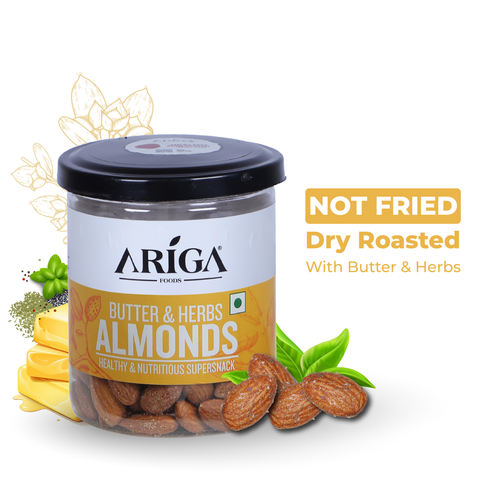

Butter & Herbs Almonds 200g | Roasted 100% Premium Badam
100% premium quality dry fruits roasted almonds toasted with butter & herbs from Ariga Foods. Dry roasted with no oil, these nutrition roast...
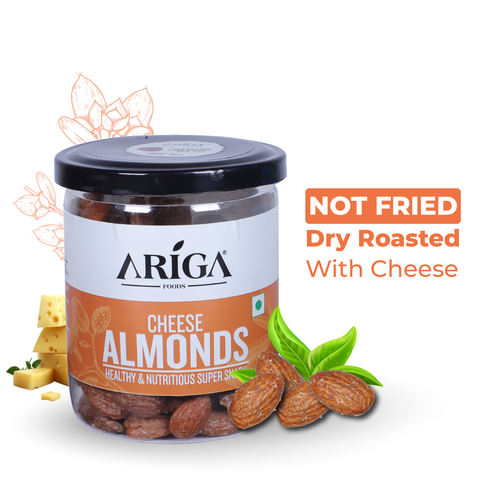

Cheese Almonds 200g | Roasted 100% Premium Badam
Ariga Foods dry fruits roasted almonds are wrapped with cheese. 100% premium quality badam. These nutrition roasted almonds are crunchy and delic...
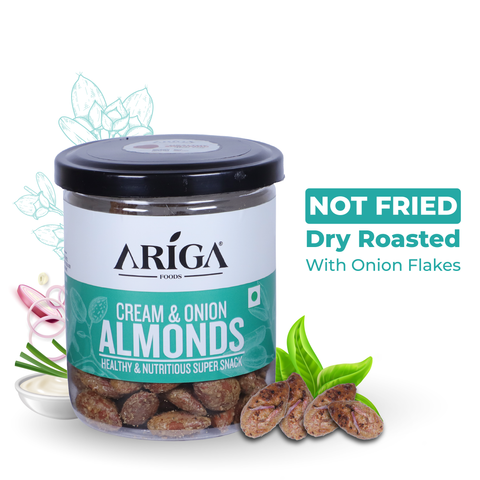

Cream & Onion Almonds 200g | Roasted 100% Premium Badam
100% premium quality dry fruits roasted almonds with cream & onion from Ariga Foods. Dry roasted almonds with no oil. Crunchy and delicious. N...
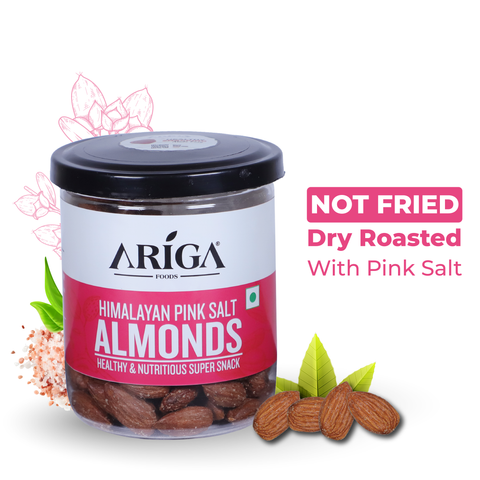

Himalayan Pink Salt Almonds 200g | Roasted 100% Premium Badam
100% premium quality dry fruits roasted almonds with pink salt from Ariga Foods, dry roasted with no oil. Crunchy and delicious. Buy roasted almo...
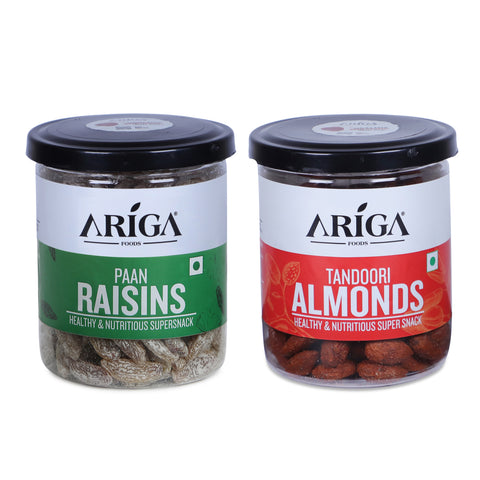

Tandoori Almonds 200g + Paan Raisins 250g (Dry Fruits Combo Pack 450g)
100% premium quality product from Ariga Foods. Ariga Tandoori Almonds and Paan Long Rasins are flavoured with Tandoori Masala and Paan flavour res...
About Us
Ariga Foods is the innovative Retail and B2B brand by Ariganic Food Pvt. Ltd. Our vision is to make Superfood convenient and tasty for every household around the world.
Read moreSUBSCRIBE & FOLLOW
TAG CLOUD