

Top Nuts For Individuals with Lactose Intolerance
My roommate found out she was lactose intolerant in her mid-twenties, which honestly threw her for a loop since she had grown up on a very dairy-heavy diet, cheese on everything, a glass of milk most nights, paneer at least twice a week.
Watching her rebuild her diet around that diagnosis taught me a lot, mostly by accident, since we cook together most evenings and I ended up adapting alongside her without really planning to.
What surprised both of us was how much nuts ended up filling the gap dairy left behind, not just as a substitute in the boring, obligatory sense, but as genuinely satisfying replacements that in some cases she now prefers to what she used to eat before.
Why Nuts Work So Well for Lactose Intolerance
Lactose intolerance happens when the body cannot properly break down lactose, the sugar found in milk and dairy products, which for a lot of people means cramping, bloating, or general discomfort after eating dairy.
Nuts and dry fruits are naturally dairy-free, so there is no lactose to worry about at all, but what makes them a genuinely good substitute rather than just a safe one is that they carry a lot of the same nutrients dairy is known for, calcium, magnesium, and healthy fats, in a completely different, plant-based form.
My roommate's doctor specifically mentioned this when she was first diagnosed, that leaning on nuts and dry fruits could help her maintain her calcium and mineral intake without needing to rely entirely on lactose-free dairy products, which, at least where we live, can be pricier and harder to find consistently.
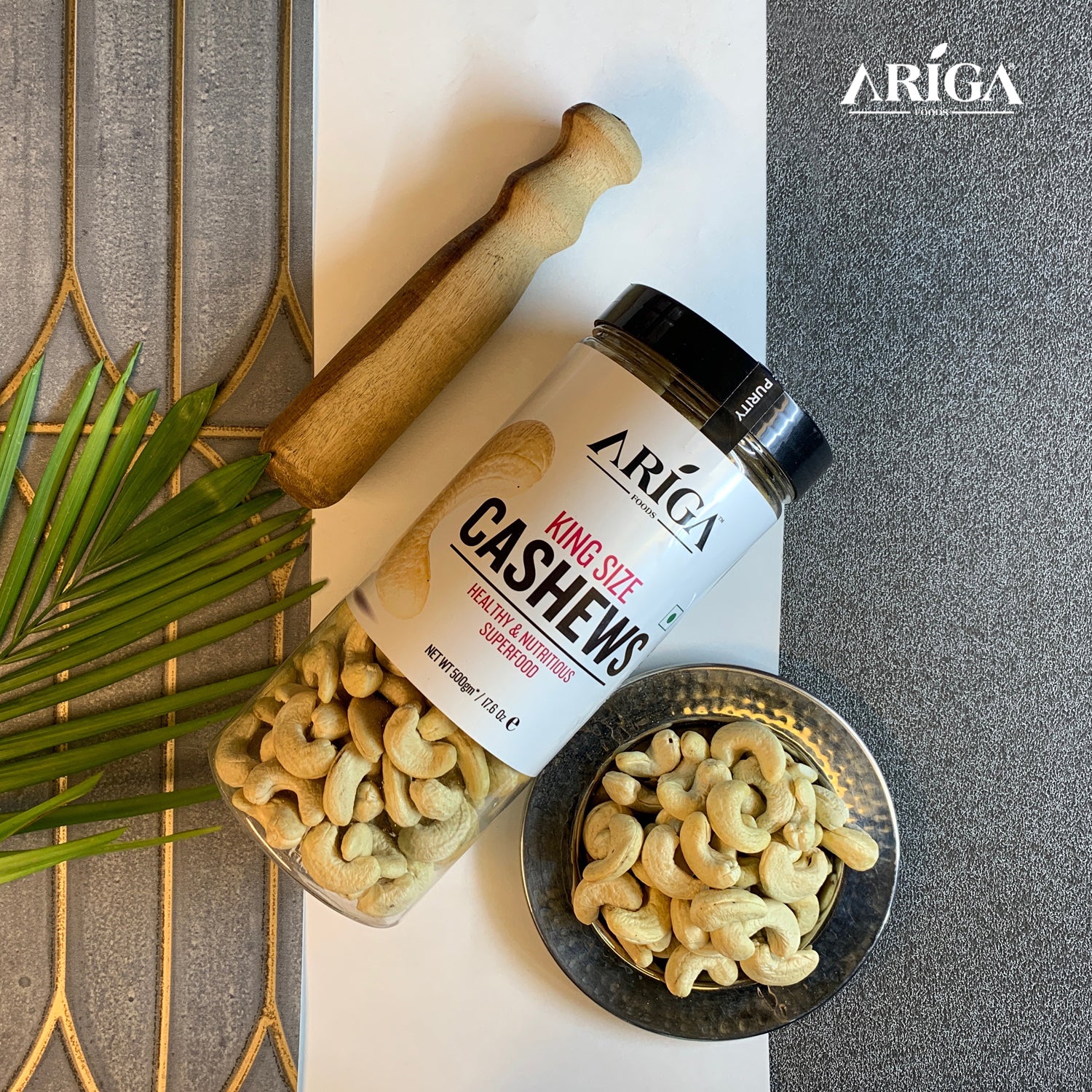
King Size Cashews - The Cream Replacement
Cashews became her go-to for replacing cream and cheese-based textures in cooking, which honestly was the thing she missed most.
King Size Cashews, soaked for a couple of hours, then blended with water, lemon juice, garlic, and a bit of salt, make a genuinely creamy, dairy-free sauce that we now use over pasta or roasted vegetables instead of anything cream-based. The first time I tried it without knowing what it was, I genuinely thought there was cream in it somewhere.
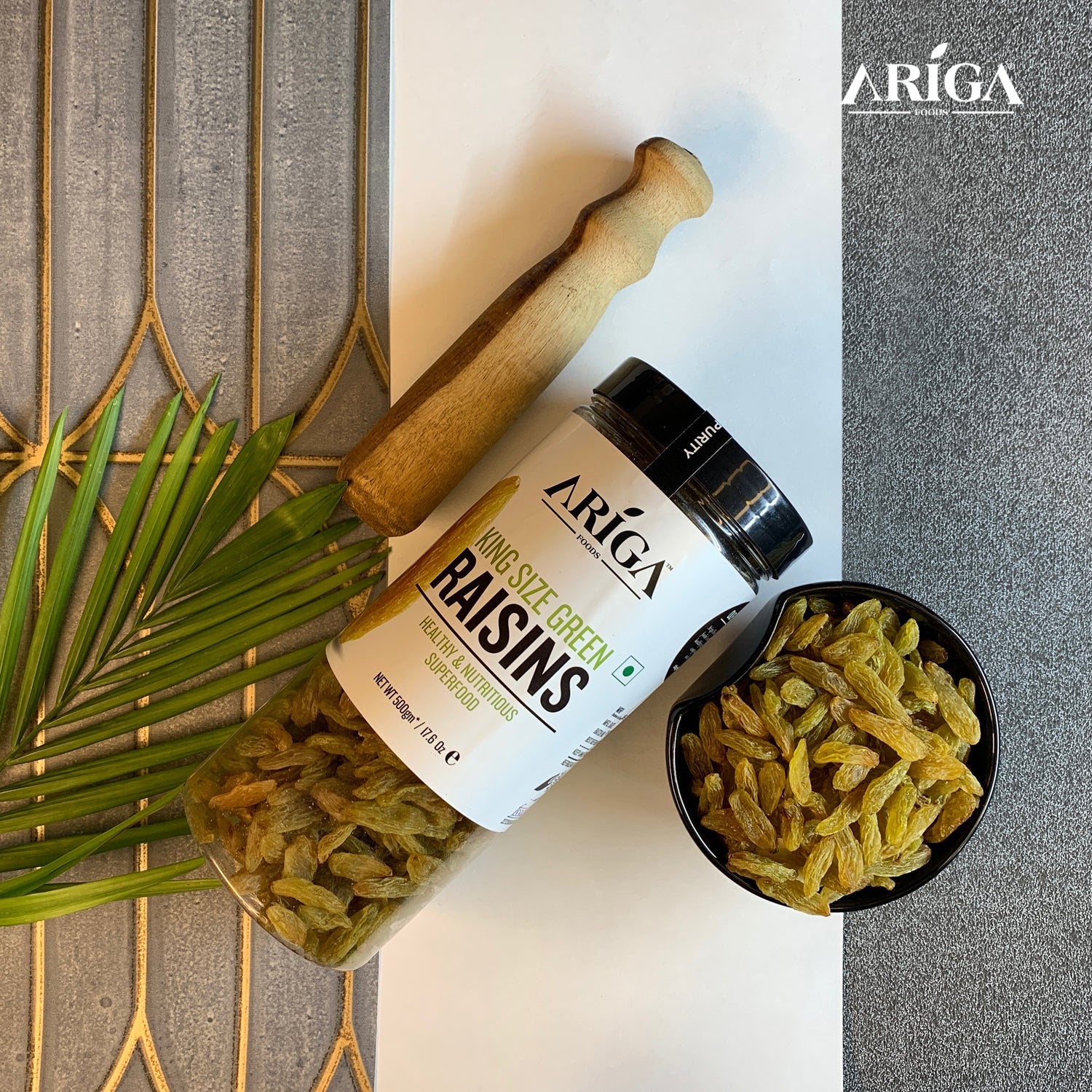
King Size Raisins - Sweetness Without Dairy
Raisins became her replacement for the little sweet treats she used to reach for, things like flavoured yogurt or milk-based desserts.
King Size Raisins are naturally sweet, rich in iron and antioxidants, and we now use them constantly in a raisin and nut energy bar we make at home, blended raisins mixed with chopped almonds, cashews, oats, and a bit of honey, pressed into a tray and refrigerated until firm.
It has become her go-to snack for busy mornings when she does not have time to think about breakfast properly.
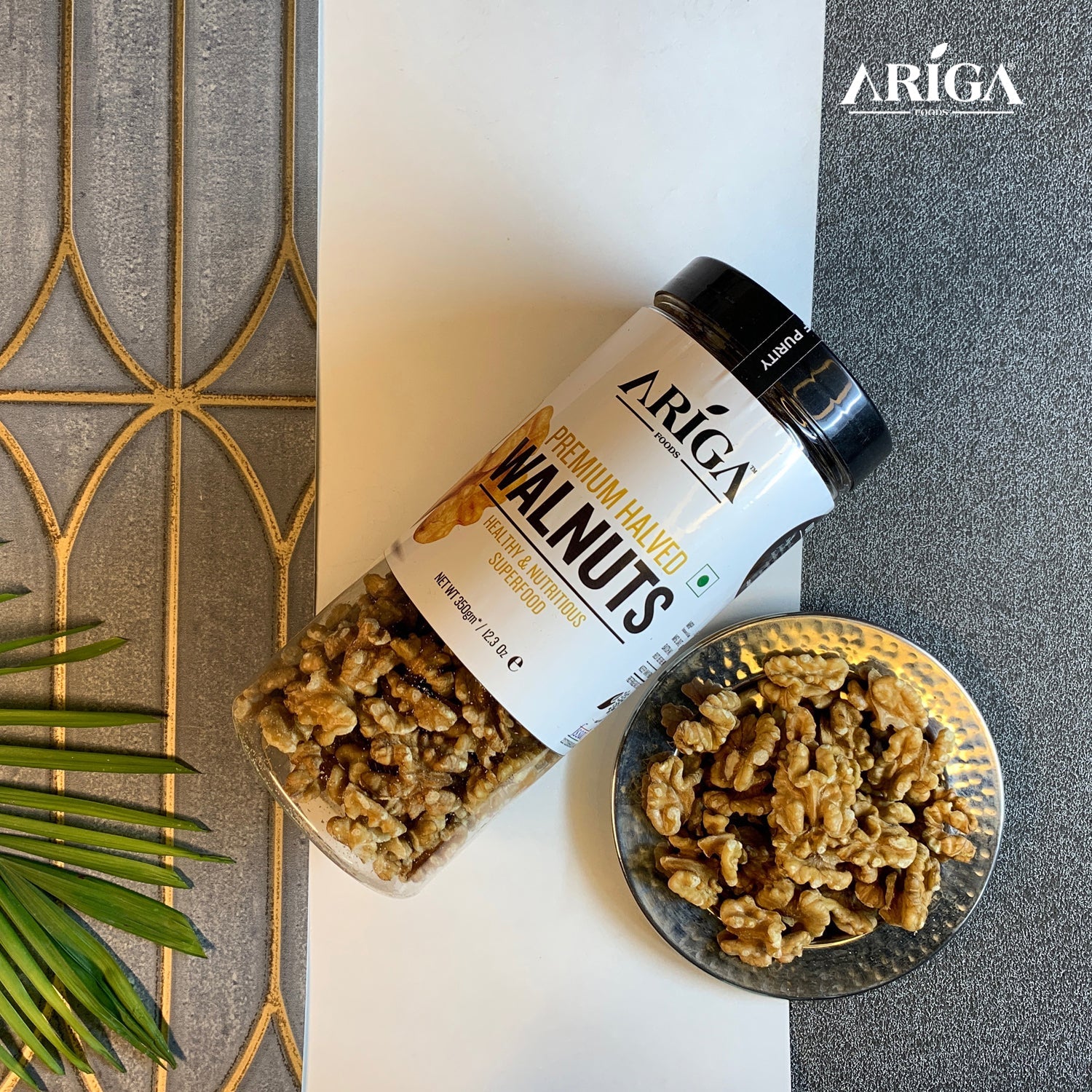
Premium Halved Walnuts - The Cheesy Substitute
This one surprised us both. Premium Halved Walnuts, toasted and blended with basil, olive oil, garlic, and nutritional yeast instead of parmesan, make a walnut pesto that genuinely delivers that savoury, cheese-like depth without a trace of actual dairy.
Nutritional yeast is doing a lot of the work here, but the walnuts give the sauce its body and richness in a way that feels convincingly close to the real thing. We use it on pasta, spread on sandwiches, or as a dip, and it has quietly become one of our most-made sauces.
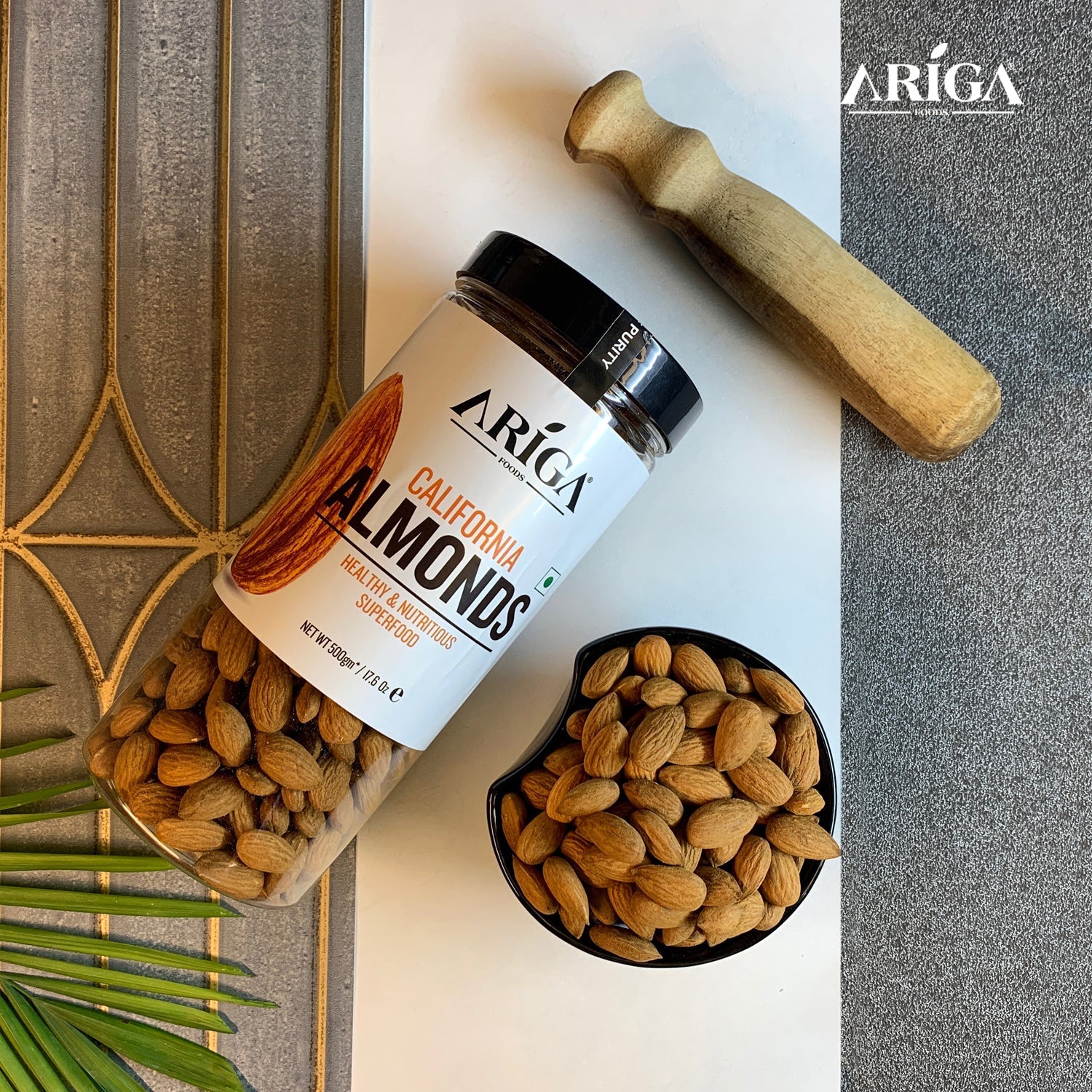
Almonds - The DIY Spread
Almonds turned into her replacement for butter-based spreads.
Roasted almonds, blended down in a food processor with a touch of coconut oil if needed for smoothness, make a genuinely good almond butter that she now spreads on toast most mornings instead of anything dairy-based.
It takes a bit of patience in the blending, the almonds go through a slightly crumbly, sandy stage before they finally turn smooth, but the result is worth the wait.
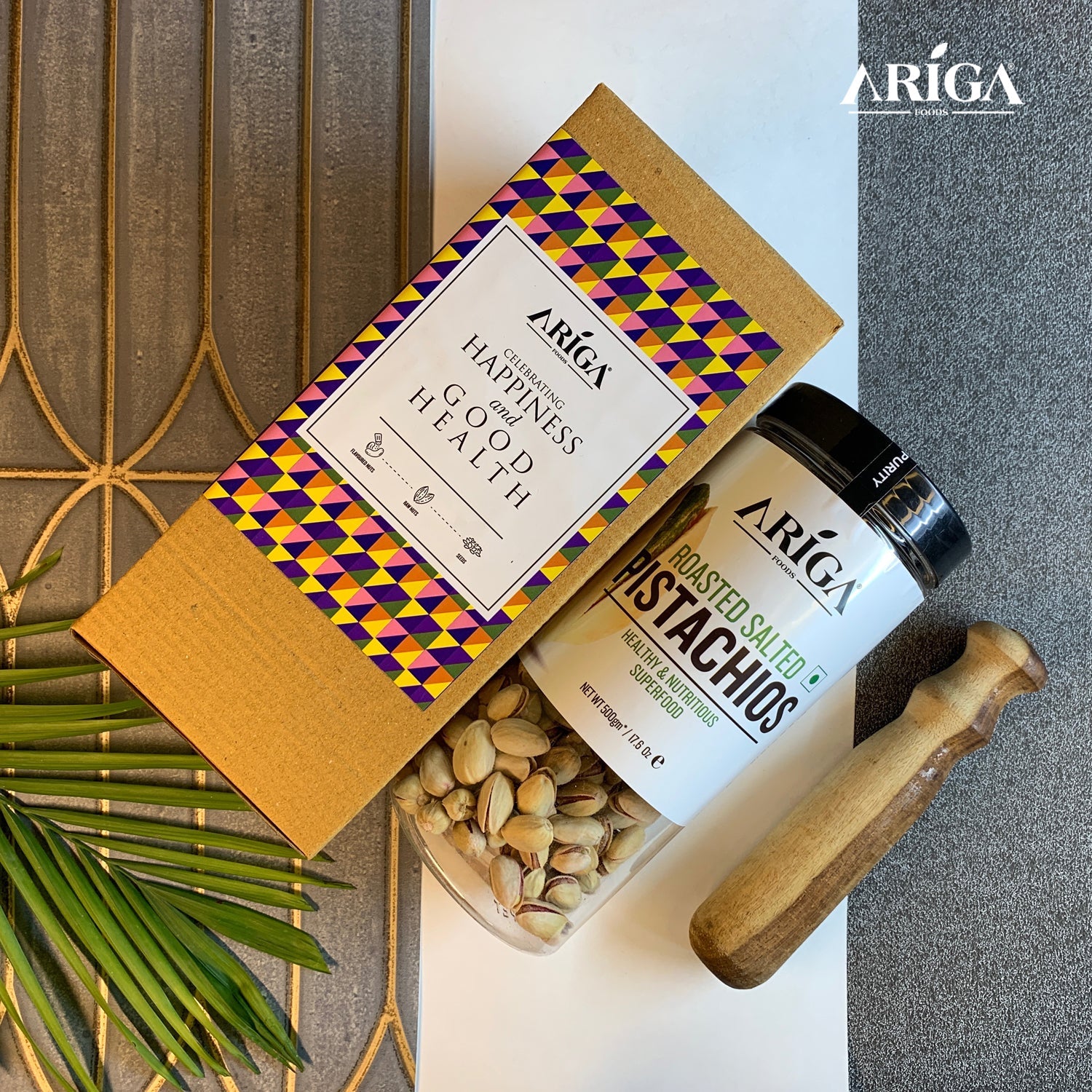
Roasted Salted Pistachios - Crunch Where Cheese Used to Be
Pistachios became her replacement for parmesan-crusted anything, which used to be a fairly regular dinner in our house before her diagnosis. Crushed Roasted Salted Pistachios, used to coat chicken breasts before baking, give that same satisfying crunchy exterior that breadcrumbs and cheese used to provide, minus the dairy entirely.
It has become one of her most requested dinners, dairy intolerance or not.
What Actually Changed for Her
The biggest shift, watching her go through this, was realising that lactose intolerance did not have to mean a diet defined by absence. Nuts and dry fruits gave her a way to keep eating rich, satisfying, texturally interesting food, just built around different ingredients than before.
The calcium and magnesium these foods carry naturally also meant she was not left worrying constantly about whether she was getting enough of what dairy used to provide.
The other thing worth mentioning is that this shift did not happen overnight. It took her a few months of experimenting, a fair number of slightly odd-tasting early attempts at cashew cream sauce, before she landed on a rotation of nuts and recipes that actually felt like her normal diet again rather than a restricted version of it.
A Few Practical Things We Learned
Soaking matters a lot for cashews specifically. Unsoaked cashews blend into something closer to a paste than a sauce, while soaked ones turn genuinely creamy and smooth.
Nutritional yeast is worth keeping on hand if you are trying to recreate cheesy flavours without dairy. It sounds like a strange ingredient the first time you buy it, but it makes a real difference in things like the walnut pesto.
And portion still matters here too. Nuts are calorie-dense, so while they are a great dairy substitute nutritionally, treating them as an unlimited replacement rather than a mindful one is not really the goal. A small, consistent handful or a spoon of a nut-based sauce goes a long way.
Watching my roommate navigate this reminded me that dietary restrictions, however frustrating at first, often lead to discovering genuinely good alternatives you might never have tried otherwise. Some of the recipes we built around her lactose intolerance have honestly become better than what they replaced.
People Also Ask
Are nuts a good source of calcium for people who are lactose intolerant?
Yes, nuts like almonds provide a reasonable amount of calcium along with magnesium and healthy fats, making them a useful part of a diet that avoids dairy. They should not be the sole source of calcium, but they contribute meaningfully alongside other calcium-rich, dairy-free foods.
Can cashews replace cream in cooking for lactose intolerant individuals?
Yes, soaked and blended cashews create a smooth, creamy texture that works well as a dairy-free substitute for cream in sauces, soups, and pasta dishes. The key is soaking them for at least a couple of hours before blending for the best consistency.
What can replace cheese for someone with lactose intolerance?
Nutritional yeast combined with nuts like walnuts or cashews can recreate a savoury, cheese-like flavour and texture in sauces and pestos. While it is not identical to real cheese, many people find it a satisfying substitute in cooked dishes.
Is almond butter a good breakfast option for lactose intolerant people?
Yes, almond butter is naturally dairy-free and provides healthy fats, protein, and vitamin E, making it a good spread for toast or an addition to smoothies for anyone avoiding lactose.
Do nuts and dry fruits provide enough nutrition to replace dairy entirely?
Nuts and dry fruits can replace some of the key nutrients dairy provides, like calcium, healthy fats, and certain vitamins, but a fully balanced diet for someone avoiding dairy usually includes a variety of other calcium-rich, dairy-free foods as well, not nuts alone.
How long does it take to adjust to a dairy-free diet using nuts as a substitute?
This varies by person, but many people find that building a rotation of go-to recipes and substitutes, like nut-based sauces and spreads, takes a few weeks to a couple of months before it starts to feel like a normal part of their diet rather than a restriction.
Related Products

Ariga Foods Premium Halved Walnuts 150g
100% premium quality walnuts akhrot giri, without shell halved walnuts consumed as supersnack. Premium quality walnut kernels- Crunchy & Deli...

Ariga Foods Premium Halved Walnuts 350g
100% premium quality walnuts akhrot giri, without shell halved walnuts consumed as supersnack. Premium quality walnut kernels- Crunchy & Deli...

Ariga Foods Premium Halved Walnuts 700g
100% premium quality walnuts akhrot giri, without shell halved walnuts consumed as supersnack. Premium quality walnut kernels- Crunchy & Deli...
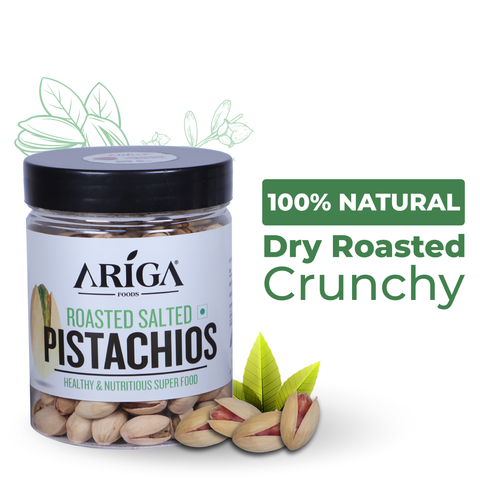

Premium Roasted & Salted Pistachios 200g
100% premium quality pista dry fruits. Roasted & salted pistachios, consumed as supersnack.Buy Pistachio nuts (Psita) online in India at Ariga ...
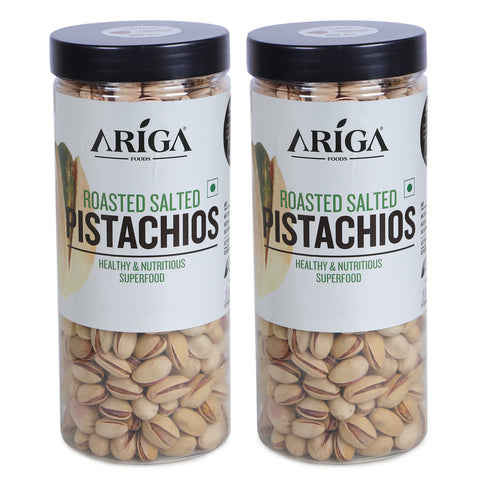

Premium Roasted & Salted Pistachios 1kg
100% premium quality pista dry fruits. Roasted & salted pistachios, consumed as supersnack. Buy Pistachio nuts (Pista) online in India at Arig...


Premium Roasted & Salted Pistachios 500g
100% premium quality pista dry fruits. Roasted & salted pistachios, consumed as supersnack.Buy Pistachio nuts (Psita) online in India at Ariga ...
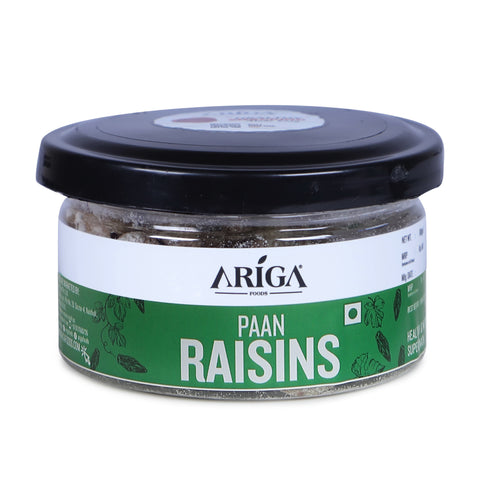

Paan Raisins 100g | Premium Long Green Kishmish
100% premium quality product from Ariga Foods. Ariga Paan Raisins are consumed as supersnack as they are the best replacement for junk food. Pac...
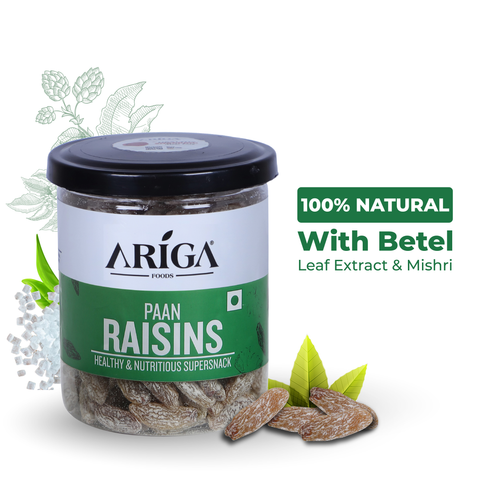

Paan Raisins 250g | Premium Long Green Kishmish
100% premium quality raisins kismis made with real pan extract to bring the taste of mukhwas. These are long size green raisins dry fruit. Buy gr...
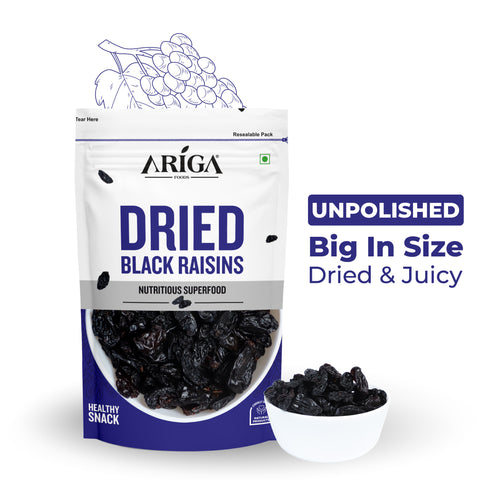

Premium Afghani Black Raisins 200g | Ariga Foods
100% premium quality black raisins. Healthy alternative to processed food and snacks. Buy black raisins online at Ariga Foods. They are also know...
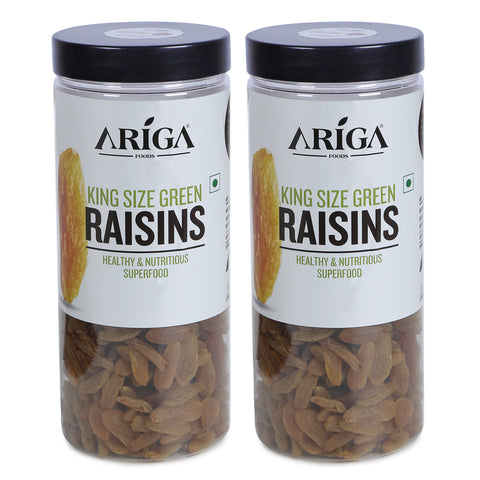

Premium Green Raisins 1kg
100% premium quality raisins kismis. Long size green raisins dry fruit, best replacement for junk food. Buy Indian raisins online at Ariga Foods....
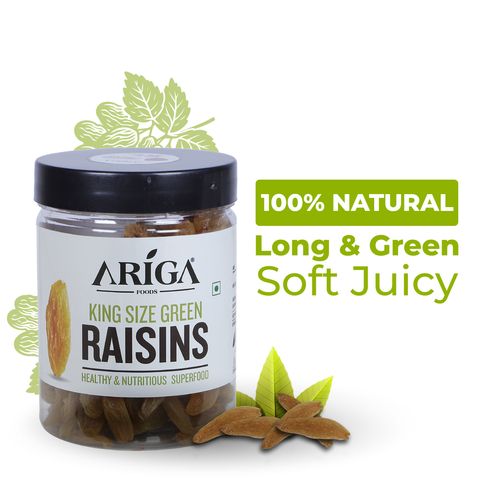

Premium Green Raisins 250g
100% premium quality raisins kismis. Long size green raisins dry fruit, best replacement for junk food. Buy Indian raisins online at Ariga Foods....
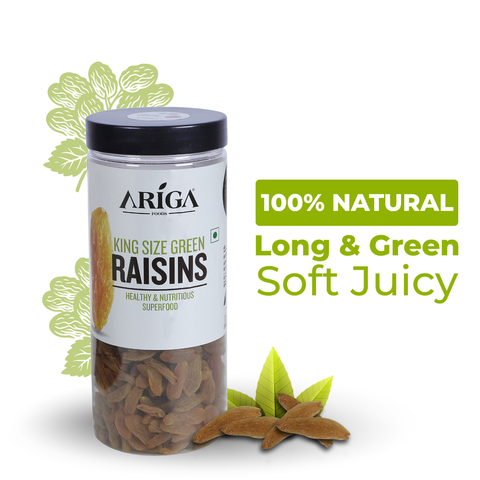

Premium Green Raisins 500g
100% premium quality raisins kismis. Long size green raisins dry fruit, best replacement for junk food. Buy Indian raisins online at Ariga Foods....


Ariga Foods King Size Premium Cashew Nuts 1kg | Dry Fruit Kaju 240 Grade
100% premium quality dry fruits Cashews 240 big size kaju nutritious food for healthy eating. Buy Cashew nuts (Kaju) online in India at Ariga Foo...
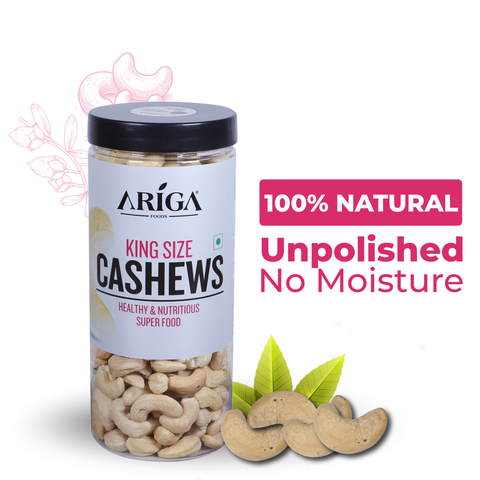

Ariga Foods King Size Premium Cashew Nuts 500g | Dry Fruit Kaju 240 Grade
100% premium quality dry fruits Cashews 240 big size kaju nutritious food for healthy eating. Buy Cashew nuts (Kaju) online in India at Ariga Foo...
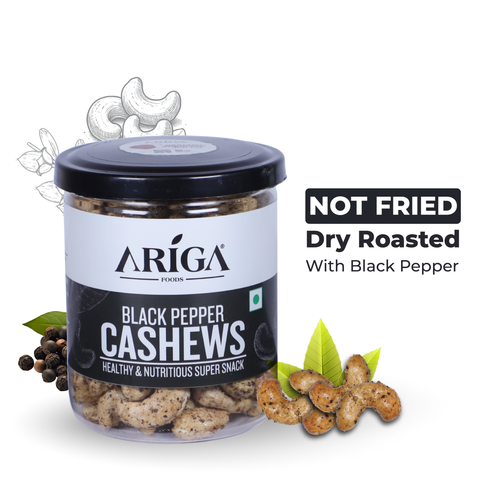

Black Pepper Cashews 200g | Roasted 100% Premium Kaju
'100% premium quality dry fruits roasted cashews sprinkled with black pepper kaalimirch from Ariga Foods. Dry roasted with no oil, these roasted ...
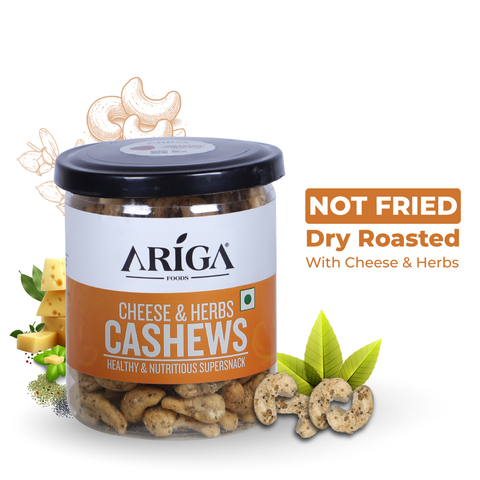

Cheese & Herbs Cashews 200g | Roasted 100% Premium Kaju
Ariga Foods premium quality roasted cashews with cheese & herbs are dry roasted with no oil. Crunchy and delicious dry fruit. Buy roasted and...
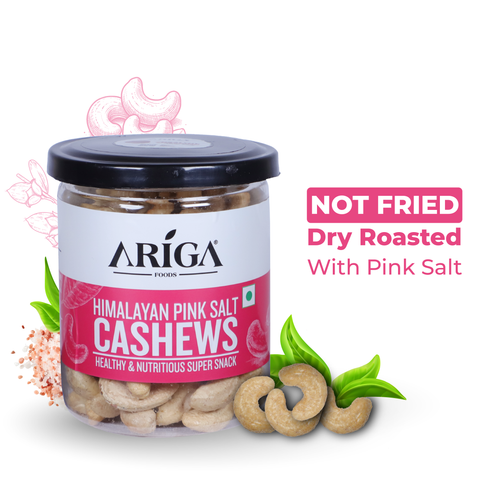

Himalayan Pink Salt Cashews 200g | Roasted 100% Premium Kaju
Ariga Foods 100% premium quality dry fruits roasted cashews with pink salt for healthy eating. Big size kaju crunchy and nutritious. Buy roasted ...
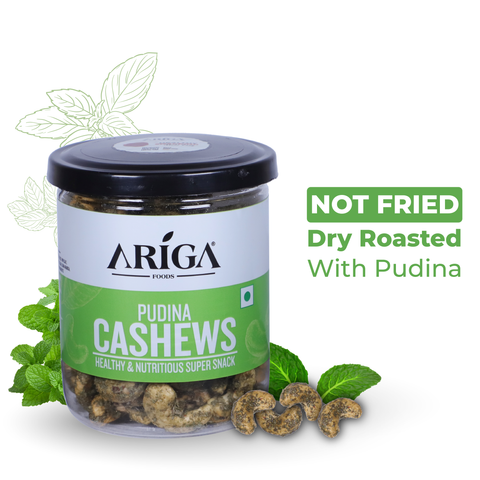

Pudina Cashews 200g | Roasted 100% Premium Kaju
Ariga Foods roasted salted cashews are toasted with dry pudina particals. This makes the roasted cashews tasy and crunchy. These cashew nuts are ...


Ariga Foods Premium California Almonds 1kg
100% premium quality dry fruits badam giri from Ariga Foods, sourced from California, USA. Buy California Almonds (Badaam) online in India at Ari...


Ariga Foods Premium California Almonds 500g
100% premium quality dry fruits badam giri from Ariga Foods, sourced from California, USA. Buy California Almonds (Badaam) online in India at Ari...
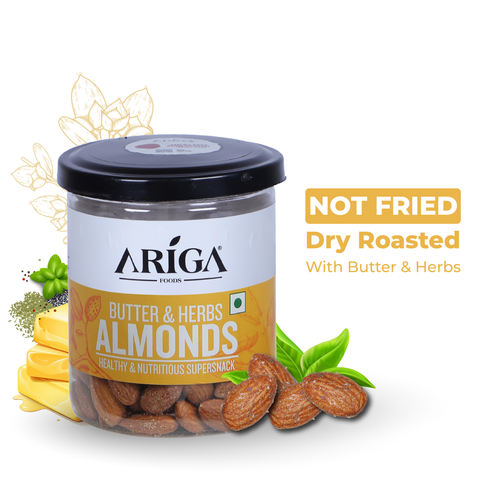

Butter & Herbs Almonds 200g | Roasted 100% Premium Badam
100% premium quality dry fruits roasted almonds toasted with butter & herbs from Ariga Foods. Dry roasted with no oil, these nutrition roast...
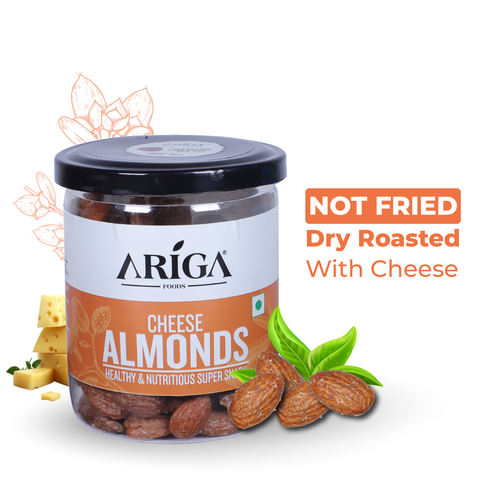

Cheese Almonds 200g | Roasted 100% Premium Badam
Ariga Foods dry fruits roasted almonds are wrapped with cheese. 100% premium quality badam. These nutrition roasted almonds are crunchy and delic...
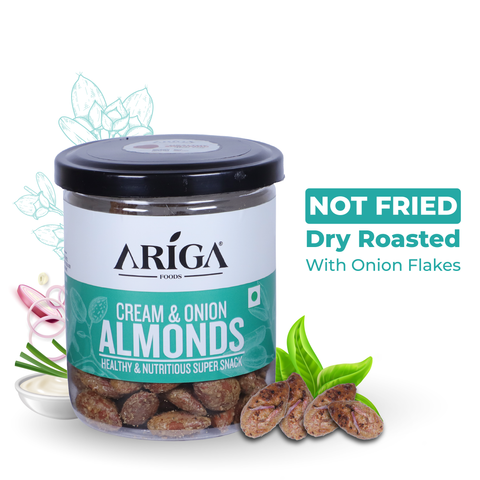

Cream & Onion Almonds 200g | Roasted 100% Premium Badam
100% premium quality dry fruits roasted almonds with cream & onion from Ariga Foods. Dry roasted almonds with no oil. Crunchy and delicious. N...
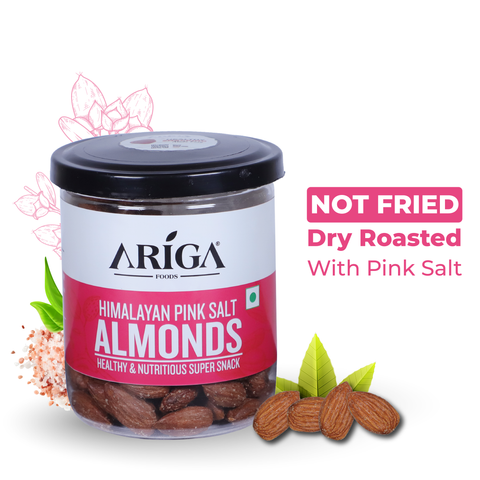

Himalayan Pink Salt Almonds 200g | Roasted 100% Premium Badam
100% premium quality dry fruits roasted almonds with pink salt from Ariga Foods, dry roasted with no oil. Crunchy and delicious. Buy roasted almo...
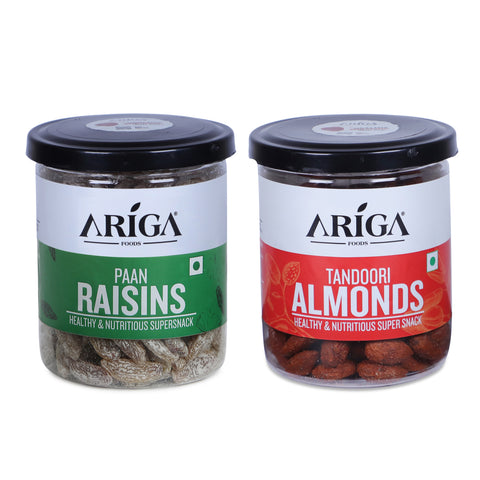

Tandoori Almonds 200g + Paan Raisins 250g (Dry Fruits Combo Pack 450g)
100% premium quality product from Ariga Foods. Ariga Tandoori Almonds and Paan Long Rasins are flavoured with Tandoori Masala and Paan flavour res...
About Us
Ariga Foods is the innovative Retail and B2B brand by Ariganic Food Pvt. Ltd. Our vision is to make Superfood convenient and tasty for every household around the world.
Read moreSUBSCRIBE & FOLLOW
TAG CLOUD