
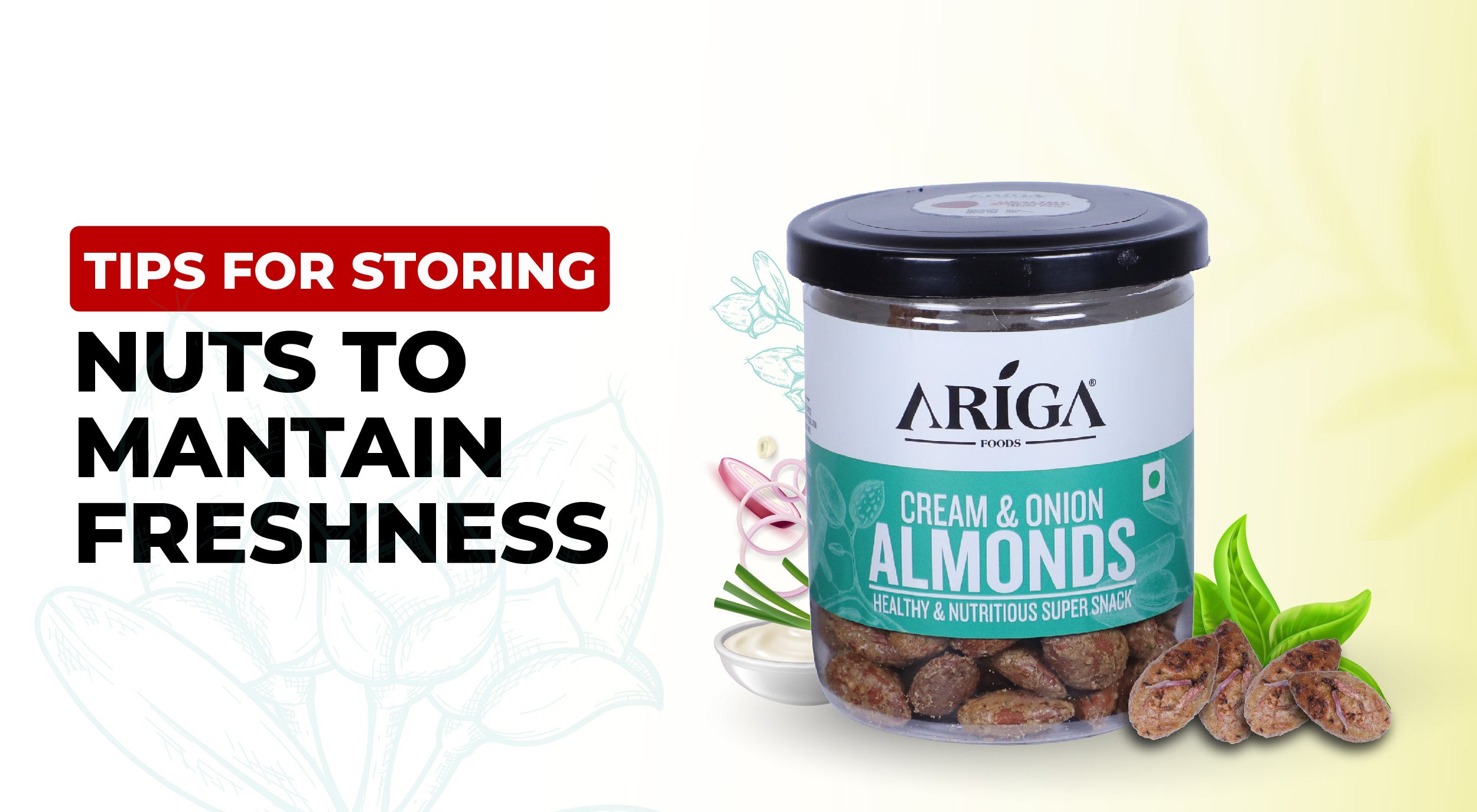
Tips For Storing Nuts to Maintain Freshness
I ruined an entire bag of walnuts once, left carelessly in a cupboard above my stove for a few months longer than I should have kept them.
I did not realise anything was wrong until I tossed a handful into a salad and got hit with this faintly bitter, almost paint-like taste that had no business being anywhere near food.
That was my first real introduction to rancidity, and it sent me down a genuinely useful rabbit hole about how differently various nuts actually need to be stored, since I had been treating my entire pantry of cashews, walnuts, almonds, pistachios, and raisins as if they all behaved the same way. They very much do not.
Why Nuts Go Bad Faster Than People Expect
Nuts are naturally high in oils, which is a big part of why they are so satisfying and nutrient-dense in the first place.
That same oil content, though, makes them genuinely vulnerable to rancidity when exposed to heat, light, and air, since those oils oxidise over time and break down into compounds that taste bitter and smell faintly like old paint or crayons.
The nutritional quality degrades right along with the flavour, so a rancid nut is not just unpleasant, it has also lost a fair bit of what made it worth eating in the first place.
Not all nuts spoil at the same rate either. Nuts higher in polyunsaturated fats, walnuts being the clearest example, oxidise noticeably faster than nuts like cashews and almonds, which lean more toward monounsaturated fats and tend to be more shelf-stable as a result.
How to Store Each Nut Specifically
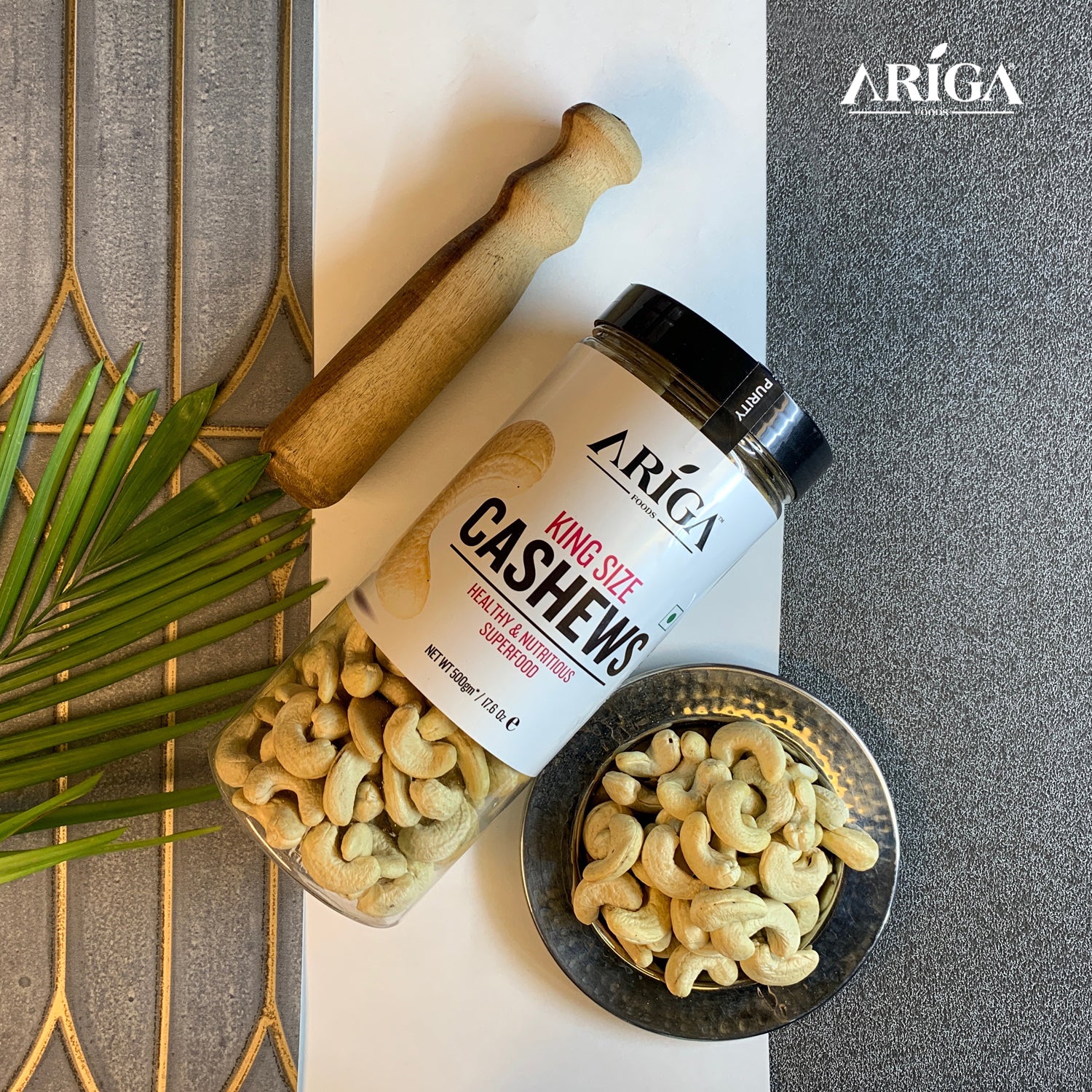
King Size Cashews
Cashews are genuinely one of the more forgiving nuts to store, thanks to their fat profile. Keep them in an airtight container, somewhere cool and dark, and a pantry works fine for the short to medium term. For longer storage, the fridge is worth the extra step, roughly extending their good quality from around six months in the pantry to well over a year refrigerated.
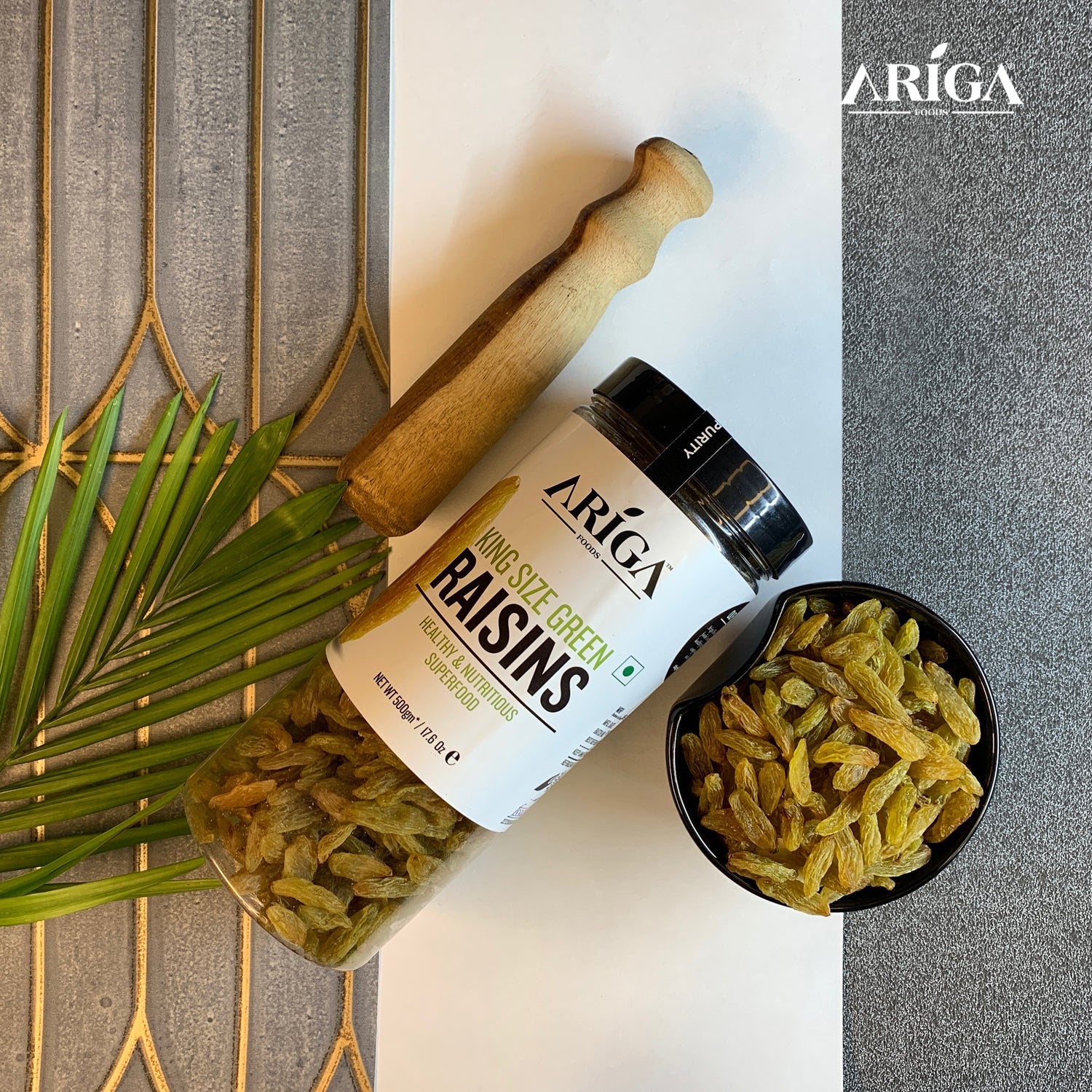
King Size Raisins
Raisins behave differently from the rest of this list, since their high sugar content acts as a natural preservative and makes them noticeably more shelf-stable overall.
That said, they can dry out and turn hard if left exposed to air for too long, so a tightly sealed container in a cool, dry spot away from direct sunlight is still worth doing. Stored properly, raisins can genuinely last up to a year in the pantry without much fuss.
Premium Halved Walnuts
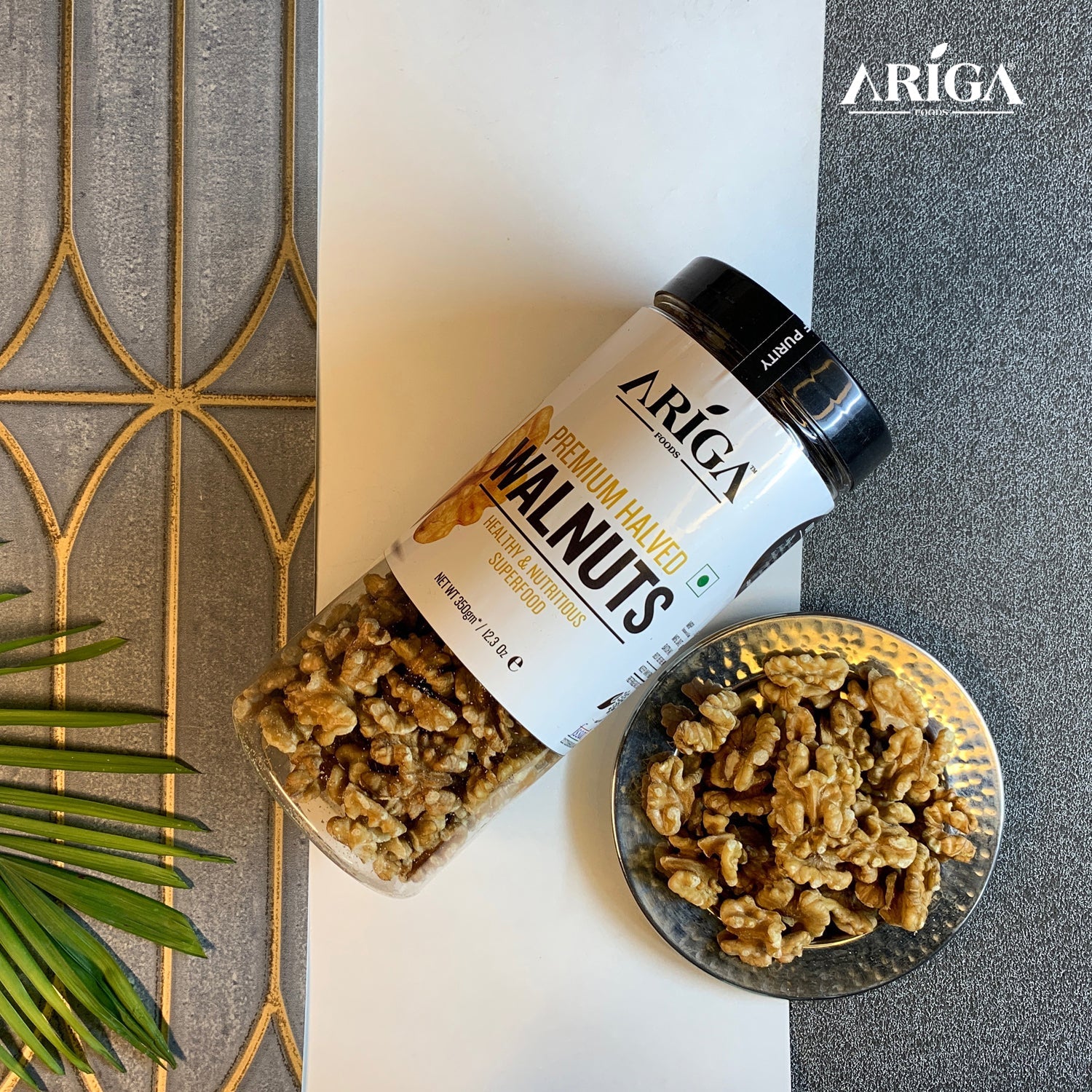
Walnuts are the nut I learned this lesson with, and for good reason, they are particularly rich in omega-3 fatty acids, which unfortunately also makes them more prone to oxidation than most other nuts.
An airtight container is non-negotiable here, and for anything beyond short-term use, refrigeration or freezing is genuinely worth the extra step. Refrigerated, walnuts hold their quality for around six months, and frozen, they can last up to a year without much noticeable loss in flavour.
Almonds
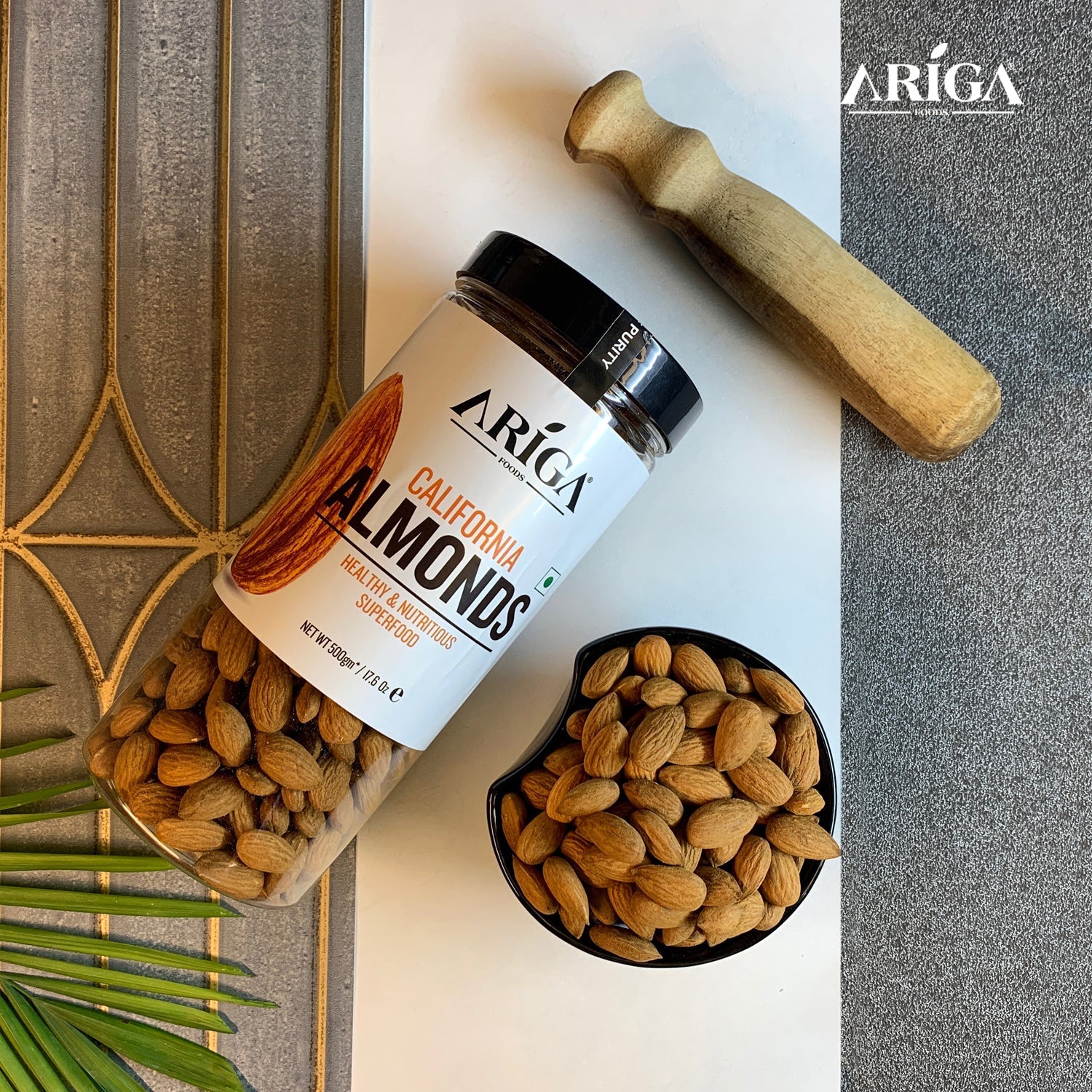
Almonds are among the more resilient nuts in a typical pantry, holding their quality reasonably well even without refrigeration.
Keep them in an airtight container somewhere cool and dark, and expect a solid nine months of good quality in the pantry, extending to well over a year if you move them to the fridge.
Roasted Salted Pistachios
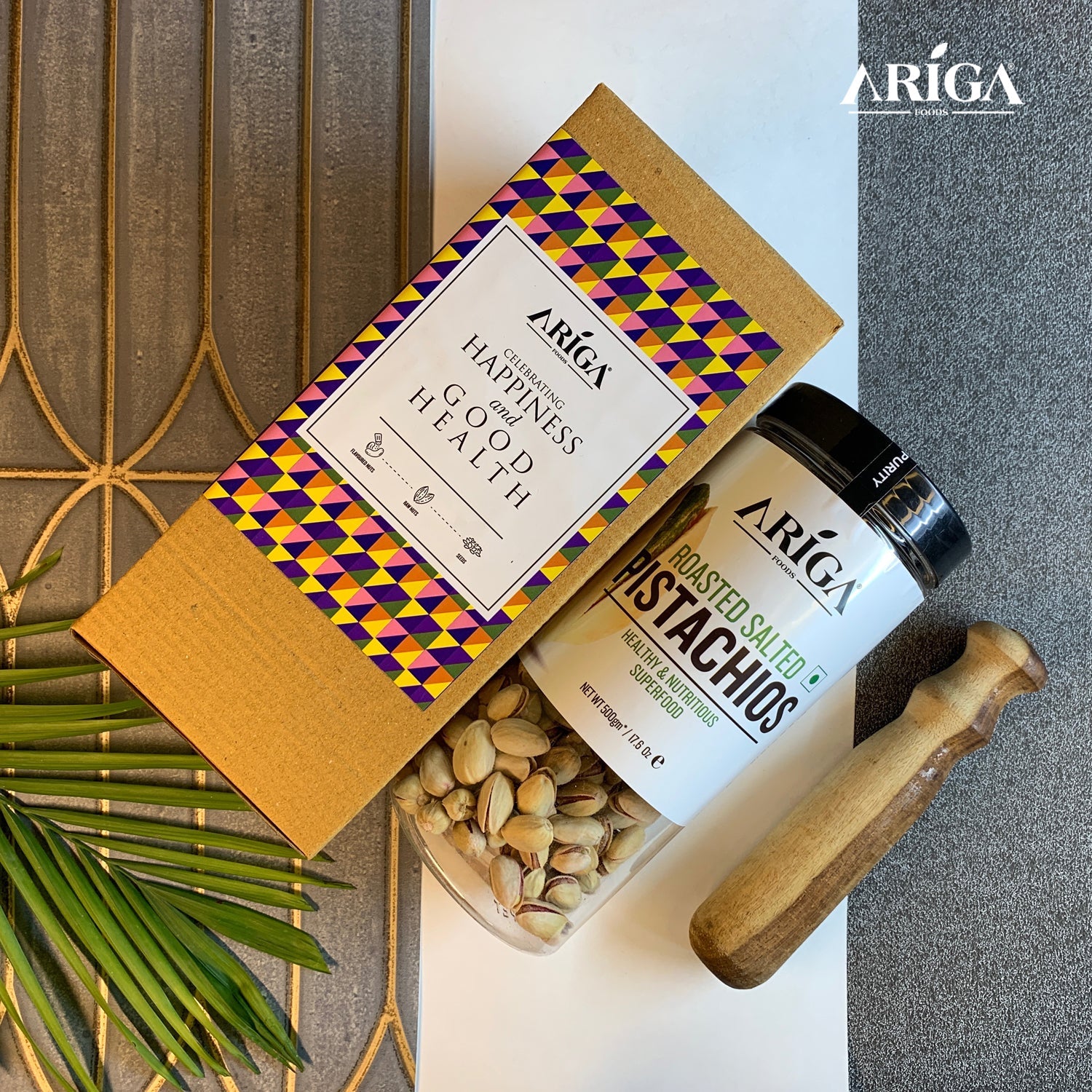
Pistachios are the nut I would flag as needing the most attention out of this whole list, since roasting and salting, while delicious, do shorten shelf life somewhat compared to a plain raw nut.
An airtight container is essential for keeping that satisfying crunch intact, and if you live somewhere warm, refrigeration genuinely helps.
Expect roughly three months of good quality in the pantry, extending to around six months in the fridge.
A Few Habits That Have Actually Helped Me
Buy in quantities you will realistically get through within a couple of months, rather than stocking up on a huge bag because it seemed like a better deal.
I learned this one the hard way with that ruined bag of walnuts, and now I would rather restock a bit more often than lose an entire bag to rancidity.
Keep nuts away from strong-smelling foods in your fridge or pantry. Nuts absorb odours surprisingly easily, and I have genuinely opened a container of almonds before and caught a faint whiff of onion because they had been stored too close together.
Do a quick smell and taste check before using nuts that have been sitting around for a while, especially anything past the timeframes above.
A rancid nut has a distinct, slightly bitter, almost paint-like smell and taste that is fairly easy to recognise once you have experienced it once unfortunately, from personal experience in my case.
And if you buy in bulk, portion things out into smaller containers rather than repeatedly opening and closing one large bag. Every time you open a container, you introduce more air and moisture, which speeds up spoilage, so smaller, sealed portions genuinely help extend overall freshness.
A Few Recipes Worth Making With Properly Stored Nuts
Since good storage is really about making sure your nuts taste their best when you actually use them, here are a few dishes that have become regulars in my kitchen since I got serious about this.
Cashew and Raisin Pulao
Basmati rice cooked with whole spices, sautéed onion, King Size Cashews, and King Size Raisins folded in toward the end, finished with a squeeze of ghee. Properly stored, fresh cashews and raisins make a genuinely noticeable difference to how this dish tastes compared to ones that have been sitting around too long.
Walnut and Almond Energy Bars
Blended dates combined with chopped Premium Halved Walnuts and Almonds, a touch of honey, and a pinch of salt, pressed into a tray and refrigerated until firm. Fresh, properly stored walnuts specifically make a real difference here, since any bitterness from rancidity comes through immediately in a simple recipe like this.
Pistachio-Crusted Chicken
Crushed Roasted Salted Pistachios combined with breadcrumbs and parmesan, coating chicken breasts before baking. Fresh pistachios give this dish its signature crunch, which is exactly the texture that fades first once pistachios start to go stale.
Storing nuts properly is one of those small, unglamorous habits that genuinely pays off, not through anything dramatic, but through consistently better-tasting food and fewer disappointing handfuls pulled from the back of a forgotten cupboard.
People Also Ask
How long do cashews, walnuts, and almonds last in the pantry?
Cashews last around six months, almonds around nine months, and walnuts about six months in an airtight container in a cool, dark pantry. Refrigeration extends all of these significantly, often to a year or more.
Do nuts need to be refrigerated?
It depends on the nut and how quickly you plan to use them. Cashews and almonds are relatively shelf-stable at room temperature for months, while walnuts, being higher in polyunsaturated fats, benefit more from refrigeration or freezing for longer-term storage.
How can I tell if my nuts have gone rancid?
Rancid nuts typically develop a bitter, slightly sour taste and a smell reminiscent of paint or crayons. If a nut smells or tastes off compared to how it normally does, it is best to discard it rather than risk an unpleasant, less nutritious snack.
Why do roasted or salted nuts spoil faster than raw nuts?
Roasting exposes the oils in nuts more directly, which can accelerate oxidation and shorten shelf life compared to raw nuts. Salted varieties are also often meant for more immediate consumption rather than long-term storage.
Can freezing nuts affect their taste or texture?
Freezing generally preserves nuts well, extending their shelf life significantly with minimal impact on flavour, as long as they are stored in an airtight container or bag. Some nuts may need a few minutes to come back to room temperature texture after freezing.
What is the best container for storing nuts?
An airtight glass jar or a resealable container is ideal, since it protects nuts from air, moisture, and light, all of which accelerate spoilage. Avoid storing nuts in their original packaging if it is not resealable.
Related Products


Ariga Foods King Size Premium Cashew Nuts 1kg | Dry Fruit Kaju 240 Grade
100% premium quality dry fruits Cashews 240 big size kaju nutritious food for healthy eating. Buy Cashew nuts (Kaju) online in India at Ariga Foo...
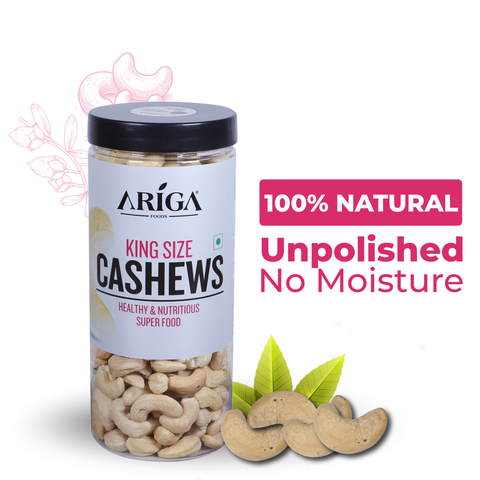

Ariga Foods King Size Premium Cashew Nuts 500g | Dry Fruit Kaju 240 Grade
100% premium quality dry fruits Cashews 240 big size kaju nutritious food for healthy eating. Buy Cashew nuts (Kaju) online in India at Ariga Foo...
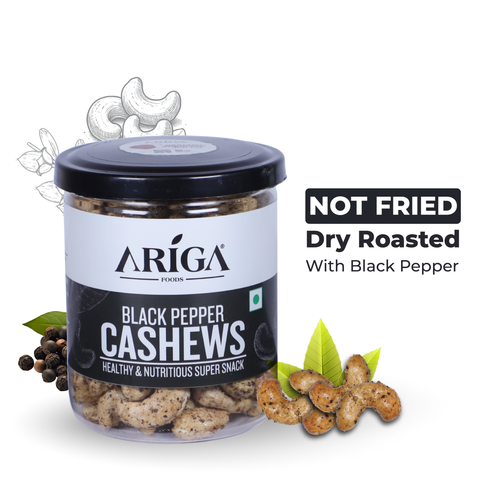

Black Pepper Cashews 200g | Roasted 100% Premium Kaju
'100% premium quality dry fruits roasted cashews sprinkled with black pepper kaalimirch from Ariga Foods. Dry roasted with no oil, these roasted ...
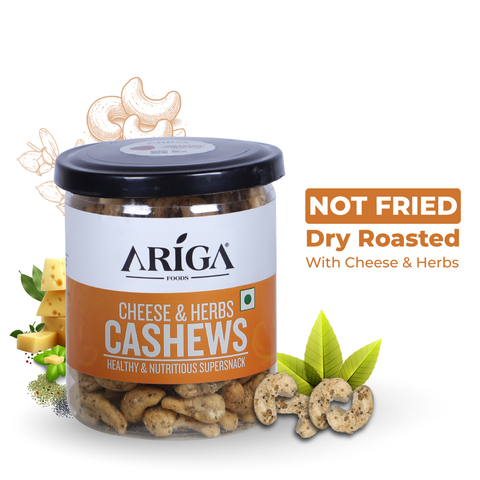

Cheese & Herbs Cashews 200g | Roasted 100% Premium Kaju
Ariga Foods premium quality roasted cashews with cheese & herbs are dry roasted with no oil. Crunchy and delicious dry fruit. Buy roasted and...
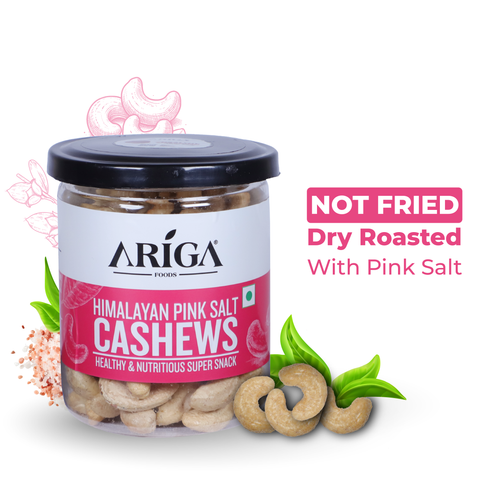

Himalayan Pink Salt Cashews 200g | Roasted 100% Premium Kaju
Ariga Foods 100% premium quality dry fruits roasted cashews with pink salt for healthy eating. Big size kaju crunchy and nutritious. Buy roasted ...
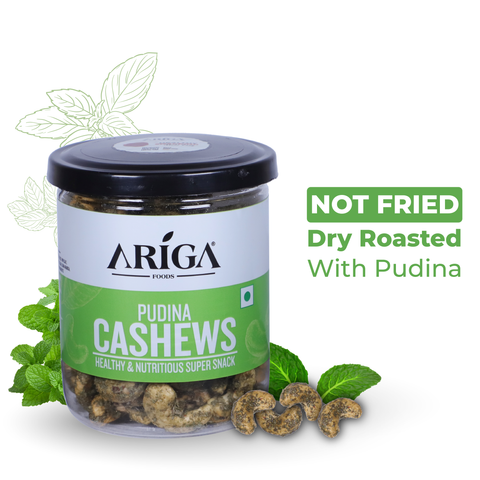

Pudina Cashews 200g | Roasted 100% Premium Kaju
Ariga Foods roasted salted cashews are toasted with dry pudina particals. This makes the roasted cashews tasy and crunchy. These cashew nuts are ...
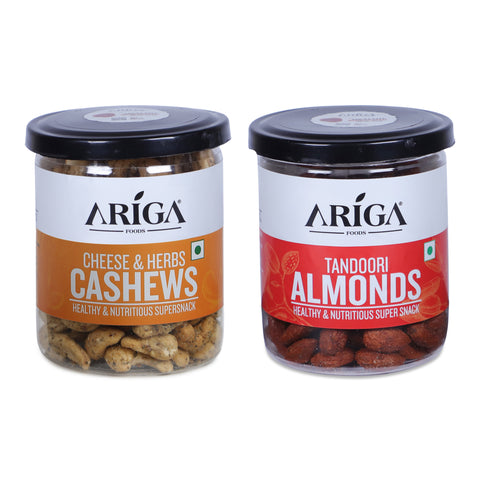

Tandoori Almonds 200g + Cheese & Herbs Cashews 200g (Dry Fruits Combo Pack 400g)
100% premium quality product from Ariga Foods. Ariga Tandoori Almonds and Cheese & Herbs Cashews are flavoured with Tandoori Masala and Cheese ...


Ariga Foods Premium California Almonds 1kg
100% premium quality dry fruits badam giri from Ariga Foods, sourced from California, USA. Buy California Almonds (Badaam) online in India at Ari...
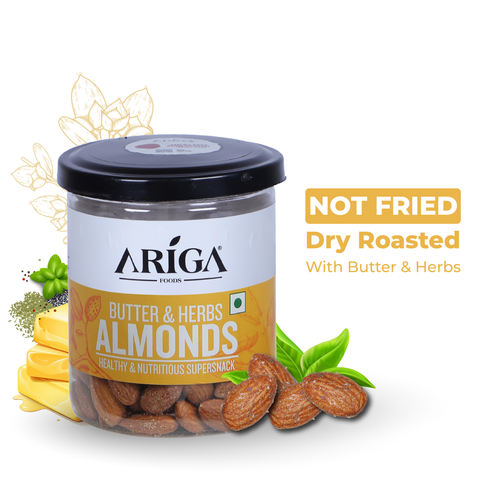

Butter & Herbs Almonds 200g | Roasted 100% Premium Badam
100% premium quality dry fruits roasted almonds toasted with butter & herbs from Ariga Foods. Dry roasted with no oil, these nutrition roast...
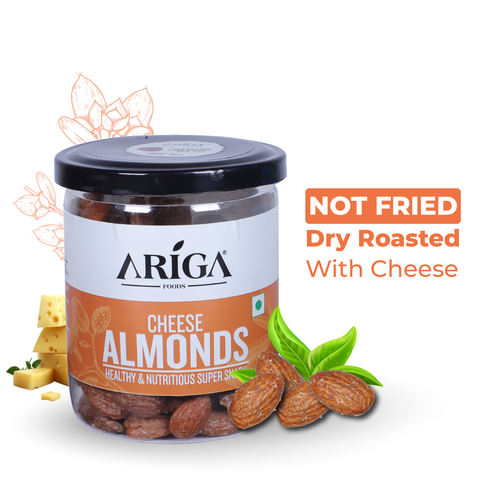

Cheese Almonds 200g | Roasted 100% Premium Badam
Ariga Foods dry fruits roasted almonds are wrapped with cheese. 100% premium quality badam. These nutrition roasted almonds are crunchy and delic...
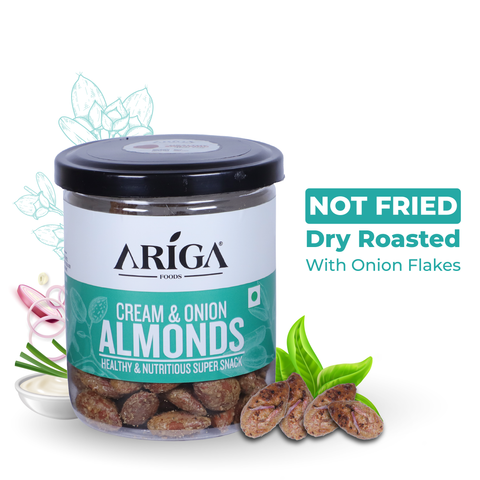

Cream & Onion Almonds 200g | Roasted 100% Premium Badam
100% premium quality dry fruits roasted almonds with cream & onion from Ariga Foods. Dry roasted almonds with no oil. Crunchy and delicious. N...
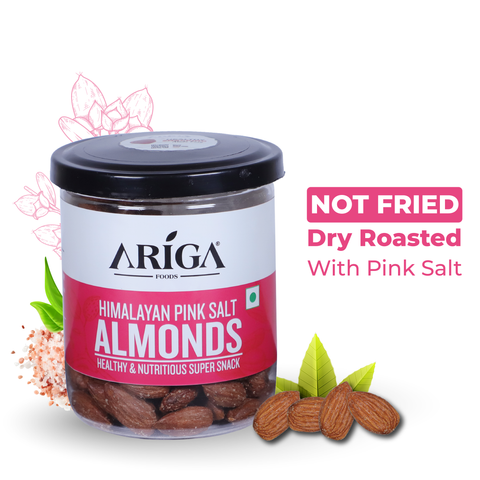

Himalayan Pink Salt Almonds 200g | Roasted 100% Premium Badam
100% premium quality dry fruits roasted almonds with pink salt from Ariga Foods, dry roasted with no oil. Crunchy and delicious. Buy roasted almo...
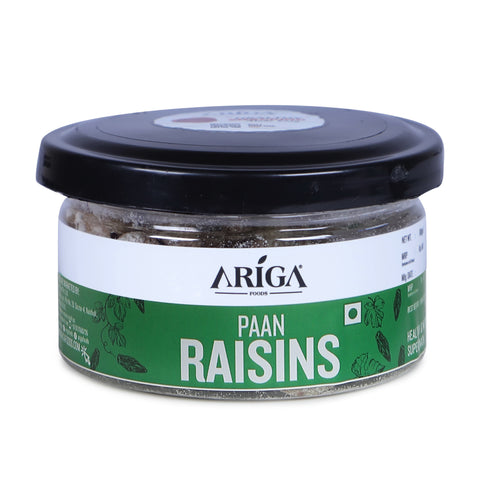

Paan Raisins 100g | Premium Long Green Kishmish
100% premium quality product from Ariga Foods. Ariga Paan Raisins are consumed as supersnack as they are the best replacement for junk food. Pac...
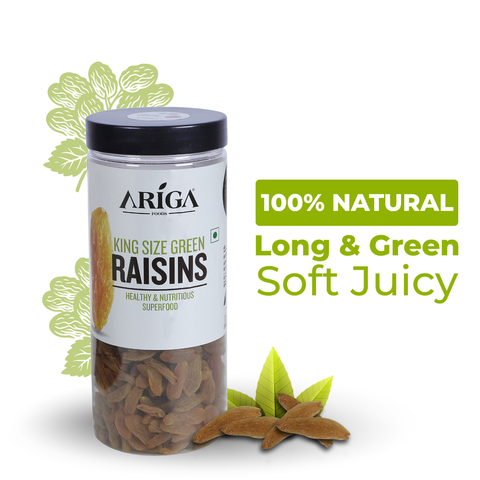

Premium Green Raisins 500g
100% premium quality raisins kismis. Long size green raisins dry fruit, best replacement for junk food. Buy Indian raisins online at Ariga Foods....
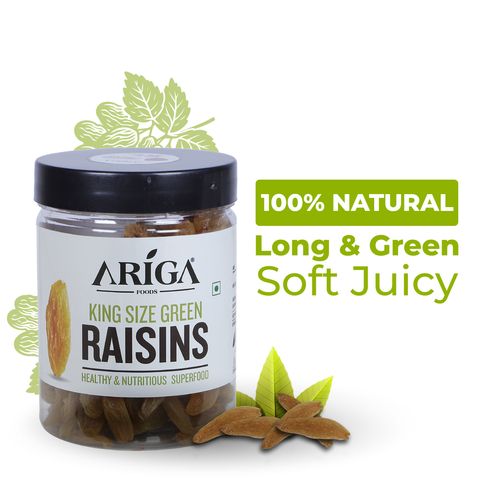

Premium Green Raisins 250g
100% premium quality raisins kismis. Long size green raisins dry fruit, best replacement for junk food. Buy Indian raisins online at Ariga Foods....
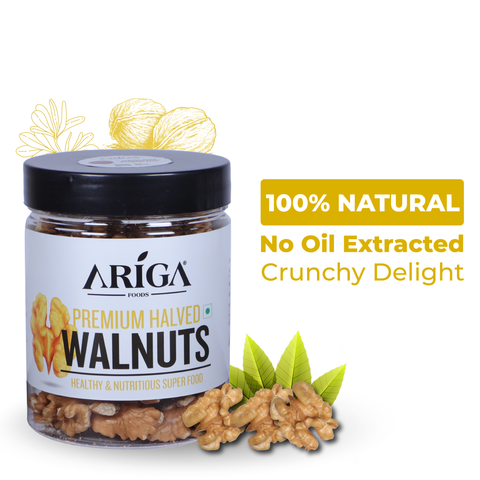

Ariga Foods Premium Halved Walnuts 150g
100% premium quality walnuts akhrot giri, without shell halved walnuts consumed as supersnack. Premium quality walnut kernels- Crunchy & Deli...
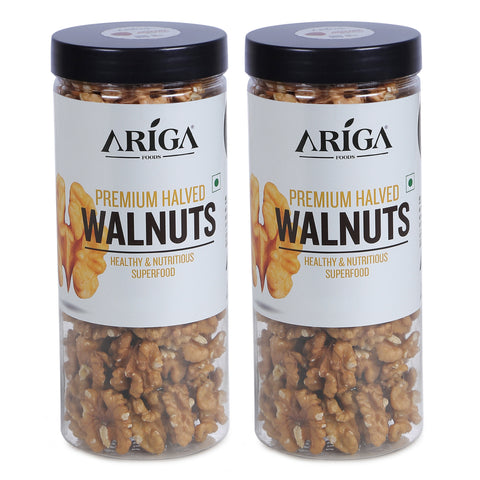

Ariga Foods Premium Halved Walnuts 700g
100% premium quality walnuts akhrot giri, without shell halved walnuts consumed as supersnack. Premium quality walnut kernels- Crunchy & Deli...
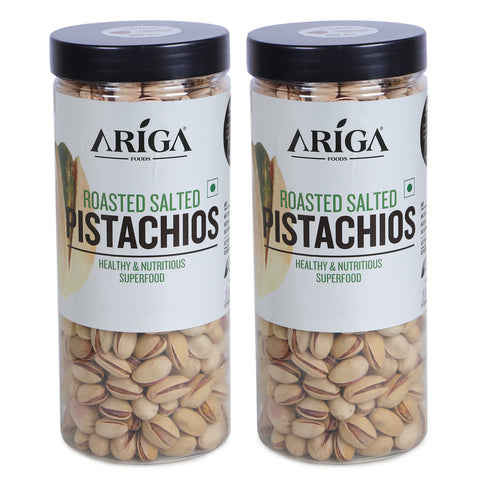

Premium Roasted & Salted Pistachios 1kg
100% premium quality pista dry fruits. Roasted & salted pistachios, consumed as supersnack. Buy Pistachio nuts (Pista) online in India at Arig...
About Us
Ariga Foods is the innovative Retail and B2B brand by Ariganic Food Pvt. Ltd. Our vision is to make Superfood convenient and tasty for every household around the world.
Read moreSUBSCRIBE & FOLLOW
TAG CLOUD