

The Ultimate Guide to Almonds : Benefits, Nutrition, and Buying Smart
I used to think almonds were, well, just almonds. Buy a bag, eat a handful, repeat. It was only after I started actually paying attention to what I was putting in my body that I realised how much there is to get right, and wrong, when it comes to this one small nut.
What processing method you buy, how you store it, even whether you eat the skin, all of it changes what you are actually getting out of a handful of almonds.
I have spent a fair bit of time reading through the research and comparing notes with a nutritionist friend of mine, and I wanted to put everything I have learned into one place, partly for my own reference and partly because I think most of us are leaving a lot of value on the table with how we buy and eat almonds.
One small correction before I dive in, almonds are not technically a nut in the botanical sense.
They are the edible seed found inside the fruit of the almond tree, Prunus dulcis.
Doesn't change how we eat them, but it is one of those facts that comes up more often than you would expect.
The Nutrition Breakdown, Per Handful
A standard one-ounce serving, roughly 23 almonds, gives you somewhere around 160 to 165 calories, 6 grams of protein, and about 3.5 grams of fiber.
What stands out to me most is the fat profile. Of the roughly 14 grams of total fat in that handful, the majority is monounsaturated fat, the same heart-healthy fat found in olive oil, with only about a gram coming from saturated fat.
Beyond the macros, almonds carry a genuinely impressive micronutrient load.
Vitamin E is the standout, almonds are one of the best whole-food sources of this antioxidant around, and a single serving gets you a meaningful chunk of your daily needs.
You are also getting a solid dose of manganese, which supports bone health, along with magnesium, which plays a role in everything from blood pressure regulation to nerve function.
What the Research Actually Says About Benefits
I want to be upfront that I am not a doctor or a nutritionist, and none of this should replace advice from your own healthcare provider, especially if you are managing a specific condition. But the research on almonds is genuinely well established in a few areas.
Heart Health
Clinical studies have fairly consistently linked regular almond consumption with improvements in cholesterol levels, specifically a reduction in LDL, the cholesterol associated with artery plaque buildup, while HDL tends to hold steady or improve slightly.
The combination of monounsaturated fats and vitamin E seems to be doing a lot of that work, helping protect against the kind of oxidative damage that contributes to heart disease over time.
Blood Sugar
Because almonds are low in net carbohydrates and high in fat, protein, and fiber, they have a low glycemic index and do not cause the kind of blood sugar spike you would get from a carb-heavy snack.
There is also some evidence that the magnesium in almonds plays a supporting role in glucose metabolism.
This is one of the reasons almonds come up so often in conversations around prediabetes and general blood sugar management, though if you are managing diabetes specifically, this is absolutely a conversation to have with your doctor rather than something to self-manage through snack choices alone.
Weight Management
This one genuinely surprised me when I first read about it. Some research suggests that your body does not actually absorb all the calories listed on an almond package, because a portion of the fat stays trapped within the almond's cell structure and passes through rather than being digested.
Estimates vary, but it is enough that almonds may offer somewhat fewer usable calories in practice than the label suggests.
On top of that, the fiber and protein combination triggers satiety signals that genuinely help curb overeating later in the day, which lines up with my own experience of a handful of almonds keeping me full far longer than I expect.
Cellular Protection
The vitamin E in almonds works as an antioxidant, helping protect your cells from everyday oxidative stress.
If you want the fullest benefit here, leaving the skin on matters, since the brown skin carries a concentrated layer of polyphenols that work alongside the vitamin E rather than something you want to peel away.
Buying Smart : Raw, Roasted, or Blanched
This is the part that changed how I actually shop. Not all almonds on a shelf are equal, and the processing method matters more than most people realise.
Raw, skin-on almonds retain the most of their natural polyphenols and oils, since they go through minimal processing.
These are what I reach for when I want the most "whole food" version, for daily snacking or chopping into something I'm cooking at home.
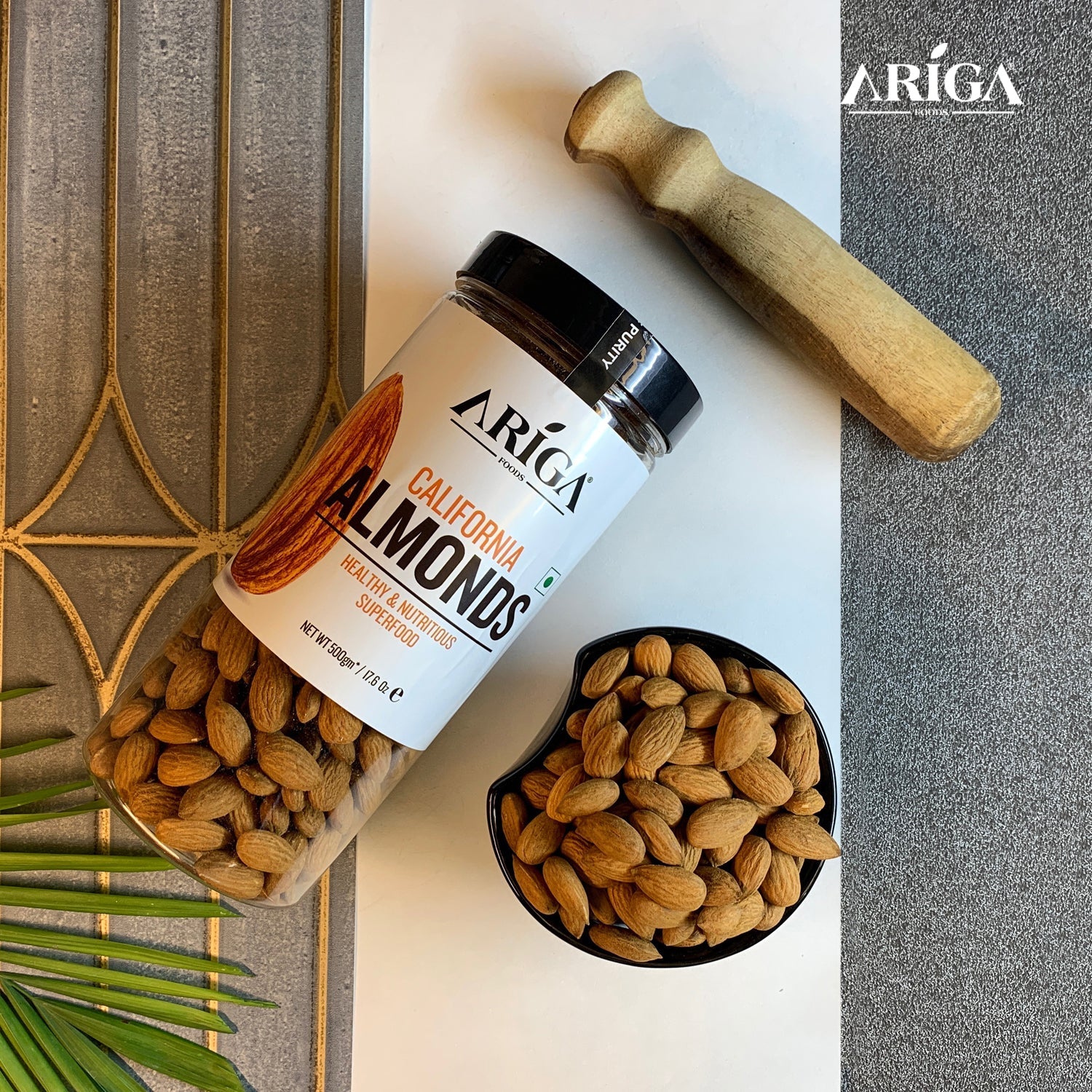
Ariga Foods' California Almonds fall into this category, sourced and handpicked specifically for higher oil content, which is generally a sign of freshness and better flavor, and positioned as the base, unflavoured option in their range.
Dry-roasted almonds go through moderate heat, which slightly affects the delicate fats but largely preserves the nutrient profile while giving you a more enhanced flavor and crunch.
This is where most of my actual snacking happens, and it is worth knowing that dry roasting, done without oil, is a meaningfully different product from oil-roasted almonds, which are often cooked in less favourable seed oils and can introduce extra omega-6 fats you were not necessarily looking for.
Ariga's flavoured range, the Tandoori, Cheese, Cream & Onion, Himalayan Pink Salt, and Butter & Herbs almonds, are all dry roasted with no oil used in the process, which is one of the things that made me comfortable keeping a rotation of these around rather than just sticking to plain raw ones.
Blanched almonds, with the skin removed, lose that antioxidant-rich polyphenol layer, which makes them less ideal for pure snacking but genuinely useful for baking, making almond flour, or anything where a smoother texture matters more than squeezing out every nutritional benefit.
A Few Things Worth Knowing Before You Buy
If a package says "raw," it is worth knowing that regulations in several countries actually require almonds to be pasteurized before sale, usually through a brief steam process, to reduce the risk of contamination.
This does not meaningfully change the nutrition, but if you specifically want to avoid any chemical treatment methods used in some pasteurization processes, look for labels like "organic raw" or "steam pasteurized."
When buying roasted or flavoured almonds, it is genuinely worth glancing at the ingredient list.
Hydrogenated oils, corn syrup, maltodextrin, and unusually high sodium are the kind of additions that tell you a brand is cutting corners rather than focusing on the almond itself.
And because almonds are high in fat, they are prone to rancidity if exposed to too much heat, light, or air for too long. I avoid buying from open bulk bins for this reason, and I always give a new pack a quick smell when I open it, a sharp, almost paint-like or overly bitter smell is a sign something has gone off.
This is part of why I have leaned toward sealed packaging, Ariga's almonds come in sealed PET jars, which keeps air exposure to a minimum from the moment they are packed.
How I Store Mine
Almonds hold up best in an airtight container, kept somewhere cool and away from direct light. For longer-term storage, the fridge can extend freshness considerably, and the freezer works too if you are stocking up in bulk, though for my regular rotation a cool pantry shelf in a sealed jar has been more than enough.
Portioning also matters more than people expect. Almonds are calorie-dense, so I have gotten into the habit of keeping a small bowl or container pre-portioned rather than eating straight out of the bag, mostly because it is far too easy to lose count otherwise.
My Actual Almond Rotation
Day to day, plain California Almonds are my base, a small handful in the morning or tossed into a salad.
When I want something with a bit more character, I rotate through the flavoured range depending on my mood, Tandoori when I want something with a bit of spice, Himalayan Pink Salt on days I want something simple but still interesting, and Cheese or Butter & Herbs when I am snacking while working and want something a little more indulgent without reaching for actual junk food.
Cream & Onion has become my go-to whenever I am putting together a small snack board for guests, since it tends to be the one people reach for first.
The Bottom Line
Almonds genuinely earn the attention they get in nutrition circles, not because of any one dramatic benefit, but because of how consistently they show up across heart health, blood sugar, weight management, and general cellular protection.
Buying smart just means paying a little attention, choosing minimally processed or dry-roasted options over oil-roasted ones, checking the ingredient list on flavoured varieties, and storing them properly once you get them home.
None of it is complicated, but it does make a real difference in what you are actually getting out of that daily handful.
People Also Ask
Badam khane ke kya fayde hain?
Almonds, or badam, support heart health by helping improve cholesterol levels, help with blood sugar stability thanks to their low glycemic index, and support weight management through their fiber and protein content, which keeps you feeling full for longer. They are also a strong source of vitamin E, an antioxidant that helps protect your cells.
How many almonds should I eat in a day?
Most nutrition guidance points to around a one-ounce serving, roughly 20 to 23 almonds, as a reasonable daily amount for most adults. This gives you a meaningful dose of healthy fats, protein, and micronutrients without overdoing the calories.
Are roasted almonds as healthy as raw almonds?
Dry-roasted almonds, roasted without oil, retain most of their original nutritional value, with only a slight reduction in some of the more delicate fats from the heat. Oil-roasted almonds are a different story, since the oils used can add unwanted omega-6 fats, so dry-roasted is generally the better choice if you want flavor without compromising too much on nutrition.
Should I soak almonds before eating them?
Soaking almonds is a common practice, particularly in Indian households, and some people find soaked almonds easier to digest and slightly less bitter in taste. Nutritionally, both soaked and unsoaked almonds offer similar core benefits, so it largely comes down to personal preference and digestion.
How should almonds be stored to keep them fresh?
Almonds last longest in an airtight container kept away from heat, light, and moisture. Refrigeration can extend their shelf life considerably, and freezing works well for longer-term storage if you tend to buy in bulk.
Are flavoured almonds, like Himalayan pink salt or tandoori, still healthy?
Flavoured almonds can absolutely fit into a healthy diet, provided they are dry roasted rather than oil roasted and free of heavy additives like hydrogenated oils or excessive sodium. Checking the ingredient list is the best way to tell a genuinely healthy flavoured almond from one that has compromised on quality for taste.
Related Products


Ariga Foods Premium California Almonds 500g
100% premium quality dry fruits badam giri from Ariga Foods, sourced from California, USA. Buy California Almonds (Badaam) online in India at Ari...


Ariga Foods Premium California Almonds 1kg
100% premium quality dry fruits badam giri from Ariga Foods, sourced from California, USA. Buy California Almonds (Badaam) online in India at Ari...
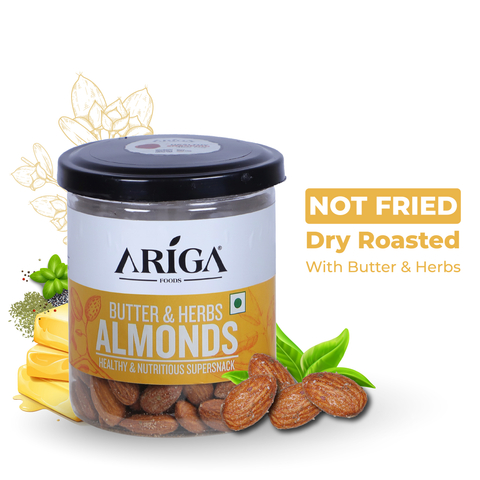

Butter & Herbs Almonds 200g | Roasted 100% Premium Badam
100% premium quality dry fruits roasted almonds toasted with butter & herbs from Ariga Foods. Dry roasted with no oil, these nutrition roast...
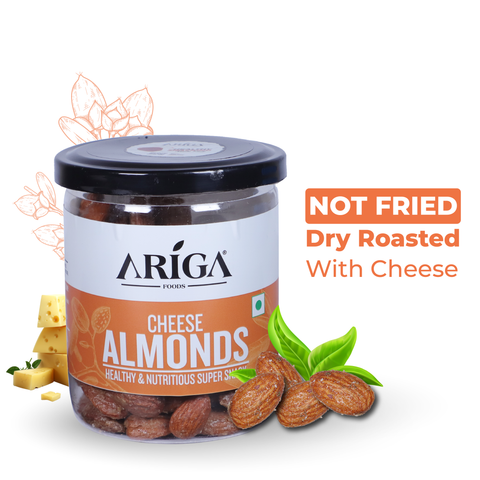

Cheese Almonds 200g | Roasted 100% Premium Badam
Ariga Foods dry fruits roasted almonds are wrapped with cheese. 100% premium quality badam. These nutrition roasted almonds are crunchy and delic...
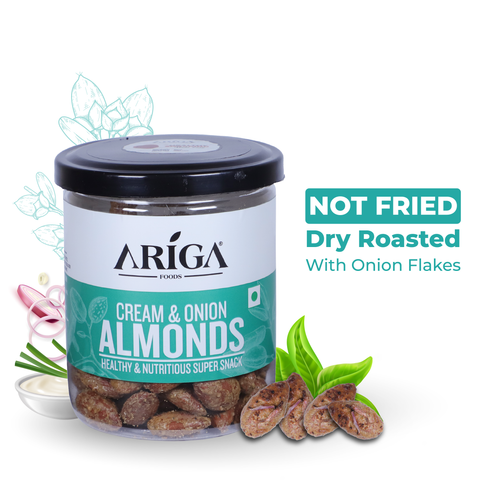

Cream & Onion Almonds 200g | Roasted 100% Premium Badam
100% premium quality dry fruits roasted almonds with cream & onion from Ariga Foods. Dry roasted almonds with no oil. Crunchy and delicious. N...
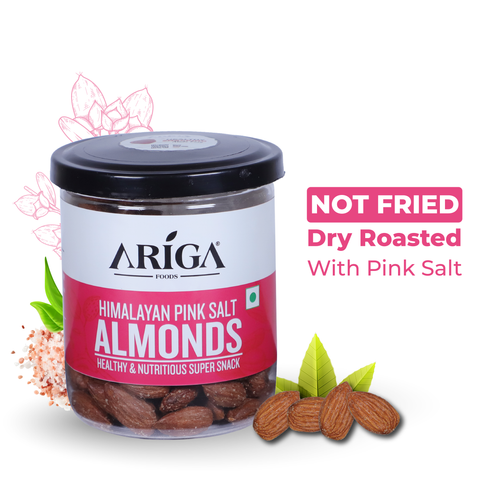

Himalayan Pink Salt Almonds 200g | Roasted 100% Premium Badam
100% premium quality dry fruits roasted almonds with pink salt from Ariga Foods, dry roasted with no oil. Crunchy and delicious. Buy roasted almo...
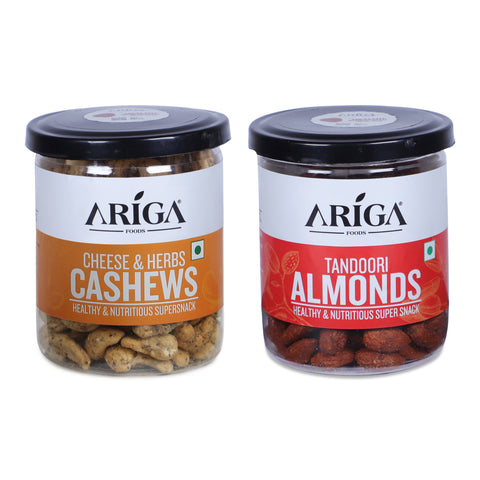

Tandoori Almonds 200g + Cheese & Herbs Cashews 200g (Dry Fruits Combo Pack 400g)
100% premium quality product from Ariga Foods. Ariga Tandoori Almonds and Cheese & Herbs Cashews are flavoured with Tandoori Masala and Cheese ...
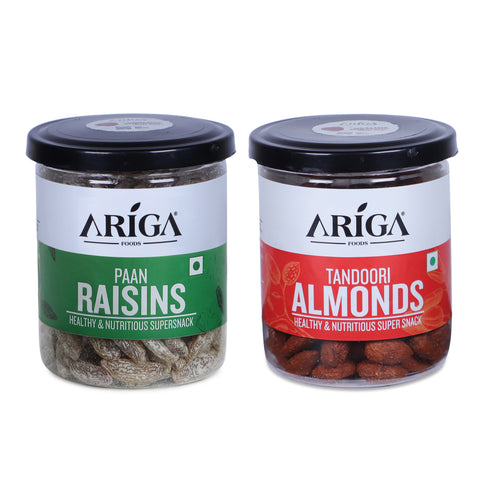

Tandoori Almonds 200g + Paan Raisins 250g (Dry Fruits Combo Pack 450g)
100% premium quality product from Ariga Foods. Ariga Tandoori Almonds and Paan Long Rasins are flavoured with Tandoori Masala and Paan flavour res...


Tandoori Almonds 80g | Roasted 100% Premium Badam
100% premium quality product from Ariga Foods. Ariga Tandoori Almonds are consumed as supersnack as they are the best replacement for junk food. ...
About Us
Ariga Foods is the innovative Retail and B2B brand by Ariganic Food Pvt. Ltd. Our vision is to make Superfood convenient and tasty for every household around the world.
Read moreSUBSCRIBE & FOLLOW
TAG CLOUD