
The Top Nuts That Complement Italian Cuisine
I went through a proper Italian cooking phase about two years ago, the kind where you buy a jar of good olive oil, start pronouncing "bruschetta" correctly, and suddenly every dinner involves either pasta or a salad with too much cheese in it.
What surprised me during that phase was how often nuts kept showing up, not as a garnish, but as an actual structural part of the dish.
Pesto without pine nuts or a good substitute just is not pesto. A salad without a bit of crunch feels incomplete.
Even dessert, in the form of biscotti or gelato, leaned on nuts more than I expected.
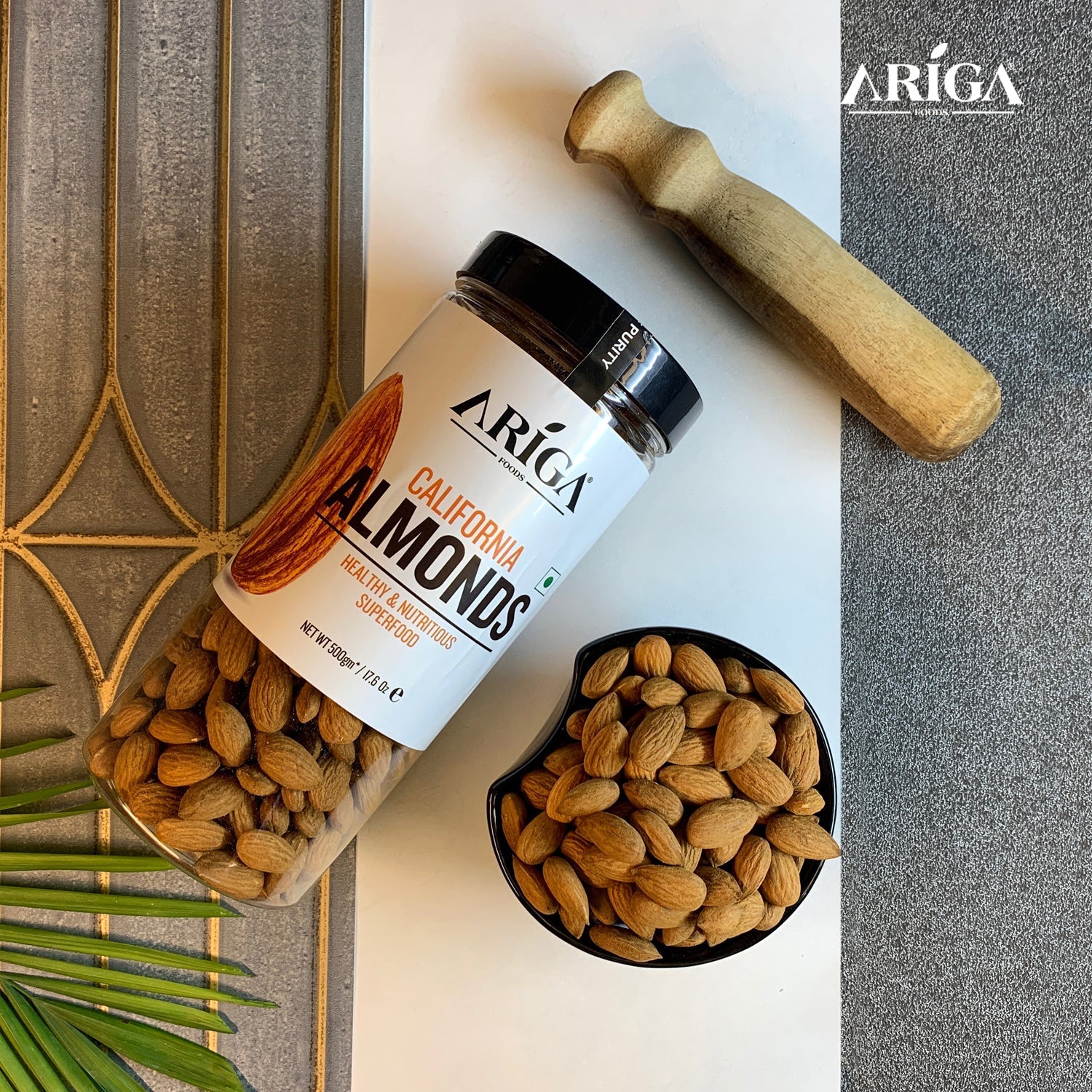
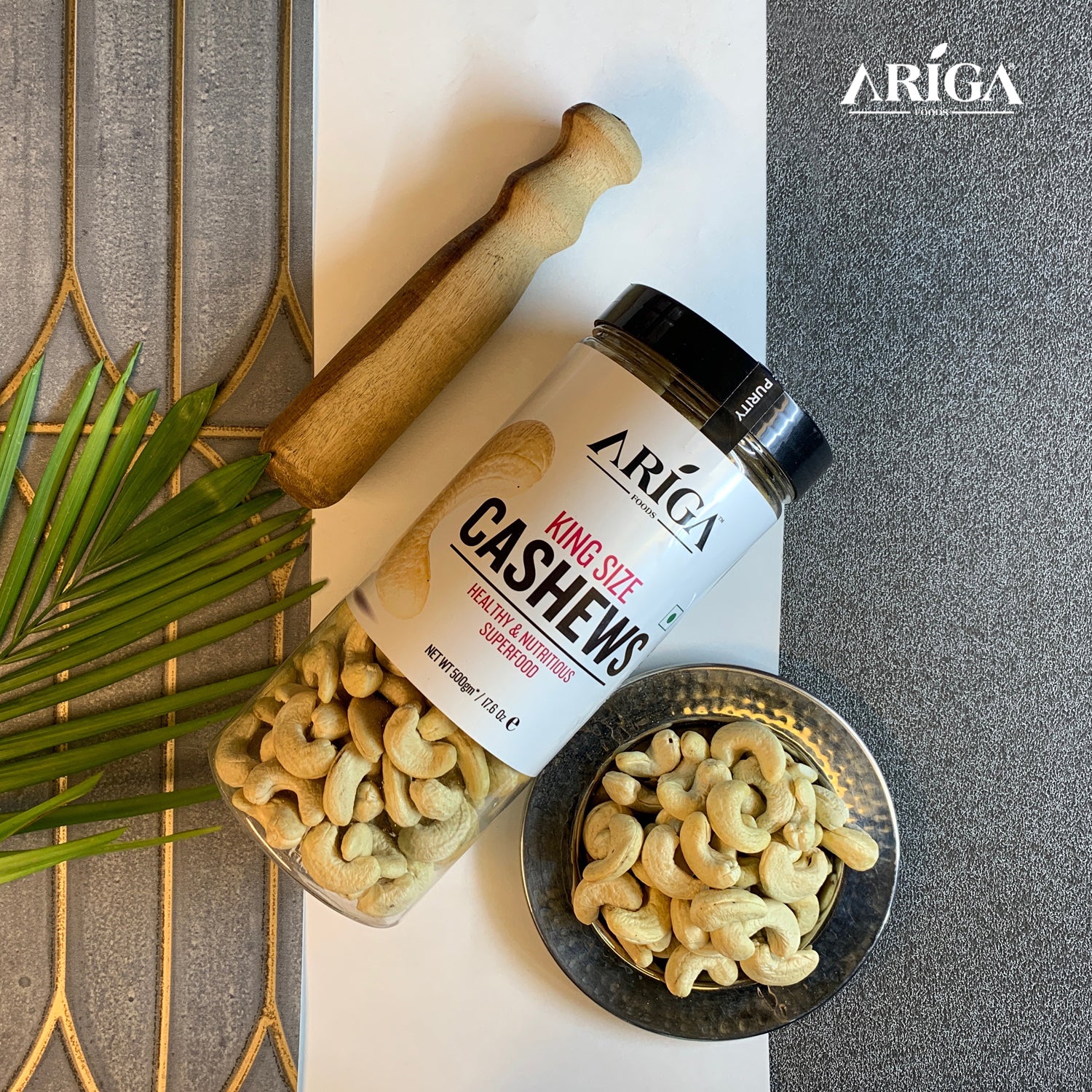
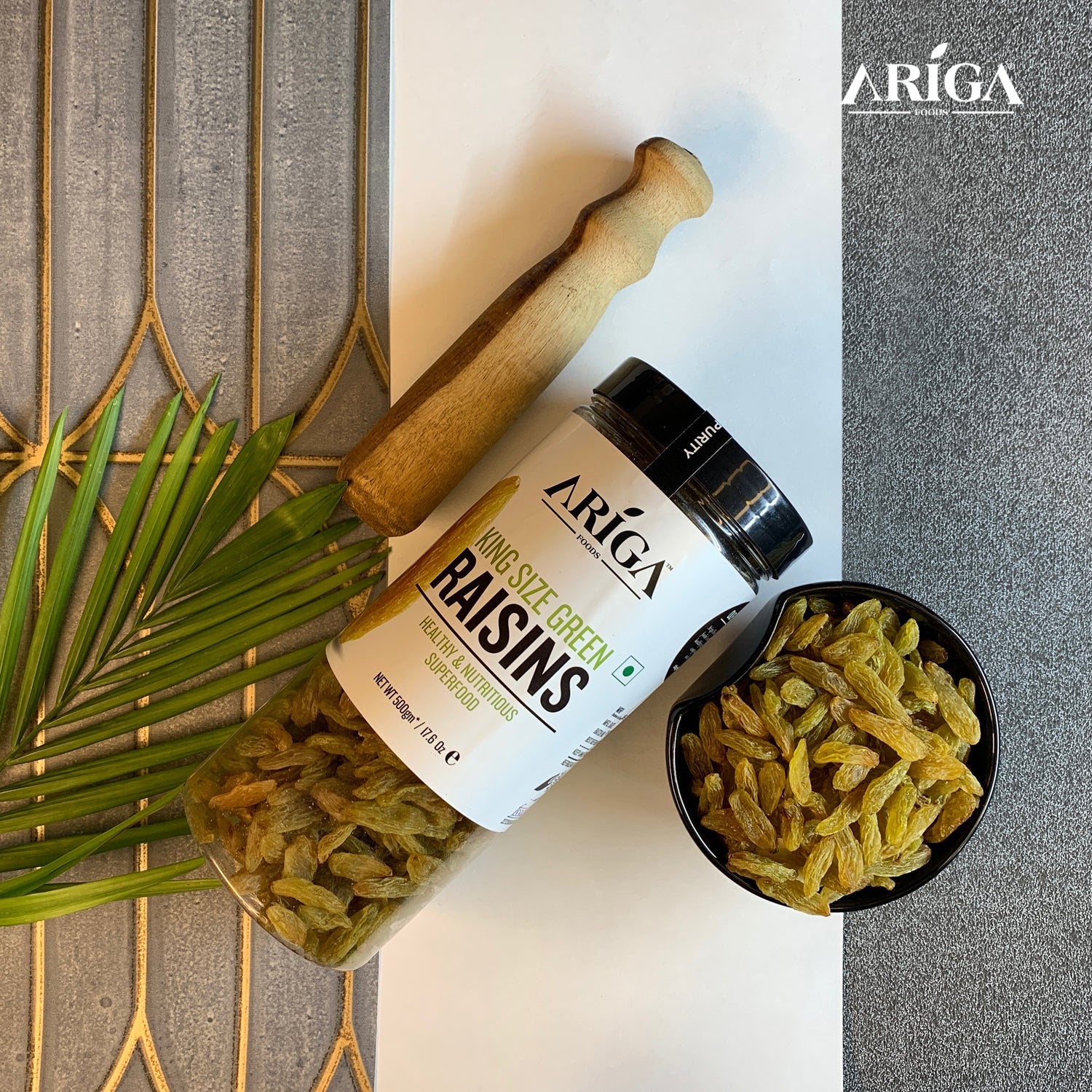
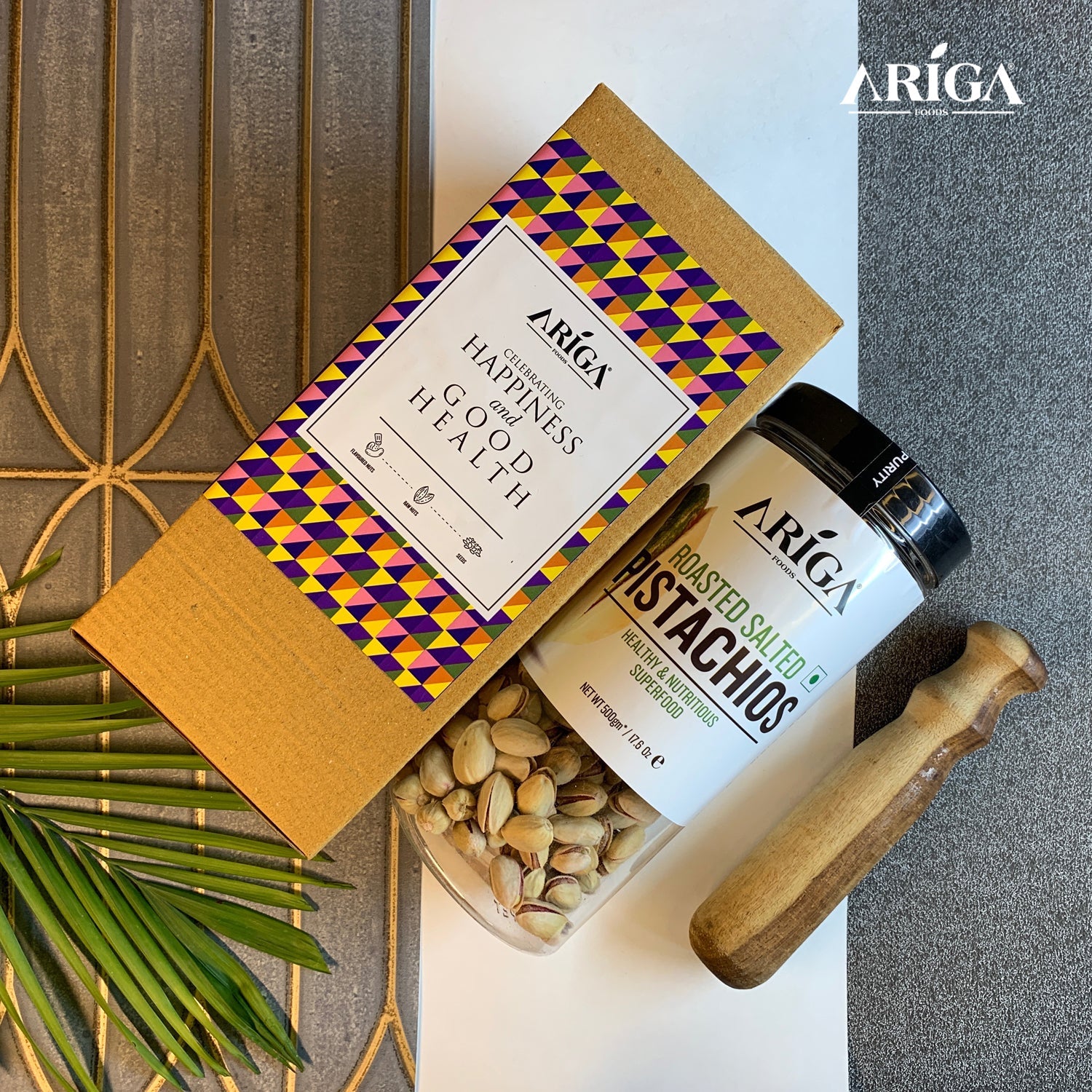
Since then, nuts have become a permanent fixture in my kitchen, and I have slowly built a small rotation using cashews, walnuts, almonds, pistachios, and raisins from Ariga Foods that I now reach for whenever I am cooking anything remotely Italian-inspired.
Why Italian Cooking Leans on Nuts So Much
Italian food, at its core, is built around a handful of good ingredients treated well, rather than a long list of complicated components.
Olive oil, garlic, fresh herbs, good cheese, and something with texture. Nuts fill that last role beautifully. They add crunch to a soft salad, richness to a sauce, and a bit of earthiness that balances out all that cheese and tomato.
What I have also come to appreciate, cooking this way regularly, is that the quality of the nut itself really shows up in the final dish.
A pesto made with a slightly stale or bland cashew tastes noticeably flatter than one made with a fresh, properly sourced one, which is part of why I have become a bit particular about where my nuts come from.
Cashews - My Pesto Shortcut
King Size Cashews have become my everyday pesto base, mostly because true pine nuts are expensive and honestly a bit hard to find consistently where I live.
These are the W240 grade, which basically means large, whole cashews with nothing added, and that size and consistency matters when you are blending them into a smooth sauce.
My go-to is a cashew pesto, blending the cashews with fresh basil, garlic, parmesan, and olive oil until smooth, and it works just as well tossed with pasta as it does spread on a piece of toasted bread.
On days I want something dairy-free, I soak the cashews overnight and blend them with just water, lemon juice, and a pinch of salt for a light, creamy vegan sauce instead.
Beyond the raw ones, I will admit I have gotten a little hooked on the flavoured cashew range too, the Cheese & Herbs ones especially, which have become one of the more addictive snacks I keep in the pantry.
There is also a Pudina version with a fresh minty edge, and a Tomato Cream one that tastes almost like a snack version of a pasta sauce.
None of these are cooked in oil, which I appreciate, since it means the flavour comes from actual roasting and seasoning rather than being fried into submission.
If you are comparing cashew price across brands like I did initially, it is worth noting that the size grading, W240 in this case, genuinely affects both cost and how the cashew performs in cooking.
Raisins - The Ingredient I Underestimated
I used to think raisins had no place in savoury Italian cooking until a friend introduced me to Sicilian caponata, an eggplant dish where King Size Raisins are cooked alongside pine nuts and capers, giving the whole thing a sweet-tangy contrast that I genuinely did not expect to work as well as it does.
These are the long, green King Size raisins, completely natural with nothing added, and they have become my go-to whenever a recipe needs a bit of natural sweetness without reaching for sugar.
I also make a raisin and nut stuffing fairly often, mixing raisins with breadcrumbs, garlic, and parsley, and using it to stuff bell peppers, which has become a regular weeknight dinner in my house.
Walnuts - Earthy and Essential
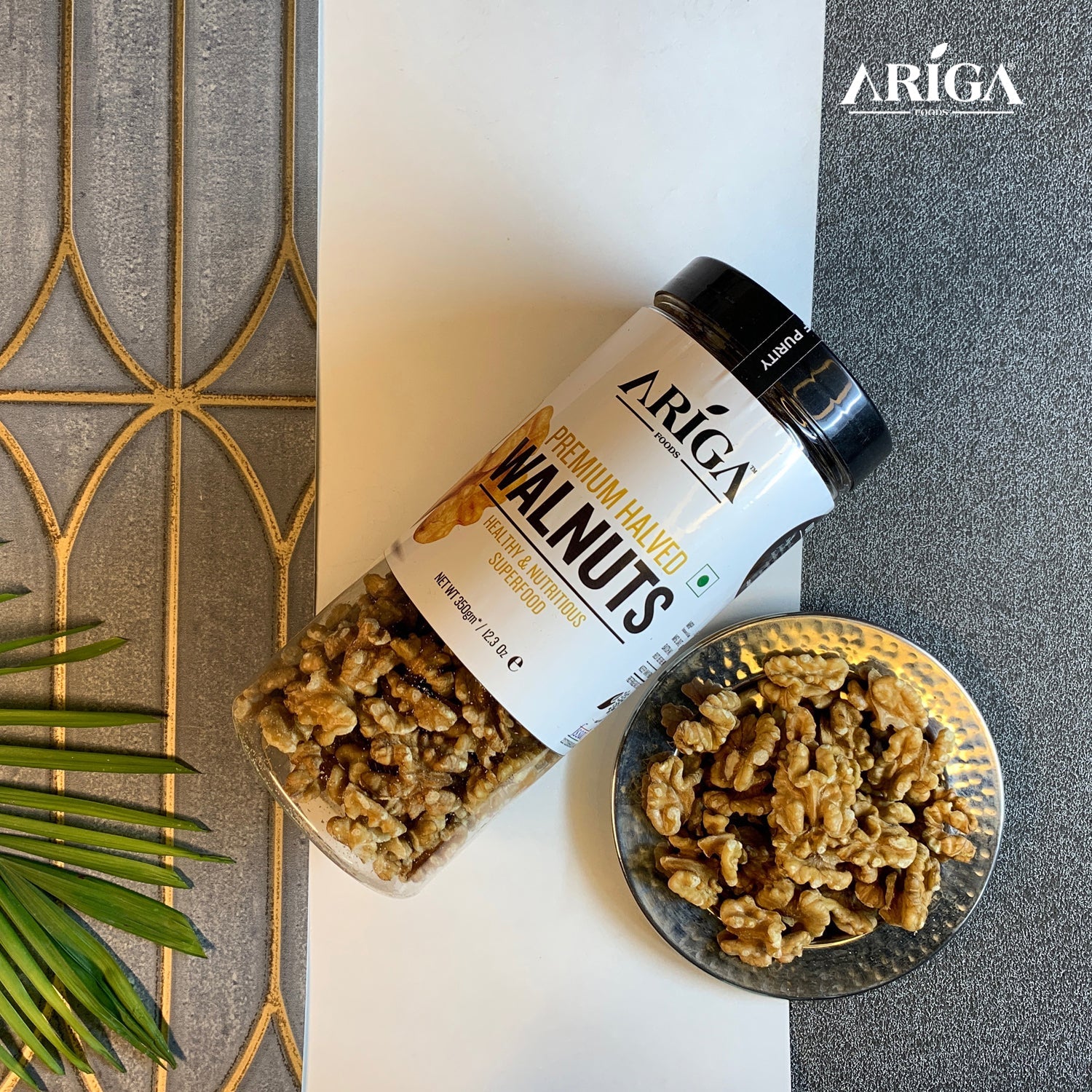
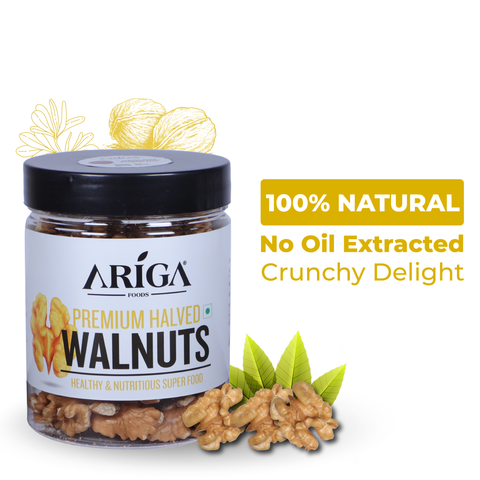
Premium Halved Walnuts show up constantly in my Italian cooking, mostly in salads and as a pesto variation.
There is a classic Gorgonzola and walnut salad I make often, mixed greens with crumbled gorgonzola, a handful of walnuts, and a simple balsamic dressing, and it has become one of those dishes I make when I want something that looks like effort but genuinely takes ten minutes.
I also occasionally swap walnuts for pine nuts in my pesto for a change, and the result has a deeper, slightly more bitter flavour that I actually prefer some weeks over the classic version.
If you have been comparing walnut prices across different sources, it helps to know that halved walnuts, since they are already broken down rather than sold whole, tend to be more budget-friendly while working just as well for cooking and blending.
Almonds - From Savoury Snack to Sweet Finish
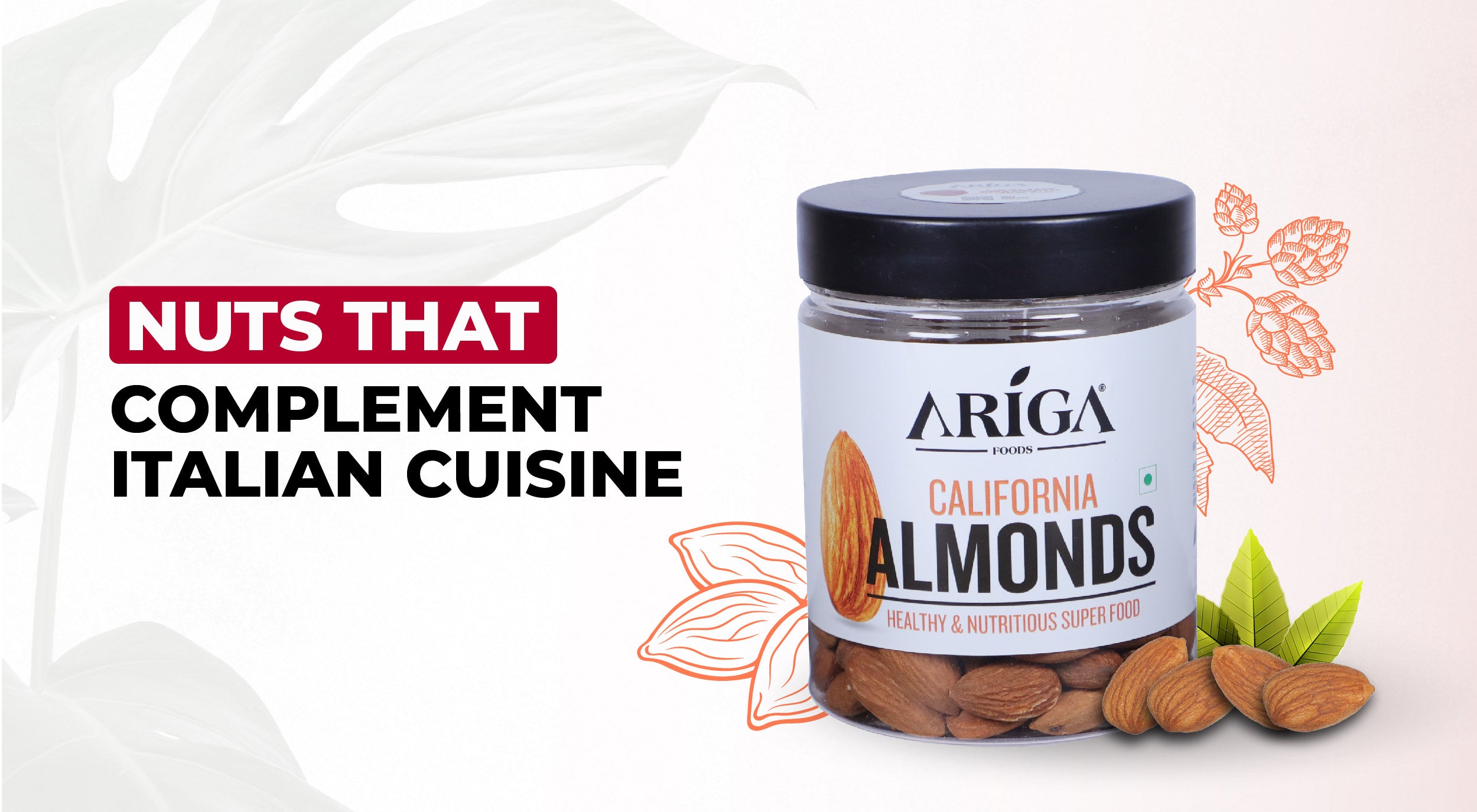
Almonds show up in Italian cooking in more places than people realise, and my personal favourite is almond biscotti, that dense, twice-baked cookie studded with whole almonds that is basically made for dunking into coffee.
I also occasionally make almond-crusted chicken, coating the chicken in crushed almonds before baking, which gives a crunch that regular breadcrumbs just cannot match.
I mainly buy the California almonds in their raw form for cooking, since they are the base that everything else, the roasted and flavoured versions, gets built from.
On the snacking side though, I have developed a genuine soft spot for the Tandoori almonds, which have become one of my most repurchased items, along with the Himalayan Pink Salt version for something a bit lighter.
Almond price does vary a fair bit depending on sourcing, and I have noticed that almonds handpicked for higher oil content tend to taste noticeably fresher and richer than the cheaper alternatives I have tried in the past.
Pistachios - Saved for the Special Dishes
Roasted Salted Pistachios are what I reach for when a dish deserves a bit of showing off. Pistachio-crusted salmon has become my dinner-party dish of choice, crushed pistachios pressed onto salmon fillets before baking, finished with a squeeze of lemon.
And on the rare occasion I feel ambitious enough to make gelato at home, ground pistachios folded into the custard base turn a fairly standard dessert into something people ask about.
Pistachio price tends to run higher than most other nuts, which is part of why I still treat them as a bit of a treat rather than an everyday snack, saved for dishes where their flavour and that pop of green colour actually get to shine.
Building an Italian-Style Nut Mix at Home
On weeks I want a grab-and-go snack rather than a full recipe, I combine equal parts King Size Cashews, King Size Raisins, Premium Halved Walnuts, California Almonds, and Roasted Salted Pistachios in a big jar.
It gives that same sweet-and-savoury, varied-texture experience that a good Italian dish aims for, just in snack form, and it has genuinely replaced most of the packaged trail mixes I used to buy.
A Few Things I Would Tell Anyone Starting This Kind of Cooking
Buy your nuts raw or plain when you plan to cook with them, and save the flavoured varieties for straight snacking. A cheese-flavoured cashew has no business going into a pesto, but it is fantastic on its own with a glass of wine.
Toast nuts lightly before using them in salads or as a garnish. It takes two minutes in a dry pan and makes an enormous difference to how much flavour actually comes through in the final dish.
Do not be afraid to swap nuts within a recipe based on what you have. Walnuts instead of pine nuts in pesto, almonds instead of walnuts in a salad, these substitutions rarely ruin a dish and often teach you something new about how the flavours work together.
And lastly, buy in the size that actually matches how often you cook. I learned this the hard way after buying a large bag of walnuts that sat around longer than they should have. Smaller packs for occasional use, larger ones once you know a nut has become a genuine kitchen staple.
Italian cooking taught me to stop treating nuts as an afterthought and start treating them as an actual ingredient with a job to do in the dish. That shift alone changed how I cook far more than any specific recipe did.
People Also Ask
Which nuts are most commonly used in Italian cooking?
Cashews, walnuts, almonds, and pistachios are all common in Italian cooking, showing up in pesto, salads, baked dishes like biscotti, and even desserts such as gelato. Pine nuts are traditional too, though cashews and walnuts are popular substitutes.
Can I use cashews instead of pine nuts in pesto?
Yes, cashews work very well as a pine nut substitute in pesto because of their creamy texture when blended. They create a smooth, rich sauce and are often more affordable and easier to find than traditional pine nuts.
Are raisins used in savoury Italian dishes?
Yes, raisins appear in several traditional Italian recipes, including Sicilian caponata and various stuffing recipes, where their natural sweetness balances out savoury and tangy flavours like capers and vinegar.
What is the best way to add crunch to an Italian salad?
Toasted walnuts or almonds are a popular way to add crunch to Italian-style salads. Lightly toasting them in a dry pan for a couple of minutes before adding them to the salad brings out more flavour than using them raw.
Why does cashew and almond price vary so much between brands?
Price differences usually come down to grading and sourcing. Larger, more consistent sizes, like W240 grade cashews, and nuts sourced for higher oil content and freshness generally cost more but offer better flavour and texture for cooking.
Can pistachios be used in desserts, not just savoury dishes?
Yes, pistachios are commonly used in Italian desserts, most notably in pistachio gelato, where ground pistachios are folded into a custard base to create a rich, distinctly flavoured ice cream.
Related Products

Ariga Foods Premium Halved Walnuts 150g
100% premium quality walnuts akhrot giri, without shell halved walnuts consumed as supersnack. Premium quality walnut kernels- Crunchy & Deli...

Ariga Foods Premium Halved Walnuts 700g
100% premium quality walnuts akhrot giri, without shell halved walnuts consumed as supersnack. Premium quality walnut kernels- Crunchy & Deli...
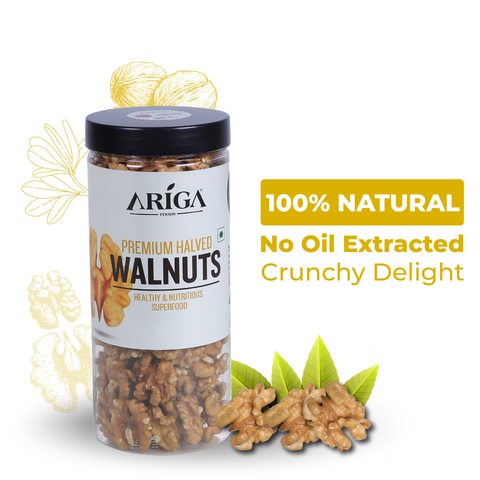

Ariga Foods Premium Halved Walnuts 350g
100% premium quality walnuts akhrot giri, without shell halved walnuts consumed as supersnack. Premium quality walnut kernels- Crunchy & Deli...
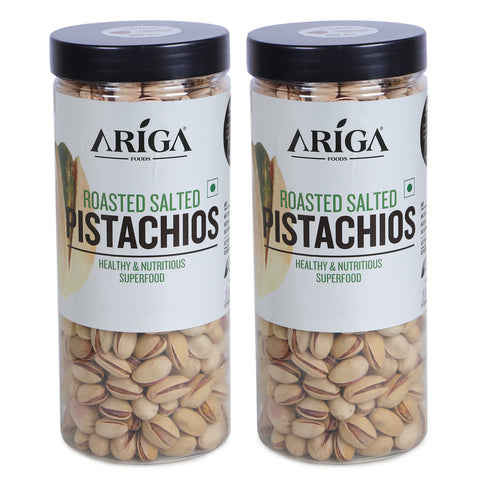

Premium Roasted & Salted Pistachios 1kg
100% premium quality pista dry fruits. Roasted & salted pistachios, consumed as supersnack. Buy Pistachio nuts (Pista) online in India at Arig...


Premium Roasted & Salted Pistachios 500g
100% premium quality pista dry fruits. Roasted & salted pistachios, consumed as supersnack.Buy Pistachio nuts (Psita) online in India at Ariga ...
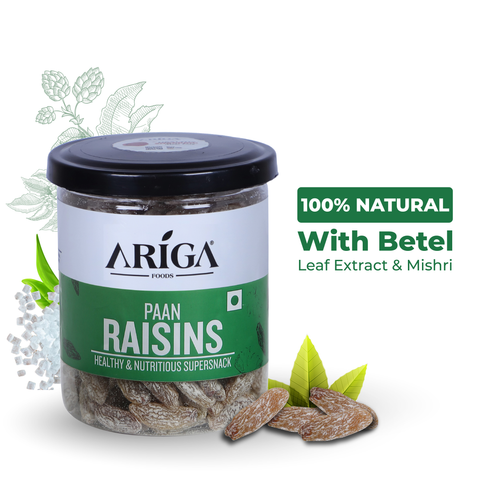

Paan Raisins 250g | Premium Long Green Kishmish
100% premium quality raisins kismis made with real pan extract to bring the taste of mukhwas. These are long size green raisins dry fruit. Buy gr...

Paan Raisins 100g | Premium Long Green Kishmish
100% premium quality product from Ariga Foods. Ariga Paan Raisins are consumed as supersnack as they are the best replacement for junk food. Pac...
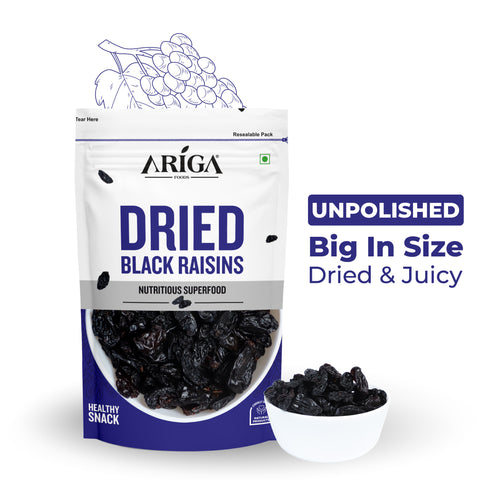

Premium Afghani Black Raisins 200g | Ariga Foods
100% premium quality black raisins. Healthy alternative to processed food and snacks. Buy black raisins online at Ariga Foods. They are also know...
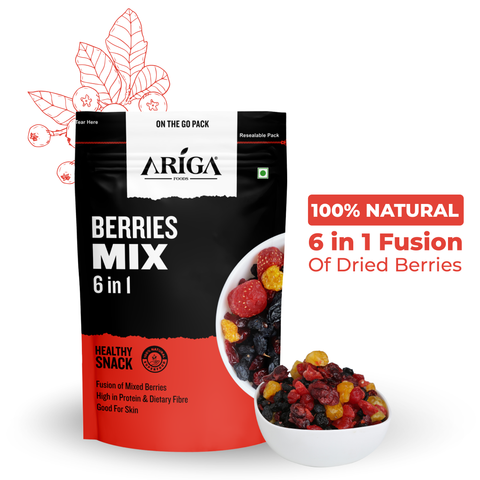

Premium Dried Berries Mix 200g | Trail Mix 6 in 1 | Ariga Foods
Ariga Foods premium quality Berries Mix. Healthy alternative to processed food and snacks. Buy Berries mix online at Ariga Foods. Ariga Foods mix...
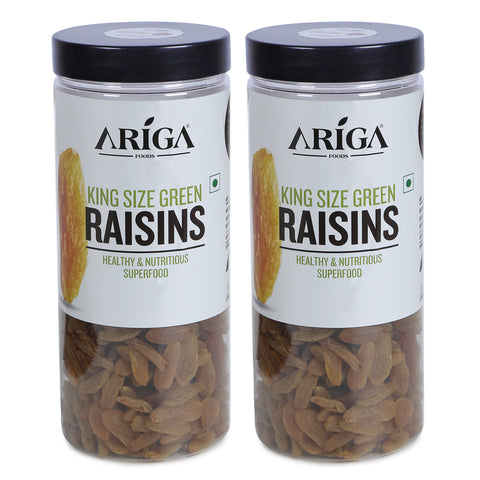

Premium Green Raisins 1kg
100% premium quality raisins kismis. Long size green raisins dry fruit, best replacement for junk food. Buy Indian raisins online at Ariga Foods....
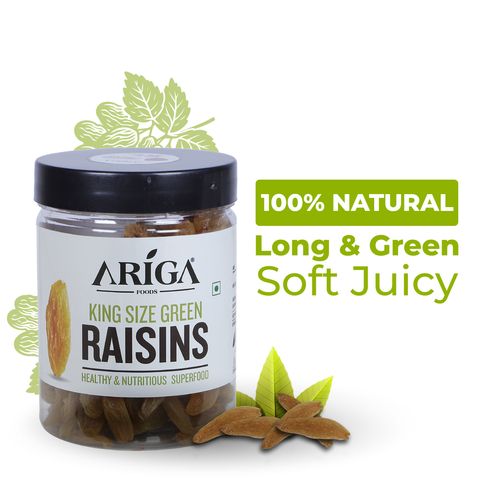

Premium Green Raisins 250g
100% premium quality raisins kismis. Long size green raisins dry fruit, best replacement for junk food. Buy Indian raisins online at Ariga Foods....
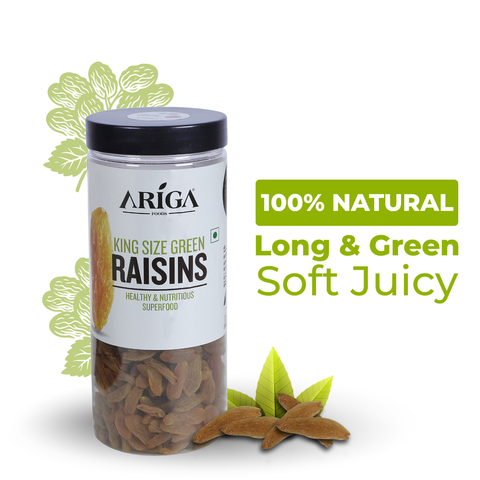

Premium Green Raisins 500g
100% premium quality raisins kismis. Long size green raisins dry fruit, best replacement for junk food. Buy Indian raisins online at Ariga Foods....


Ariga Foods King Size Premium Cashew Nuts 1kg | Dry Fruit Kaju 240 Grade
100% premium quality dry fruits Cashews 240 big size kaju nutritious food for healthy eating. Buy Cashew nuts (Kaju) online in India at Ariga Foo...
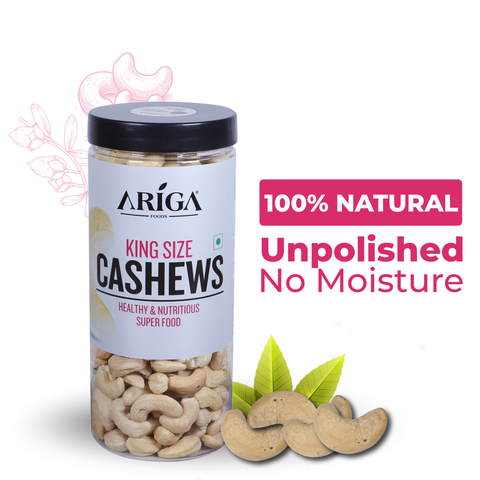

Ariga Foods King Size Premium Cashew Nuts 500g | Dry Fruit Kaju 240 Grade
100% premium quality dry fruits Cashews 240 big size kaju nutritious food for healthy eating. Buy Cashew nuts (Kaju) online in India at Ariga Foo...
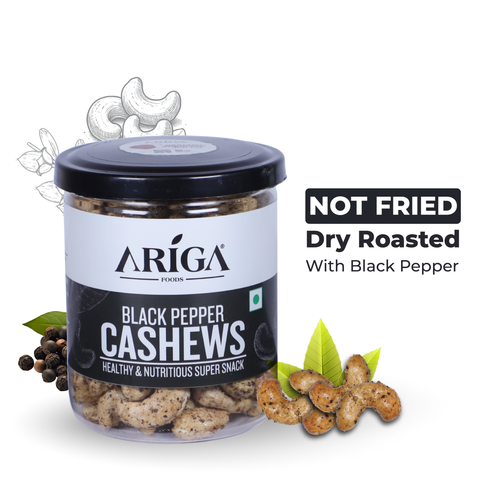

Black Pepper Cashews 200g | Roasted 100% Premium Kaju
'100% premium quality dry fruits roasted cashews sprinkled with black pepper kaalimirch from Ariga Foods. Dry roasted with no oil, these roasted ...
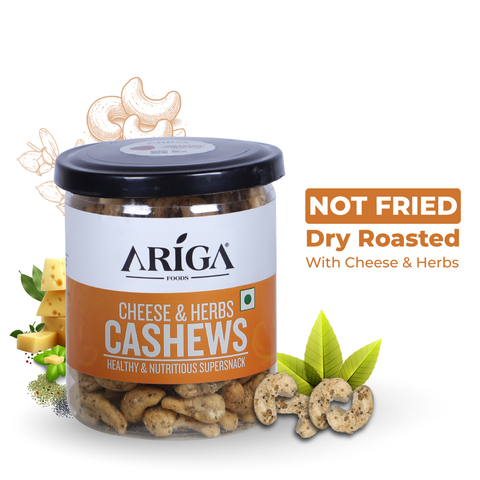

Cheese & Herbs Cashews 200g | Roasted 100% Premium Kaju
Ariga Foods premium quality roasted cashews with cheese & herbs are dry roasted with no oil. Crunchy and delicious dry fruit. Buy roasted and...
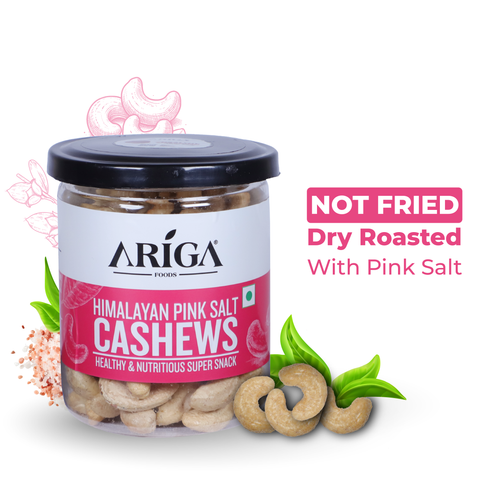

Himalayan Pink Salt Cashews 200g | Roasted 100% Premium Kaju
Ariga Foods 100% premium quality dry fruits roasted cashews with pink salt for healthy eating. Big size kaju crunchy and nutritious. Buy roasted ...
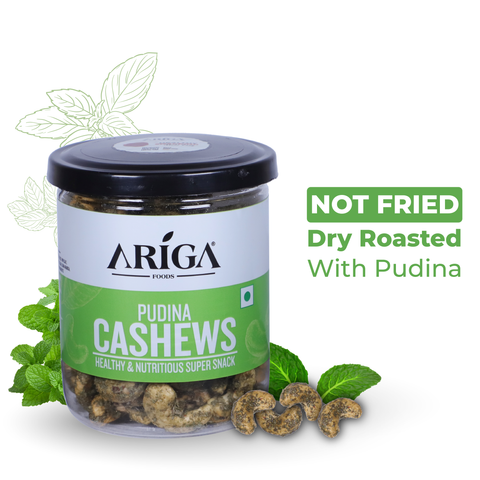

Pudina Cashews 200g | Roasted 100% Premium Kaju
Ariga Foods roasted salted cashews are toasted with dry pudina particals. This makes the roasted cashews tasy and crunchy. These cashew nuts are ...
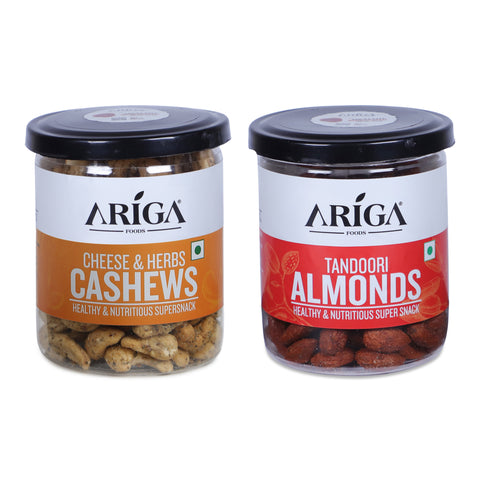

Tandoori Almonds 200g + Cheese & Herbs Cashews 200g (Dry Fruits Combo Pack 400g)
100% premium quality product from Ariga Foods. Ariga Tandoori Almonds and Cheese & Herbs Cashews are flavoured with Tandoori Masala and Cheese ...
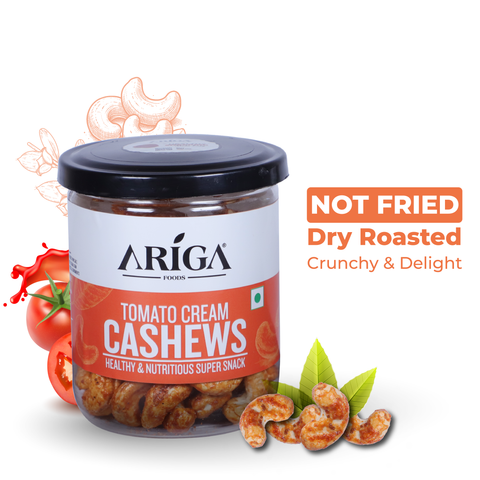

Tomato Cream Cashews 200g | Roasted 100% Premium Kaju
100% premium quality roasted and slated cashews toasted with real tomato and cream from Ariga Foods. Dry roasted cashews with no oil. Crunchy and...


Ariga Foods Premium California Almonds 1kg
100% premium quality dry fruits badam giri from Ariga Foods, sourced from California, USA. Buy California Almonds (Badaam) online in India at Ari...


Ariga Foods Premium California Almonds 500g
100% premium quality dry fruits badam giri from Ariga Foods, sourced from California, USA. Buy California Almonds (Badaam) online in India at Ari...
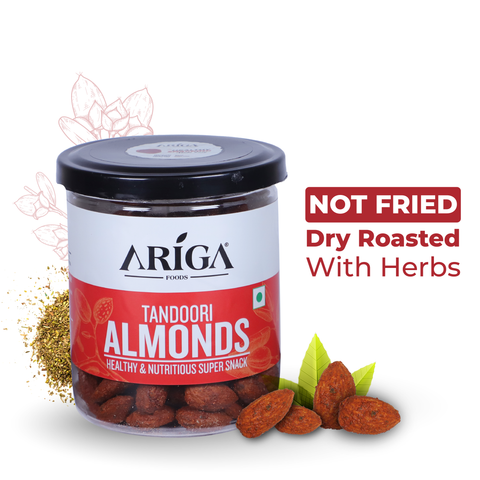

Ariga Foods Roasted Tandoori Almonds 200g
Ariga Foods premium quality dry fruits roasted almonds tandoori masala are dry roasted with no oil. Buy roasted almonds online at Ariga Foods. No...
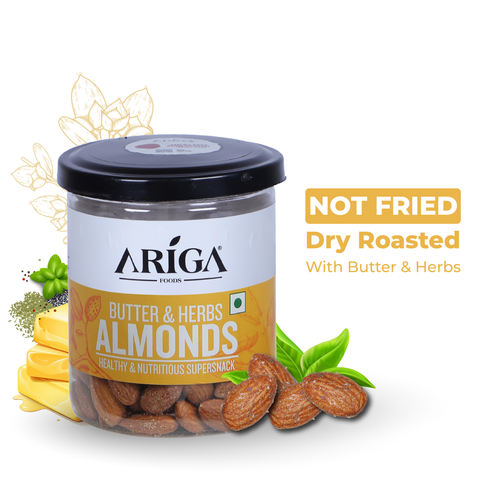

Butter & Herbs Almonds 200g | Roasted 100% Premium Badam
100% premium quality dry fruits roasted almonds toasted with butter & herbs from Ariga Foods. Dry roasted with no oil, these nutrition roast...
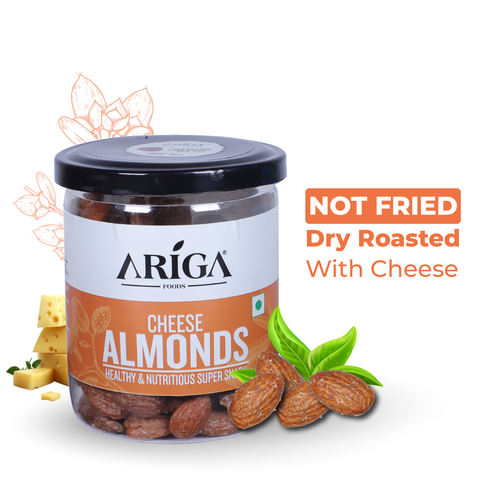

Cheese Almonds 200g | Roasted 100% Premium Badam
Ariga Foods dry fruits roasted almonds are wrapped with cheese. 100% premium quality badam. These nutrition roasted almonds are crunchy and delic...
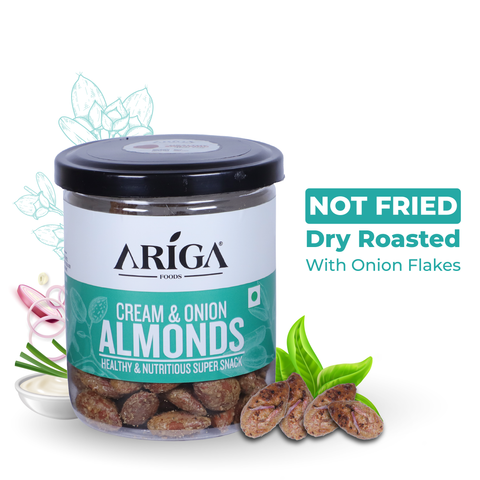

Cream & Onion Almonds 200g | Roasted 100% Premium Badam
100% premium quality dry fruits roasted almonds with cream & onion from Ariga Foods. Dry roasted almonds with no oil. Crunchy and delicious. N...
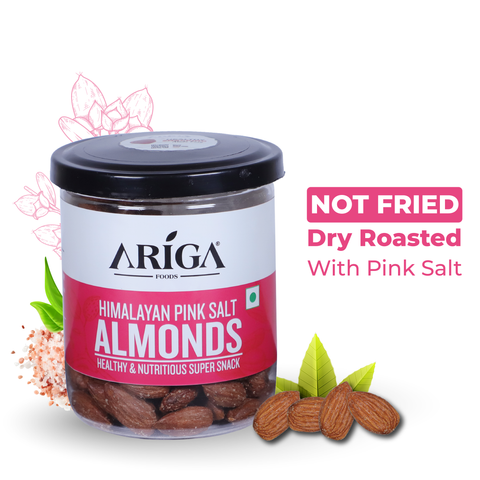

Himalayan Pink Salt Almonds 200g | Roasted 100% Premium Badam
100% premium quality dry fruits roasted almonds with pink salt from Ariga Foods, dry roasted with no oil. Crunchy and delicious. Buy roasted almo...
About Us
Ariga Foods is the innovative Retail and B2B brand by Ariganic Food Pvt. Ltd. Our vision is to make Superfood convenient and tasty for every household around the world.
Read moreSUBSCRIBE & FOLLOW
TAG CLOUD