
The Role of Walnuts in Reducing Stress and Anxiety
My cousin was in the middle of her final semester of university, deep into exam season and the particular kind of frayed, wired exhaustion that period always seems to bring, when she mentioned her therapist had suggested a small dietary tweak alongside everything else she was already doing to manage her anxiety, adding a daily handful of walnuts.
She was upfront that it was a minor addition, not a treatment on its own, but she was curious enough to actually try it, and it got me curious enough to look into what research actually exists behind this.
I want to be careful and honest here, since anxiety is a genuine mental health condition, not something to oversimplify with a tidy dietary fix.
If you are dealing with anxiety that is affecting your daily life, please treat this as general background information and talk to a doctor or therapist about what actually makes sense for your situation, rather than relying on any article, including this one, as a substitute for that.
What the Research Actually Shows
This is more promising than a lot of nutrition claims I have looked into, but still genuinely early-stage. A sixteen-week randomised controlled trial out of the University of South Australia gave university students a daily portion of walnuts, roughly 56 grams, during a period of real academic stress, and compared their outcomes to a control group who avoided nuts entirely.
The walnut group showed a protective effect against some of the negative impacts of that stress, along with improvements in self-reported mental wellbeing and sleep quality over the course of the study.
The researchers involved were fairly careful in how they described this, noting that while the findings are encouraging, more research is needed to confirm and understand the full extent of the effect. I want to hold that same caution here rather than presenting this as more settled than it actually is.
The Nutritional Mechanisms Behind the Research
Walnuts are rich in alpha-linolenic acid, a plant-based omega-3 fatty acid, and omega-3s more broadly have been studied for their potential role in mental health.
I want to be fair about the broader research picture here too, some meta-analyses have found omega-3 supplementation may help adults with clinically diagnosed anxiety specifically, while research in younger, healthier populations has been less conclusive.
This nuance matters, the effect does not appear to be universal or guaranteed.
Walnuts also carry magnesium, a mineral involved in regulating the nervous system, and low magnesium levels have been associated with increased anxiety in some research, though the evidence for magnesium supplementation directly reducing anxiety symptoms is still considered relatively modest overall.
Beyond that, walnuts contain antioxidants like vitamin E and polyphenols, along with tryptophan, an amino acid the body uses in the production of serotonin, a neurotransmitter involved in mood regulation.
Taken together, this gives walnuts a genuinely plausible, biologically reasonable connection to stress and mood support, but I want to be clear that "plausible mechanism plus one encouraging study" is different from "proven treatment," and I think it does readers a disservice when nutrition content blurs that line.
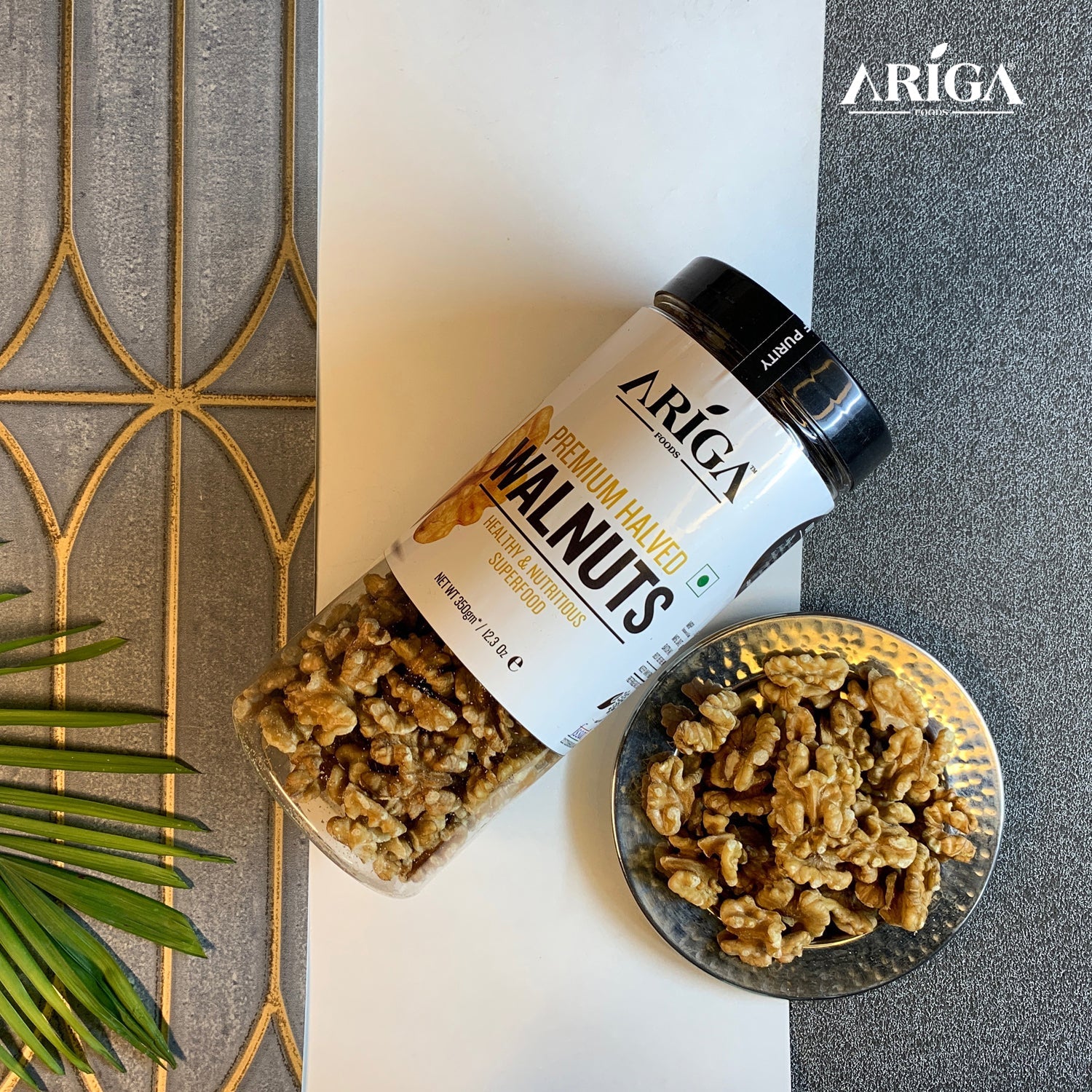
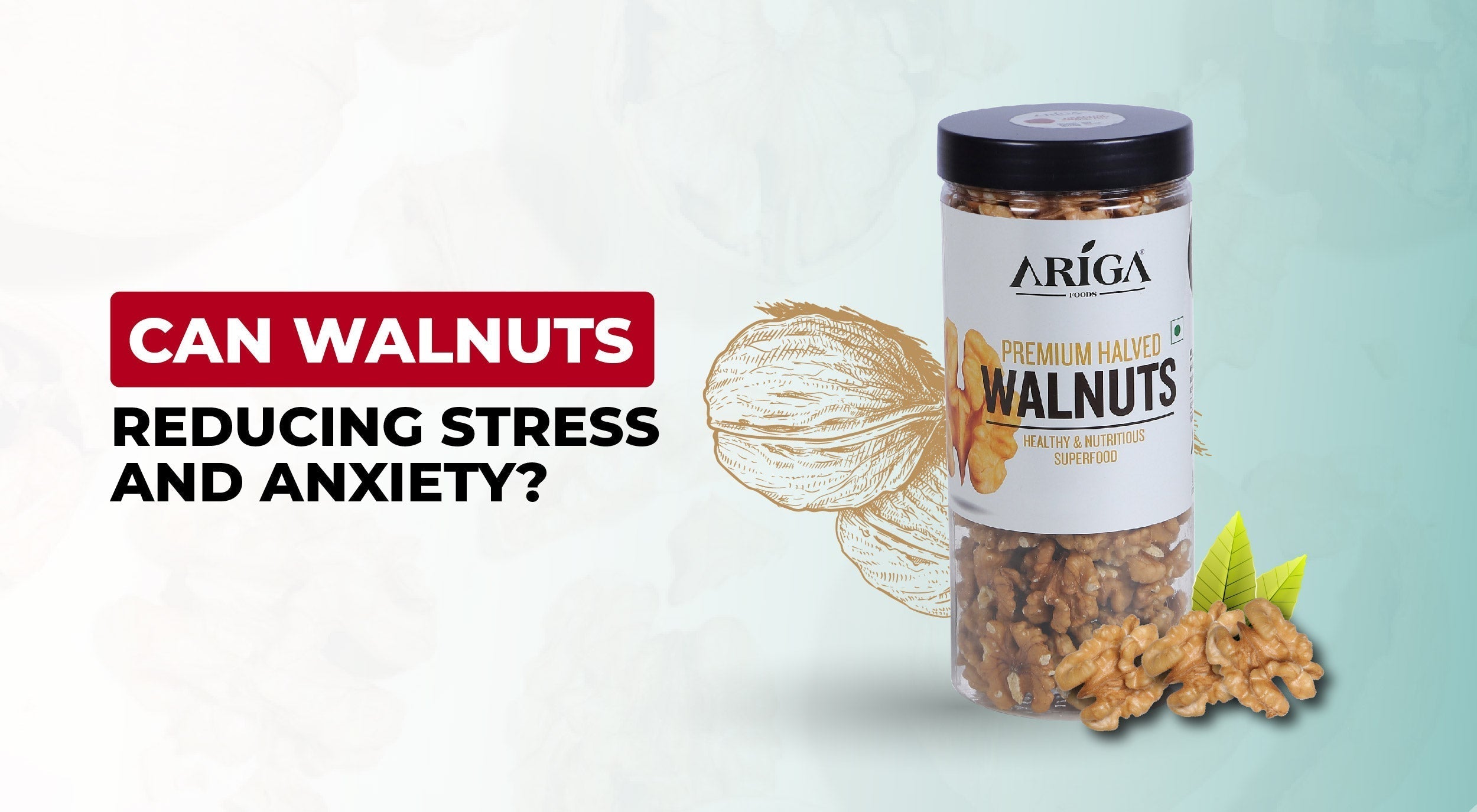
Ariga Foods Premium Halved Walnuts
For anyone wanting to try incorporating walnuts into a broader wellness routine, Ariga Foods Premium Halved Walnuts are free from additives and preservatives, offering a pure, natural product perfect for snacking or cooking.
Their rich, buttery flavour works well in both sweet and savoury dishes, making them an easy, versatile addition to a daily routine.
Recipes My Cousin Actually Uses
Walnut and Berry Smoothie Bowl
Banana, frozen berries, a spoonful of Greek yogurt, and a splash of almond milk blended together, topped with Premium Halved Walnuts, chia seeds, and fresh berries.
This has become her regular breakfast during particularly demanding weeks, an easy way to build the habit in without much extra thought.
Walnut-Crusted Salmon
Crushed walnuts mixed with breadcrumbs, parsley, salt, and pepper, coating salmon fillets baked until golden. A genuinely satisfying dinner that happens to combine two good sources of omega-3s in one dish.
Walnut and Apple Salad
Mixed greens tossed with sliced apple, crumbled feta, and a generous handful of walnuts, finished with a honey mustard vinaigrette. Simple, quick, and something she now keeps on hand for a lunch that does not require much decision-making on a busy day.
Dark Chocolate Walnut Bark
Melted dark chocolate spread thin, sprinkled with walnuts and a pinch of sea salt, cooled and broken into pieces. Her evening treat during exam season, satisfying a sweet craving while still getting a bit of that walnut benefit in.
What I Would Tell Anyone Reading This
Walnuts are a genuinely reasonable, low-risk addition to a broader approach to managing everyday stress, supported by real if still-developing research.
What they are not is a treatment for clinical anxiety, and no food should be treated as a substitute for therapy, medication where appropriate, or professional support if anxiety is genuinely affecting your life.
My cousin's therapist was clear about this distinction from the start, walnuts as one small, supportive habit alongside the actual work of therapy, not instead of it.
If stress or anxiety feels persistent, overwhelming, or is affecting your daily functioning, please reach out to a mental health professional.
A handful of walnuts can be a small, pleasant part of taking care of yourself, but it is not, and should not be treated as, the answer on its own.
People Also Ask
Can walnuts really help reduce anxiety?
Emerging research, including a 16-week controlled trial in university students, suggests walnuts may offer some protective effect against stress and support better mood and sleep, but this research is still early-stage and walnuts should not be viewed as a treatment for clinical anxiety.
What nutrients in walnuts are linked to stress and mood support?
Walnuts contain alpha-linolenic acid, an omega-3 fatty acid, along with magnesium, antioxidants, and tryptophan, all of which have plausible, if not fully proven, connections to brain health and mood regulation.
How many walnuts should I eat for potential stress-related benefits?
Research studies showing benefits have generally used around 30 to 56 grams daily, roughly a small to medium handful. It's worth noting this amount varied by study, and no single "optimal" dose has been firmly established.
Can diet alone treat anxiety disorders?
No, diet is not a substitute for proper mental health treatment. If anxiety is significantly affecting your daily life, consulting a doctor or therapist is the appropriate next step, with dietary changes serving as a supportive addition rather than a primary treatment.
Is the research on walnuts and anxiety the same as research on omega-3 supplements generally?
Not exactly. While walnuts are a source of omega-3s, broader research on omega-3 supplementation for anxiety has produced mixed results depending on the population studied, with more consistent benefit seen in adults with diagnosed anxiety than in general or younger populations.
What is a simple way to start incorporating walnuts into a stress-management routine?
A small daily handful, added to breakfast, a salad, or eaten as a simple snack, is an easy, low-effort way to start, without needing to treat it as a strict regimen.
Related Products

Ariga Foods Premium Halved Walnuts 150g
100% premium quality walnuts akhrot giri, without shell halved walnuts consumed as supersnack. Premium quality walnut kernels- Crunchy & Deli...

Ariga Foods Premium Halved Walnuts 350g
100% premium quality walnuts akhrot giri, without shell halved walnuts consumed as supersnack. Premium quality walnut kernels- Crunchy & Deli...
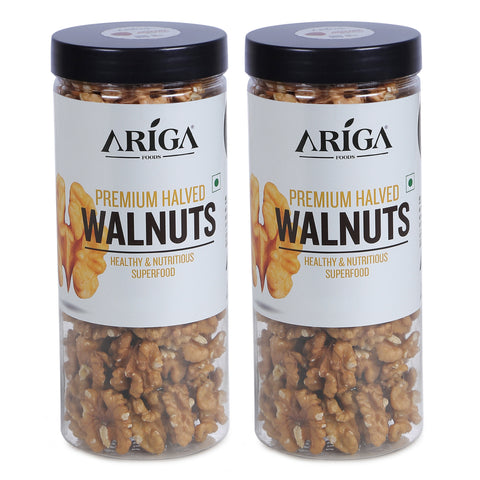

Ariga Foods Premium Halved Walnuts 700g
100% premium quality walnuts akhrot giri, without shell halved walnuts consumed as supersnack. Premium quality walnut kernels- Crunchy & Deli...
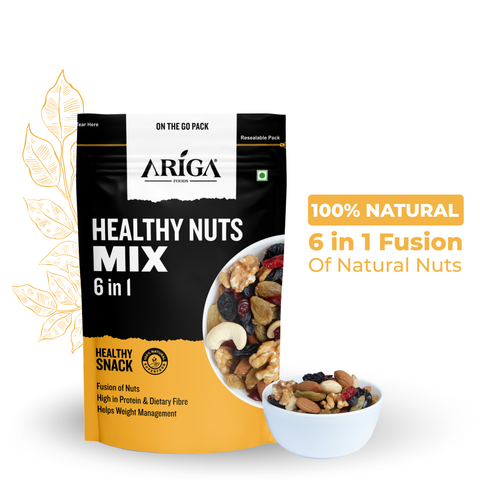

Premium Healthy Nutmix 200g | Trail Mix 6 in 1 | Ariga Foods
100% premium quality Healthy Nut Mix from Ariga Foods. Healthy alternative to processed food and snacks. Buy trail mix online at Ariga Foods. Ari...
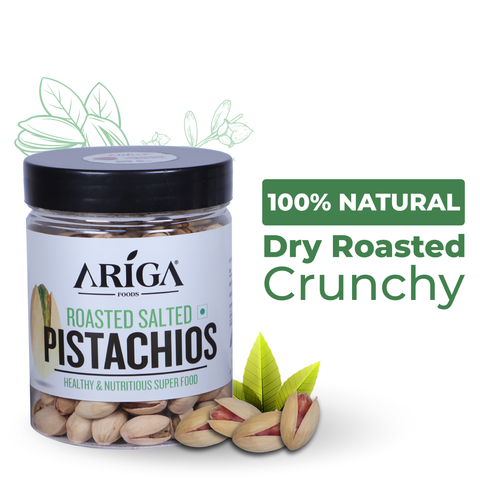

Premium Roasted & Salted Pistachios 200g
100% premium quality pista dry fruits. Roasted & salted pistachios, consumed as supersnack.Buy Pistachio nuts (Psita) online in India at Ariga ...
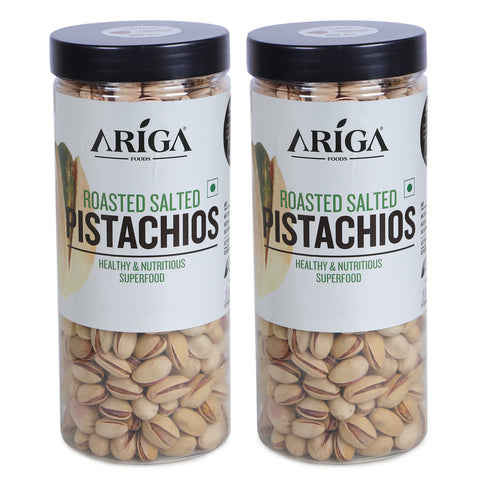

Premium Roasted & Salted Pistachios 1kg
100% premium quality pista dry fruits. Roasted & salted pistachios, consumed as supersnack. Buy Pistachio nuts (Pista) online in India at Arig...


Premium Dried Californian Blueberries 150g | Ariga Foods
100% premium quality blueberries by Ariga Foods. Healthy alternative to processed food and snacks. Buy blueberries online at Ariga Foods. Enjoy b...
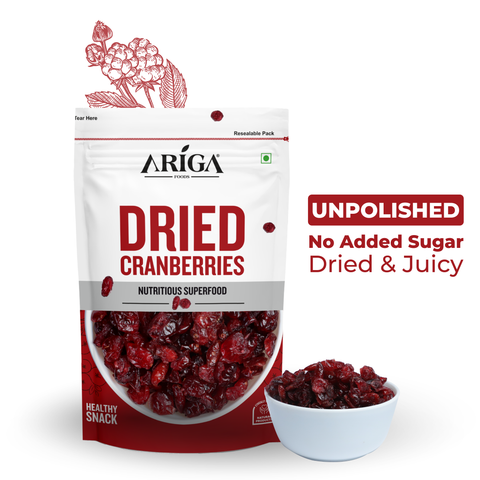

Premium Dried Californian Sliced Cranberries 200g | Ariga Foods
Ariga Foods premium quality cranberries. Also, known as cran berry. Buy online cranberries in India at Ariga Foods. This miracle fruit helps you ...


Ariga Foods King Size Premium Cashew Nuts 1kg | Dry Fruit Kaju 240 Grade
100% premium quality dry fruits Cashews 240 big size kaju nutritious food for healthy eating. Buy Cashew nuts (Kaju) online in India at Ariga Foo...
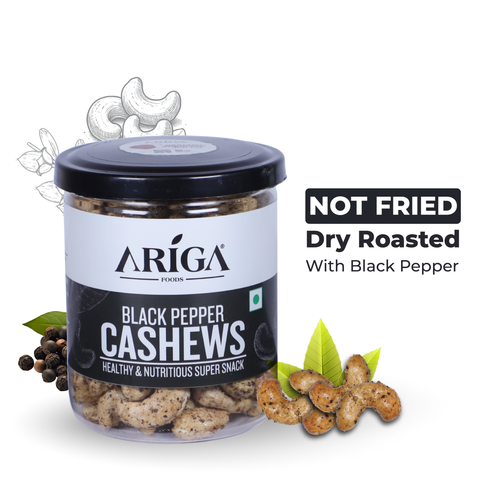

Black Pepper Cashews 200g | Roasted 100% Premium Kaju
'100% premium quality dry fruits roasted cashews sprinkled with black pepper kaalimirch from Ariga Foods. Dry roasted with no oil, these roasted ...
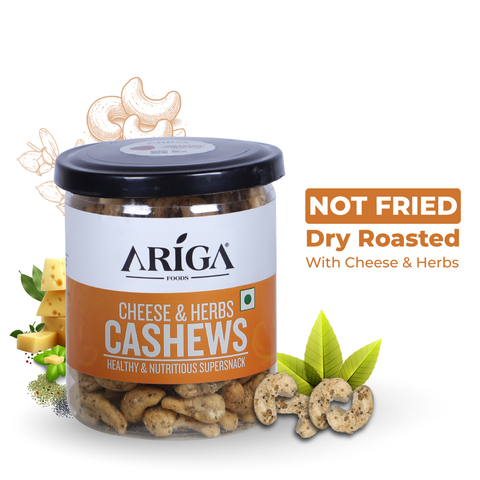

Cheese & Herbs Cashews 200g | Roasted 100% Premium Kaju
Ariga Foods premium quality roasted cashews with cheese & herbs are dry roasted with no oil. Crunchy and delicious dry fruit. Buy roasted and...
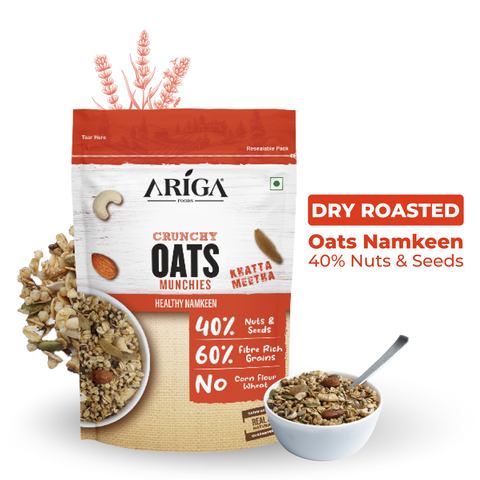

Crunchy Oats Namkeen 200g | Khatta Meetha Namkeen | Ariga Foods
100% premium quality Oats Namkeen. Healthy alternative to processed food and snacks. Oats Namkeen contains an abundance of nutrients particularl...
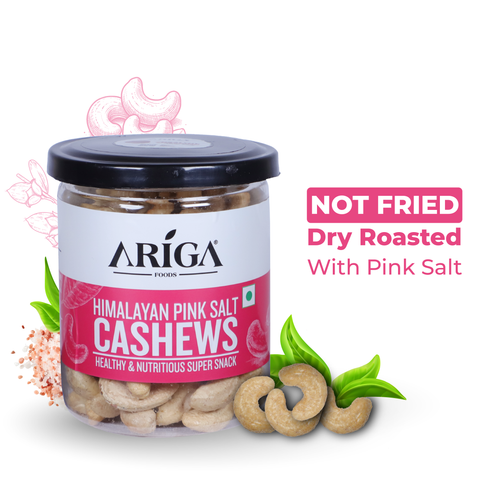

Himalayan Pink Salt Cashews 200g | Roasted 100% Premium Kaju
Ariga Foods 100% premium quality dry fruits roasted cashews with pink salt for healthy eating. Big size kaju crunchy and nutritious. Buy roasted ...
About Us
Ariga Foods is the innovative Retail and B2B brand by Ariganic Food Pvt. Ltd. Our vision is to make Superfood convenient and tasty for every household around the world.
Read moreSUBSCRIBE & FOLLOW
TAG CLOUD