
The Impact of Walnuts on Cholesterol Levels
My father has been on cholesterol medication for years, and his cardiologist, alongside the prescription itself, has consistently pointed him toward a specific handful of dietary changes worth making.
Walnuts came up early and have stayed part of his daily routine since, not as a replacement for his medication, but as a genuinely well-supported addition alongside it.
Unlike some of the more uncertain nutrition claims floating around online, this is one where I actually went looking for the research and came away genuinely reassured by how solid it is.
Understanding Cholesterol, Briefly
Cholesterol is a waxy substance in the blood that your body actually needs, it plays a role in cell structure and hormone production. The issue arises with imbalance, specifically elevated levels of LDL cholesterol, commonly called "bad" cholesterol, which contributes to plaque build-up in arteries and raises cardiovascular disease risk over time.
What the Research Actually Shows
This is genuinely one of the better-supported claims in nutrition science. Multiple large meta-analyses, pooling data from dozens of randomised controlled trials involving thousands of participants, have consistently found that walnut consumption significantly reduces total cholesterol, LDL cholesterol, and triglycerides. One recent dose-response meta-analysis covering 49 controlled trials and over 4,600 participants found walnut consumption reduced LDL cholesterol by an average of roughly 5 to 6 points and total cholesterol by a similar margin, with even greater reductions seen in people who already had elevated cholesterol or related health conditions.
The mechanism behind this comes down largely to walnuts' fat profile. They are rich in polyunsaturated fats, including alpha-linolenic acid, a type of omega-3 fatty acid, which research has consistently linked to healthier lipid metabolism when it replaces less healthy fats in the diet. Interestingly, the research is less consistent when it comes to HDL cholesterol, the "good" kind, most studies show walnuts do not meaningfully raise HDL levels, so their real strength lies specifically in lowering the LDL and total cholesterol side of the equation.
I want to be fair and mention one caveat that even the more rigorous research points out, some studies note considerable variation in results depending on trial design and population, and a few researchers have called for larger, longer-term studies to further confirm the magnitude of these effects. That said, the overall direction and consistency across so many independent trials makes this one of the more trustworthy nutrition claims out there, not something I would say about every "superfood" claim I come across.
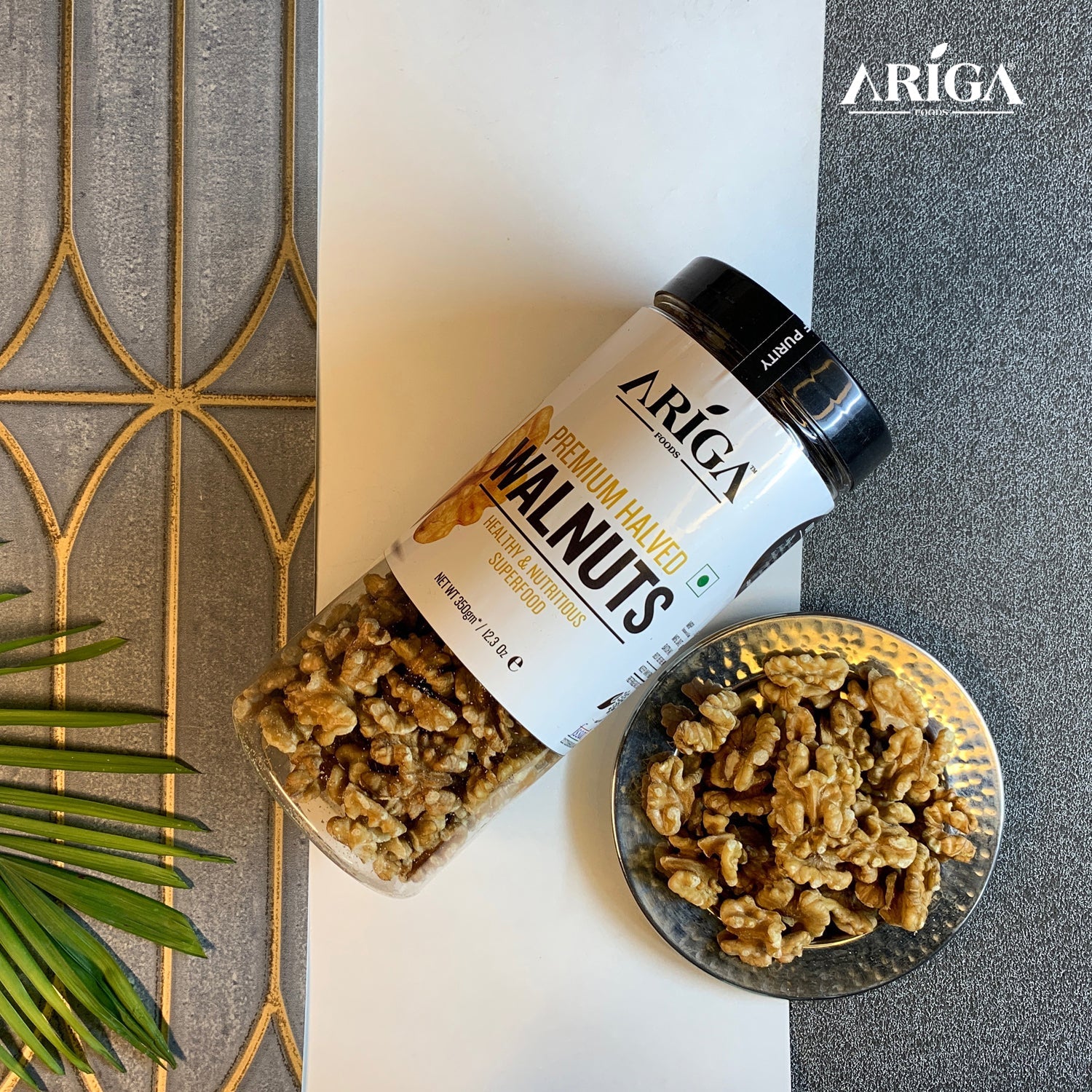
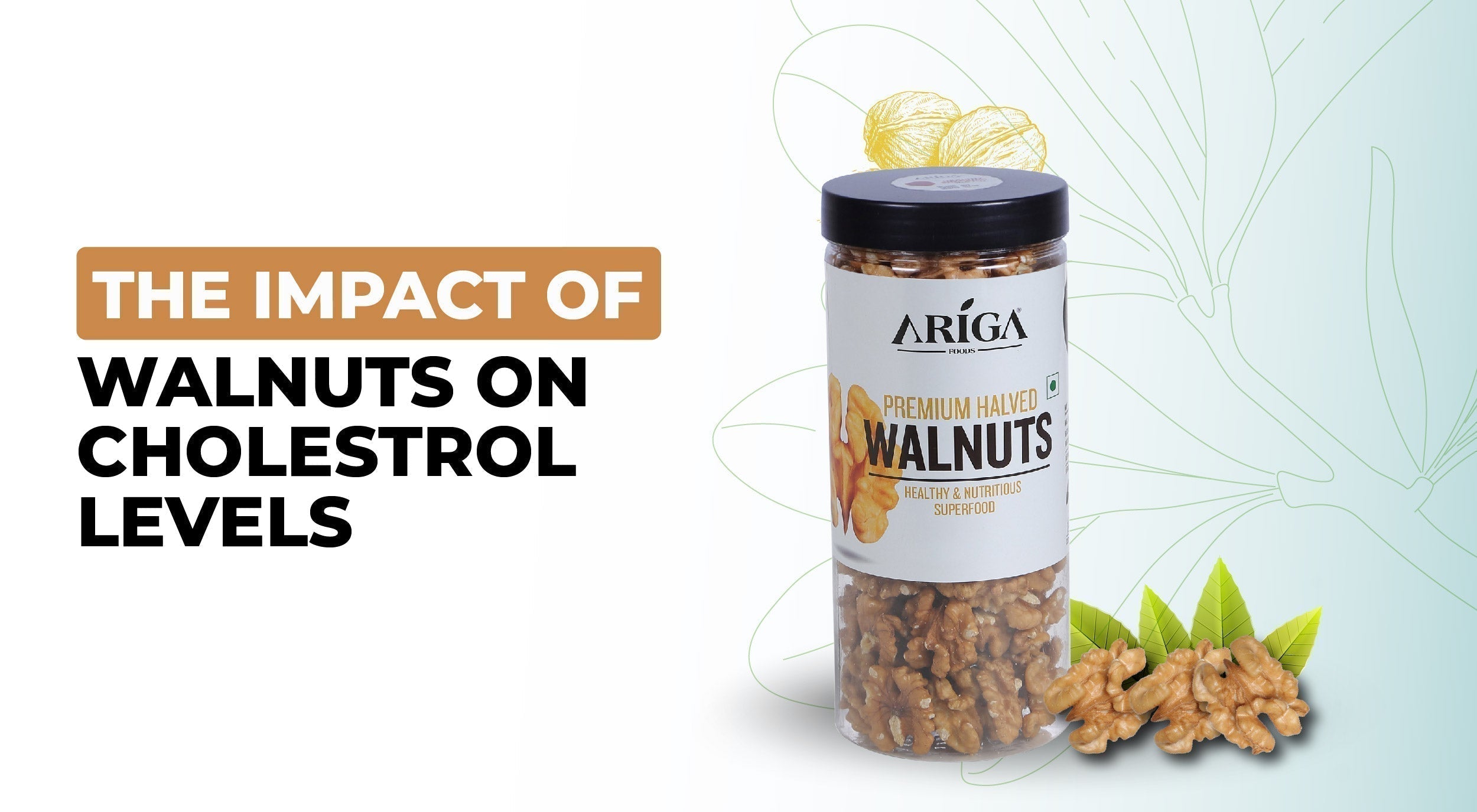
Ariga Foods Premium Halved Walnuts
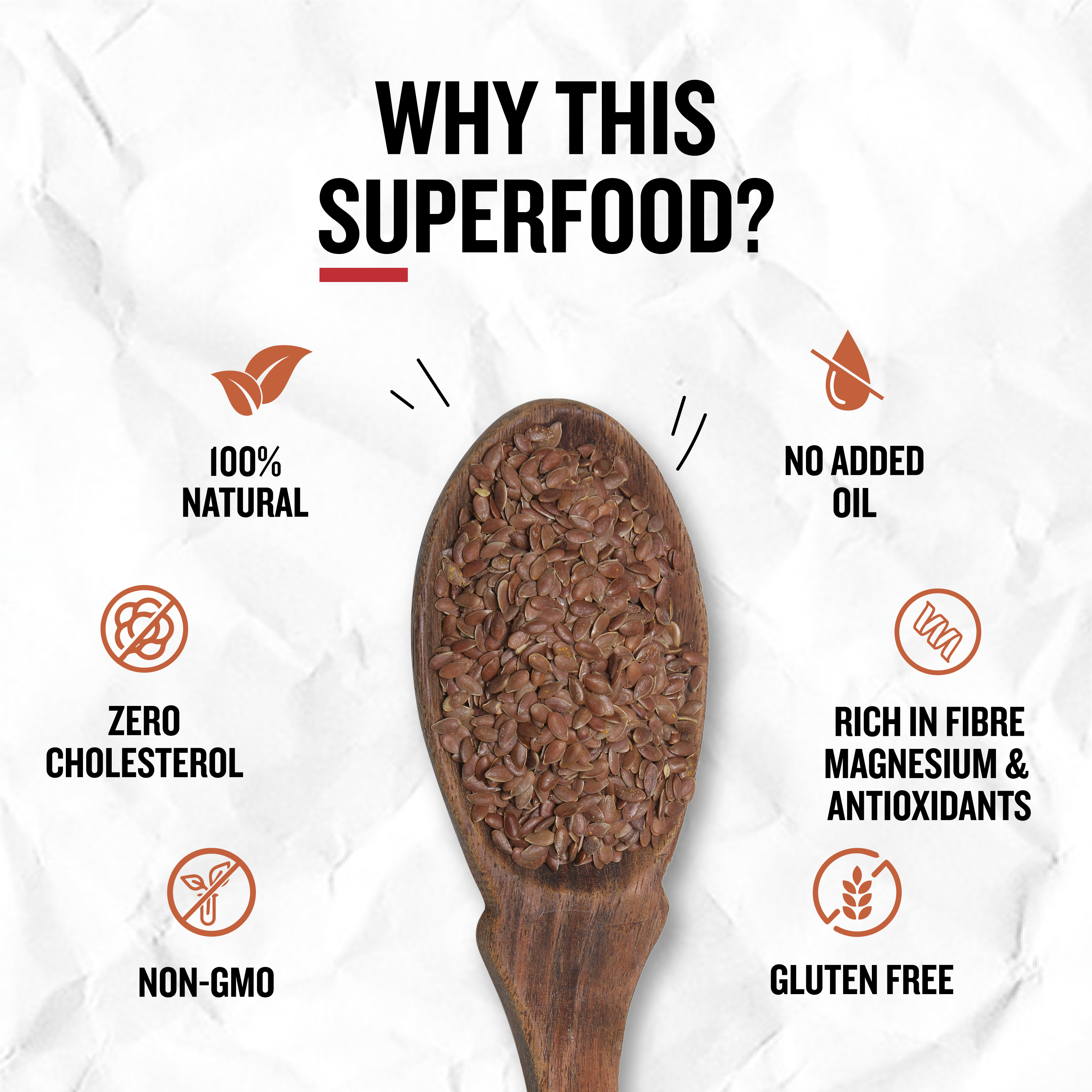
For anyone looking to build this habit, Ariga Foods Premium Halved Walnuts are 100% natural, free from artificial additives or preservatives. They carry a generous dose of omega-3 fatty acids alongside iron and potassium, and being zero cholesterol themselves, they make a genuinely heart-friendly swap for less healthy snack options. They are also naturally gluten-free and non-GMO, and packaged in PET jars specifically to preserve freshness without needing preservatives.
How My Father Actually Uses Them
Walnut and Berry Smoothie Bowl
A handful of Premium Halved Walnuts blended with mixed berries, banana, Greek yogurt, and a splash of almond milk, poured into a bowl and topped with sliced fruit, granola, and a few extra walnuts for crunch. This has become his regular breakfast a few times a week, an easy way to get a meaningful walnut portion in without much effort.
Walnut and Kale Salad
Chopped kale tossed with sliced apples, dried cranberries, crumbled feta, and a generous handful of walnuts, finished with a zesty vinaigrette. This has become his go-to lunch, the crunch of the walnuts against the sweetness of the apple and cranberries making it feel like far more than just a health-conscious meal.
What I Would Tell Anyone Reading This
Walnuts are one of the genuinely well-supported dietary tools for supporting healthier cholesterol levels, backed by a consistent, substantial body of clinical research rather than a single small study or marketing claim. That said, they work as one supportive piece of an overall approach to heart health, alongside any medication your doctor has prescribed, regular activity, and a broadly balanced diet, not as a replacement for medical care.
My father's cardiologist was clear about this from the start, walnuts are a genuinely smart addition, but they complement his treatment plan rather than substituting for it. If you are managing your cholesterol, a small daily handful of walnuts is a reasonable, evidence-backed habit worth discussing with your own doctor as part of your broader plan.
People Also Ask
Do walnuts really lower cholesterol?
Yes, this is one of the more well-supported claims in nutrition research. Multiple large meta-analyses of randomised controlled trials have consistently found that walnut consumption significantly reduces total cholesterol and LDL cholesterol.
How many walnuts should I eat daily to help manage cholesterol?
Most research studies use amounts in the range of 30 to 60 grams daily, roughly a small handful to two handfuls, though it is worth discussing the right amount for your individual situation with a doctor.
Do walnuts raise HDL, the "good" cholesterol?
Generally, no. Most research shows walnuts have a limited or inconsistent effect on HDL cholesterol, with their main benefit being a reduction in LDL and total cholesterol rather than raising HDL levels.
Can walnuts replace cholesterol medication?
No, walnuts should not replace prescribed cholesterol medication. They can be a supportive dietary addition alongside medical treatment, but any changes to your cholesterol management plan should be discussed with your doctor.
Why are walnuts more effective for cholesterol than some other nuts?
Walnuts have a distinct fat profile particularly rich in alpha-linolenic acid, a plant-based omega-3 fatty acid, which research suggests contributes to their consistent cholesterol-lowering effect compared to some other nuts.
How long does it take to see cholesterol benefits from eating walnuts?
Most clinical trials showing cholesterol improvements from walnut consumption were conducted over several weeks to a few months, suggesting that consistent, regular intake over time is more relevant than a single serving.
Related Products

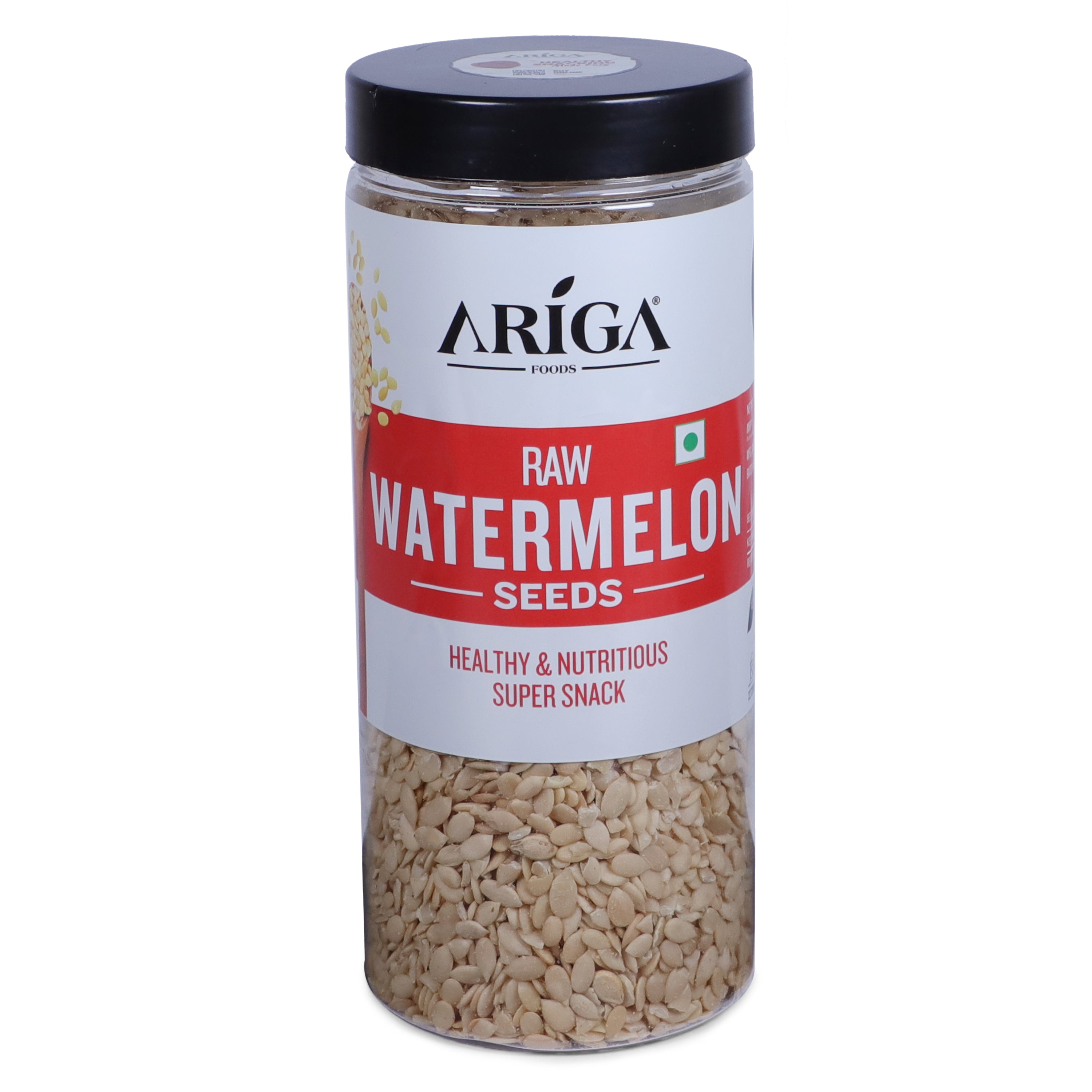
Ariga Foods Premium Halved Walnuts 700g
100% premium quality walnuts akhrot giri, without shell halved walnuts consumed as supersnack. Premium quality walnut kernels- Crunchy & Deli...

Ariga Foods Premium Halved Walnuts 350g
100% premium quality walnuts akhrot giri, without shell halved walnuts consumed as supersnack. Premium quality walnut kernels- Crunchy & Deli...
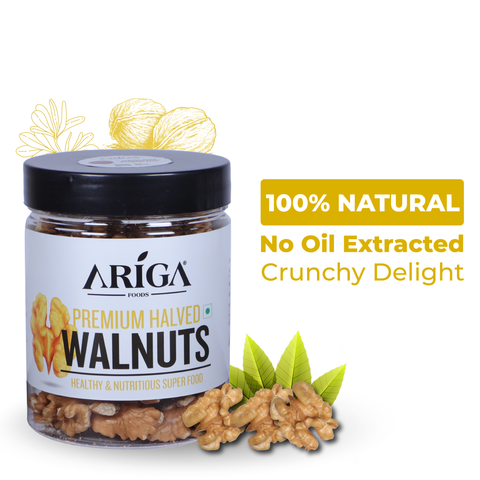

Ariga Foods Premium Halved Walnuts 150g
100% premium quality walnuts akhrot giri, without shell halved walnuts consumed as supersnack. Premium quality walnut kernels- Crunchy & Deli...
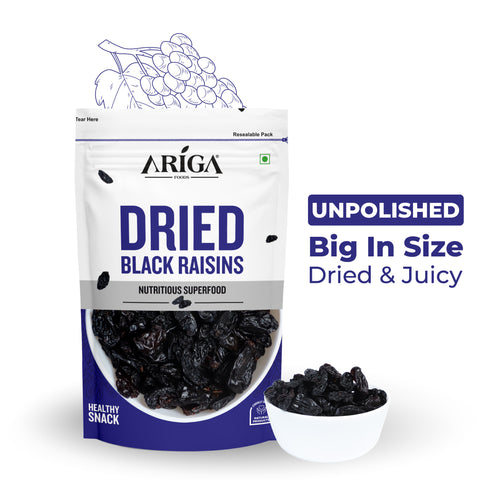

Premium Afghani Black Raisins 200g | Ariga Foods
100% premium quality black raisins. Healthy alternative to processed food and snacks. Buy black raisins online at Ariga Foods. They are also know...
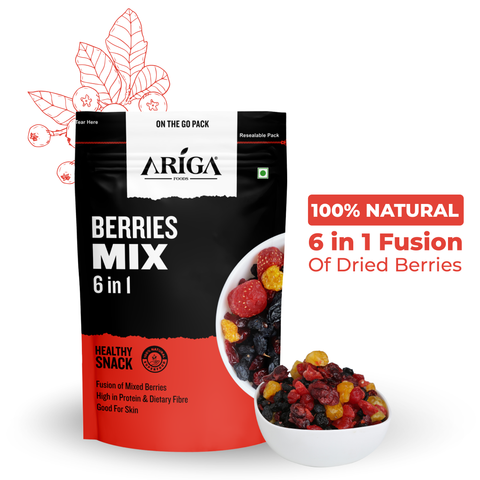

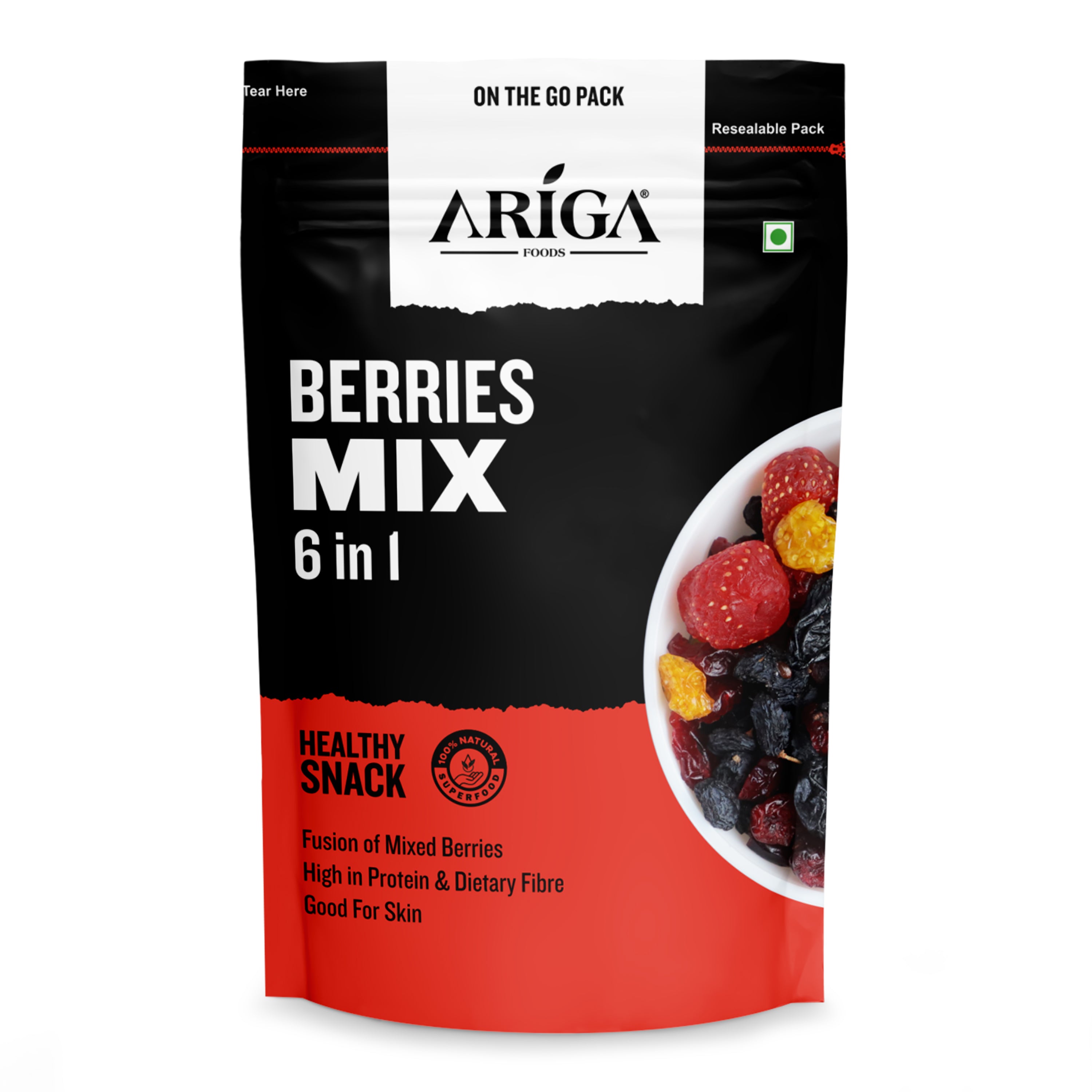
Premium Dried Berries Mix 200g | Trail Mix 6 in 1 | Ariga Foods
Ariga Foods premium quality Berries Mix. Healthy alternative to processed food and snacks. Buy Berries mix online at Ariga Foods. Ariga Foods mix...


Premium Dried Californian Blueberries 150g | Ariga Foods
100% premium quality blueberries by Ariga Foods. Healthy alternative to processed food and snacks. Buy blueberries online at Ariga Foods. Enjoy b...
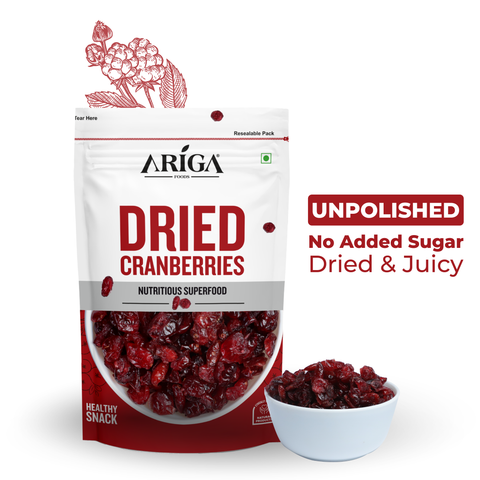

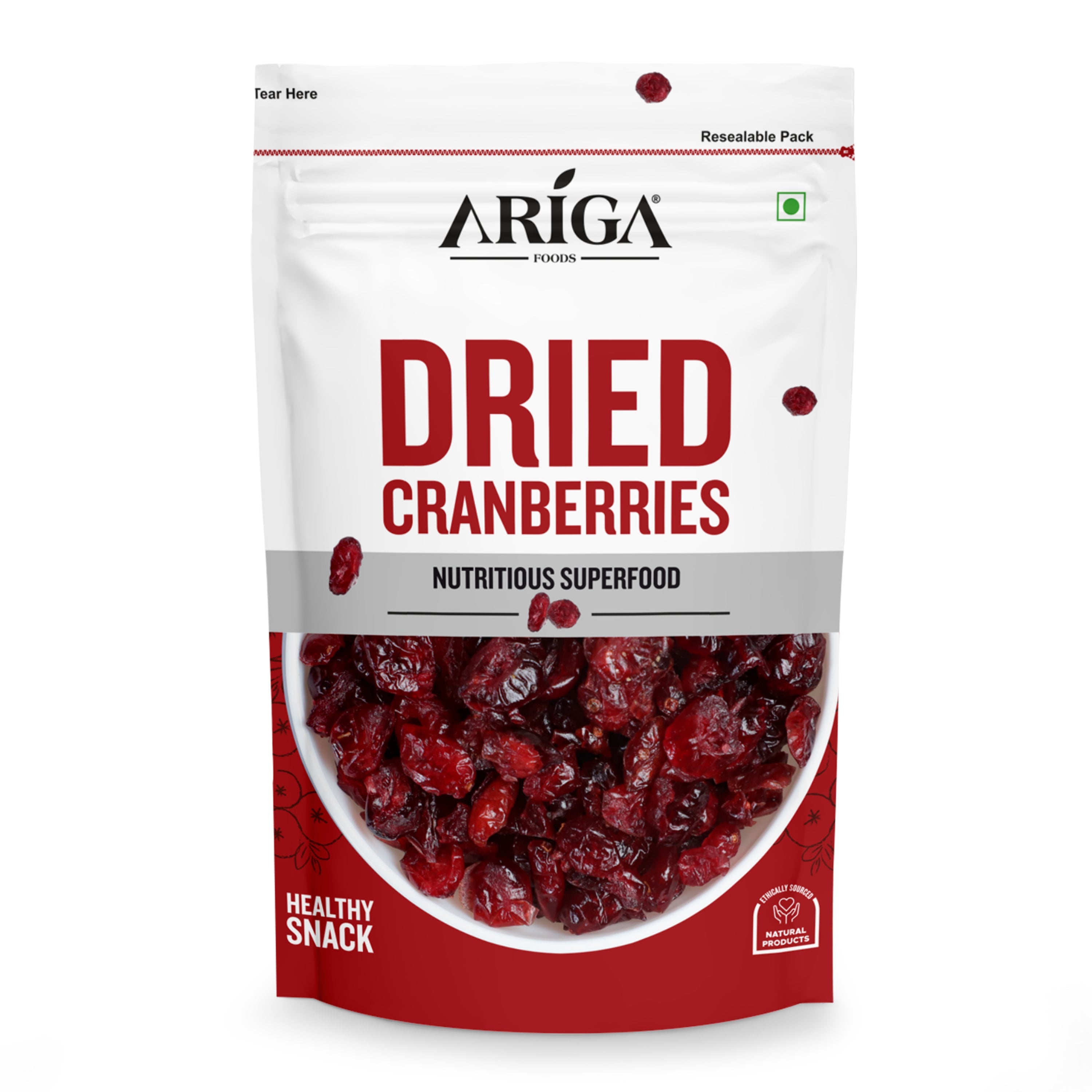
Premium Dried Californian Sliced Cranberries 200g | Ariga Foods
Ariga Foods premium quality cranberries. Also, known as cran berry. Buy online cranberries in India at Ariga Foods. This miracle fruit helps you ...
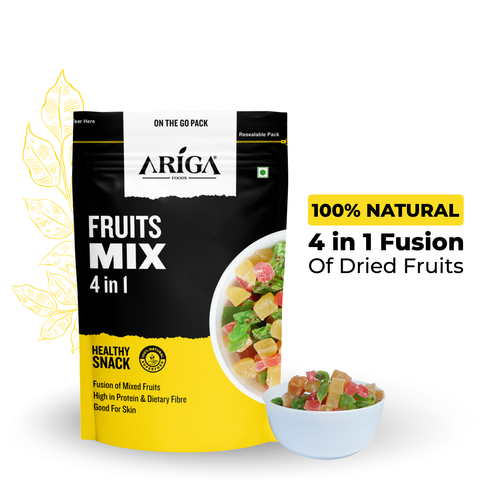

Premium Dried Fruits Mix 200g |Trail Mix 4 in 1 | Ariga Foods
100% premium quality dried fruits mix from Ariga Foods. Enjoy healthy eating of mixed berries than processed food and snacks. Buy fruits mix trai...
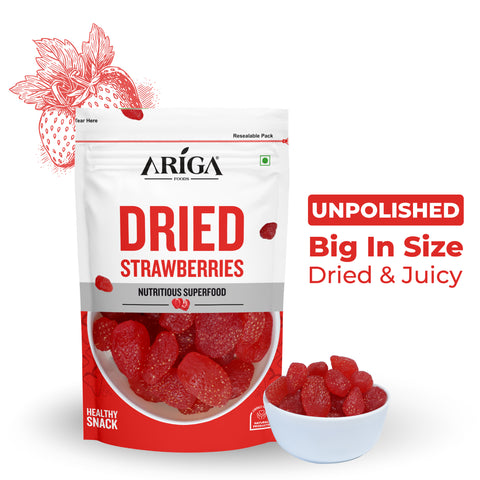

Premium Dried Strawberries 200g | Ariga Foods
Ariga Foods premium quality strawberries are healthy alternative to junk snacks. Buy strawberries online in India at Ariga Foods. Enjoy Ariga Foo...


Premium Nuts & Berries Mix 200g | Trail Mix 8 in 1 | Ariga Foods
100% premium quality trail mix nuts and berries from Ariga Foods. Healthy alternative to processed food and snacks. Buy trail mix online, Nuts &a...
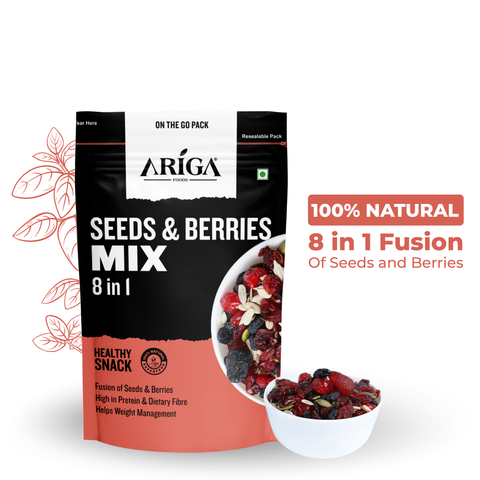

Premium Roasted Seeds & Berries Mix 200g | Trail Mix 8 in 1 | Ariga Foods
Ariga Foods premium quality Seeds & Berries Mix is a perfect choice. Healthy alternative to processed food and snacks. Buy trail mix online a...


Gratitude Diwali Gift Box Pack Of 4 | Roasted- Cheese Almonds, Pudina Cashews, Superfood Trail Mix- 15 in 1, Dried Berries Mix- 6 in 1 | Premium Gift Pack Of 680g | For Family, Friends, Corporates | Ariga Foods
Gratitude Gift Box for Diwali- Assorted Seed, Nuts & Berries. This gift hamper contains- Roasted- Cheese Almonds 150g + Pudina Cashews 130g + S...


Delight Diwali Gift Box Premium Dry Fruits- Nuts & Raisins | 4 Packs 680g | Ariga Foods
Delight Gift Box for Diwali- Premium Nuts & Berries. This gift hamper contains-Premium California Almonds (Badam) 150g + Premium Cashews (Kaju)...


Bliss Diwali Gift Pack Assorted Berries and Breakfast Granola | 3 Packs 600g | Ariga Foods
Bliss Gift Box For Diwali- Exotic Fruits, Berries and Granola. This gift hamper contains- Dried Kiwi + Dried Black Raisins + Crunchy Granola- Cranb...
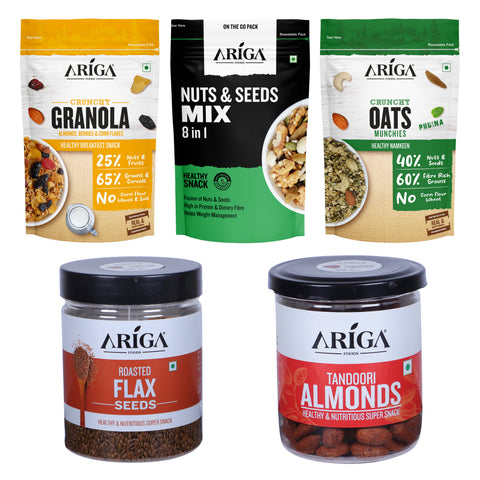

Ariga Foods Granola Corn Flakes, Nuts & Seeds Mix, Oats Pudina, Roasted Flax Seeds & Tandoori Almonds | Combo Pack of 5
100% premium quality combo pack of 5- Crunchy Granola Almonds, Berries & Corn Flakes, Nuts & Seeds Mix, Crunchy Oats Pudina, Roasted Flax S...
About Us
Ariga Foods is the innovative Retail and B2B brand by Ariganic Food Pvt. Ltd. Our vision is to make Superfood convenient and tasty for every household around the world.
Read moreSUBSCRIBE & FOLLOW
TAG CLOUD