
The impact of Walnut Consumption on Bone Health
My mother had a bone density scan last year as part of a routine check, and while her results came back within a normal range, her doctor still took the opportunity to talk through general bone health habits worth building as she gets older.
Walnuts came up, somewhat to my surprise, and it sent me looking into the actual research behind that recommendation, since bone health is not a topic I had ever associated with walnuts before.
Understanding Bone Health, Briefly
Bones are not static structures, they are constantly being broken down and rebuilt in a process called bone remodelling.
Osteoclasts break down old bone tissue while osteoblasts build new bone, and as we age, this balance can tip toward more breakdown than rebuilding, which is part of what contributes to conditions like osteoporosis over time.
Diet, alongside exercise and other lifestyle factors, plays a genuine role in supporting healthier bone remodelling.
What the Research Actually Shows
This is a genuinely interesting area of nutrition science, though I want to be clear about its current limits.
A controlled feeding study from Penn State specifically measured bone turnover markers in people eating diets enriched with walnuts and flaxseed, both plant sources of alpha-linolenic acid, a type of omega-3 fatty acid.
The study found a measurable decrease in a marker called NTx, which reflects bone resorption, the breakdown side of that remodelling process, compared to a typical American diet.
A related systematic review published in the British Journal of Nutrition corroborated this pattern specifically for ALA from plant sources like walnuts, distinct from the marine omega-3s found in fish oil, which did not show the same effect on their own.
I want to be careful and precise here, since this is a meaningful but limited finding. A reduction in a bone resorption marker is genuinely promising, but it is not the same as proven evidence that walnuts prevent osteoporosis or fractures.
Larger population studies looking at omega-3 intake and osteoporosis risk have found a genuine inverse association, but researchers studying this consistently note that more longitudinal research is needed to fully confirm and quantify the effect. I would rather share that honest, slightly more modest picture than overstate what the current research actually proves.
Other Nutrients Worth Mentioning
Beyond the ALA and bone turnover research specifically, walnuts carry magnesium and manganese, both minerals involved in bone structure and metabolism more broadly, alongside iron and potassium, which support overall physiological function.
None of this makes walnuts a standalone solution for bone health, but it does make them a reasonable, nutrient-dense addition to a diet that also prioritises the things bone health actually depends on most, adequate calcium and vitamin D, sufficient protein, regular weight-bearing and resistance exercise, and avoiding smoking and excessive alcohol.
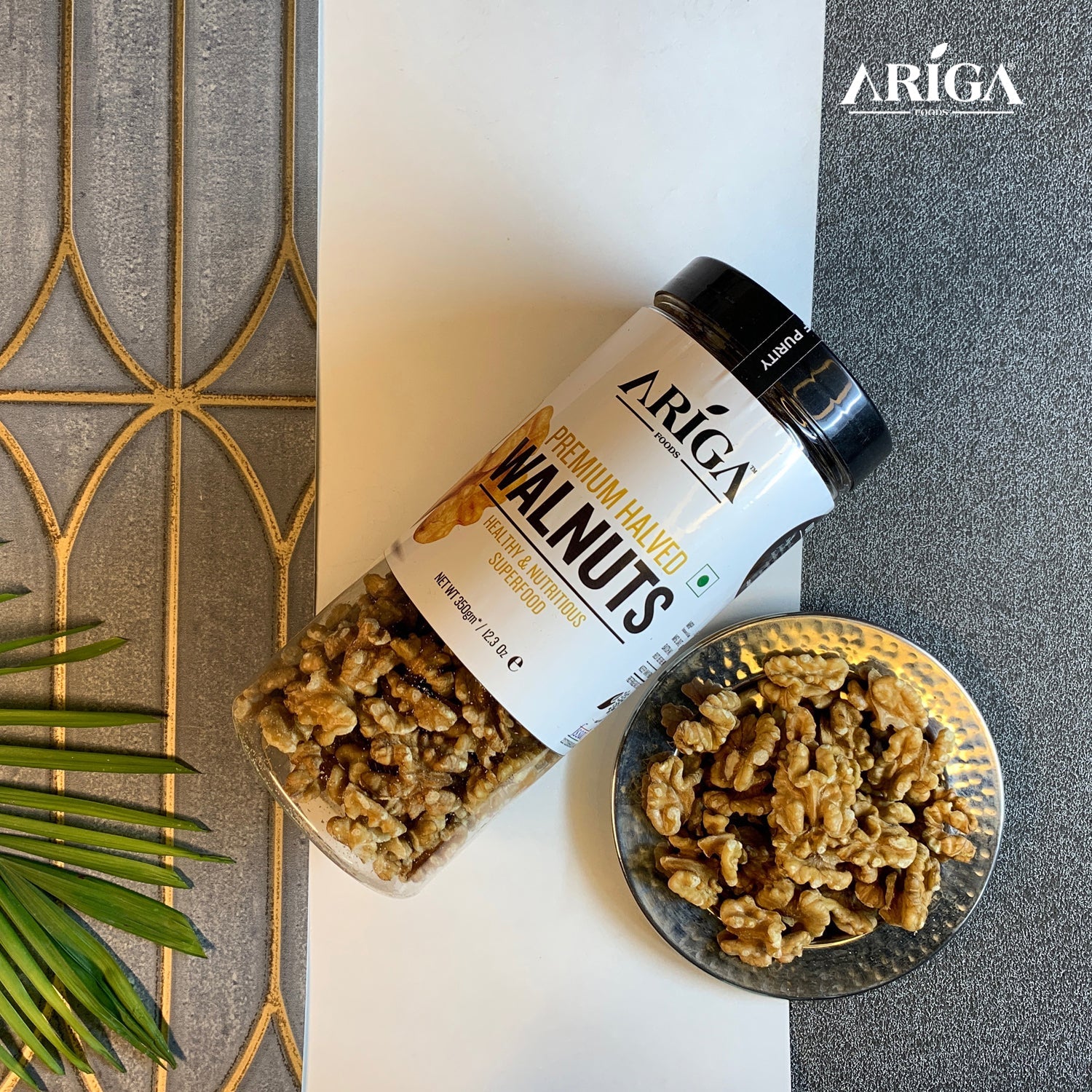
Ariga Foods Premium Halved Walnuts
Ariga Foods Premium Halved Walnuts, the classic English walnut variety, are 100% natural, with no artificial additives or preservatives.
They carry omega-3 fatty acids, iron, and potassium, and are naturally free of cholesterol and gluten.
The walnuts retain their maximum natural oil content, with nothing added in processing, and are packaged in PET jars specifically to preserve freshness without needing preservatives.
How My Mother Actually Uses Them Now
Walnut-Encrusted Salmon
Crushed walnuts mixed with breadcrumbs and a light seasoning, coating salmon fillets baked until golden. Served with steamed vegetables, this has become one of her regular dinners, combining omega-3s from both the salmon and the walnuts in one meal.
Walnut and Spinach Salad
Fresh spinach, sliced strawberries, crumbled feta, and a generous handful of walnuts, finished with a balsamic vinaigrette. She makes this often now, genuinely enjoying it rather than treating it as a chore.
Banana-Walnut Smoothie
Ripe banana, Greek yogurt, a spoonful of honey, and a handful of walnuts blended smooth. This has become her regular breakfast a few mornings a week, an easy way to build the habit in without much thought.
What I Would Tell Anyone Reading This
Walnuts are a genuinely reasonable addition to a bone-conscious diet, supported by real, if still-developing, research specifically around their effect on bone turnover markers.
They are not, based on the current evidence, a proven way to prevent osteoporosis or fractures on their own, and bone health depends on a much broader set of factors, calcium, vitamin D, weight-bearing exercise, and regular medical care, especially for anyone with a known elevated risk.
My mother's approach has been to treat walnuts as one small, genuinely enjoyable piece of a much bigger picture her doctor helped her put together, not a replacement for the bone density monitoring and broader lifestyle habits that actually matter most.
People Also Ask
Do walnuts actually help with bone health?
Research has found that walnuts, as a source of plant-based omega-3 fatty acids, can reduce markers of bone resorption in controlled studies, suggesting a supportive role in bone metabolism. This is promising but not yet proven to prevent osteoporosis or fractures on its own.
What is the difference between plant-based and marine omega-3s for bone health?
Research specifically found that ALA, the plant-based omega-3 found in walnuts and flaxseed, showed a positive effect on bone turnover markers, while EPA and DHA from fish oil alone did not show the same effect in reviewed studies.
Can walnuts prevent osteoporosis?
There is currently no direct evidence that walnuts alone can prevent osteoporosis. They can be part of a broader, balanced diet that supports bone health alongside adequate calcium, vitamin D, and regular weight-bearing exercise.
How many walnuts should I eat for bone health benefits?
Research studies have generally used amounts around 30 to 37 grams daily, roughly a small handful, though it's worth discussing the right amount for your individual needs with a doctor, especially if you have a known bone health concern.
What other nutrients matter most for bone health besides walnuts?
Calcium and vitamin D remain the most essential nutrients for bone health, alongside adequate protein and regular weight-bearing and resistance exercise. Walnuts can be a supportive addition to this broader foundation rather than a replacement for it.
Should I get a bone density test if I'm concerned about bone health?
If you have risk factors for osteoporosis, such as age, family history, or certain medical conditions, discussing a bone density scan with your doctor is a reasonable step, since dietary changes alone cannot replace proper medical monitoring.
Related Products
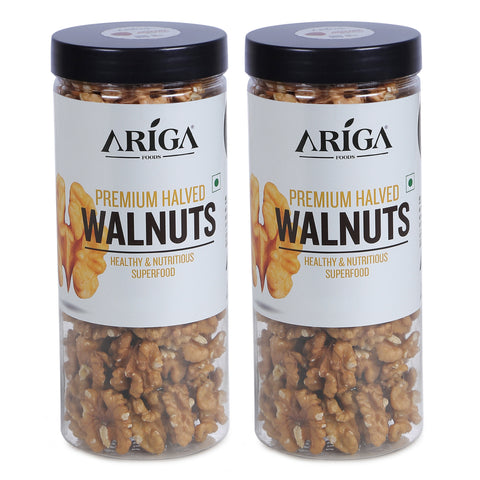

Ariga Foods Premium Halved Walnuts 700g
100% premium quality walnuts akhrot giri, without shell halved walnuts consumed as supersnack. Premium quality walnut kernels- Crunchy & Deli...
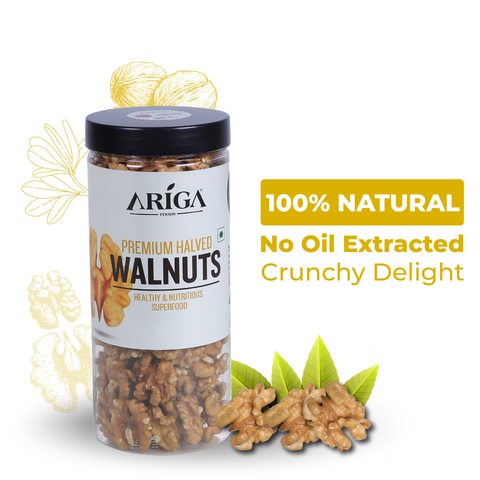

Ariga Foods Premium Halved Walnuts 350g
100% premium quality walnuts akhrot giri, without shell halved walnuts consumed as supersnack. Premium quality walnut kernels- Crunchy & Deli...
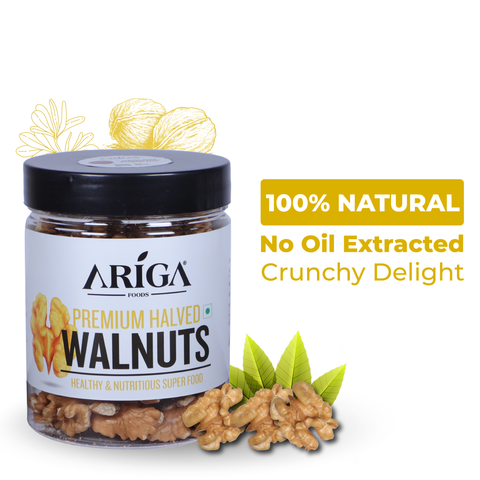

Ariga Foods Premium Halved Walnuts 150g
100% premium quality walnuts akhrot giri, without shell halved walnuts consumed as supersnack. Premium quality walnut kernels- Crunchy & Deli...
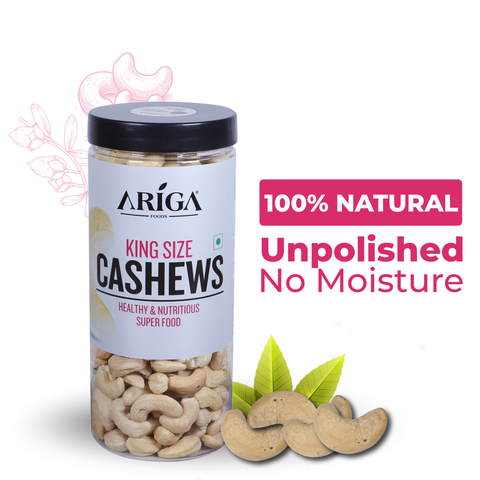

Ariga Foods King Size Premium Cashew Nuts 500g | Dry Fruit Kaju 240 Grade
100% premium quality dry fruits Cashews 240 big size kaju nutritious food for healthy eating. Buy Cashew nuts (Kaju) online in India at Ariga Foo...
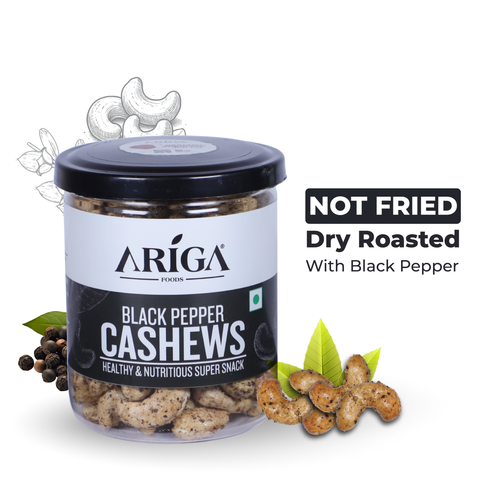

Black Pepper Cashews 200g | Roasted 100% Premium Kaju
'100% premium quality dry fruits roasted cashews sprinkled with black pepper kaalimirch from Ariga Foods. Dry roasted with no oil, these roasted ...
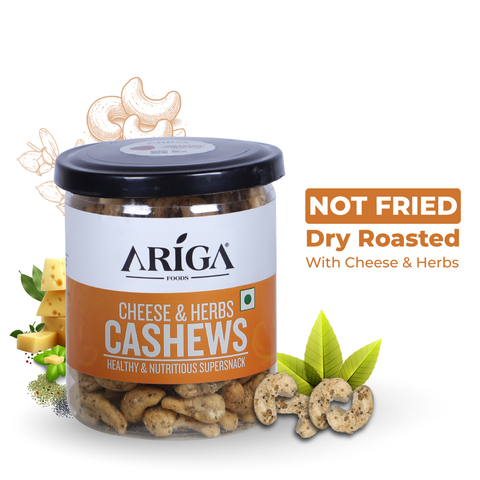

Cheese & Herbs Cashews 200g | Roasted 100% Premium Kaju
Ariga Foods premium quality roasted cashews with cheese & herbs are dry roasted with no oil. Crunchy and delicious dry fruit. Buy roasted and...
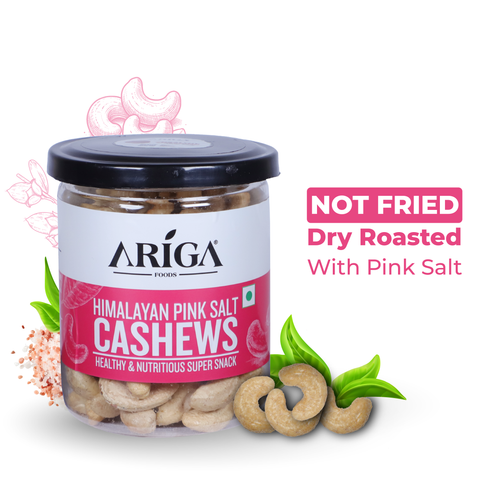

Himalayan Pink Salt Cashews 200g | Roasted 100% Premium Kaju
Ariga Foods 100% premium quality dry fruits roasted cashews with pink salt for healthy eating. Big size kaju crunchy and nutritious. Buy roasted ...
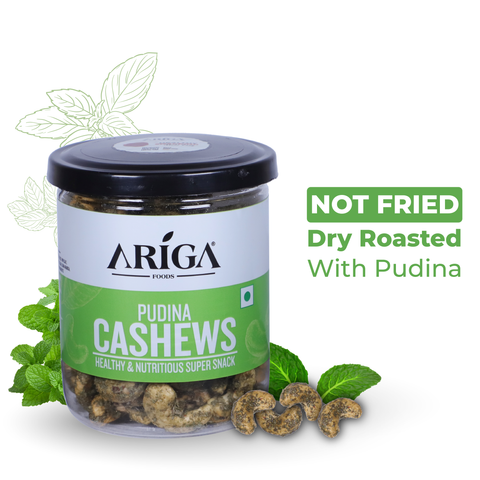

Pudina Cashews 200g | Roasted 100% Premium Kaju
Ariga Foods roasted salted cashews are toasted with dry pudina particals. This makes the roasted cashews tasy and crunchy. These cashew nuts are ...
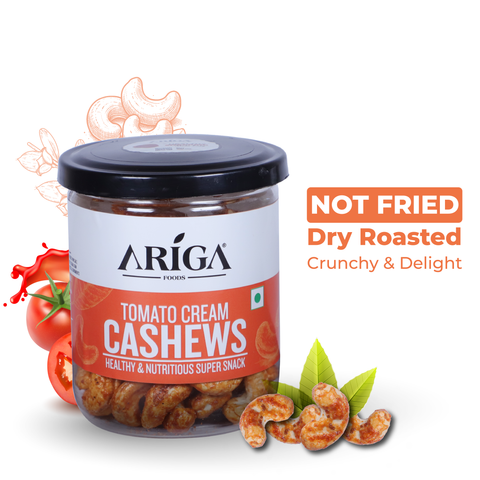

Tomato Cream Cashews 200g | Roasted 100% Premium Kaju
100% premium quality roasted and slated cashews toasted with real tomato and cream from Ariga Foods. Dry roasted cashews with no oil. Crunchy and...


Ariga Foods Premium California Almonds 1kg
100% premium quality dry fruits badam giri from Ariga Foods, sourced from California, USA. Buy California Almonds (Badaam) online in India at Ari...
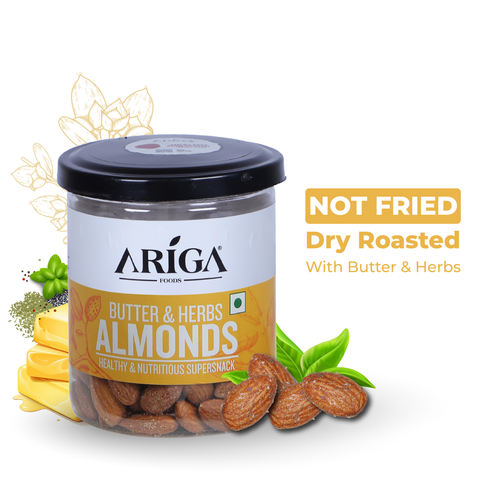

Butter & Herbs Almonds 200g | Roasted 100% Premium Badam
100% premium quality dry fruits roasted almonds toasted with butter & herbs from Ariga Foods. Dry roasted with no oil, these nutrition roast...
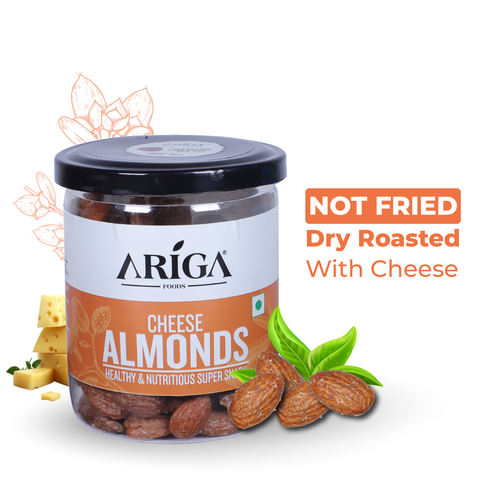

Cheese Almonds 200g | Roasted 100% Premium Badam
Ariga Foods dry fruits roasted almonds are wrapped with cheese. 100% premium quality badam. These nutrition roasted almonds are crunchy and delic...
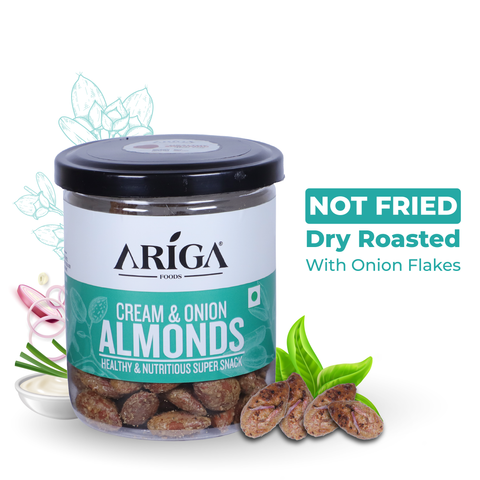

Cream & Onion Almonds 200g | Roasted 100% Premium Badam
100% premium quality dry fruits roasted almonds with cream & onion from Ariga Foods. Dry roasted almonds with no oil. Crunchy and delicious. N...
About Us
Ariga Foods is the innovative Retail and B2B brand by Ariganic Food Pvt. Ltd. Our vision is to make Superfood convenient and tasty for every household around the world.
Read moreSUBSCRIBE & FOLLOW
TAG CLOUD