
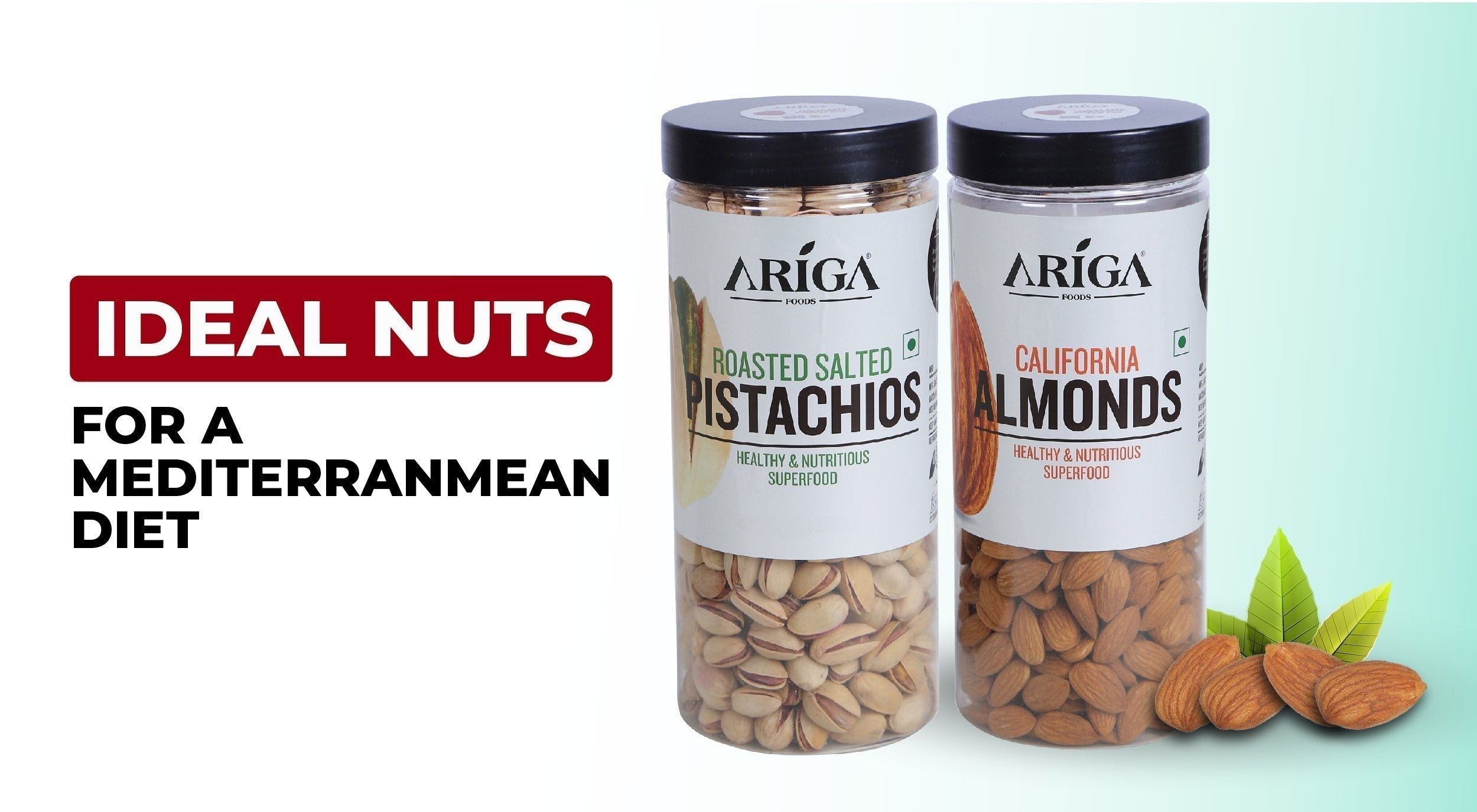
The Ideal Nuts for a Mediterranmean Diet
I spent three weeks in Greece a few years ago, mostly island-hopping and eating whatever the smallest, least touristy taverna in each town happened to be serving.
What stuck with me long after I got home was not any single dish, but a pattern I noticed everywhere, nuts showing up constantly, scattered over salads, folded into stuffings, crusted onto fish, never as an afterthought but as something the whole dish seemed to be built around.
I came home and tried, somewhat clumsily at first, to recreate that pattern in my own kitchen, and cashews, walnuts, almonds, pistachios, and raisins have become permanent fixtures since.
I want to share what actually made this way of eating stick for me, and a few dishes that have earned a real place in my regular rotation.
Why Nuts Sit at the Centre of Mediterranean Eating
The Mediterranean diet is built around whole foods, plenty of vegetables, healthy fats, lean proteins, and yes, a genuinely significant amount of nuts, all pulled together by good olive oil.
Nuts fit this pattern so naturally because they bring exactly the kind of healthy, unprocessed fat the diet is centred on, alongside protein, fibre, and a satisfying textural contrast that keeps simple, vegetable-heavy meals from feeling thin.
What struck me travelling through Greece was how unfussy this all was.
Nobody was treating a handful of almonds or a scattering of walnuts as a health intervention, it was just how food was made, which honestly changed how I think about "healthy eating" more than any diet plan ever did.
King Size Cashews
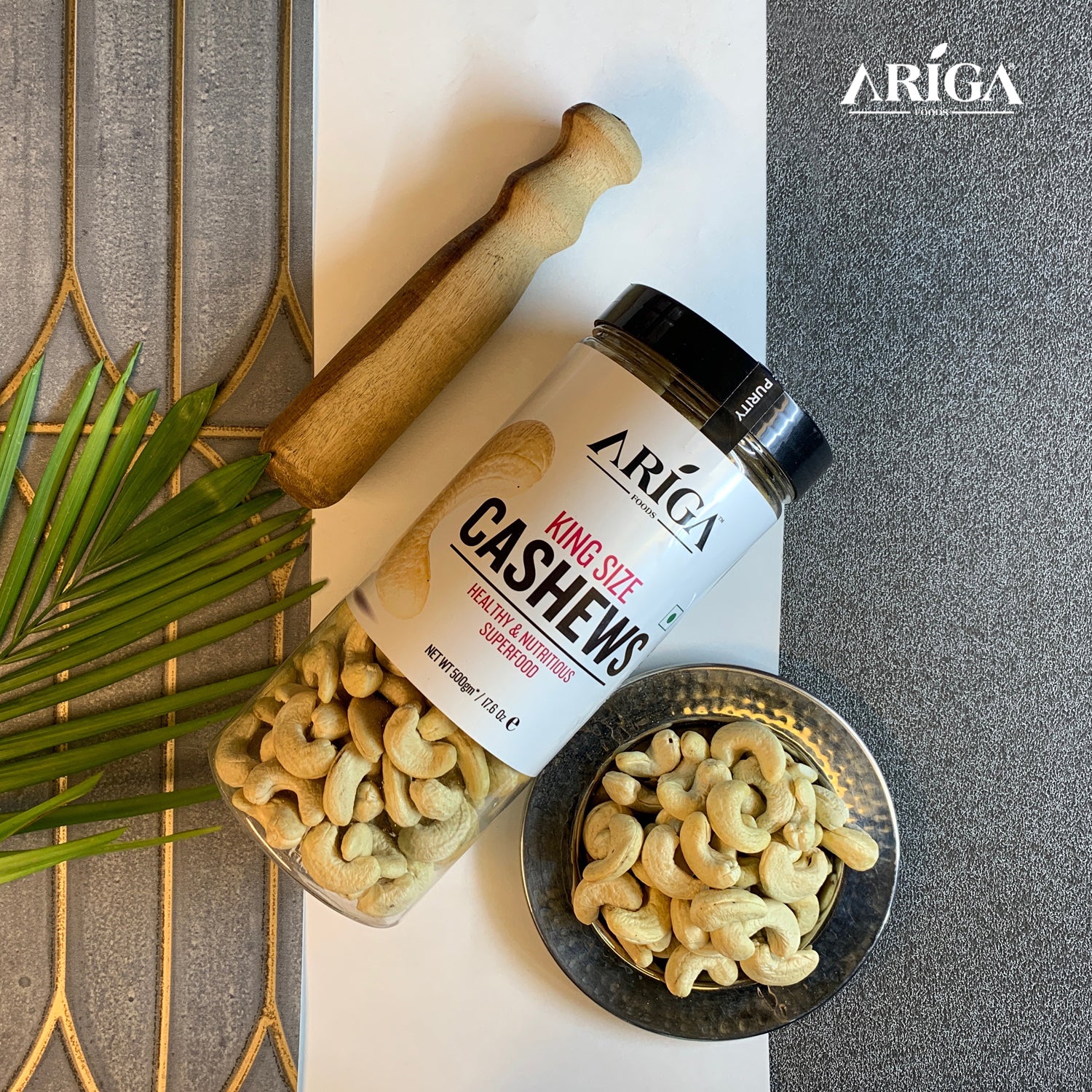
Cashews were not what I expected to find so often in Mediterranean cooking, but King Size Cashews have earned a genuine place in my kitchen for their rich monounsaturated fat content and that satisfying, creamy crunch.
Alongside healthy fats, they bring a decent amount of protein, vitamins E and K, and minerals like magnesium and zinc, nutrients that quietly support everything from bone health to immune function.
My go-to is a Mediterranean cashew and almond salad, mixed greens, cherry tomatoes, cucumber, and red onion, tossed with a generous handful of King Size Cashews and Almonds, topped with crumbled feta, and finished with olive oil, lemon juice, salt, and pepper.
It has become my most repeated lunch, mostly because it takes ten minutes and never feels boring despite how often I make it.
King Size Raisins
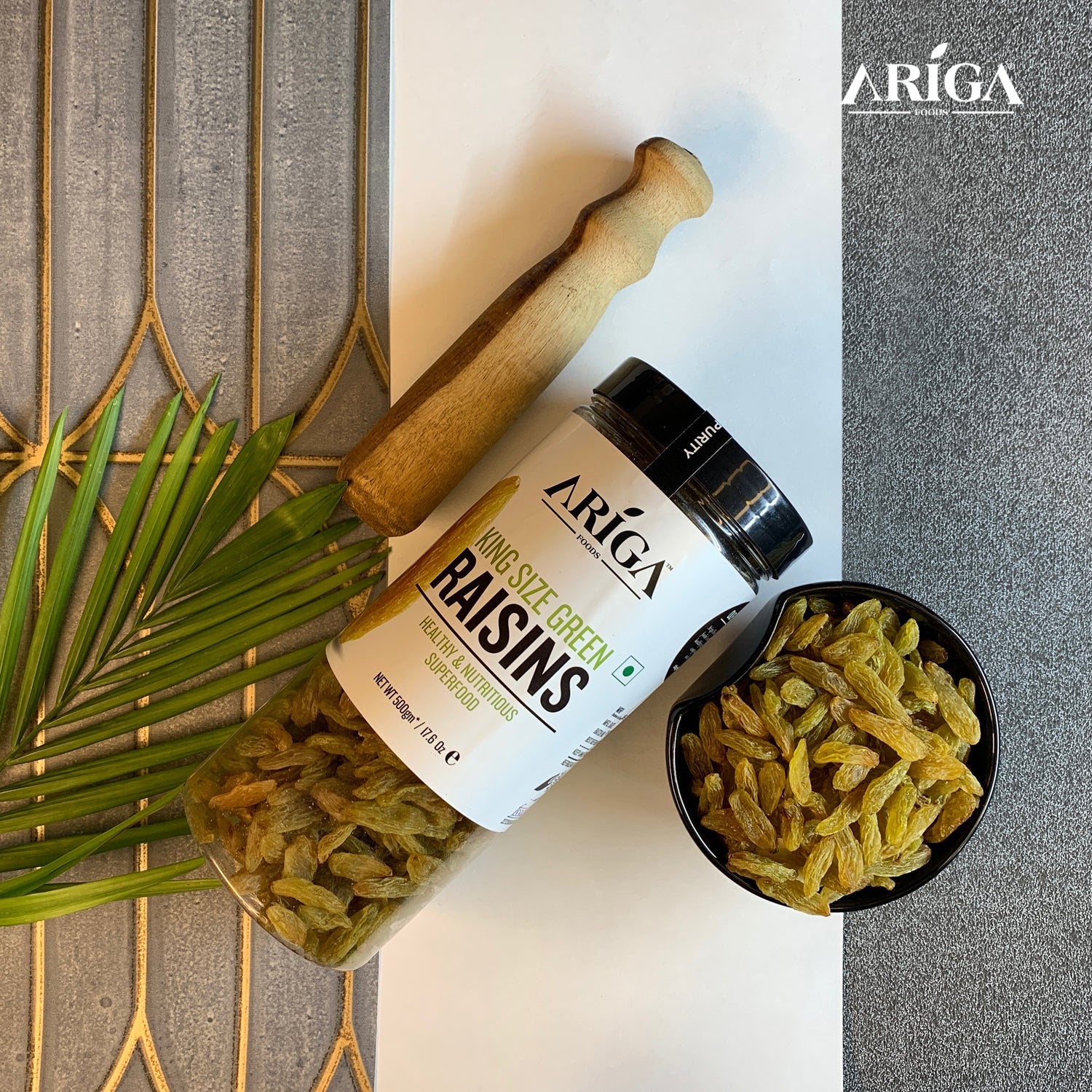
Raisins bring a concentrated dose of nutrition that punches above their size, high in fibre, which supports digestion and helps with satiety, along with iron, relevant for anyone prone to anaemia, and a genuinely good dose of antioxidants that help combat oxidative stress.
King Size Raisins specifically, large and naturally sweet, have become my preferred variety for cooking, since their size holds up well in dishes rather than disappearing.
My favourite way to use them is in a walnut and raisin stuffed chicken, sautéed shallot and garlic combined with wilted spinach, chopped Premium Halved Walnuts, and King Size Raisins, stuffed into a pocket cut into chicken breasts, then seared and baked until golden.
It looks far more impressive than the actual effort involved, and has become my go-to when I am cooking for guests.
Premium Halved Walnuts
Walnuts are genuinely exceptional for their omega-3 content, specifically alpha-linolenic acid, which supports brain health and helps reduce inflammation.
Beyond the fats, they bring antioxidants, protein, and fibre, and research has consistently linked regular walnut consumption to better heart health and cognitive function over time.
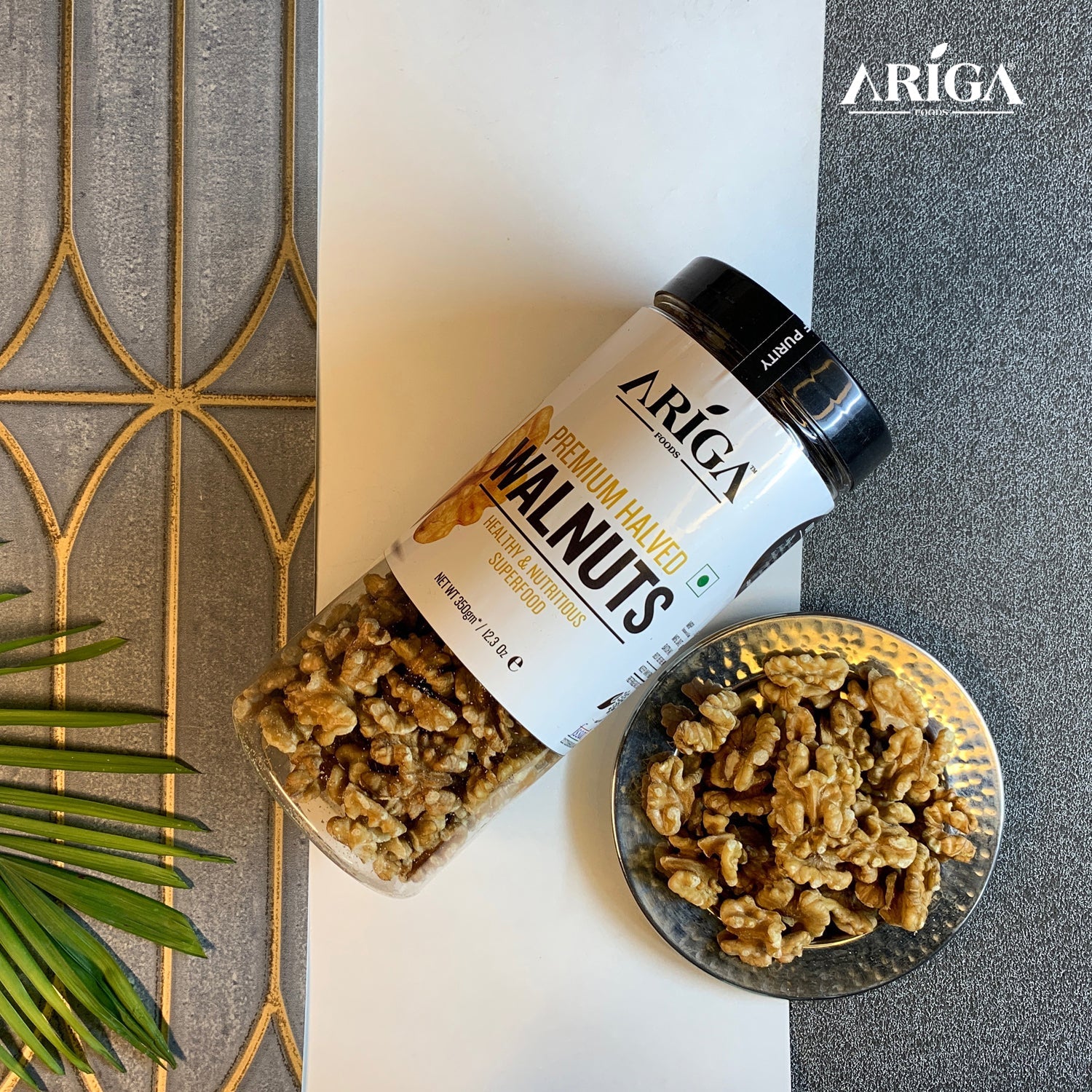
Premium Halved Walnuts show up constantly in my cooking now, most often in that stuffed chicken recipe, but also scattered raw over salads or lightly toasted and folded into grain bowls whenever I want an easy nutritional and textural boost.
Almonds
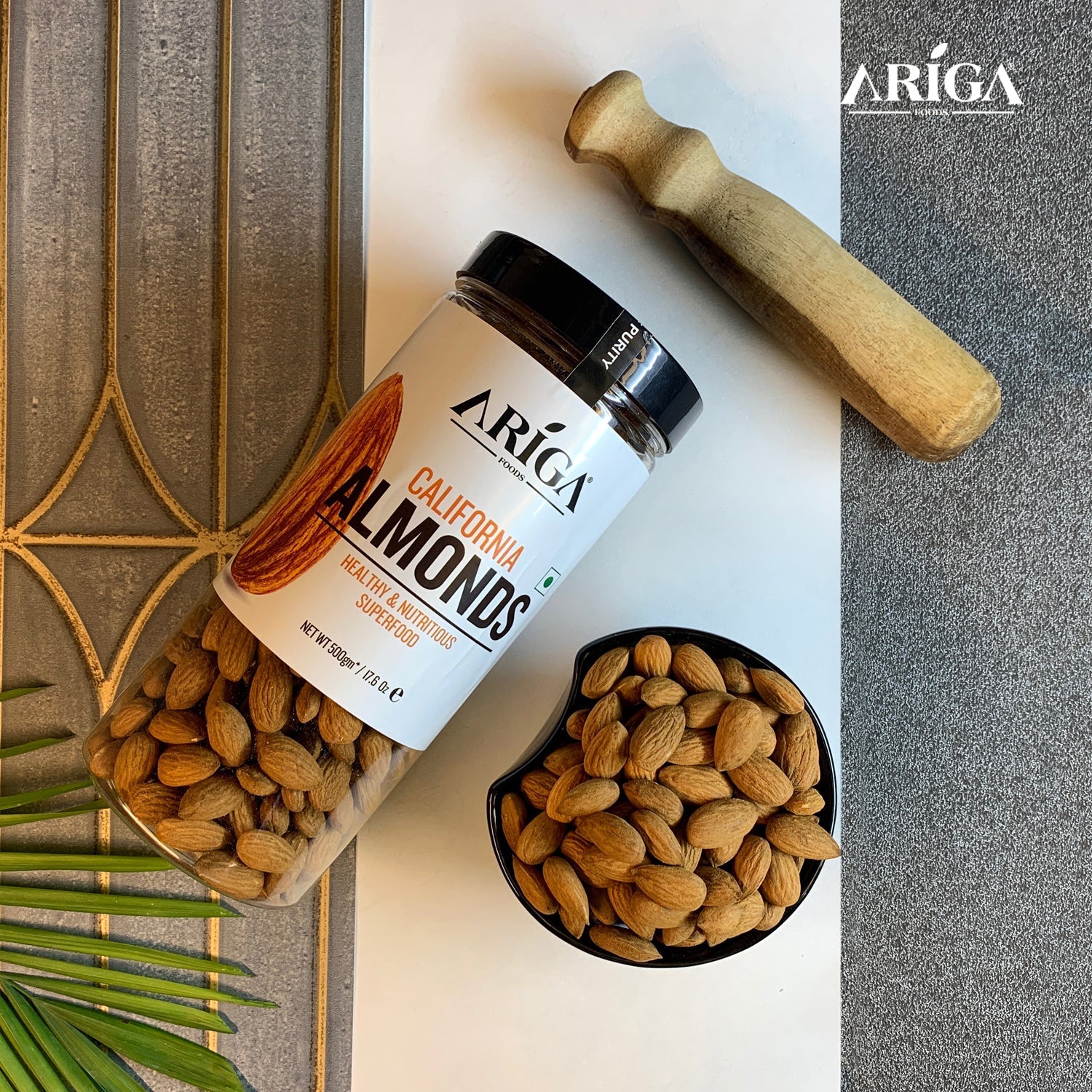
Almonds are probably the most versatile nut in my Mediterranean-inspired cooking, high in monounsaturated fats, fibre, protein, and a genuinely impressive range of nutrients including vitamin E, magnesium, and calcium.
These make them particularly relevant for heart health, bone health, and skin health, a combination that is hard to match with a single food.
Beyond the cashew and almond salad, I use finely chopped almonds constantly as a coating for fish, which brings me to one of my favourite dishes to make for company.
Roasted Salted Pistachios
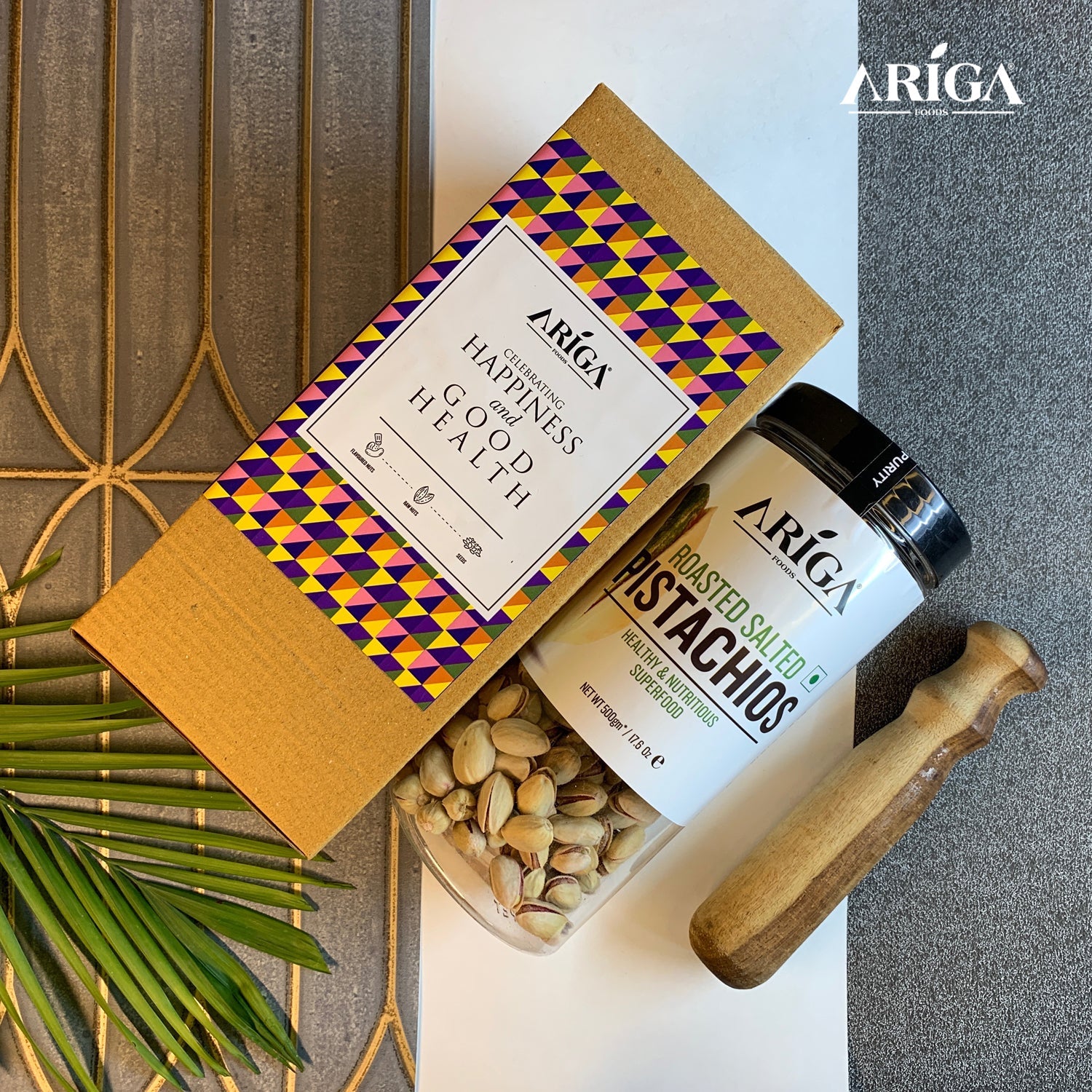
Pistachios earned their spot in my rotation for being one of the lowest-calorie nuts while still delivering a genuinely satisfying crunch, high in protein, fibre, and healthy fats, along with vitamin B6, potassium, and antioxidants.
That nutritional efficiency, so much benefit for relatively few calories, makes them an easy everyday snack alongside their more elaborate uses in cooking.
My standout dish here is a pistachio and almond crusted salmon, salmon fillets brushed with a Dijon mustard and honey mixture, then pressed into a coating of finely chopped Roasted Salted Pistachios and Almonds, seared briefly, then finished in the oven.
Served alongside couscous and roasted asparagus, it has become my regular dinner-party centrepiece, the kind of dish that looks like it took far more effort than it actually did.
What I Have Learned Cooking This Way
Good olive oil is not optional here, it is doing as much work as the nuts themselves. A cheap, flavourless oil undercuts the whole point of Mediterranean cooking, so I invest a bit more in mine than I used to for other kinds of cooking.
Toast your nuts whenever a dish allows for it. The difference in flavour between raw and lightly toasted walnuts or almonds is significant enough that I now build the extra five minutes into almost every recipe that calls for them.
Do not overthink the vegetables. Mediterranean cooking works because it lets simple, fresh produce shine rather than burying it under heavy sauces, so I have learned to keep dressings light and let the nuts and good olive oil carry most of the flavour.
And build a rotation rather than reaching for the same nut every time. Cycling between cashews, walnuts, almonds, and pistachios kept this way of eating from ever feeling repetitive, which is a big part of why it has genuinely stuck for me longer than other dietary changes I have tried.
That trip to Greece was meant to be a holiday, not a lifestyle change, but the way food was made there, simply, with good ingredients and nuts treated as central rather than incidental, ended up reshaping how I cook far more permanently than I expected.
People Also Ask
Which nuts are considered ideal for a Mediterranean diet?
Cashews, walnuts, almonds, and pistachios are all commonly featured in Mediterranean eating, valued for their healthy fats, protein, and role in supporting heart and brain health as part of the diet's broader whole-food approach.
How many nuts should I eat daily on a Mediterranean diet?
A small daily handful, roughly a quarter cup, is generally in line with Mediterranean diet guidance. Since nuts are calorie-dense, portion awareness matters even within a diet that encourages regular nut consumption.
Why is olive oil paired so often with nuts in Mediterranean cooking?
Both provide healthy, mostly unsaturated fats that are central to the diet's health benefits. Together, they create the rich, satisfying flavour and texture that Mediterranean dishes are known for, while supporting heart health.
Can walnuts really improve brain health?
Walnuts are rich in alpha-linolenic acid, a plant-based omega-3 fatty acid associated with reduced inflammation and supportive of brain health. Regular consumption has been linked in research to better cognitive function over time, though diet is one part of a broader lifestyle picture.
What is a simple way to start incorporating Mediterranean-style nuts into meals?
Adding a handful of nuts to a salad, along with a drizzle of good olive oil and fresh vegetables, is one of the simplest ways to start. Toasted nuts as a crust for fish or chicken is another easy, low-effort way to build the habit.
Are pistachios a good low-calorie nut option for Mediterranean eating?
Yes, pistachios are among the lowest-calorie nuts by volume while still offering protein, fibre, and healthy fats, making them a satisfying option for anyone mindful of calorie intake within a Mediterranean-style diet.
Related Products


Ariga Foods King Size Premium Cashew Nuts 1kg | Dry Fruit Kaju 240 Grade
100% premium quality dry fruits Cashews 240 big size kaju nutritious food for healthy eating. Buy Cashew nuts (Kaju) online in India at Ariga Foo...
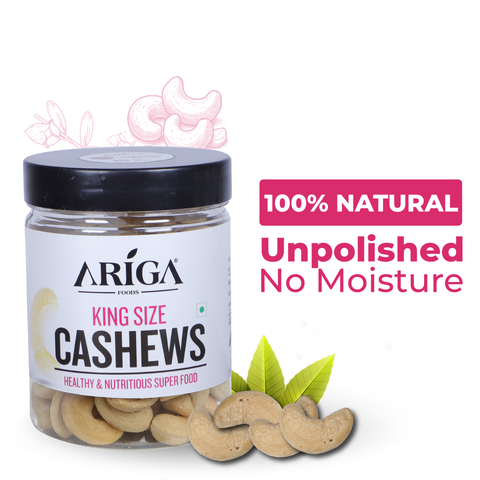

Ariga Foods King Size Premium Cashew Nuts 200g | Dry Fruit Kaju 240 Grade
100% premium quality dry fruits Cashews 240 big size kaju nutritious food for healthy eating. Buy Cashew nuts (Kaju) online in India at Ariga Foo...
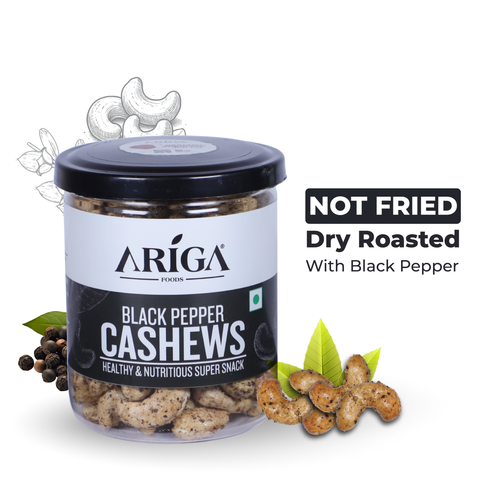

Black Pepper Cashews 200g | Roasted 100% Premium Kaju
'100% premium quality dry fruits roasted cashews sprinkled with black pepper kaalimirch from Ariga Foods. Dry roasted with no oil, these roasted ...
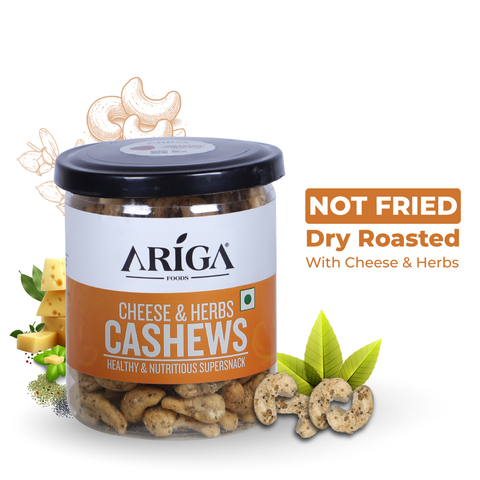

Cheese & Herbs Cashews 200g | Roasted 100% Premium Kaju
Ariga Foods premium quality roasted cashews with cheese & herbs are dry roasted with no oil. Crunchy and delicious dry fruit. Buy roasted and...
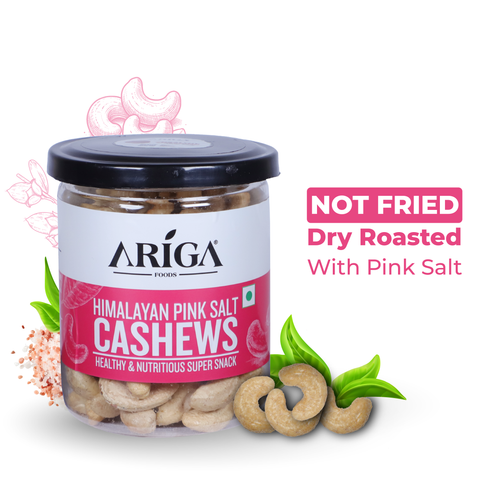

Himalayan Pink Salt Cashews 200g | Roasted 100% Premium Kaju
Ariga Foods 100% premium quality dry fruits roasted cashews with pink salt for healthy eating. Big size kaju crunchy and nutritious. Buy roasted ...
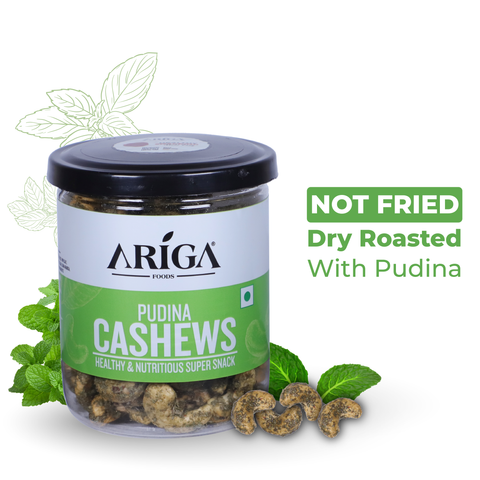

Pudina Cashews 200g | Roasted 100% Premium Kaju
Ariga Foods roasted salted cashews are toasted with dry pudina particals. This makes the roasted cashews tasy and crunchy. These cashew nuts are ...
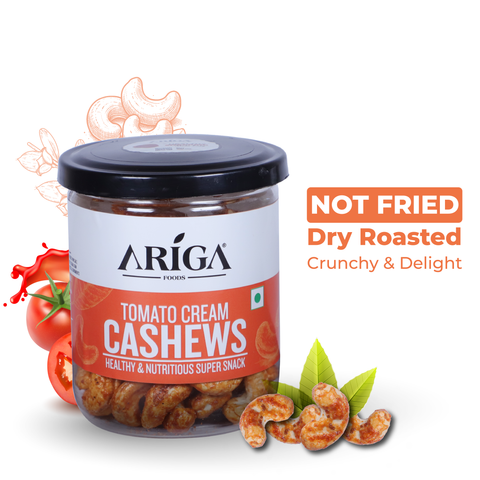

Tomato Cream Cashews 200g | Roasted 100% Premium Kaju
100% premium quality roasted and slated cashews toasted with real tomato and cream from Ariga Foods. Dry roasted cashews with no oil. Crunchy and...
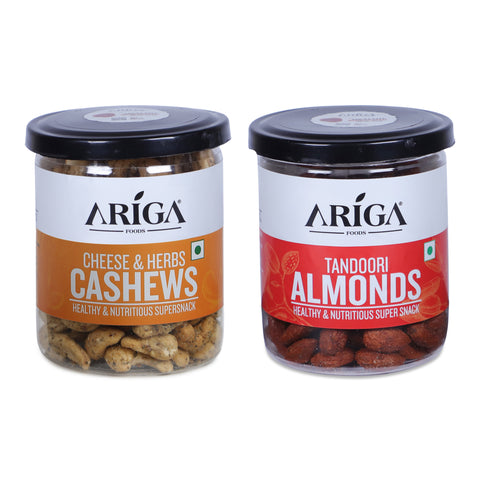

Tandoori Almonds 200g + Cheese & Herbs Cashews 200g (Dry Fruits Combo Pack 400g)
100% premium quality product from Ariga Foods. Ariga Tandoori Almonds and Cheese & Herbs Cashews are flavoured with Tandoori Masala and Cheese ...
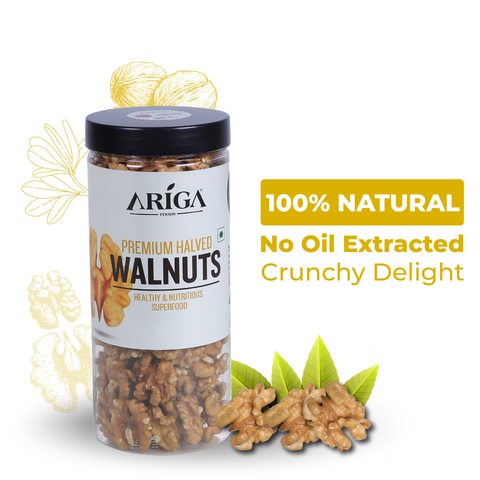

Ariga Foods Premium Halved Walnuts 350g
100% premium quality walnuts akhrot giri, without shell halved walnuts consumed as supersnack. Premium quality walnut kernels- Crunchy & Deli...
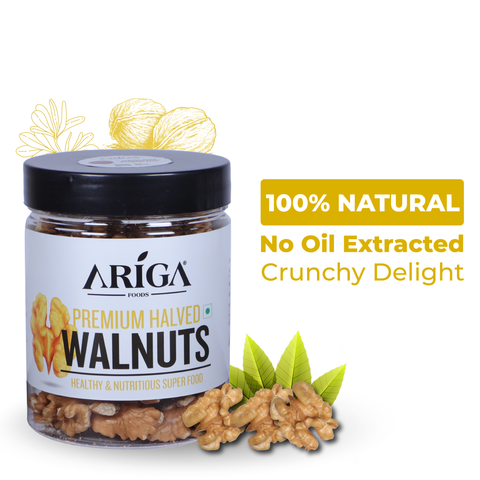

Ariga Foods Premium Halved Walnuts 150g
100% premium quality walnuts akhrot giri, without shell halved walnuts consumed as supersnack. Premium quality walnut kernels- Crunchy & Deli...
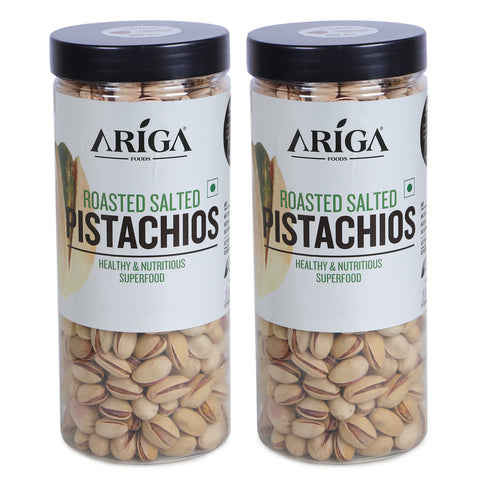

Premium Roasted & Salted Pistachios 1kg
100% premium quality pista dry fruits. Roasted & salted pistachios, consumed as supersnack. Buy Pistachio nuts (Pista) online in India at Arig...


Premium Roasted & Salted Pistachios 500g
100% premium quality pista dry fruits. Roasted & salted pistachios, consumed as supersnack.Buy Pistachio nuts (Psita) online in India at Ariga ...
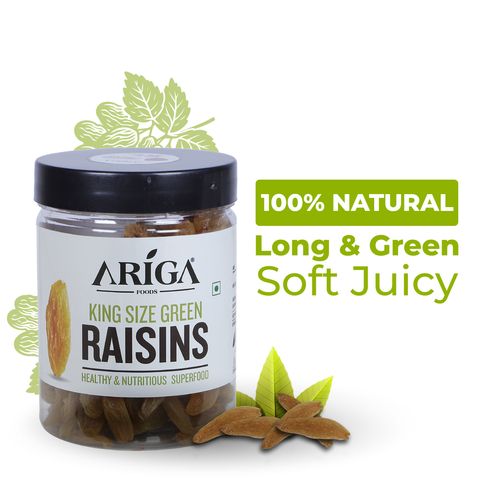

Premium Green Raisins 250g
100% premium quality raisins kismis. Long size green raisins dry fruit, best replacement for junk food. Buy Indian raisins online at Ariga Foods....
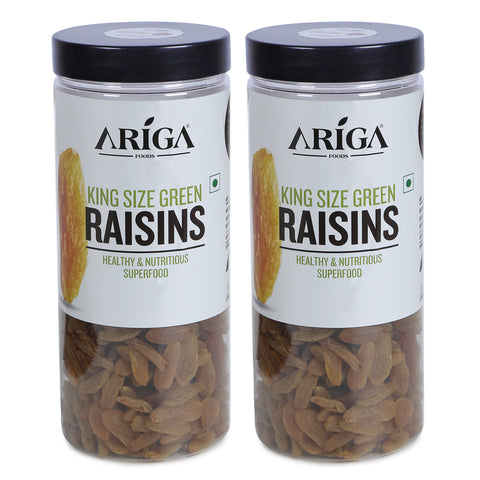

Premium Green Raisins 1kg
100% premium quality raisins kismis. Long size green raisins dry fruit, best replacement for junk food. Buy Indian raisins online at Ariga Foods....
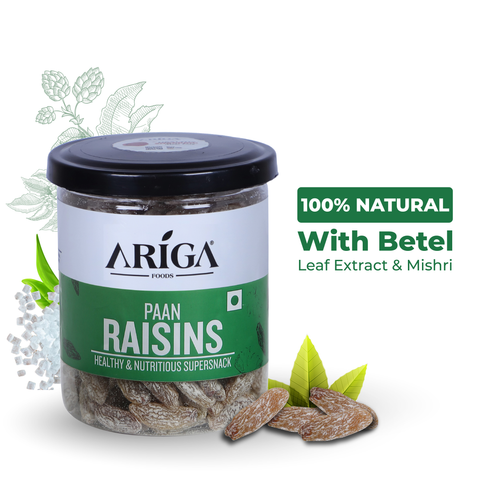

Paan Raisins 250g | Premium Long Green Kishmish
100% premium quality raisins kismis made with real pan extract to bring the taste of mukhwas. These are long size green raisins dry fruit. Buy gr...
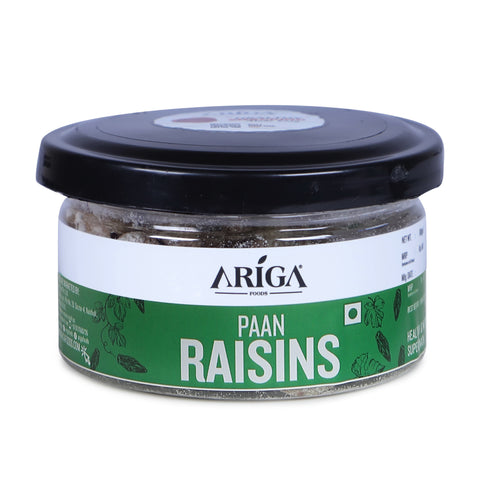

Paan Raisins 100g | Premium Long Green Kishmish
100% premium quality product from Ariga Foods. Ariga Paan Raisins are consumed as supersnack as they are the best replacement for junk food. Pac...


Ariga Foods Premium California Almonds 200g
100% premium quality dry fruits badam giri from Ariga Foods, sourced from California, USA. Buy California Almonds (Badaam) online in India at Ari...
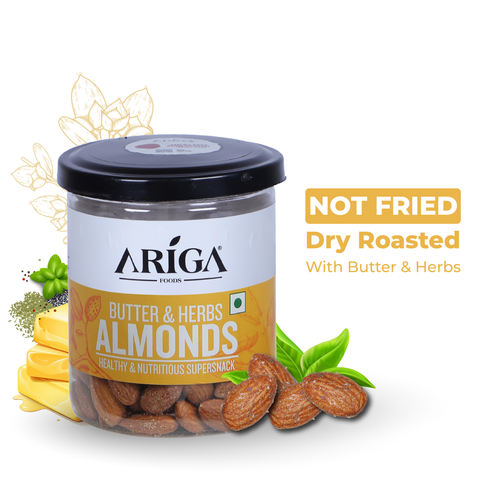

Butter & Herbs Almonds 200g | Roasted 100% Premium Badam
100% premium quality dry fruits roasted almonds toasted with butter & herbs from Ariga Foods. Dry roasted with no oil, these nutrition roast...
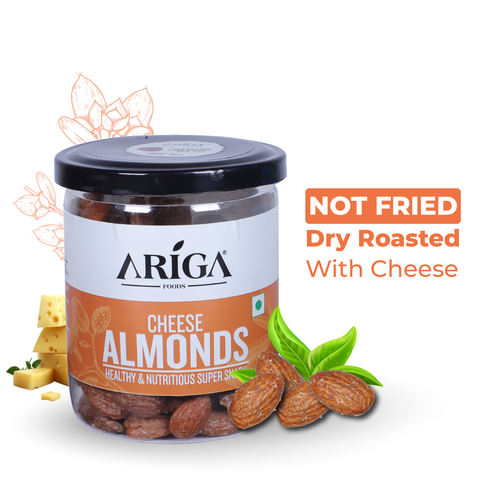

Cheese Almonds 200g | Roasted 100% Premium Badam
Ariga Foods dry fruits roasted almonds are wrapped with cheese. 100% premium quality badam. These nutrition roasted almonds are crunchy and delic...
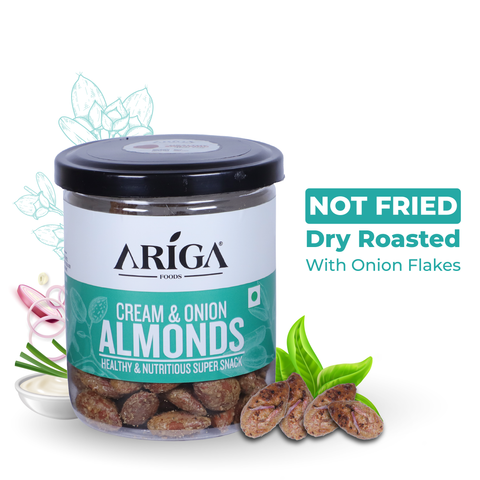

Cream & Onion Almonds 200g | Roasted 100% Premium Badam
100% premium quality dry fruits roasted almonds with cream & onion from Ariga Foods. Dry roasted almonds with no oil. Crunchy and delicious. N...
About Us
Ariga Foods is the innovative Retail and B2B brand by Ariganic Food Pvt. Ltd. Our vision is to make Superfood convenient and tasty for every household around the world.
Read moreSUBSCRIBE & FOLLOW
TAG CLOUD