
Raisins and Antioxidants : How They Can Help Fight Disease
I have been snacking on raisins regularly for a couple of years now, mostly for convenience, and it was only recently that I actually sat down and looked into what the antioxidant claims around them are really based on.
What I found was a mix of genuinely solid research and a couple of claims that, once I checked them properly, did not hold up quite the way they are often presented.
I want to share the honest version of this, since I think it is more useful than repeating every claim at face value.
The Power of Antioxidants, Briefly
Antioxidants are compounds that help protect the body from oxidative stress, the cellular damage caused by unstable molecules called free radicals.
Chronic oxidative stress is linked to a range of health conditions over time, and a diet rich in antioxidant foods is generally considered supportive of long-term health, though this is a broad protective pattern rather than a guarantee against any specific disease.
What Raisins Actually Contain
Raisins are a genuine source of antioxidants, including polyphenols, flavonoids, and phenolic acids, compounds that help scavenge free radicals. I want to correct one detail that shows up often in raisin health content, including claims about significant vitamin C content.
The drying process that turns grapes into raisins destroys most of the vitamin C originally present, so raisins are not actually a meaningful source of vitamin C, nor are they a notable source of zinc.
What raisins do genuinely offer in solid amounts is iron, potassium, and fibre, alongside those antioxidant compounds, which is a slightly different, but still genuinely useful, nutritional picture than sometimes gets presented.
Heart Health
This is one of the better-supported claims. The flavonoids and polyphenols in raisins, along with their potassium content, have been linked in research to supporting healthy blood pressure and improved cardiovascular function.
Potassium specifically plays a well-established role in blood pressure regulation, working somewhat in opposition to sodium's effect on the body.
Digestive Health
Raisins are a good source of dietary fibre, essential for regular bowel movements and a healthy digestive system.
This part is genuinely well supported, high fibre intake is consistently linked to better digestive health and is one of the more reliably established dietary recommendations in nutrition science.
Raisins also contain tartaric acid, which some research suggests may support gut bacteria balance and reduce inflammation in the digestive tract.
I do want to flag one claim carefully here. You may see raisins linked specifically to reduced colorectal cancer risk, and while dietary fibre in general does have convincing evidence behind it for colorectal cancer risk reduction, the specific claim about raisins' tartaric acid and colorectal cancer comes from a single study rather than a broad, well-replicated body of research.
I think it is fair to mention this as an interesting, preliminary finding, but not to present it as settled science the way some raisin marketing content tends to.
Immune Support
Antioxidants generally play a supportive role in immune function by helping manage inflammation and oxidative stress. Since raisins are not, as covered above, a significant source of vitamin C or zinc, their contribution to immune health comes primarily through their broader antioxidant and fibre content rather than those two specific nutrients.
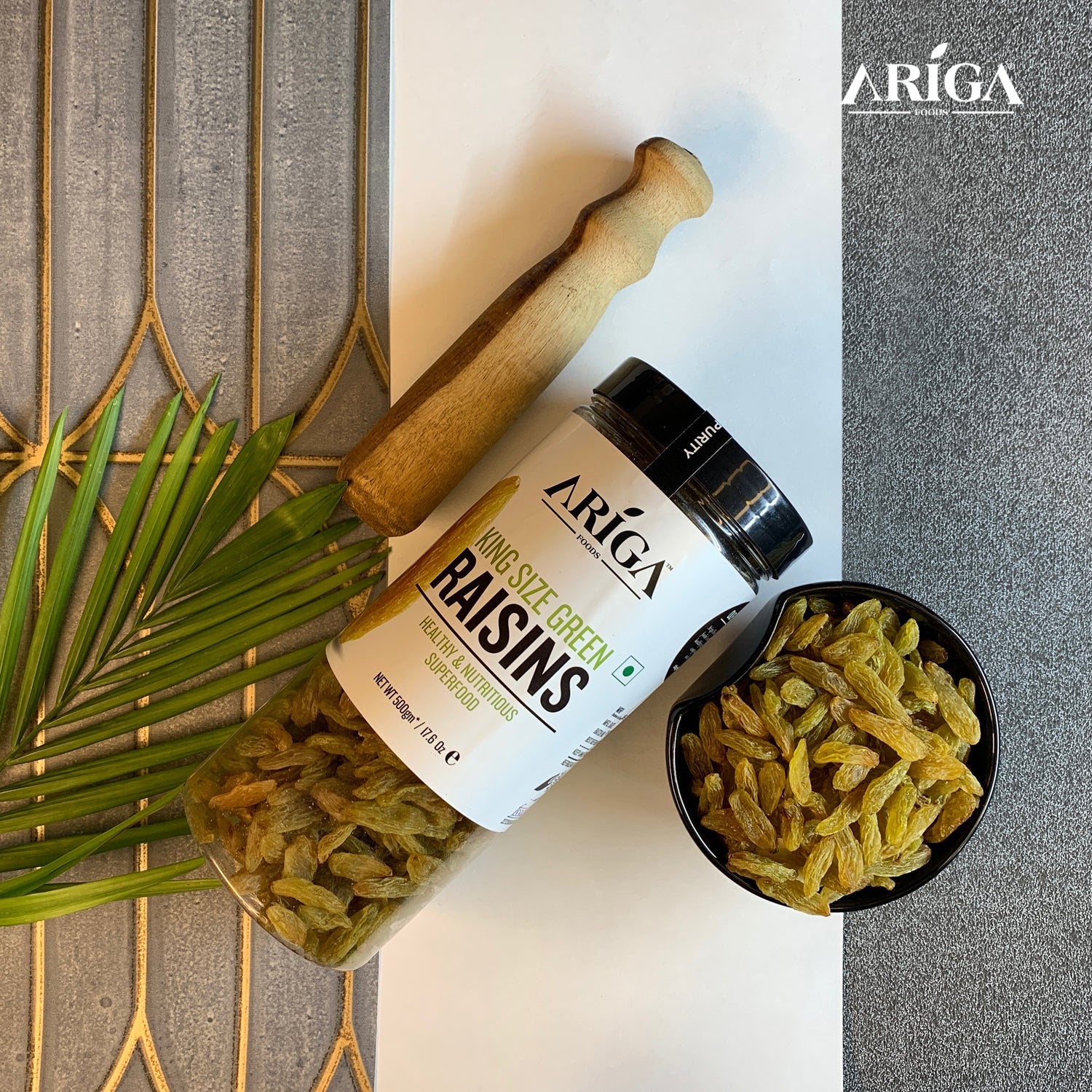
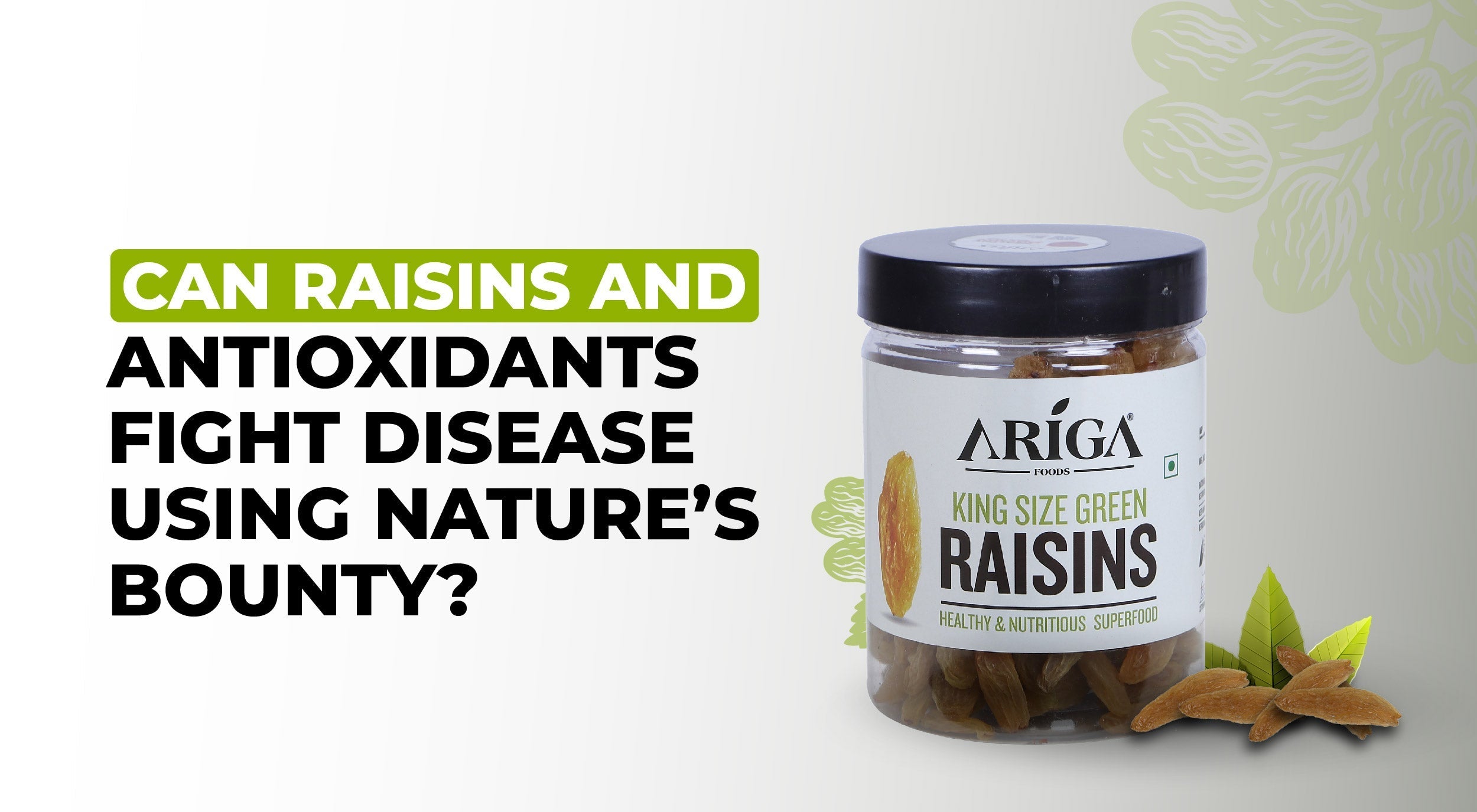
Ariga Foods King-Size Raisins and Paan Raisins
King-Size Raisins are large, plump, and rich in sweet flavour, well suited to snacking, baking, or adding to a variety of dishes.
Paan Raisins bring the traditional flavours of Indian paan into a raisin format, betel leaf and aromatic spices combined with the natural sweetness of dried grapes, offering a genuinely distinctive snacking experience alongside the same core nutritional profile.
Recipes to Try
King-Size Raisin and Nut Granola
Rolled oats and mixed nuts combined with melted coconut oil, honey, vanilla, and cinnamon, baked until golden, then finished with King-Size Raisins once cooled. A genuinely solid breakfast staple that keeps well in an airtight container.
Paan Raisin Chutney
Blended Paan Raisins, mint, coriander, green chillies, ginger, and lemon juice. A vibrant, unexpected condiment that works well alongside snacks or a main meal.
King-Size Raisin and Quinoa Salad
Cooked quinoa tossed with King-Size Raisins, cucumber, cherry tomatoes, fresh herbs, and feta, finished with a simple olive oil and lemon dressing. A light, satisfying salad that holds up well chilled.
What I Would Tell Anyone Reading This
Raisins are a genuinely nutritious snack, offering real antioxidant compounds, fibre, iron, and potassium, with reasonably solid research behind their support for heart and digestive health specifically.
Where I would push back gently is on the broader "fight disease" framing, particularly around specific claims like vitamin C, zinc, or colorectal cancer prevention, since these either misrepresent what raisins actually contain or overstate thin, preliminary research as settled fact.
Raisins are worth including in a balanced diet for real, well-supported reasons, you do not need to reach for less accurate claims to make the case.
People Also Ask
Do raisins contain a significant amount of vitamin C?
No, the drying process that turns grapes into raisins destroys most of their original vitamin C content, so raisins are not considered a meaningful source of vitamin C despite sometimes being described that way.
Are raisins a good source of zinc?
No, raisins are not a notable source of zinc. Their nutritional strengths lie more in iron, potassium, fibre, and antioxidant compounds like polyphenols and flavonoids.
Can raisins really help prevent colorectal cancer?
Dietary fibre in general has strong, well-established evidence for reducing colorectal cancer risk. The specific claim about raisins' tartaric acid and colorectal cancer comes from limited, preliminary research rather than a large, well-replicated body of evidence, so it should be treated as an interesting early finding rather than proven fact.
How do raisins support heart health?
Raisins contain flavonoids, polyphenols, and potassium, all of which have been linked to supporting healthy blood pressure and cardiovascular function as part of a balanced diet.
Are raisins good for digestion?
Yes, this is one of the more well-supported benefits. Raisins are a good source of dietary fibre, which supports regular digestion, and also contain tartaric acid, associated in some research with supporting gut bacteria balance.
Should I rely on raisins for immune support?
Raisins can contribute to overall immune health through their fibre and antioxidant content, but they should be seen as one part of a broader, balanced diet rather than a significant source of immune-specific nutrients like vitamin C or zinc.
Related Products
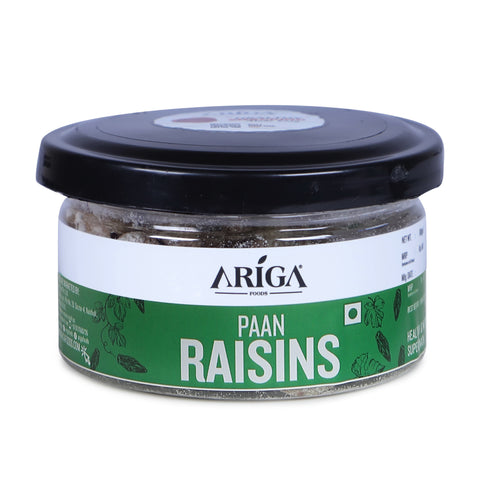

Paan Raisins 100g | Premium Long Green Kishmish
100% premium quality product from Ariga Foods. Ariga Paan Raisins are consumed as supersnack as they are the best replacement for junk food. Pac...
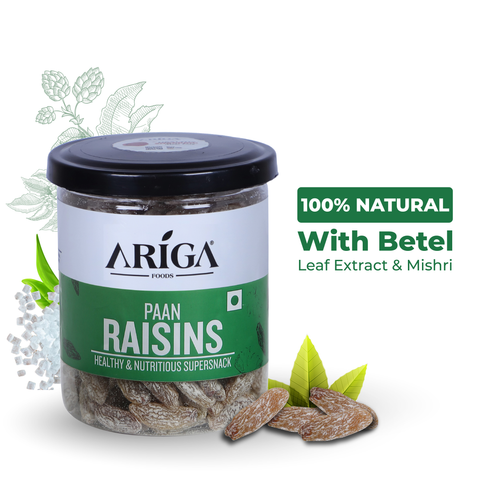

Paan Raisins 250g | Premium Long Green Kishmish
100% premium quality raisins kismis made with real pan extract to bring the taste of mukhwas. These are long size green raisins dry fruit. Buy gr...
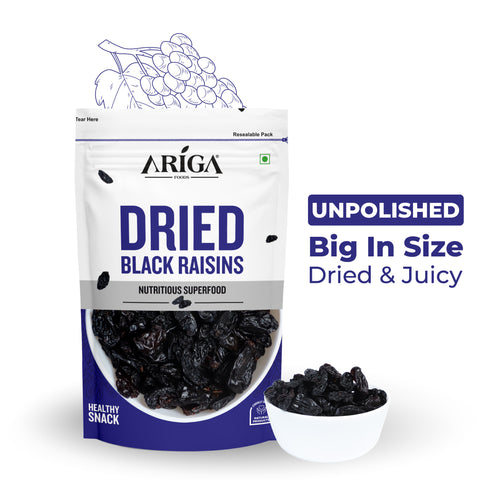

Premium Afghani Black Raisins 200g | Ariga Foods
100% premium quality black raisins. Healthy alternative to processed food and snacks. Buy black raisins online at Ariga Foods. They are also know...
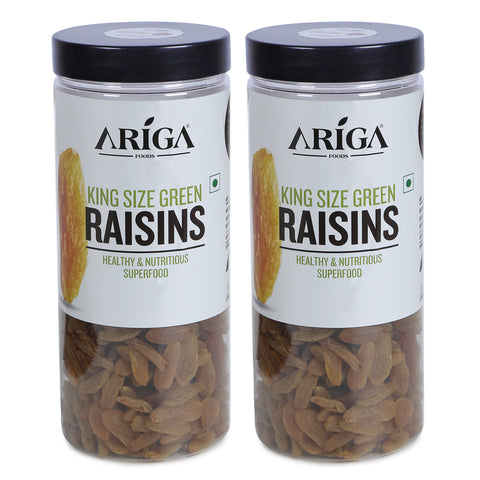

Premium Green Raisins 1kg
100% premium quality raisins kismis. Long size green raisins dry fruit, best replacement for junk food. Buy Indian raisins online at Ariga Foods....
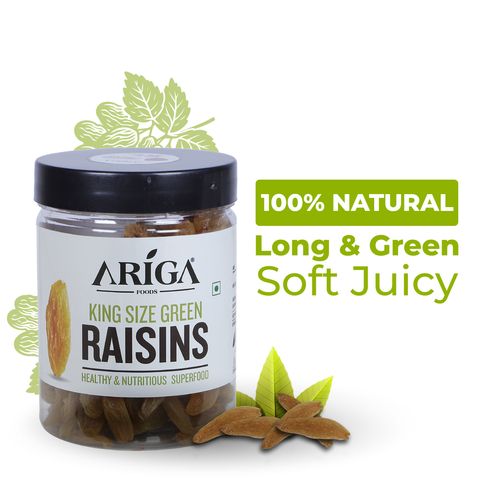

Premium Green Raisins 250g
100% premium quality raisins kismis. Long size green raisins dry fruit, best replacement for junk food. Buy Indian raisins online at Ariga Foods....
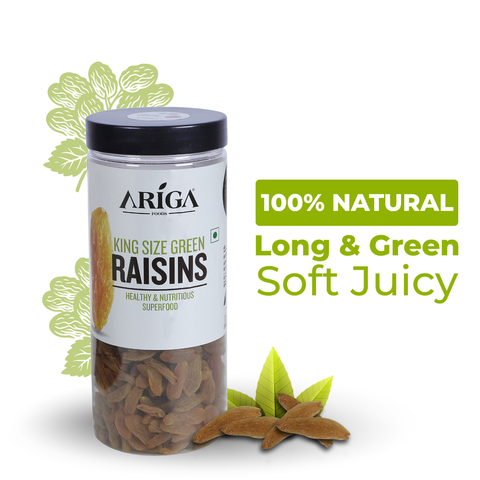

Premium Green Raisins 500g
100% premium quality raisins kismis. Long size green raisins dry fruit, best replacement for junk food. Buy Indian raisins online at Ariga Foods....


Premium Nuts & Berries Mix 200g | Trail Mix 8 in 1 | Ariga Foods
100% premium quality trail mix nuts and berries from Ariga Foods. Healthy alternative to processed food and snacks. Buy trail mix online, Nuts &a...
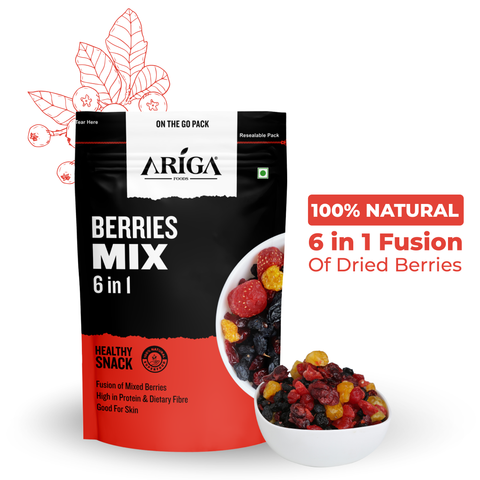

Premium Dried Berries Mix 200g | Trail Mix 6 in 1 | Ariga Foods
Ariga Foods premium quality Berries Mix. Healthy alternative to processed food and snacks. Buy Berries mix online at Ariga Foods. Ariga Foods mix...
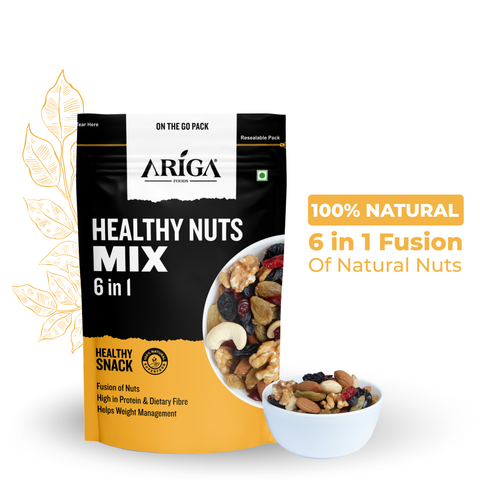

Premium Healthy Nutmix 200g | Trail Mix 6 in 1 | Ariga Foods
100% premium quality Healthy Nut Mix from Ariga Foods. Healthy alternative to processed food and snacks. Buy trail mix online at Ariga Foods. Ari...
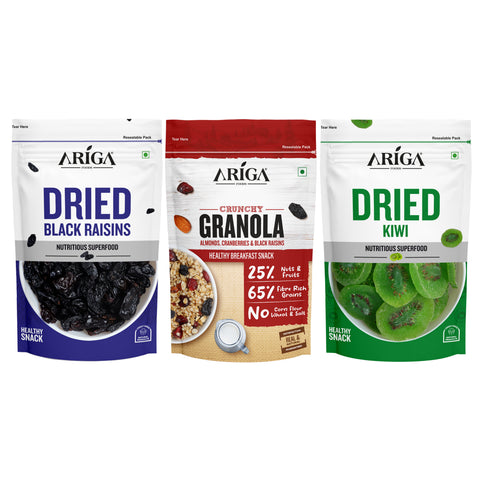

Ariga Foods Black Raisins, Granola Almonds & Dried Kiwi | Combo Pack Of 3
100% premium quality combo pack of 3- Dried Black Raisins, Crunchy Granola Almonds and Dried Kiwi from Ariga Foods. Healhty, crunchy and del...


Ariga Foods Black Raisins, Almonds, Dried Kiwi, Granola Almonds, Roasted Flax Seeds & Oats Khatta Meetha | Combo Pack of 6
100% premium quality combo pack of 6- Black Raisins, California Almonds, Dried Kiwis, Crunchy Granola Almonds, Cranberries & Black Raisins, Roa...


Ariga Foods Almonds, Cashews, Raisins, Walnuts & Roasted Flax Seeds | Combo Pack Of 5
100% premium quality combo pack of 5- California Almonds, King Size Cashews, King Size Raisins, Premium Halved Walnuts and Roasted Flax Seeds from ...


Ariga Foods Fruits Mix, Granola Chocolate, Nuts Mix, Raisins & Roasted Flax Seeds | Combo Pack of 5
100% premium quality combo pack of 5- Fruits Mix 200g, Crunchy Granola Chocolate & Almonds, Healthy Nut Mix, King Size Raisins and Roasted Flax...


Ariga Foods Granola Corn Flakes, Black Raisins & Oats Katta Meetha | Combo Pack Of 3
100% premium quality combo pack of 3- Crunchy Granola Almonds, Black Raisins and Crunchy Oats Katta Meetha. Healhty, crunchy and delicious. - Crun...
About Us
Ariga Foods is the innovative Retail and B2B brand by Ariganic Food Pvt. Ltd. Our vision is to make Superfood convenient and tasty for every household around the world.
Read moreSUBSCRIBE & FOLLOW
TAG CLOUD