
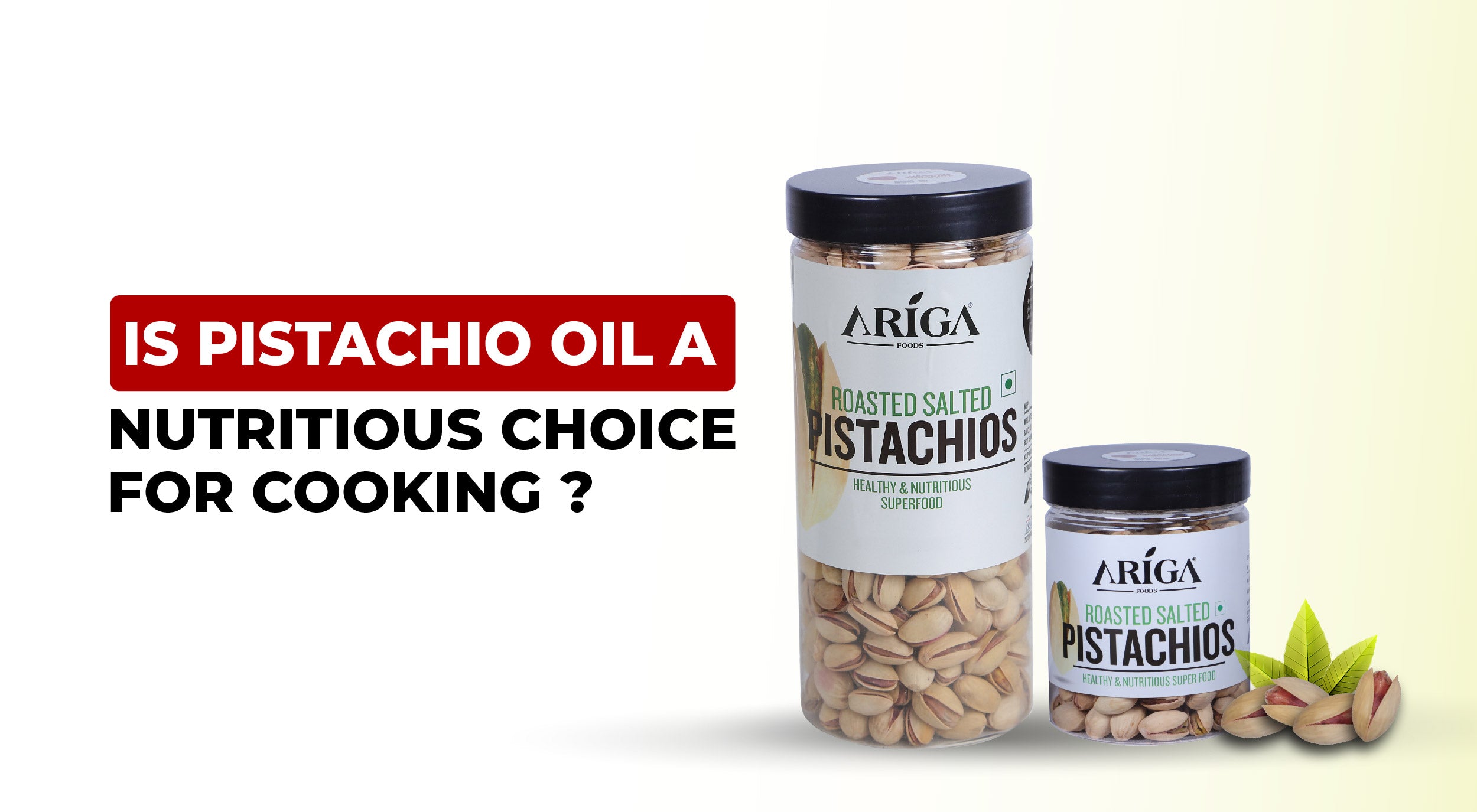
Is Pistachio Oil a Nutritious Choice for Cooking?
I got asked about pistachio oil by a reader a while back, someone who had seen it mentioned in a fancy recipe online and wanted to know if it was worth tracking down.
I will be honest, I had never actually cooked with it myself at that point, mostly because it is a genuinely niche specialty product, expensive, not something you find in a regular grocery store, and quite different from just having a bag of pistachios in your pantry.
I want to walk through what I learned researching it, and be upfront about something important before I do.
Pistachio oil, the pressed cooking oil, and roasted pistachios, the actual nut you snack on, are two completely different products.
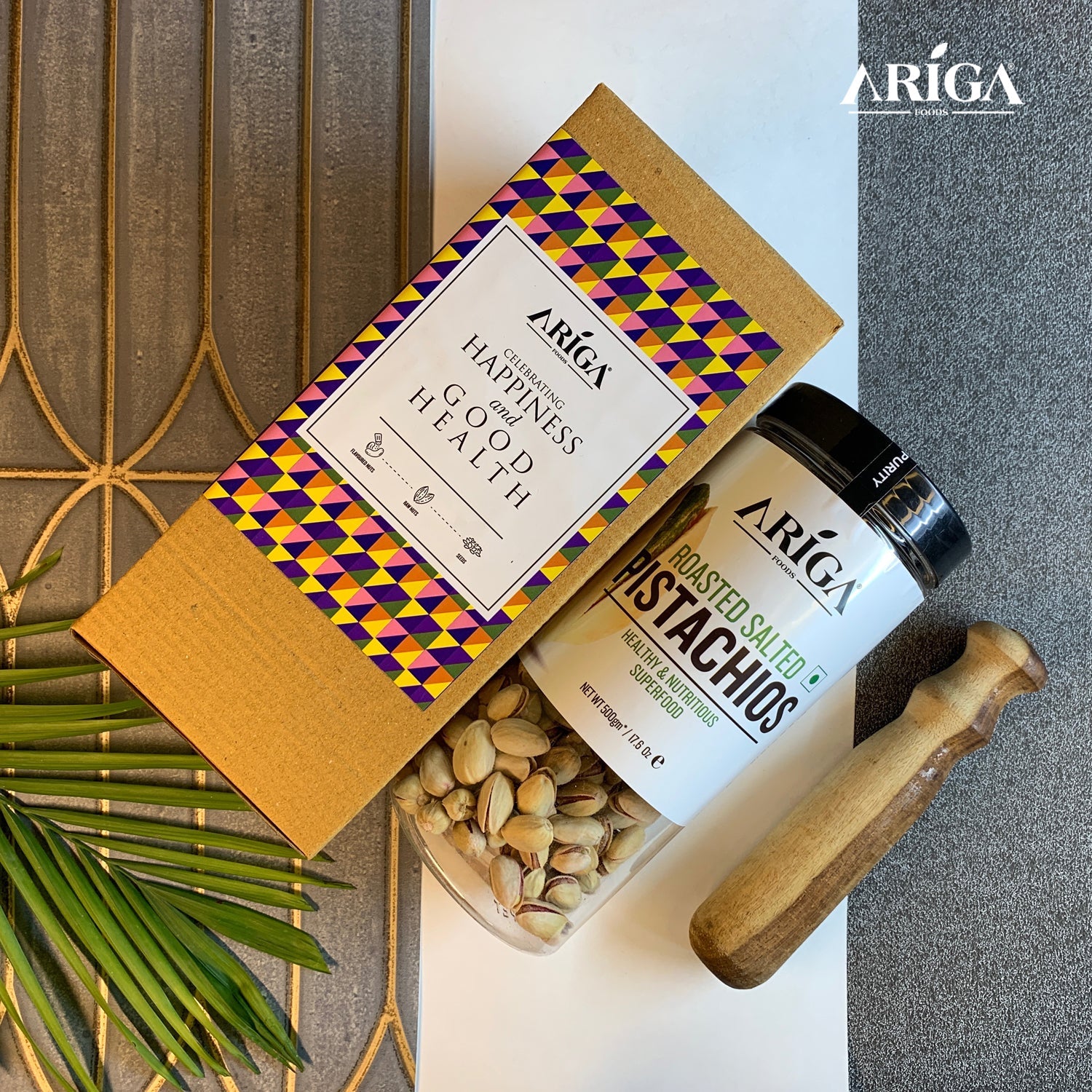
If you are hoping to cook with "pistachio oil" using a bag of Roasted Salted Pistachios from your pantry, that is not something you can do directly, and I want to be honest about that rather than blur the line the way a lot of articles online tend to.
What Pistachio Oil Actually Is
Pistachio oil is a cold-pressed oil extracted from pistachio kernels, similar in concept to how olive oil is pressed from olives.
It is sold as a specialty product, usually in small bottles through gourmet or health food retailers, and it carries a genuinely distinct, nutty flavour that is more delicate than what you would expect from the whole nut.
It is not something most grocery stores stock alongside your everyday olive or sunflower oil, and it tends to be priced accordingly, closer to a finishing oil than an everyday cooking staple.
Is It Actually Nutritious?
Nutritionally, pistachio oil is genuinely reasonable. It is rich in monounsaturated and polyunsaturated fats, the kind generally associated with supporting heart health when they replace less healthy fats in your diet.
It carries a good amount of vitamin E, an antioxidant that protects cells from oxidative damage, and provides some vitamin K as well, relevant for bone health and blood clotting.
How it compares to other common cooking oils depends a bit on what you are comparing it to.
Against olive oil, the two are fairly similar in their fat profile and antioxidant content, though pistachio oil has a milder, more delicate flavour that some people prefer for finishing a dish rather than cooking at high heat.
Against coconut oil, pistachio oil offers healthier unsaturated fats rather than coconut oil's higher saturated fat content, which matters if heart health is a specific priority for you.
Compared to a more neutral oil like canola, pistachio oil brings more vitamins and antioxidants to the table, though canola tends to be more affordable and heat-stable for everyday cooking.
I want to be careful not to oversell this though. Like any oil, pistachio oil is still calorie-dense, and the idea that it can "enhance nutrient absorption" of other vitamins in a meal is true of most fat sources in general, not something unique to pistachio oil specifically. It is a genuinely good oil, but not a miracle ingredient.
What I Would Actually Recommend Instead
If pistachio oil is hard to find or feels like an unnecessary expense, and for most home cooks it genuinely is, you can get a lot of the same flavour experience and most of the nutritional benefit from cooking with roasted pistachios directly, using a good regular olive oil as your actual cooking fat.
This is genuinely how I ended up approaching it myself, and honestly, I think it works better for most home kitchens than sourcing a specialty oil that will likely sit half-used in your pantry for months.
Pistachio-Crusted Chicken
Finely chop a cup of Ariga Foods Roasted Salted Pistachios and use them to coat chicken breasts after dredging them in flour and dipping in beaten egg.
Sear the coated chicken in a regular olive oil rather than pistachio oil, then finish it in the oven at 375°F for fifteen to twenty minutes.
The pistachio flavour comes through beautifully in the crust itself, so you genuinely do not need the specialty oil to get that distinct taste.
Pistachio Pesto Pasta
Blend a cup of Roasted Salted Pistachios with fresh basil, parmesan, and garlic in a food processor, then slowly stream in a good extra-virgin olive oil while the processor runs, until you reach a smooth, spreadable consistency.
This gives you the same rich, nutty pesto flavour that a pistachio-oil version would, using a fraction of the cost and an oil you likely already have at home.
Pistachio and Berry Salad
Toss mixed greens with fresh berries, crumbled goat cheese, and a generous handful of chopped Roasted Salted Pistachios, then dress with a simple olive oil and balsamic vinaigrette.
The pistachios themselves carry enough flavour and texture that the salad does not need a specialty oil to feel special.
If You Do Want to Try Pistachio Oil Specifically
If you are curious and want the real thing, it is worth treating it more like a finishing oil than an everyday cooking fat, drizzled over a finished dish rather than used for high-heat searing, since delicate specialty oils like this tend to lose some of their flavour nuance and nutritional value when heated too aggressively.
A small bottle goes a long way used this way, which also helps offset the higher price point compared to a standard cooking oil.
What I Would Tell Anyone Asking About This
Pistachio oil is a genuinely nutritious, flavourful specialty product if you want to seek it out and use it thoughtfully, mainly as a finishing touch rather than your everyday cooking oil.
But you do not need it to cook deliciously with pistachios. A good bag of Roasted Salted Pistachios, paired with a reliable everyday olive oil, will get you most of the same flavour and nutritional benefit in dishes like pesto, crusted proteins, and salads, without the extra cost or the trip to a specialty store.
People Also Ask
Is pistachio oil healthier than olive oil?
The two are fairly similar nutritionally, both rich in monounsaturated fats and antioxidants. Pistachio oil has a milder, more delicate flavour, which makes it better suited for finishing dishes, while olive oil is more versatile for everyday cooking, including higher heat applications.
Can I substitute regular pistachios and olive oil for pistachio oil in a recipe?
Yes, in most recipes calling for pistachio oil, you can achieve a similar flavour and nutritional profile by using chopped or blended roasted pistachios alongside a good quality olive oil, which is generally more accessible and affordable.
Is pistachio oil good for high-heat cooking?
Pistachio oil is better suited as a finishing oil, drizzled over a finished dish, rather than used for high-heat cooking like searing or frying, since delicate specialty oils tend to lose flavour quality and some nutritional value when heated aggressively.
Where can I buy pistachio oil?
Pistachio oil is a speciality product typically found at gourmet grocery stores, health food retailers, or online speciality food shops, rather than in the regular cooking oil aisle of most standard grocery stores.
Does pistachio oil taste different from eating pistachios directly?
Yes, pistachio oil has a milder, more delicate nutty flavour compared to the more pronounced, roasted taste of whole pistachios, since the pressing process concentrates certain flavour compounds differently than eating the whole nut.
Is pistachio oil worth the cost for regular home cooking?
For most home cooks, pistachio oil is a nice-to-have rather than a necessity, given its higher price point and limited availability. Using roasted pistachios with a regular good quality olive oil achieves a similar flavour and nutritional result for most everyday recipes.
Related Products

Premium Roasted & Salted Pistachios 200g
100% premium quality pista dry fruits. Roasted & salted pistachios, consumed as supersnack.Buy Pistachio nuts (Psita) online in India at Ariga ...

Premium Roasted & Salted Pistachios 1kg
100% premium quality pista dry fruits. Roasted & salted pistachios, consumed as supersnack. Buy Pistachio nuts (Pista) online in India at Arig...


Premium Roasted & Salted Pistachios 500g
100% premium quality pista dry fruits. Roasted & salted pistachios, consumed as supersnack.Buy Pistachio nuts (Psita) online in India at Ariga ...
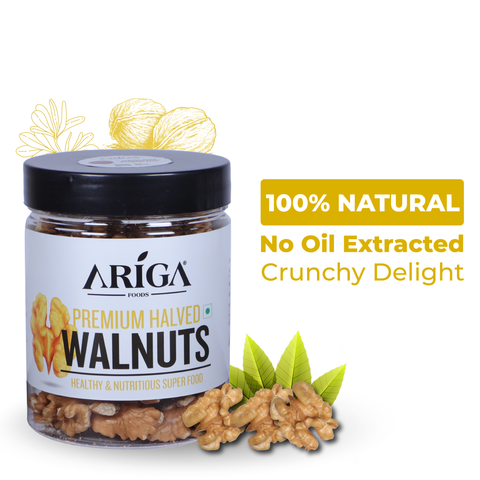

Ariga Foods Premium Halved Walnuts 150g
100% premium quality walnuts akhrot giri, without shell halved walnuts consumed as supersnack. Premium quality walnut kernels- Crunchy & Deli...
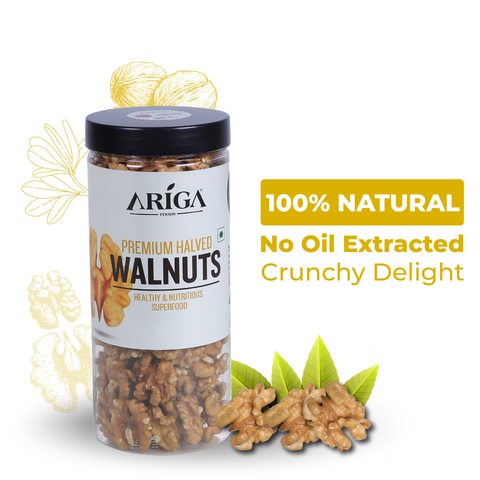

Ariga Foods Premium Halved Walnuts 350g
100% premium quality walnuts akhrot giri, without shell halved walnuts consumed as supersnack. Premium quality walnut kernels- Crunchy & Deli...
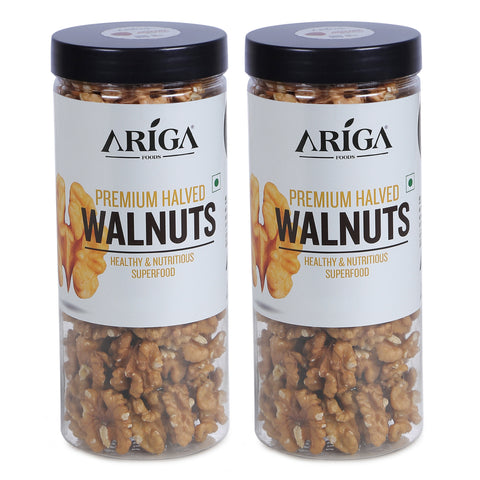

Ariga Foods Premium Halved Walnuts 700g
100% premium quality walnuts akhrot giri, without shell halved walnuts consumed as supersnack. Premium quality walnut kernels- Crunchy & Deli...


Ariga Foods Premium California Almonds 1kg
100% premium quality dry fruits badam giri from Ariga Foods, sourced from California, USA. Buy California Almonds (Badaam) online in India at Ari...
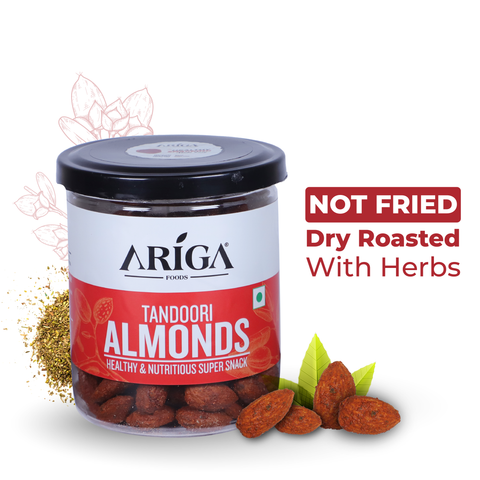

Ariga Foods Roasted Tandoori Almonds 200g
Ariga Foods premium quality dry fruits roasted almonds tandoori masala are dry roasted with no oil. Buy roasted almonds online at Ariga Foods. No...
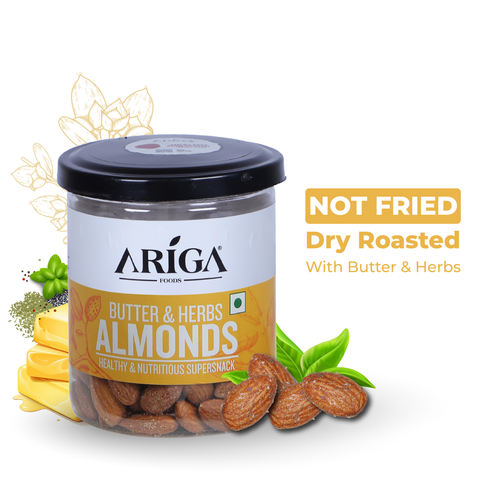

Butter & Herbs Almonds 200g | Roasted 100% Premium Badam
100% premium quality dry fruits roasted almonds toasted with butter & herbs from Ariga Foods. Dry roasted with no oil, these nutrition roast...
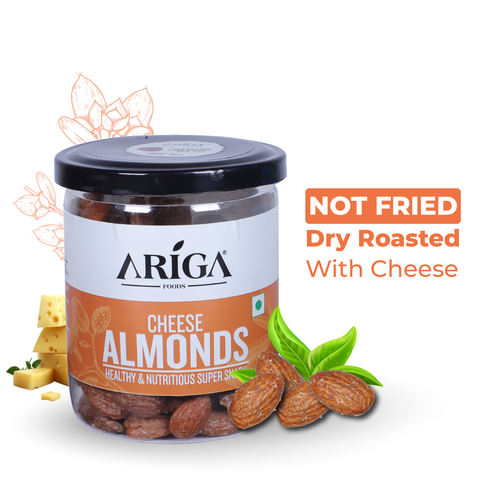

Cheese Almonds 200g | Roasted 100% Premium Badam
Ariga Foods dry fruits roasted almonds are wrapped with cheese. 100% premium quality badam. These nutrition roasted almonds are crunchy and delic...
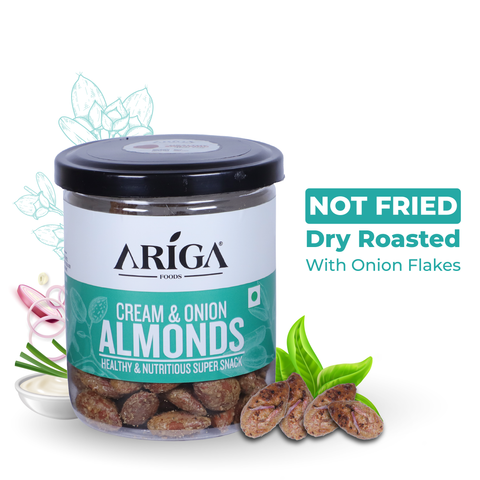

Cream & Onion Almonds 200g | Roasted 100% Premium Badam
100% premium quality dry fruits roasted almonds with cream & onion from Ariga Foods. Dry roasted almonds with no oil. Crunchy and delicious. N...
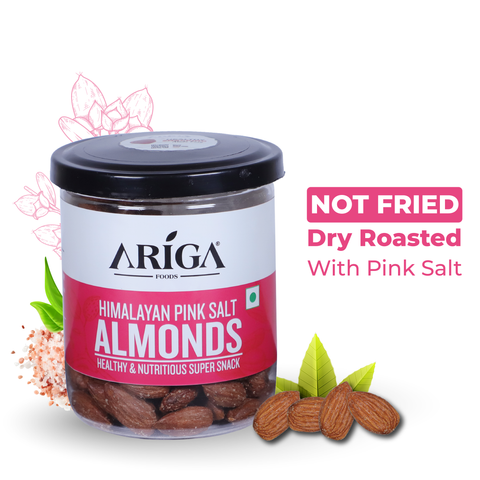

Himalayan Pink Salt Almonds 200g | Roasted 100% Premium Badam
100% premium quality dry fruits roasted almonds with pink salt from Ariga Foods, dry roasted with no oil. Crunchy and delicious. Buy roasted almo...
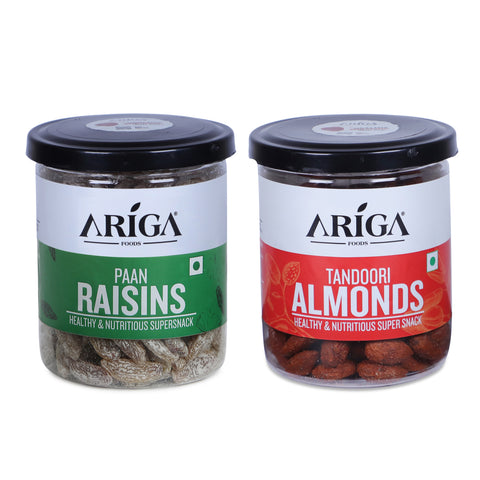

Tandoori Almonds 200g + Paan Raisins 250g (Dry Fruits Combo Pack 450g)
100% premium quality product from Ariga Foods. Ariga Tandoori Almonds and Paan Long Rasins are flavoured with Tandoori Masala and Paan flavour res...


Ariga Foods King Size Premium Cashew Nuts 1kg | Dry Fruit Kaju 240 Grade
100% premium quality dry fruits Cashews 240 big size kaju nutritious food for healthy eating. Buy Cashew nuts (Kaju) online in India at Ariga Foo...
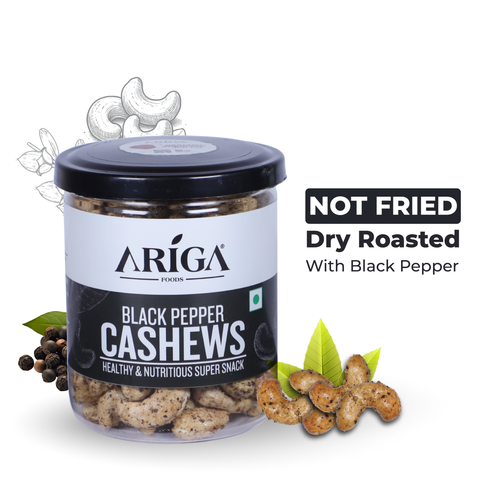

Black Pepper Cashews 200g | Roasted 100% Premium Kaju
'100% premium quality dry fruits roasted cashews sprinkled with black pepper kaalimirch from Ariga Foods. Dry roasted with no oil, these roasted ...
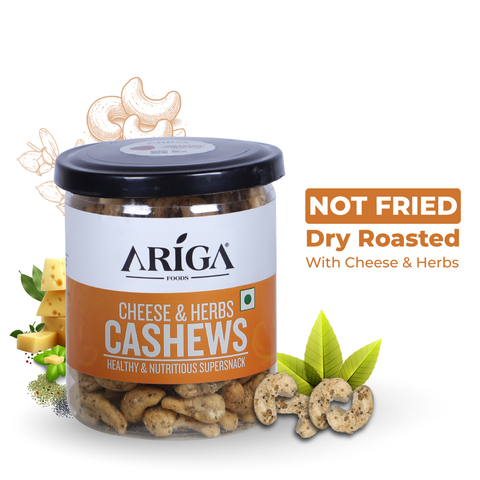

Cheese & Herbs Cashews 200g | Roasted 100% Premium Kaju
Ariga Foods premium quality roasted cashews with cheese & herbs are dry roasted with no oil. Crunchy and delicious dry fruit. Buy roasted and...
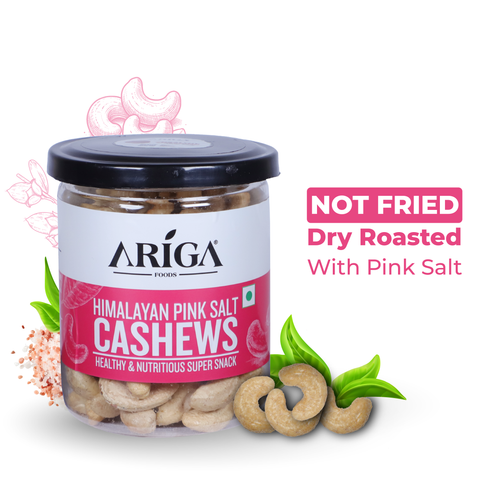

Himalayan Pink Salt Cashews 200g | Roasted 100% Premium Kaju
Ariga Foods 100% premium quality dry fruits roasted cashews with pink salt for healthy eating. Big size kaju crunchy and nutritious. Buy roasted ...
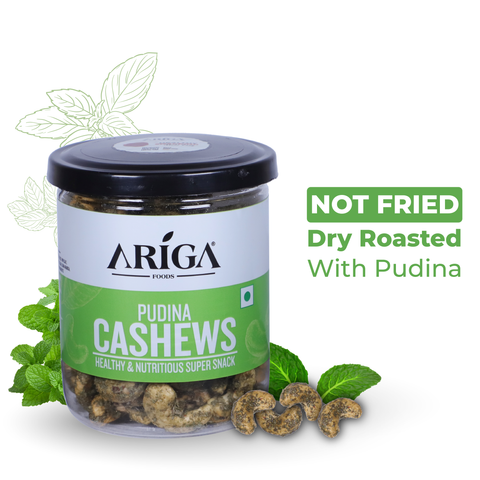

Pudina Cashews 200g | Roasted 100% Premium Kaju
Ariga Foods roasted salted cashews are toasted with dry pudina particals. This makes the roasted cashews tasy and crunchy. These cashew nuts are ...
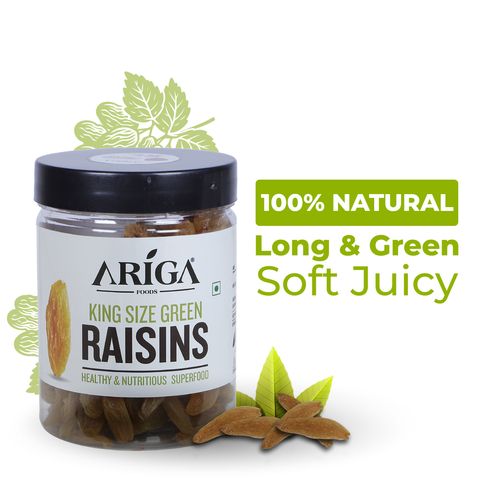

Premium Green Raisins 250g
100% premium quality raisins kismis. Long size green raisins dry fruit, best replacement for junk food. Buy Indian raisins online at Ariga Foods....

Premium Green Raisins 1kg
100% premium quality raisins kismis. Long size green raisins dry fruit, best replacement for junk food. Buy Indian raisins online at Ariga Foods....
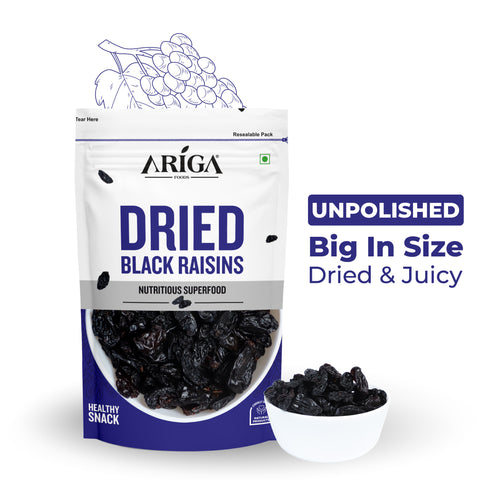

Premium Afghani Black Raisins 200g | Ariga Foods
100% premium quality black raisins. Healthy alternative to processed food and snacks. Buy black raisins online at Ariga Foods. They are also know...
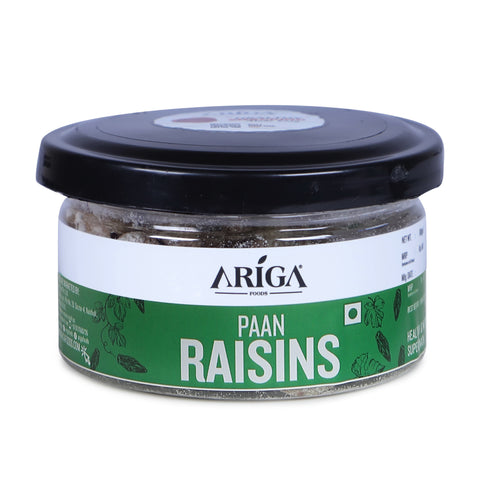

Paan Raisins 100g | Premium Long Green Kishmish
100% premium quality product from Ariga Foods. Ariga Paan Raisins are consumed as supersnack as they are the best replacement for junk food. Pac...
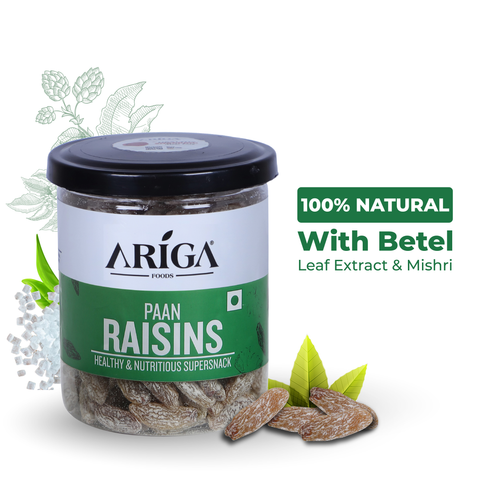

Paan Raisins 250g | Premium Long Green Kishmish
100% premium quality raisins kismis made with real pan extract to bring the taste of mukhwas. These are long size green raisins dry fruit. Buy gr...
About Us
Ariga Foods is the innovative Retail and B2B brand by Ariganic Food Pvt. Ltd. Our vision is to make Superfood convenient and tasty for every household around the world.
Read moreSUBSCRIBE & FOLLOW
TAG CLOUD