
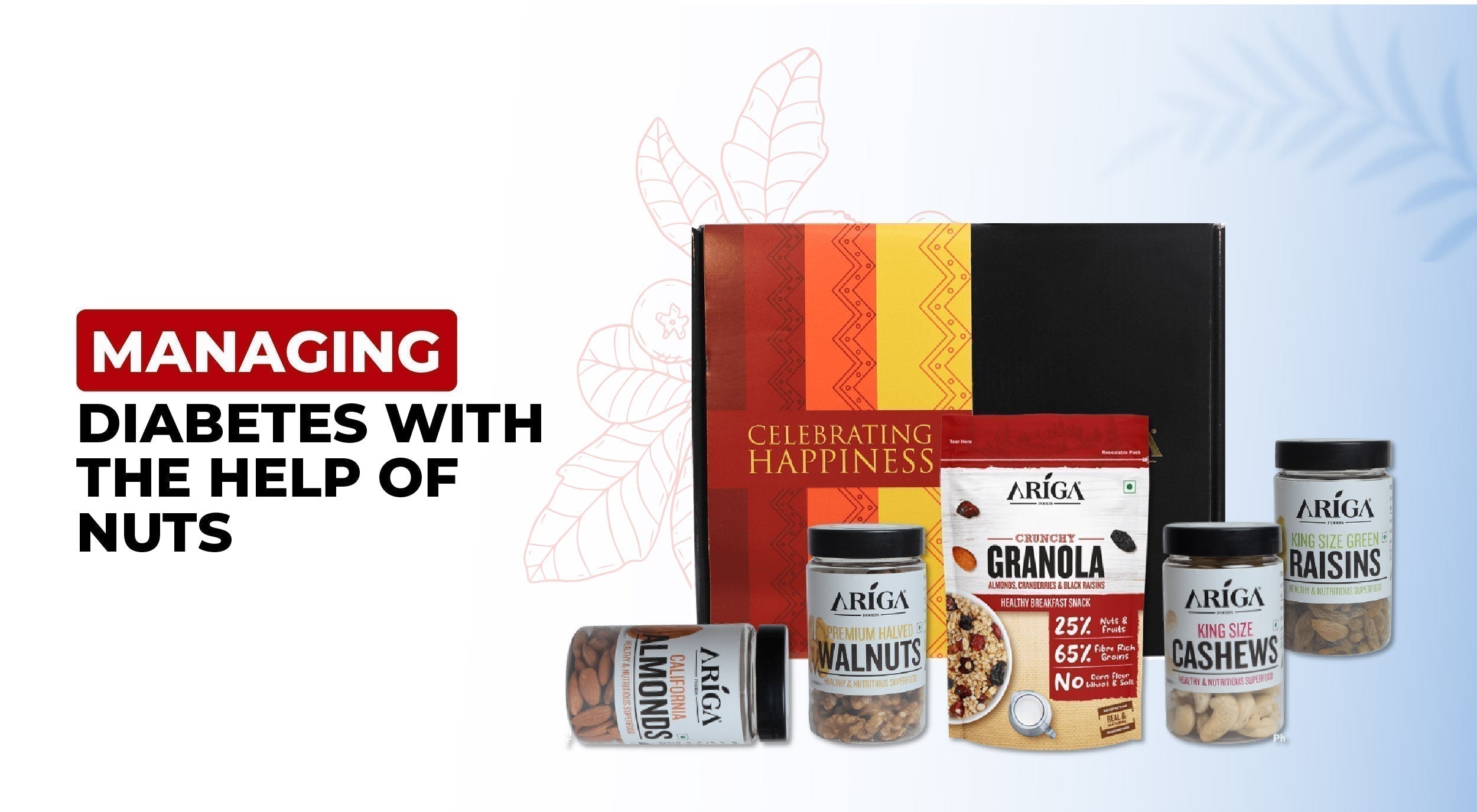
How Can Nuts Support Diabetes Management?
My father-in-law was diagnosed with type 2 diabetes about four years ago, and I remember the early months being a genuinely steep learning curve for the whole family, relearning what "a balanced plate" actually meant, checking labels for hidden sugars, and generally becoming far more thoughtful about food than any of us had been before.
Nuts came up early and often in his dietitian's guidance, not as a magic fix, but as a genuinely sensible, satisfying addition to his daily routine.
I want to walk through what her guidance actually was, and be honest about the nuance, since a couple of common assumptions about nuts and diabetes are not quite as simple as they first appear.
I am not a doctor or a dietitian myself, and nothing here should replace guidance from your father-in-law's, or your own, actual healthcare provider.
What I can share is what genuinely helped our family navigate this, grounded in what his dietitian told him directly.
Why Nuts Are Generally a Good Fit for Diabetes Management
Nuts bring a combination of qualities that make them a genuinely sensible choice for someone managing blood sugar.
Their healthy fats and fibre content slow down digestion, which helps prevent the sharp spikes in blood glucose that come from quickly digested, high-sugar foods.
Most nuts also sit relatively low on the glycemic index, meaning they have a fairly minimal direct impact on blood sugar when eaten in reasonable portions.
Beyond the direct blood sugar picture, nuts provide magnesium, which research has connected to improved insulin sensitivity, and vitamin E, an antioxidant that helps protect cells from the kind of oxidative damage that diabetes can accelerate over time. None of this means nuts treat or cure diabetes, they do not, but as part of a broader, medically guided approach, they are a genuinely reasonable food to lean on.
King Size Cashews
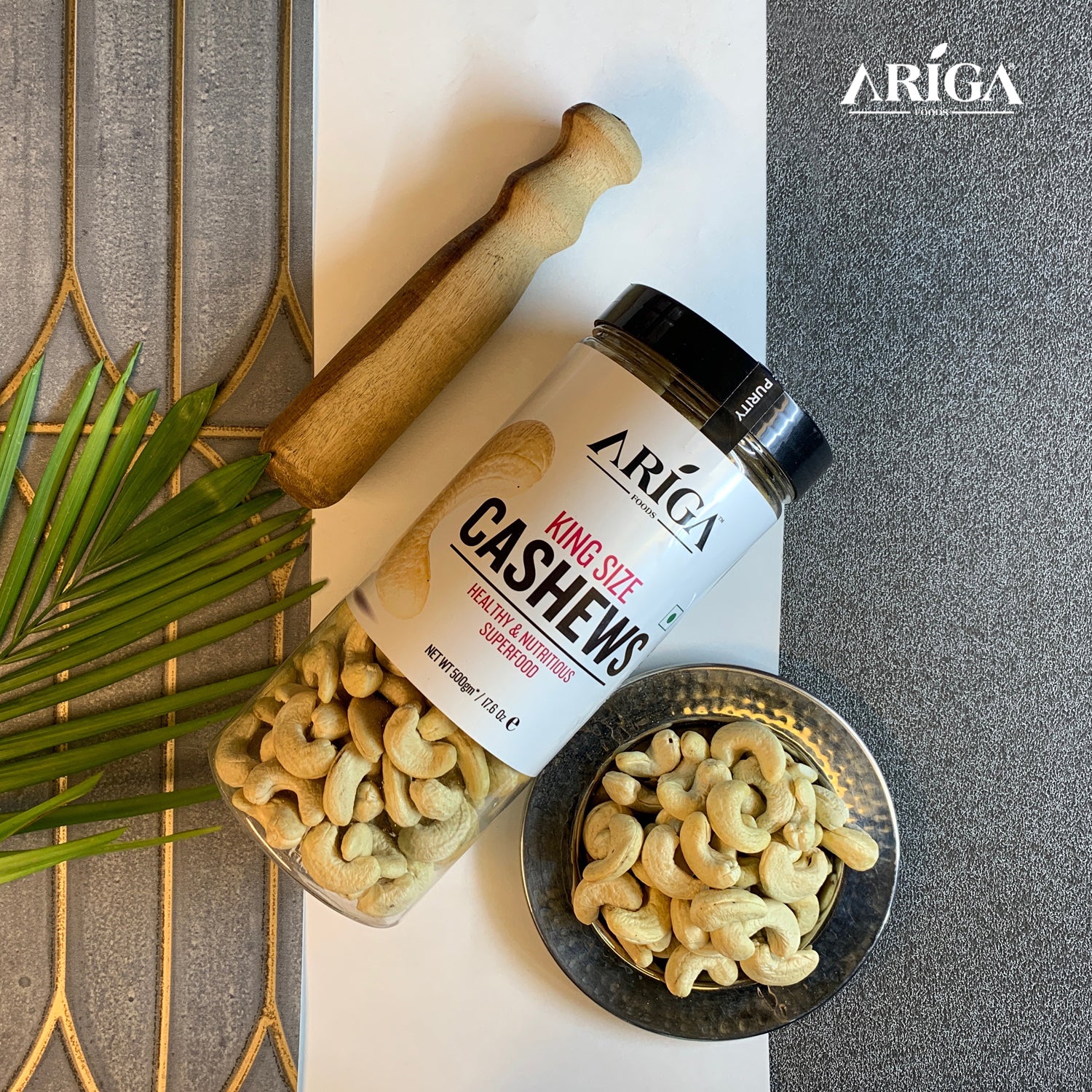
Cashews became a regular part of my father-in-law's routine fairly quickly, valued for their healthy fats, protein, and minerals, which together help reduce the overall glycemic load of a meal when eaten alongside other foods.
King Size Cashews specifically have become his go-to for exactly this reason, a satisfying snack that his dietitian was genuinely comfortable with eating regularly, in sensible portions.
King Size Raisins
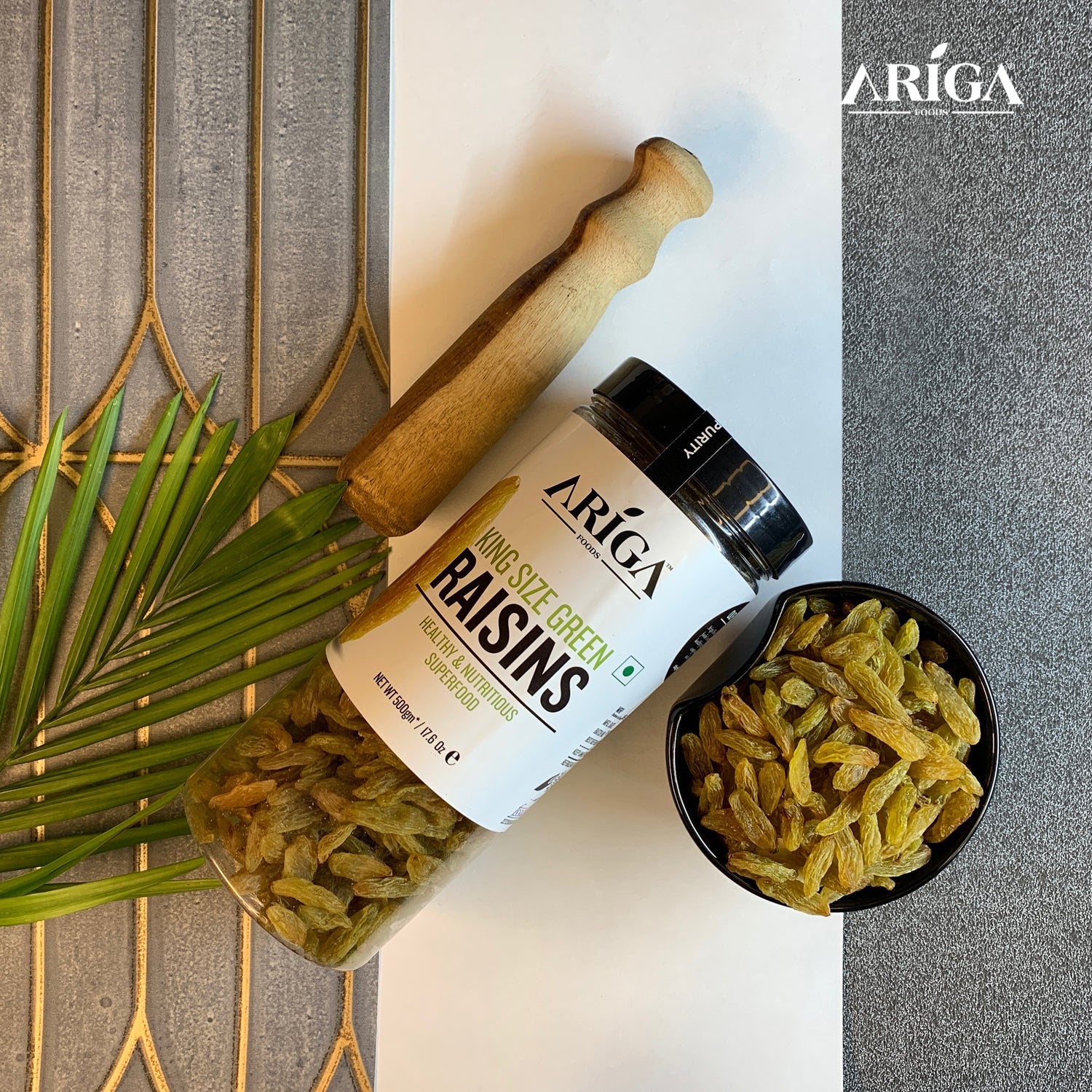
This is where I want to be honest about some real nuance. Raisins carry more natural sugar than most nuts, and it would be misleading to call them universally "diabetic-friendly" without a caveat.
That said, the actual research here is more encouraging than you might expect. Multiple studies have found raisins sit in a low-to-moderate glycemic index range, generally lower than their sweetness would suggest, and some research has even found raisins associated with modest improvements in post-meal blood sugar compared to other processed snacks of similar calorie content.
The key detail his dietitian emphasised repeatedly is portion size specifically, a small amount, around two tablespoons, works very differently in the body than a large handful eaten without much thought. King Size Raisins, eaten in that kind of moderate portion, have remained part of his routine, but he treats them with more portion discipline than the other nuts on this list.
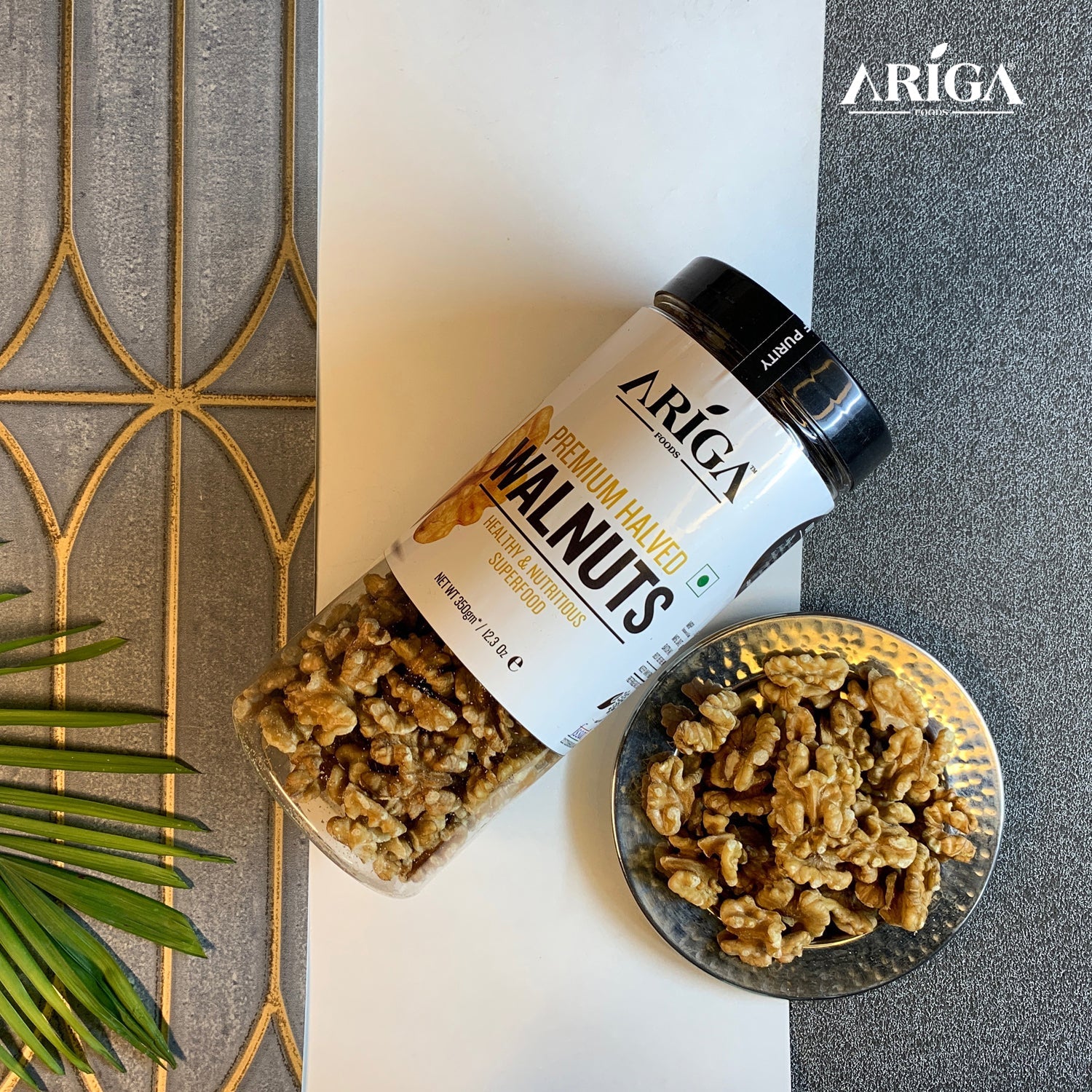
Premium Halved Walnuts
Walnuts earned a consistent place in his diet largely for their omega-3 content and the anti-inflammatory properties that come with it, which matter given that people managing diabetes often face elevated cardiovascular risk alongside their blood sugar concerns.
Premium Halved Walnuts became one of his most repeated snacks, and his dietitian specifically highlighted the heart health angle as a meaningful bonus on top of the blood sugar benefits.
Almonds
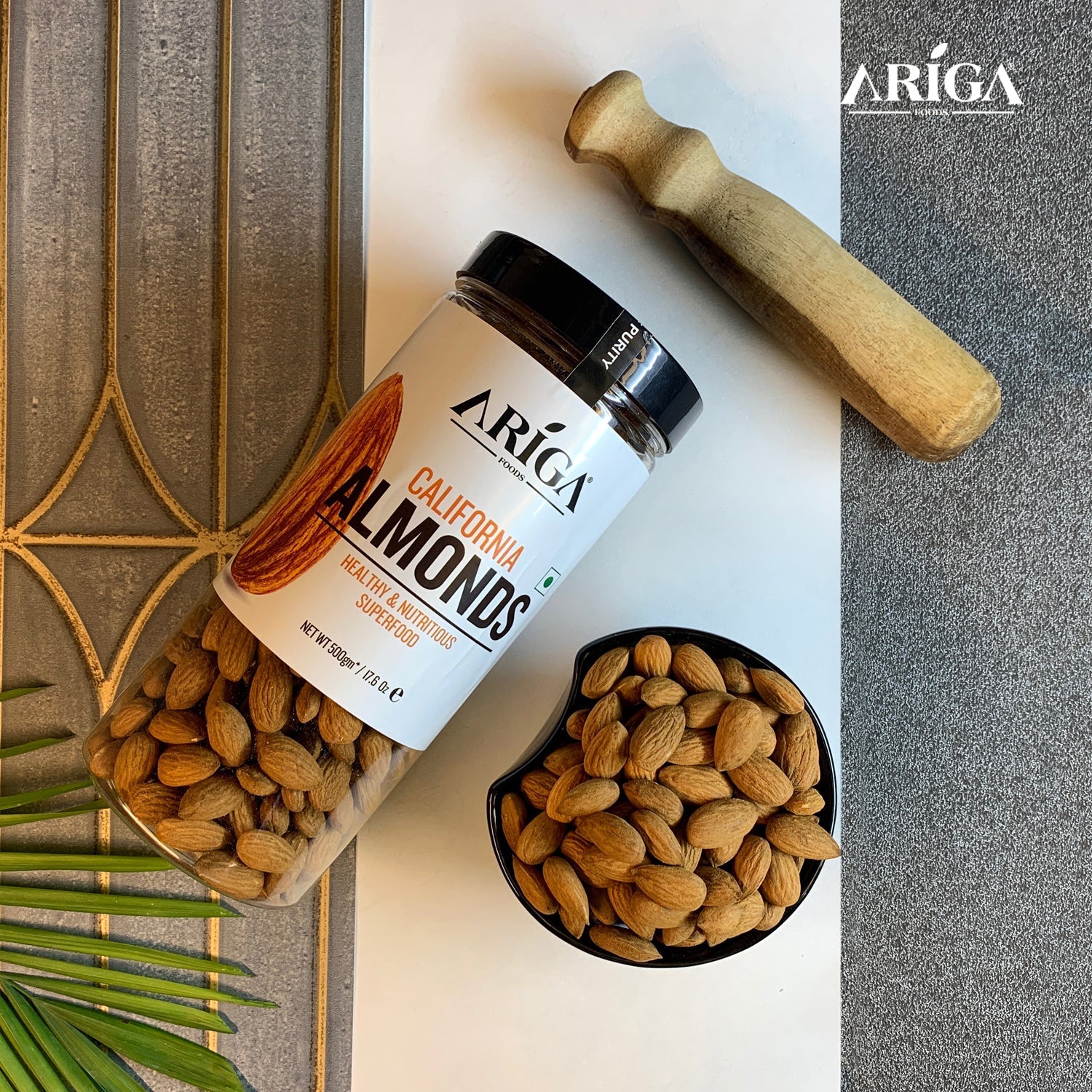
Almonds are a genuinely solid source of protein and fibre, both of which help slow the absorption of sugar into the bloodstream, along with a good amount of magnesium relevant to insulin function specifically.
Ariga Foods Almonds have become an everyday staple for him, eaten plain most mornings alongside his usual breakfast.
Roasted Salted Pistachios
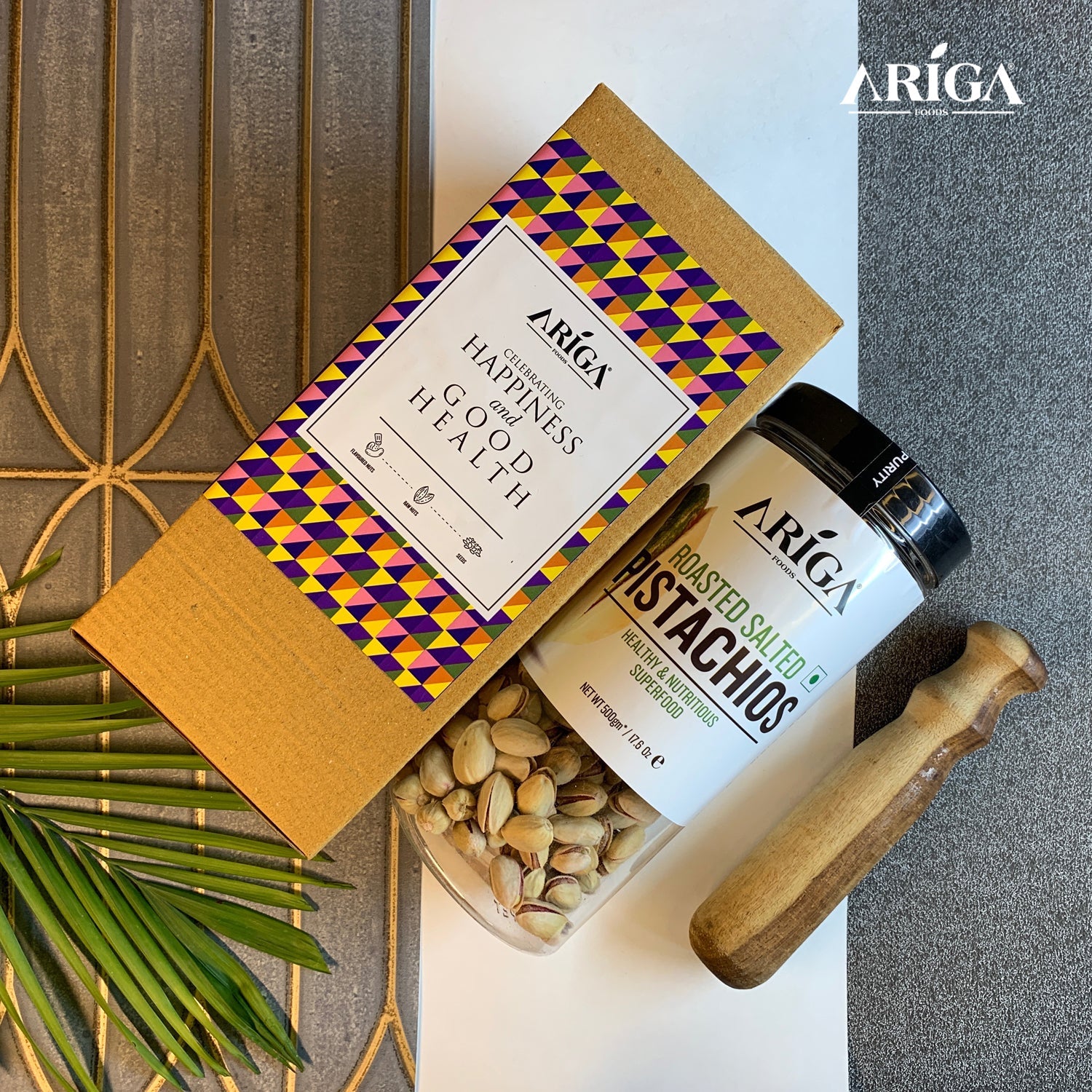
Pistachios stood out to his dietitian for a specific reason, their lower calorie count relative to other nuts, combined with a genuinely satisfying crunch that helps with the psychological side of snacking, feeling like you are eating something substantial without overdoing the calories.
Roasted Salted Pistachios have become his afternoon go-to, the snack that keeps him from reaching for something less appropriate when a craving hits.
Recipes That Have Become Regulars in His Routine
Walnut and Almond Smoothie
Soaked Premium Halved Walnuts and Almonds blended with unsweetened almond milk, chia seeds, and half a banana.
This has become his regular breakfast on busier mornings, satisfying enough to hold him over without the sugar spike a typical breakfast smoothie might carry.
Cashew and Pistachio Salad
Mixed greens topped with King Size Cashews, Roasted Salted Pistachios, cherry tomatoes, feta, and cucumber, dressed simply with olive oil and lemon juice.
This has become his regular lunch a few times a week, genuinely satisfying rather than feeling like diet food.
Raisin and Walnut Overnight Oats
Rolled oats soaked overnight in almond milk with a measured, modest portion of King Size Raisins, chopped Premium Halved Walnuts, and chia seeds.
This is the recipe where portion control matters most given the raisins, and he has gotten comfortable measuring rather than eyeballing the amount.
Almond and Cashew Energy Balls
Blended Almonds and King Size Cashews with dates, shredded coconut, and a touch of cocoa powder, rolled into small balls and refrigerated.
He treats these as an occasional treat rather than a daily habit, given the dates add a meaningful amount of natural sugar on top of the nuts.
What I Would Tell Anyone Navigating This
Nuts are a genuinely sensible addition to a diabetes-conscious diet, but they work as one supportive piece of a much larger, medically guided plan, not a standalone solution.
Portion size matters more than people often realise, especially with raisins specifically, and anyone managing diabetes should be working directly with a doctor or dietitian who can tailor recommendations to their individual blood sugar patterns and overall health picture, rather than following general advice, including this article, without that professional guidance alongside it.
What has genuinely helped our family is treating this as a long-term, sustainable set of habits rather than a strict regimen.
My father-in-law does not feel like he is constantly restricting himself, he has simply built a rotation of foods, nuts very much included, that happen to support what his body actually needs.
People Also Ask
Are nuts good for people with diabetes?
Yes, most nuts are considered a sensible choice for diabetes management due to their healthy fats, fibre, and generally low glycemic index, which help slow sugar absorption and reduce blood sugar spikes when eaten in reasonable portions.
Can people with diabetes eat raisins?
Yes, in moderation. Raisins have a low-to-moderate glycemic index despite their sweetness, and some research has even linked moderate raisin consumption to modest improvements in post-meal blood sugar. Portion control matters significantly here, with about two tablespoons being a reasonable serving.
How many nuts should a diabetic eat per day?
A small handful, roughly a quarter cup, is a commonly recommended portion for most nuts. Since nuts are calorie-dense, working with a doctor or dietitian to determine the right amount for your individual needs is recommended.
Which nut is considered best for blood sugar control?
Almonds and walnuts are frequently highlighted in research for their fibre, healthy fats, and magnesium content, all of which support blood sugar regulation. That said, a variety of nuts, eaten in appropriate portions, generally offers the most balanced benefit.
Can nuts alone manage or cure diabetes?
No, nuts and diet in general are one supportive piece of diabetes management, alongside medication where prescribed, regular physical activity, blood sugar monitoring, and ongoing guidance from a healthcare provider. No single food manages diabetes on its own.
Are flavored or salted nuts okay for diabetics?
Plain or lightly salted nuts without added sugar coatings are generally a better choice, since sweetened or honey-roasted varieties add extra sugar that can affect blood glucose more significantly. Check
Related Products


Ariga Foods King Size Premium Cashew Nuts 1kg | Dry Fruit Kaju 240 Grade
100% premium quality dry fruits Cashews 240 big size kaju nutritious food for healthy eating. Buy Cashew nuts (Kaju) online in India at Ariga Foo...
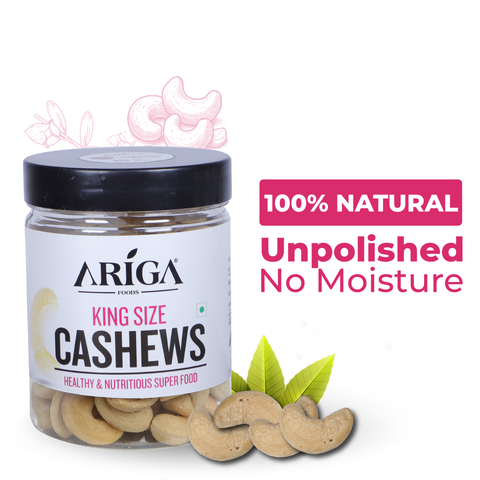

Ariga Foods King Size Premium Cashew Nuts 200g | Dry Fruit Kaju 240 Grade
100% premium quality dry fruits Cashews 240 big size kaju nutritious food for healthy eating. Buy Cashew nuts (Kaju) online in India at Ariga Foo...
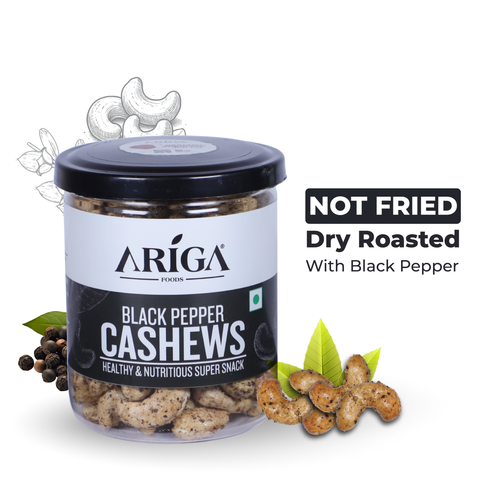

Black Pepper Cashews 200g | Roasted 100% Premium Kaju
'100% premium quality dry fruits roasted cashews sprinkled with black pepper kaalimirch from Ariga Foods. Dry roasted with no oil, these roasted ...
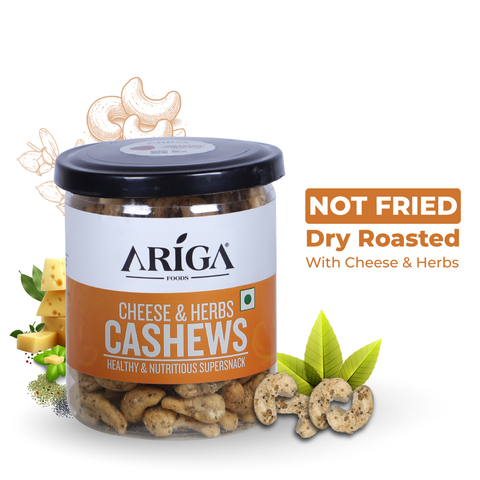

Cheese & Herbs Cashews 200g | Roasted 100% Premium Kaju
Ariga Foods premium quality roasted cashews with cheese & herbs are dry roasted with no oil. Crunchy and delicious dry fruit. Buy roasted and...
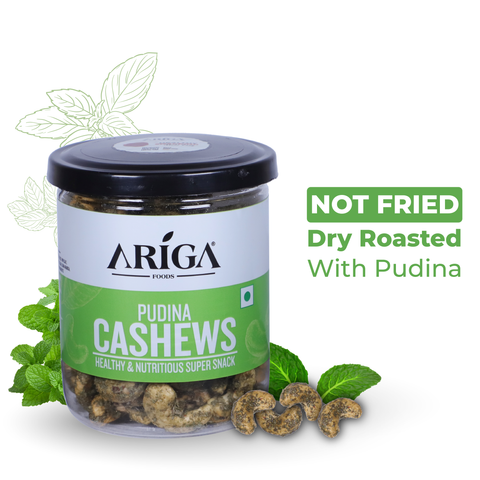

Pudina Cashews 200g | Roasted 100% Premium Kaju
Ariga Foods roasted salted cashews are toasted with dry pudina particals. This makes the roasted cashews tasy and crunchy. These cashew nuts are ...
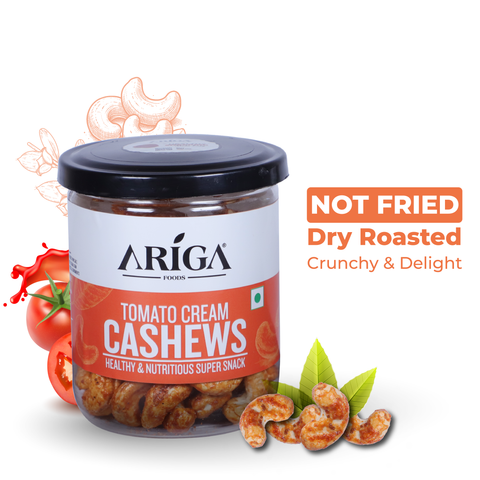

Tomato Cream Cashews 200g | Roasted 100% Premium Kaju
100% premium quality roasted and slated cashews toasted with real tomato and cream from Ariga Foods. Dry roasted cashews with no oil. Crunchy and...


Ariga Foods Premium California Almonds 1kg
100% premium quality dry fruits badam giri from Ariga Foods, sourced from California, USA. Buy California Almonds (Badaam) online in India at Ari...
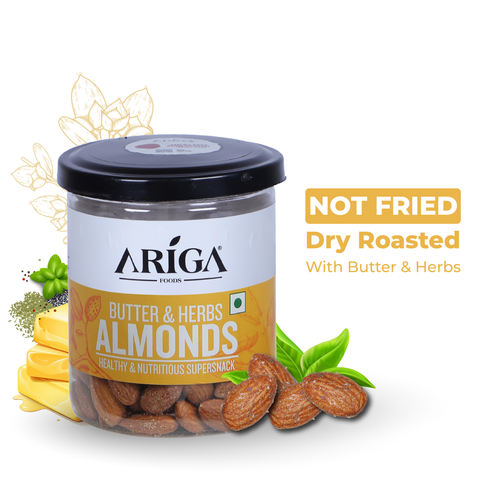

Butter & Herbs Almonds 200g | Roasted 100% Premium Badam
100% premium quality dry fruits roasted almonds toasted with butter & herbs from Ariga Foods. Dry roasted with no oil, these nutrition roast...
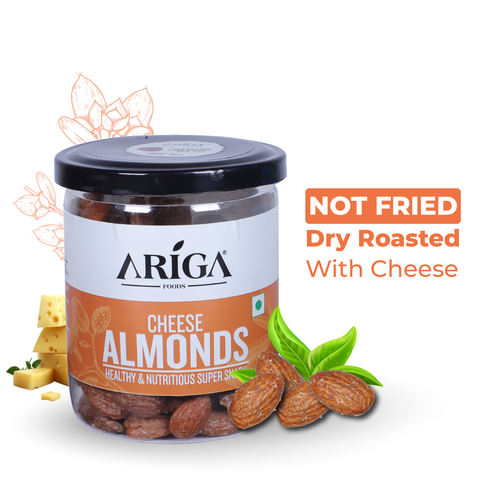

Cheese Almonds 200g | Roasted 100% Premium Badam
Ariga Foods dry fruits roasted almonds are wrapped with cheese. 100% premium quality badam. These nutrition roasted almonds are crunchy and delic...
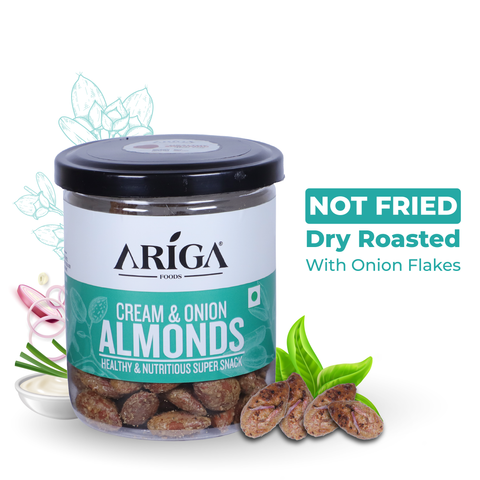

Cream & Onion Almonds 200g | Roasted 100% Premium Badam
100% premium quality dry fruits roasted almonds with cream & onion from Ariga Foods. Dry roasted almonds with no oil. Crunchy and delicious. N...
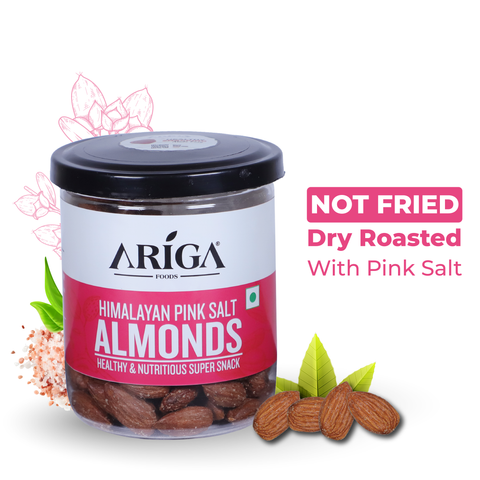

Himalayan Pink Salt Almonds 200g | Roasted 100% Premium Badam
100% premium quality dry fruits roasted almonds with pink salt from Ariga Foods, dry roasted with no oil. Crunchy and delicious. Buy roasted almo...
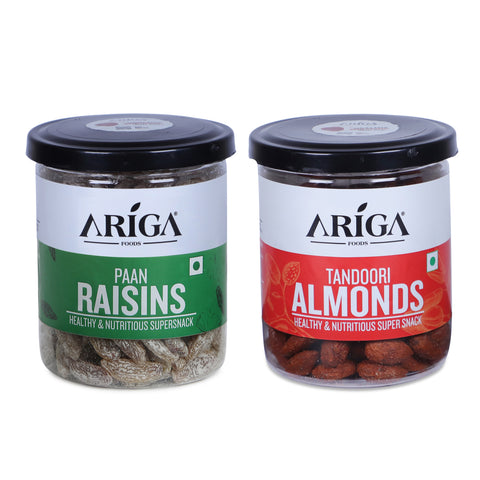

Tandoori Almonds 200g + Paan Raisins 250g (Dry Fruits Combo Pack 450g)
100% premium quality product from Ariga Foods. Ariga Tandoori Almonds and Paan Long Rasins are flavoured with Tandoori Masala and Paan flavour res...
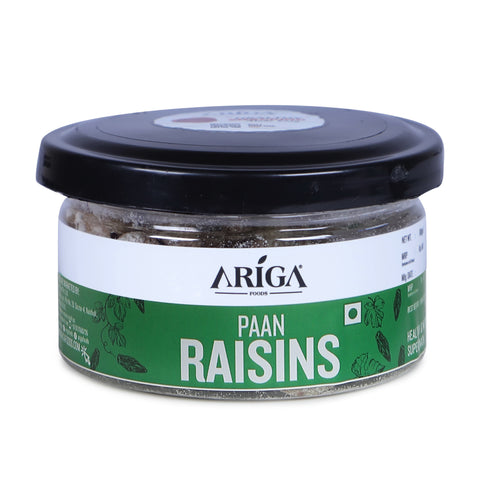

Paan Raisins 100g | Premium Long Green Kishmish
100% premium quality product from Ariga Foods. Ariga Paan Raisins are consumed as supersnack as they are the best replacement for junk food. Pac...
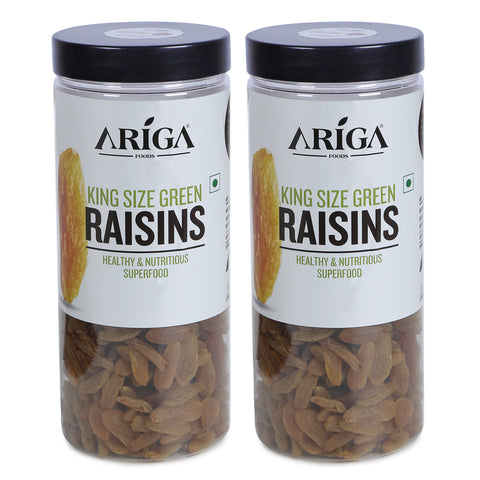

Premium Green Raisins 1kg
100% premium quality raisins kismis. Long size green raisins dry fruit, best replacement for junk food. Buy Indian raisins online at Ariga Foods....
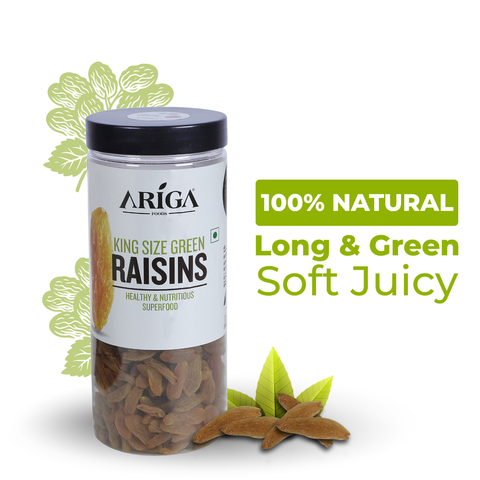

Premium Green Raisins 500g
100% premium quality raisins kismis. Long size green raisins dry fruit, best replacement for junk food. Buy Indian raisins online at Ariga Foods....
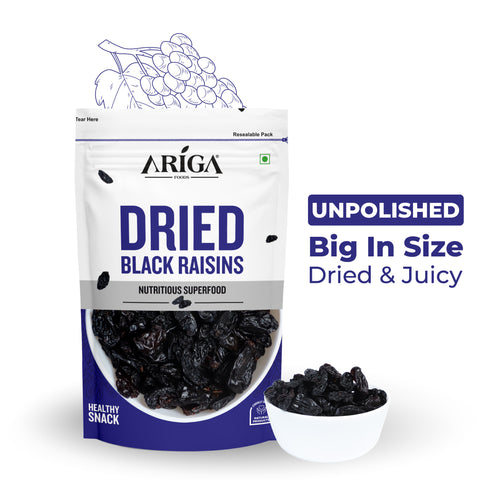

Premium Afghani Black Raisins 200g | Ariga Foods
100% premium quality black raisins. Healthy alternative to processed food and snacks. Buy black raisins online at Ariga Foods. They are also know...
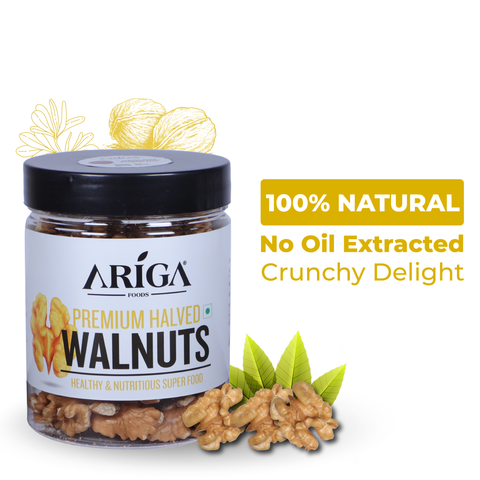

Ariga Foods Premium Halved Walnuts 150g
100% premium quality walnuts akhrot giri, without shell halved walnuts consumed as supersnack. Premium quality walnut kernels- Crunchy & Deli...
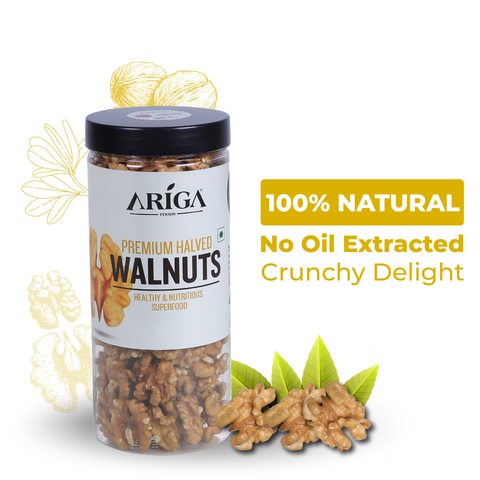

Ariga Foods Premium Halved Walnuts 350g
100% premium quality walnuts akhrot giri, without shell halved walnuts consumed as supersnack. Premium quality walnut kernels- Crunchy & Deli...
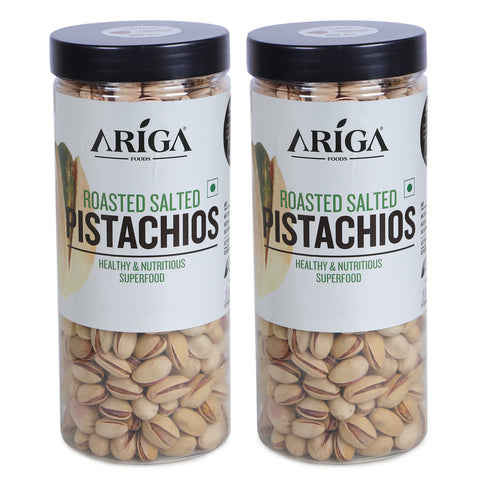

Premium Roasted & Salted Pistachios 1kg
100% premium quality pista dry fruits. Roasted & salted pistachios, consumed as supersnack. Buy Pistachio nuts (Pista) online in India at Arig...
About Us
Ariga Foods is the innovative Retail and B2B brand by Ariganic Food Pvt. Ltd. Our vision is to make Superfood convenient and tasty for every household around the world.
Read moreSUBSCRIBE & FOLLOW
TAG CLOUD