
How Can Cashews Revitalize Your Hair and Scalp Health?
My hairdresser has been cutting my hair for almost eight years now, and a couple of years ago, during one of our usual appointments, she made an offhand comment that stuck with me.
She said my hair had started looking noticeably thinner and duller compared to a year before, and asked, half-joking, whether I had been eating properly.
I brushed it off at first, the way you do, but it planted a seed, and I ended up going down a small research rabbit hole afterward, trying to understand what my diet actually had to do with my hair.
Cashews came up a lot in that research, and I want to be upfront about something before going any further.
Most of what you will find online about "cashew oil for hair" is talking about a pressed, topical oil, applied directly to the scalp, which is a genuinely different product from the roasted cashews most of us actually eat.
I do not have access to cold-pressed cashew oil in my kitchen, and honestly, neither do most people. What I do have, and what actually changed something for me, is eating cashews regularly as part of my diet.
I want to walk through both sides of this honestly, since I think a lot of articles blur the line between the two in a way that is not entirely fair to the reader.
Cashew Oil, the Topical Product, Briefly
Cold-pressed cashew nut oil does exist as a specialty product, sold mainly through beauty and wellness retailers rather than food brands, and it gets used topically, massaged into the scalp much like coconut or almond oil.
Anecdotally, people describe it as moisturising, good for taming frizz, and useful for a dry, itchy scalp, largely thanks to its oleic and linoleic acid content along with vitamin E.
I want to be honest though, the actual clinical research on cashew oil specifically for hair growth is thin. Most of what is written about it online is based on tradition and anecdote rather than controlled studies, which is worth knowing if you go looking for it.
If topical oil is genuinely what you are after, that is a different product entirely from the roasted cashews sold for snacking, and worth keeping separate in your head, and your shopping cart.
What Eating Cashews Actually Does for Hair, and Why That Is the More Relevant Story for Most of Us
This is the part that is actually more directly useful for how most people, myself included, engage with cashews day to day. Hair is made largely of a protein called keratin, and building healthy keratin depends on a decent supply of protein and specific minerals in your diet. Cashews contribute meaningfully here in a few specific ways.
Copper for Colour and Strength
Cashews are one of the better dietary sources of copper, a mineral involved in melanin production, the pigment responsible for hair colour.
Copper deficiency has actually been linked in some research to premature greying, and while eating more cashews will not reverse grey hair that has already come in, ensuring you are not deficient in copper is a reasonable, low-effort part of supporting your hair's natural pigmentation process over time.
Zinc for Follicle Health
Zinc, another mineral cashews provide a decent amount of, plays a role in hair tissue growth and repair, and zinc deficiency has been associated with hair thinning and shedding in some studies.
Again, this is not a dramatic fix, but a diet that includes zinc-rich foods like cashews is one small, sensible piece of supporting healthy hair follicles from the inside.
Healthy Fats for Scalp Moisture
The monounsaturated and polyunsaturated fats in cashews contribute to your body's overall fat intake, which plays a role in maintaining the natural oils your scalp produces on its own.
A scalp that is well nourished from a dietary standpoint tends to hold moisture better, which can show up as less dryness and flaking over time, though this is a slow, cumulative effect rather than something you would notice within days.
Vitamin E and Protein for Overall Resilience
Cashews also provide a reasonable amount of vitamin E, an antioxidant that supports scalp circulation, along with plant-based protein that contributes to the raw material your body needs to keep producing healthy hair strands.
None of these nutrients work in isolation, and none of them will transform your hair overnight, but together they form a reasonably solid case for cashews as a sensible addition to a hair-conscious diet.
How I Actually Started Eating More Cashews
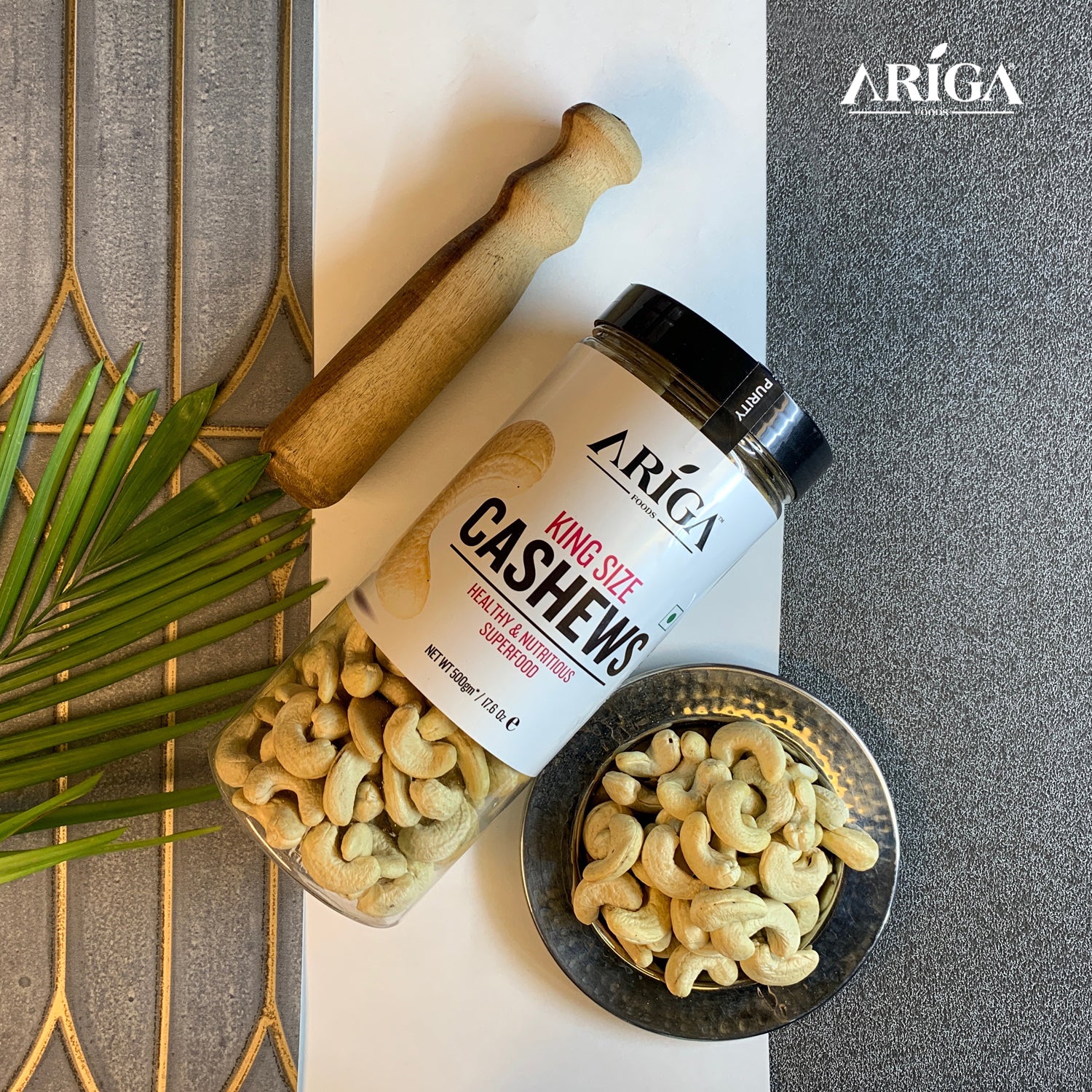
I did not turn this into anything complicated. A small daily handful of King Size Cashews became my go-to, plain, unsalted, and eaten mostly on their own between meals.
On days I wanted more flavour, I started keeping Cheese & Herbs Cashews around as a treat rather than an everyday habit, since the added salt and seasoning make them better suited to occasional snacking than daily consistency.
For cooking, I lean on Pudina Cashews fairly often now, stirred into a simple rice dish with sautéed onion, garlic, and cumin, which has become one of my regular weeknight sides.
On weekends, a tomato cream cashew pasta, made using Tomato Cream Cashews blended into a rich sauce with a bit of cream and garlic, has become an indulgent but genuinely enjoyable way to use them in cooking rather than just snacking.
Being Honest About the Timeline
Hair grows slowly, and any dietary change, cashews included, takes months rather than weeks to show up in any visible way, simply because of how the hair growth cycle works.
I did not notice a dramatic difference within a few weeks of eating more cashews, and I would be cautious of anyone who claims they did. What I did notice, several months in, alongside other changes like managing stress better and being more consistent about sleep, was that my hairdresser stopped commenting on dullness at our appointments.
I cannot credit that entirely to cashews, and I do not think anyone honestly could, but it became one comfortable, sustainable piece of a broader routine that seemed to help.
If you are dealing with noticeable hair thinning, sudden hair loss, or scalp issues that go beyond general dullness or dryness, that is genuinely worth a conversation with a dermatologist rather than something to address through diet alone.
Nutrition can support healthy hair, but it is not a substitute for medical care when something more significant is going on.
People Also Ask
Does eating cashews actually help hair growth?
Cashews provide nutrients like copper, zinc, protein, and vitamin E, all of which play supporting roles in healthy hair growth and pigmentation. They are not a dramatic fix on their own, but a diet that includes them can be a reasonable, low-effort part of supporting hair health over time.
Is cashew oil for hair the same as eating cashews?
No, these are genuinely different things. Cashew oil is a cold-pressed, topical product applied directly to the scalp and hair, while eating cashews provides nutritional benefits from within. The topical oil is a specialty product with fairly limited clinical research behind it, while eating cashews is more directly tied to research on nutrients like zinc, copper, and protein supporting hair health.
Can copper deficiency cause grey hair?
Some research has linked low copper levels to premature greying, since copper plays a role in melanin production. Eating copper-rich foods like cashews will not reverse existing grey hair, but maintaining adequate copper intake is one small part of supporting your hair's natural pigmentation process.
How many cashews should I eat daily for hair health benefits?
A small handful, roughly a quarter cup or about thirty grams, is a reasonable daily amount. Since cashews are calorie-dense, this should be eaten as part of an overall balanced diet rather than in large, unlimited quantities.
How long does it take to see hair benefits from dietary changes?
Because hair grows slowly, dietary changes typically take several months to show any visible effect, if any at all, since it takes time for the hair growth cycle to reflect changes in nutrition. Patience and consistency matter more than any single food.
Should I see a doctor for hair thinning instead of relying on diet?
Yes, if you are experiencing noticeable hair thinning, sudden hair loss, or ongoing scalp issues, it is worth consulting a dermatologist rather than relying on dietary changes alone. Diet can support healthy hair, but it cannot replace proper medical evaluation when something more significant may be happening.
Related Products


Ariga Foods King Size Premium Cashew Nuts 1kg | Dry Fruit Kaju 240 Grade
100% premium quality dry fruits Cashews 240 big size kaju nutritious food for healthy eating. Buy Cashew nuts (Kaju) online in India at Ariga Foo...
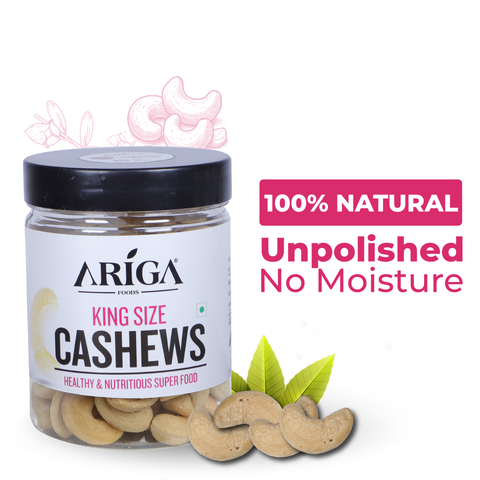

Ariga Foods King Size Premium Cashew Nuts 200g | Dry Fruit Kaju 240 Grade
100% premium quality dry fruits Cashews 240 big size kaju nutritious food for healthy eating. Buy Cashew nuts (Kaju) online in India at Ariga Foo...
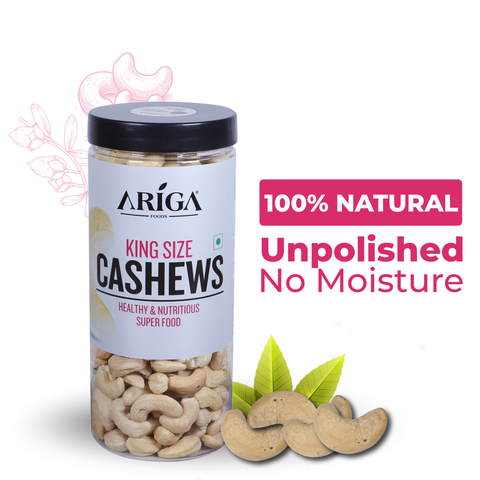

Ariga Foods King Size Premium Cashew Nuts 500g | Dry Fruit Kaju 240 Grade
100% premium quality dry fruits Cashews 240 big size kaju nutritious food for healthy eating. Buy Cashew nuts (Kaju) online in India at Ariga Foo...
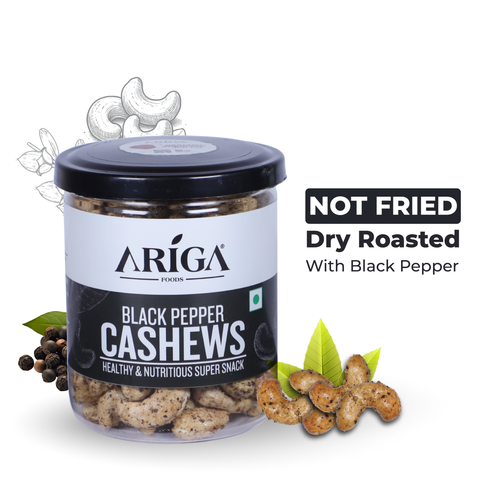

Black Pepper Cashews 200g | Roasted 100% Premium Kaju
'100% premium quality dry fruits roasted cashews sprinkled with black pepper kaalimirch from Ariga Foods. Dry roasted with no oil, these roasted ...
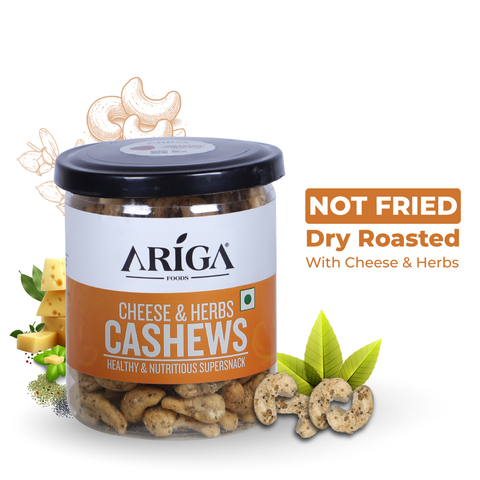

Cheese & Herbs Cashews 200g | Roasted 100% Premium Kaju
Ariga Foods premium quality roasted cashews with cheese & herbs are dry roasted with no oil. Crunchy and delicious dry fruit. Buy roasted and...
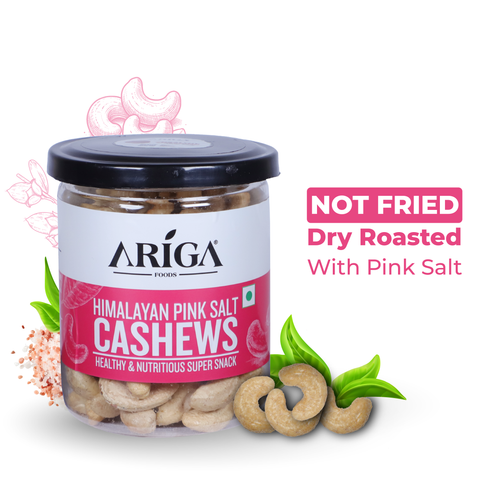

Himalayan Pink Salt Cashews 200g | Roasted 100% Premium Kaju
Ariga Foods 100% premium quality dry fruits roasted cashews with pink salt for healthy eating. Big size kaju crunchy and nutritious. Buy roasted ...


Premium Nuts & Berries Mix 200g | Trail Mix 8 in 1 | Ariga Foods
100% premium quality trail mix nuts and berries from Ariga Foods. Healthy alternative to processed food and snacks. Buy trail mix online, Nuts &a...
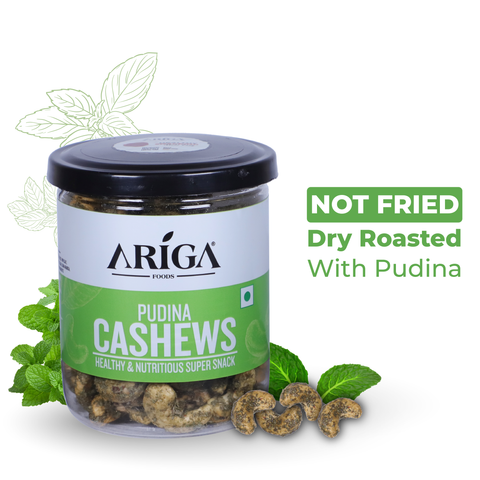

Pudina Cashews 200g | Roasted 100% Premium Kaju
Ariga Foods roasted salted cashews are toasted with dry pudina particals. This makes the roasted cashews tasy and crunchy. These cashew nuts are ...
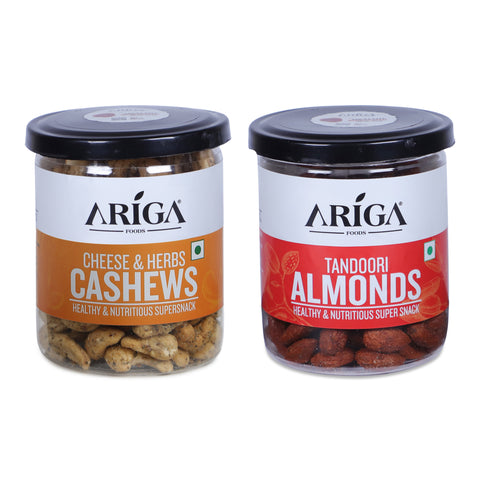

Tandoori Almonds 200g + Cheese & Herbs Cashews 200g (Dry Fruits Combo Pack 400g)
100% premium quality product from Ariga Foods. Ariga Tandoori Almonds and Cheese & Herbs Cashews are flavoured with Tandoori Masala and Cheese ...
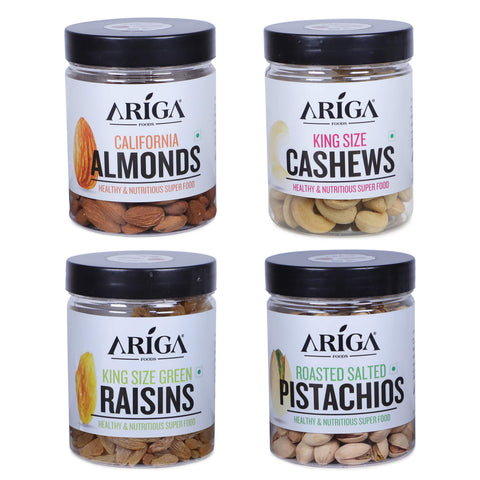

Ariga Foods Dry Fruits Combo | 100% Premium California Almonds, Cashews (W240), Raisins (Long), Pistachios 850g | For Family, Friend, Coporates | Ariga Foods | Mixed Nuts
100% natural premium quality Dry Fruits consumed as Super Snack. A combo pack of California Almonds- 200g, Cashews- 200g, Raisins-250g, Pistachios-...
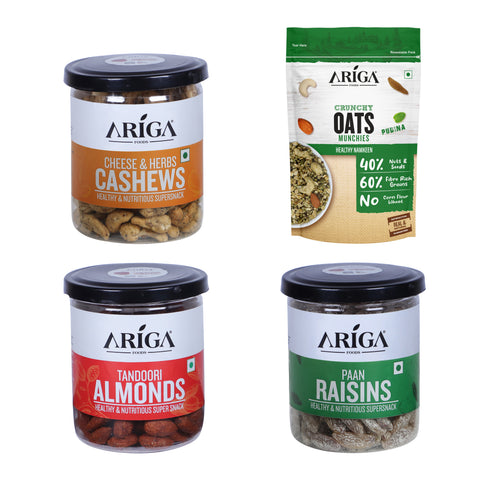

Ariga Foods Cheese & Herbs Cashews, Oats Pudina, Tandoori Almonds & Paan Raisins | Combo Pack of 4
100% premium quality combo pack of 4- Cheese & Herbs Cashews, Crunchy Oats Pudina, Tandoori Almonds and Paan Raisins from Ariga Foods. Healhty,...
About Us
Ariga Foods is the innovative Retail and B2B brand by Ariganic Food Pvt. Ltd. Our vision is to make Superfood convenient and tasty for every household around the world.
Read moreSUBSCRIBE & FOLLOW
TAG CLOUD