

How Are Watermelon Seeds Beneficial?
My grandmother used to save watermelon seeds every summer, drying them on a cloth in the sun before roasting and salting them herself.
I always assumed this was just a thrifty, old-fashioned habit, nothing I needed to take seriously as an adult with easy access to packaged snacks.
It was only after my own doctor mentioned watermelon seeds in passing during a conversation about blood sugar-friendly snacks that I went back and actually looked into what my grandmother had been onto all along.
Rich in Essential Nutrients, Genuinely
Watermelon seeds carry a surprisingly complete nutritional profile for something most of us spend our lives spitting out.
Protein, healthy fats, vitamins, and minerals all show up in meaningful amounts, which is part of why they have quietly made a comeback as a legitimate snack rather than a watermelon-eating inconvenience.
A Genuine Plant-Based Protein Source
Protein is essential for muscle repair, immune function, and general body maintenance, and watermelon seeds offer a genuinely solid plant-based contribution here, more than their small size would suggest.
For anyone looking to diversify where their protein comes from, these seeds are a convenient, if underused, option.
Heart-Healthy Fats
The fats in watermelon seeds are predominantly monounsaturated and polyunsaturated, the kind generally associated with supporting cardiovascular health and helping maintain healthier cholesterol levels when they replace less beneficial fats in the diet.
Fiber for Digestive Health
Watermelon seeds carry a meaningful fibre content, supporting regular digestion and helping prevent constipation.
A diet consistently rich in fibre also supports weight management and a healthier gut microbiome over time, benefits that build up gradually rather than from a single serving.
Antioxidant Protection
These seeds carry antioxidants that help the body manage oxidative stress, the kind of cellular damage linked over time to chronic disease and visible ageing.
This is a supportive, broad-pattern benefit rather than a guarantee against any specific condition, but it is a genuinely useful piece of a balanced diet.
A Genuine Spread of Minerals
Watermelon seeds bring magnesium, iron, zinc, and phosphorus, each doing distinct work in the body, magnesium for muscle and nerve function, iron for oxygen transport in the blood, zinc for immune function, and phosphorus for bone health.
This combination is genuinely more complete than people expect from such a small seed.
The Blood Sugar Question, Handled Honestly
This is the specific claim that first brought me back to this topic, and I want to be precise about it rather than overstating it. Some research, largely in animal studies and a smaller number of early human trials, has suggested certain compounds in watermelon seeds may support insulin release and contribute to healthier blood sugar regulation.
This is genuinely promising, but the research base remains preliminary, and I would not want anyone to read this and think watermelon seeds are a treatment for diabetes or a substitute for medical guidance.
What is more broadly established is that watermelon seeds have a low glycemic load, carrying protein and healthy fats that help slow digestion and avoid the kind of sharp blood sugar spike that quickly digested carbohydrates can cause.
That combination, low glycemic impact plus genuine nutritional substance, is a reasonable, evidence-informed reason to consider them as part of a blood sugar-conscious diet, alongside, not instead of, whatever your doctor has actually recommended.
Versatile in the Kitchen
Beyond the nutrition profile, watermelon seeds are genuinely easy to work into daily eating, sprinkled raw over a salad, stirred into yogurt, blended into a smoothie, or simply roasted and eaten on their own the way my grandmother always did.
That versatility is a big part of why they have become a genuine habit for me rather than a passing experiment.
What I Would Tell Anyone Reading This
My grandmother was not chasing a nutrition trend, she was just making use of something that would otherwise go to waste, and it turns out the science has quietly caught up to validate a habit she never needed convincing about.
Watermelon seeds are a genuinely well-rounded addition to a daily diet, protein, healthy fats, fibre, antioxidants, and a broad mineral spread, with an interesting, still-developing research angle around blood sugar worth knowing about rather than relying on outright.
People Also Ask
Are watermelon seeds actually beneficial to eat?
Yes, watermelon seeds offer a genuinely well-rounded nutritional profile, including protein, healthy fats, fiber, antioxidants, and minerals like magnesium, iron, zinc, and phosphorus.
Can watermelon seeds help manage blood sugar?
Some early research suggests certain compounds in watermelon seeds may support healthier blood sugar regulation, though this evidence is still preliminary. Their low glycemic load and protein and fat content do make them a reasonable snack choice for blood sugar-conscious eating, as one part of a broader approach rather than a treatment.
What minerals are found in watermelon seeds?
Watermelon seeds contain magnesium, iron, zinc, and phosphorus, supporting muscle and nerve function, oxygen transport, immune function, and bone health respectively.
How can watermelon seeds be added to a daily diet?
Watermelon seeds can be sprinkled over salads or yogurt, blended into smoothies, or roasted and eaten on their own, making them easy to incorporate into various meals throughout the day.
Do watermelon seeds support digestive health?
Yes, their fiber content supports regular digestion and can help prevent constipation, contributing to overall digestive wellness as part of a balanced diet.
Should I eat watermelon seeds if I have diabetes?
Watermelon seeds have a low glycemic load and may be a reasonable snack choice for blood sugar-conscious eating, but anyone managing diabetes should consult their doctor before making significant dietary changes rather than relying on any single food.
Related Products
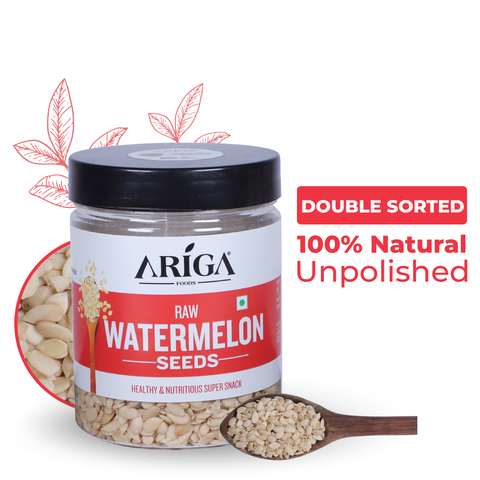

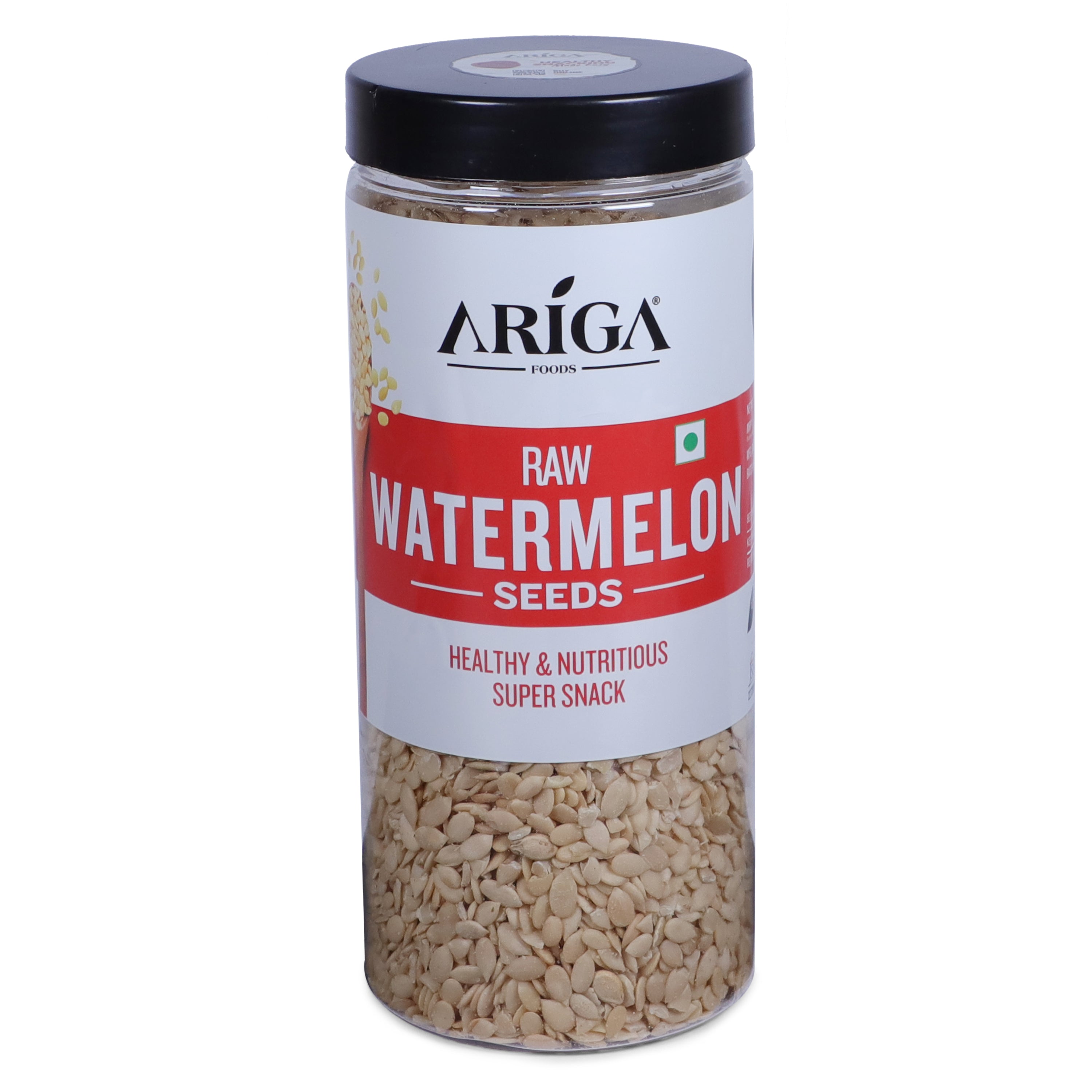
Raw Watermelon Seeds 200g | 100% Premium Quality
Ariga Foods premium quality raw watermelon seeds are great for hair and skin. Buy watermelon seeds online at Ariga Foods. Eating watermelon seeds...
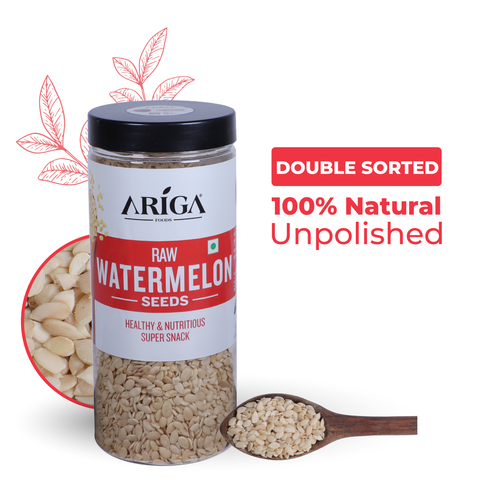

Raw Watermelon Seeds 500g | 100% Premium Quality
Ariga Foods premium quality raw watermelon seeds are great for hair and skin. Buy watermelon seeds online at Ariga Foods. Eating watermelon seeds...
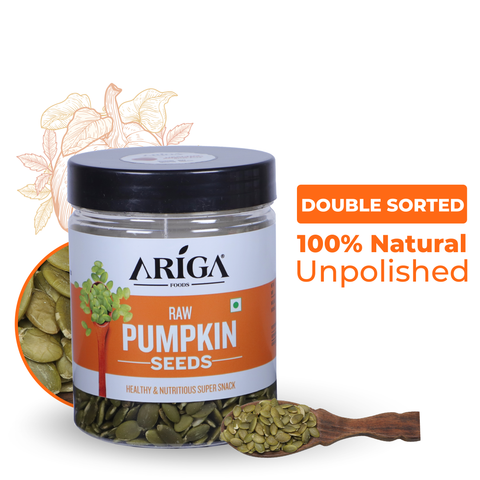

Ariga Foods Raw Pumpkin Seeds 200g | Premium Quality
Ariga Foods premium quality raw pumpkin seeds helps weight management. Buy pumpkin seeds online at Ariga Foods. An ideal snack and ingredient for...


Ariga Foods Raw Pumpkin Seeds 500g | Premium Quality
Ariga Foods premium quality raw pumpkin seeds helps weight management. Buy pumpkin seeds online at Ariga Foods. An ideal snack and ingredient for...
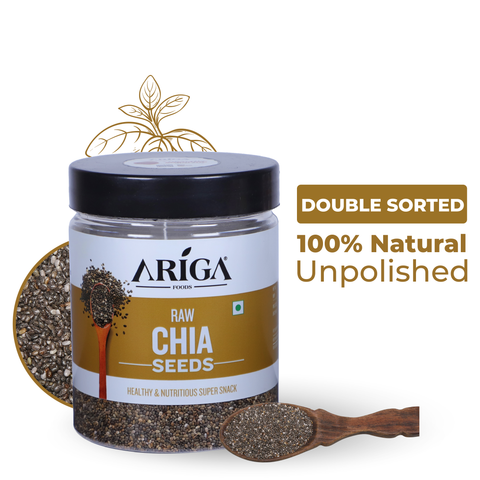

Raw Chia Seeds 250g | 100% Premium Quality
Ariga Foods premium quality chia seeds are double sortex and sorted with perfection. Benefits of Chia seeds for eating are they are good for dige...
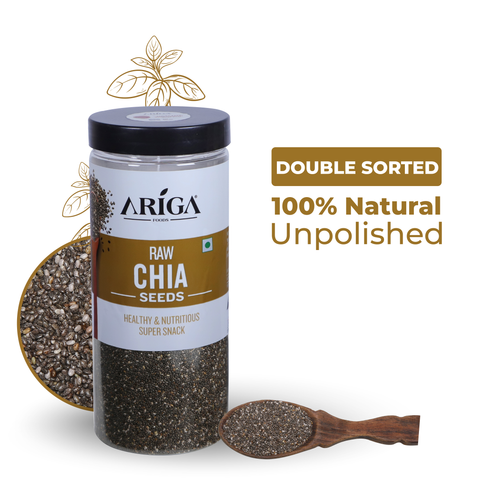

Raw Chia Seeds 500g | 100% Premium Quality
Ariga Foods premium quality chia seeds are double sortex and sorted with perfection. Benefits of Chia seeds for eating are they are good for dige...
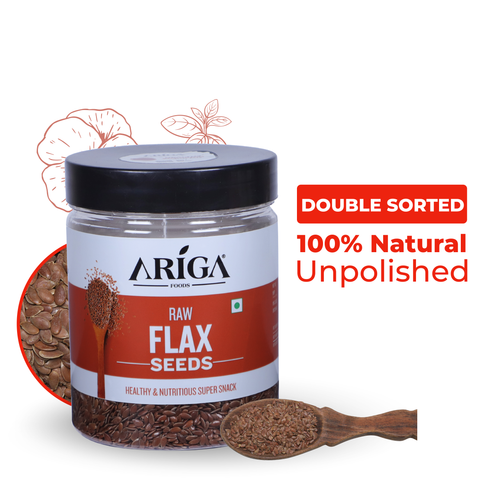

Raw Flax Seeds 200g | 100% Premium Quality Alsi
100% premium quality raw flax seeds alsi from Ariga Foods for weight loss. Buy flax seeds online at Ariga Foods. Crunchy and delicious alsi. Flax...
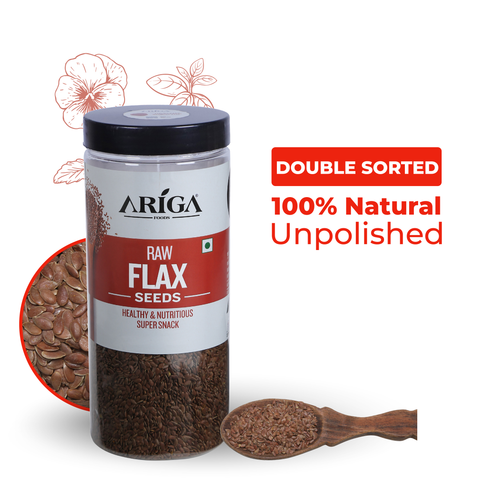

Raw Flax Seeds 500g | 100% Premium Quality Alsi
100% premium quality raw flax seeds alsi from Ariga Foods for weight loss. Buy flax seeds online at Ariga Foods. Crunchy and delicious alsi. Flax...
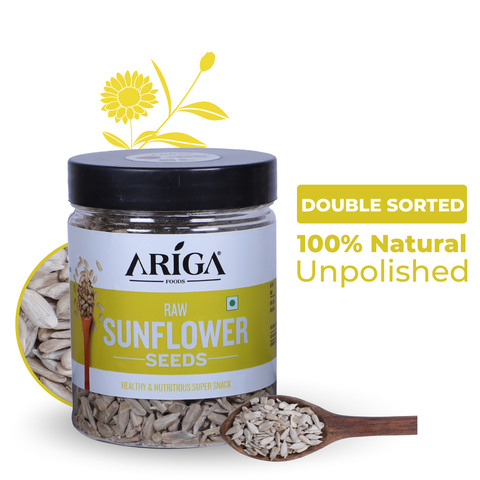

Raw Sunflower Seeds 200g | 100% Premium Quality
100% premium quality raw sunflower seeds from Ariga Foods, sourced from the farmers and carefully selected to the highest quality. Benefits of su...
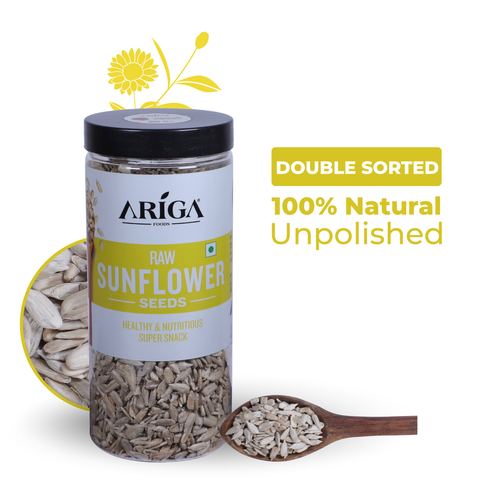

Raw Sunflower Seeds 500g | 100% Premium Quality
100% premium quality raw sunflower seeds from Ariga Foods, sourced from the farmers and carefully selected to the highest quality. Benefits of su...
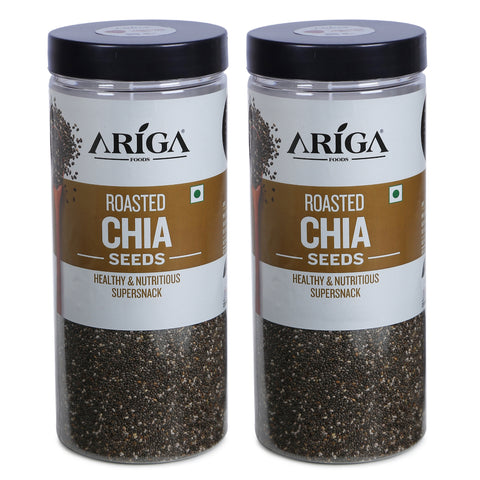

Roasted Chia Seeds 1kg | 100% Premium Quality
Ariga Foods premium quality roasted chia seeds are roasted with perfection without oil. Benefits of chia seeds is they help you in weight managem...


Roasted Chia Seeds 500g | 100% Premium Quality
Ariga Foods premium quality roasted chia seeds are roasted with perfection without oil. Benefits of chia seeds is they help you in weight managem...
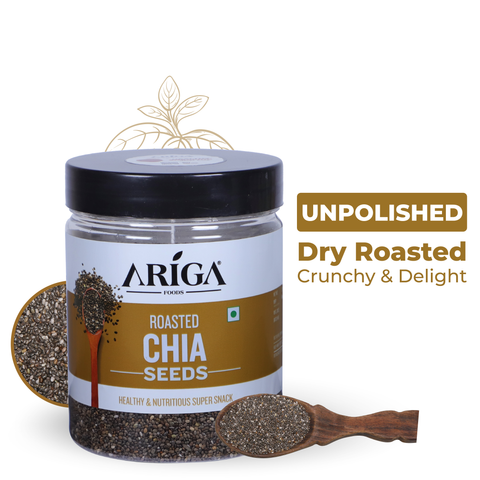

Roasted Chia Seeds 250g | 100% Premium Quality
Ariga Foods premium quality roasted chia seeds are roasted with perfection without oil. Benefits of chia seeds is they help you in weight managem...
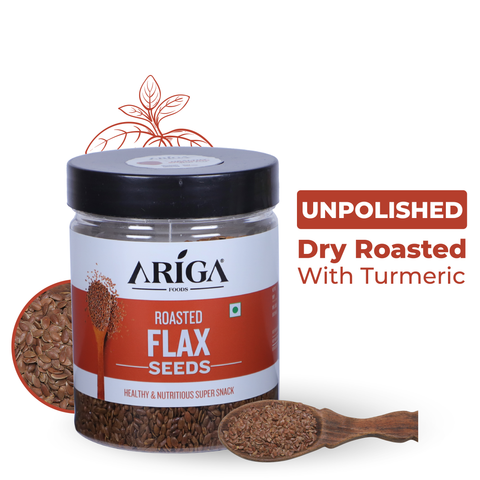

Roasted Flax Seeds 200g | 100% Premium Quality Alsi
100% premium quality roasted flax seeds alsi from Ariga Foods. Roasted and blended with turmeric without the use of oil. Buy roasted flax seeds o...
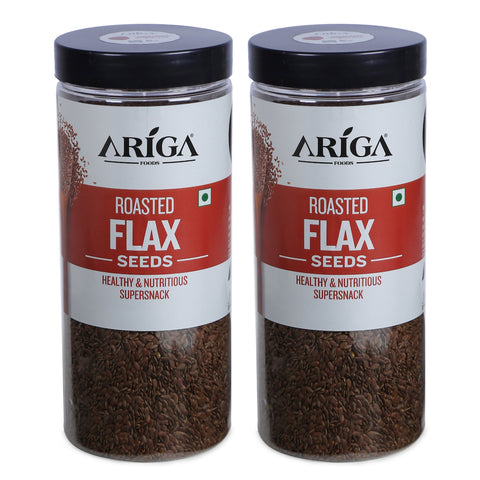

Roasted Flax Seeds 1kg | 100% Premium Quality Alsi
100% premium quality roasted flax seeds alsi from Ariga Foods. Roasted and blended with turmeric without the use of oil. Buy roasted flax seeds o...
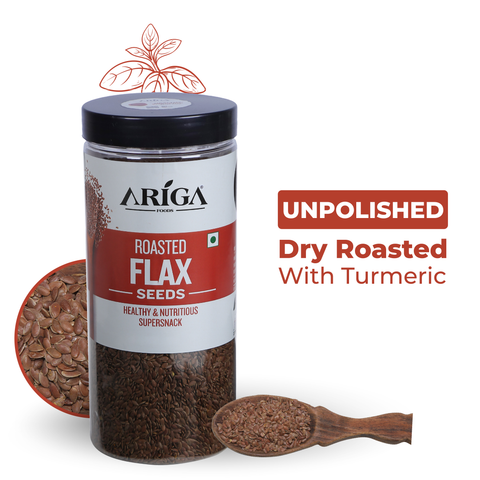

Roasted Flax Seeds 500g | 100% Premium Quality Alsi
100% premium quality roasted flax seeds alsi from Ariga Foods. Roasted and blended with turmeric without the use of oil. Buy roasted flax seeds o...
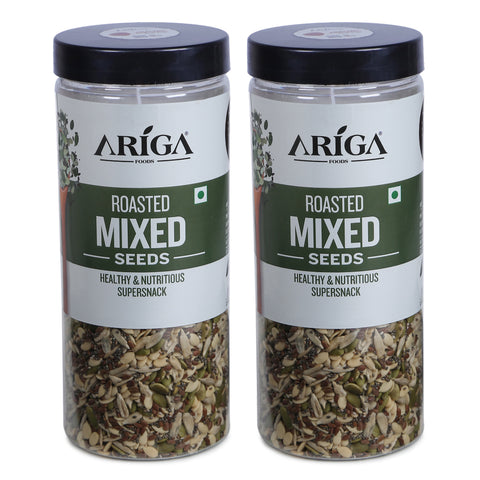

Roasted Mixed Seeds 1kg | 5 in 1 Trail Mix
100% premium quality roasted seeds mix 5 in 1 made of pumpkin, flax, chia, sunflower and watermelon seeds. Roasted with perfection without oil. B...
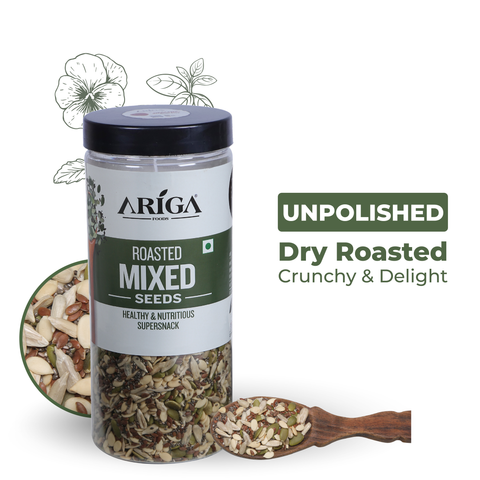

Roasted Mixed Seeds 500g | 5 in 1 Trail Mix
100% premium quality roasted seeds mix 5 in 1 made of pumpkin, flax, chia, sunflower and watermelon seeds. Roasted with perfection without oil.Buy ...
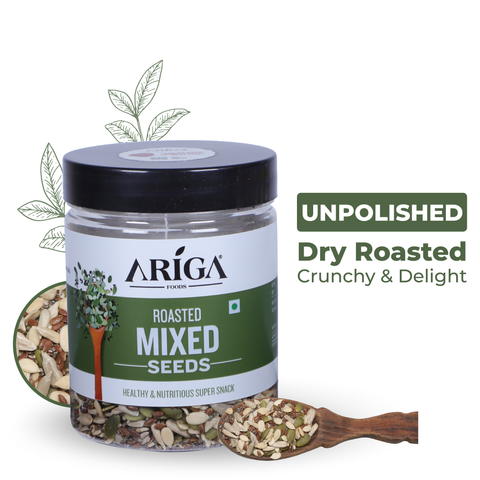

Roasted Mixed Seeds 200g | 5 in 1 Trail Mix
100% premium quality roasted seeds mix 5 in 1 made of pumpkin, flax, chia, sunflower and watermelon seeds. Roasted with perfection without oil. B...
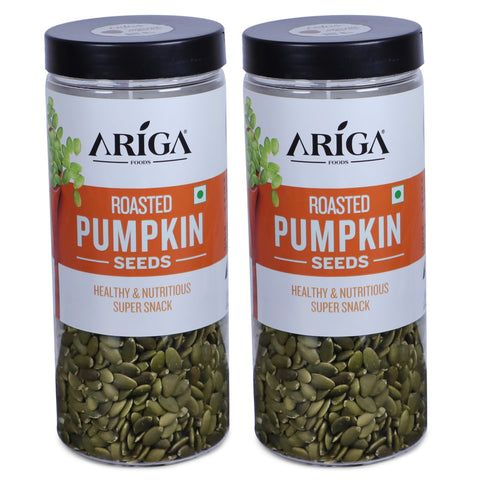

Roasted Pumpkin Seeds 1kg | Premium Quality
Ariga Foods premium quality dry roasted pumpkin seeds are dry roasted with no oil. Buy pumpkin seeds online at Ariga Foods. Pumpkin seeds are als...


Roasted Pumpkin Seeds 1kg- Indian Masala Flavour | Premium Quality
Ariga Foods premium quality roasted pumpkin seeds are blended with Indian masala and herbs without the use of oil. Buy roasted pumpkin seeds onli...
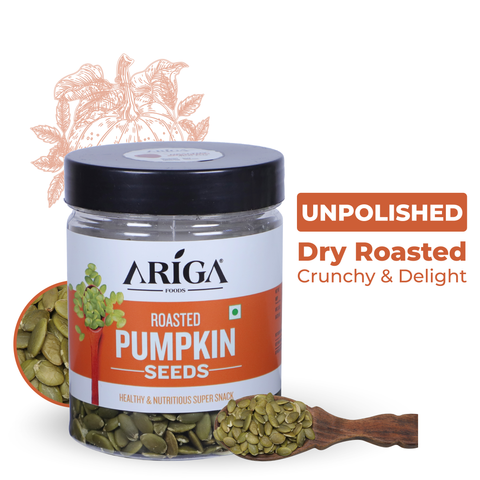

Roasted Pumpkin Seeds 200g | Premium Quality
Ariga Foods premium quality dry roasted pumpkin seeds are dry roasted with no oil. Buy pumpkin seeds online at Ariga Foods. Pumpkin seeds are als...


Roasted Pumpkin Seeds 1kg- Natkhat Nimbu Flavour | Premium Quality
Ariga Foods premium quality roasted pumpkin seeds Natkhat Nimbu are blended with lemon powder without the use of oil. Buy roasted pumpkin seeds o...
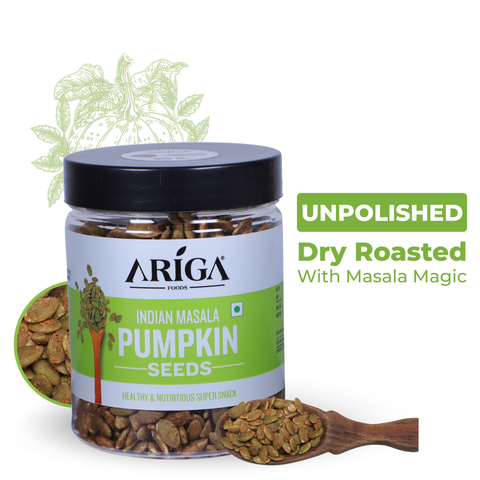

Roasted Pumpkin Seeds 200g- Indian Masala Flavour | Premium Quality
Ariga Foods premium quality roasted pumpkin seeds are blended with Indian masala and herbs without the use of oil. Buy roasted pumpkin seeds onli...
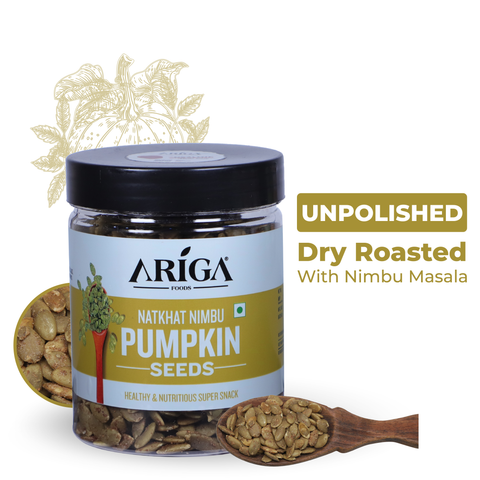

Roasted Pumpkin Seeds 200g- Natkhat Nimbu Flavour | Premium Quality
Ariga Foods premium quality roasted pumpkin seeds Natkhat Nimbu are blended with lemon powder without the use of oil. Buy roasted pumpkin seeds o...
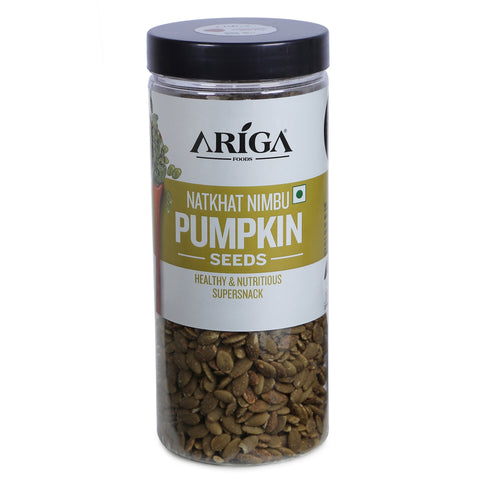

Roasted Pumpkin Seeds 500g- Natkhat Nimbu Flavour | Premium Quality
Ariga Foods premium quality roasted pumpkin seeds Natkhat Nimbu are blended with lemon powder without the use of oil.Buy roasted pumpkin seeds onli...
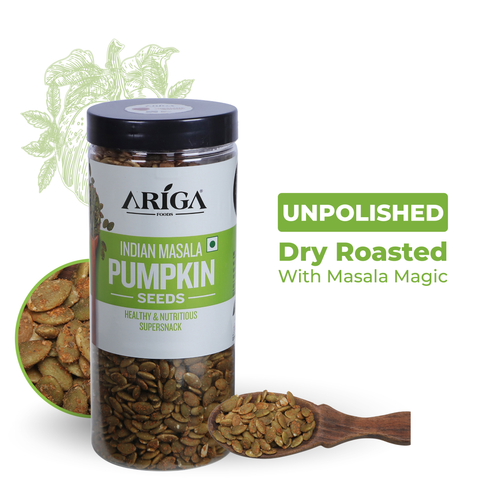

Roasted Pumpkin Seeds 500g- Indian Masala Flavour | Premium Quality
Ariga Foods premium quality roasted pumpkin seeds are blended with Indian masala and herbs without the use of oil. Buy roasted pumpkin seeds onli...
About Us
Ariga Foods is the innovative Retail and B2B brand by Ariganic Food Pvt. Ltd. Our vision is to make Superfood convenient and tasty for every household around the world.
Read moreSUBSCRIBE & FOLLOW
TAG CLOUD