
Dry Fruits You Should Include in Your Regular Diet for Better Overall Wellness
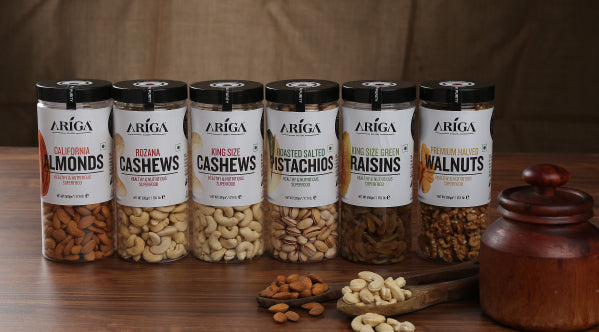
I built a habit during the early days of the pandemic that has genuinely stuck with me years later, keeping a proper stock of dry fruits at home, almonds, cashews, walnuts, raisins, pistachios, always within reach.
At the time, like a lot of people, I was anxious and trying to control whatever small piece of my health I actually could.
Looking back now, I want to be honest about something important. Eating dry fruits did not protect me from getting sick, and it would be genuinely misleading to suggest any food can prevent a viral infection.
What that habit actually gave me was something more modest but still meaningful, better everyday nutrition, more energy during a genuinely exhausting period, and a small routine that felt grounding when very little else did.
I want to revisit this topic honestly now, years past that initial anxious phase, because I think there is a real, accurate story to tell about dry fruits and general wellness, just not the story that got told at the time.
Being Honest About What Food Can and Cannot Do
No food, dry fruits included, prevents infection from a virus. The immune system is genuinely complex, and while nutrition plays a supportive role in how well your body functions overall, it is not a shield against catching an illness.
If you are looking for protection against a specific virus, vaccination and guidance from a doctor or public health authority are the things that actually matter for that, not diet.
What a nutrient-dense diet can genuinely support is your body's overall functioning, including aspects of immune function, energy levels, and recovery when you are unwell.
That is a real, evidence-supported claim, just a more modest one than "eat this to avoid getting sick," and I think it is worth being precise about the difference.
Nuts and Dried Fruits That Genuinely Support Overall Wellness
Almonds
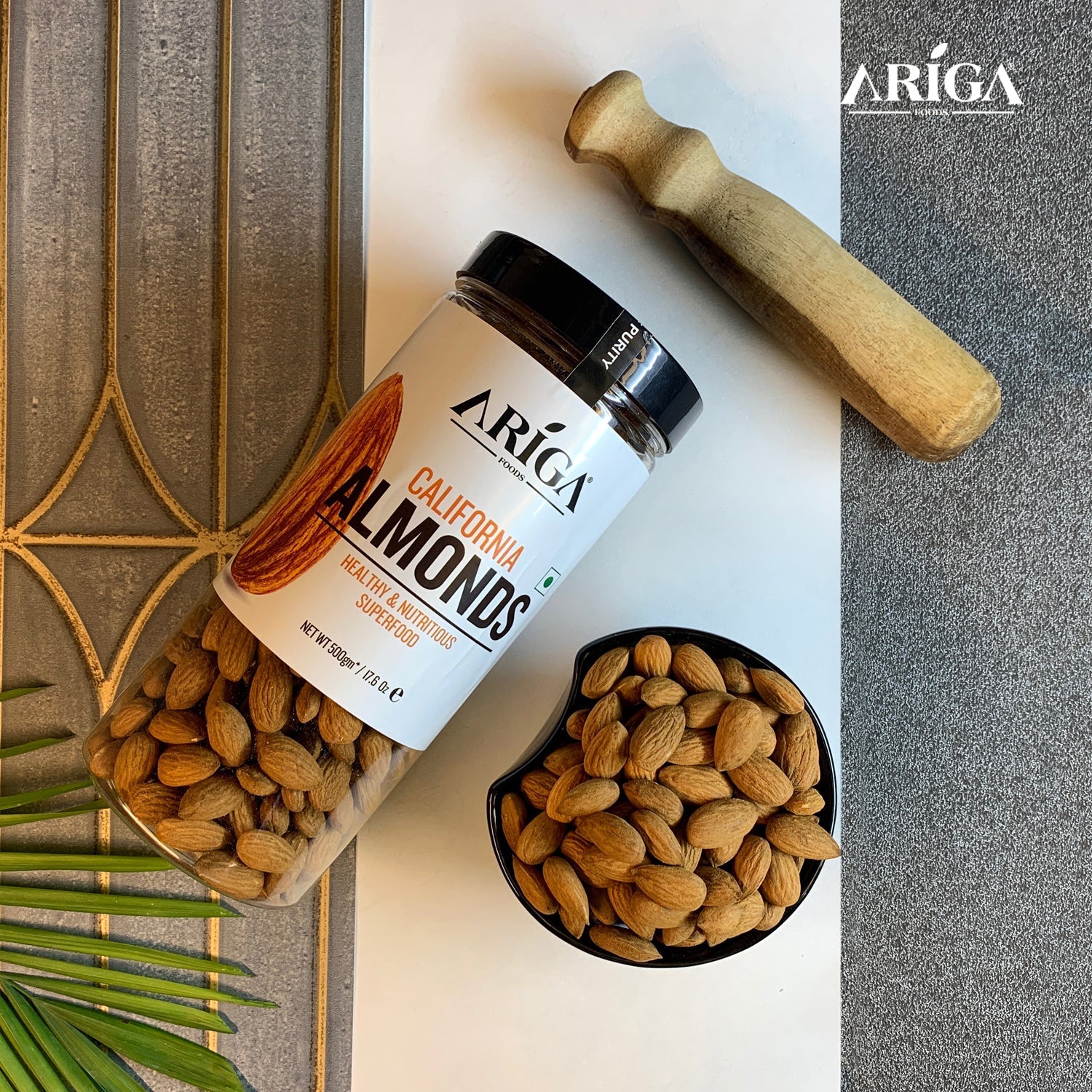
Almonds are rich in vitamin E, a genuine antioxidant that plays a supportive role in overall cell health, along with essential oils that contribute to skin and hair health.
I keep a jar of Ariga Foods Almonds on my counter, whether raw, roasted, or one of the flavoured varieties, as a genuinely satisfying everyday snack that happens to be nutritionally solid too.
Cashews
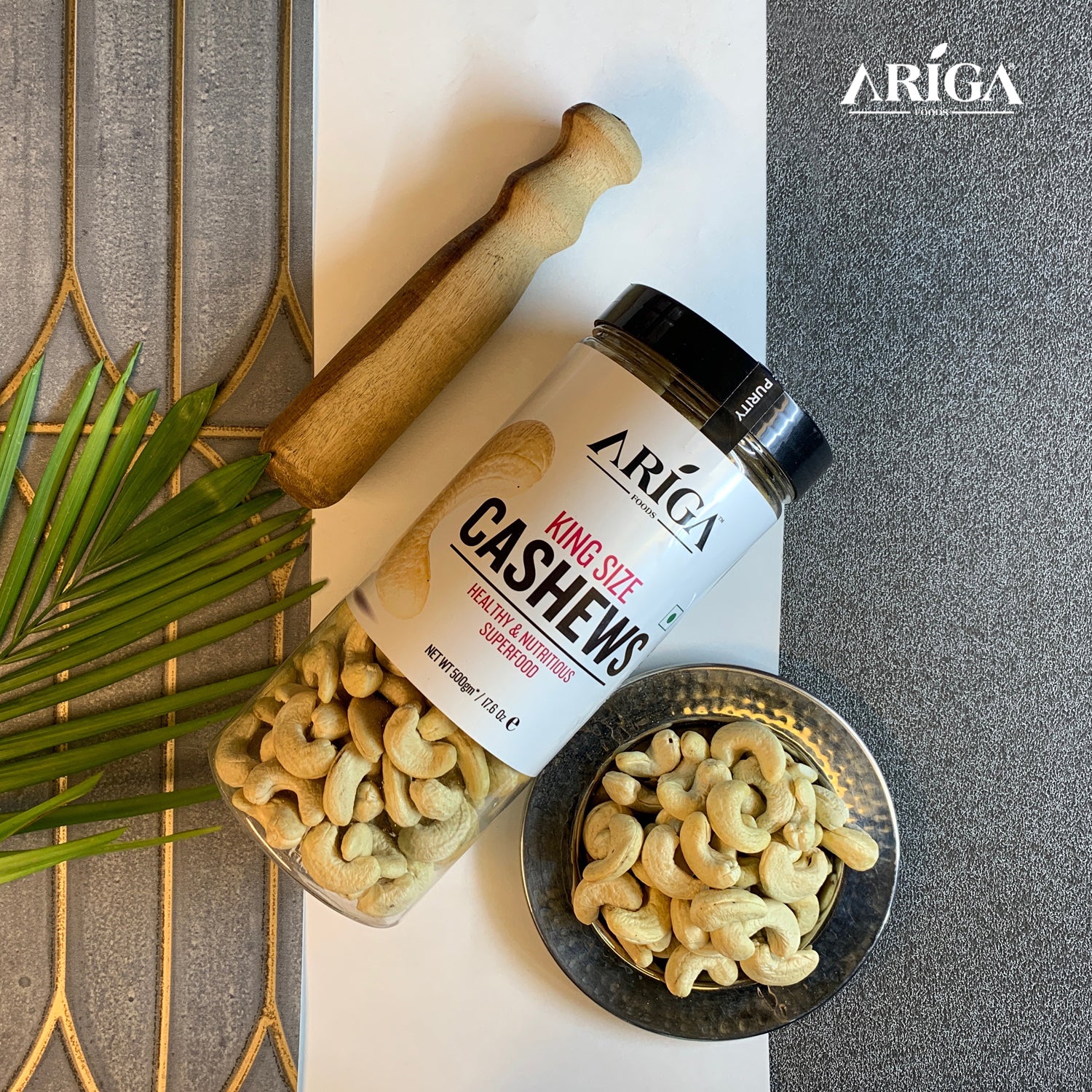
Cashews bring a good source of vitamin B6, vitamin E, protein, and magnesium to the table, and research has connected regular cashew consumption to supporting healthier cholesterol levels, which matters for long-term cardiovascular health more broadly.
King Size Cashews have become my go-to for exactly this reason, a genuinely tasty snack that also fits into a heart-conscious way of eating.
Walnuts
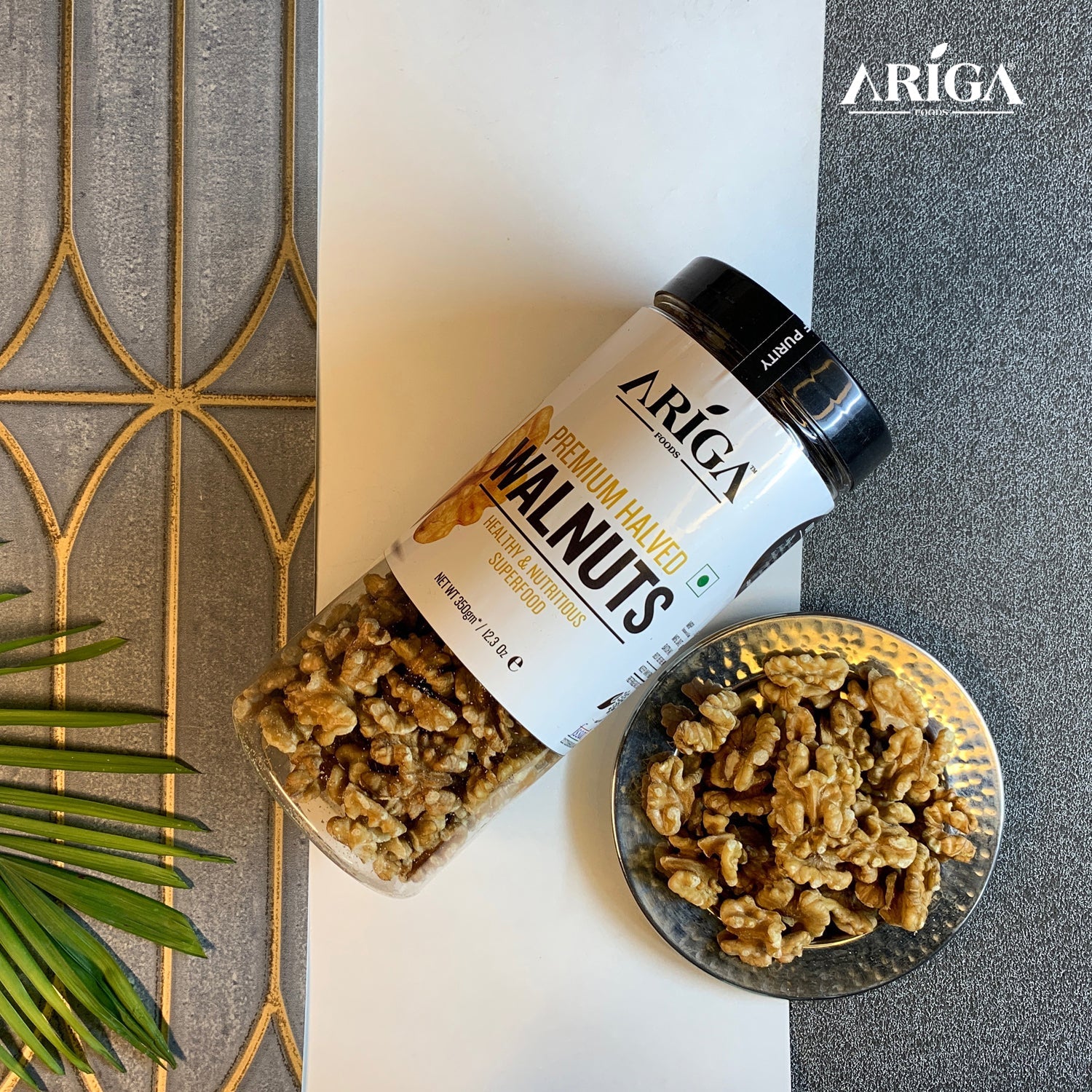
Walnuts are particularly notable for their omega-3 fatty acid content, along with a good range of vitamins, minerals, protein, and antioxidants.
This combination has been linked in research to supporting heart health specifically. Premium Halved Walnuts have become a daily handful for me, mostly because I genuinely enjoy them, with the nutritional support being a welcome bonus rather than the sole reason I eat them.
Raisins
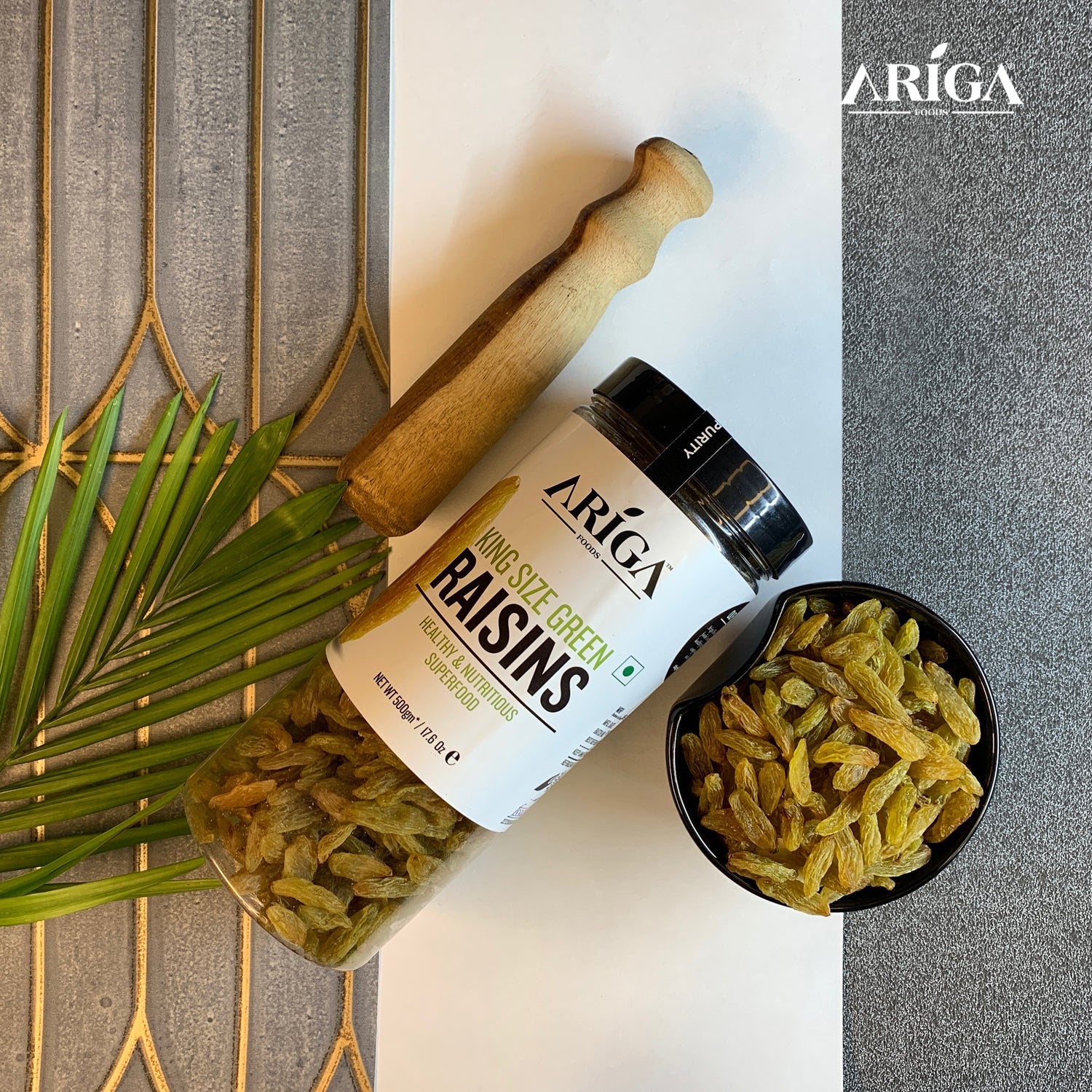
Raisins bring a different kind of value to this list, genuinely useful for digestive health thanks to their fibre content, and helpful for managing occasional constipation, which matters more than people realise when overall wellness is the goal.
King Size Raisins have become part of my everyday routine, eaten plain or folded into whatever I happen to be cooking.
Pistachios
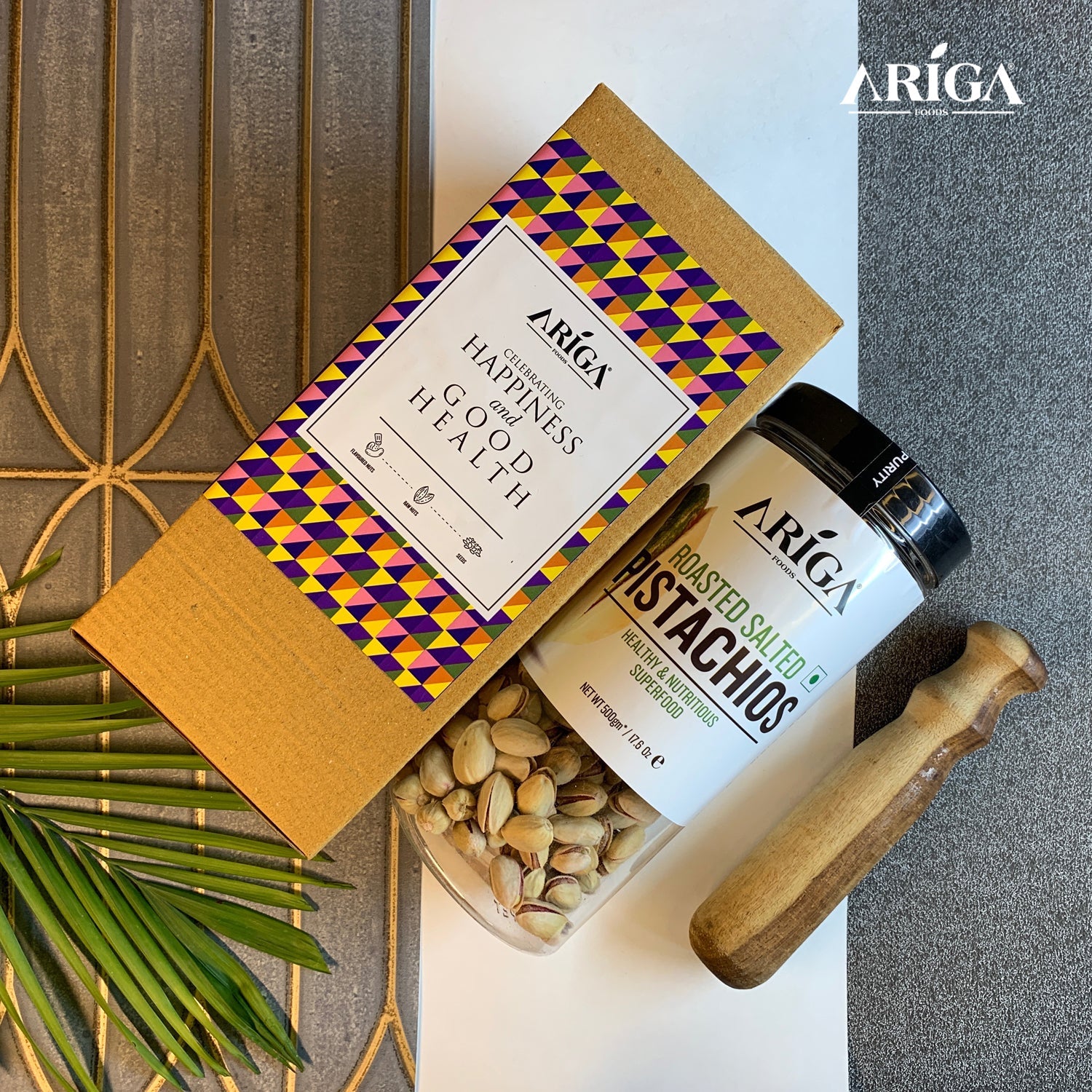
Pistachios stand out for their genuinely impressive nutrient density, calcium, potassium, copper, vitamin E, iron, zinc, and selenium all show up in a meaningful way in a single handful, along with polyphenolic antioxidants.
Their protein and fibre content also make them a satisfying snack that helps manage hunger between meals, which is a genuinely practical benefit regardless of what health goal you are working toward.
Roasted Salted Pistachios have become my go-to for exactly this, a snack substantial enough to actually curb an afternoon craving.
What Actually Changed Since That Period for Me
I think the honest version of this story is less dramatic than "these foods protect you," and more about a habit that quietly stuck around because it was genuinely good for me in an ordinary, everyday sense.
A stocked pantry of nuts and dried fruits meant I reached for something nutrient-dense instead of something processed more often than not, which over years adds up to something real, even if it was never going to prevent a specific illness the way I hoped it might back when everything felt uncertain.
If you are looking to support your general wellness through diet, a rotation of good quality nuts and dried fruits is a genuinely reasonable, evidence-supported habit to build.
If you are specifically concerned about illness prevention or immune function due to a health condition, that is a conversation worth having directly with your doctor, who can give you guidance specific to your situation rather than general dietary advice.
People Also Ask
Can eating dry fruits prevent illness or infection?
No, no single food or category of food can prevent viral infection. A nutrient-dense diet can support your body's overall functioning, including aspects of immune health, but it is not a substitute for vaccination, medical guidance, or other proven preventive measures.
Which dry fruits are considered good for general immune support?
Almonds, cashews, walnuts, raisins, and pistachios all offer nutrients like vitamin E, zinc, selenium, and antioxidants that play a supportive role in overall immune function, though this support is general and not the same as illness prevention.
How much dry fruit should I eat daily for general wellness?
A small handful, roughly a quarter cup, of mixed nuts and dried fruit is a reasonable daily amount for most people. Since these foods are calorie-dense, portion awareness matters even when the nutritional benefits are genuine.
Are pistachios good for managing hunger and cravings?
Yes, pistachios are particularly effective for this due to their protein and fibre content, which helps promote a feeling of fullness and can reduce the urge to snack on less nutritious options between meals.
Do raisins help with digestive health?
Yes, raisins contain a meaningful amount of dietary fibre, which supports regular digestion and can help with occasional constipation as part of a balanced diet.
Should I rely on diet alone to support my immune system during flu or cold season?
Diet is one supportive piece of overall health, alongside adequate sleep, hydration, hand hygiene, and appropriate vaccinations where relevant. For specific concerns about immune function or recurring illness, consulting a doctor is the most reliable next step rather than relying on diet changes alone.
Related Products


Ariga Foods Almonds, Cashews, Raisins, Walnuts & Roasted Flax Seeds | Combo Pack Of 5
100% premium quality combo pack of 5- California Almonds, King Size Cashews, King Size Raisins, Premium Halved Walnuts and Roasted Flax Seeds from ...
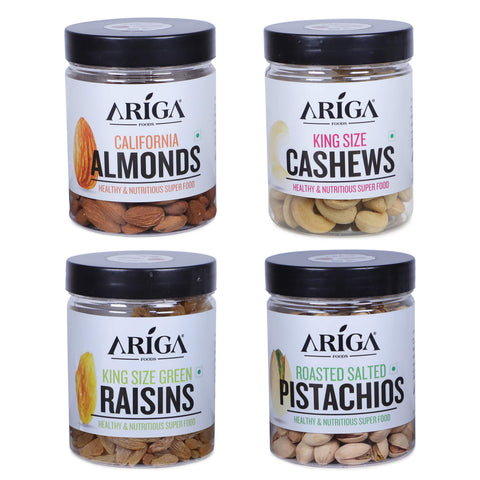

Ariga Foods Dry Fruits Combo | 100% Premium California Almonds, Cashews (W240), Raisins (Long), Pistachios 850g | For Family, Friend, Coporates | Ariga Foods | Mixed Nuts
100% natural premium quality Dry Fruits consumed as Super Snack. A combo pack of California Almonds- 200g, Cashews- 200g, Raisins-250g, Pistachios-...


Ariga Foods King Size Premium Cashew Nuts 1kg | Dry Fruit Kaju 240 Grade
100% premium quality dry fruits Cashews 240 big size kaju nutritious food for healthy eating. Buy Cashew nuts (Kaju) online in India at Ariga Foo...
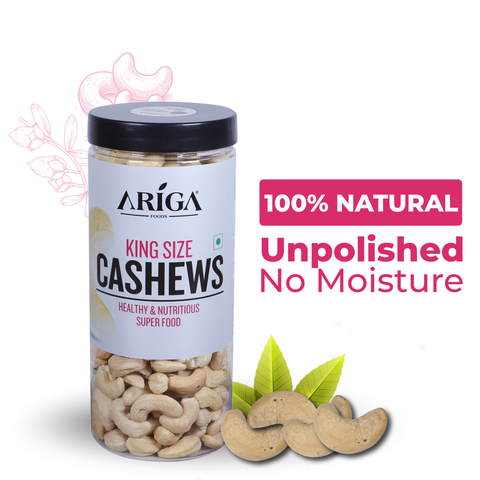

Ariga Foods King Size Premium Cashew Nuts 500g | Dry Fruit Kaju 240 Grade
100% premium quality dry fruits Cashews 240 big size kaju nutritious food for healthy eating. Buy Cashew nuts (Kaju) online in India at Ariga Foo...
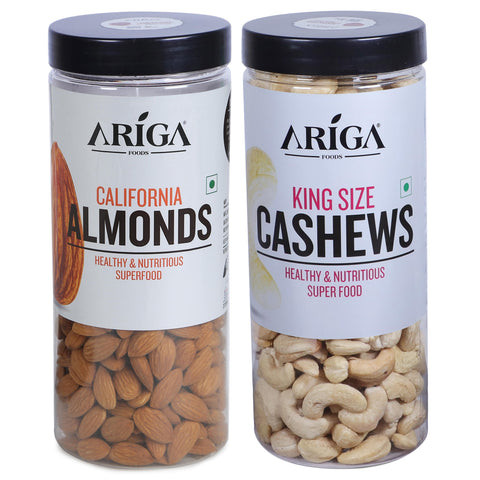

Ariga Foods Natural California Almonds (Badam) and Cashews (Kaju) 1kg (500g x 2) | Dry Fruits Combo Pack | Mixed Nuts
100% premium quality dry fruits Cashews 240 big size kaju nutritious food for healthy eating. Buy Cashew nuts (Kaju) online in India at Ariga Foo...


Ariga Foods Natural California Almonds (Badam) and Cashews (Kaju) 400g (200g x 2) | Dry Fruits Combo Pack | Mixed Nuts
100% natural premium quality Dry Fruits consumed as Super Snack. A combo pack of Claifornia Almonds- 200g and Jumbo Cashews (Kaju)- 200g California...
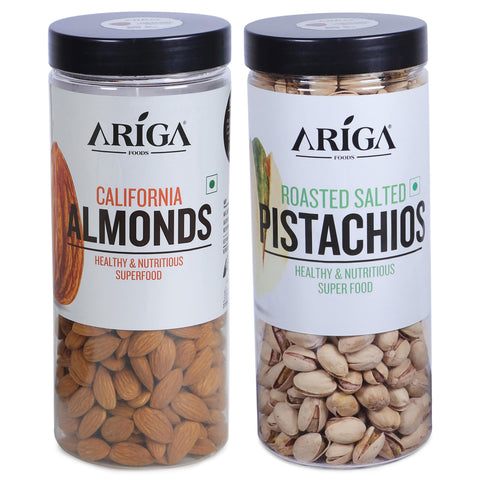

Ariga Foods Natural California Almonds (Badam) and Pistachios (Pista) 1kg (500g x 2) | Dry Fruits Combo Pack | Mixed Nuts
100% premium quality product from Ariga Foods. Ariga Almonds & Pistachios are consumed as superfood as they are the best replacement for junk f...
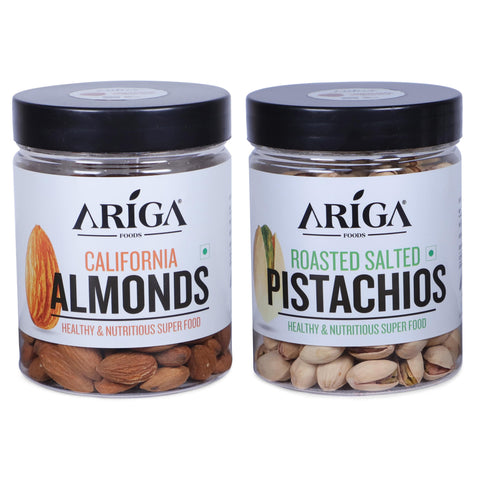

Ariga Foods Natural California Almonds (Badam) and Pistachios (Pista) 400g (200g x 2) | Dry Fruits Combo Pack | Mixed Nuts
100% natural premium quality Dry Fruits consumed as Super Snack. A combo pack of California Almonds- 200g and Pistachios- 200g California Almonds (...
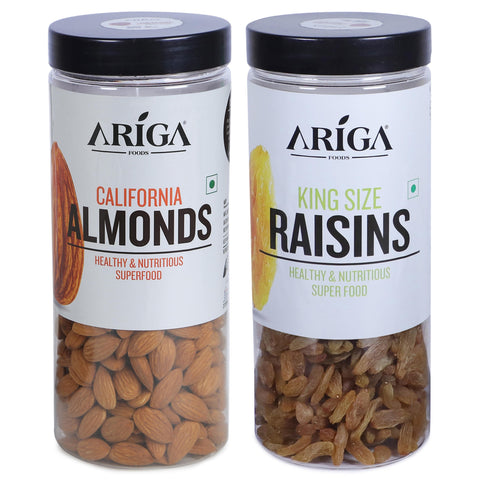

Ariga Foods Natural California Almonds (Badam) and Raisins (Kishmish) 1kg (500g x 2) | Dry Fruits Combo Pack | Mixed Nuts
100% premium quality product from Ariga Foods. Ariga Almonds & Long Green Raisins are consumed as superfood as they are the best replacement fo...


Ariga Foods Natural California Almonds (Badam)- 200g and Raisins (Kishmish)- 250g | Dry Fruits Combo Pack 450g | Mixed Nuts
100% natural premium quality Dry Fruits consumed as Super Snack. A combo pack of California Almonds- 200g and Raisins-250g California Almonds (Bada...


Ariga Foods Premium California Almonds 1kg
100% premium quality dry fruits badam giri from Ariga Foods, sourced from California, USA. Buy California Almonds (Badaam) online in India at Ari...


Ariga Foods Premium California Almonds 200g
100% premium quality dry fruits badam giri from Ariga Foods, sourced from California, USA. Buy California Almonds (Badaam) online in India at Ari...


Ariga Foods Premium California Almonds 500g
100% premium quality dry fruits badam giri from Ariga Foods, sourced from California, USA. Buy California Almonds (Badaam) online in India at Ari...
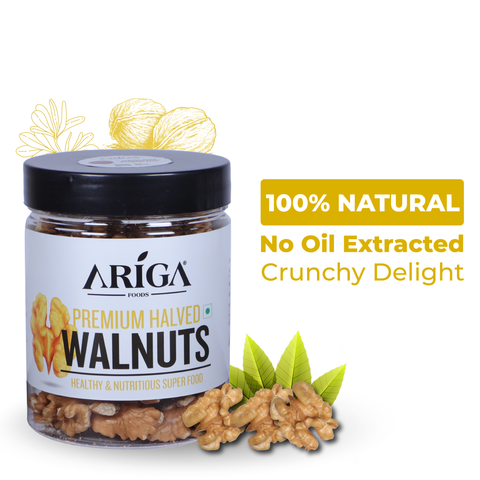

Ariga Foods Premium Halved Walnuts 150g
100% premium quality walnuts akhrot giri, without shell halved walnuts consumed as supersnack. Premium quality walnut kernels- Crunchy & Deli...
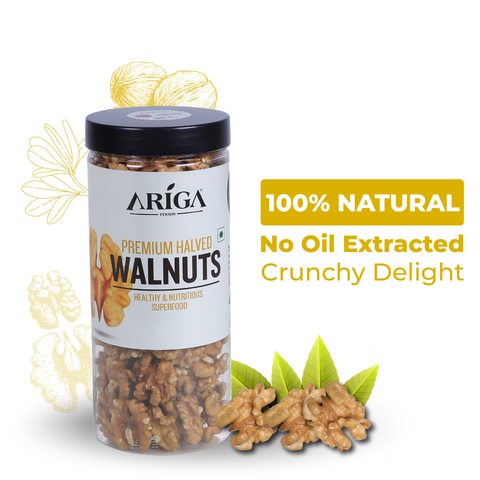

Ariga Foods Premium Halved Walnuts 350g
100% premium quality walnuts akhrot giri, without shell halved walnuts consumed as supersnack. Premium quality walnut kernels- Crunchy & Deli...
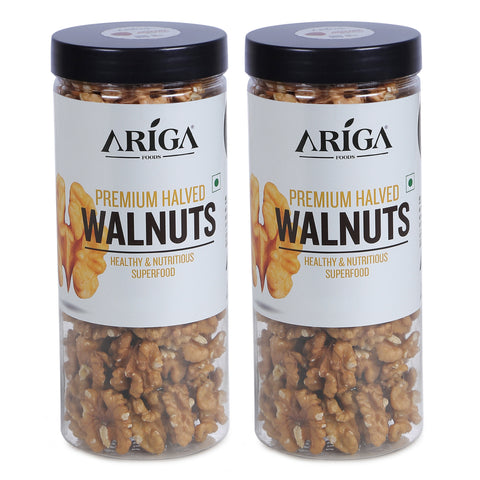

Ariga Foods Premium Halved Walnuts 700g
100% premium quality walnuts akhrot giri, without shell halved walnuts consumed as supersnack. Premium quality walnut kernels- Crunchy & Deli...
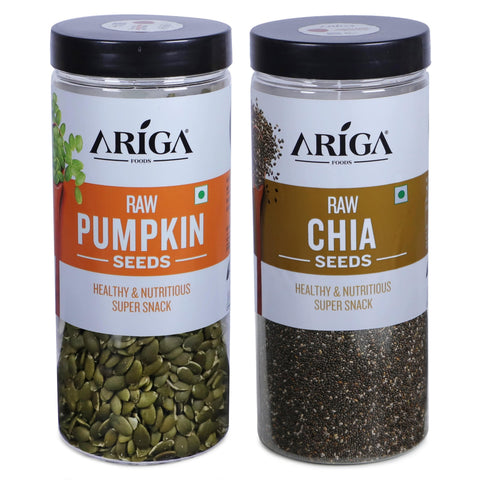

Ariga Foods Raw Seeds Combo For Eating | 100% Premium Quality Pumpkin Seeds and Chia Seeds 1kg | Mixed Seeds | Diet Snack
100% natural premium quality Seeds for eating consumed as Super Snack. A combo pack of Plain- Pumpkin Seeds- 500g and Chia Seeds- 500g. Pumpkin See...


Ariga Foods Raw Seeds Combo For Eating | 100% Premium Quality Pumpkin Seeds and Chia Seeds 450g | Mixed Seeds | Diet Snack
100% natural premium quality Seeds for eating consumed as Super Snack. A combo pack of Plain Pumpkin Seeds- 200g and Chia Seeds- 250g. Pumpkin Seed...
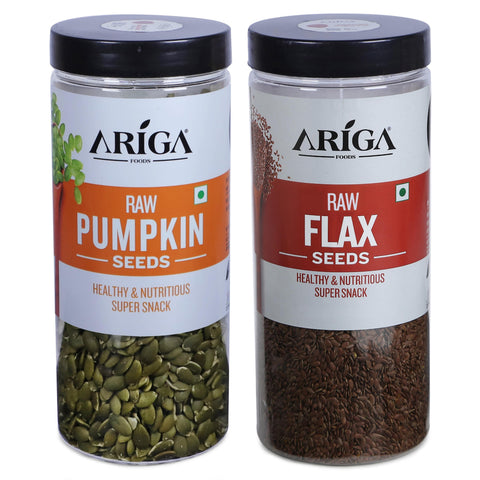

Ariga Foods Raw Seeds Combo For Eating | 100% Premium Quality Pumpkin Seeds and Flax Seeds 1kg | Mixed Seeds | Diet Snack
100% natural premium quality Seeds for eating consumed as Super Snack. A combo pack of Plain Pumpkin Seeds- 500g and Flax Seeds- 500g. Pumpkin Seed...
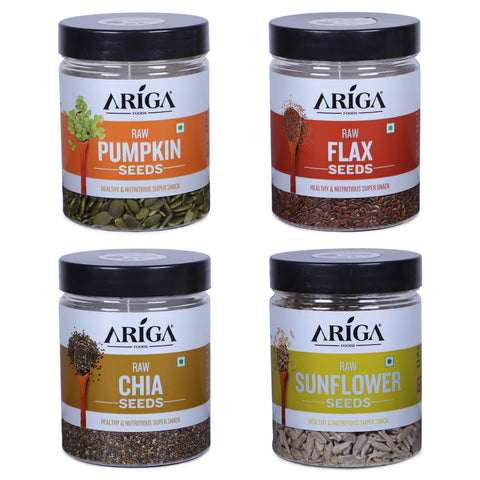

Ariga Foods Raw Seeds Combo For Eating | 100% Premium Quality Pumpkin, Flax, Chia and Sunflower Seeds 850g | Mixed Seeds | Diet Snack
100% natural premium quality Seeds for eating consumed as Super Snack. A combo pack of Plain Pumpkin- 200g, Flax- 200g, Chia-250g and Sunflower See...
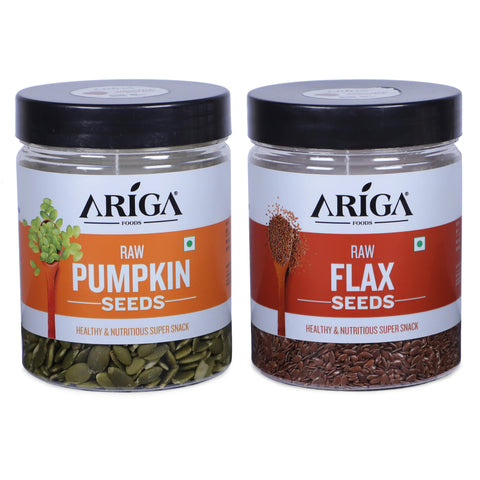

Ariga Foods Raw Seeds Combo For Eating | 100% Premium Quality Pumpkin Seeds and Flax Seeds 400g | Mixed Seeds | Diet Snack
100% natural premium quality Seeds for eating consumed as Super Snack. A combo pack of Plain Pumpkin Seeds-200g and Flax Seeds- 200g. Pumpkin Seeds...
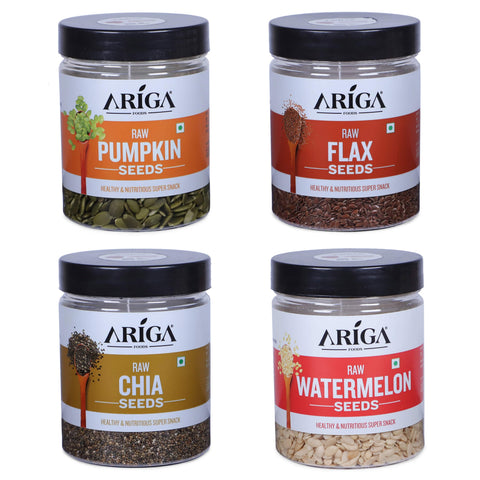

Ariga Foods Raw Seeds Combo For Eating | 100% Premium Quality Pumpkin, Flax, Chia and Watermelon Seeds 850g | Mixed Seeds | Diet Snack
100% natural premium quality Seeds for eating consumed as Super Snack. A combo pack of Plain Pumpkin- 200g, Flax- 200g, Chia-250g and Watermelon Se...


Ariga Foods Roasted Flax Seeds, Raisins & Raw Pumpkin Seeds | Combo Pack Of 3
100% premium quality combo pack of 3- Roasted Flax Seeds, King Size Raisins and Raw Pumpkin Seeds from Ariga Foods. Healhty, crunchy and delicious....
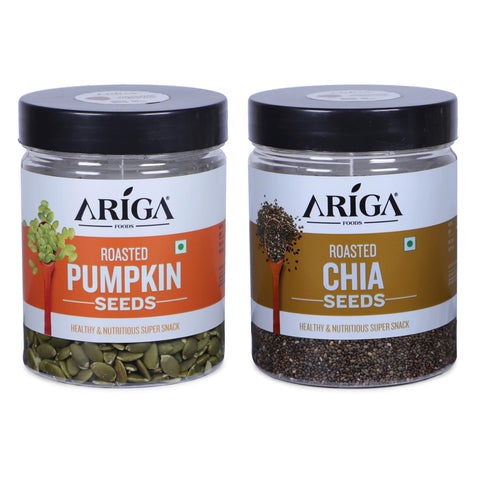

Ariga Foods Roasted Seeds Combo For Eating | 100% Premium Quality Pumpkin Seeds and Chia Seeds 450g | Mixed Seeds | Diet Snack
100% natural premium quality Seeds for eating consumed as Super Snack. A combo pack of Roasted Pumpkin Seeds- 200g and Roasted Flax Seeds-250g. Pum...
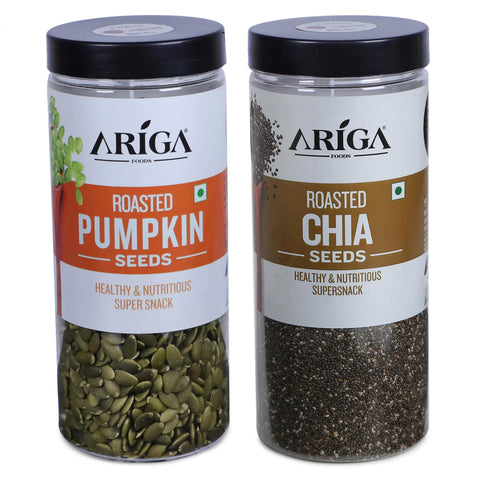

Ariga Foods Roasted Seeds Combo For Eating | 100% Premium Quality Pumpkin Seeds and Chia Seeds 1kg | Mixed Seeds | Diet Snack
100% premium quality product from Ariga Foods. Ariga seeds are consumed as superfood as they are the best replacement for junk food. No preserva...
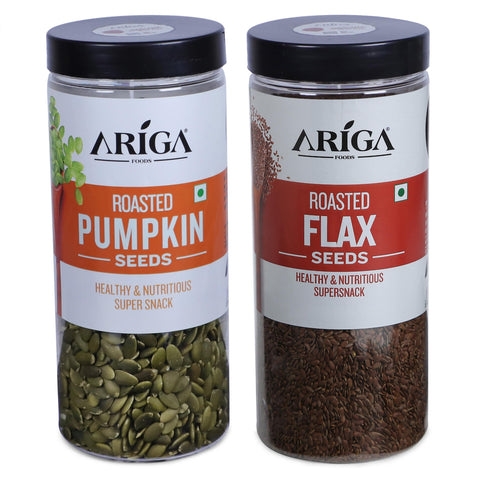

Ariga Foods Roasted Seeds Combo For Eating | 100% Premium Quality Pumpkin Seeds and Flax Seeds 1kg | Mixed Seeds | Diet Snack
100% premium quality product from Ariga Foods. Ariga seeds are consumed as superfood as they are the best replacement for junk food. No preservativ...
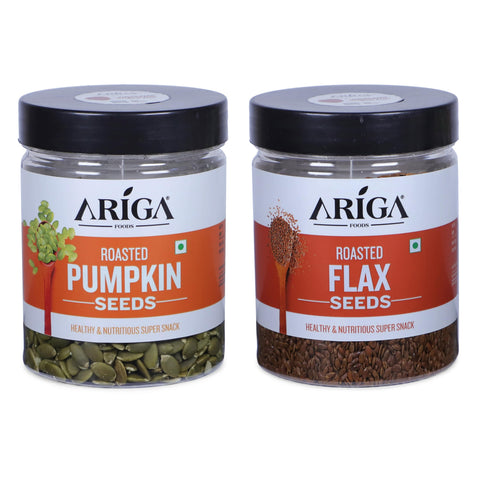

Ariga Foods Roasted Seeds Combo For Eating | 100% Premium Quality Pumpkin Seeds and Flax Seeds 400g | Mixed Seeds | Diet Snack
100% natural premium quality Seeds for eating consumed as Super Snack. A combo pack of Roasted Pumpkin Seeds- 200g and Roasted Flax Seeds-200g. Pum...
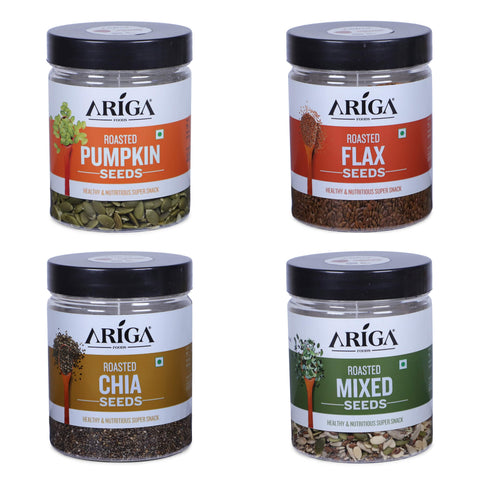

Ariga Foods Roasted Seeds Combo For Eating | 100% Premium Quality Pumpkin, Flax, Chia and Mixed Seeds 850g | Mixed Seeds | Diet Snack
100% natural premium quality Seeds for eating consumed as Super Snack. A combo pack of Roasted Seeds- Pumpkin- 200g, Flax- 200g, Chia-250g and Mixe...
About Us
Ariga Foods is the innovative Retail and B2B brand by Ariganic Food Pvt. Ltd. Our vision is to make Superfood convenient and tasty for every household around the world.
Read moreSUBSCRIBE & FOLLOW
TAG CLOUD