
Do Cashews Offer Natural Detoxification Benefits for Liver Health?
My uncle was told by his doctor a couple of years ago that his liver enzyme levels were slightly elevated, nothing dramatic, but enough that his doctor asked him to look at his diet and lifestyle more seriously.
Watching him go through that process, reading labels, cutting back on fried food, and generally paying attention to his liver for the first time in his life, got me curious about which everyday foods actually have some research behind them when it comes to liver health.
Cashews, which I already ate constantly out of habit, turned out to be one of them, though with a more nuanced story than the phrase "liver detox" usually implies.
I want to be upfront here. The liver already detoxifies your body on its own, quite effectively, as one of its core biological functions. No food, cashews included, magically "detoxes" your liver in the dramatic sense that phrase sometimes gets used to suggest.
What cashews and a handful of other foods can genuinely do is support the conditions your liver needs to keep doing that job well, which is a more modest but far more accurate way to think about this.
What the Research Actually Says About Cashews and Liver Health
Most of the research connecting cashews to liver health is indirect, working through broader metabolic pathways rather than a direct "cashews heal your liver" mechanism.
That is not a knock against cashews, it is just how nutrition science tends to work for most whole foods.
Antioxidants and Oxidative Stress
Cashews contain a reasonable amount of vitamin E along with other antioxidant compounds, and antioxidants generally help neutralise free radicals in the body.
Oxidative stress is one of the underlying processes linked to liver cell damage over time, so a diet that includes antioxidant-rich foods is generally considered supportive of liver health, cashews being one contributor among many.
Healthy Fats and Cholesterol
The fat in cashews is mostly monounsaturated, primarily a type called oleic acid, and this has been shown in research to support a healthier cholesterol profile when it replaces less healthy fats in the diet.
This matters for liver health specifically because when cholesterol and triglyceride levels are well managed, there is less metabolic burden on the liver, which is responsible for processing and clearing excess fats from the bloodstream.
Weight and Metabolic Health
One of the more interesting findings from recent research is around weight management rather than the cashew itself doing anything dramatic. Studies looking at daily cashew consumption, around thirty grams, have found associations with reductions in body fat and waist circumference over time.
Since fatty liver disease is closely tied to excess body fat, particularly around the midsection, this indirect weight-related benefit is arguably one of the more meaningful connections between cashews and liver health.
Minerals That Support Liver Enzyme Function
Cashews are also a decent source of magnesium and copper, both of which play a role in various enzymatic processes in the body, including some involved in how the liver breaks down and processes different compounds.
This is a more mechanistic, behind-the-scenes contribution rather than something you would feel or notice directly, but it is part of the broader nutritional case for cashews as part of a liver-conscious diet.
An Important Honest Caveat
Compared to walnuts and almonds, which have received considerably more direct research attention for liver health, particularly around fatty liver disease, cashew-specific research remains fairly limited.
Walnuts, with their higher omega-3 content, and almonds, with their concentrated vitamin E, currently have a stronger evidence base for liver-specific benefits.
Cashews still contribute meaningfully to an overall liver-conscious diet, largely through their effect on cholesterol and weight management, but they should be seen as one part of a varied approach rather than a standout liver superfood on their own.
If you have an actual diagnosed liver condition, whether that is fatty liver disease, elevated enzymes, or anything else, please work directly with your doctor on dietary changes rather than relying on cashews or any single food as a treatment.
What I am sharing here is general nutritional context, not medical guidance for a specific condition.
How My Uncle Actually Incorporated Cashews
His doctor was clear that portion and preparation matter as much as the cashew itself. Raw or dry-roasted, unsalted cashews are the better choice for someone actively managing liver health, since oil-roasted and heavily salted varieties add extra sodium and fat that work against the goal rather than supporting it.
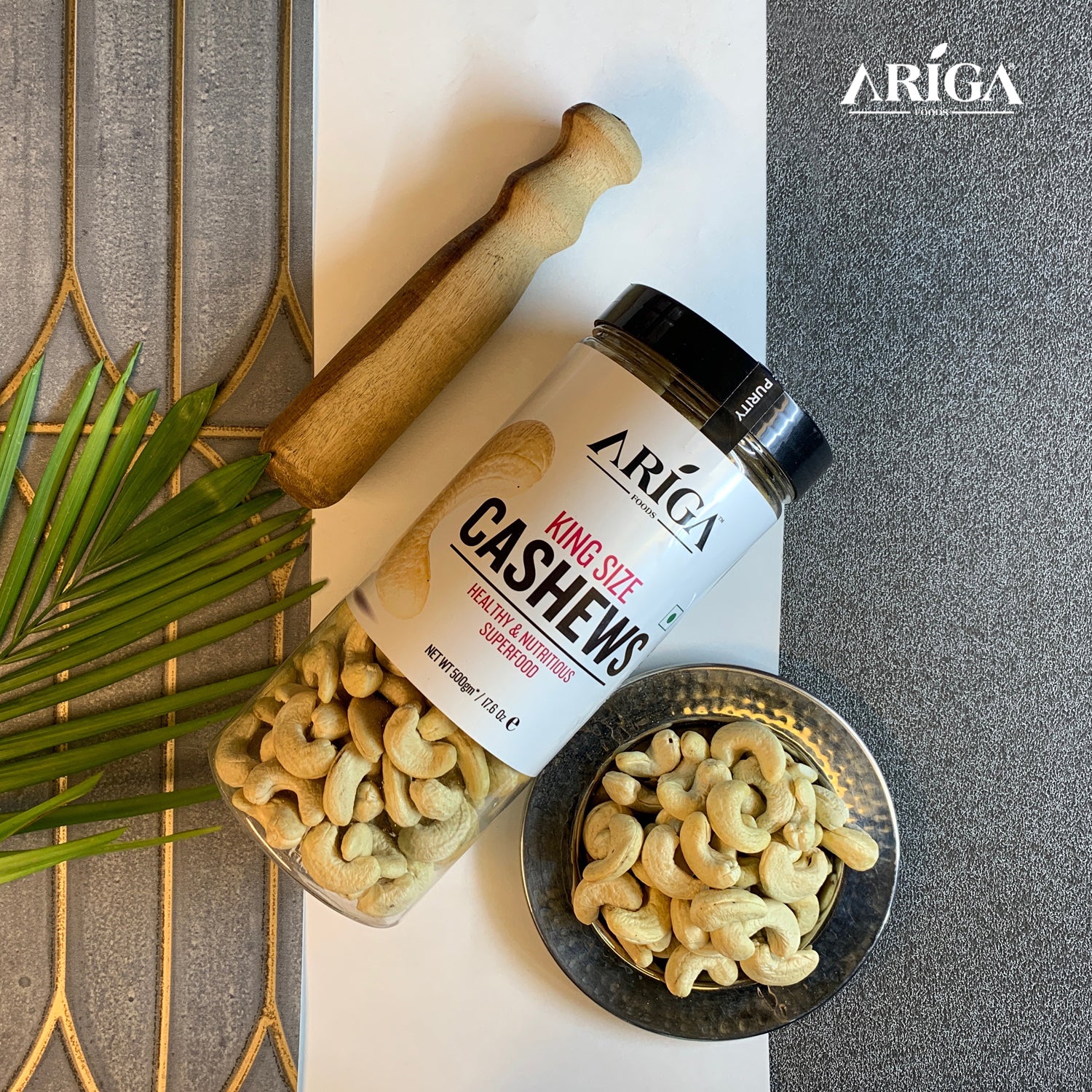
That said, he did not give up flavour entirely. He has become genuinely fond of the Cheese & Herbs cashews for occasional snacking, treating them as a treat rather than an everyday choice, and keeps King Size Cashews, plain and unsalted, as his actual daily handful. The Himalayan Pink Salt variety has also become a middle ground for him, lightly seasoned without going overboard on sodium.
For cooking, he has started making a pudina cashew rice pilaf fairly regularly, using Pudina Cashews stirred through basmati rice with sautéed onion and garlic, which gives a fresh, herby lift to a fairly simple dish. On weekends, when he wants something a bit more indulgent, a tomato cream cashew pasta, made with Tomato Cream Cashews blended into a rich, tangy sauce, has become his approved occasional treat, portioned mindfully rather than restricted entirely.
What I Would Tell Anyone Reading This
Do not go looking for a single miracle food when it comes to liver health, because that food does not exist. What actually seems to help, based on what my uncle's doctor emphasised repeatedly, is a broader pattern, moderate portions of nutrient-dense foods like cashews, limited fried and heavily processed food, regular movement, and consistent medical monitoring if you have any known liver concerns.
Cashews earned a place in his routine not because they are a cure for anything, but because they fit naturally into a more mindful way of eating that his doctor was already recommending. That distinction, food as support rather than food as fix, has genuinely changed how I think about nutrition claims in general, not just when it comes to cashews.
People Also Ask
Do cashews actually detox the liver?
Not in a literal sense. The liver detoxifies the body on its own as a natural biological function, and no single food, including cashews, performs that process for it. Cashews can support overall liver health indirectly through their antioxidants, healthy fats, and effects on cholesterol and weight management.
Are cashews good for people with fatty liver disease?
Cashews may offer some indirect support through their effects on cholesterol and weight management, both of which are relevant to fatty liver disease. However, research specifically on cashews and fatty liver remains limited compared to walnuts and almonds, so anyone managing this condition should follow their doctor's specific dietary guidance.
Which nuts are best for liver health?
Walnuts and almonds currently have more direct research support for liver health, walnuts due to their higher omega-3 content and almonds due to their vitamin E levels. Cashews still contribute positively through cholesterol and weight-related benefits, making a variety of nuts a reasonable approach.
How many cashews should I eat daily for health benefits?
Around thirty grams, roughly a small handful, is a commonly referenced amount in nutrition research. Eating significantly more than this regularly can contribute to excess calorie intake, given how calorie-dense cashews are.
Should I eat raw or roasted cashews for liver health?
Raw or dry-roasted, unsalted cashews are generally the better choice if liver health is a specific concern, since oil-roasted and heavily salted varieties add extra sodium and fat that can work against your goals.
Can diet alone improve liver enzyme levels?
Diet can play a supportive role, but improving liver enzyme levels usually requires a broader approach that may include weight management, reduced alcohol intake, regular physical activity, and medical monitoring. Anyone with elevated liver enzymes should work with their doctor rather than relying on diet changes alone.
Related Products


Ariga Foods King Size Premium Cashew Nuts 1kg | Dry Fruit Kaju 240 Grade
100% premium quality dry fruits Cashews 240 big size kaju nutritious food for healthy eating. Buy Cashew nuts (Kaju) online in India at Ariga Foo...

Ariga Foods King Size Premium Cashew Nuts 200g | Dry Fruit Kaju 240 Grade
100% premium quality dry fruits Cashews 240 big size kaju nutritious food for healthy eating. Buy Cashew nuts (Kaju) online in India at Ariga Foo...

Ariga Foods King Size Premium Cashew Nuts 500g | Dry Fruit Kaju 240 Grade
100% premium quality dry fruits Cashews 240 big size kaju nutritious food for healthy eating. Buy Cashew nuts (Kaju) online in India at Ariga Foo...
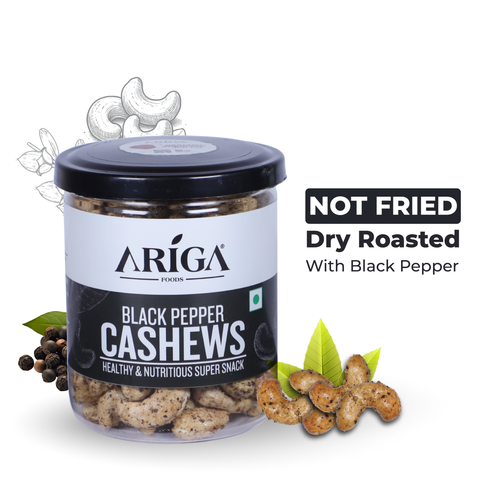

Black Pepper Cashews 200g | Roasted 100% Premium Kaju
'100% premium quality dry fruits roasted cashews sprinkled with black pepper kaalimirch from Ariga Foods. Dry roasted with no oil, these roasted ...
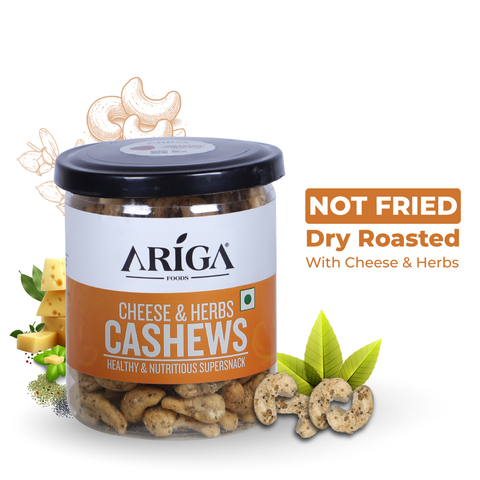

Cheese & Herbs Cashews 200g | Roasted 100% Premium Kaju
Ariga Foods premium quality roasted cashews with cheese & herbs are dry roasted with no oil. Crunchy and delicious dry fruit. Buy roasted and...
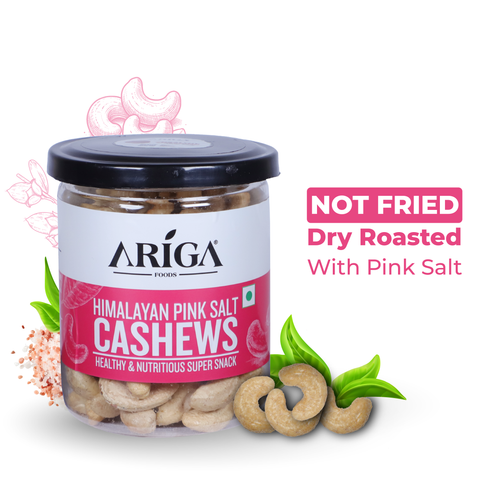

Himalayan Pink Salt Cashews 200g | Roasted 100% Premium Kaju
Ariga Foods 100% premium quality dry fruits roasted cashews with pink salt for healthy eating. Big size kaju crunchy and nutritious. Buy roasted ...
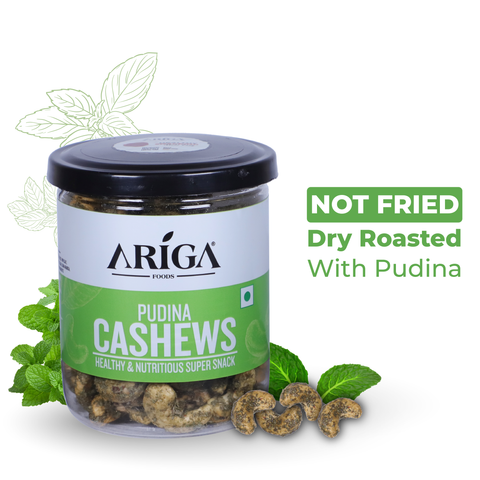

Pudina Cashews 200g | Roasted 100% Premium Kaju
Ariga Foods roasted salted cashews are toasted with dry pudina particals. This makes the roasted cashews tasy and crunchy. These cashew nuts are ...
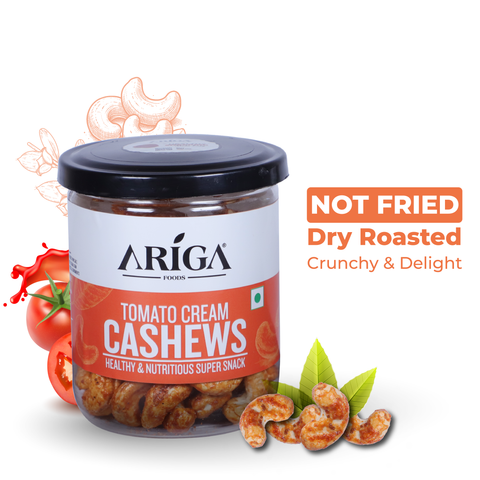

Tomato Cream Cashews 200g | Roasted 100% Premium Kaju
100% premium quality roasted and slated cashews toasted with real tomato and cream from Ariga Foods. Dry roasted cashews with no oil. Crunchy and...
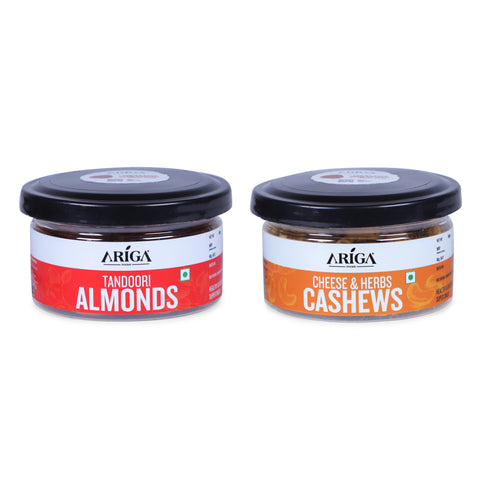

Tandoori Almonds 80g + Cheese & Herbs Cashews 80g (Dry Fruits Pack of 2 160g)
100% premium quality product from Ariga Foods. Ariga Tandoori Almonds and Cheese & Herbs Cashews are flavoured with Tandoori Masala and Cheese ...
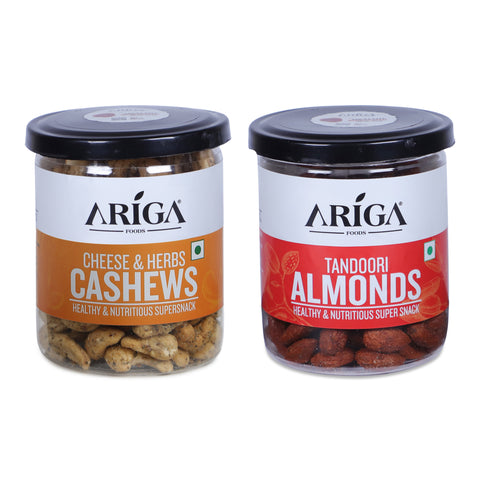

Tandoori Almonds 200g + Cheese & Herbs Cashews 200g (Dry Fruits Combo Pack 400g)
100% premium quality product from Ariga Foods. Ariga Tandoori Almonds and Cheese & Herbs Cashews are flavoured with Tandoori Masala and Cheese ...


Moments Diwali Gift Box Hamper Exotic Almonds, Cashews and Raisins | 3 Packs 600g | Ariga Foods
Moments Gift Box For Diwali- Roasted & Crunchy Almonds, Cashews and Raisins | This gift hamper contains- Tandoori Almonds + Cheese & Herbs ...


Memories Diwali Gift Box Hamper Exotic Almonds, Cashews and Raisins | 3 Packs 280g | Ariga Foods
Memories Gift Box For Diwali- Roasted & Crunchy Almonds, Cashews and Raisins | 3 x Flavoured Nuts & Raisins. This gift hamper contains- C...
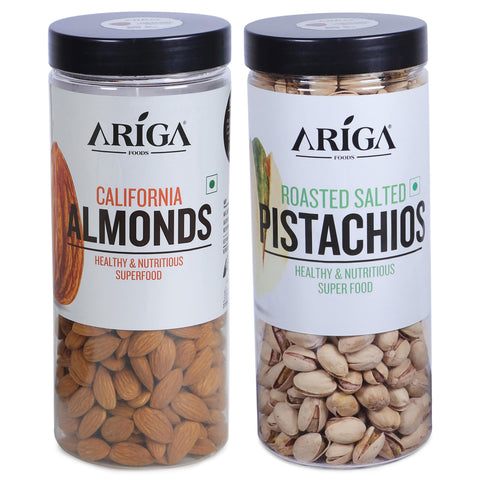

Ariga Foods Natural California Almonds (Badam) and Pistachios (Pista) 1kg (500g x 2) | Dry Fruits Combo Pack | Mixed Nuts
100% premium quality product from Ariga Foods. Ariga Almonds & Pistachios are consumed as superfood as they are the best replacement for junk f...


Ariga Foods Natural California Almonds (Badam) and Cashews (Kaju) 400g (200g x 2) | Dry Fruits Combo Pack | Mixed Nuts
100% natural premium quality Dry Fruits consumed as Super Snack. A combo pack of Claifornia Almonds- 200g and Jumbo Cashews (Kaju)- 200g California...
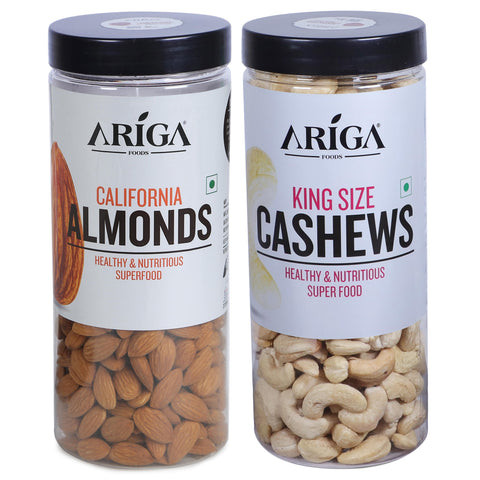

Ariga Foods Natural California Almonds (Badam) and Cashews (Kaju) 1kg (500g x 2) | Dry Fruits Combo Pack | Mixed Nuts
100% premium quality dry fruits Cashews 240 big size kaju nutritious food for healthy eating. Buy Cashew nuts (Kaju) online in India at Ariga Foo...
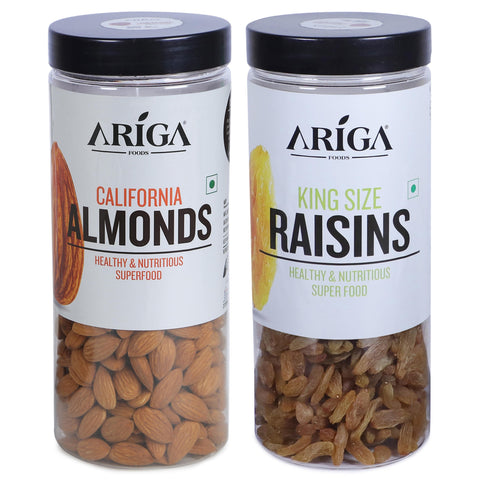

Ariga Foods Natural California Almonds (Badam) and Raisins (Kishmish) 1kg (500g x 2) | Dry Fruits Combo Pack | Mixed Nuts
100% premium quality product from Ariga Foods. Ariga Almonds & Long Green Raisins are consumed as superfood as they are the best replacement fo...


Assorted Diwali Gift Hamper Premium and Exotic Nuts, Berries and Seeds | 5 Packs 760g | Ariga Foods
Assorted Gift Box for Diwali- Premium Nuts & Assorted Trail Mix. This gift hamper contains- Roasted- Cheese Almonds 150g + Cream & Onion Al...
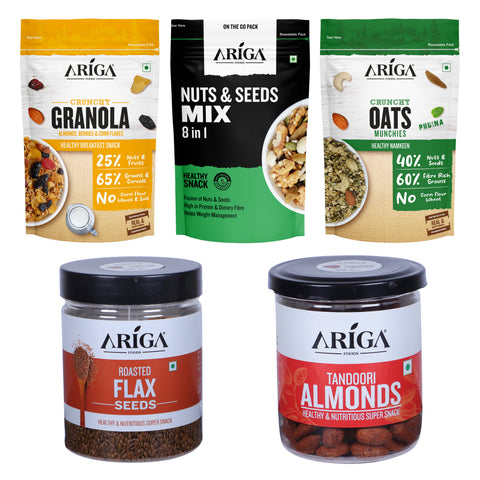

Ariga Foods Granola Corn Flakes, Nuts & Seeds Mix, Oats Pudina, Roasted Flax Seeds & Tandoori Almonds | Combo Pack of 5
100% premium quality combo pack of 5- Crunchy Granola Almonds, Berries & Corn Flakes, Nuts & Seeds Mix, Crunchy Oats Pudina, Roasted Flax S...
About Us
Ariga Foods is the innovative Retail and B2B brand by Ariganic Food Pvt. Ltd. Our vision is to make Superfood convenient and tasty for every household around the world.
Read moreSUBSCRIBE & FOLLOW
TAG CLOUD