

Can We Eat Almonds Daily? Here's What Happens If You Do
My grandmother soaked a small bowl of almonds every single night of my childhood, without fail, and handed them to me every morning before school.
At the time, I thought it was just one of those things grandmothers do. It was only years later, after I started actually reading into nutrition rather than just inheriting habits, that I realised she had basically been running a daily almond routine decades before it became a wellness trend.
A friend of mine recently asked me the exact question I used to wonder to myself: is it actually fine to eat almonds every day, or does that much of anything eventually catch up with you?
I went looking for a real answer instead of a vague "everything in moderation," and what I found was genuinely more reassuring than I expected.
What Happens Within Hours of Eating Them
The benefits of eating almonds do not need weeks to show up. Within a couple of hours of a handful, a few things are already happening.
If you eat almonds alongside something carb-heavy, oatmeal, toast, or fruit, the fiber, protein, and fat in the almonds slow down digestion enough to blunt the blood sugar spike that carbohydrate would otherwise cause on its own.
That is part of why a small handful before a meal tends to leave people feeling steadier afterward instead of hitting that familiar mid-morning or mid-afternoon slump.
There is also a fullness effect that kicks in fairly quickly. Fiber and protein together trigger satiety signals in your gut that tell your brain you are genuinely full, which is a big part of why a small handful of almonds tends to curb the urge to snack on something less useful an hour or two later.
What Changes Over a Month of Daily Almonds
This is where things get more interesting, and where I think the real case for a daily habit lives.
Skin and Cellular Health
Almonds are one of the richest whole-food sources of vitamin E, a fat-soluble antioxidant that works inside your cell membranes to help neutralise everyday oxidative stress.
Over weeks of consistent intake, this kind of antioxidant support is generally associated with better cellular resilience, and some people do notice an improvement in how their skin looks and feels, though this varies person to person and is not a guaranteed, overnight transformation.
Digestion
A standard daily serving of almonds, roughly one ounce or about 23 kernels, delivers around 3.5 grams of dietary fiber.
A good portion of that fiber acts as a prebiotic, meaning it feeds the beneficial bacteria living in your gut rather than being digested outright.
Over a few weeks of consistent intake, this tends to support smoother, more regular digestion for a lot of people.
Heart Health
Almonds lean heavily on monounsaturated oleic acid, the same type of heart-healthy fat found in olive oil.
Research has fairly consistently linked regular almond consumption with improved cholesterol markers, generally a reduction in LDL, the kind associated with artery plaque, while HDL tends to hold steady or improve slightly.
It is a genuine, well-supported benefit, though like most dietary changes, it works best as part of an overall balanced diet rather than as a single fix.
What a Longer-Term Daily Habit Looks Like
Blood Sugar and Insulin Sensitivity
Almonds are one of the better whole-food sources of magnesium, a mineral that plays a real role in how your cells respond to insulin. Some research suggests that consistent almond intake over months may support better insulin sensitivity over time.
I want to be careful here, this is a supportive dietary pattern, not a treatment, and if you are managing diabetes or prediabetes specifically, it is worth discussing with your doctor rather than relying on diet changes alone.
Does Eating Almonds Daily Cause Weight Gain?
This is usually the real question behind "can I eat these every day," and it is a fair one, since almonds are genuinely calorie-dense.
The reassuring part is that research suggests your body does not absorb all the calories listed on an almond package, some of the fat stays trapped within the almond's cell structure and passes through rather than being digested.
Combined with how full a small handful keeps you, long-term studies have generally found that regular almond eaters do not show the weight gain you might expect from the calorie count alone. Portion still matters though, a measured handful, not an unmeasured bowl, is what keeps this benefit intact.
How I Actually Eat Mine Daily
I keep things simple. A measured handful, roughly 20 to 23 almonds, either in the morning with breakfast or as my afternoon slump snack, and I try not to go back for seconds without thinking about it.
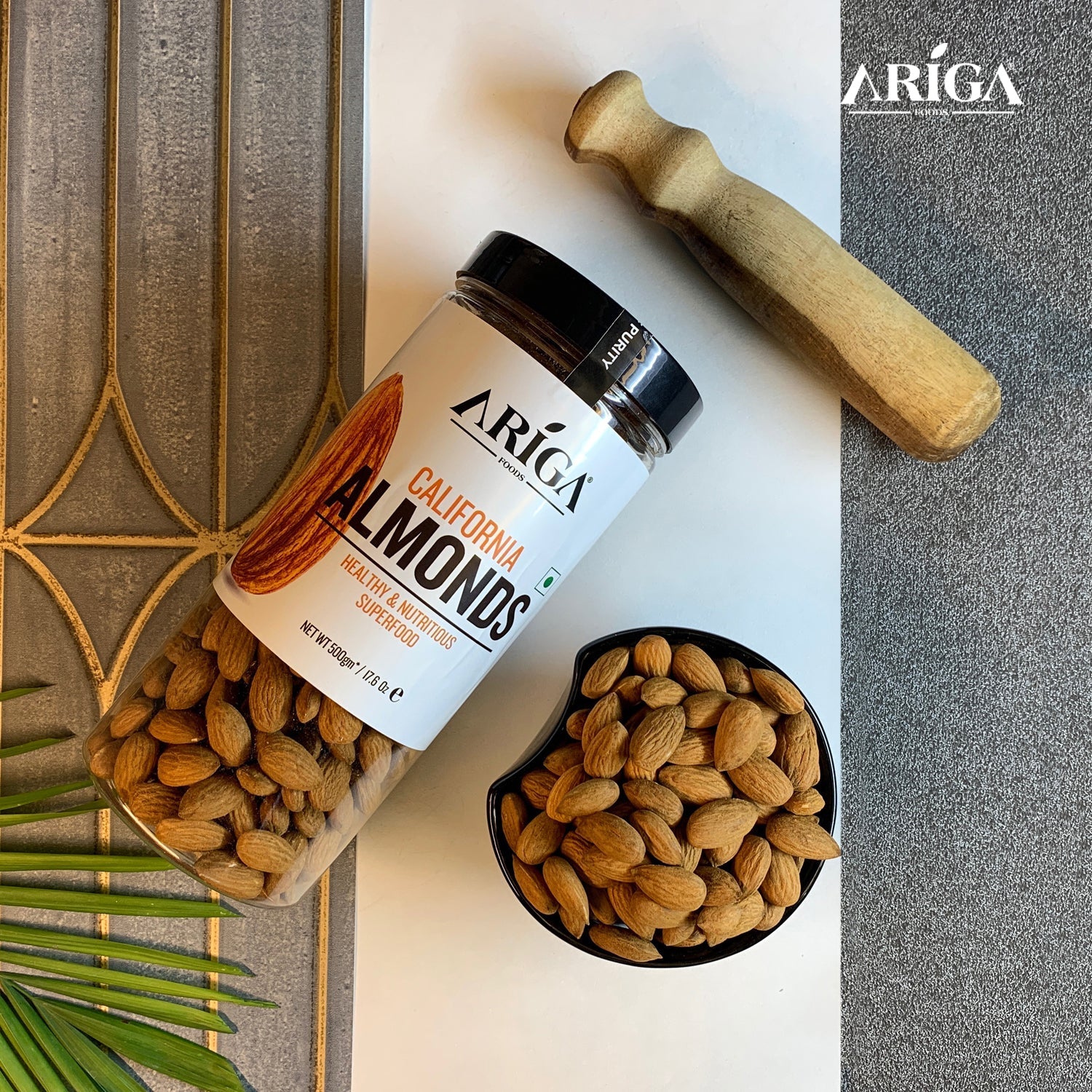
I mostly reach for Ariga Foods' California Almonds, raw and completely unflavoured, since that is what I want for a plain daily handful.
Some mornings, following the same logic my grandmother always swore by, I soak a small portion overnight, which softens them and, from what I have read, helps your body access the iron, zinc, and magnesium a bit more easily by breaking down some of the almond's natural phytic acid.
On days I want a bit more flavour without reaching for anything fried or sugary, their dry-roasted Himalayan Pink Salt or Tandoori Almonds are what I rotate in, both roasted without oil.
I have also gotten into the habit of leaving the skin on, which is just the default with raw almonds anyway, since that brown skin carries a meaningful share of the antioxidant polyphenols, something worth knowing if you are ever tempted to buy the blanched, skinless kind specifically for daily snacking.
The Bottom Line
Eating almonds daily, in a reasonable, measured portion, genuinely holds up as a sensible, low-effort habit.
The benefits are not dramatic overnight transformations, they build quietly across hours, weeks, and months, supporting digestion, cholesterol, blood sugar stability, and general cellular health along the way. A small handful a day, skin on, portion controlled, is about as simple as a genuinely useful dietary habit gets.
People Also Ask
Is it safe to eat almonds every day?
Yes, for most people, eating a measured daily portion of almonds, roughly 20 to 23 kernels, is considered safe and is associated with several health benefits, including better digestion, cholesterol support, and steadier blood sugar. As with any food, portion control matters, and anyone with a nut allergy should avoid them entirely.
Will eating almonds daily cause weight gain?
Research suggests otherwise for most people. While almonds are calorie-dense, your body does not absorb all of their calories due to how the fat is held within the almond's cell structure, and the fiber and protein content supports fullness that can reduce overall snacking. Portion size still matters, so a measured handful rather than an unmeasured bowl is key.
How many almonds should I eat per day?
A commonly cited amount is around one ounce, roughly 20 to 23 almonds, which provides a meaningful dose of healthy fats, protein, and micronutrients without excessive calories for most adults.
Should almonds be eaten raw or roasted for daily consumption?
Both work well. Raw, skin-on almonds retain the most natural antioxidants, while dry-roasted almonds, done without oil, offer similar nutrition with a bit more flavour and crunch. Oil-roasted or sugar-coated varieties are best kept occasional rather than a daily habit.
Does soaking almonds overnight make a difference?
Soaking almonds can help reduce phytic acid, a naturally occurring compound that can slightly interfere with mineral absorption, which may make it a bit easier for your body to access the iron, zinc, and magnesium in almonds. It is a helpful step for some people, particularly those with a sensitive digestive system, though unsoaked almonds still offer solid nutritional value.
Can eating almonds daily help with cholesterol?
Several studies have linked regular almond consumption with improved cholesterol markers, generally a reduction in LDL cholesterol while HDL levels hold steady or slightly improve. This works best as part of an overall balanced diet rather than as a standalone fix, so it is still worth discussing your specific cholesterol levels with a doctor.
Related Products


Ariga Foods Premium California Almonds 1kg
100% premium quality dry fruits badam giri from Ariga Foods, sourced from California, USA. Buy California Almonds (Badaam) online in India at Ari...


Ariga Foods Premium California Almonds 500g
100% premium quality dry fruits badam giri from Ariga Foods, sourced from California, USA. Buy California Almonds (Badaam) online in India at Ari...
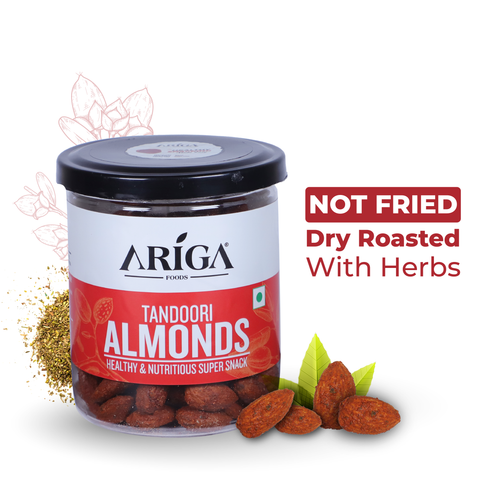

Ariga Foods Roasted Tandoori Almonds 200g
Ariga Foods premium quality dry fruits roasted almonds tandoori masala are dry roasted with no oil. Buy roasted almonds online at Ariga Foods. No...


Butter & Herbs Almonds 200g | Roasted 100% Premium Badam
100% premium quality dry fruits roasted almonds toasted with butter & herbs from Ariga Foods. Dry roasted with no oil, these nutrition roast...


Cheese Almonds 200g | Roasted 100% Premium Badam
Ariga Foods dry fruits roasted almonds are wrapped with cheese. 100% premium quality badam. These nutrition roasted almonds are crunchy and delic...
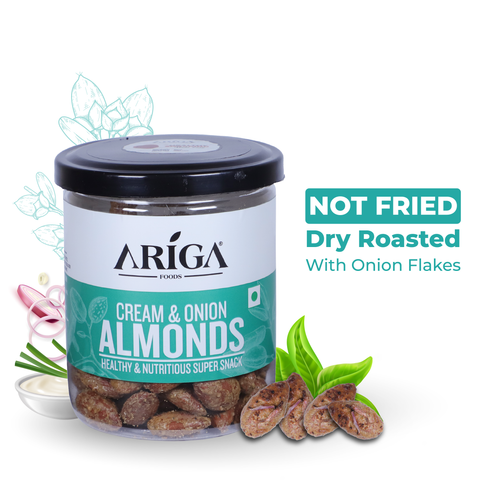

Cream & Onion Almonds 200g | Roasted 100% Premium Badam
100% premium quality dry fruits roasted almonds with cream & onion from Ariga Foods. Dry roasted almonds with no oil. Crunchy and delicious. N...
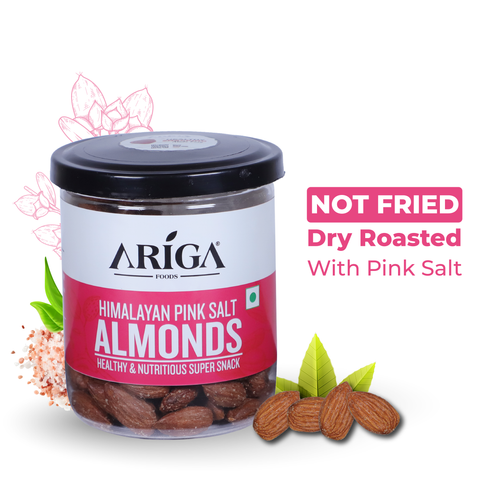

Himalayan Pink Salt Almonds 200g | Roasted 100% Premium Badam
100% premium quality dry fruits roasted almonds with pink salt from Ariga Foods, dry roasted with no oil. Crunchy and delicious. Buy roasted almo...


Tandoori Almonds 200g + Cheese & Herbs Cashews 200g (Dry Fruits Combo Pack 400g)
100% premium quality product from Ariga Foods. Ariga Tandoori Almonds and Cheese & Herbs Cashews are flavoured with Tandoori Masala and Cheese ...
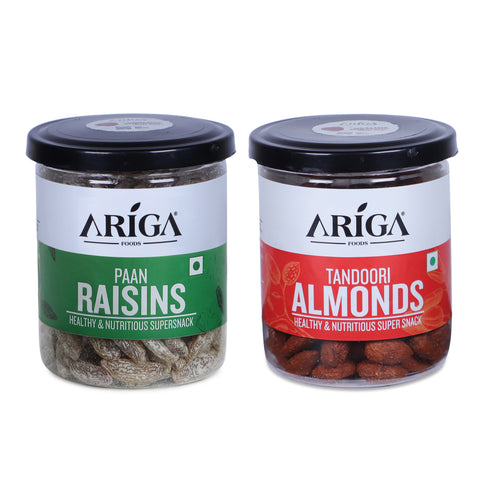

Tandoori Almonds 200g + Paan Raisins 250g (Dry Fruits Combo Pack 450g)
100% premium quality product from Ariga Foods. Ariga Tandoori Almonds and Paan Long Rasins are flavoured with Tandoori Masala and Paan flavour res...
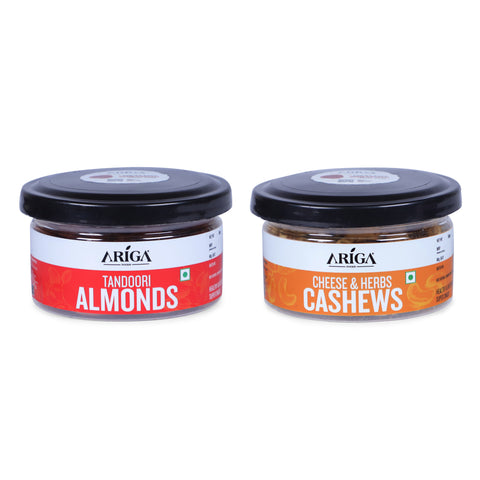

Tandoori Almonds 80g + Cheese & Herbs Cashews 80g (Dry Fruits Pack of 2 160g)
100% premium quality product from Ariga Foods. Ariga Tandoori Almonds and Cheese & Herbs Cashews are flavoured with Tandoori Masala and Cheese ...


Premium Nuts & Berries Mix 200g | Trail Mix 8 in 1 | Ariga Foods
100% premium quality trail mix nuts and berries from Ariga Foods. Healthy alternative to processed food and snacks. Buy trail mix online, Nuts &a...
About Us
Ariga Foods is the innovative Retail and B2B brand by Ariganic Food Pvt. Ltd. Our vision is to make Superfood convenient and tasty for every household around the world.
Read moreSUBSCRIBE & FOLLOW
TAG CLOUD