
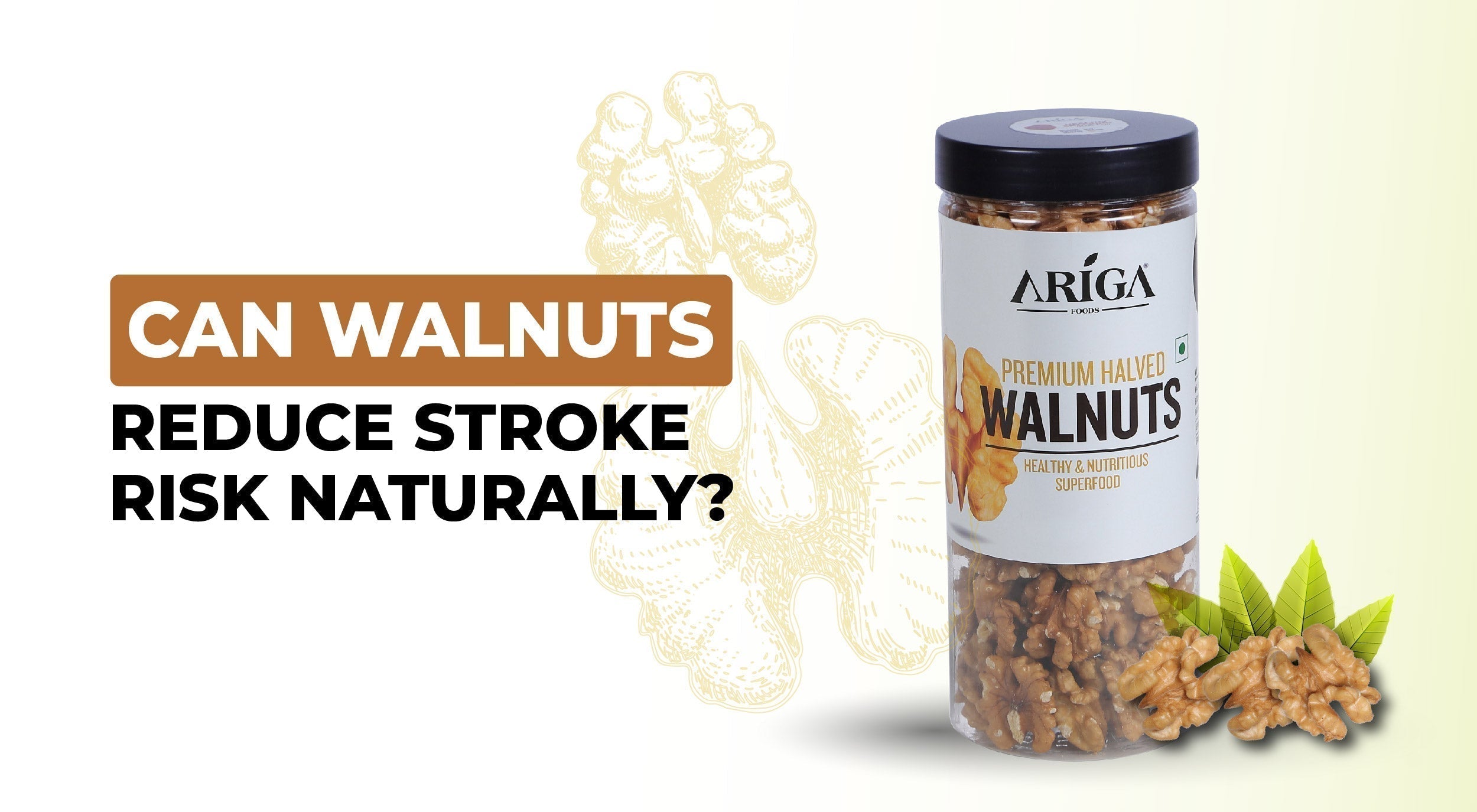
Can Walnuts Reduce Stroke Risk Naturally?
My father had a mild stroke three years ago. Mild in the sense that he recovered fully, but it was still one of the scarier phone calls I have ever received, and it changed a lot about how my family eats.
His cardiologist, alongside the usual medication and lifestyle advice, mentioned something that stuck with me, that a handful of walnuts a day was a small, simple habit worth building, not as a cure or a guarantee, but as one piece of a much bigger picture around heart and brain health.
I want to be upfront before going any further. I am not a doctor, and nothing here is meant to replace medical advice, especially if you or someone in your family has an elevated stroke risk or existing cardiovascular condition.
What I can share is what I learned reading around this topic after my father's diagnosis, and how walnuts quietly became a bigger part of our family's daily routine.
What the Research Actually Shows
Stroke risk is influenced by a long list of factors, genetics, blood pressure, cholesterol, activity levels, and diet all play a role, and no single food changes that picture on its own.
That said, walnuts specifically have been studied more than most nuts when it comes to cardiovascular health, largely because of research coming out of large, long-running studies like the Nurses' Health Study and the Health Professionals Follow-Up Study.
One analysis from that body of research found that people eating walnuts at least once a week had a meaningfully lower risk of stroke compared to those who rarely ate them, somewhere in the range of a fifteen to twenty percent reduction, after adjusting for other factors.
Separately, the well-known PREDIMED study, which looked at a Mediterranean diet supplemented with mixed nuts including walnuts, found participants had a notably lower rate of stroke and cardiovascular events compared to a control group on a standard lower-fat diet.
I want to be careful with how I phrase this. This is association-based research, not a guarantee that eating walnuts prevents stroke.
But the consistency of the findings across multiple large studies is genuinely part of why cardiologists, including my father's, now routinely mention walnuts as part of general dietary guidance for heart and brain health.
Why Walnuts Specifically Seem to Help
A few things about walnuts set them apart nutritionally from other nuts, and understanding the mechanism helped me trust the recommendation rather than just following it blindly.
Omega-3 Fatty Acids
Walnuts omega 3 content is genuinely higher than most other tree nuts, specifically a type called alpha-linolenic acid, or ALA. This particular fat has anti-inflammatory properties, and chronic inflammation is one of the underlying processes linked to the build-up of plaque in arteries, a major contributor to stroke risk over time.
Cholesterol Balance
Research has consistently shown that regular walnut consumption is associated with improvements in cholesterol profiles, generally lowering LDL, often referred to as bad cholesterol, while supporting healthier levels of HDL, the good cholesterol.
Since high LDL cholesterol contributes directly to arterial plaque build-up, this is one of the more direct mechanisms connecting walnuts to lower cardiovascular risk.
Blood Pressure Support
Walnuts also carry a decent amount of potassium and magnesium, both of which play a role in regulating blood pressure.
Since high blood pressure is one of the single biggest risk factors for stroke, this is another piece of why walnuts keep showing up in heart-health focused dietary guidance.
Antioxidant Protection
Beyond the fats and minerals, walnuts contain polyphenols, a type of antioxidant that helps reduce oxidative stress on blood vessels.
Over time, oxidative stress can damage the vascular system, and antioxidant-rich foods are generally considered supportive of healthier, more resilient blood vessels.
How Walnuts Actually Fit Into Our Routine Now
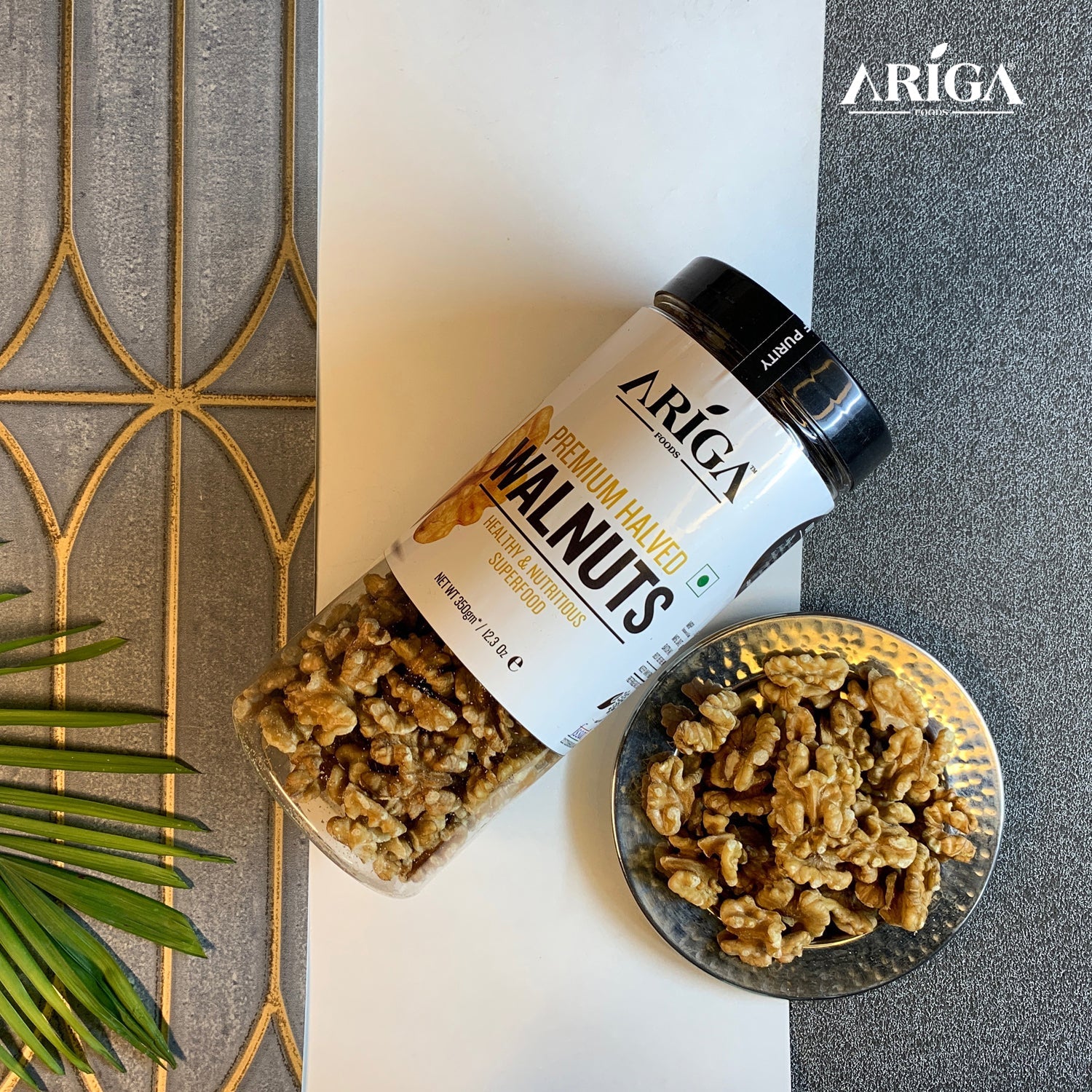
My father's cardiologist recommended roughly a small daily handful, and that has become the guideline we have stuck with as a family. Premium Halved Walnuts specifically have become our go-to, mostly because their already-broken-down form makes them easy to portion out and use in cooking without extra prep.
A walnut and berry breakfast parfait has become our regular weekend routine, Greek yogurt layered with mixed berries and walnuts, finished with a drizzle of honey and a sprinkle of chia seeds. It takes minutes to put together and has genuinely become something my father looks forward to rather than a chore.
On weeknights, we lean on a walnut pesto fairly often, walnuts blended with basil, parmesan, garlic, and olive oil, tossed through pasta.
And every couple of weeks, we make a walnut-crusted salmon, chopped walnuts and breadcrumbs pressed onto salmon fillets brushed with a bit of mustard and honey, baked until golden. It has become one of my father's favourite dinners, which makes this whole habit far easier to stick with than if it felt like a restriction.
What I Would Tell Anyone Reading This
Walnuts are not a substitute for medication, medical monitoring, or professional guidance if you have an elevated stroke risk or an existing cardiovascular condition.
What they can be, based on a genuinely substantial body of research, is one small, sustainable piece of a broader heart-healthy lifestyle, alongside things like regular movement, blood pressure management, and whatever your doctor specifically recommends for your situation.
What made this stick for our family was not treating it as a strict health regimen, but folding walnuts into meals we already enjoyed.
A small handful a day, whether in a morning parfait, tossed through pasta, or crusted onto salmon, has quietly become part of our routine rather than something we have to consciously remember to do.
If you have a family history of stroke or cardiovascular disease, or any personal risk factors, please talk to your doctor about what dietary changes make sense for you specifically.
This article is meant to share what we learned and how we have adjusted our habits, not to serve as medical guidance for your own situation.
People Also Ask
Can eating walnuts actually lower stroke risk?
Multiple large studies have found an association between regular walnut consumption and a meaningfully lower risk of stroke, largely linked to their effects on cholesterol, blood pressure, and inflammation. This is association-based research though, not a guarantee, and walnuts should be considered one part of an overall heart-healthy lifestyle rather than a standalone solution.
How many walnuts should I eat daily for heart health?
Most research on walnuts and cardiovascular health is based on roughly a small daily handful, often cited as around 30 grams or about 14 walnut halves. It is best to discuss the right amount for your individual health situation with a doctor, especially if you have existing health conditions.
What makes walnuts different from other nuts for heart health?
Walnuts contain a notably higher amount of alpha-linolenic acid, a plant-based omega-3 fatty acid, compared to most other tree nuts. This, combined with their polyphenol antioxidant content, is part of why walnuts specifically have been studied so extensively in relation to cardiovascular and stroke risk.
Do walnuts help lower cholesterol?
Research has consistently shown that regular walnut consumption is associated with lower LDL, or bad cholesterol, and in some studies, improved HDL, or good cholesterol. This effect on cholesterol is one of the key mechanisms believed to contribute to walnuts' association with lower cardiovascular risk.
Are walnuts safe for people already on medication for high blood pressure or cholesterol?
Walnuts are generally considered a safe, healthy food for most people, but anyone on medication for blood pressure or cholesterol should discuss significant dietary changes with their doctor, since diet can interact with how these conditions are managed overall.
Can diet alone prevent a stroke?
No single food or diet can guarantee stroke prevention. Stroke risk is influenced by many factors including genetics, blood pressure, activity levels, and existing health conditions, so diet should be viewed as one part of a broader approach that includes regular medical checkups and professional guidance.
Related Products
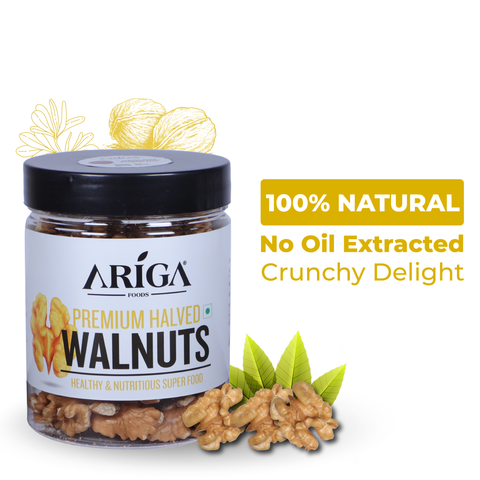

Ariga Foods Premium Halved Walnuts 150g
100% premium quality walnuts akhrot giri, without shell halved walnuts consumed as supersnack. Premium quality walnut kernels- Crunchy & Deli...
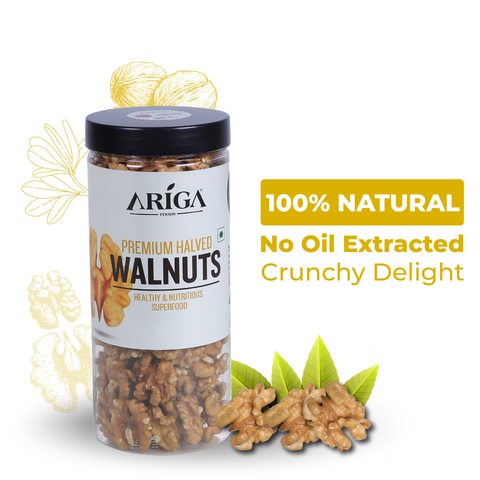

Ariga Foods Premium Halved Walnuts 350g
100% premium quality walnuts akhrot giri, without shell halved walnuts consumed as supersnack. Premium quality walnut kernels- Crunchy & Deli...
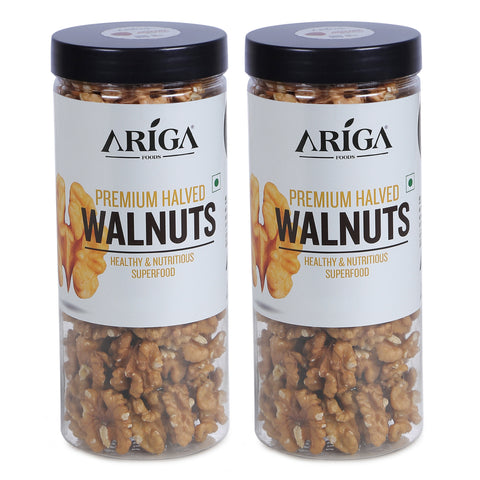

Ariga Foods Premium Halved Walnuts 700g
100% premium quality walnuts akhrot giri, without shell halved walnuts consumed as supersnack. Premium quality walnut kernels- Crunchy & Deli...
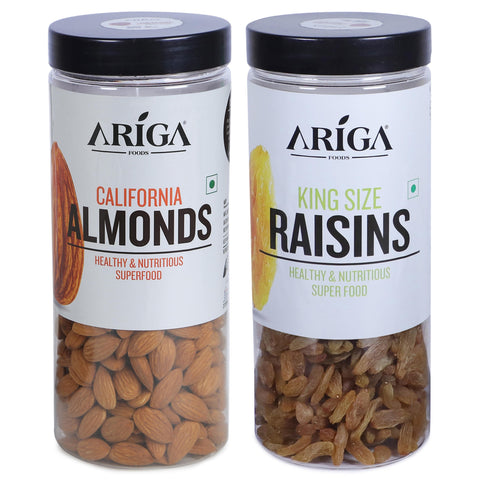

Ariga Foods Natural California Almonds (Badam) and Raisins (Kishmish) 1kg (500g x 2) | Dry Fruits Combo Pack | Mixed Nuts
100% premium quality product from Ariga Foods. Ariga Almonds & Long Green Raisins are consumed as superfood as they are the best replacement fo...
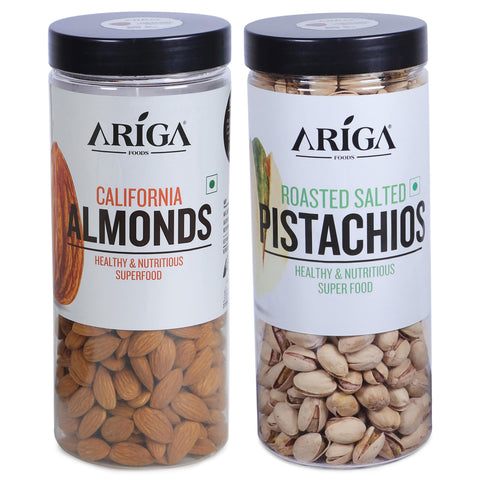

Ariga Foods Natural California Almonds (Badam) and Pistachios (Pista) 1kg (500g x 2) | Dry Fruits Combo Pack | Mixed Nuts
100% premium quality product from Ariga Foods. Ariga Almonds & Pistachios are consumed as superfood as they are the best replacement for junk f...


Ariga Foods Almonds, Cashews, Raisins, Walnuts & Roasted Flax Seeds | Combo Pack Of 5
100% premium quality combo pack of 5- California Almonds, King Size Cashews, King Size Raisins, Premium Halved Walnuts and Roasted Flax Seeds from ...


Ariga Foods Fruits Mix, Granola Chocolate, Nuts Mix, Raisins & Roasted Flax Seeds | Combo Pack of 5
100% premium quality combo pack of 5- Fruits Mix 200g, Crunchy Granola Chocolate & Almonds, Healthy Nut Mix, King Size Raisins and Roasted Flax...


Gourmet Diwali Gift Box Box Pack Of 8 | Roasted- Tandoori Almonds, Cheese & Herbs Cashews, Pumpkin Seeds, Mixed Seeds, Paan Raisins, Premium Walnuts and Long Raisins | Premium Gift Pack Of 1090g | For Family, Friends, Corporates | Ariga Foods
Gourmet Gift Box for Diwali- Premium Roasted/Plain Nuts & Assorted Seeds. This gift hamper contains- Roasted- Tandoori Almonds 150g + Cheese &a...


Happiness Diwali Gift Box Premium Dry Fruits | 5 Packs 730g | Ariga Foods
Happiness Gift Box for Diwali- Premium Nuts & Assorted Breakfast Granola. This gift hamper contains- Premium California Almonds (Badam) 150g + ...
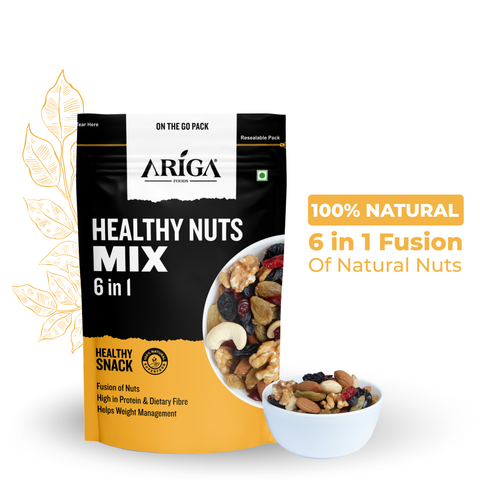

Premium Healthy Nutmix 200g | Trail Mix 6 in 1 | Ariga Foods
100% premium quality Healthy Nut Mix from Ariga Foods. Healthy alternative to processed food and snacks. Buy trail mix online at Ariga Foods. Ari...
About Us
Ariga Foods is the innovative Retail and B2B brand by Ariganic Food Pvt. Ltd. Our vision is to make Superfood convenient and tasty for every household around the world.
Read moreSUBSCRIBE & FOLLOW
TAG CLOUD