
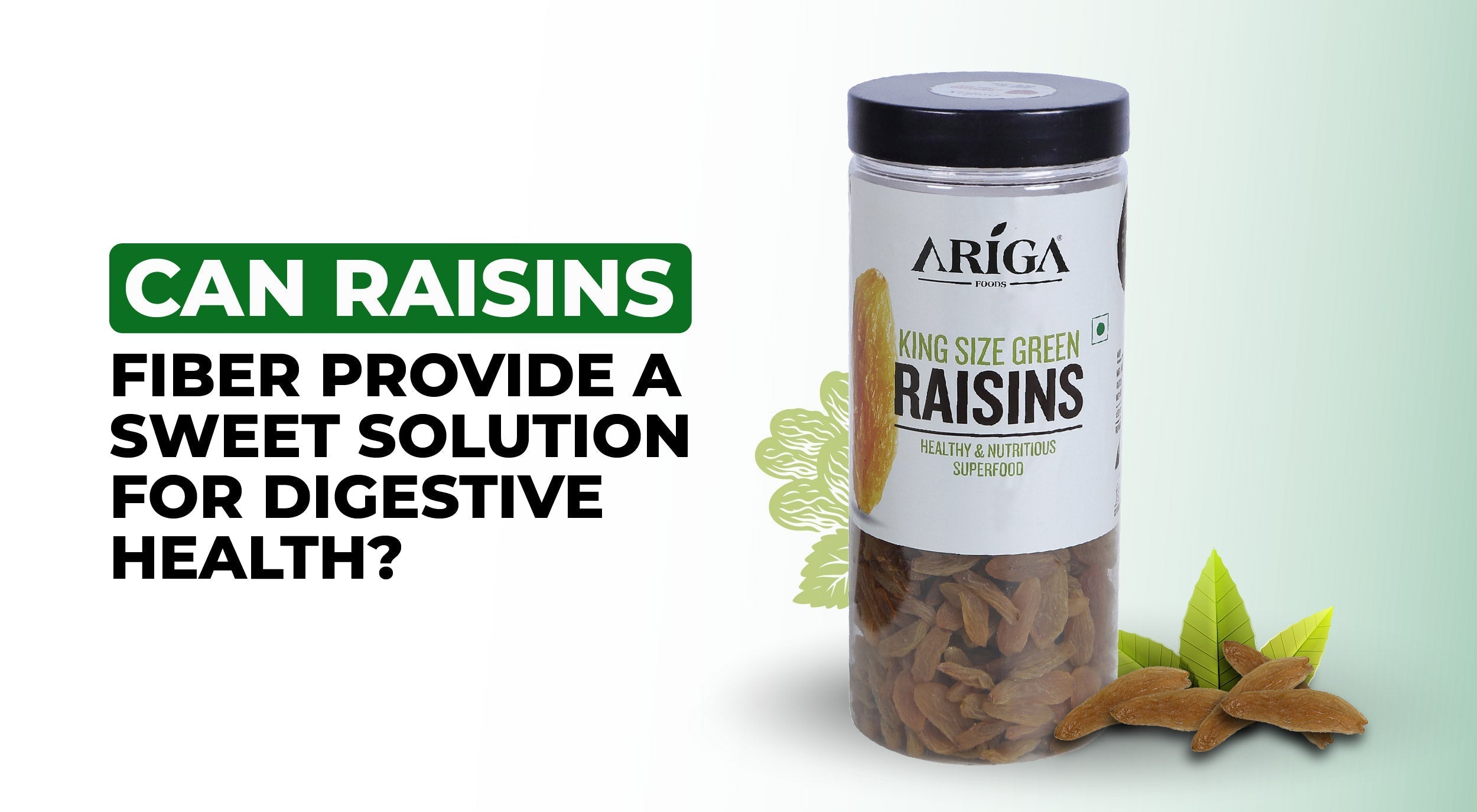
Can Raisins' Fiber Provide a Sweet Solution for Digestive Health?
My mother has kept a small bowl of raisins on the kitchen counter for as long as I can remember, and for most of my childhood I assumed it was just a snack she liked.
It was only years later, when I started dealing with my own sluggish digestion during a particularly stressful stretch of work, that she told me the actual reason.
She had read somewhere decades ago that raisins were good for keeping things regular, and had simply kept the habit going ever since without really questioning it.
When I started struggling with the same thing, she pushed the bowl toward me instead of offering advice, which honestly felt very on brand for her.
I want to walk through what I actually learned looking into this properly, because raisins turned out to be more genuinely useful for digestion than I expected going in, without needing to oversell them as some kind of miracle fix.
What Fiber Actually Does, Briefly
Dietary fiber comes in two types, soluble and insoluble, and both play distinct roles in digestion.
Soluble fiber helps slow digestion and can support healthy blood sugar levels, while insoluble fiber adds bulk to stool and helps move things through your digestive system more efficiently, which is the piece most relevant to constipation specifically.
A diet with adequate fiber generally supports more regular bowel movements, and over time, can also help feed the beneficial bacteria that live in your gut.
Raisins provide a modest but genuinely useful contribution here, generally around one to two grams of fiber per small serving, which adds up meaningfully if you are eating them regularly rather than as a rare treat.
Why Raisins Specifically Work Well for This
Beyond the fiber itself, raisins bring a couple of other things to the table that make them a reasonably good pick for digestive health specifically.
They contain tartaric acid, a naturally occurring compound that has been associated with a mild laxative effect, which is part of why raisins have that long-standing traditional reputation for helping with regularity, not just because of fiber alone.
They are also a genuinely good source of potassium and magnesium, both of which support healthy muscle function throughout the body, including the muscles involved in digestion.
And their antioxidant content, they are actually among the more antioxidant-rich dried fruits when compared side by side with other options, helps combat oxidative stress more broadly, which ties into overall gut health even if the connection is less direct than the fiber piece.
A Few Other Things Raisins Genuinely Support
While digestion is the main focus here, it is worth mentioning a few other areas where raisins hold up reasonably well, since digestive health rarely exists in isolation from the rest of your diet.
Raisins contain potassium and magnesium, both relevant to healthy blood pressure regulation, which is a meaningful piece of overall cardiovascular health.
They also carry a trace mineral called boron, along with a modest amount of calcium, both of which are associated with supporting bone health over time, though I want to be careful not to overstate this, the research on boron specifically is still fairly preliminary compared to more established bone health nutrients like calcium and vitamin D.
On weight management, raisins are sometimes mentioned as helpful due to their fibre content supporting satiety, but I think this deserves an honest caveat too.
Raisins are calorie-dense for their size, since drying concentrates the natural sugars significantly, so treating them as an unlimited snack in the name of "fibre for fullness" would work against you rather than for you. A mindful, modest portion is where the actual benefit lies.
How My Mother, and Now I, Actually Use Raisins for This
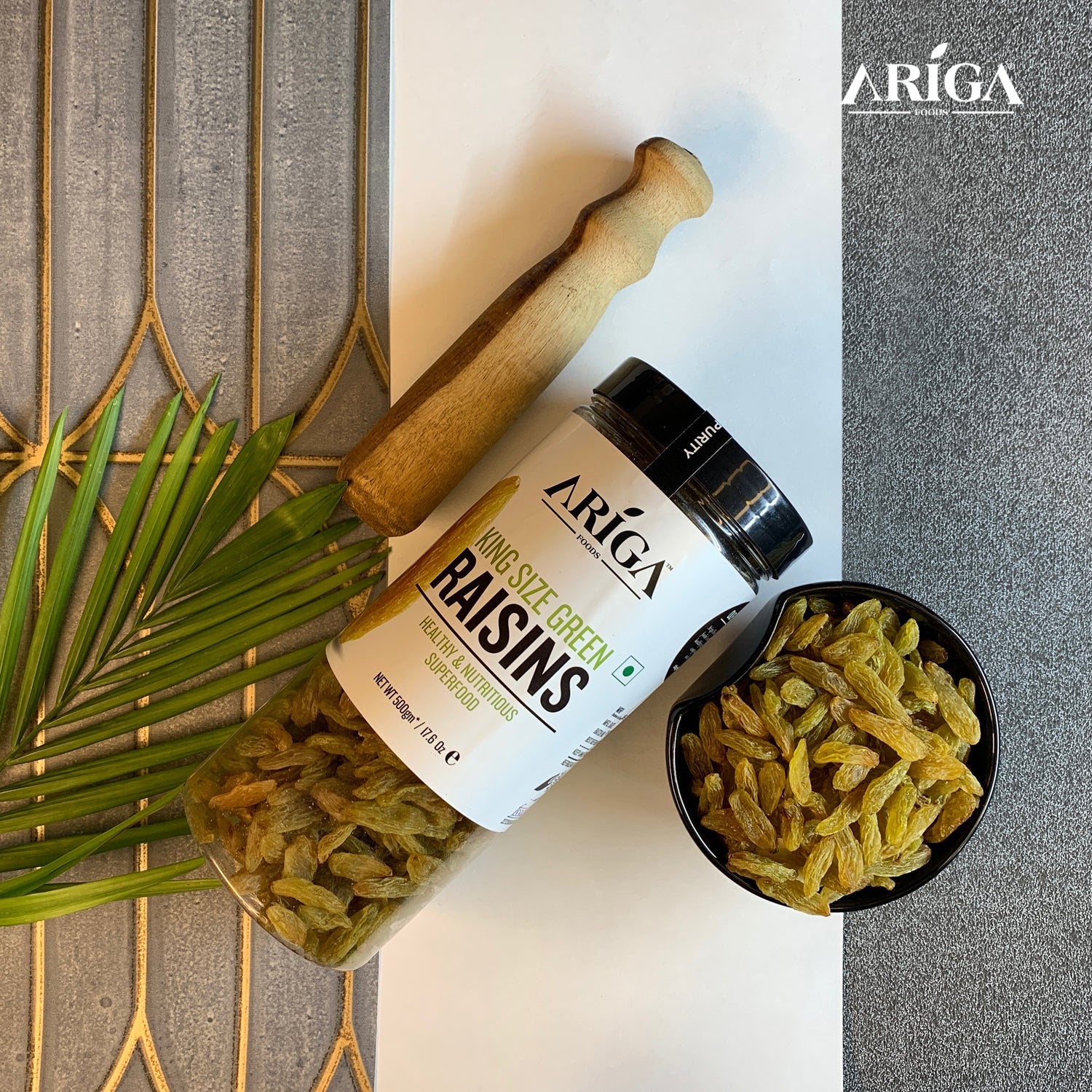
She has always kept King-Size Raisins as her everyday choice, large, juicy, and satisfying enough on their own that she rarely needs anything alongside them.
I have started keeping a jar of my own, mostly for the mid-morning stretch when I used to reach for something processed instead.
More recently, I introduced her to the Paan Raisins, and she has genuinely taken to them, the fennel and cardamom flavouring reminds her of the mukhwas she grew up eating after meals, and she has started keeping a small container specifically for after dinner now.
A Few Recipes That Have Become Regulars
King-Size Raisin and Nut Breakfast Bowl
Greek yogurt topped with King-Size Raisins, a handful of chopped almonds or walnuts, a drizzle of honey, and a teaspoon of chia seeds for an extra bit of fibre.
This has become my actual breakfast most mornings now, not because I am chasing a specific health outcome, but because it genuinely keeps me full and satisfied until lunch.
Paan Raisin Smoothie
Blended with almond milk, a frozen banana, a spoon of almond butter, and a few ice cubes, this has become my mother's afternoon ritual, and the paan flavour coming through in a smoothie is honestly more pleasant than it sounds on paper.
Raisin and Spinach Salad
Fresh spinach tossed with King-Size Raisins, crumbled feta, sliced almonds, and a balsamic vinaigrette. The raisins add a natural sweetness against the tang of the feta and dressing that makes this feel like more than just "a healthy salad."
Paan Raisin Energy Bites
Rolled oats mixed with Paan Raisins, honey, almond butter, and shredded coconut, rolled into small balls and refrigerated until firm. These have become my go-to for busy mornings when I know breakfast is not going to happen properly otherwise.
What I Would Actually Tell Anyone Struggling With This
Raisins are not going to fix a genuinely significant digestive issue on their own, and if you are dealing with persistent constipation, bloating, or discomfort that goes beyond general sluggishness, that is worth discussing with a doctor rather than relying on any single food.
What raisins can be, and what they have quietly been in my mother's routine for decades, is one small, sustainable, genuinely enjoyable piece of a broader pattern that supports regular digestion, alongside adequate water intake, movement, and a generally balanced diet.
My mother's habit, it turns out, was not some old wives' tale after all. There was actual substance behind it, even if she never framed it in scientific terms. Sometimes the simplest, most repeated habits turn out to have more behind them than we give them credit for.
People Also Ask
How much fiber is in a serving of raisins?
A small serving of raisins, roughly a quarter cup, provides about one to two grams of fiber, which contributes meaningfully to your daily fiber intake when eaten regularly as part of a balanced diet.
Can raisins help with constipation?
Raisins can support regular digestion due to their fiber content and natural compounds like tartaric acid, which has a mild laxative effect. For occasional mild constipation, they can be a helpful addition, but persistent digestive issues should be discussed with a doctor.
Are raisins good for gut bacteria?
The fiber in raisins can support a healthy gut environment over time, as fiber generally helps feed beneficial gut bacteria. Raisins are one contributor among many fiber-rich foods that support overall gut health.
Do raisins help with bone health?
Raisins contain a modest amount of calcium and a trace mineral called boron, both associated with bone health, though the research on boron specifically is still considered preliminary compared to more established nutrients like calcium and vitamin D.
Can eating too many raisins cause digestive issues instead of helping?
Yes, raisins are calorie-dense and high in natural sugar, so eating large quantities can potentially cause digestive discomfort or contribute to excess sugar intake. A moderate portion, around a quarter cup, is generally recommended.
Are raisins a good snack for people trying to manage their weight?
Raisins can support satiety due to their fiber content, but their calorie density means portion control matters. They work best as a mindful, moderate snack rather than an unlimited one within a weight-conscious diet.
Related Products
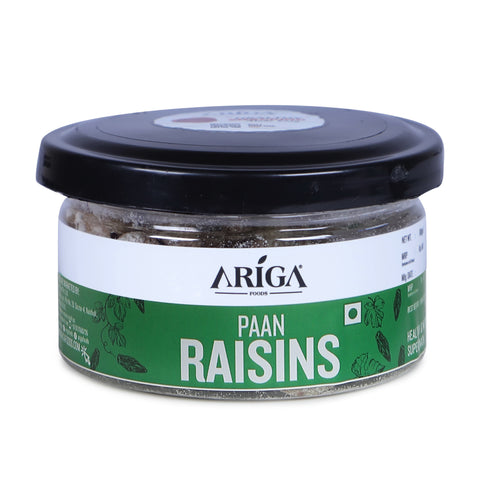

Paan Raisins 100g | Premium Long Green Kishmish
100% premium quality product from Ariga Foods. Ariga Paan Raisins are consumed as supersnack as they are the best replacement for junk food. Pac...
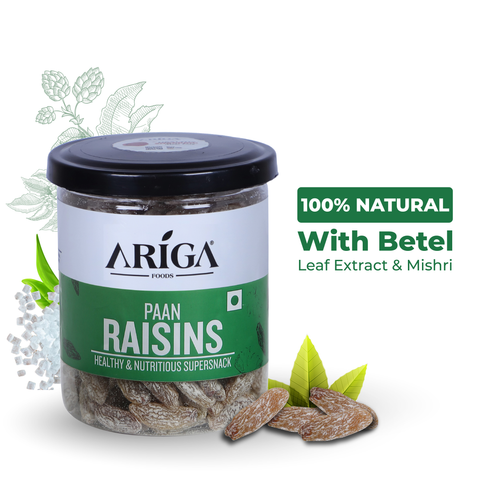

Paan Raisins 250g | Premium Long Green Kishmish
100% premium quality raisins kismis made with real pan extract to bring the taste of mukhwas. These are long size green raisins dry fruit. Buy gr...
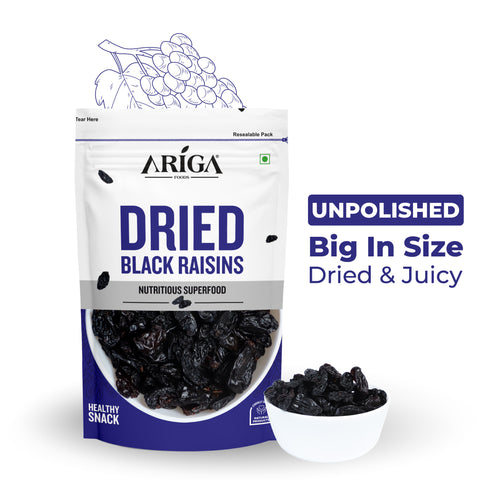

Premium Afghani Black Raisins 200g | Ariga Foods
100% premium quality black raisins. Healthy alternative to processed food and snacks. Buy black raisins online at Ariga Foods. They are also know...
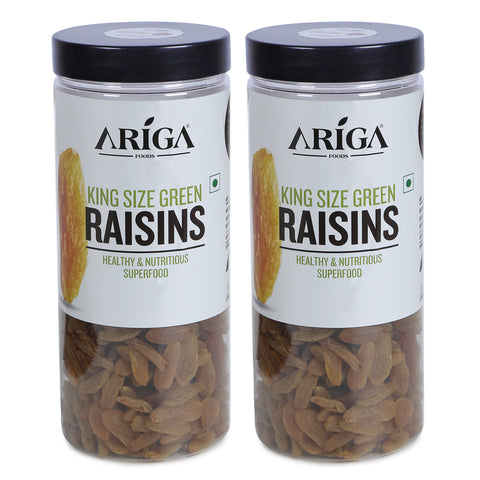

Premium Green Raisins 1kg
100% premium quality raisins kismis. Long size green raisins dry fruit, best replacement for junk food. Buy Indian raisins online at Ariga Foods....
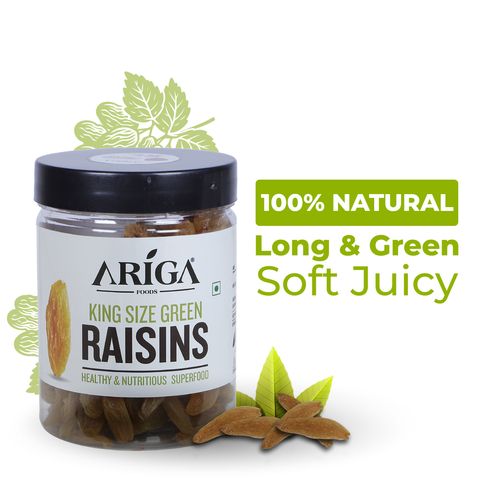

Premium Green Raisins 250g
100% premium quality raisins kismis. Long size green raisins dry fruit, best replacement for junk food. Buy Indian raisins online at Ariga Foods....
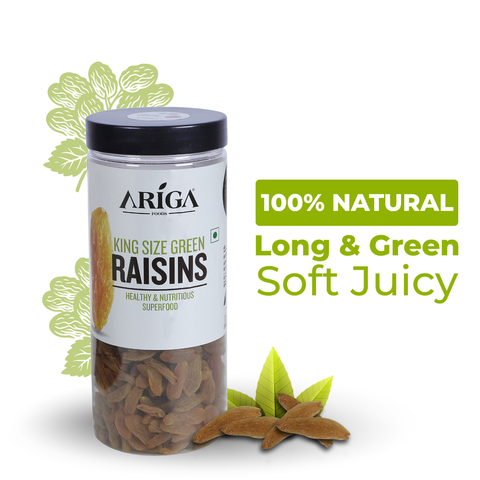

Premium Green Raisins 500g
100% premium quality raisins kismis. Long size green raisins dry fruit, best replacement for junk food. Buy Indian raisins online at Ariga Foods....
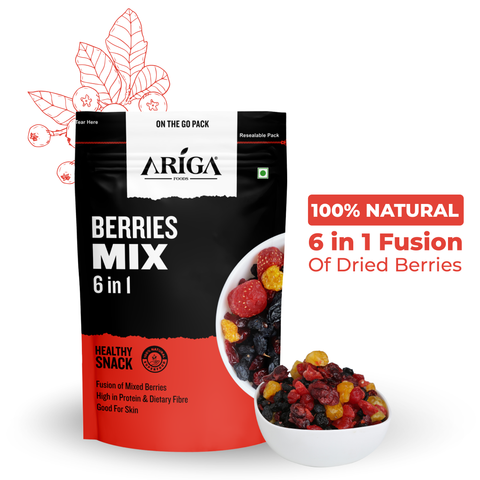

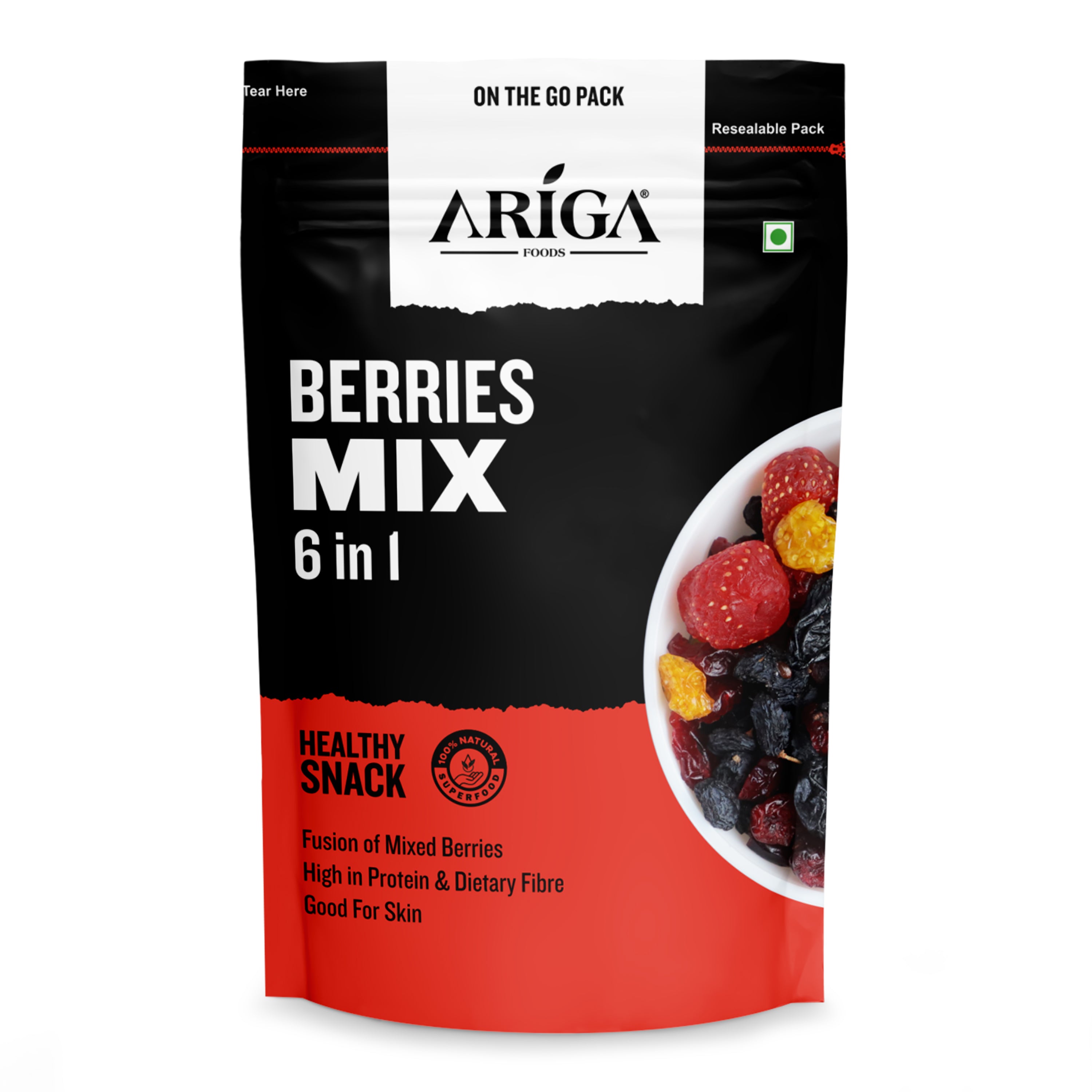
Premium Dried Berries Mix 200g | Trail Mix 6 in 1 | Ariga Foods
Ariga Foods premium quality Berries Mix. Healthy alternative to processed food and snacks. Buy Berries mix online at Ariga Foods. Ariga Foods mix...


Ariga Foods King Size Premium Cashew Nuts 1kg | Dry Fruit Kaju 240 Grade
100% premium quality dry fruits Cashews 240 big size kaju nutritious food for healthy eating. Buy Cashew nuts (Kaju) online in India at Ariga Foo...


Ariga Foods King Size Premium Cashew Nuts 200g | Dry Fruit Kaju 240 Grade
100% premium quality dry fruits Cashews 240 big size kaju nutritious food for healthy eating. Buy Cashew nuts (Kaju) online in India at Ariga Foo...


Ariga Foods Premium California Almonds 1kg
100% premium quality dry fruits badam giri from Ariga Foods, sourced from California, USA. Buy California Almonds (Badaam) online in India at Ari...


Ariga Foods Premium California Almonds 500g
100% premium quality dry fruits badam giri from Ariga Foods, sourced from California, USA. Buy California Almonds (Badaam) online in India at Ari...
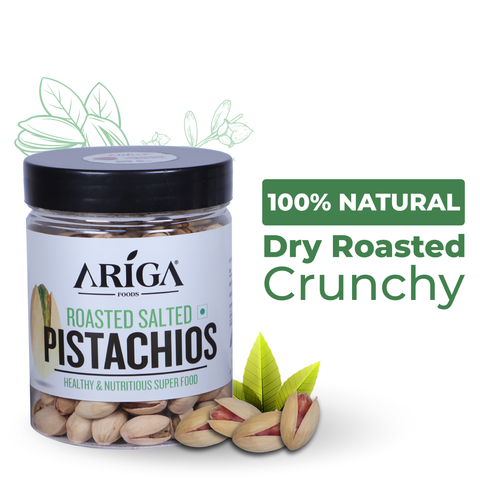

Premium Roasted & Salted Pistachios 200g
100% premium quality pista dry fruits. Roasted & salted pistachios, consumed as supersnack.Buy Pistachio nuts (Psita) online in India at Ariga ...
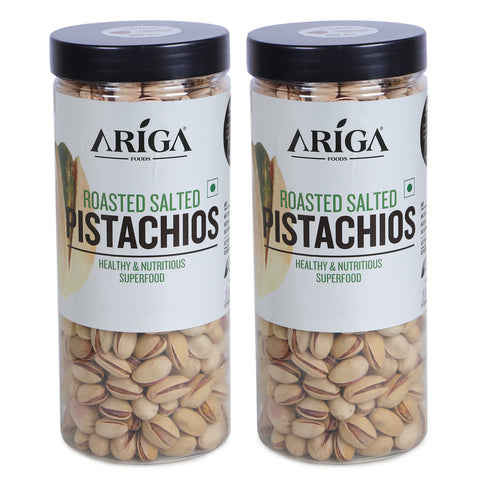

Premium Roasted & Salted Pistachios 1kg
100% premium quality pista dry fruits. Roasted & salted pistachios, consumed as supersnack. Buy Pistachio nuts (Pista) online in India at Arig...
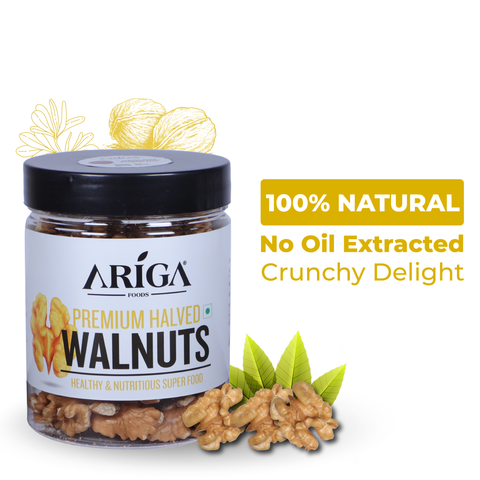

Ariga Foods Premium Halved Walnuts 150g
100% premium quality walnuts akhrot giri, without shell halved walnuts consumed as supersnack. Premium quality walnut kernels- Crunchy & Deli...
About Us
Ariga Foods is the innovative Retail and B2B brand by Ariganic Food Pvt. Ltd. Our vision is to make Superfood convenient and tasty for every household around the world.
Read moreSUBSCRIBE & FOLLOW
TAG CLOUD